Tech & AI
How Nanobiotechnology and Bioinformatics Are Shaping the Future of Healthcare
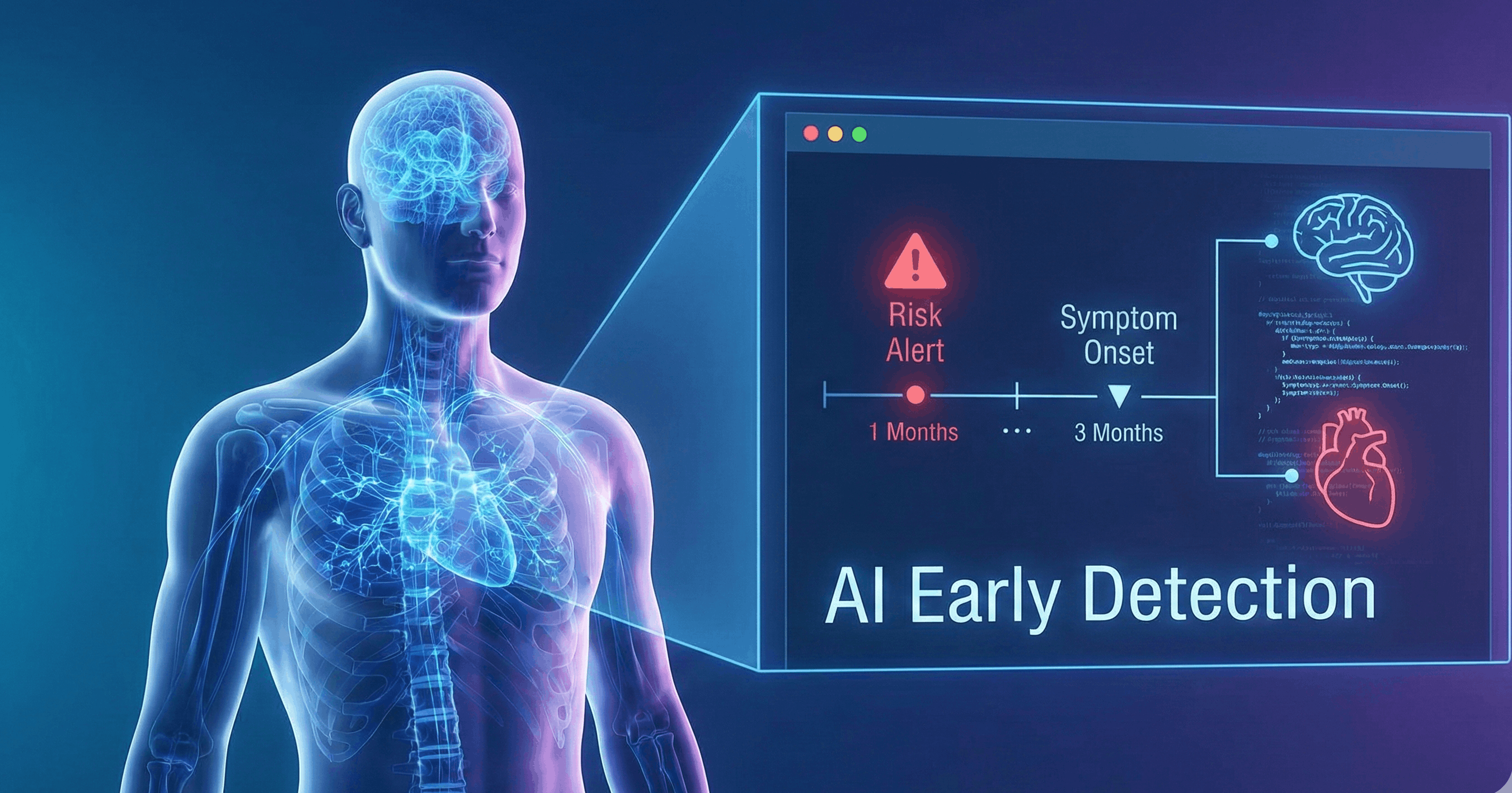
Modern healthcare is undergoing a silent revolution. Now to treat a disease in the healthcare system, there is no longer a need to wait for symptoms to appear.
Showing results for: "just" (61 results)
Modern healthcare is undergoing a silent revolution. Now to treat a disease in the healthcare system, there is no longer a need to wait for symptoms to appear.
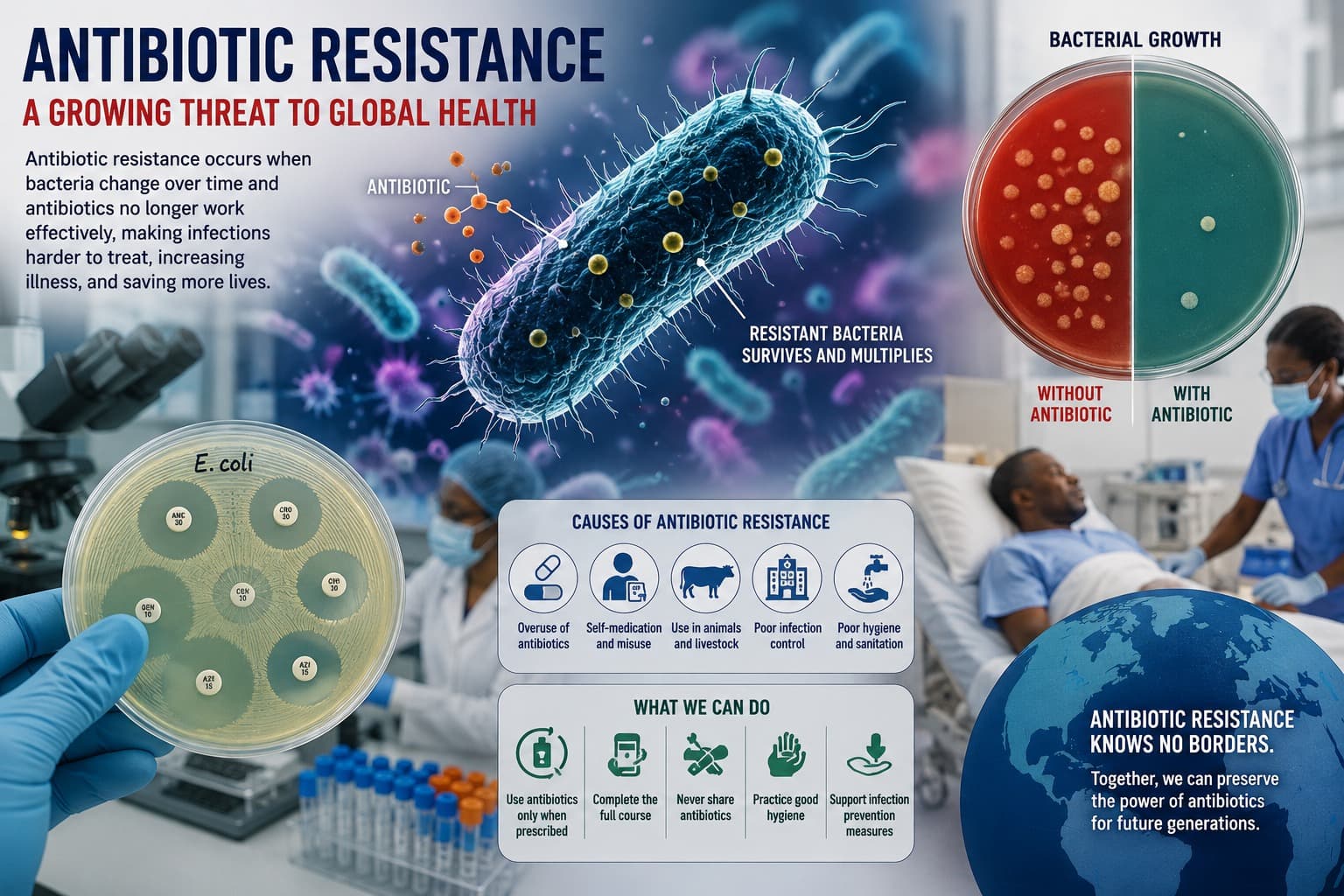
Antibiotic resistance is making common infections hard to treat. Learn why it happens, how it affects communities in Nigeria and beyond, and what we can do to protect these life-saving medicines.
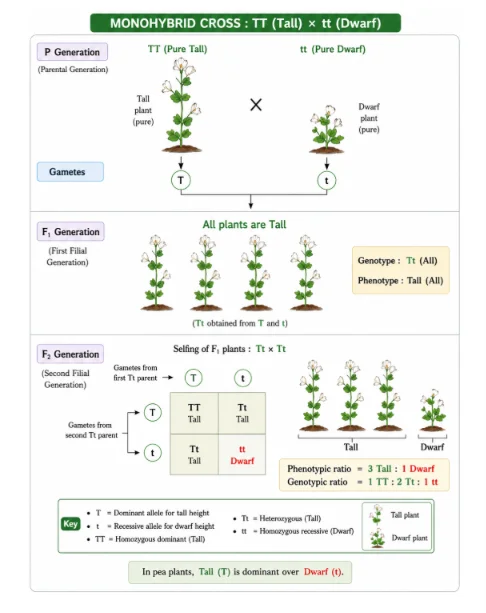
Ever wondered how a pea plant experiment predicted your face? Let me tell you a story about a monk and his garden that sparked a scientific revolution.
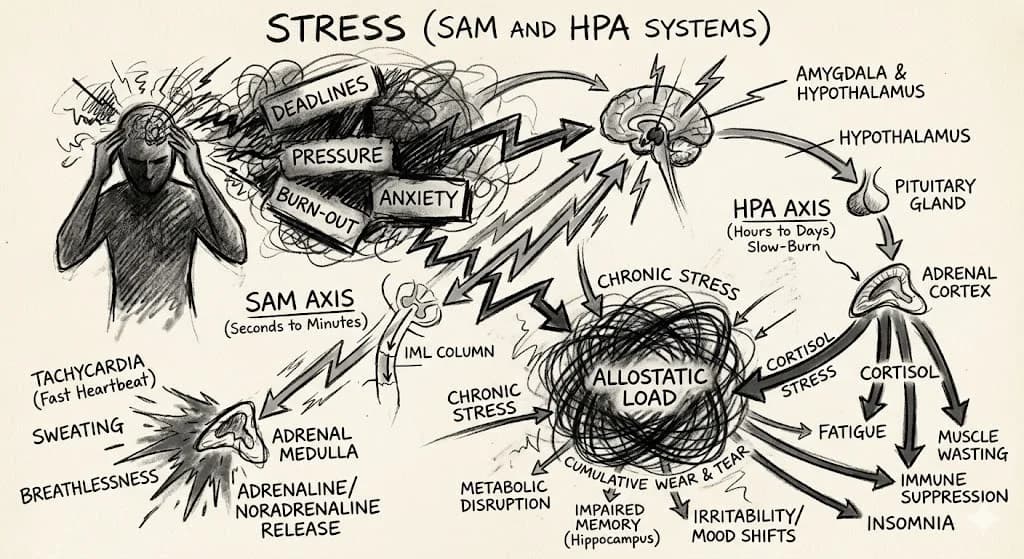
What does stress actually do to your body? Explore the neurobiology of the survival response, from the immediate SAM axis to the the HPA axis, and learn how to restore your biological equilibrium.
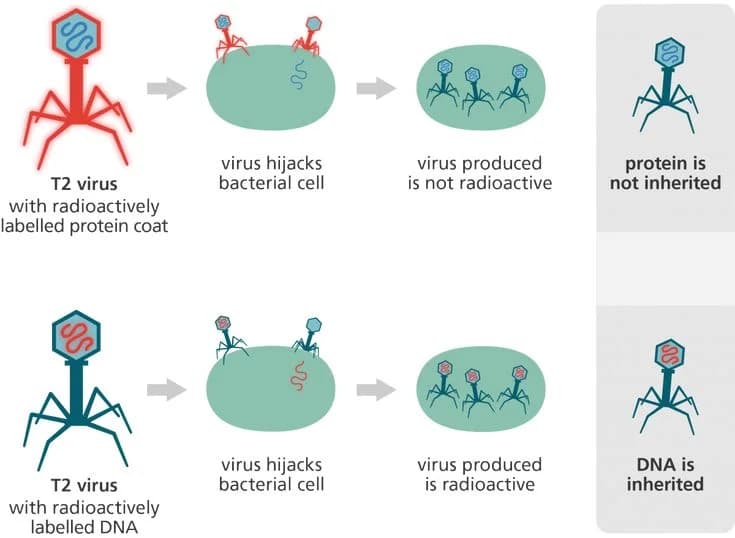
As global data generation continues to grow exponentially, traditional storehouse innovations face challenges related to capacity, energy consumption, and long- term preservation. DNA data storehouse offers a revolutionary result by garbling computerized information into synthetic DNA molecules. This explores DNA data storage, its basics, uses, benefits, and ethics, and how it could change future data archiving.

Radiology is more than just X-rays. See how it evolved, how it works, and how AI is making diagnosis faster, safer, and better for everyone
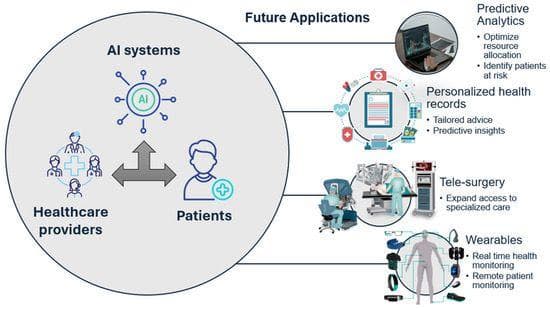
Healthcare is changing faster than ever before. Thanks to breakthroughs in artificial intelligence (AI), genomics, and wearable technology, medicine is entering the era of smart health, where data, devices, and biology work together to create care tailored to the individual.
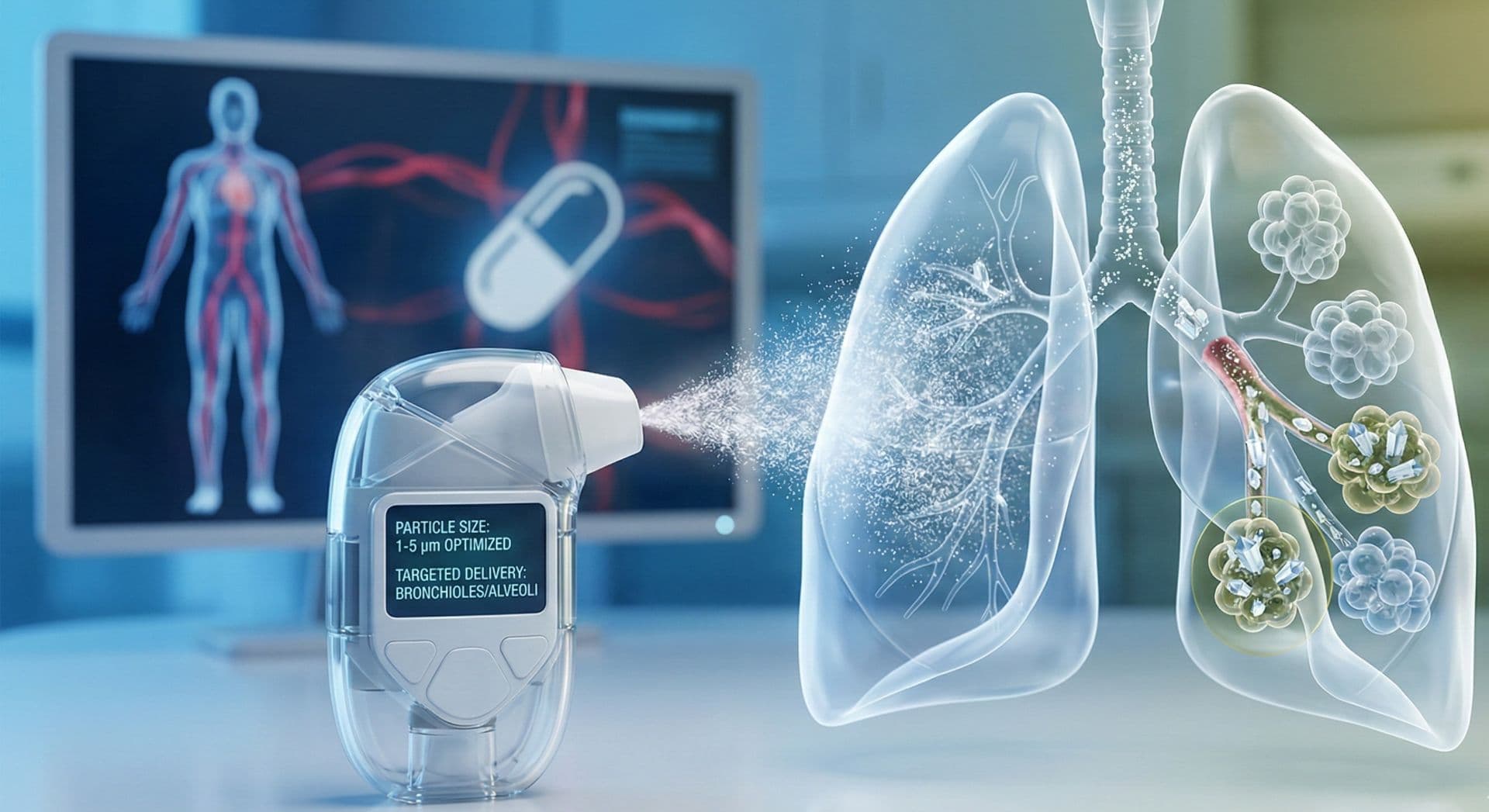
Inhaled antibiotics deliver drugs directly to lung infections, achieving better results with fewer side effects, which is a game-changer in fighting resistance.
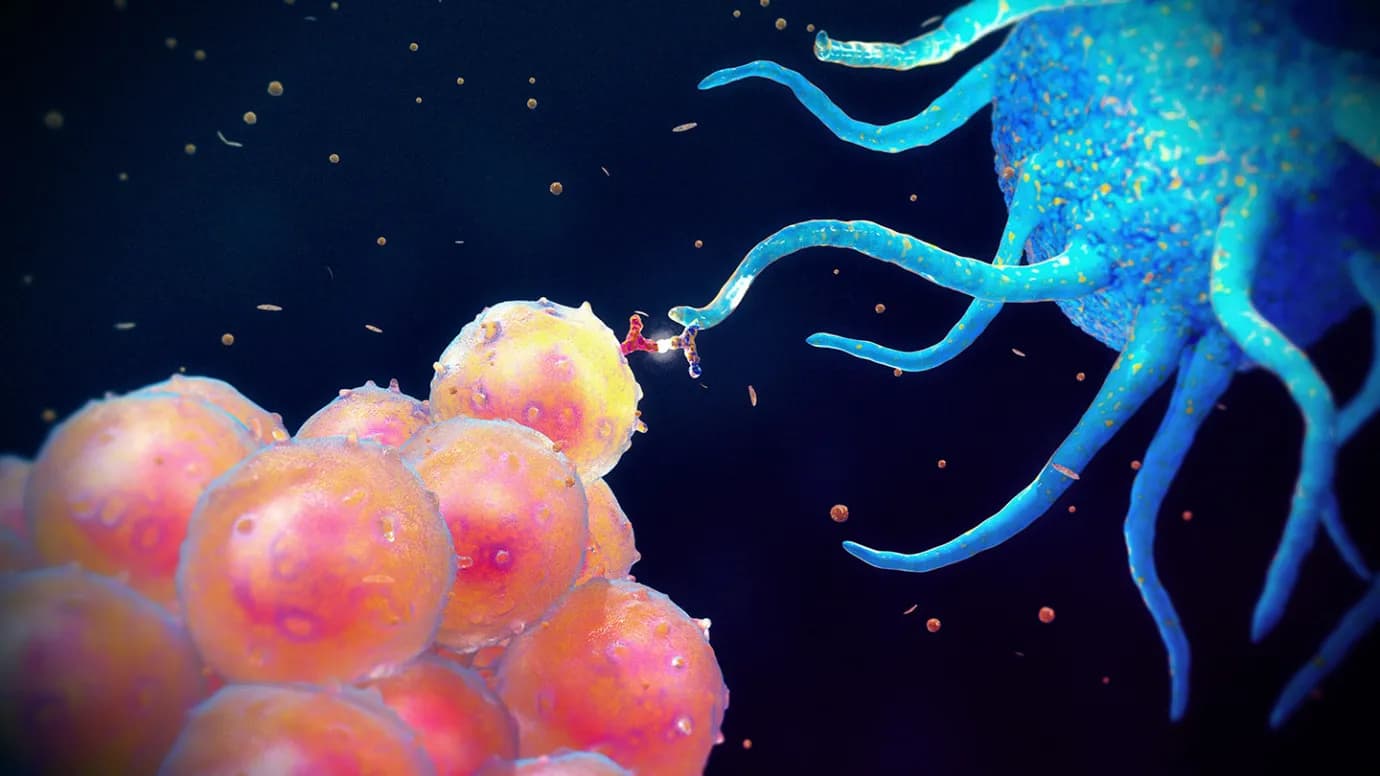
Discover how antigen-presenting cells like dendritic cells and macrophages are being recruited through smart particle design for vaccines and immunotherapy.

This article will unlock that box, exploring the crucial process of translating complex clinical trial evidence into clear, understandable information for everyone. We'll journey from the surprising origins of clinical trials to the modern-day push for transparency, and discover why making science accessible is not just a convenience, but a necessity for public trust and informed health decisions.

Too big, it hits your throat. Too small, you exhale it. The sweet spot delivers drugs exactly where they're needed.
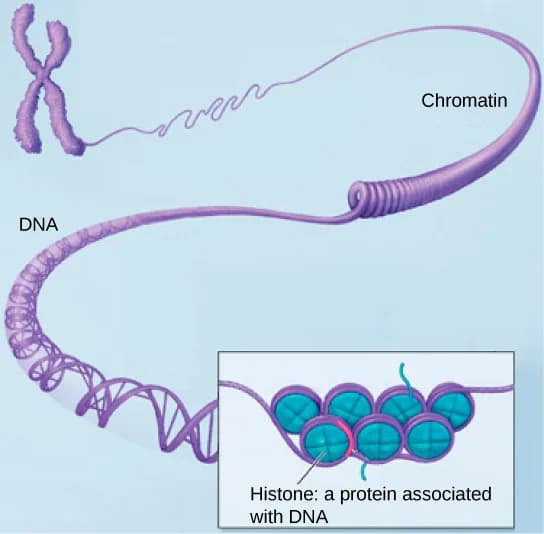
Epigenetics is transforming how scientists understand the bridge between genes and behavior, opening the door to a new era of mental health treatment.
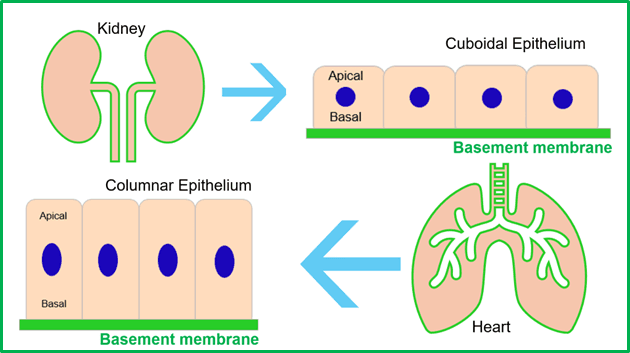
Tiny but powerful, basement membranes support cells, regulate barriers, and drive disease when disrupted—key players in health, aging, and cancer.
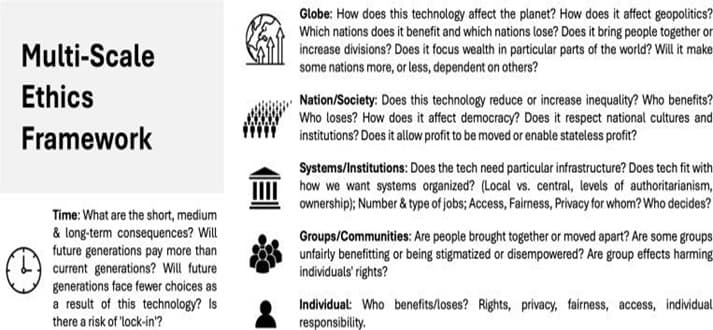
Artificial Intelligence AI with it’s widespread use in various sectors has also taken a dive into healthcare by transforming clinical practice and improving patient care.

Haploinsufficient genes show how losing one gene copy can affect brain development, increasing risk for neurodevelopmental disorders and behaviour changes.
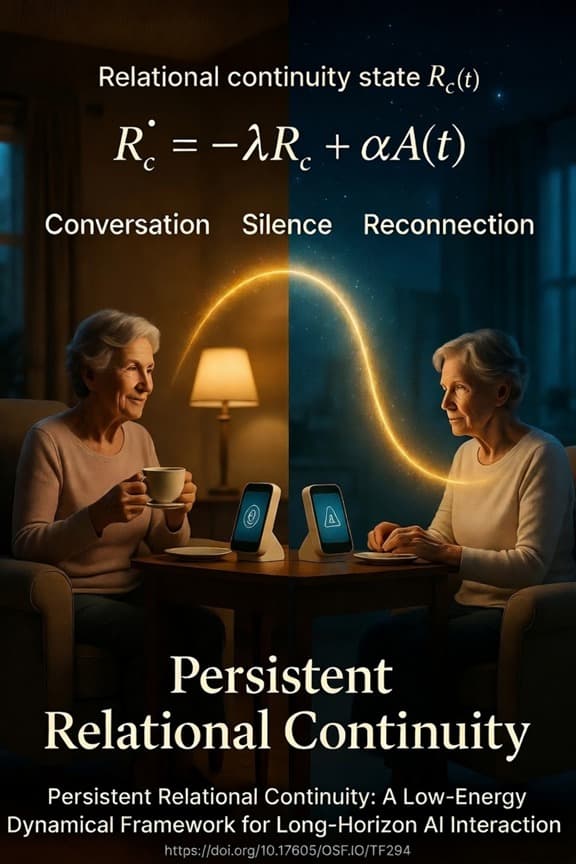
A low-energy dynamical approach could give companion AI the gift of long-term relational memory - especially valuable for eldercare.

Pain is a common problem for millions of people. Many take medications every day to help make their discomfort manageable. People often turn to over-the-counter remedies, and if these do not provide sufficient relief, some seek out their physician for help

Explaining The Reciprocity Between Your Brain and Your Belly For the past decade, the scientific community has increased its focus on mental health disorders including anxiety, depression,

Today, generalized anxiety disorder is affecting millions of Americans. The disorder usually traps the sufferers in cycles of fear and isolation in a way that even standard treatments cannot relieve completely. UCSF neuroscientist Jennifer Mitchell, PhD, is testing a surprising brand-new approach that can ease symptoms of generalized anxiety disorder by reshaping how the brain thinks and feels.

According to a study, sleeping in a dark room works wonders for your heart. During sleep, ambient light can put stress on the brain that causes arterial inflammation, which may again lead to a stroke or heart attack. Let us delve into and explore the study further.
