Science & Research
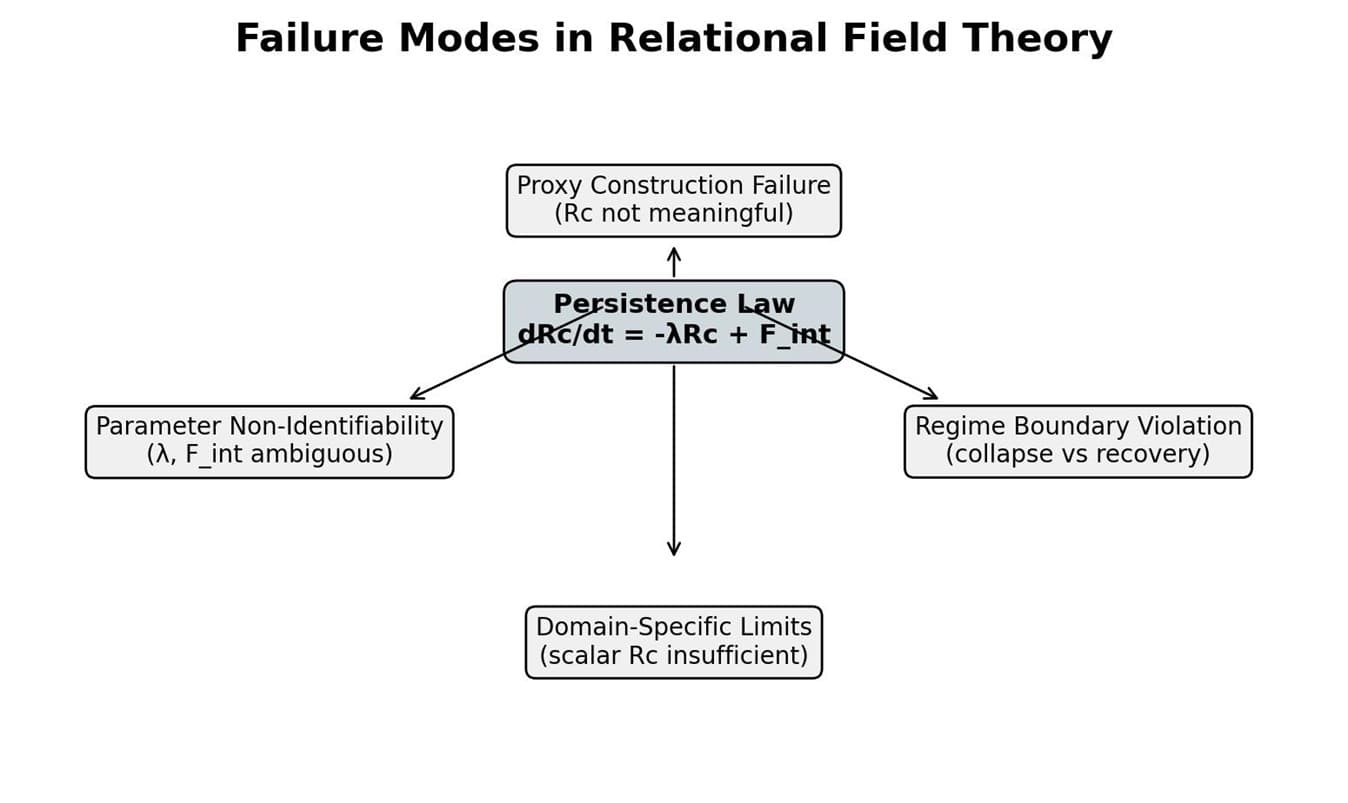
Failure Modes and Testability in Relational Field Theory
Relational Field Theory (RFT) has matured into a predictive framework with operational definitions, numerical demonstrations, and practical inference tools.
Showing results for: "Autonomous Aerospace Systems" (111 results)
Relational Field Theory (RFT) has matured into a predictive framework with operational definitions, numerical demonstrations, and practical inference tools.
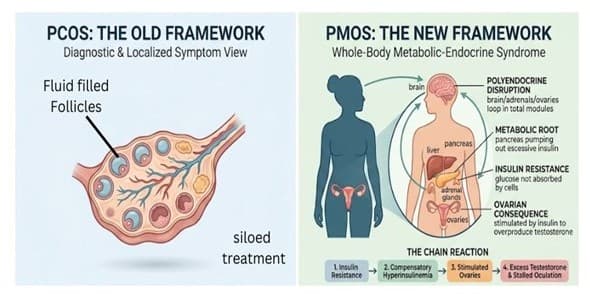
Discover why medical experts are rebranding Polycystic Ovary Syndrome (PCOS) to PMOS, and what this metabolic shift means for patient wellness.
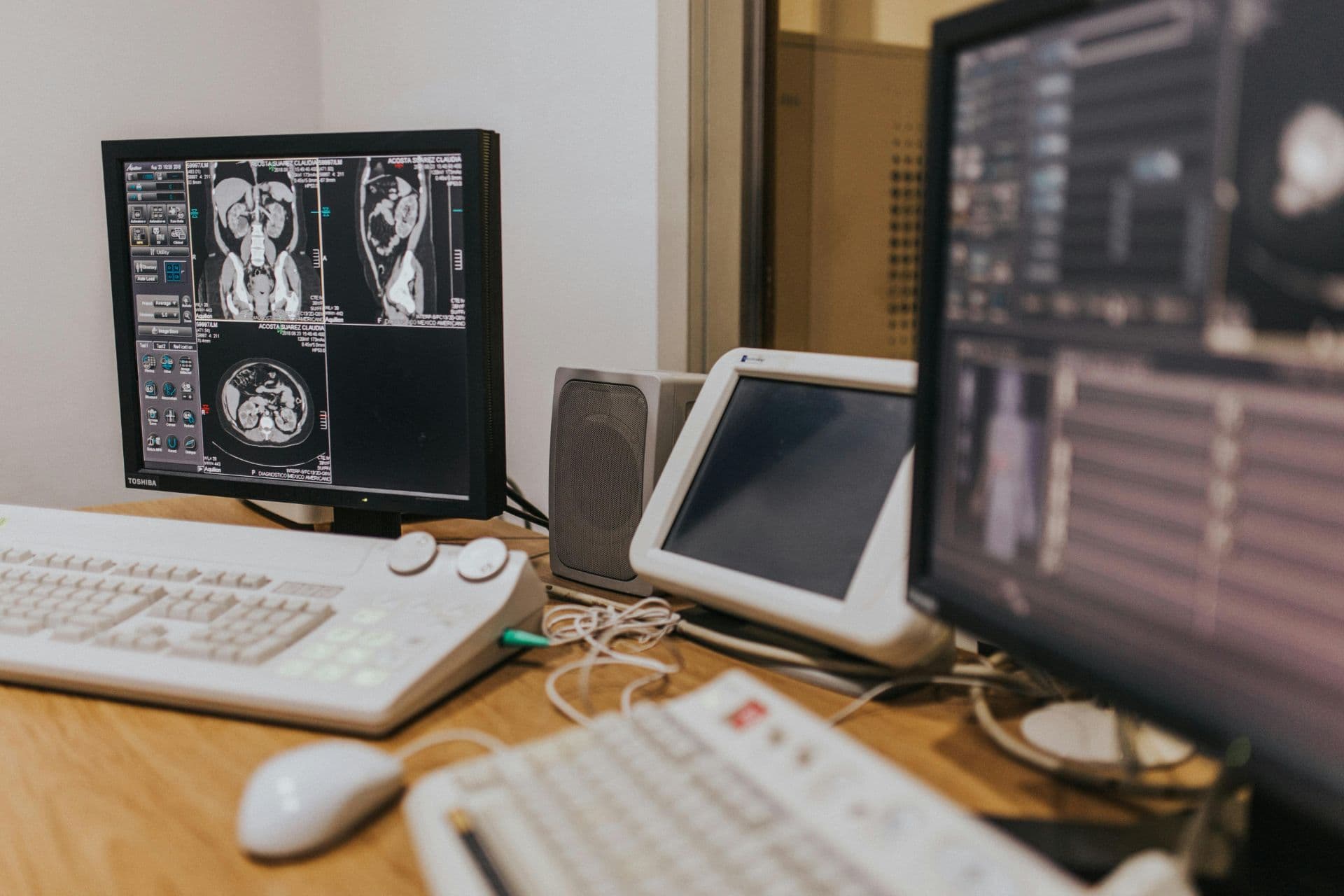
Discover how AI is reshaping radiology, from faster diagnoses to improved accuracy, and what this means for patients and healthcare professionals.
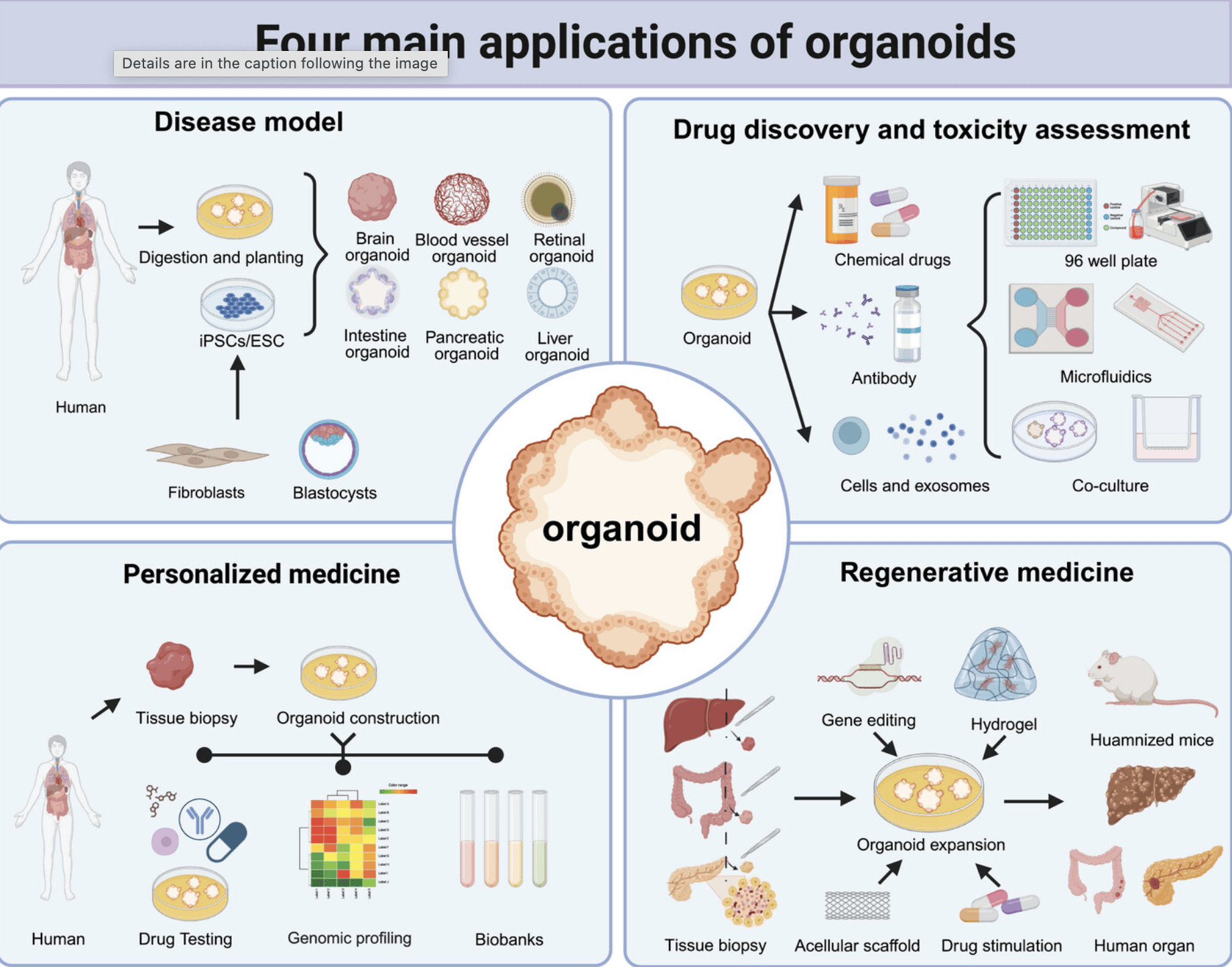
Animal models have traditionally served as the cornerstone of drug safety evaluation; however, major translational challenges persist due to interspecies differences in physiology, metabolism, and genetic regulation. Many compounds demonstrating favorable toxicity profiles in animals later fail during human trials or are withdrawn post-marketing due to unforeseen adverse effects, especially hepatotoxicity and cardiotoxicity (Lee et al., 2025).
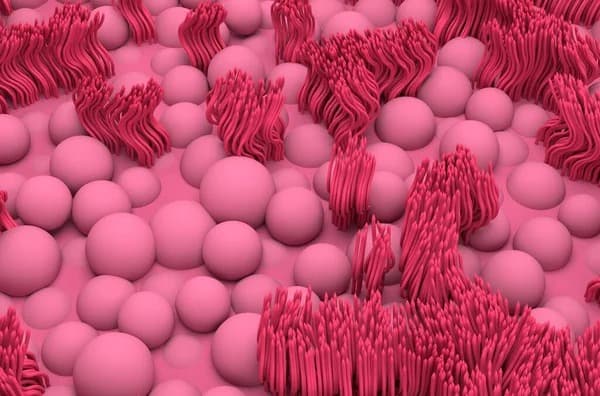
Why is mucus the biggest obstacle to lung drug delivery? Explore the mucosal barrier science reshaping how we design inhaled medicines and vaccines.

Drug repurposing is reshaping medicine. Discover how changing a drug's route of administration — not the molecule itself — can unlock new therapeutic potential.
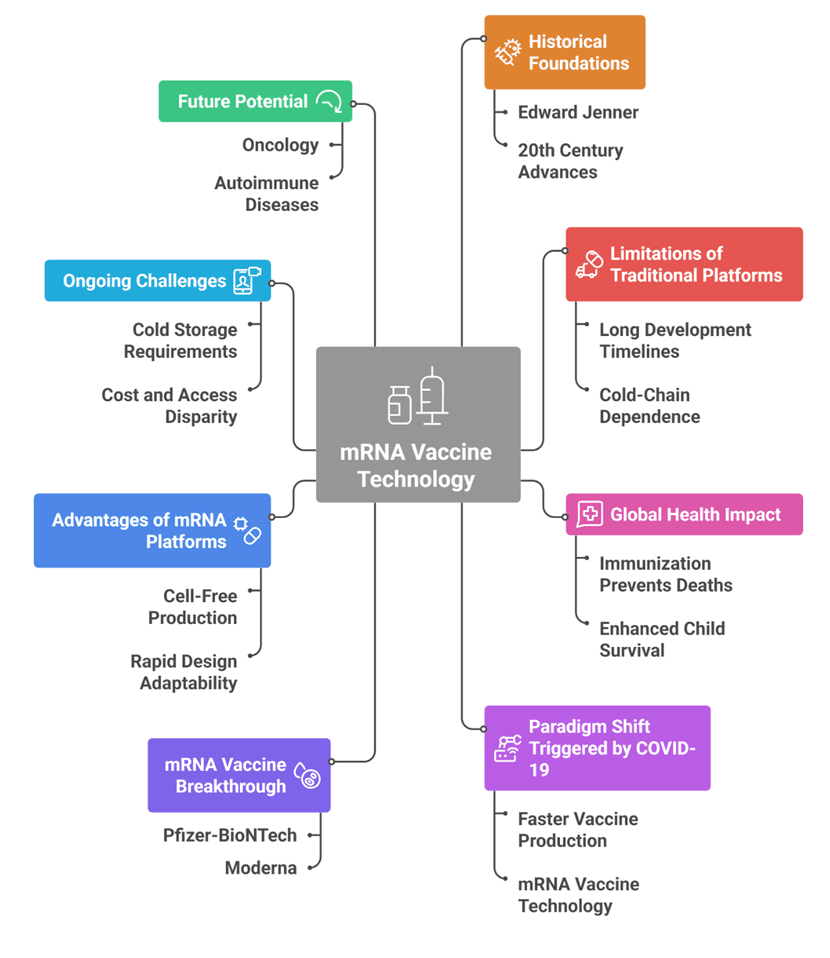
Messenger RNA (mRNA) vaccines represent one of the most significant scientific advances in modern therapeutics. Unlike conventional vaccines that use weakened or inactivated pathogens, mRNA vaccines deliver genetic instructions that enable host cells to synthesize a target antigen and stimulate an immune response.
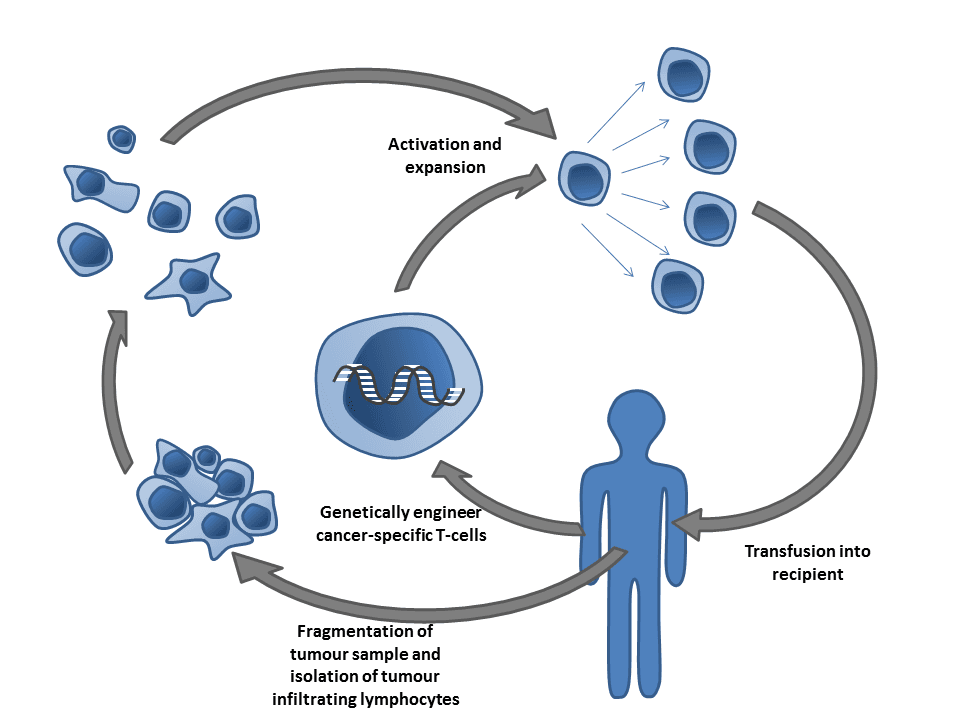
Cell and gene therapies represent a seismic shift in healthcare. They promise to cure the incurable, restoring sight to the blind and erasing cancer from the blood. But this frontier is wild. It comes with biological price tags, potential genetic misfires, and a regulatory landscape that is still being mapped.
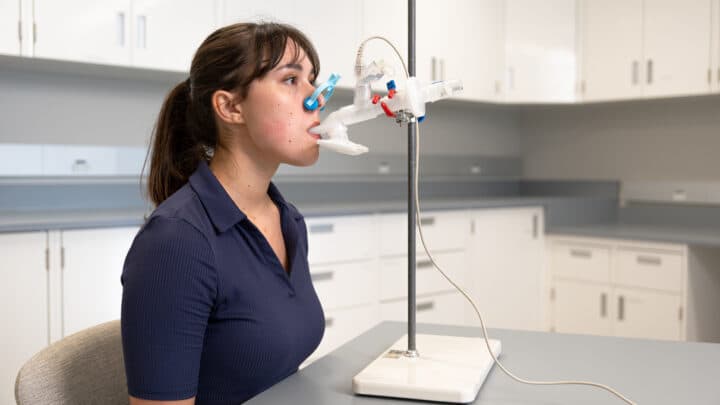
Inhalable vaccines trigger powerful mucosal immunity where pathogens enter the body, offering needle-free protection against respiratory diseases.
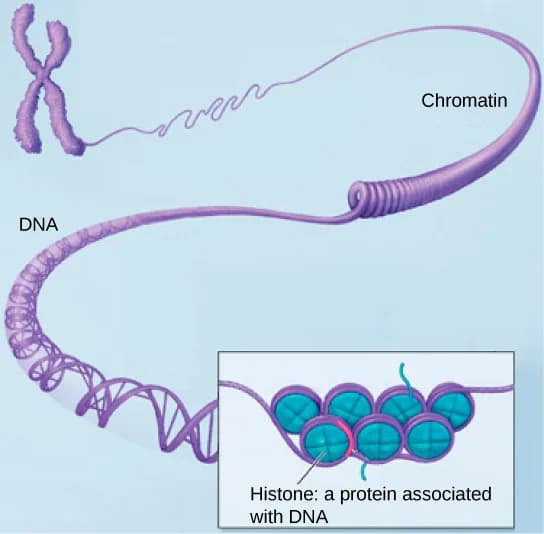
Epigenetics is transforming how scientists understand the bridge between genes and behavior, opening the door to a new era of mental health treatment.

The Internet has transformed the world, connecting people, information, and resources in unprecedented ways, even beyond physical boundaries. What began as a small research project has now grown into a global system that supports billions of devices and enables nearly every aspect of modern life. In this article, we will explore the major discoveries and milestones that contributed to the development of the Internet.
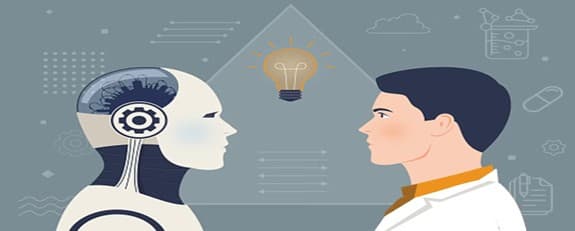
Artificial Intelligence(AI) is reshaping the future of healthcare. The US and UK healthcare systems started to adopt tools like AI Scribe and conversational chatbots, as they claimed to outperform clinicians in diagnostics. Survey data from over 100 physicians polled by Fierce Healthcare and Sermo indicate that many doctors are using general-purpose LLMs for clinical tasks.
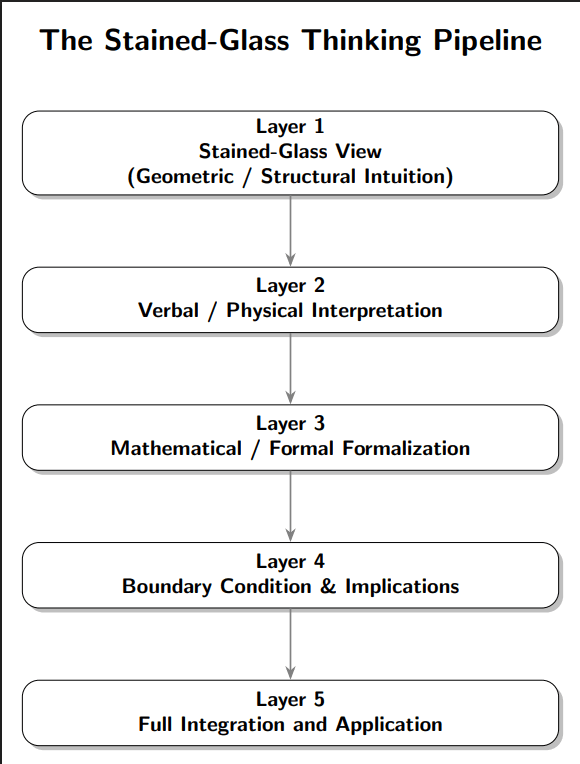
This article makes those steps explicit. I describe a repeatable cognitive pipeline I call Stained-Glass Thinking, which I have used consistently throughout the development of Relational Field Theory (RFT).

Bacterial lysates and postbiotics can train your immune system to prevent respiratory infections. Here is why they matter in the era of antibiotic resistance.
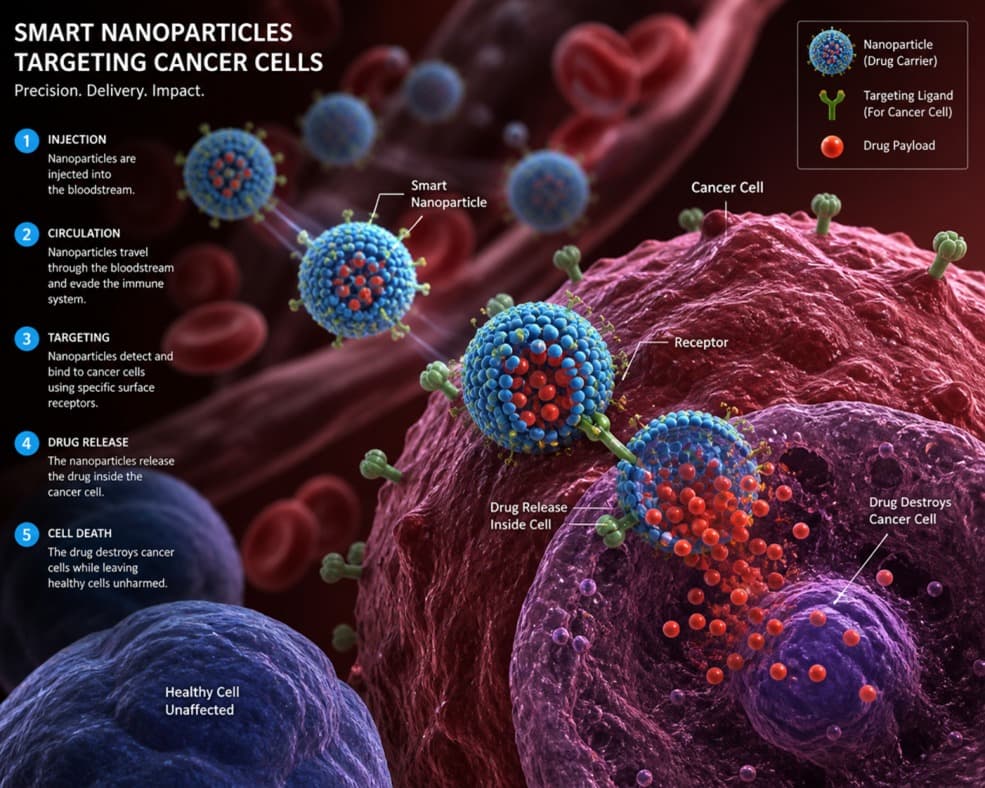
Smart nanoparticles are an exciting step forward in modern medicine especially nanomedicine. They help doctors be more precise in cancer treatment.
Scientific advancement drives growth, productivity, and long-term global competitiveness in advanced economies.
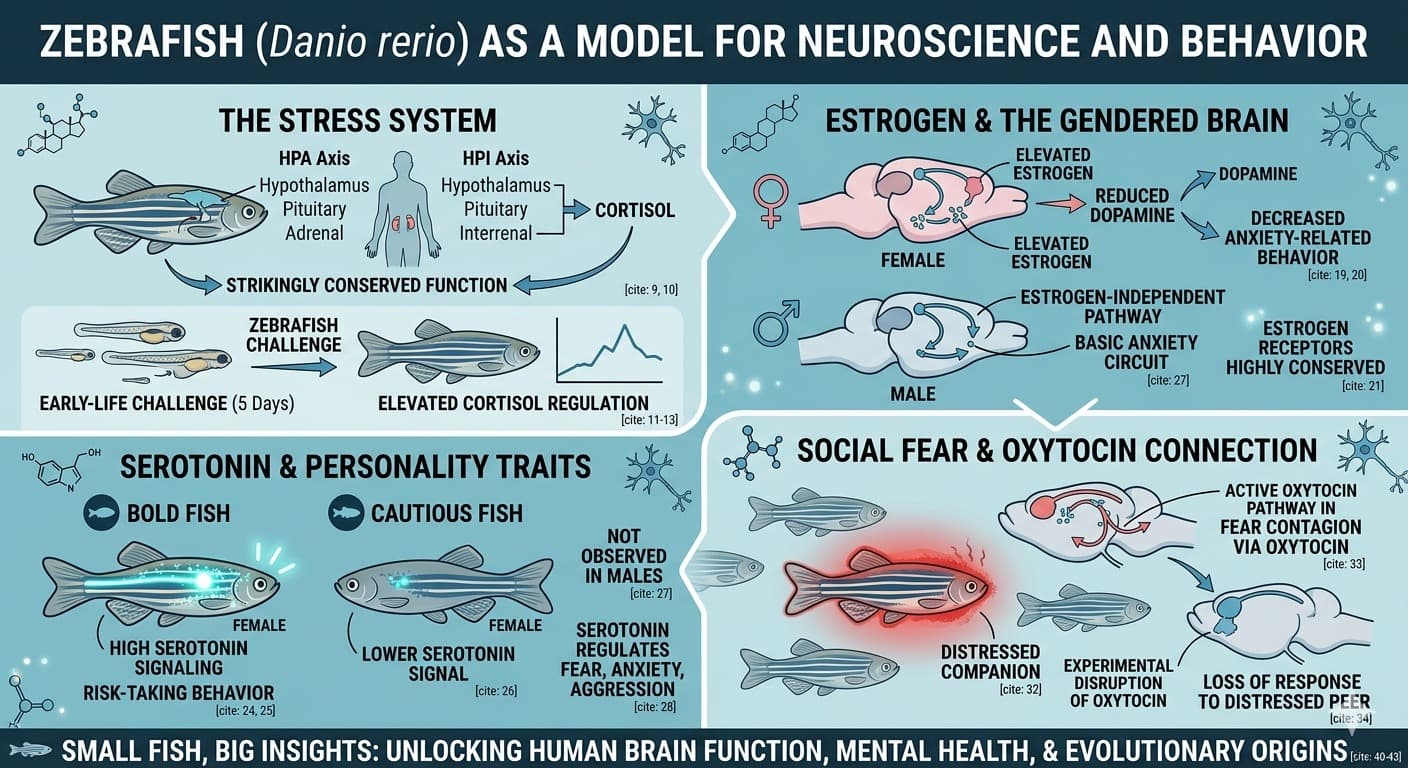
What if one of the most powerful models for understanding the human brain were less than an inch long, transparent, and living in a small tank? Meet Danio rerio, the zebrafish.
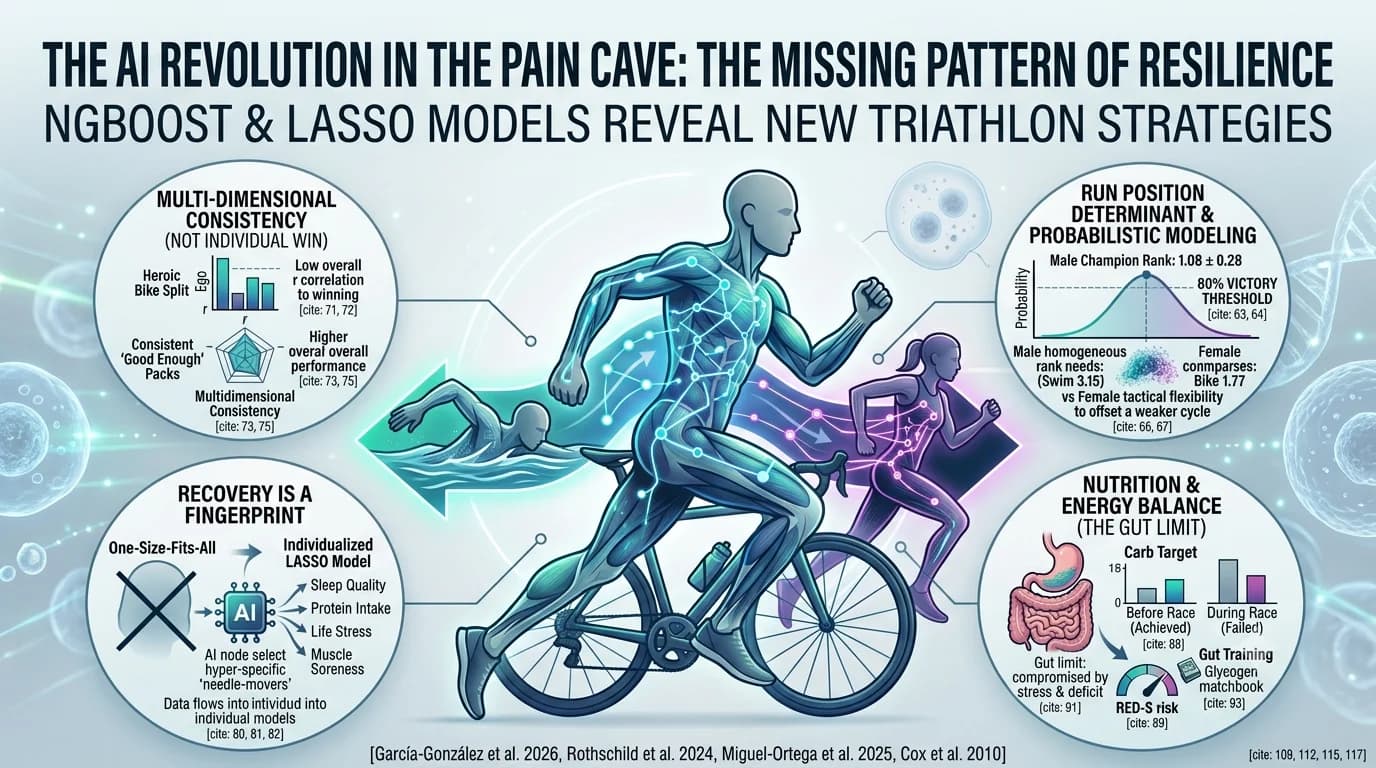
In elite triathlon, the swim and bike segments are often viewed as the "decisive" moments. However, the data reveals a far more lopsided reality. According to García-González et al. (2026), running is the ultimate "great separator.

How a 150-year-old food industry technique became essential for creating stable biologics and inhaled medicines, transforming liquid drugs into life-saving powders.
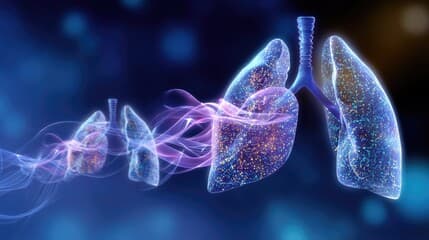
Too big, it hits your throat. Too small, you exhale it. The sweet spot delivers drugs exactly where they're needed.