How Science Writing Helps Bridge the Gap Between Research and the Public
Science writing simplifies complex research, making scientific discoveries accessible, trustworthy, and relevant to the public while reducing misinformation.
Showing results for: "based supplementation" (59 results)

Science writing simplifies complex research, making scientific discoveries accessible, trustworthy, and relevant to the public while reducing misinformation.

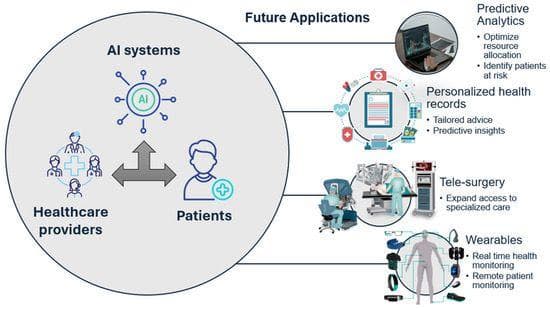
Healthcare is changing faster than ever before. Thanks to breakthroughs in artificial intelligence (AI), genomics, and wearable technology, medicine is entering the era of smart health, where data, devices, and biology work together to create care tailored to the individual.

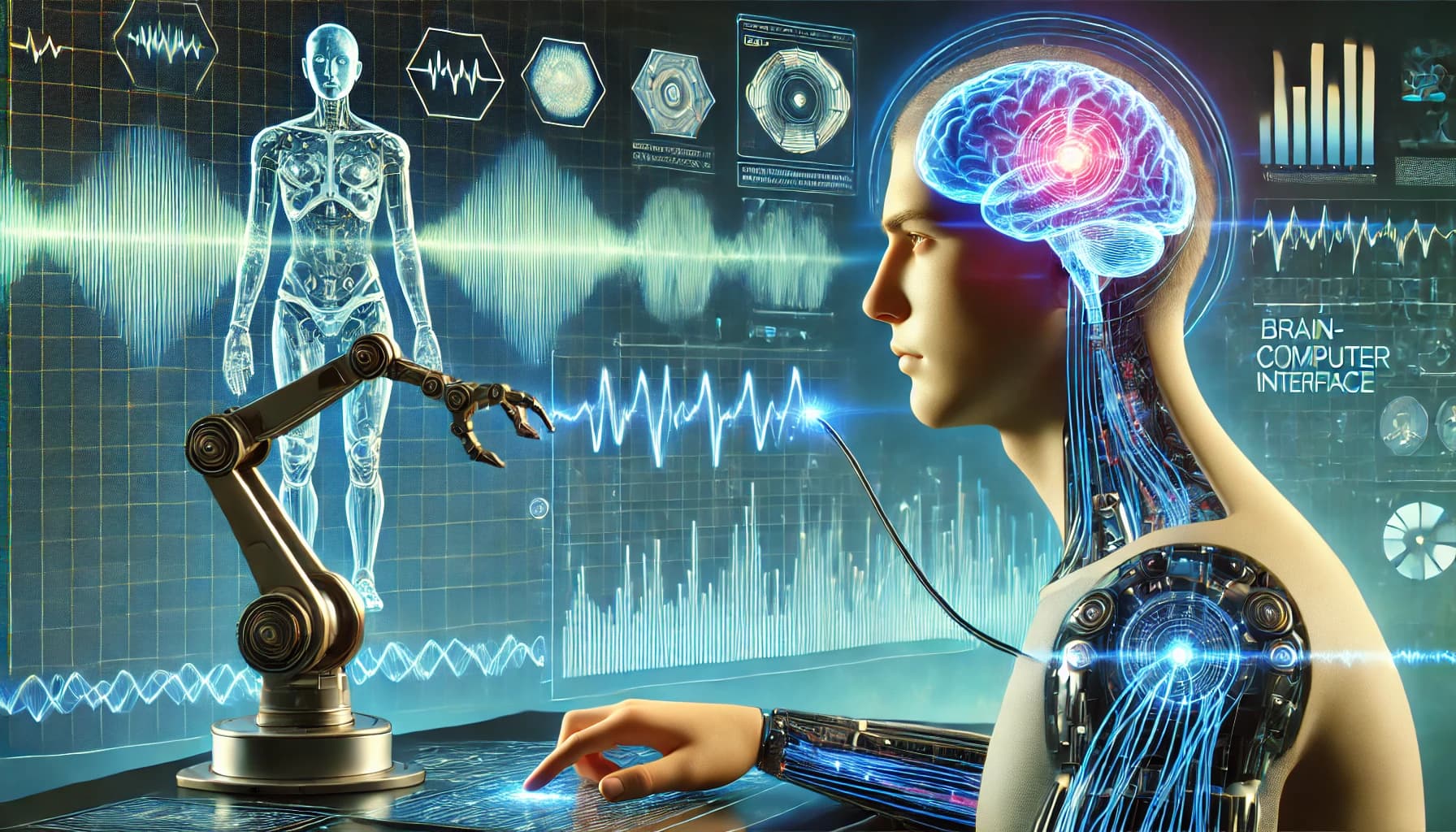
Imagine being able to control a computer, a prosthetic limb, or even a drone just by using your thoughts. This is not science fiction; it is now a reality thanks to brain-computer interfaces (BCIs). BCIs are groundbreaking systems that enable direct communication between the brain and external devices.

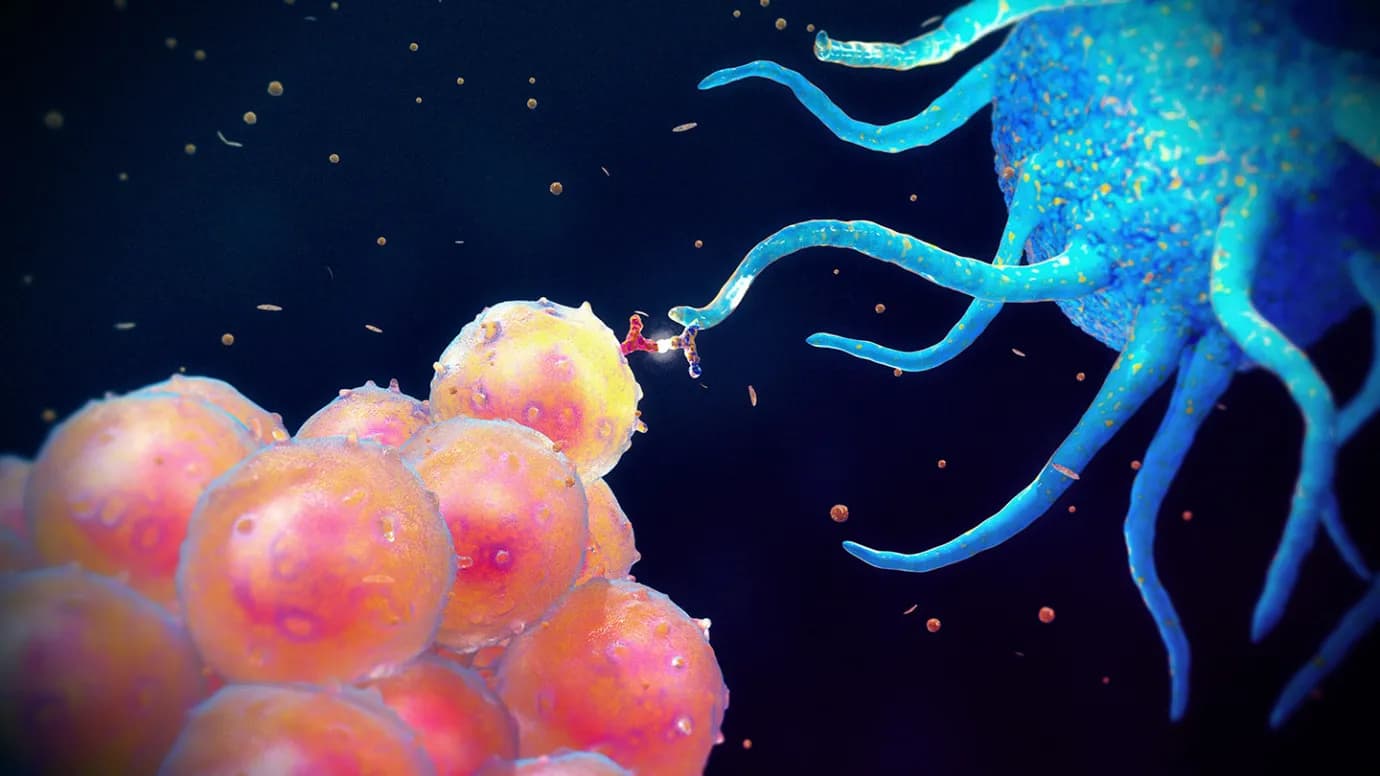
Discover how antigen-presenting cells like dendritic cells and macrophages are being recruited through smart particle design for vaccines and immunotherapy.

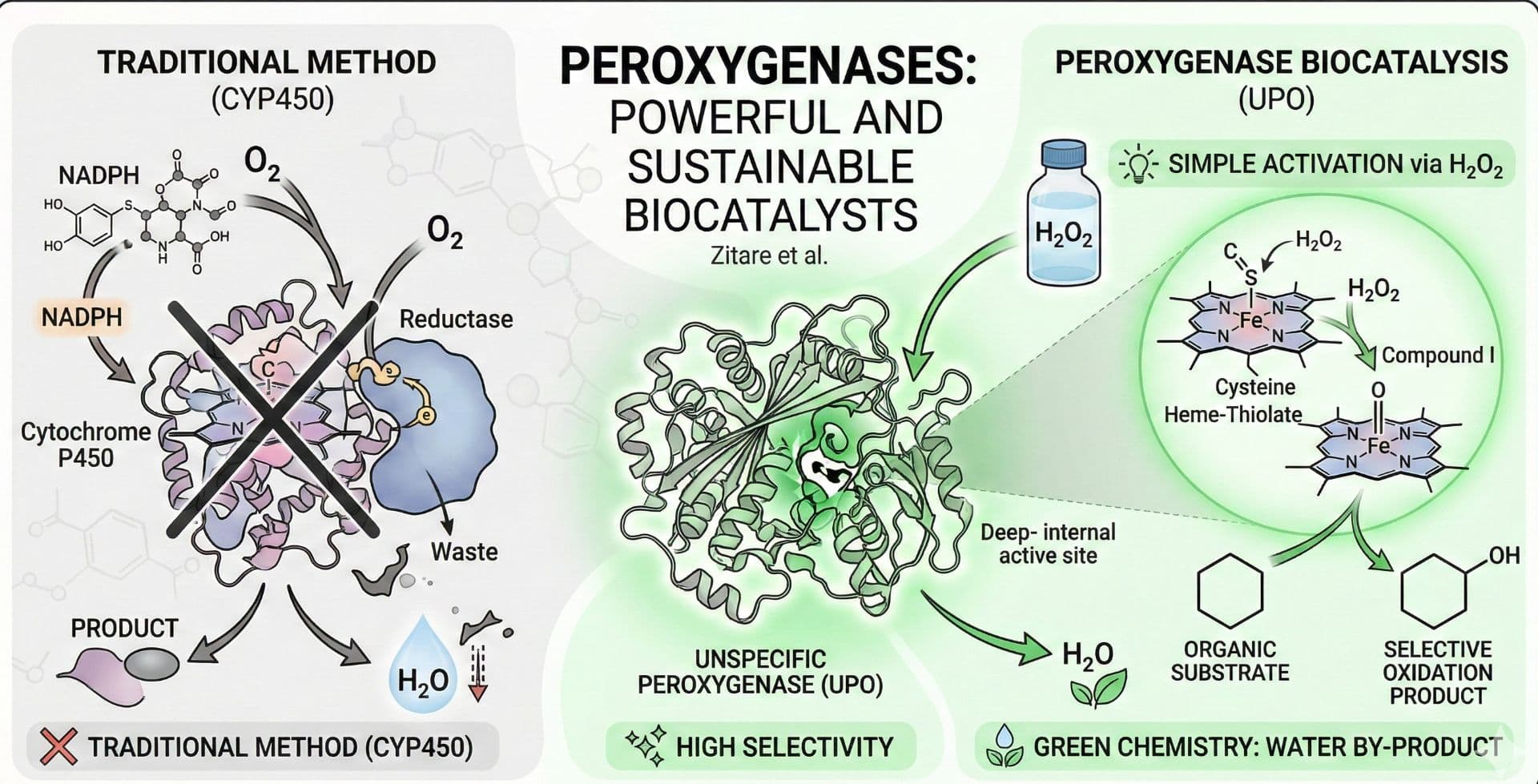
Selective oxidation reactions are central to modern biochemistry. They enable the controlled introduction of oxygen into organic molecules, a key step in the synthesis of pharmaceuticals and fine chemicals. However, many of the enzymatic systems traditionally used for these transformations are complex and difficult to implement in practice.

Scientific advancement drives growth, productivity, and long-term global competitiveness in advanced economies.

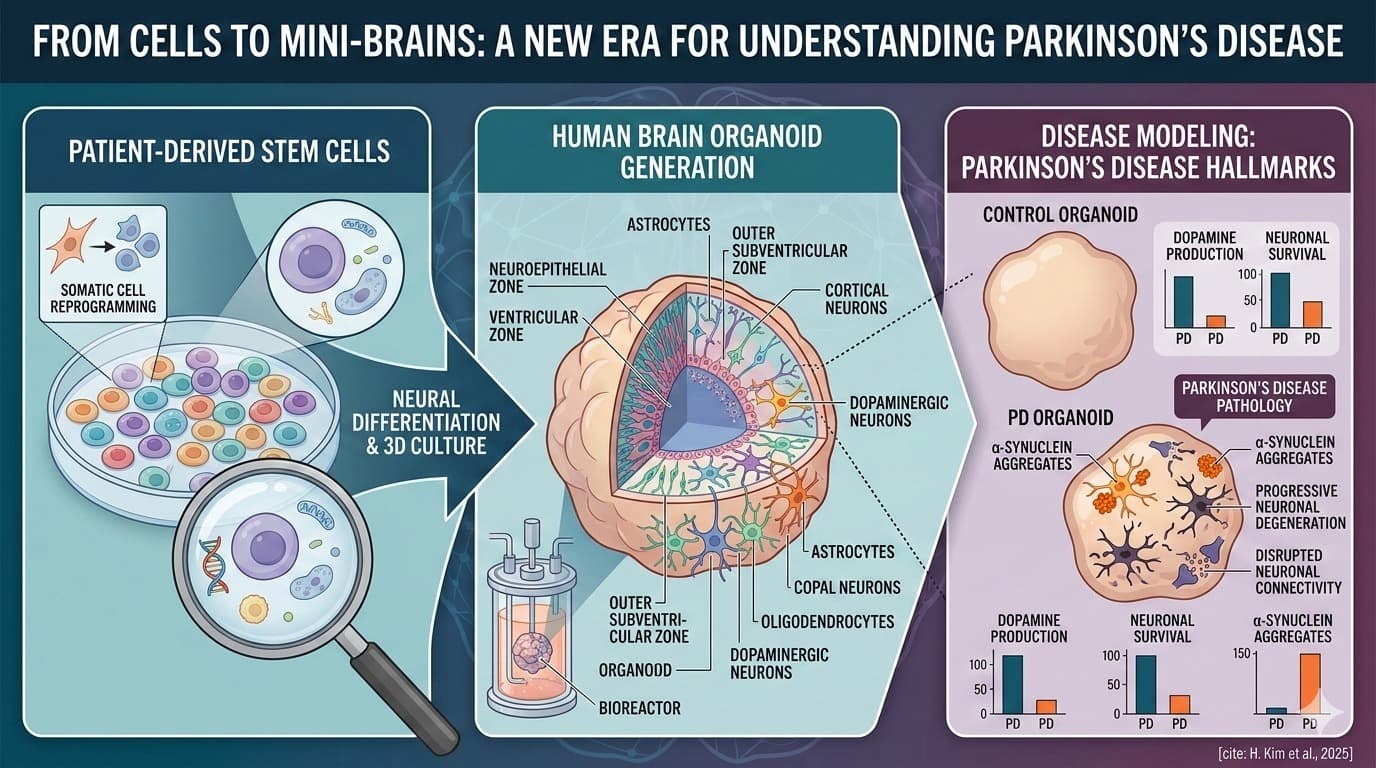
Understanding the human brain remains one of the greatest challenges in modern science. With billions of neurons forming intricate networks and constantly changing connections, the brain’s complexity makes it extremely difficult to study directly.

Discover how AI surveillance impacts psychological safety in the workplace and why constant monitoring might be killing your team's innovation.

This article aims to demystify the anatomy of a clinical trial protocol, peeling back the technical layers to reveal how scientific rigor is converted into medical progress. At ScientistsHub, we often ask: How do we ensure that a medical breakthrough is not just a stroke of luck, but a repeatable, verifiable victory for human health? The answer is found in the design. To truly appreciate the result of any trial, one must first master the architecture of the inquiry.

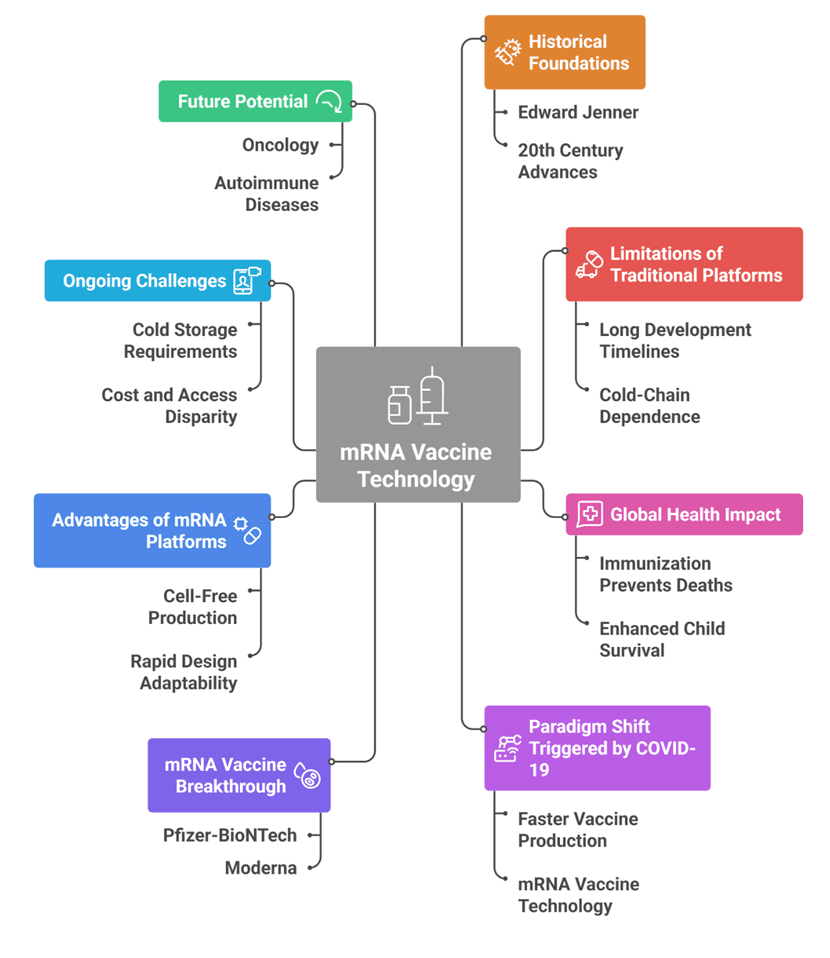
Messenger RNA (mRNA) vaccines represent one of the most significant scientific advances in modern therapeutics. Unlike conventional vaccines that use weakened or inactivated pathogens, mRNA vaccines deliver genetic instructions that enable host cells to synthesize a target antigen and stimulate an immune response.

Out of so many mental disorders, a rare disorder is the Fregoli delusion or Fregoli syndrome (FS), in which an individual holds a delusional belief that different people are in fact a single person, who keeps on changing appearances quickly or is in disguise. People affected with this condition often experience anxiety, paranoia, and agitation. It can impact the patient’s mental health and their safety and the safety of others.

How a 150-year-old food industry technique became essential for creating stable biologics and inhaled medicines, transforming liquid drugs into life-saving powders.

Inhalable vaccines trigger powerful mucosal immunity where pathogens enter the body, offering needle-free protection against respiratory diseases.

Vaccines need precise temperature control to work but maintaining the cold chain wastes half of all doses globally. New thermostable formulations could change everything.

Too big, it hits your throat. Too small, you exhale it. The sweet spot delivers drugs exactly where they're needed.

Scientists are closer than ever to detecting life beyond Earth. From Mars to distant exoplanets, modern astronomy is transforming the search for alien life.

You probably know this story: Aurora, also known as the Sleeping Beauty, was a kind princess who was cursed by an angry fairy and fell into a deep sleep for years. On her sixteenth birthday, she pricked her finger, and the spell came true. Silence covered the land, and the entire kingdom fell asleep with her. Years later, the spell could be broken by a kiss from a prince.

The human ear is often described as one of the most sophisticated sensory systems in biology. Within a structure no larger than a seashell, the auditory system can detect frequencies ranging from the faint rumble of distant thunder to the subtle harmonic texture of a violin string

Artificial Intelligence AI with it’s widespread use in various sectors has also taken a dive into healthcare by transforming clinical practice and improving patient care.