
Health & Medicine
How Artificial Intelligence is Transforming Modern Radiology
Discover how AI is reshaping radiology, from faster diagnoses to improved accuracy, and what this means for patients and healthcare professionals.
Showing results for: "blood test results" (107 results)
Discover how AI is reshaping radiology, from faster diagnoses to improved accuracy, and what this means for patients and healthcare professionals.
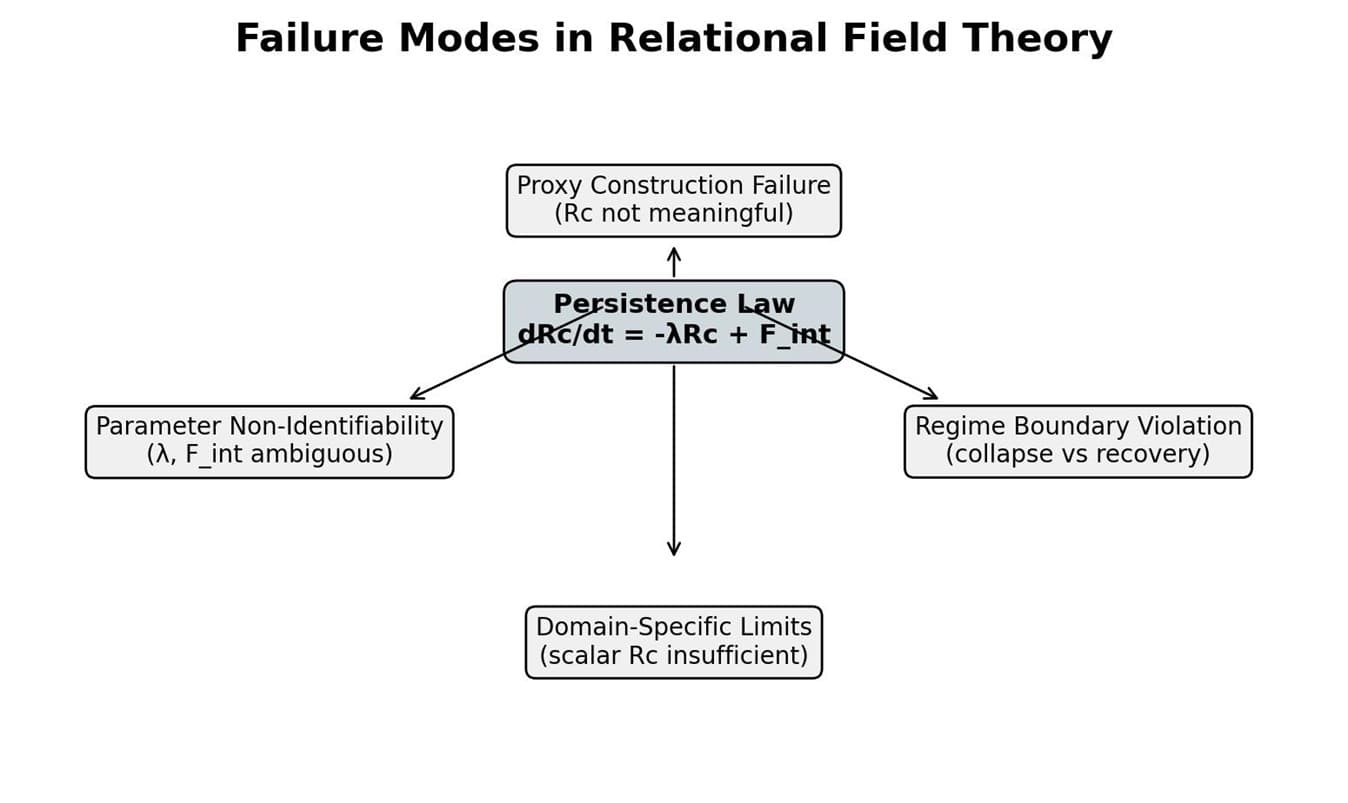
Relational Field Theory (RFT) has matured into a predictive framework with operational definitions, numerical demonstrations, and practical inference tools.
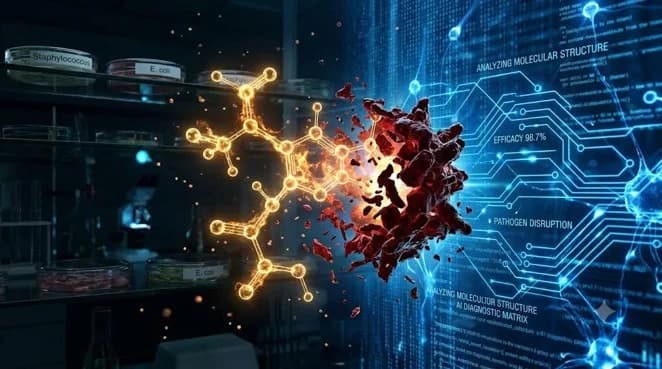
Antibiotic resistance could kill 10 million annually by 2050. Discover how AI found Halicin, a molecule that kills superbugs humans couldn't defeat.
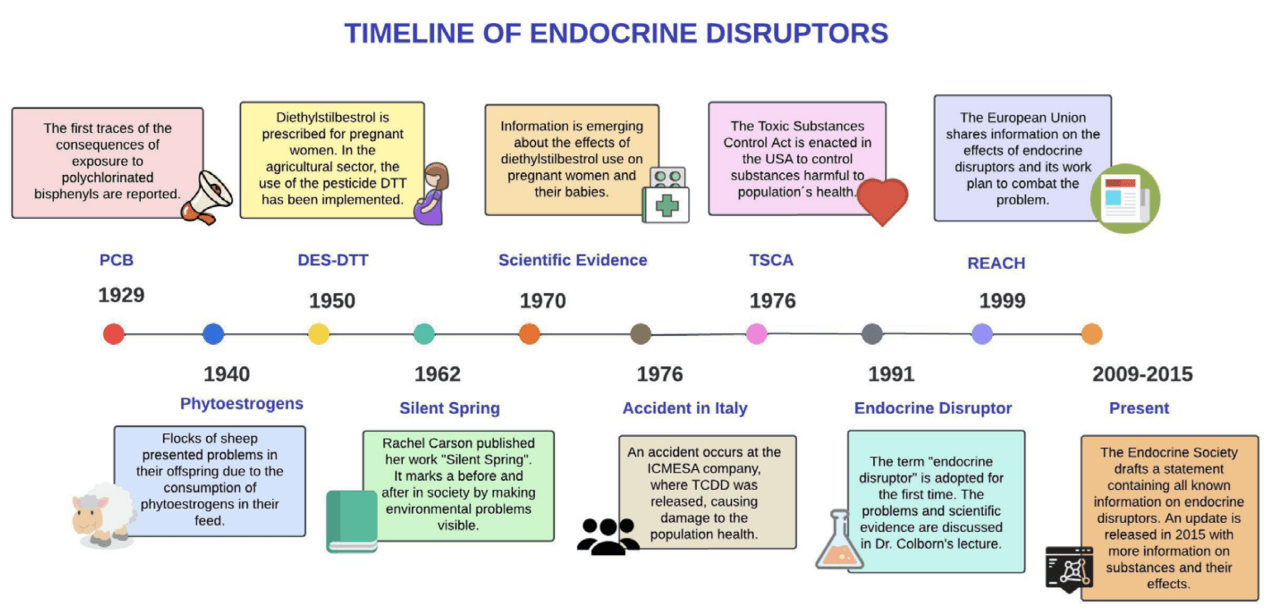
Environmental endocrine disruptors (EEDs) are natural and synthetic chemicals that interfere with endocrine system function by altering hormone synthesis, transport, metabolism, and receptor binding.
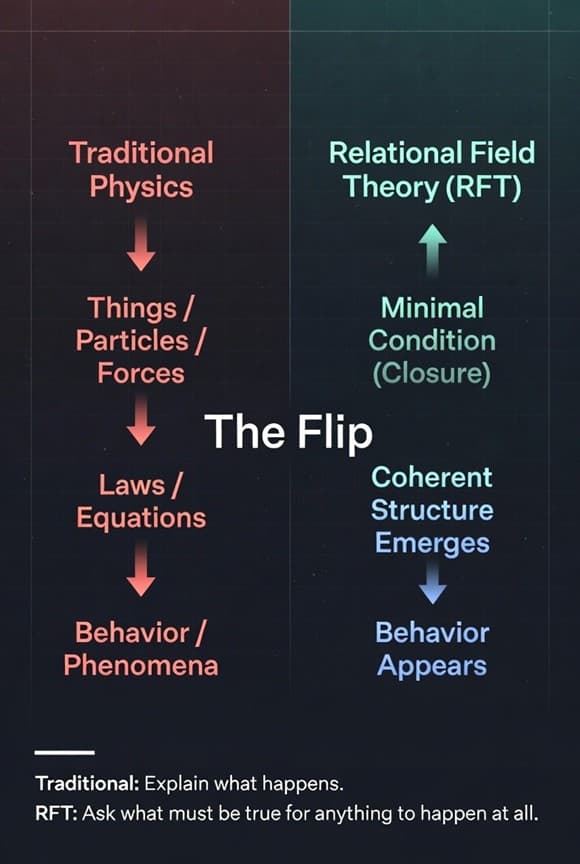
We begin with things - particles, fields, forces - and then build laws and equations to explain how those things behave. This approach has been extraordinarily successful. It is how we arrived at quantum mechanics, general relativity, and the Standard Model.
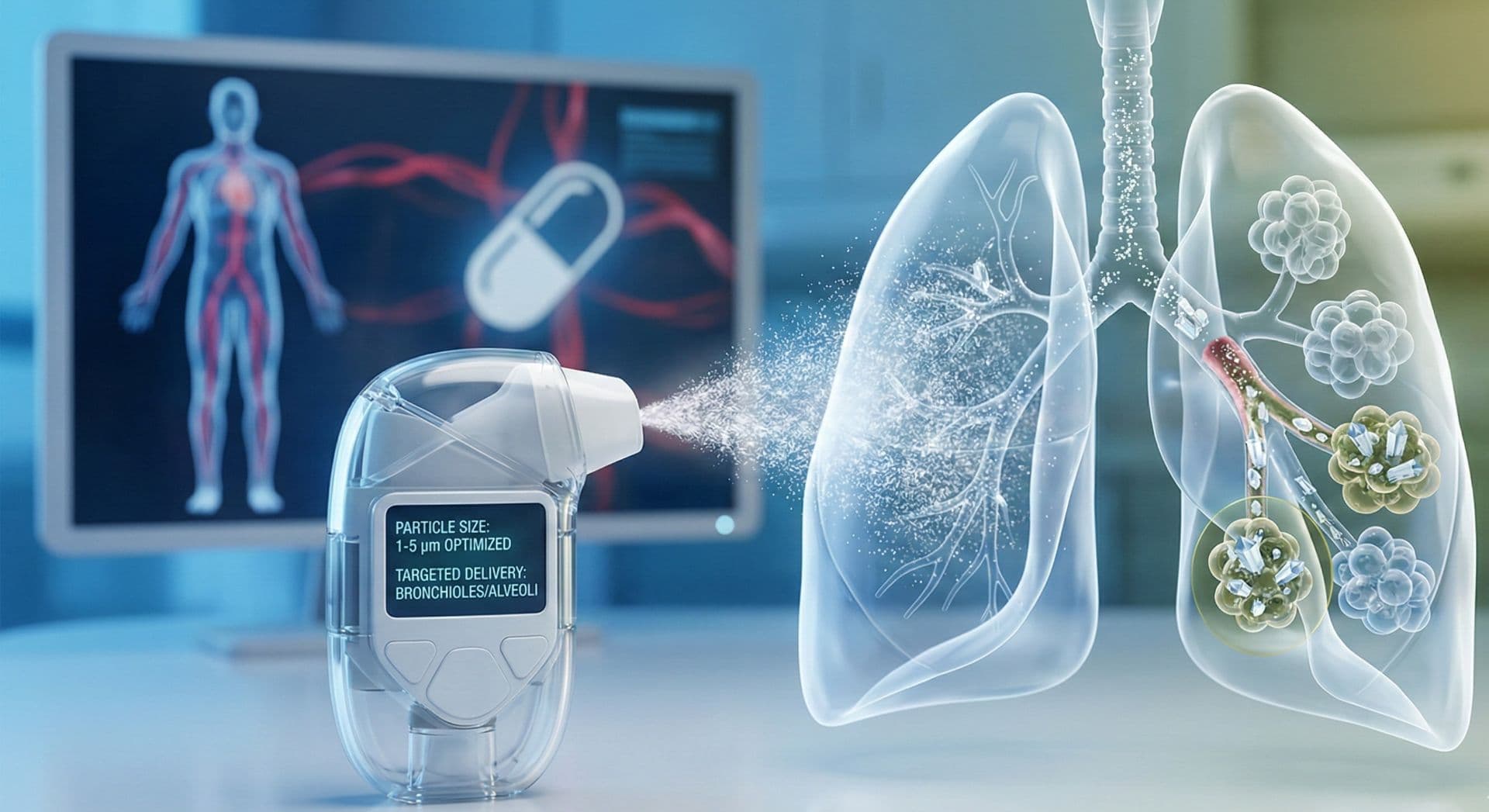
Inhaled antibiotics deliver drugs directly to lung infections, achieving better results with fewer side effects, which is a game-changer in fighting resistance.
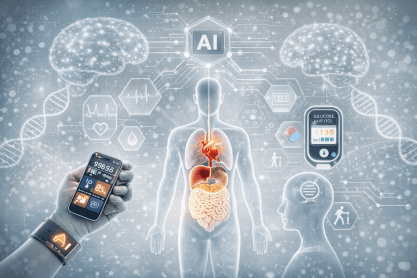
Can algorithms predict sickness before you feel it? Explore how AI is using smartwatch data and ECGs to detect diseases like Alzheimer's and AFib early.
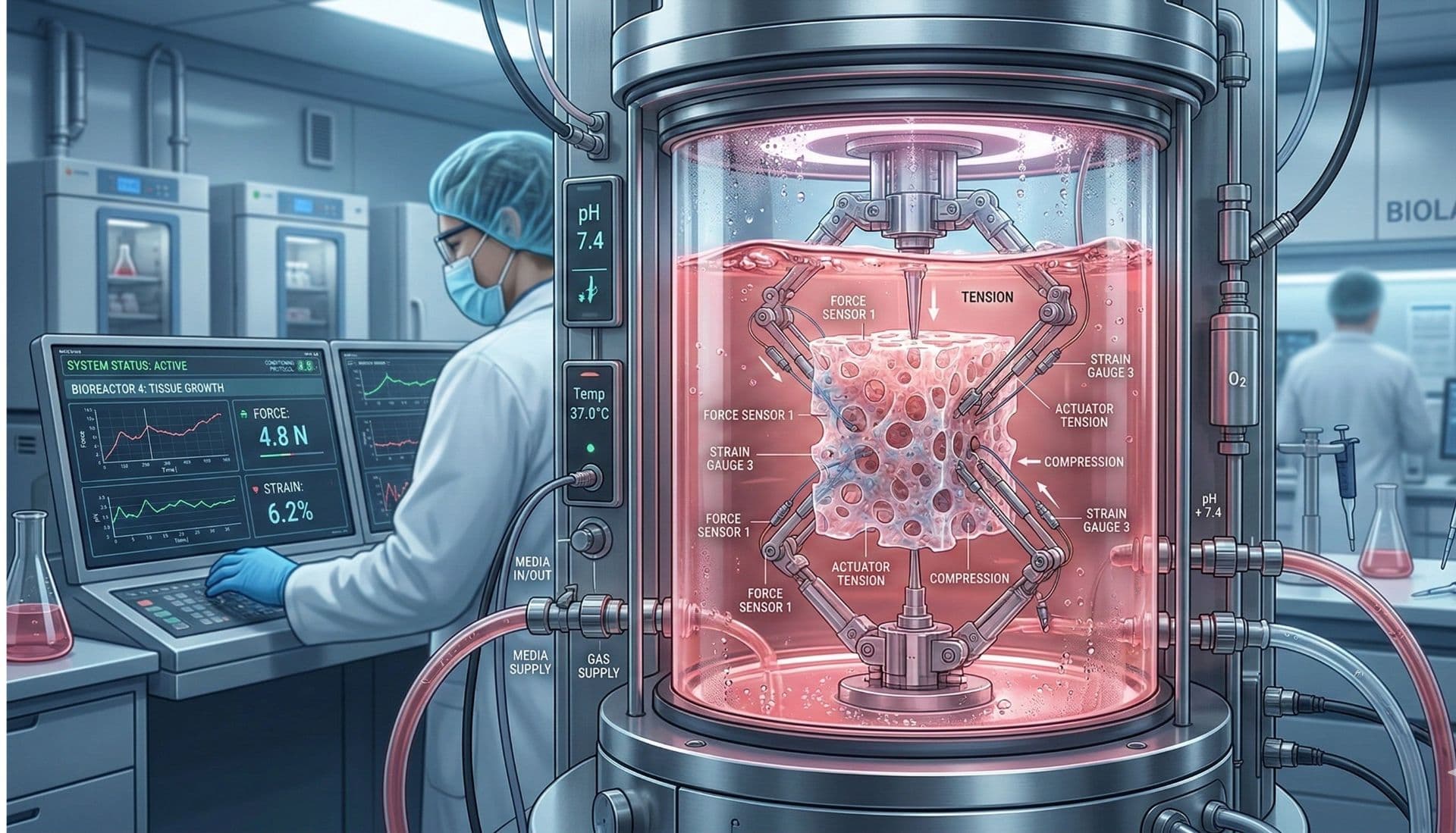
A future without transplant waitlists? Tissue engineering blends biology and engineering to build living, functional human tissue.
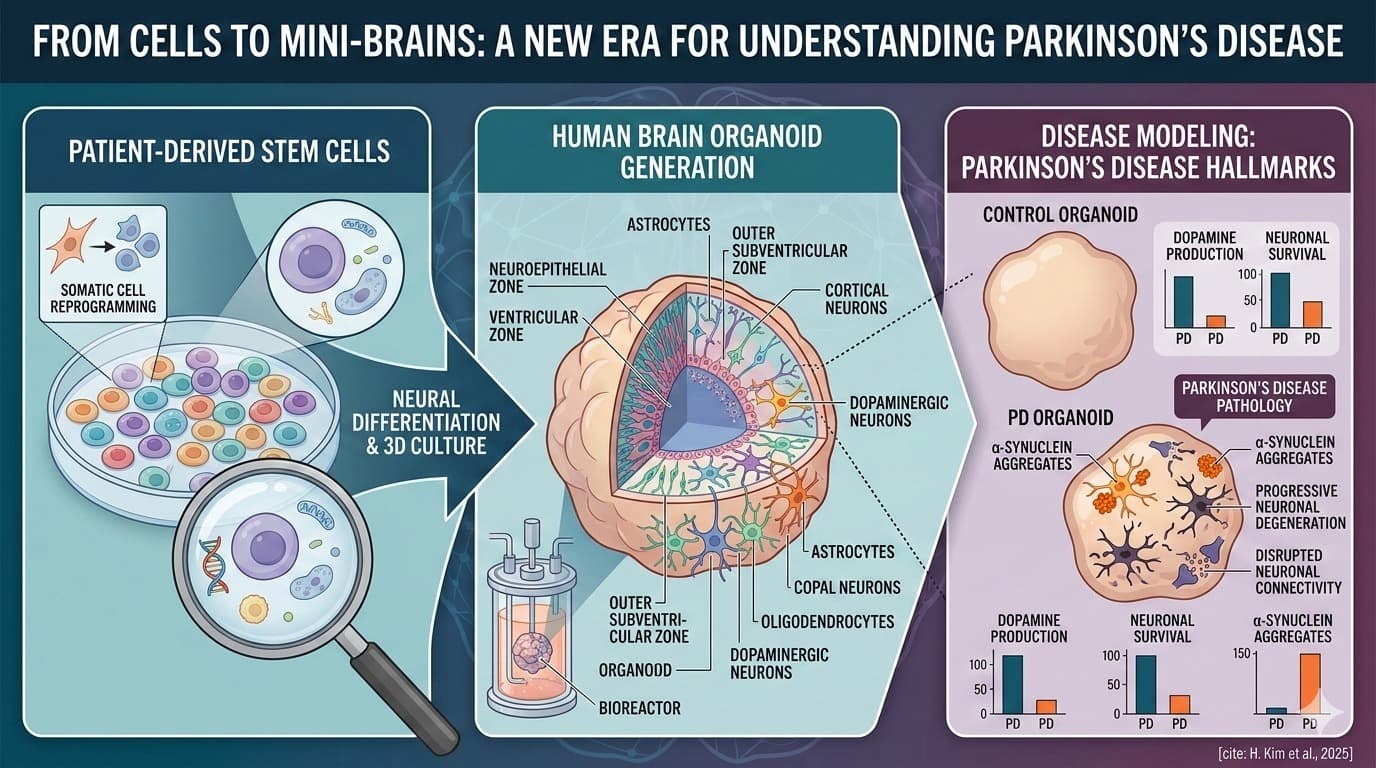
Understanding the human brain remains one of the greatest challenges in modern science. With billions of neurons forming intricate networks and constantly changing connections, the brain’s complexity makes it extremely difficult to study directly.
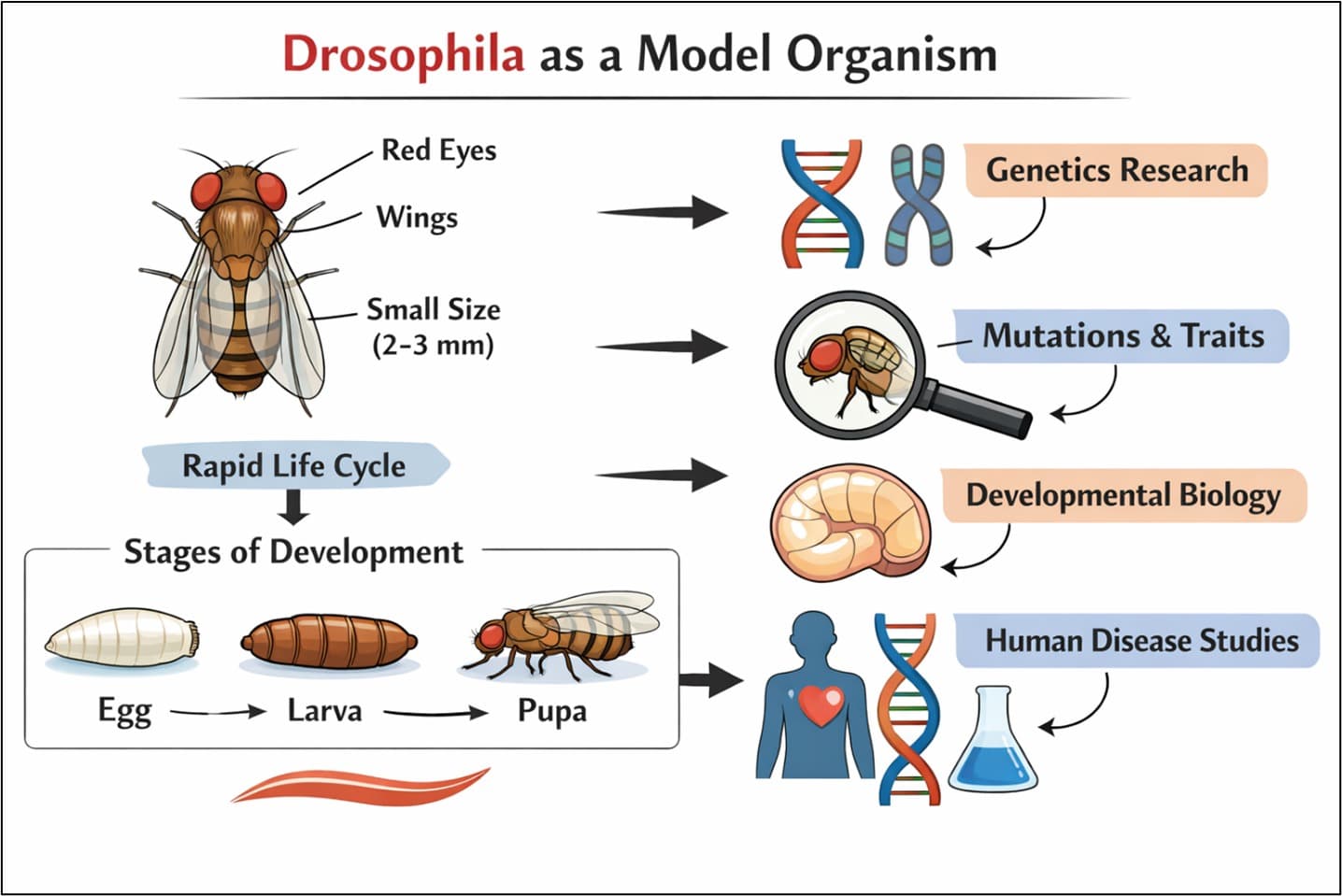
Small fruit fly is an excellent model organism used by scientists to study various aspect of human health and diseases such as development, regeneration, wound healing, cancer and stem cell research
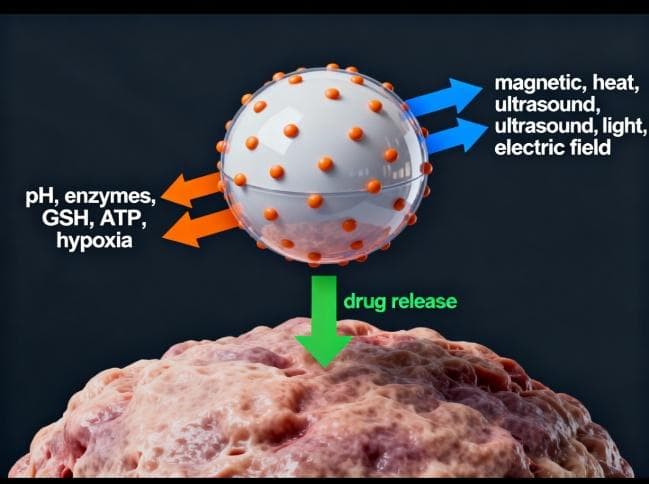
Nanotechnology is having a big impact on pharmaceutical sciences, and drug delivery systems are one area where this is most evident. Compared to conventional medication delivery methods, nanoparticles provide a number of benefits, including increased effectiveness and fewer adverse drug reactions.
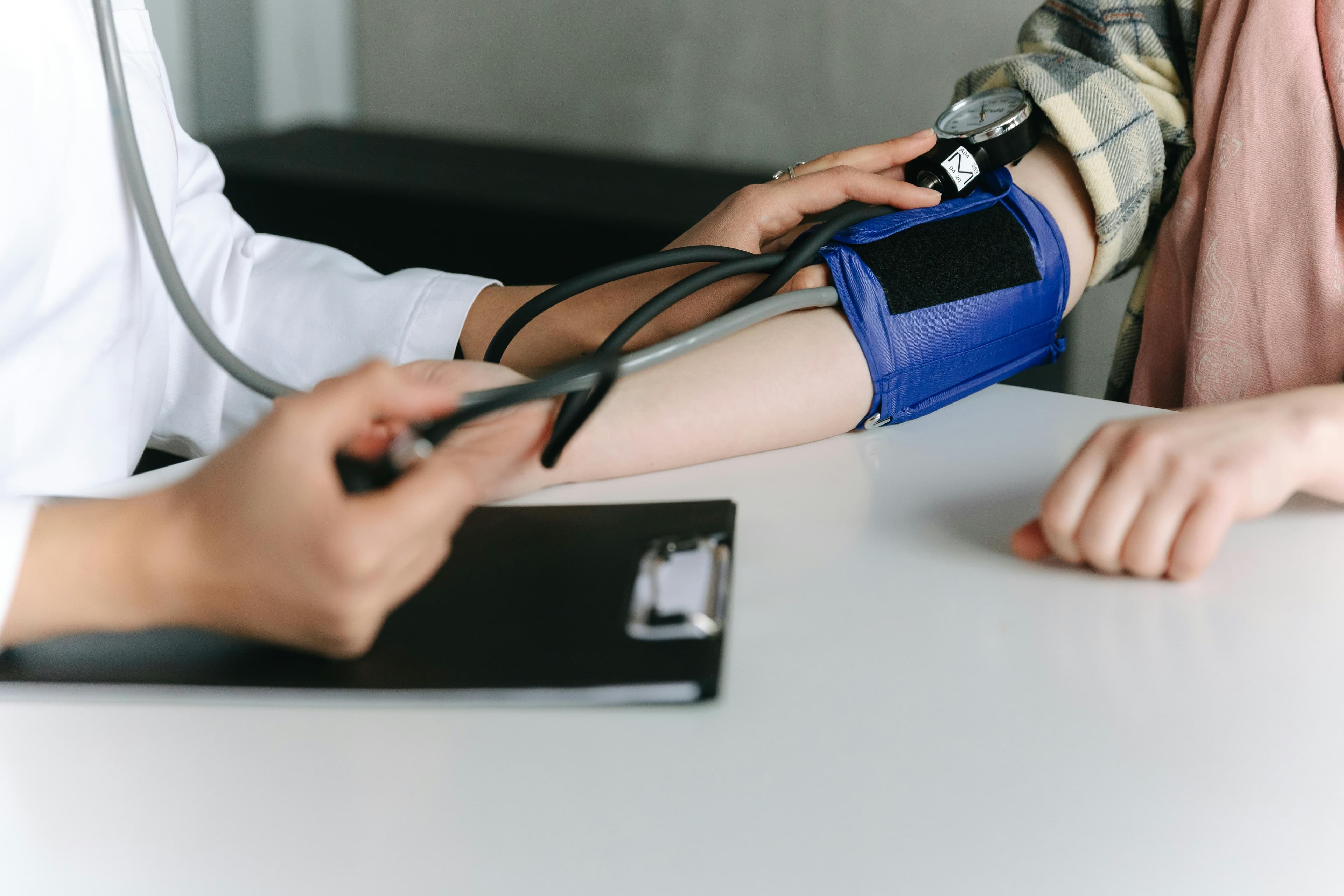
For many people, it is often assumed to be a “Stress disease”. Others casually refer to it as an “Old man’s disease” based on the myth that it affects only the elderly. These assumptions, however banal, are misleading and potentially lethal.

Radiology is more than just X-rays. See how it evolved, how it works, and how AI is making diagnosis faster, safer, and better for everyone
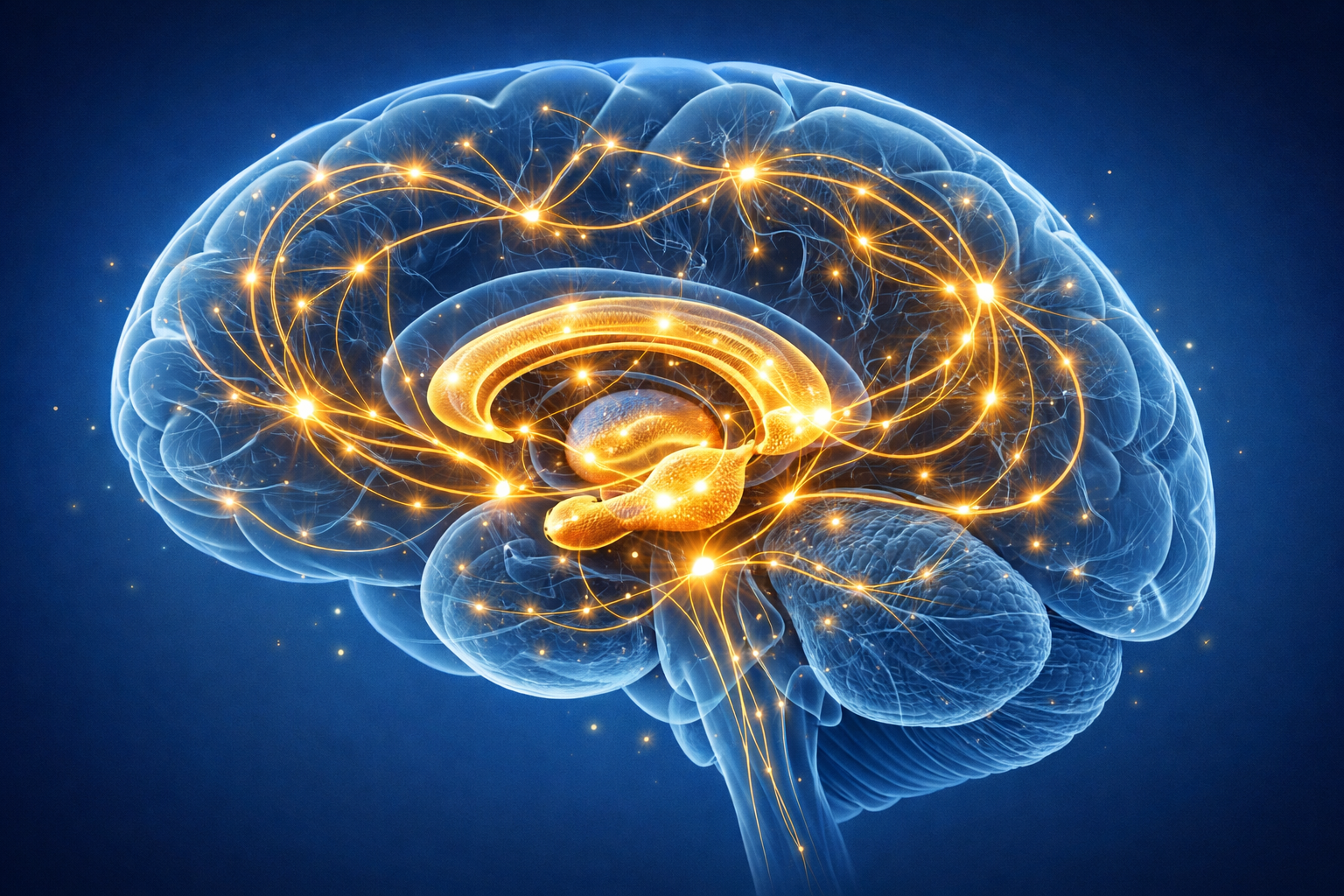
Depression has affected humans for hundreds of years. Symptoms can include persistent feelings of sadness, sleep disturbances, anxiety, and a loss of interest in social activities. Science doesn’t yet fully understand the causes and effects, but here’s what we do know: the brain is a powerful organ, and it is capable of change. Made up of a wide network of connections, it relies on chemicals, electrical impulses, and billions of neurons. Let’s explore how brain science
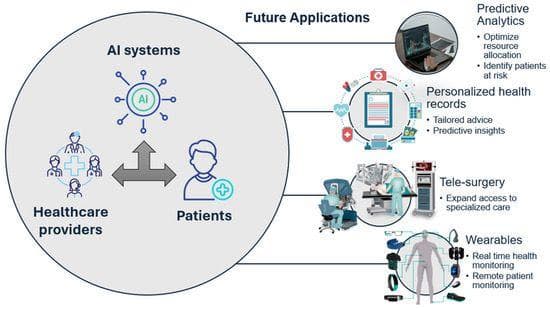
Healthcare is changing faster than ever before. Thanks to breakthroughs in artificial intelligence (AI), genomics, and wearable technology, medicine is entering the era of smart health, where data, devices, and biology work together to create care tailored to the individual.
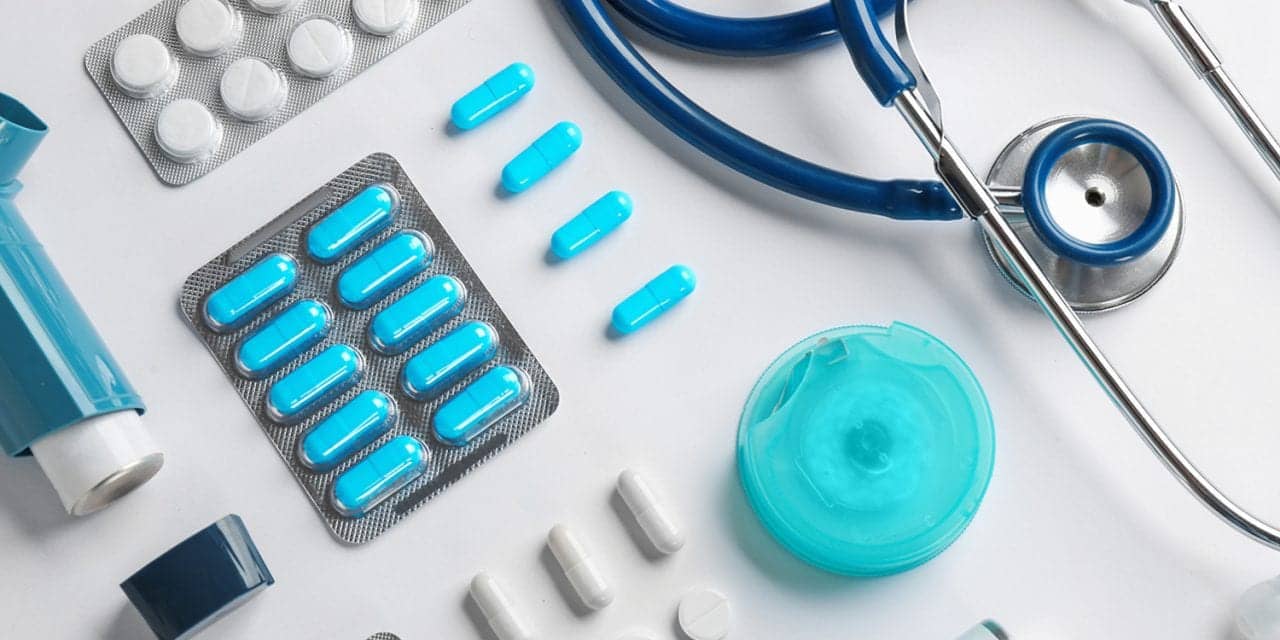
Drug repurposing is reshaping medicine. Discover how changing a drug's route of administration — not the molecule itself — can unlock new therapeutic potential.
Scientific advancement drives growth, productivity, and long-term global competitiveness in advanced economies.
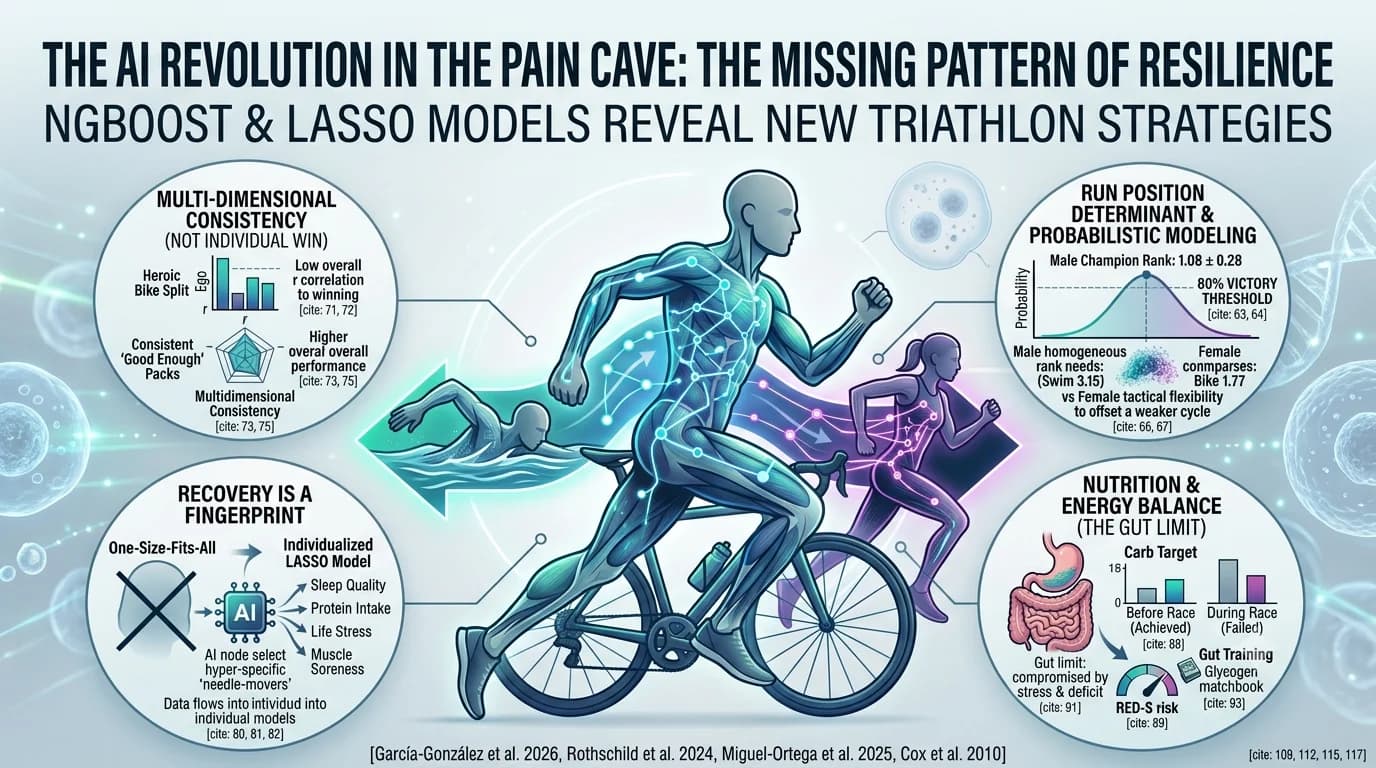
In elite triathlon, the swim and bike segments are often viewed as the "decisive" moments. However, the data reveals a far more lopsided reality. According to García-González et al. (2026), running is the ultimate "great separator.
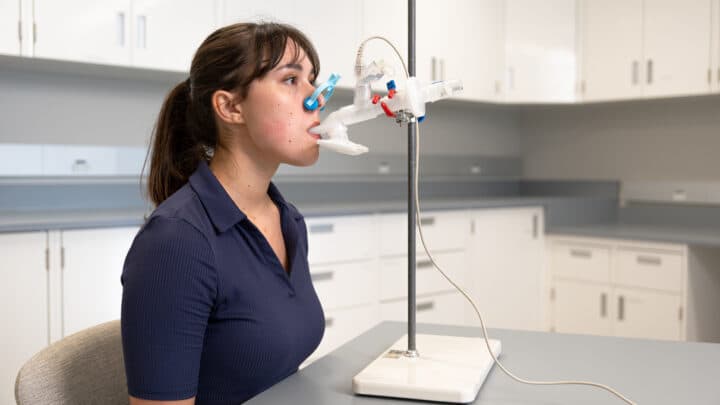
Inhalable vaccines trigger powerful mucosal immunity where pathogens enter the body, offering needle-free protection against respiratory diseases.
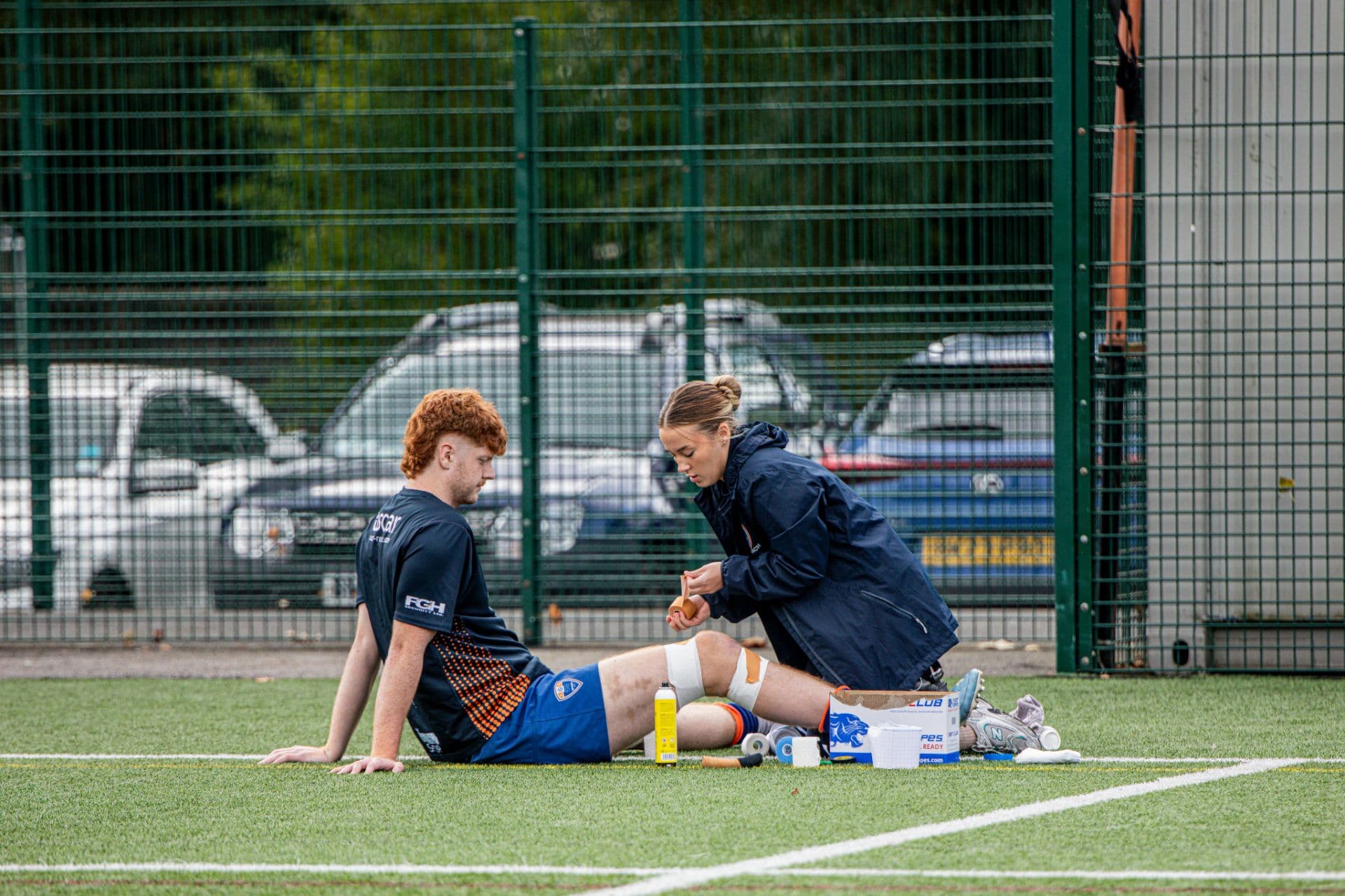
Injury is an inherent risk of sport participation. Whether at elite or recreational level, athletes are exposed to physical loads that challenge tissue capacity and recovery.
