Discover Scientific Knowledge

Showing results for: "Neuroplasticity" (3 results)

The Brain’s Ability to Change and Its Role in Depression
Health & Medicine

The Brain’s Ability to Change and Its Role in Depression

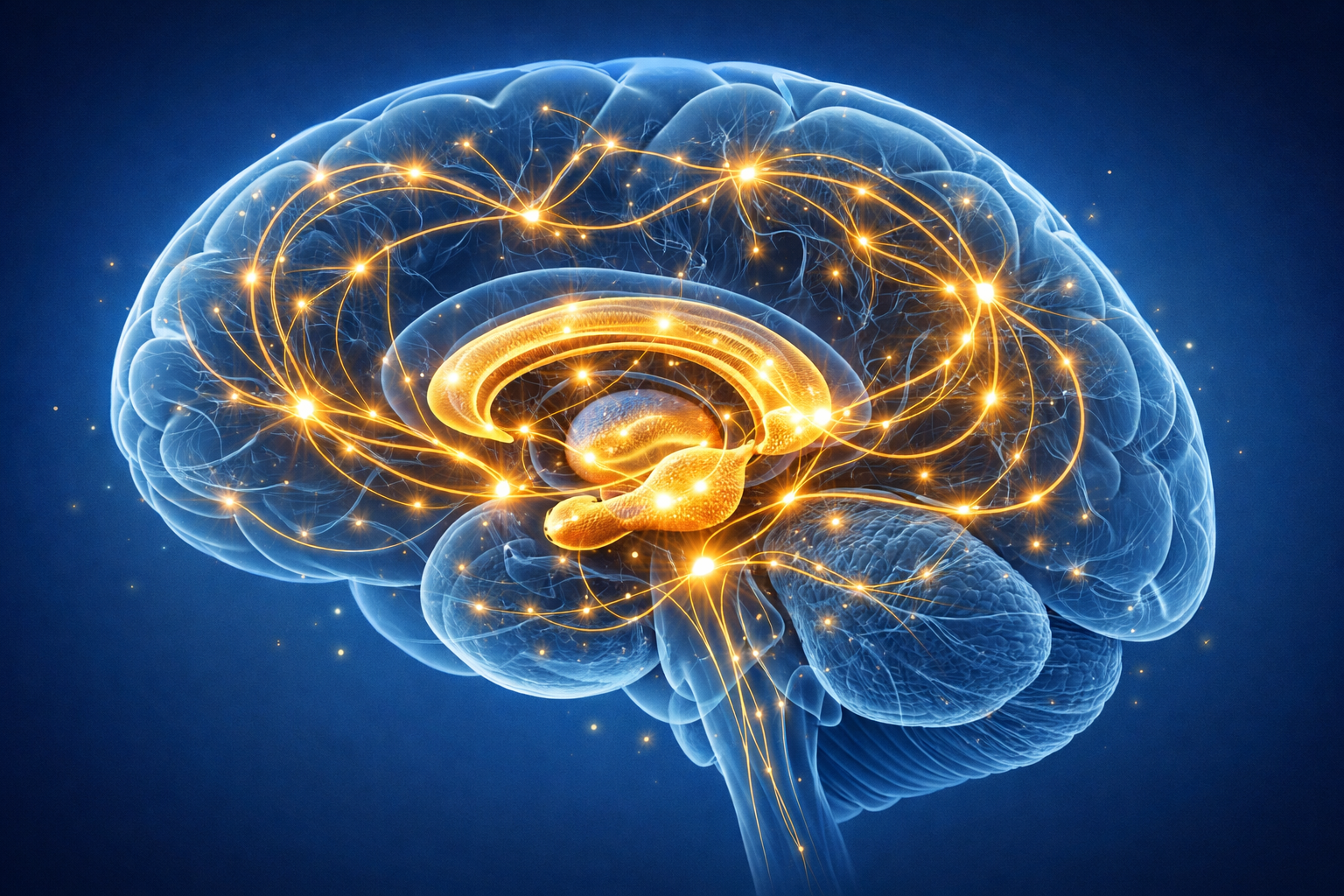
Depression has affected humans for hundreds of years. Symptoms can include persistent feelings of sadness, sleep disturbances, anxiety, and a loss of interest in social activities. Science doesn’t yet fully understand the causes and effects, but here’s what we do know: the brain is a powerful organ, and it is capable of change. Made up of a wide network of connections, it relies on chemicals, electrical impulses, and billions of neurons. Let’s explore how brain science

Promising Latest Treatment That Could Calm Anxiety for Millions of Americans
Health & Medicine

Promising Latest Treatment That Could Calm Anxiety for Millions of Americans

Today, generalized anxiety disorder is affecting millions of Americans. The disorder usually traps the sufferers in cycles of fear and isolation in a way that even standard treatments cannot relieve completely. UCSF neuroscientist Jennifer Mitchell, PhD, is testing a surprising brand-new approach that can ease symptoms of generalized anxiety disorder by reshaping how the brain thinks and feels.

What Stress Does to Your Body: The Neurobiology of Stress
Health & Medicine

What Stress Does to Your Body: The Neurobiology of Stress

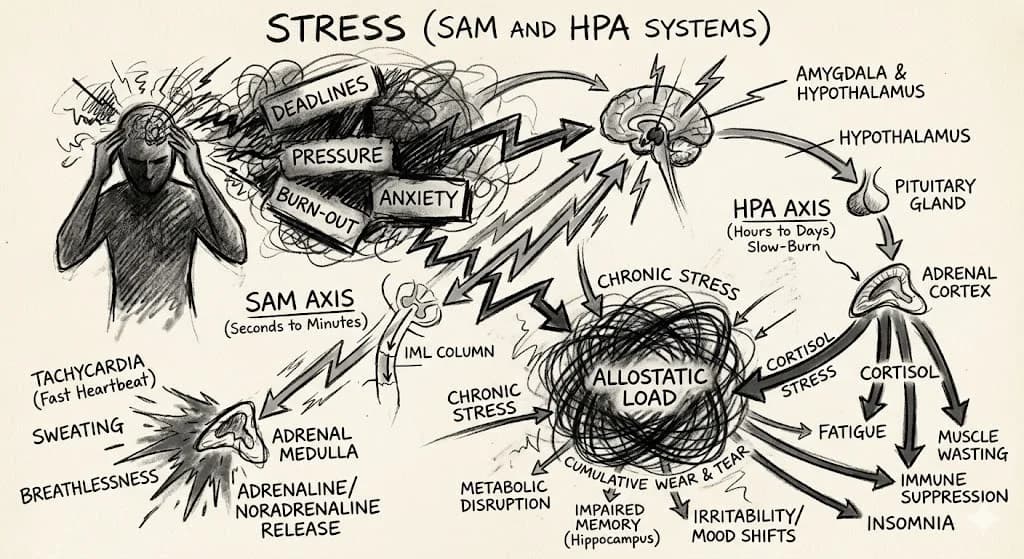
What does stress actually do to your body? Explore the neurobiology of the survival response, from the immediate SAM axis to the the HPA axis, and learn how to restore your biological equilibrium.