Science & Research
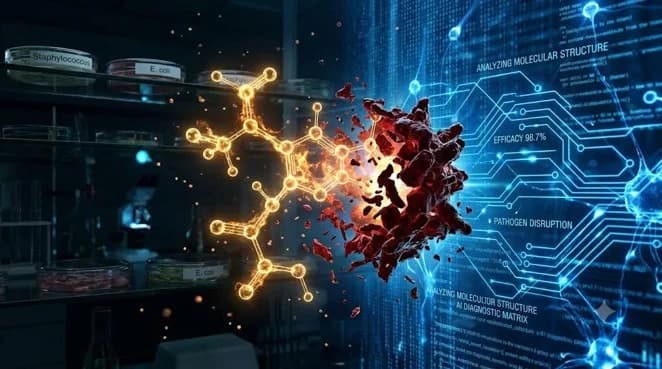
How AI Learned to Hunt Superbugs in a Digital Haystack
Antibiotic resistance could kill 10 million annually by 2050. Discover how AI found Halicin, a molecule that kills superbugs humans couldn't defeat.
Showing results for: "antibiotic discovery" (39 results)
Antibiotic resistance could kill 10 million annually by 2050. Discover how AI found Halicin, a molecule that kills superbugs humans couldn't defeat.
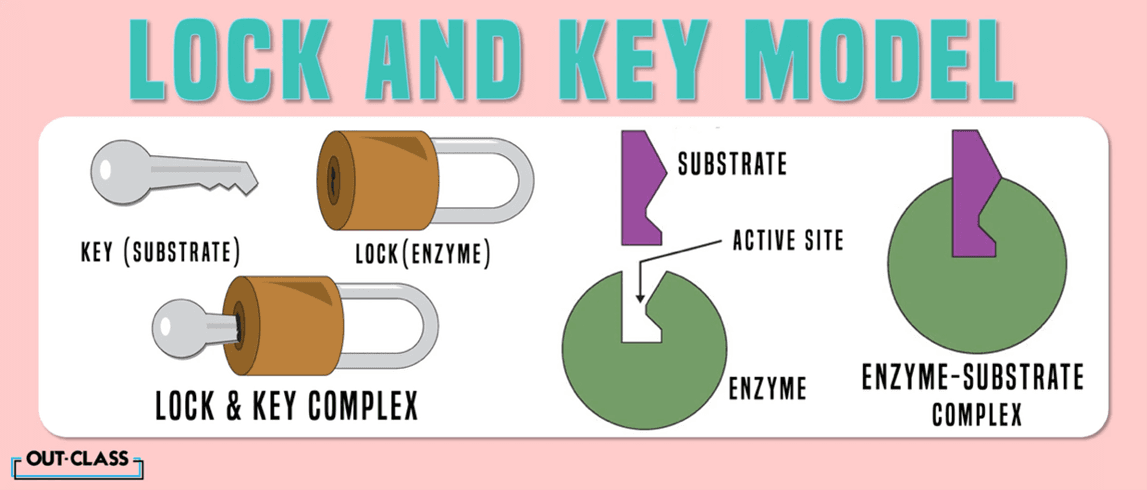
Tuberculosis (TB) remains one of the world's deadliest infectious diseases, claiming over a million lives each year. TB is the deadliest infectious disease known today, claiming more lives than COVID-19. TB is caused by the bacterium Mycobacterium tuberculosis. TB spreads through the air when infected people breathe, cough, sneeze,
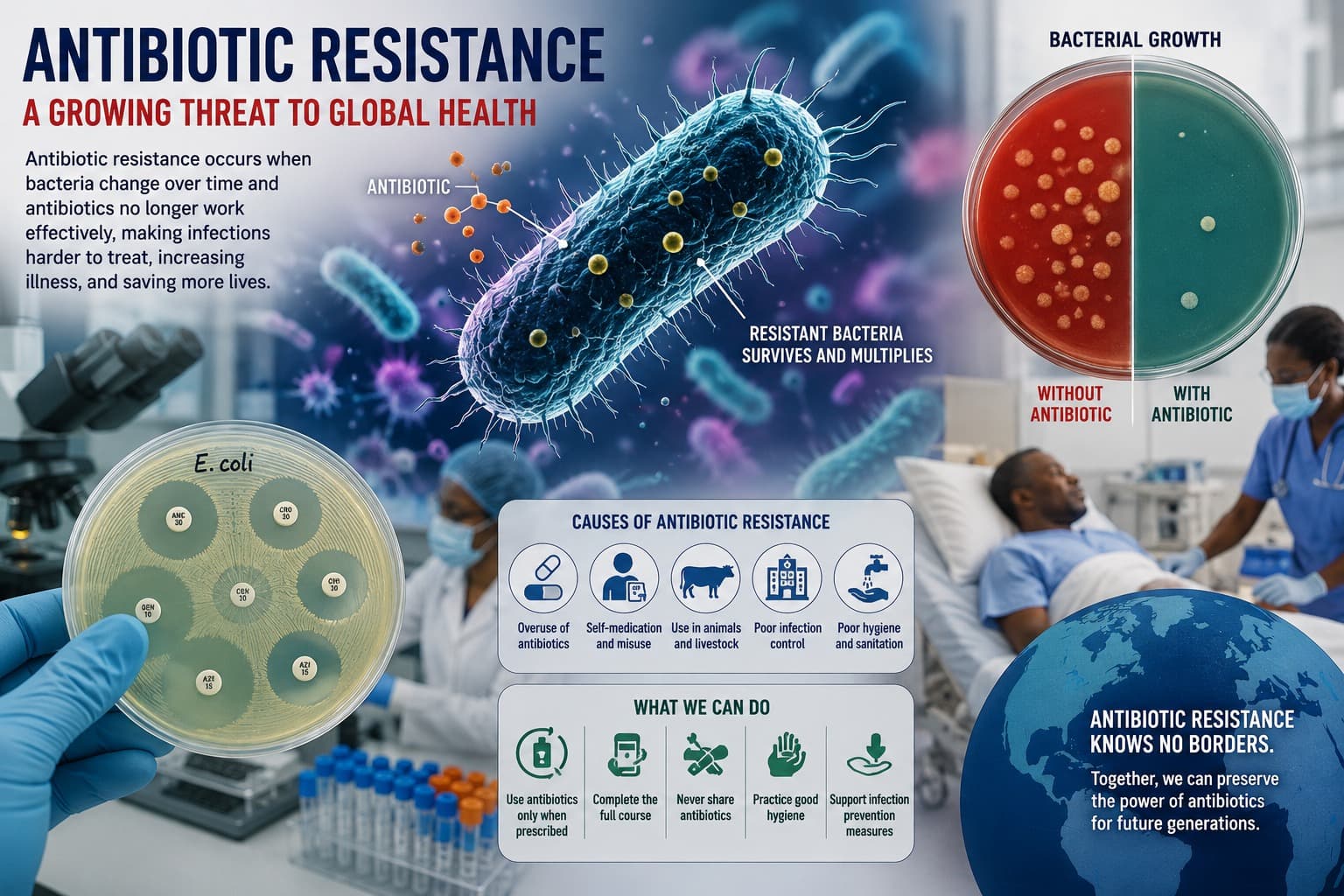
Antibiotic resistance is making common infections hard to treat. Learn why it happens, how it affects communities in Nigeria and beyond, and what we can do to protect these life-saving medicines.
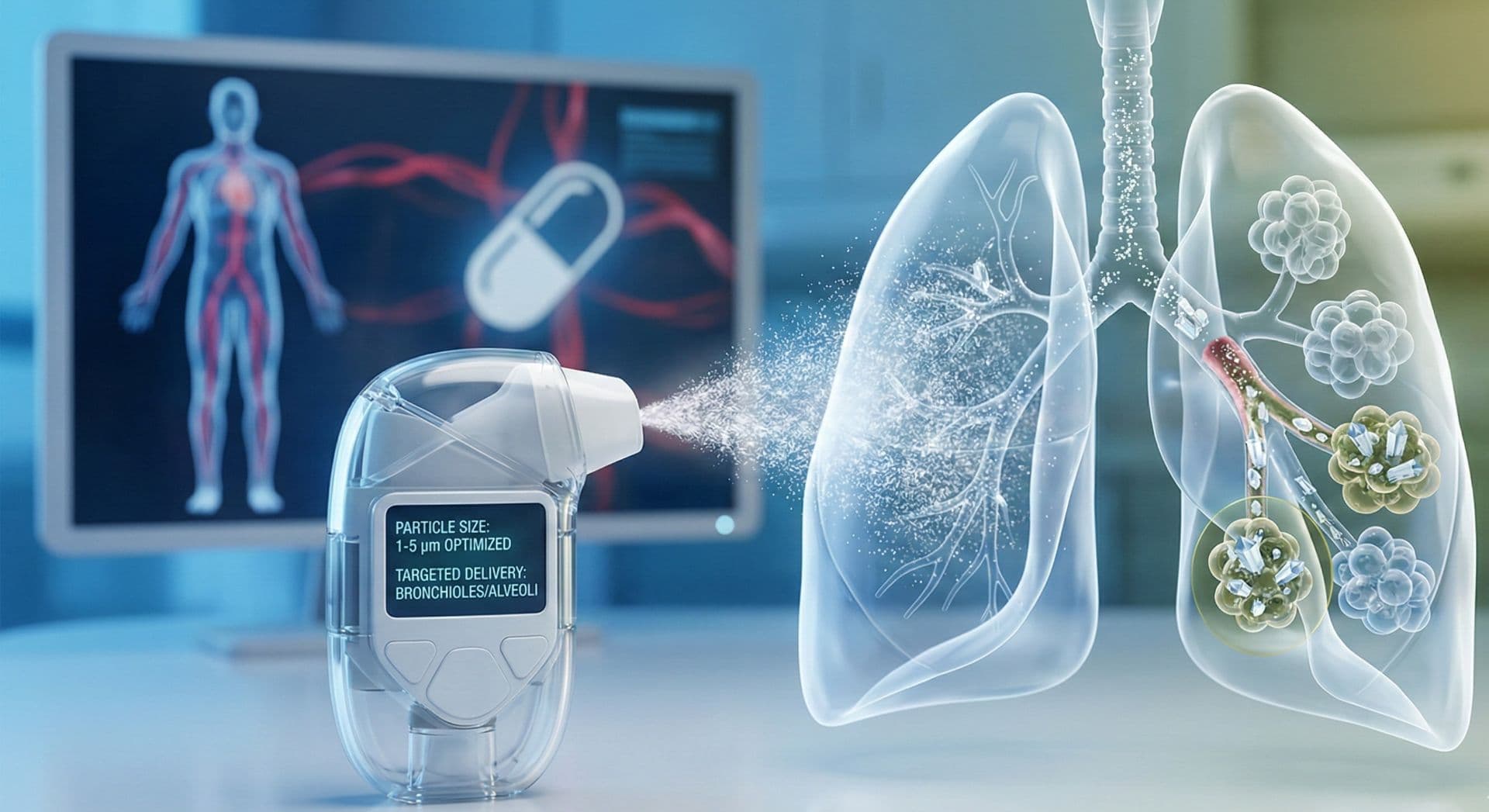
Inhaled antibiotics deliver drugs directly to lung infections, achieving better results with fewer side effects, which is a game-changer in fighting resistance.
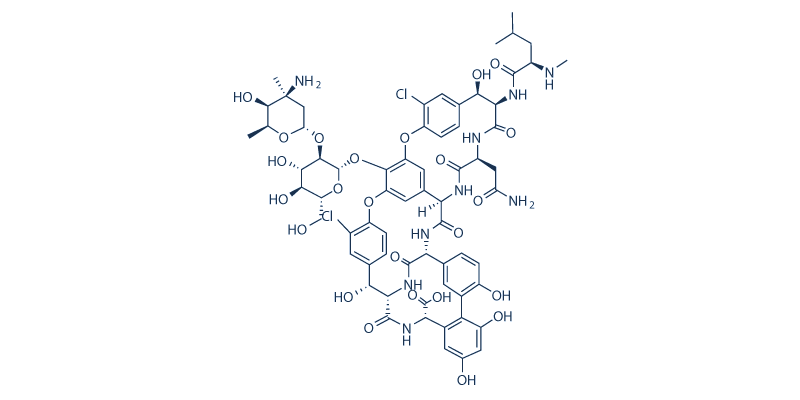
Vancomycin is an essential glycopeptide antibiotic used to treat life-threatening infections caused by Gram-positive bacteria, particularly Methicillin-Resistant Staphylococcus aureus (MRSA). It functions by inhibiting bacterial cell-wall synthesis and is still the most potent drug to be used when others fail (Patel, Preuss, & Bernice, 2023).
The Internet has transformed the world, connecting people, information, and resources in unprecedented ways, even beyond physical boundaries. What began as a small research project has now grown into a global system that supports billions of devices and enables nearly every aspect of modern life. In this article, we will explore the major discoveries and milestones that contributed to the development of the Internet.
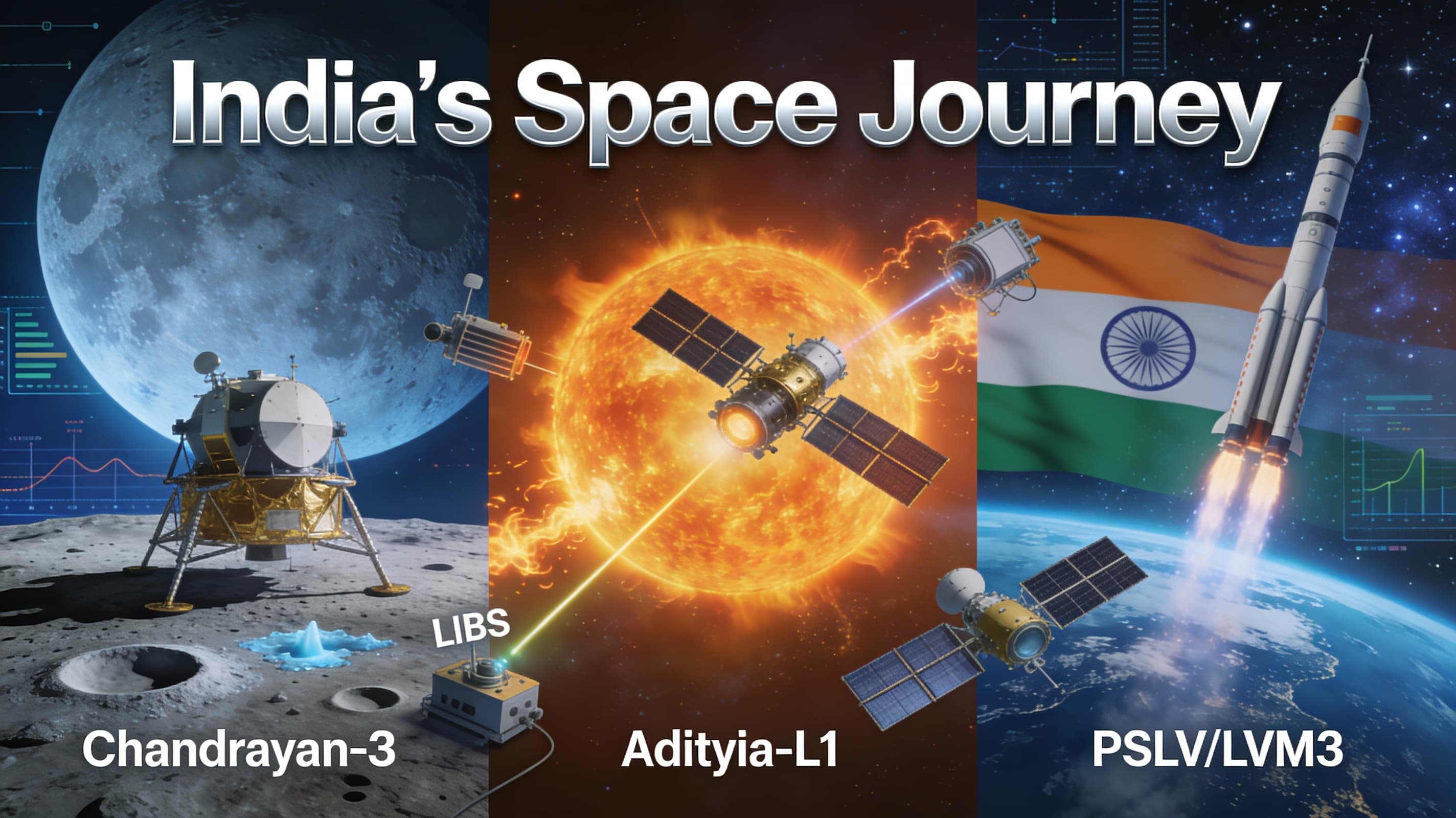
India’s space program, led by the Indian Space Research Organisation (ISRO), has evolved from modest experimental launches into a globally recognized scientific and technological enterprise.
Scientific advancement drives growth, productivity, and long-term global competitiveness in advanced economies.
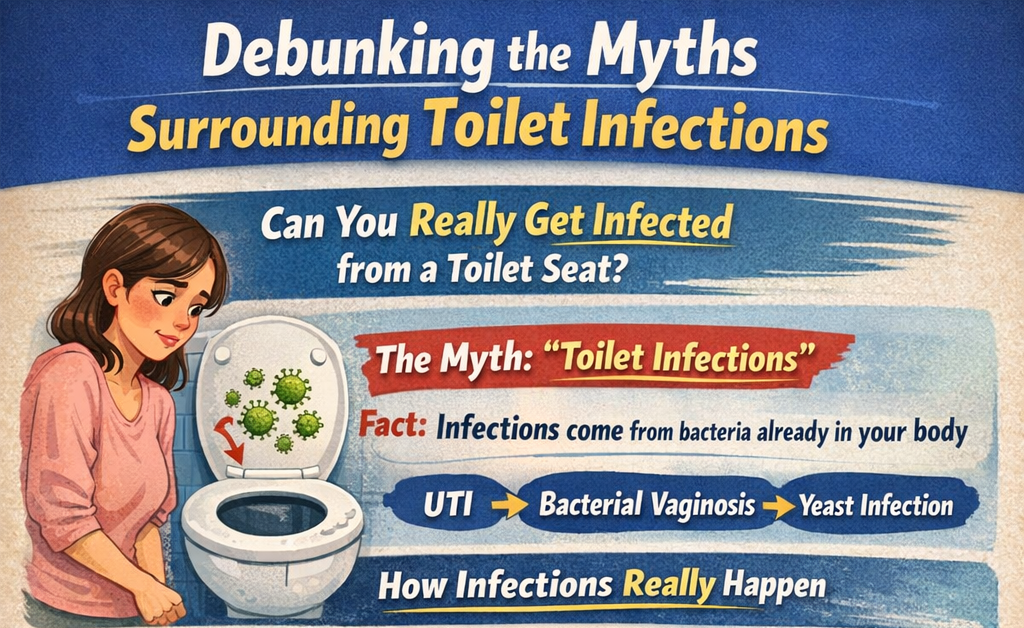
As a pharmacist during clinical clerking, I frequently encounter patients who use the term “toilet infections” to describe symptoms that clinically align with bacterial vaginosis, urinary tract infections, or yeast infections. This widespread misconception often stems from the assumption that symptoms occurring after the use of public toilets must be caused by them.
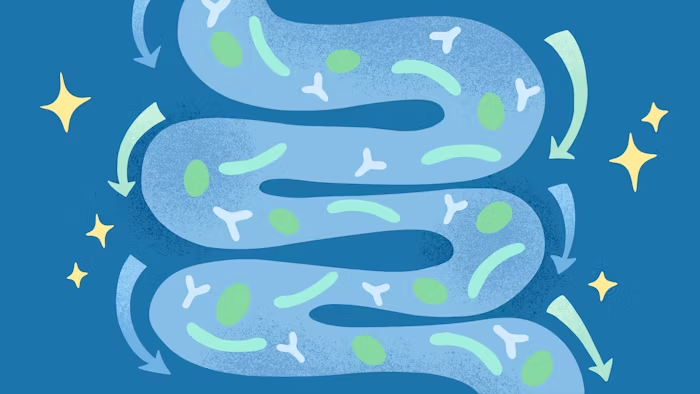
Bacterial lysates and postbiotics can train your immune system to prevent respiratory infections. Here is why they matter in the era of antibiotic resistance.

Science writing simplifies complex research, making scientific discoveries accessible, trustworthy, and relevant to the public while reducing misinformation.
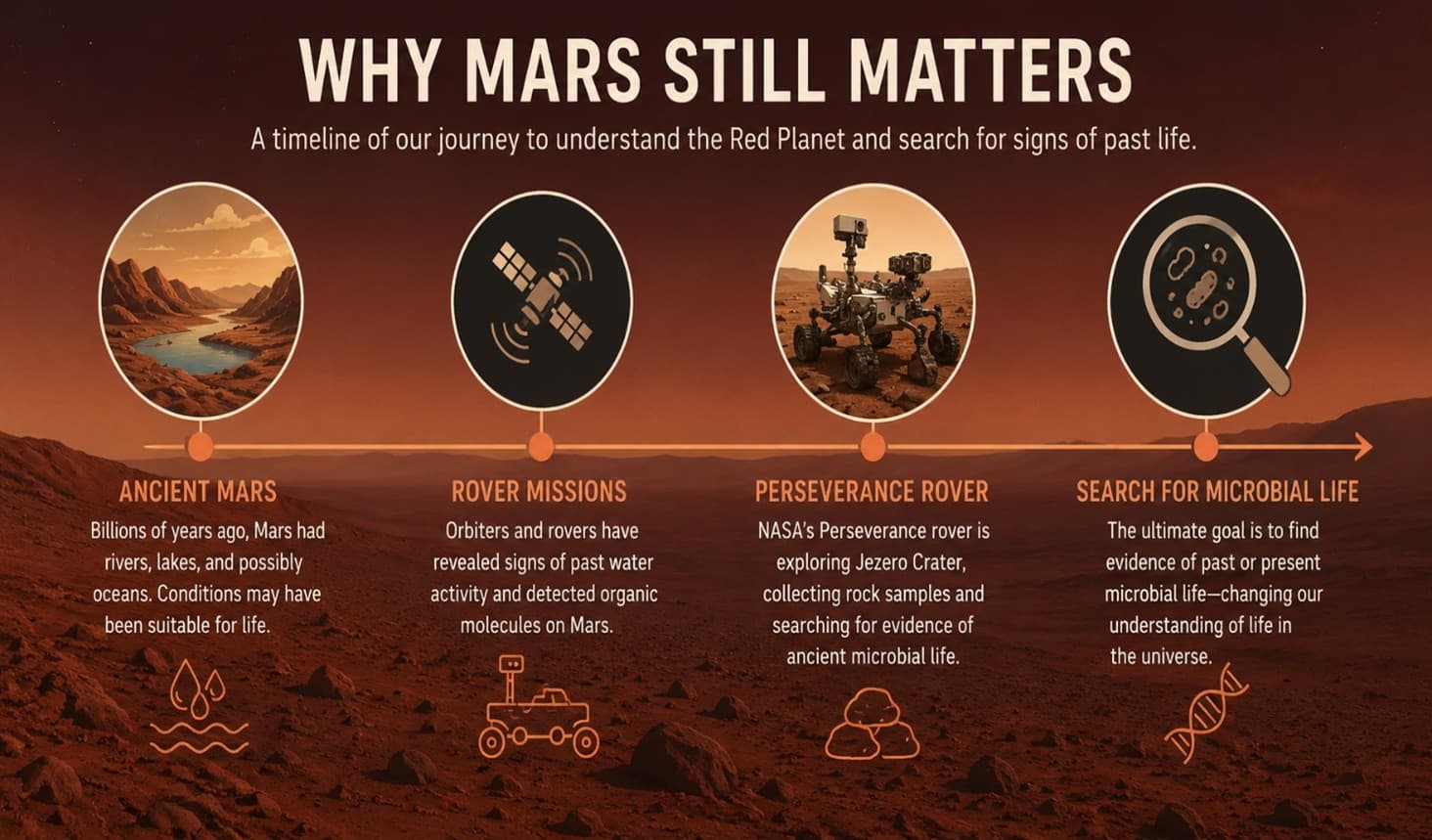
Scientists are closer than ever to detecting life beyond Earth. From Mars to distant exoplanets, modern astronomy is transforming the search for alien life.
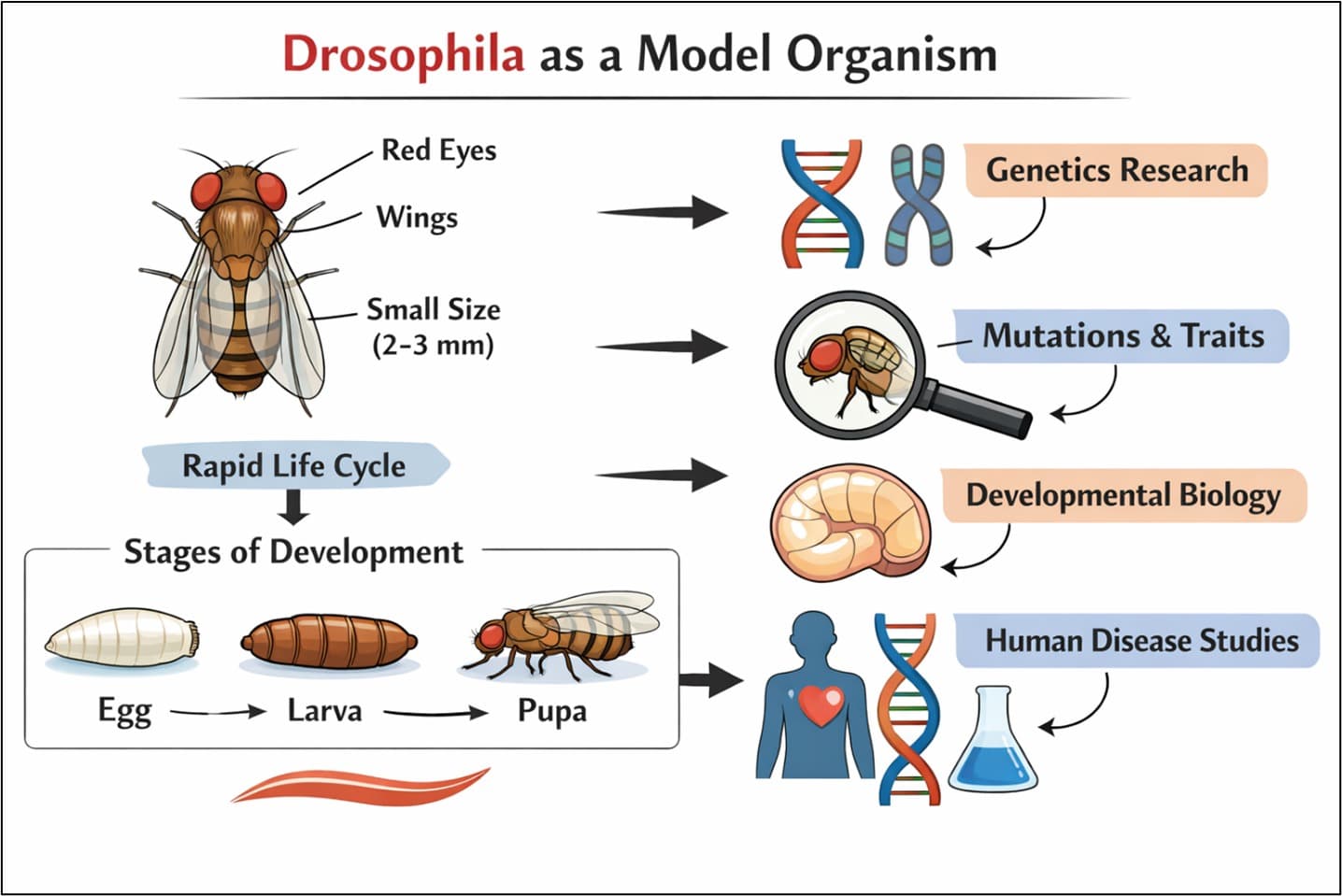
Small fruit fly is an excellent model organism used by scientists to study various aspect of human health and diseases such as development, regeneration, wound healing, cancer and stem cell research
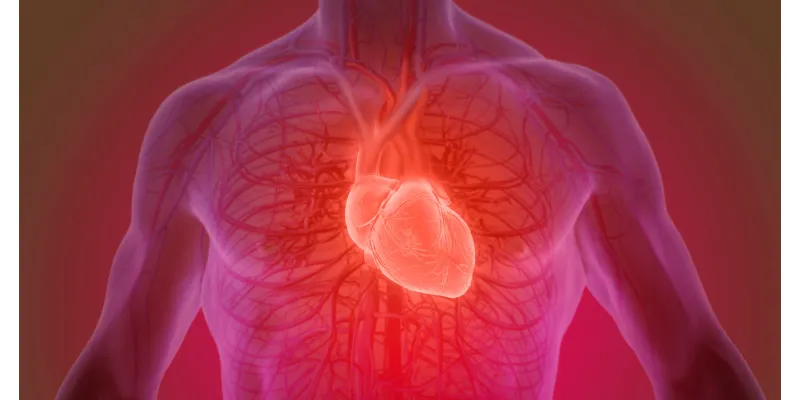
From innovative methods for cancer treatment to understanding the complexities of the human gut biome, these discoveries not only enhance our comprehension of the world but also lay the foundation for future groundbreaking advancements.

Mathematics is often described as the universal language of the universe, a field that transcends cultures and eras to provide the tools for understanding the world. From the ancient geometries of Egypt to modern computational algorithms, mathematics is at the heart of human discovery and technological progress.
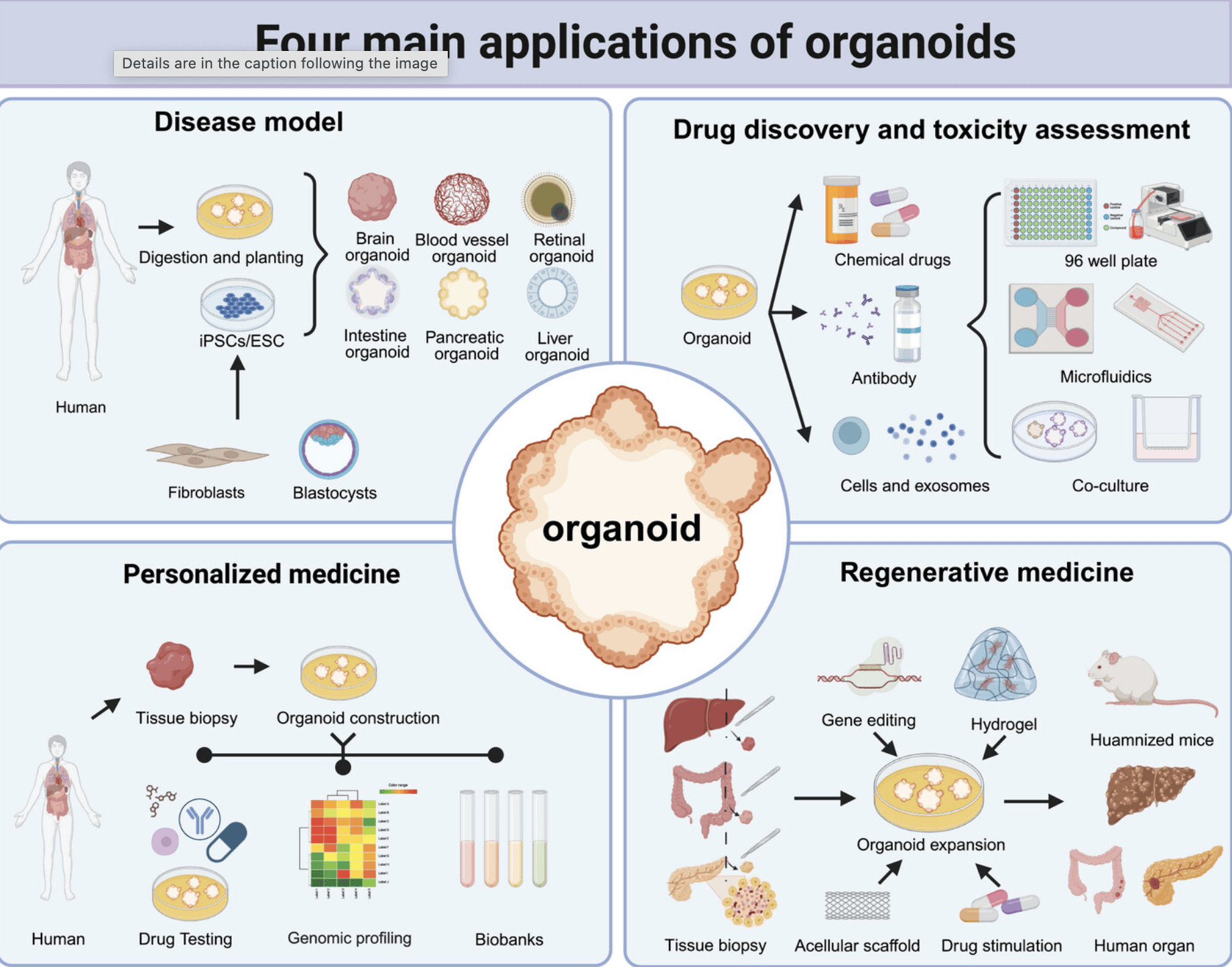
Animal models have traditionally served as the cornerstone of drug safety evaluation; however, major translational challenges persist due to interspecies differences in physiology, metabolism, and genetic regulation. Many compounds demonstrating favorable toxicity profiles in animals later fail during human trials or are withdrawn post-marketing due to unforeseen adverse effects, especially hepatotoxicity and cardiotoxicity (Lee et al., 2025).

In Sci-fi visions of distant futures, some imagine sprawling intergalactic civilizations. Scaffolds built around stars harvesting their energy. Fusion reactors, cyborgs, superintelligent implants. But the future of artificial bones, though perhaps more mundane, could be a life saving science.
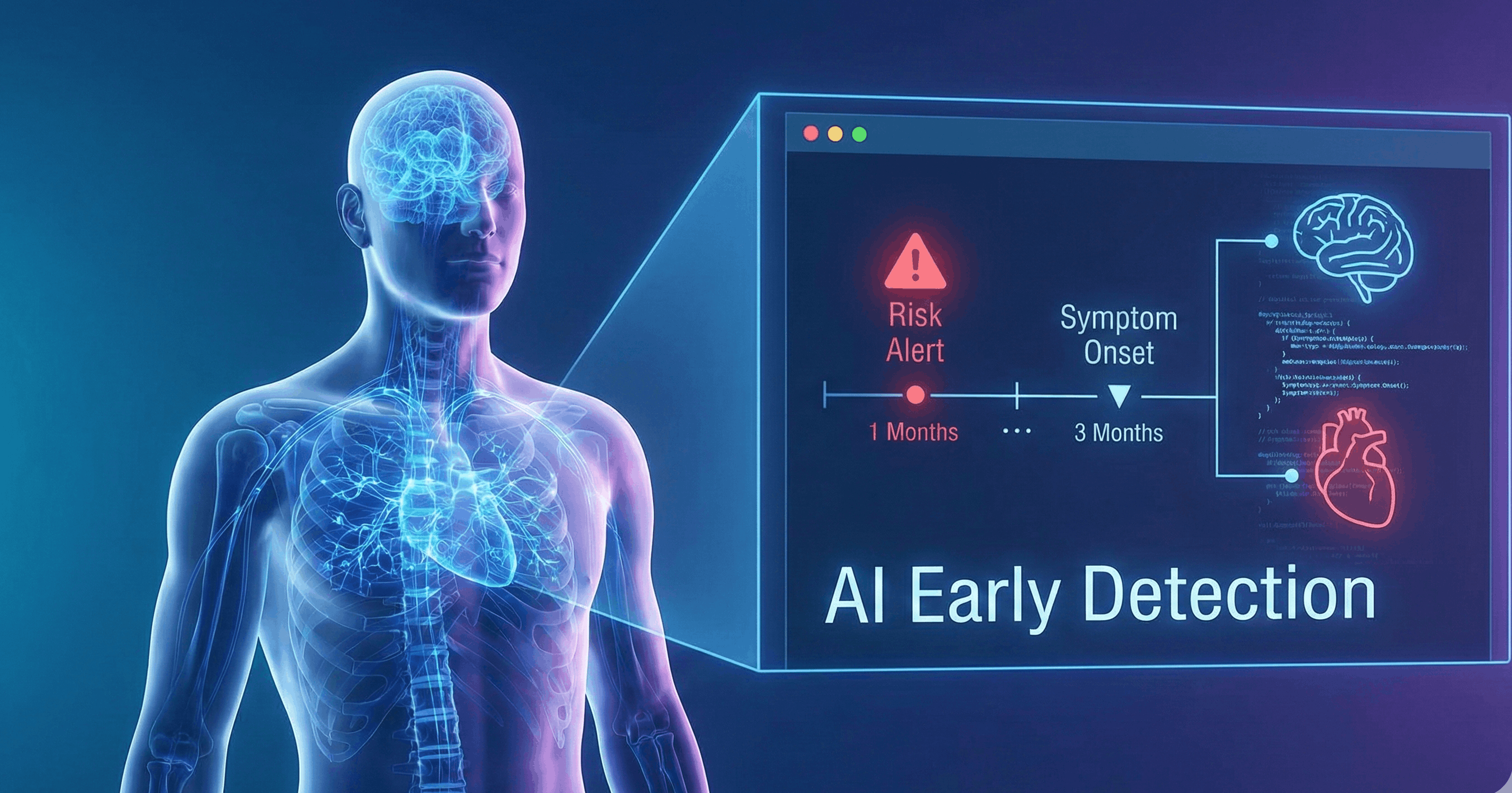
Modern healthcare is undergoing a silent revolution. Now to treat a disease in the healthcare system, there is no longer a need to wait for symptoms to appear.

Drug repurposing is reshaping medicine. Discover how changing a drug's route of administration — not the molecule itself — can unlock new therapeutic potential.
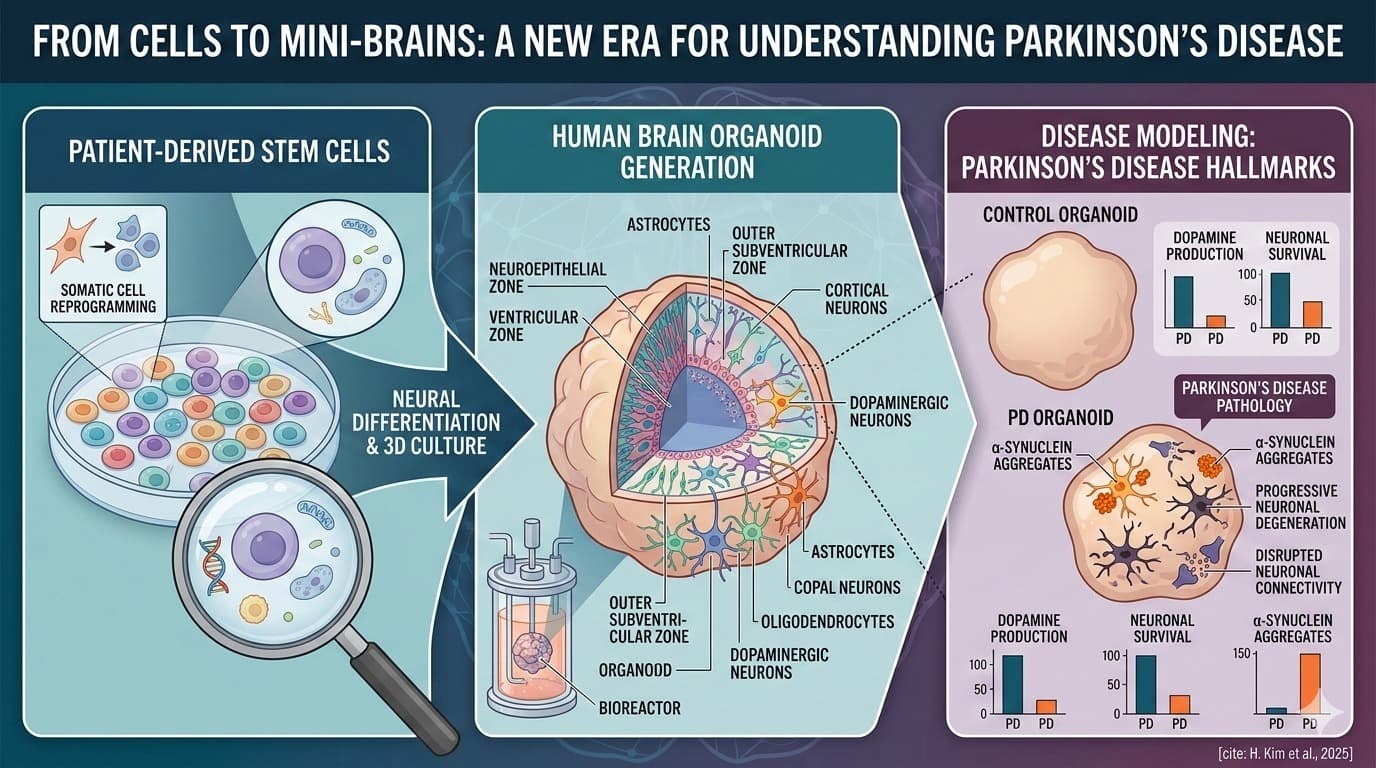
Understanding the human brain remains one of the greatest challenges in modern science. With billions of neurons forming intricate networks and constantly changing connections, the brain’s complexity makes it extremely difficult to study directly.