Postbiotics and Bacterial Lysates: The Immune Trainers You've Never Heard Of
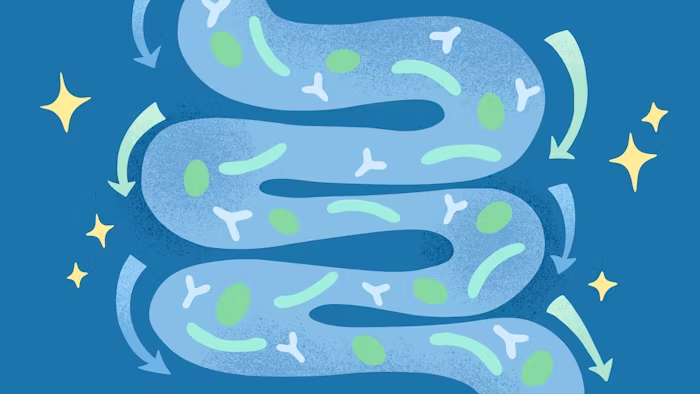
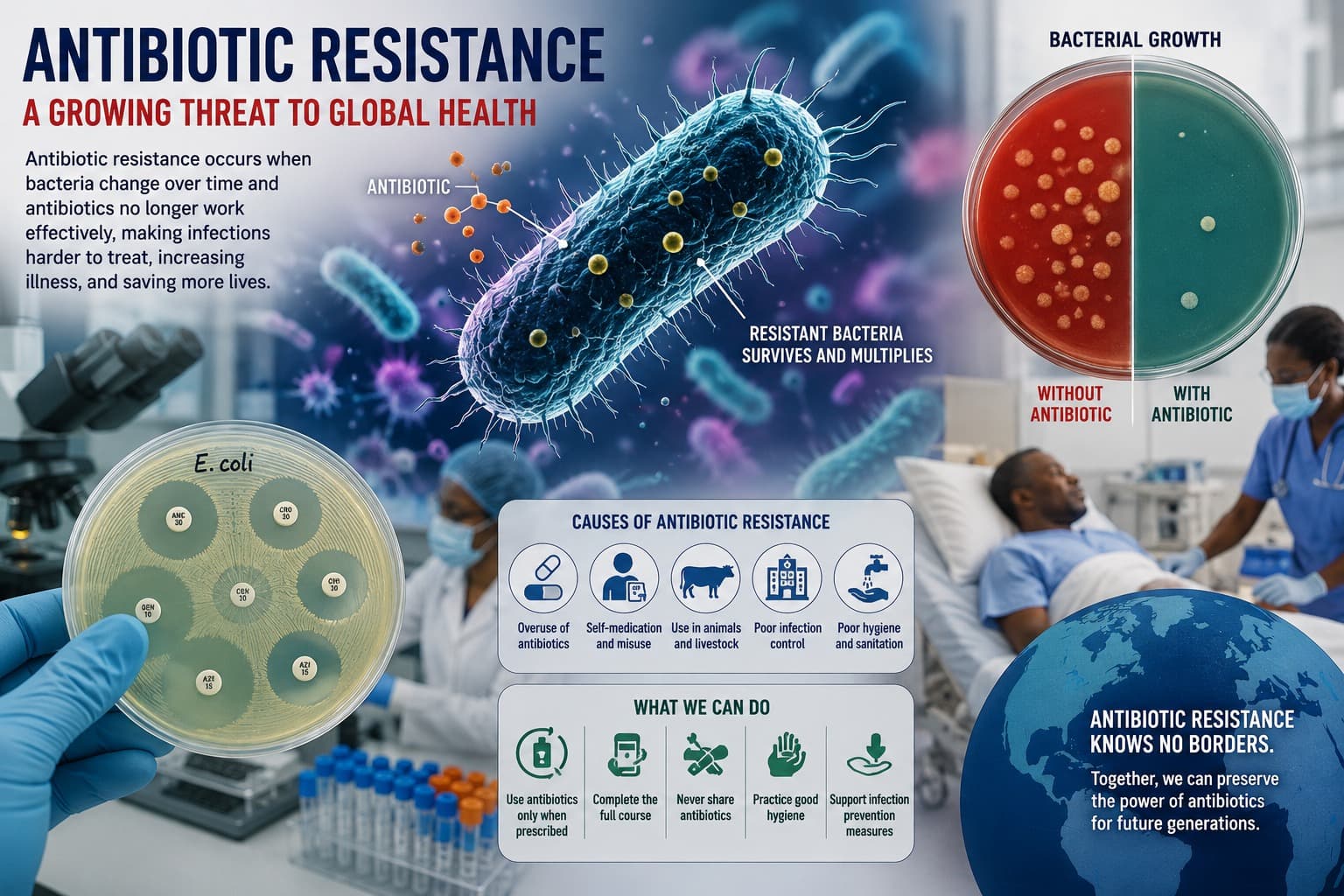
Bacterial lysates and postbiotics can train your immune system to prevent respiratory infections. Here is why they matter in the era of antibiotic resistance.
Showing results for: "antimicrobial resistance" (20 results)

Bacterial lysates and postbiotics can train your immune system to prevent respiratory infections. Here is why they matter in the era of antibiotic resistance.

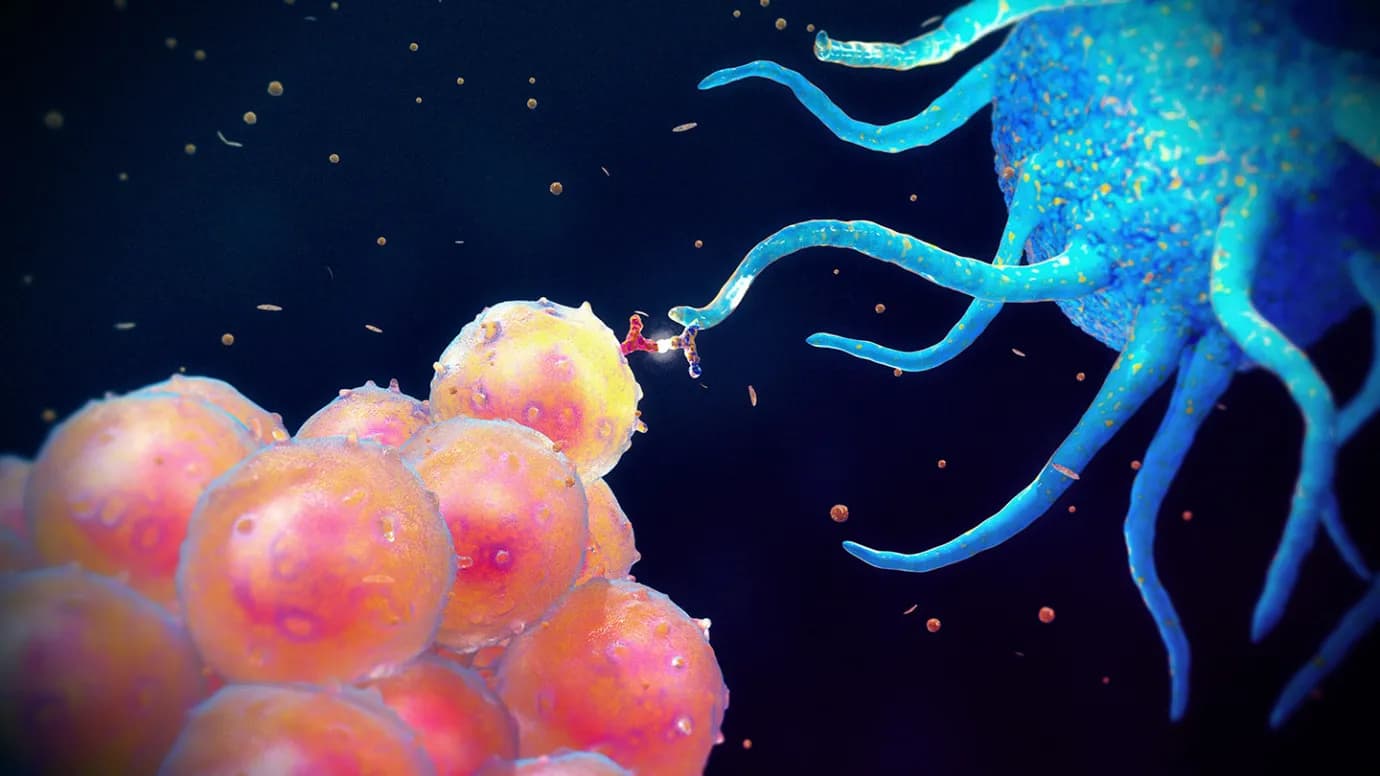
Discover how antigen-presenting cells like dendritic cells and macrophages are being recruited through smart particle design for vaccines and immunotherapy.

Tuberculosis (TB) remains one of the world's deadliest infectious diseases, claiming over a million lives each year. TB is the deadliest infectious disease known today, claiming more lives than COVID-19. TB is caused by the bacterium Mycobacterium tuberculosis. TB spreads through the air when infected people breathe, cough, sneeze,

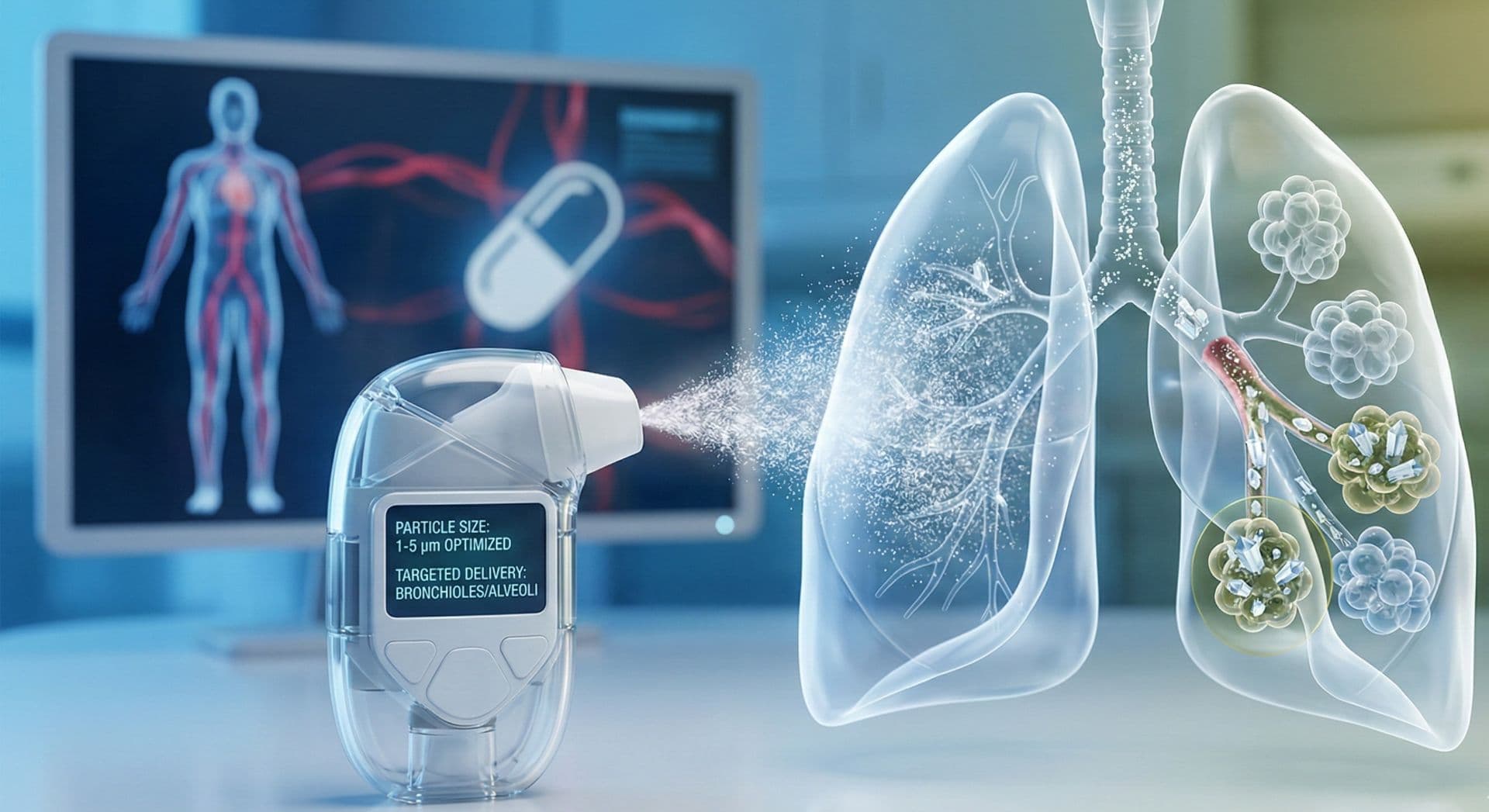
Inhaled antibiotics deliver drugs directly to lung infections, achieving better results with fewer side effects, which is a game-changer in fighting resistance.

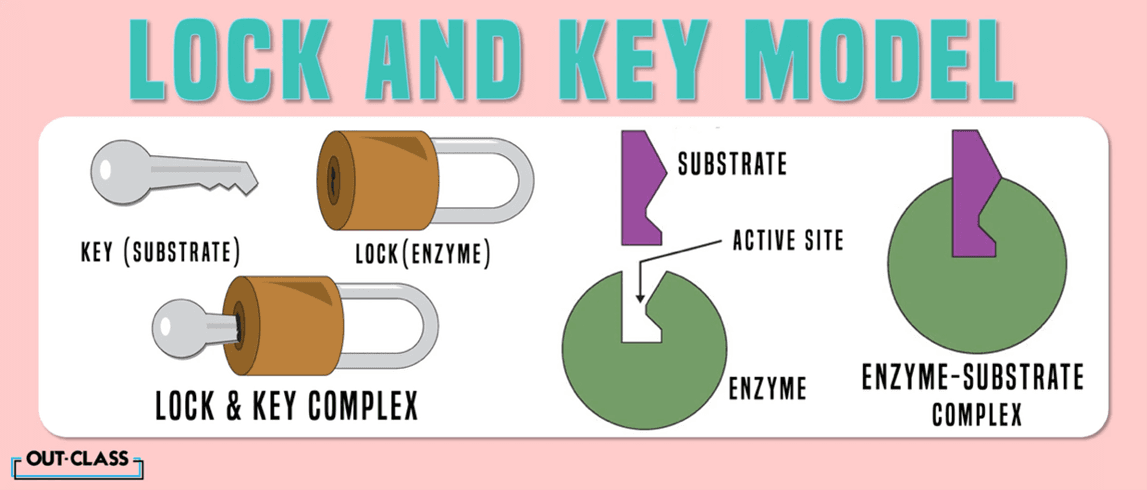
Drug repurposing is reshaping medicine. Discover how changing a drug's route of administration — not the molecule itself — can unlock new therapeutic potential.

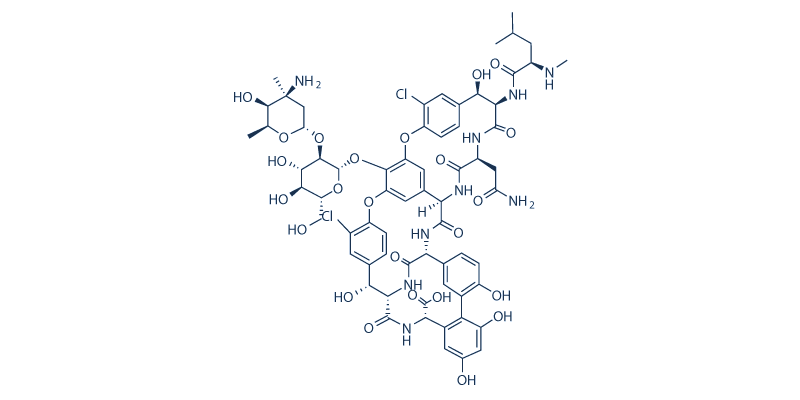
Vancomycin is an essential glycopeptide antibiotic used to treat life-threatening infections caused by Gram-positive bacteria, particularly Methicillin-Resistant Staphylococcus aureus (MRSA). It functions by inhibiting bacterial cell-wall synthesis and is still the most potent drug to be used when others fail (Patel, Preuss, & Bernice, 2023).

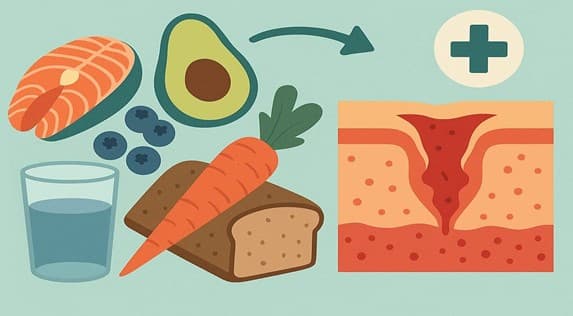
Wound healing is a complex and dynamic biological process that occurs through four overlapping phases: hemostasis, inflammation, proliferation, and maturation. To repair tissue damage, the body works intensively, thereby significantly increasing cellular metabolic demands.

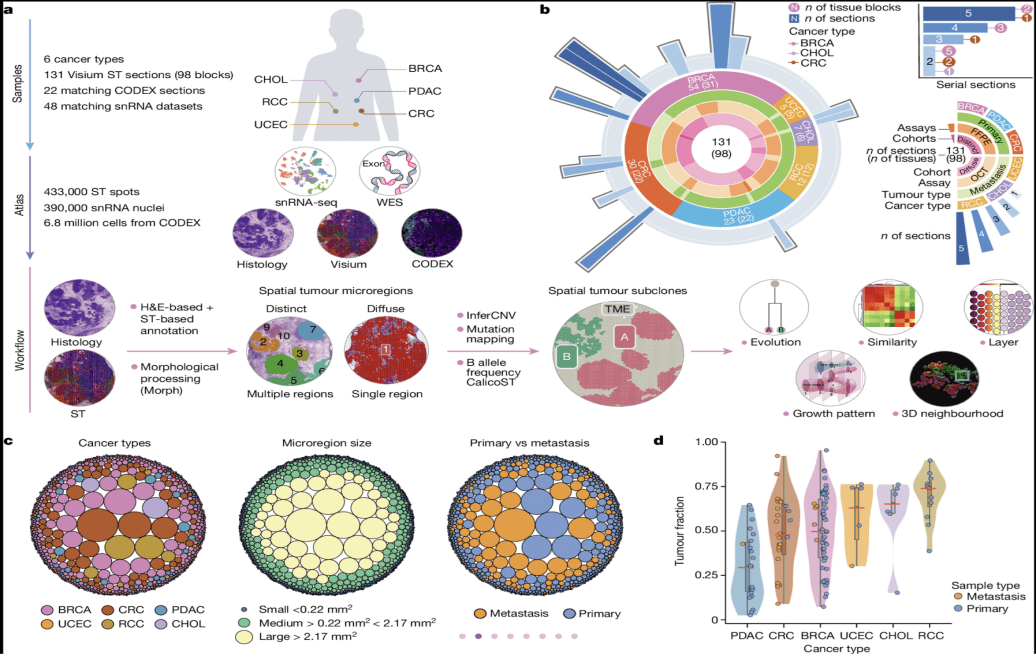
The tumor microenvironment (TME) is a complex and dynamic ecosystem composed of malignant cells, immune infiltrates, stromal elements, and vascular components that collectively influence tumor initiation, progression, immune escape, and therapeutic response. Traditional bulk transcriptomic approaches obscure this complexity by averaging gene expression across heterogeneous cell populations.

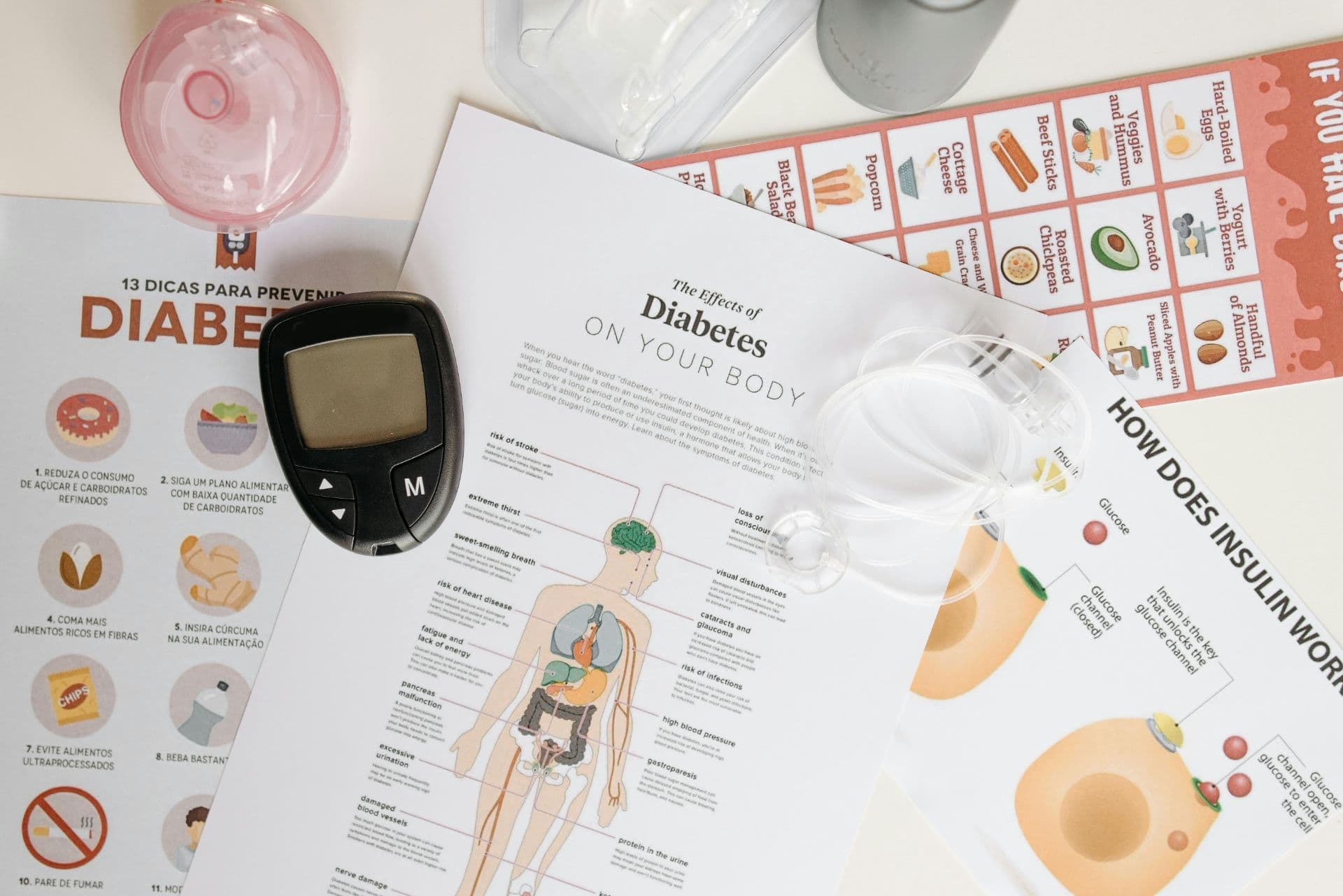
I have debunked certain myths surrounding diabetes and explained what it is in a way that is relatable and understandable to my readers. Upon reading the article, you will learn more about your body and what to look out for as well as the importance of routine checks in the lives of an individual.

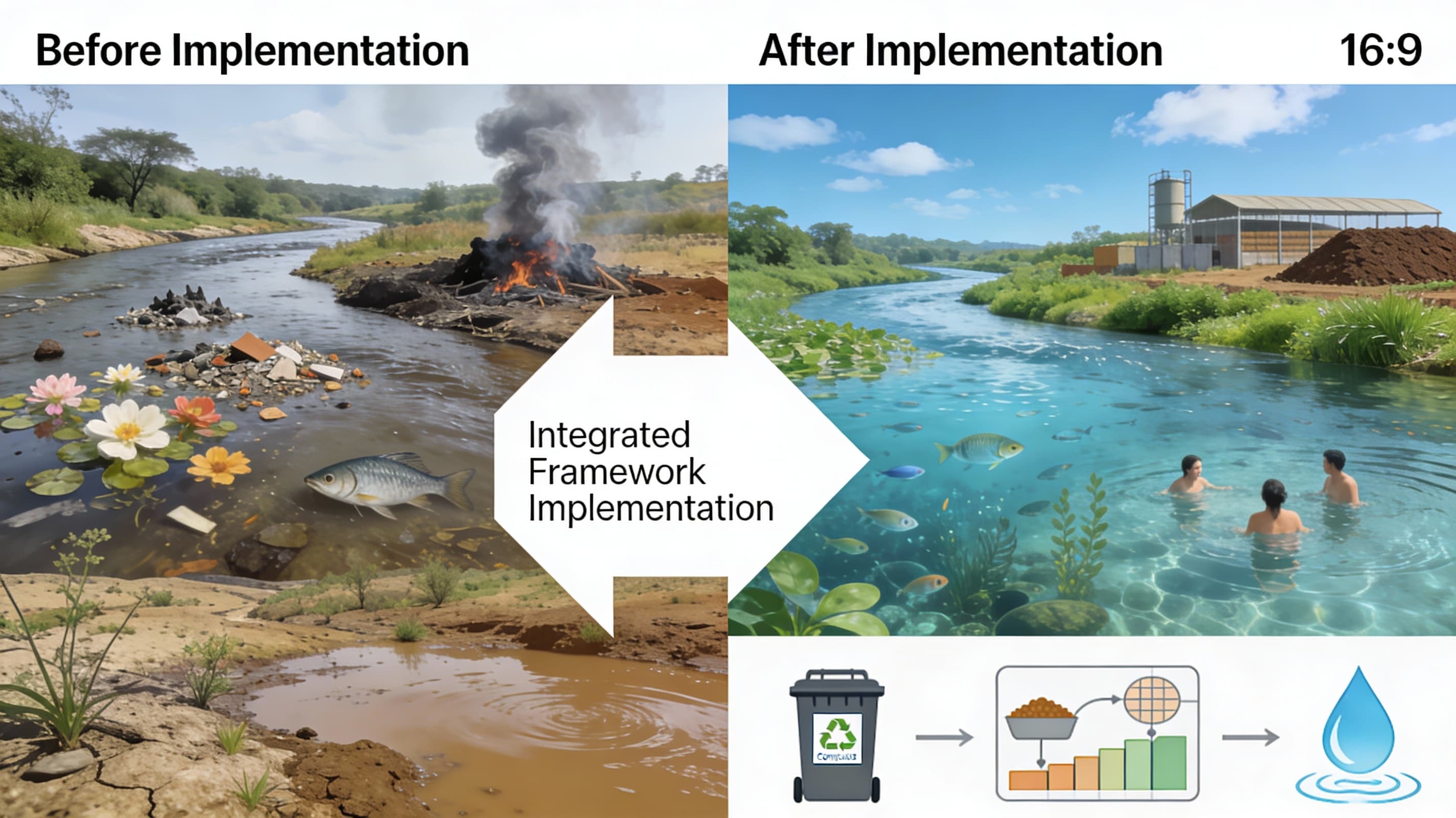
Environmental pollution in densely populated regions remains a persistent challenge, particularly where cultural, religious, and social practices intersect with fragile ecosystems. While industrial emissions and vehicular pollution have received substantial scholarly attention, the environmental impact of everyday ritual and community practices

For many people, it is often assumed to be a “Stress disease”. Others casually refer to it as an “Old man’s disease” based on the myth that it affects only the elderly. These assumptions, however banal, are misleading and potentially lethal.

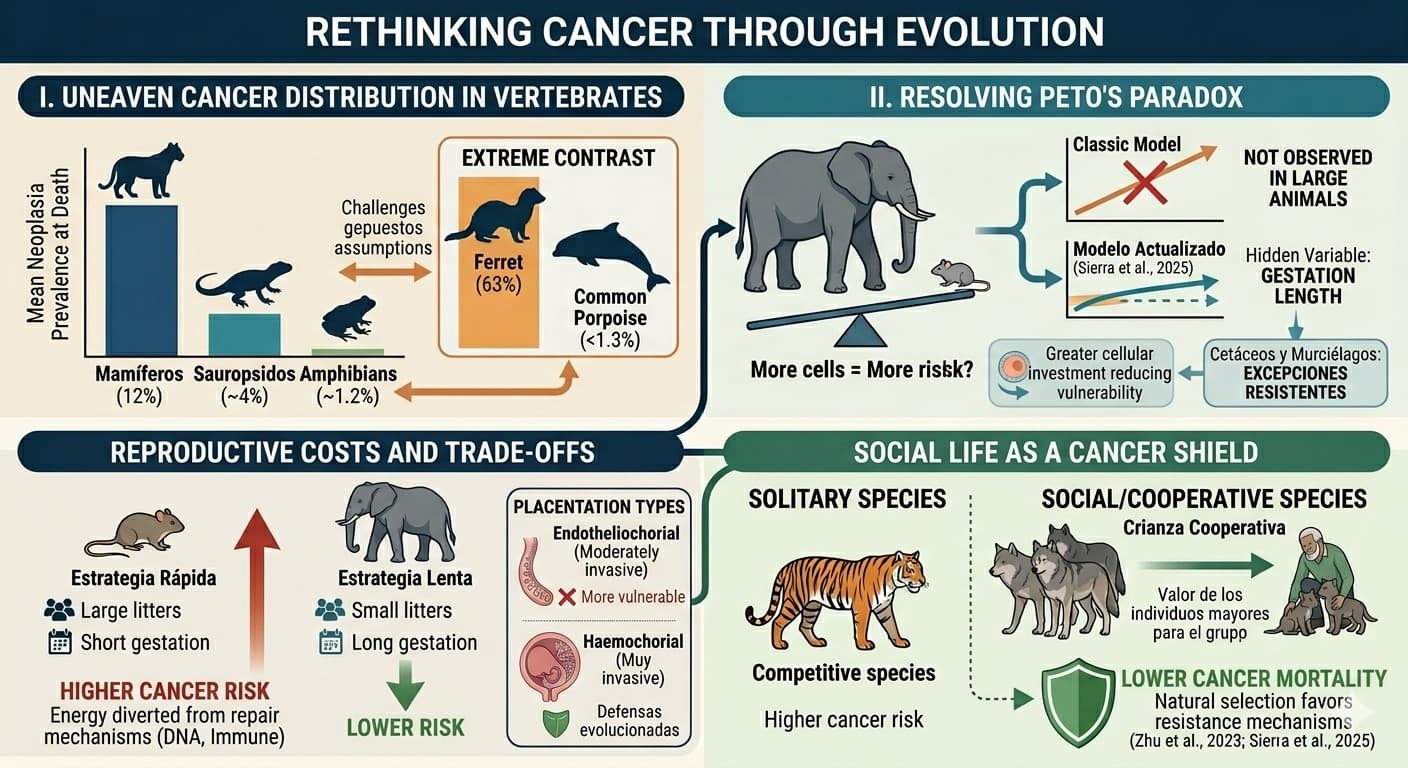
In this study, I explore how cancer risk is distributed across the animal kingdom, emphasizing the role of life-history traits, reproductive strategies, and social behavior in shaping susceptibility to disease. Drawing on recent findings in comparative oncology, the article examines patterns that challenge traditional assumptions, such as the relationship between body size and cancer, and highlights evolutionary mechanisms that may confer resistance in certain species.

Agriculture has always been shaped by the seasons, the soil, and the skilled hands of the farmers who nurture the land. But in the last decade, a new change has quietly entered the fields - Data. As climatic changes are incalculable and the global population climbs towards 10 billion, farmers are being pushed to grow more food with fewer resources.

Have you ever intended to check a single notification, only to realize forty minutes have vanished into an endless scroll? In 2026, privacy is no longer just about your data; it is about your thought process. Is your next choice truly yours, or has a 'Digital Twin' already made it for you

Artificial Intelligence AI with it’s widespread use in various sectors has also taken a dive into healthcare by transforming clinical practice and improving patient care.

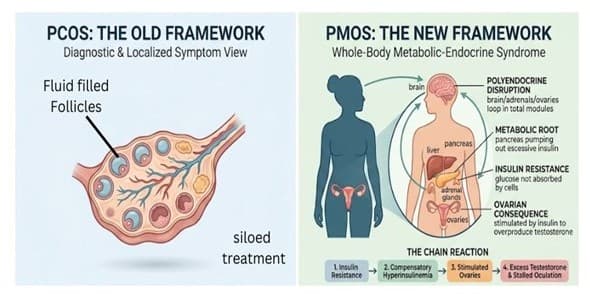
Environmental endocrine disruptors (EEDs) are natural and synthetic chemicals that interfere with endocrine system function by altering hormone synthesis, transport, metabolism, and receptor binding.

Ever wonder what it’s like if a tiny chip could detect cancer before symptoms appear. Biosensor technology is transforming cancer detection- earlier, faster and more accessible for people worldwide

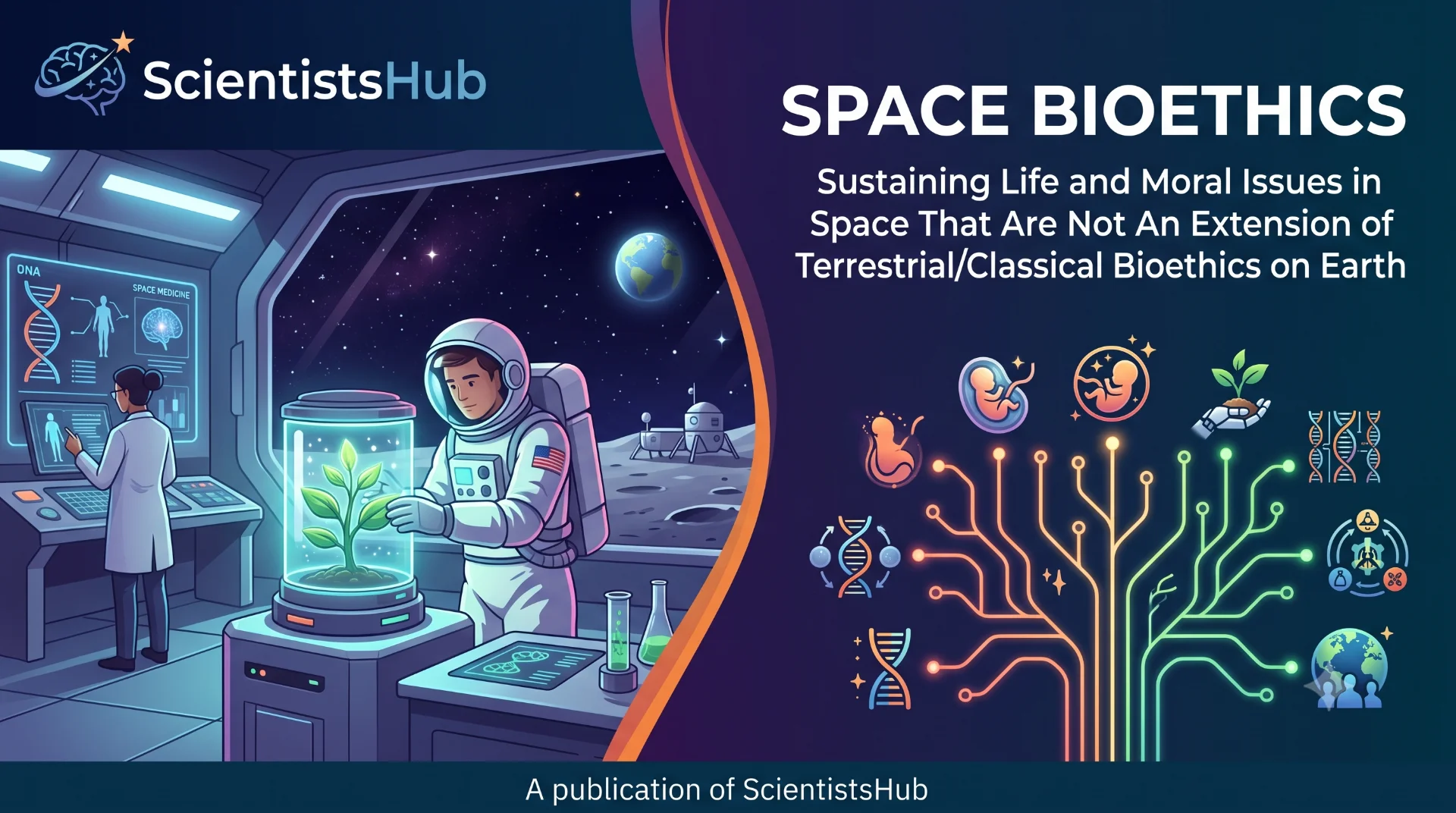
In Sci-fi visions of distant futures, some imagine sprawling intergalactic civilizations. Scaffolds built around stars harvesting their energy. Fusion reactors, cyborgs, superintelligent implants. But the future of artificial bones, though perhaps more mundane, could be a life saving science.

Why is mucus the biggest obstacle to lung drug delivery? Explore the mucosal barrier science reshaping how we design inhaled medicines and vaccines.

Nanotechnology is having a big impact on pharmaceutical sciences, and drug delivery systems are one area where this is most evident. Compared to conventional medication delivery methods, nanoparticles provide a number of benefits, including increased effectiveness and fewer adverse drug reactions.