Tech & AI
AI & Clinical Practice - Ethical Challenges and Evolving Strategies
Artificial Intelligence AI with it’s widespread use in various sectors has also taken a dive into healthcare by transforming clinical practice and improving patient care.
Showing results for: "practice ethical" (54 results)
Artificial Intelligence AI with it’s widespread use in various sectors has also taken a dive into healthcare by transforming clinical practice and improving patient care.
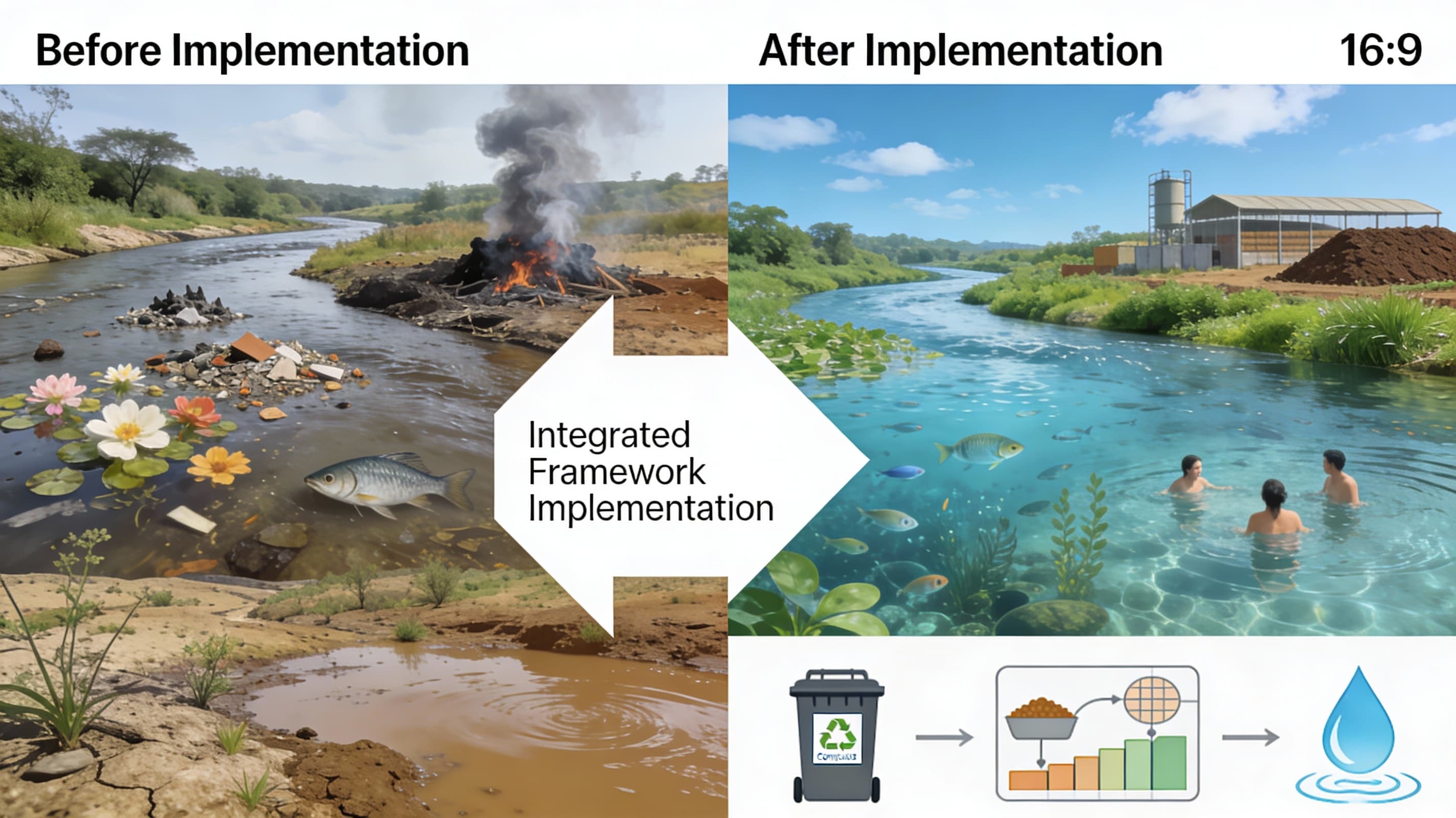
Environmental pollution in densely populated regions remains a persistent challenge, particularly where cultural, religious, and social practices intersect with fragile ecosystems. While industrial emissions and vehicular pollution have received substantial scholarly attention, the environmental impact of everyday ritual and community practices

With the potential of AI tools revolutionizing the world of healthcare, there are ethical risk factors that need to be looked at before their implementation.

This article aims to demystify the anatomy of a clinical trial protocol, peeling back the technical layers to reveal how scientific rigor is converted into medical progress. At ScientistsHub, we often ask: How do we ensure that a medical breakthrough is not just a stroke of luck, but a repeatable, verifiable victory for human health? The answer is found in the design. To truly appreciate the result of any trial, one must first master the architecture of the inquiry.
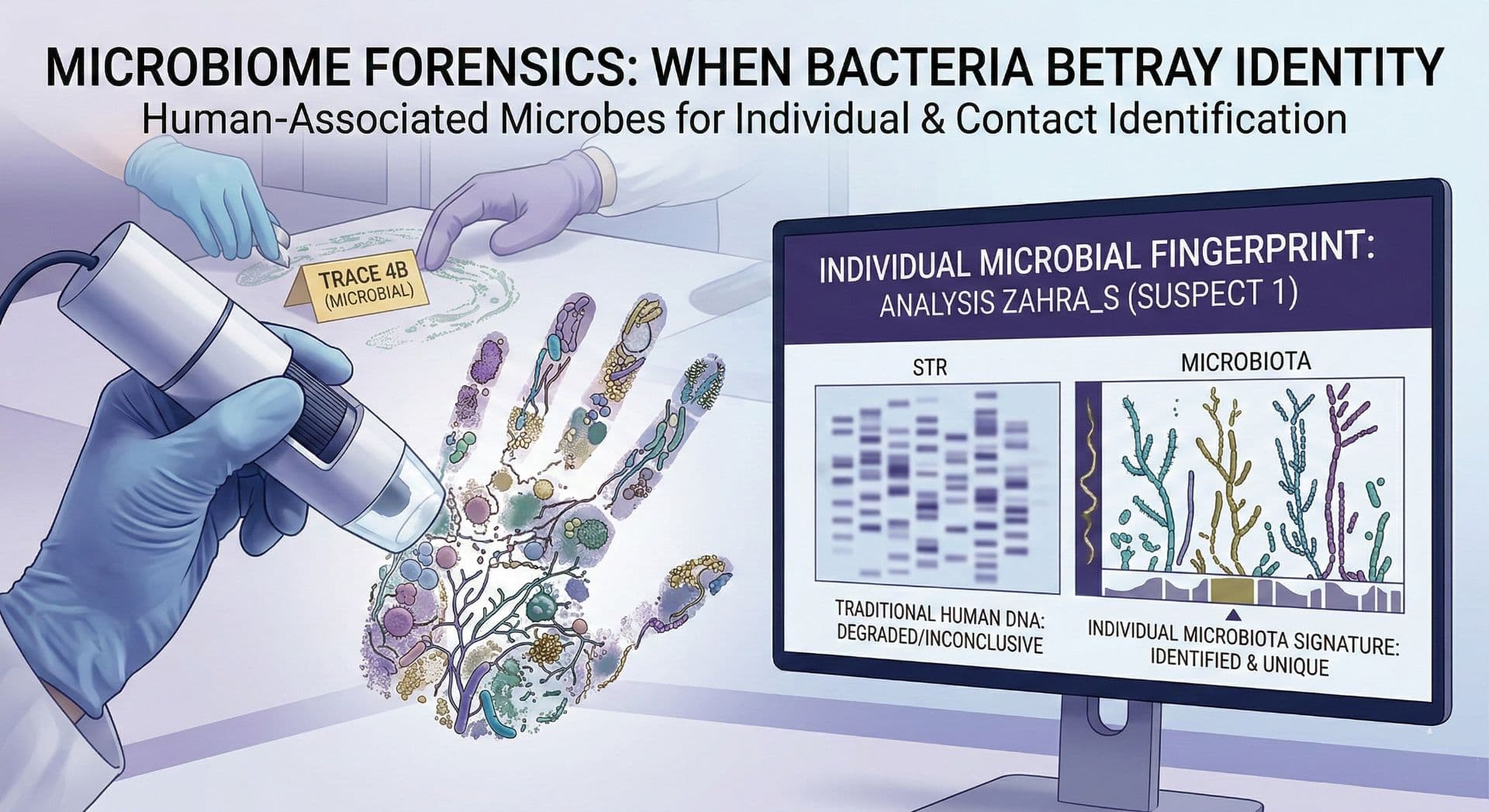
Traditionally, Forensic Science relies on Human DNA for contact evidence and individual identification, but limitation arises when the blood cells obtained from the crime scene are degraded or not.
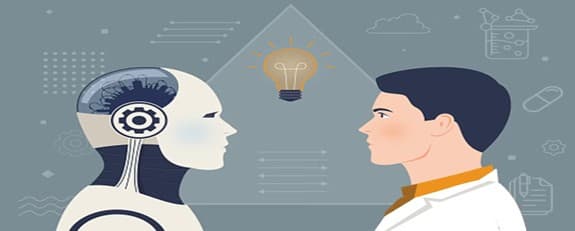
Artificial Intelligence(AI) is reshaping the future of healthcare. The US and UK healthcare systems started to adopt tools like AI Scribe and conversational chatbots, as they claimed to outperform clinicians in diagnostics. Survey data from over 100 physicians polled by Fierce Healthcare and Sermo indicate that many doctors are using general-purpose LLMs for clinical tasks.
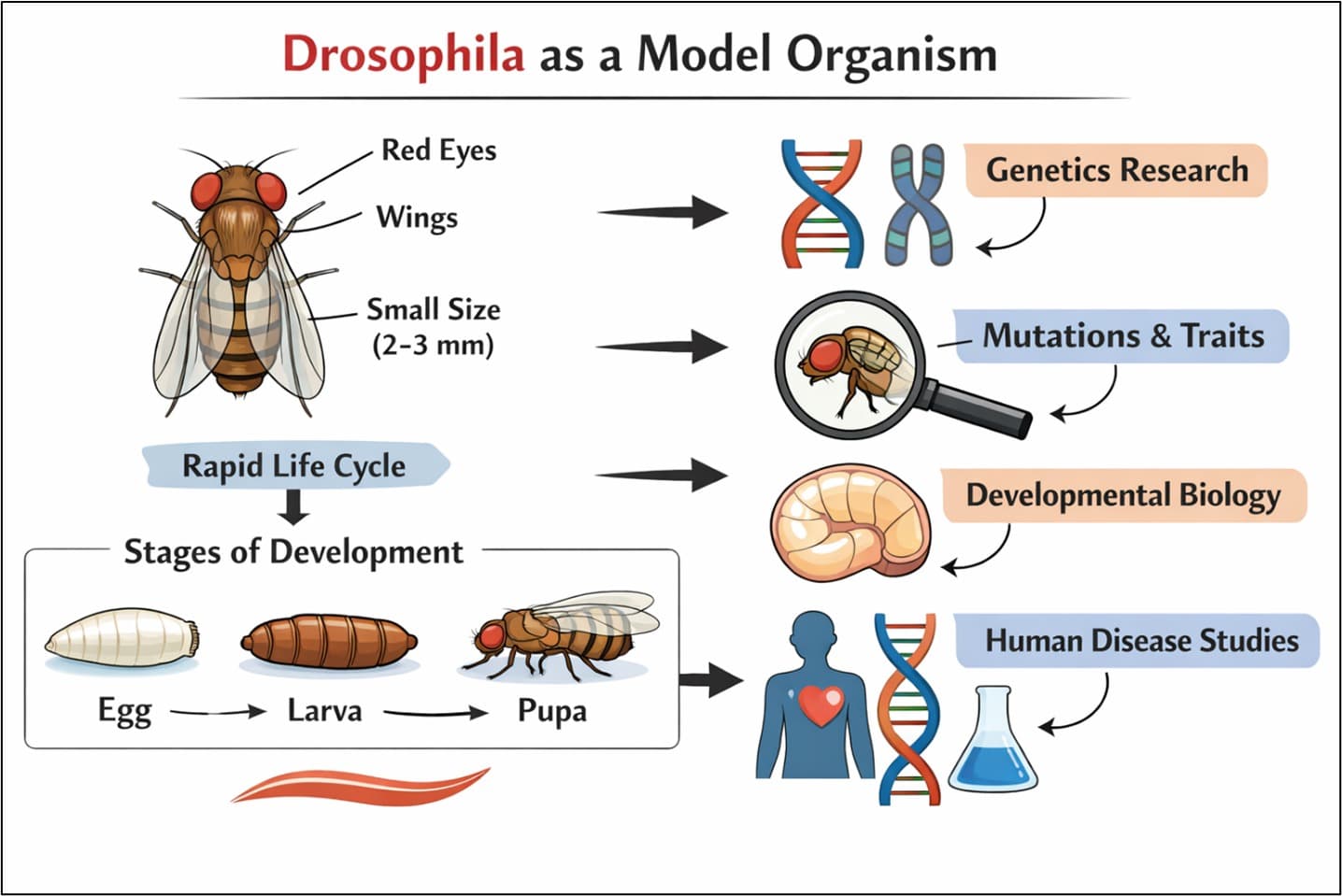
Small fruit fly is an excellent model organism used by scientists to study various aspect of human health and diseases such as development, regeneration, wound healing, cancer and stem cell research
As global data generation continues to grow exponentially, traditional storehouse innovations face challenges related to capacity, energy consumption, and long- term preservation. DNA data storehouse offers a revolutionary result by garbling computerized information into synthetic DNA molecules. This explores DNA data storage, its basics, uses, benefits, and ethics, and how it could change future data archiving.

Injury is an inherent risk of sport participation. Whether at elite or recreational level, athletes are exposed to physical loads that challenge tissue capacity and recovery.
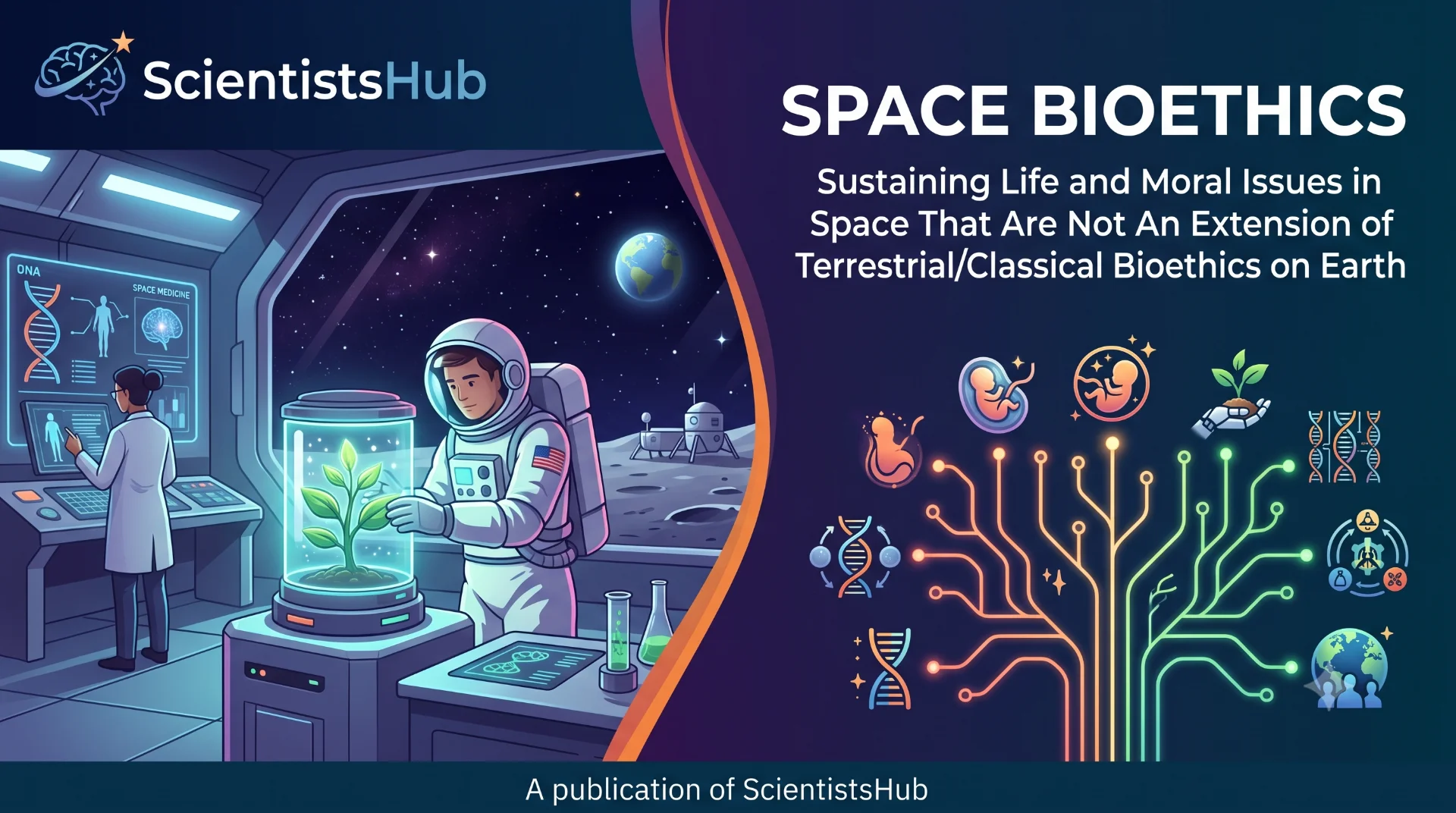
What is being explored in this article is about space bioethics. As stated above, space bioethics is about addressing moral issues of sustaining life in space but in a domain that is chartered

A low-energy dynamical approach could give companion AI the gift of long-term relational memory - especially valuable for eldercare.
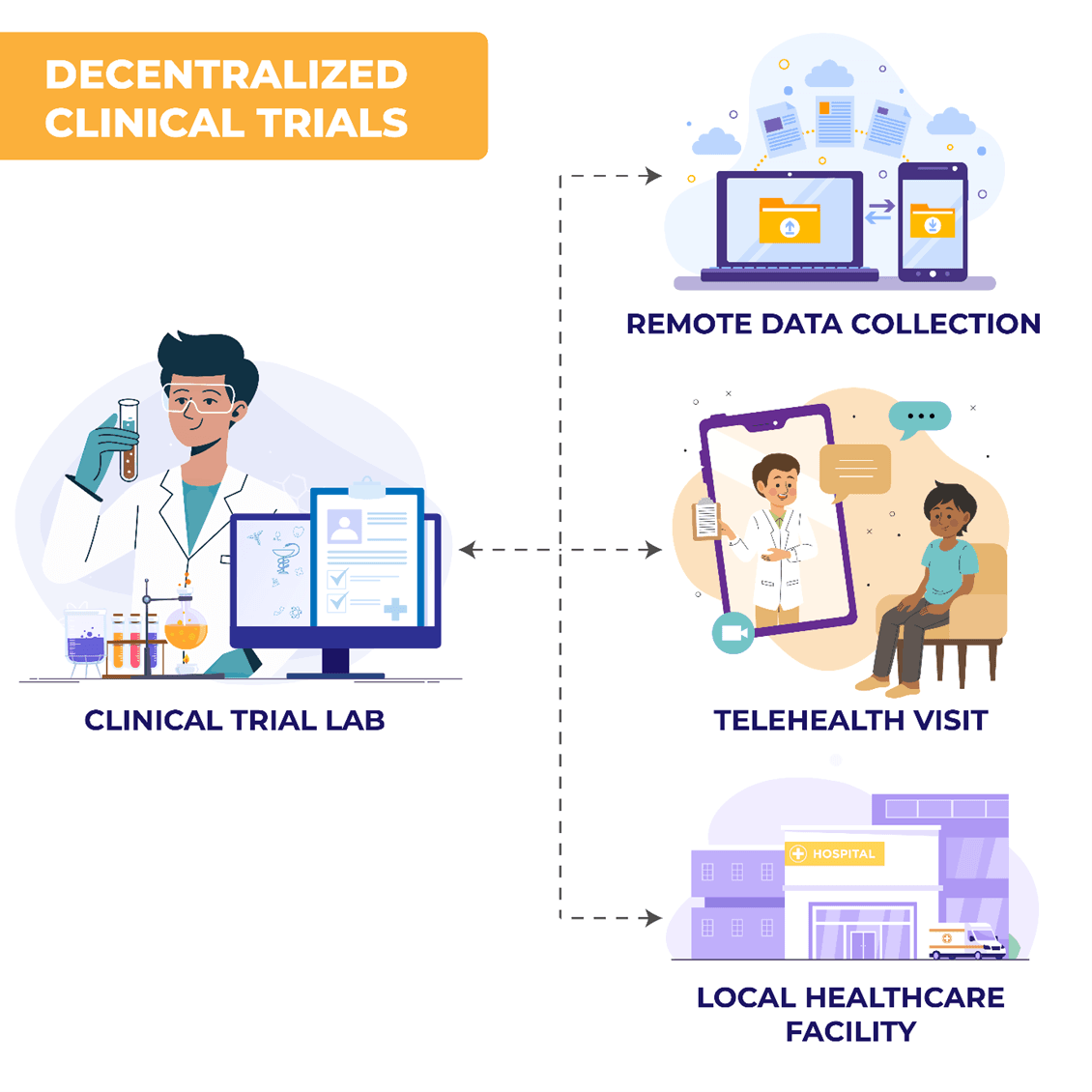
(DCTs) are redefining how pharmaceutical studies are designed, conducted, and analyzed by moving away from traditional site-centric models toward patient-centric, digitally enabled trial ecosystems.

Discover how AI is reshaping radiology, from faster diagnoses to improved accuracy, and what this means for patients and healthcare professionals.
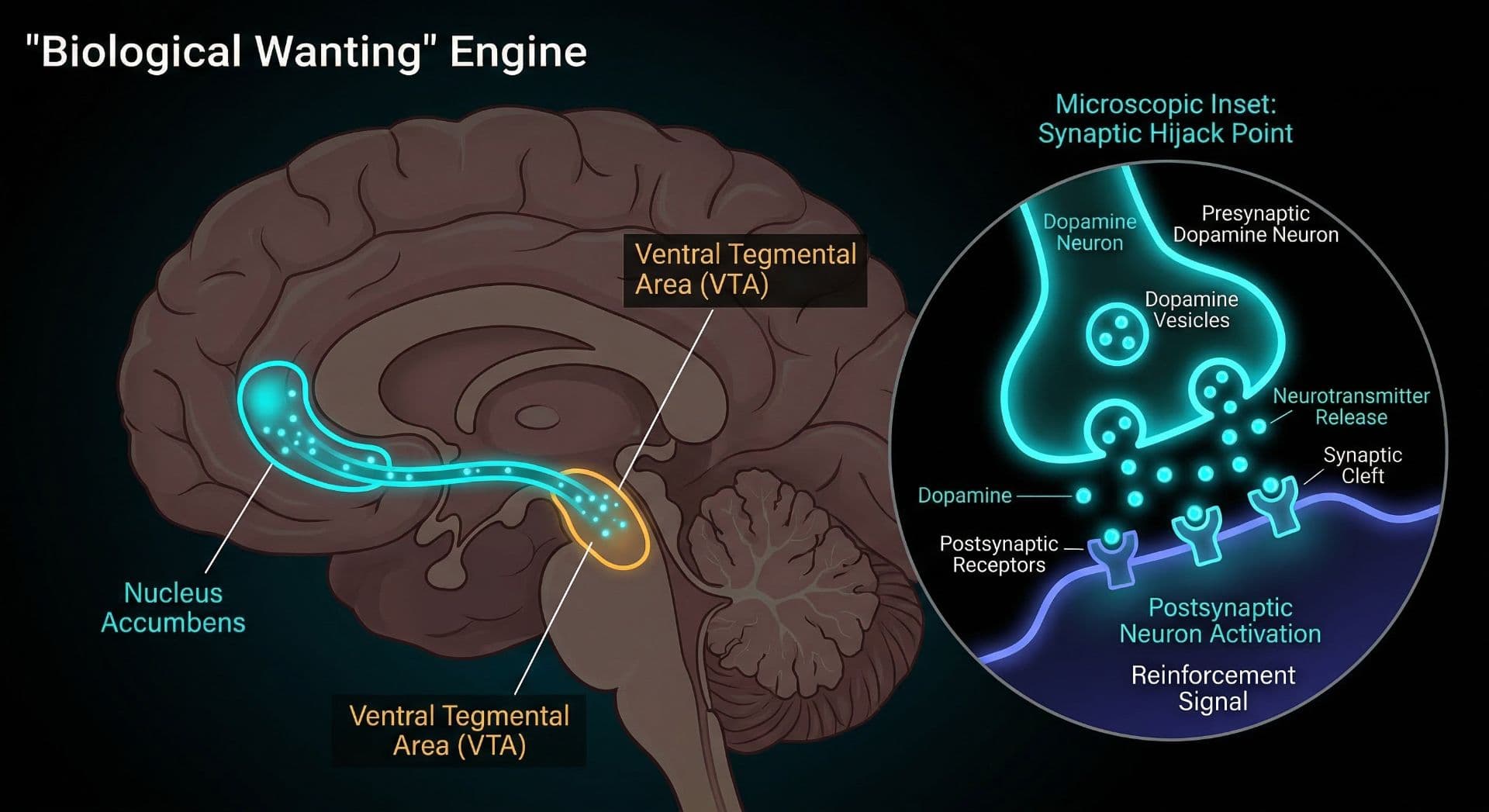
Have you ever intended to check a single notification, only to realize forty minutes have vanished into an endless scroll? In 2026, privacy is no longer just about your data; it is about your thought process. Is your next choice truly yours, or has a 'Digital Twin' already made it for you
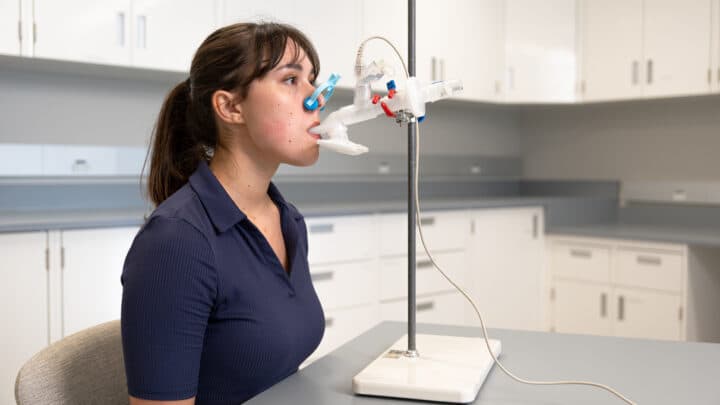
Inhalable vaccines trigger powerful mucosal immunity where pathogens enter the body, offering needle-free protection against respiratory diseases.
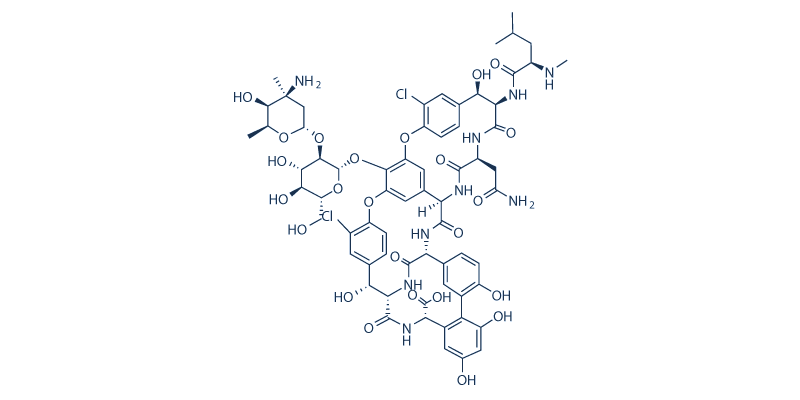
Vancomycin is an essential glycopeptide antibiotic used to treat life-threatening infections caused by Gram-positive bacteria, particularly Methicillin-Resistant Staphylococcus aureus (MRSA). It functions by inhibiting bacterial cell-wall synthesis and is still the most potent drug to be used when others fail (Patel, Preuss, & Bernice, 2023).
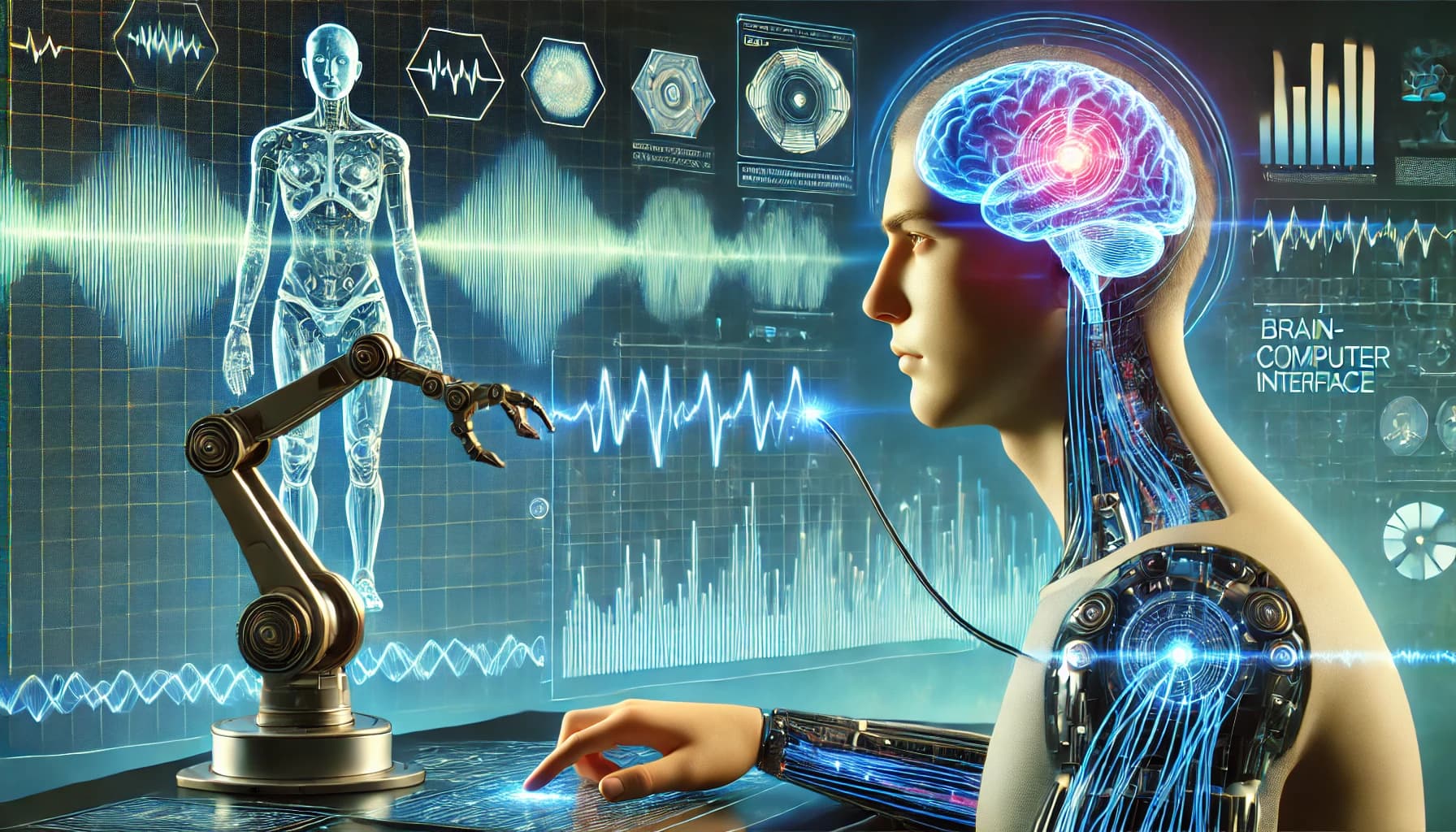
Imagine being able to control a computer, a prosthetic limb, or even a drone just by using your thoughts. This is not science fiction; it is now a reality thanks to brain-computer interfaces (BCIs). BCIs are groundbreaking systems that enable direct communication between the brain and external devices.
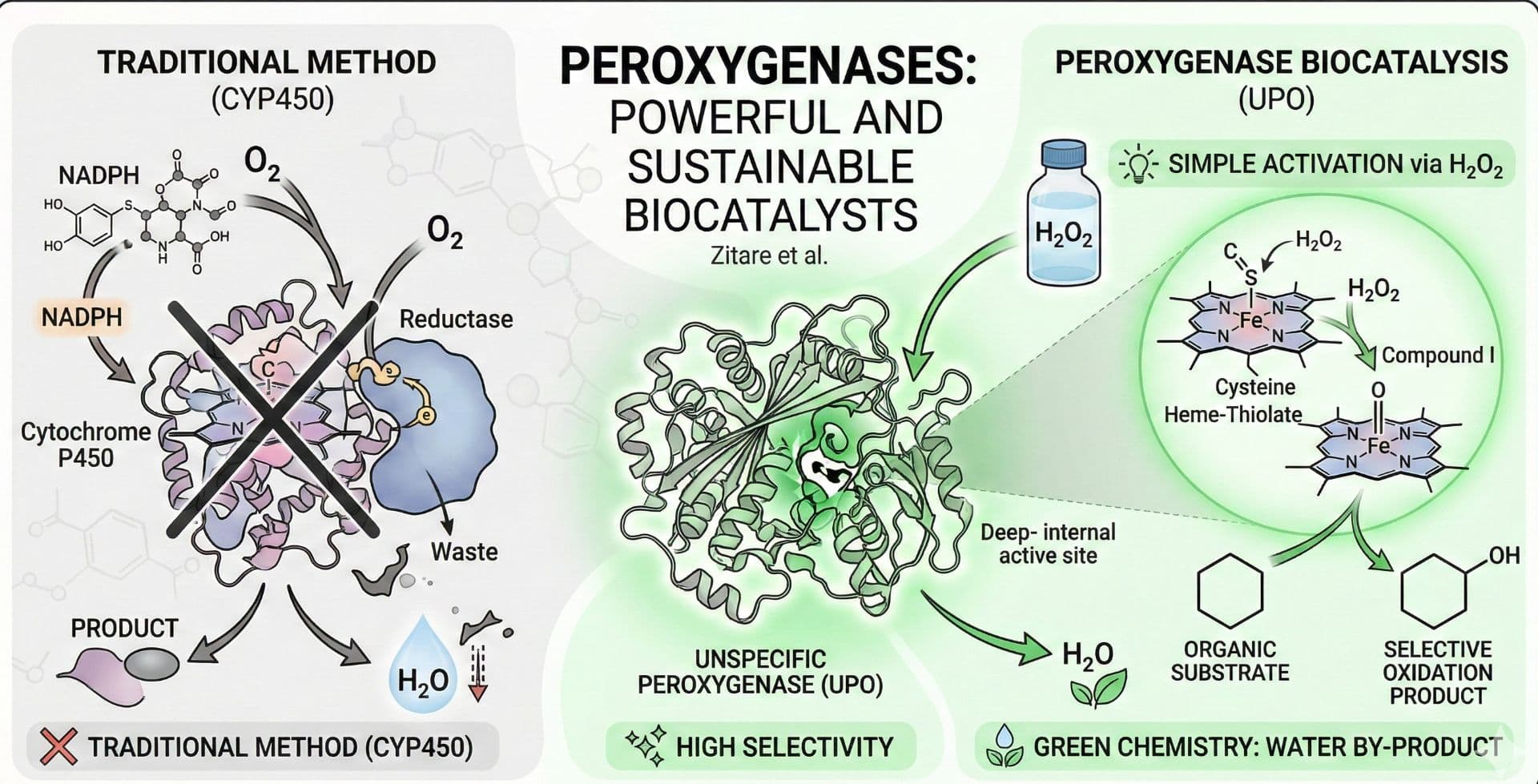
Selective oxidation reactions are central to modern biochemistry. They enable the controlled introduction of oxygen into organic molecules, a key step in the synthesis of pharmaceuticals and fine chemicals. However, many of the enzymatic systems traditionally used for these transformations are complex and difficult to implement in practice.

This article will unlock that box, exploring the crucial process of translating complex clinical trial evidence into clear, understandable information for everyone. We'll journey from the surprising origins of clinical trials to the modern-day push for transparency, and discover why making science accessible is not just a convenience, but a necessity for public trust and informed health decisions.
Learn how data privacy affects daily technology use, the risks of oversharing personal information, and practical ways to stay protected online.