Science & Research
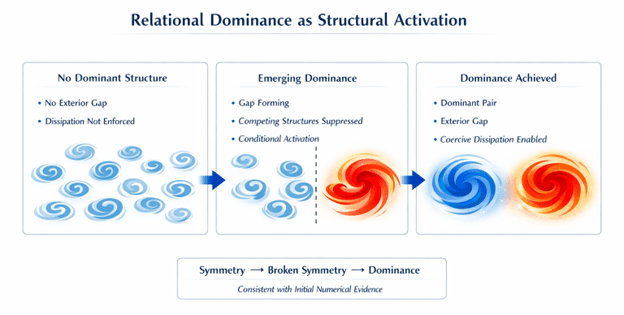
Relational Dominance: A Testable Structural Hypothesis for Navier–Stokes Turbulence
Relational Dominance: A Testable Structural Hypothesis for Navier–Stokes Turbulence
Showing results for: "testability relational" (67 results)
Relational Dominance: A Testable Structural Hypothesis for Navier–Stokes Turbulence
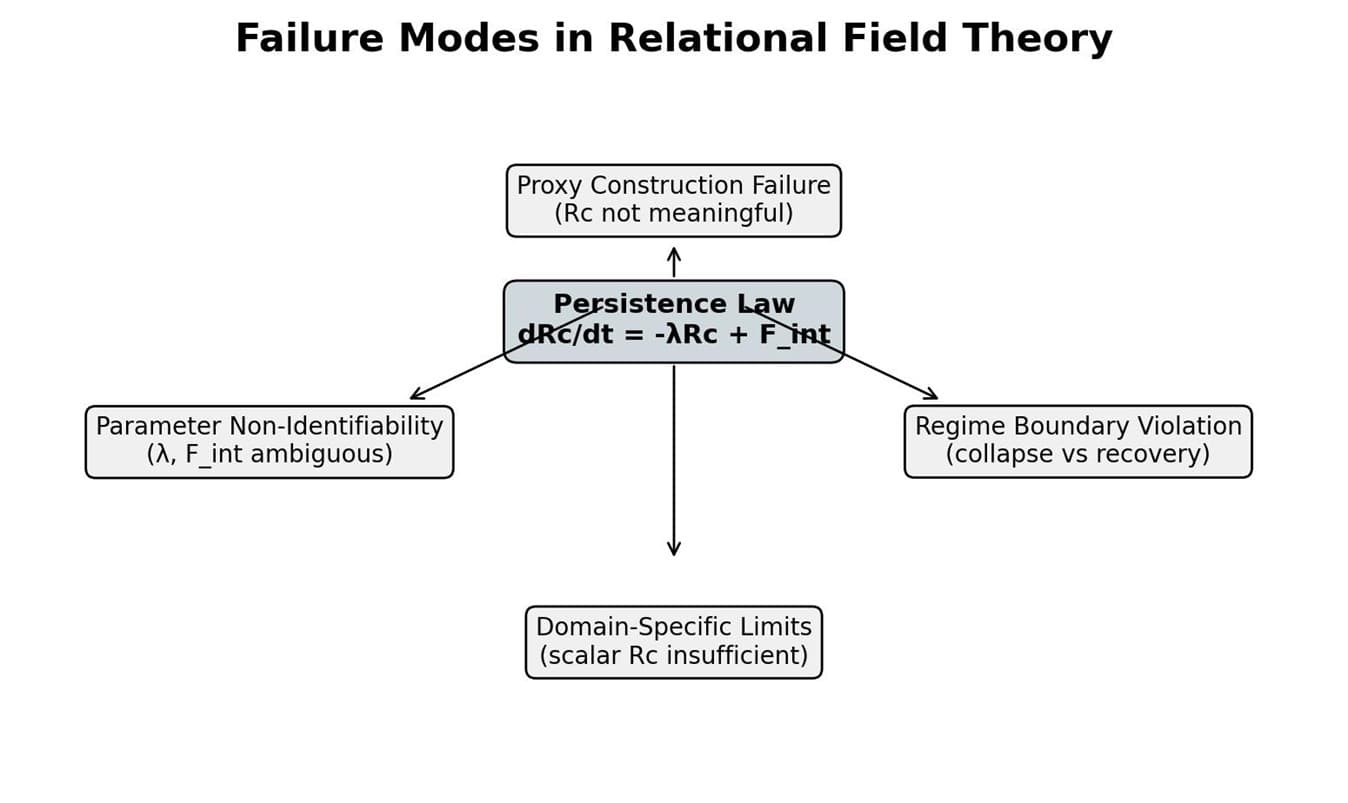
Relational Field Theory (RFT) has matured into a predictive framework with operational definitions, numerical demonstrations, and practical inference tools.
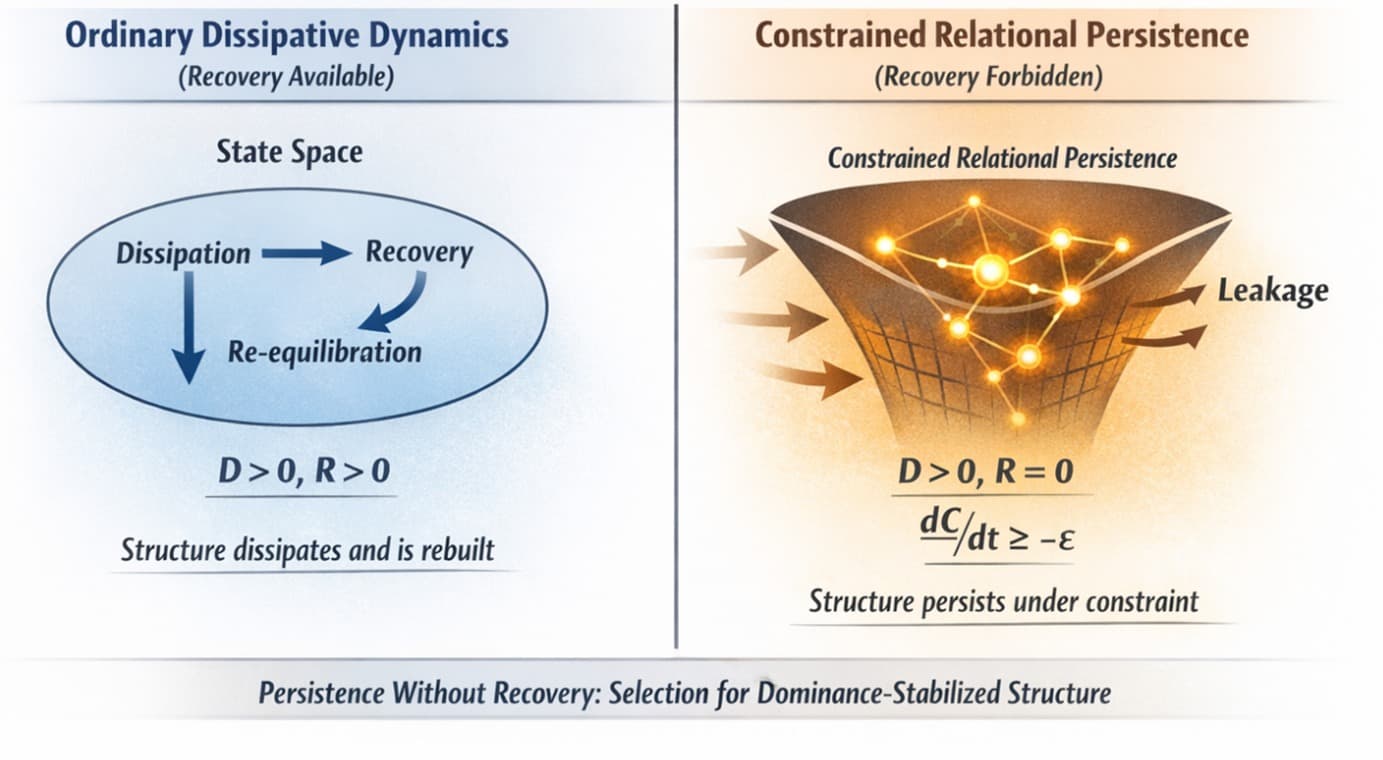
The event horizon of a black hole imposes a fundamental constraint: once matter and information cross it, ordinary recovery of structure through dissipation and re-equilibration becomes dynamically unavailable to external observers.
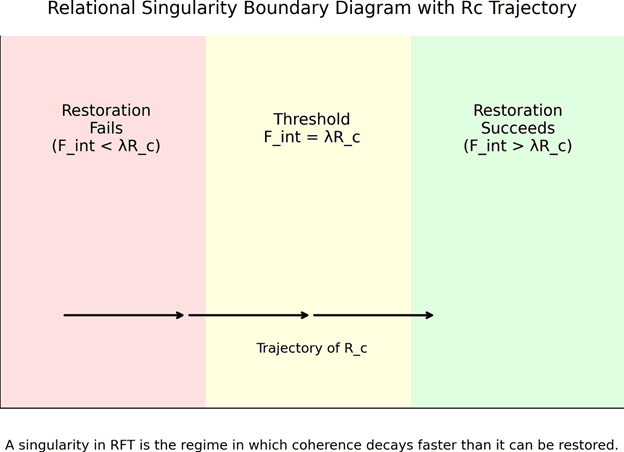
In many areas of physics, the word “singularity” implies the breakdown of equations — an undefined point where the mathematics “fails” or where physical laws suddenly stop working. But this interpretation has always felt philosophically unsatisfying. Why should nature permit a point where its own rules dissolve?
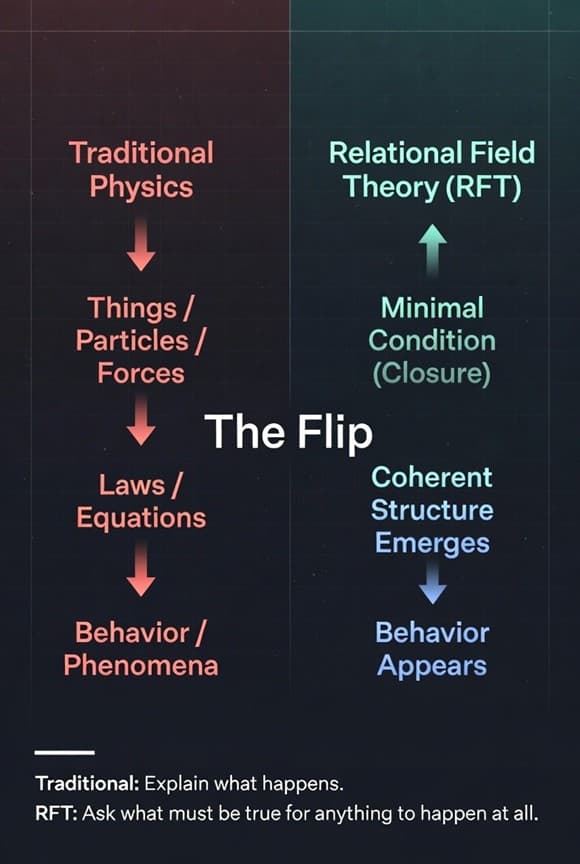
We begin with things - particles, fields, forces - and then build laws and equations to explain how those things behave. This approach has been extraordinarily successful. It is how we arrived at quantum mechanics, general relativity, and the Standard Model.
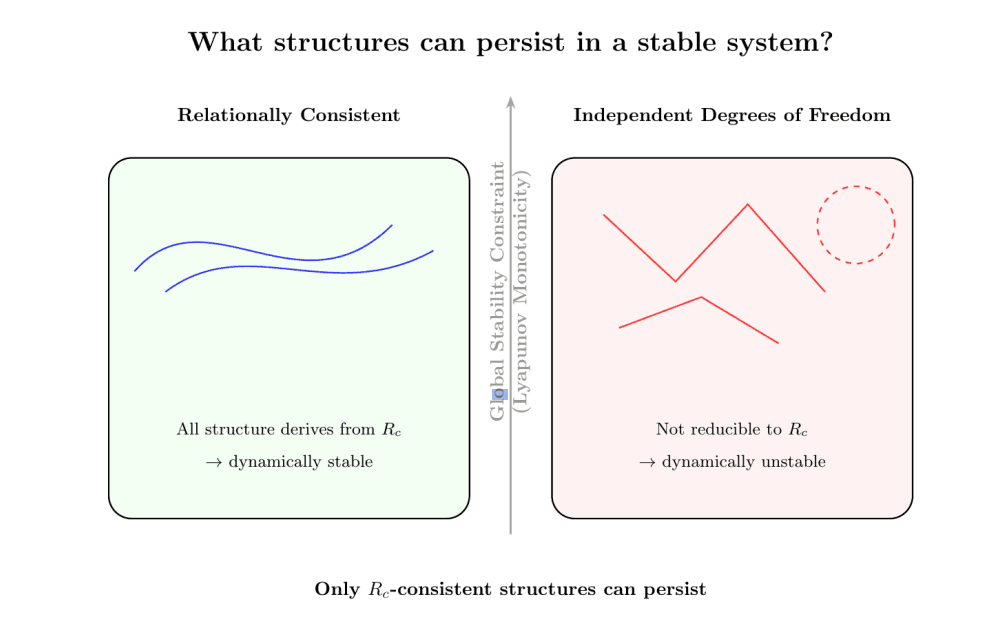
Modern physics often assumes that the complexity we observe in the universe reflects an underlying complexity in its fundamental structure. Fields, particles, forces, and geometries are typically introduced as independent components, each carrying its own degrees of freedom.
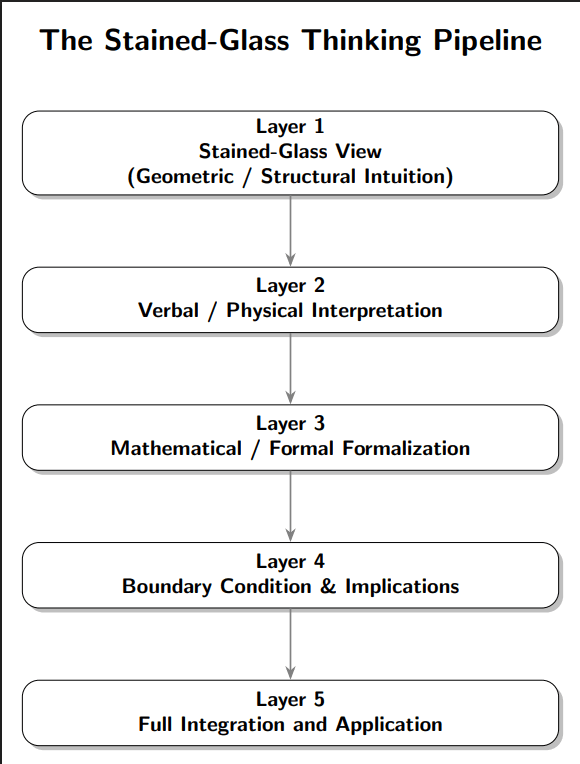
This article makes those steps explicit. I describe a repeatable cognitive pipeline I call Stained-Glass Thinking, which I have used consistently throughout the development of Relational Field Theory (RFT).

A low-energy dynamical approach could give companion AI the gift of long-term relational memory - especially valuable for eldercare.
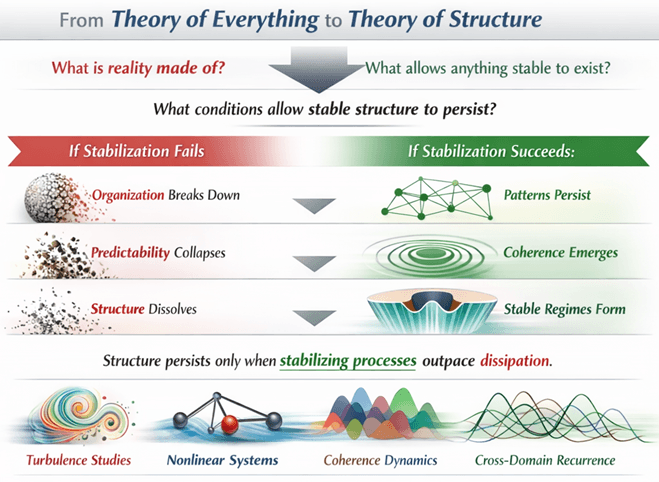
What allows anything stable to exist at all? Before objects, laws, or equations can be described, something more basic must occur: something must persist long enough to be identified. This shifts the focus from what exists to the conditions under which anything can exist stably.
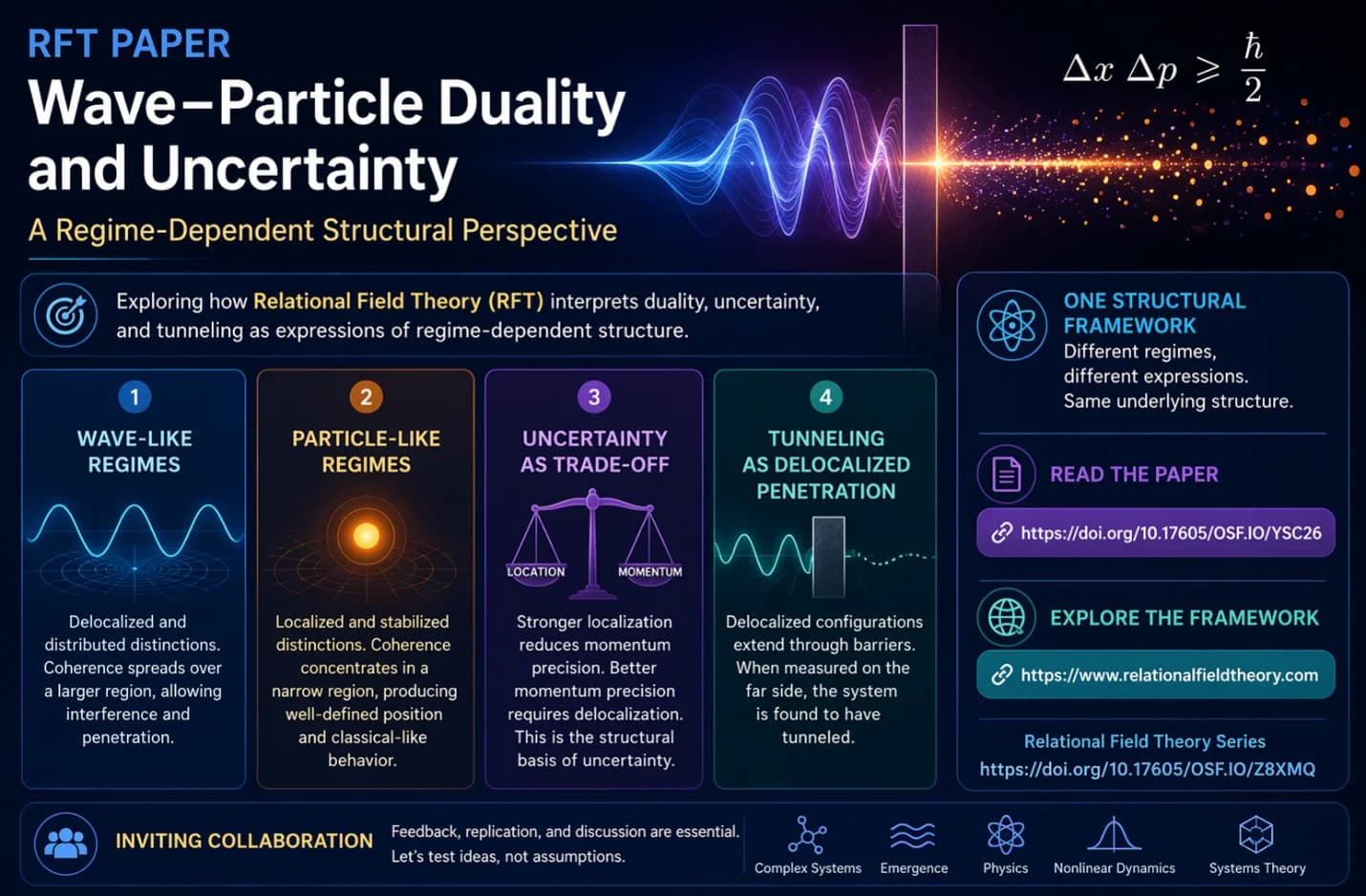
Wave–Particle Duality as Regime Dependence A Structural Perspective from Relational Field Theory
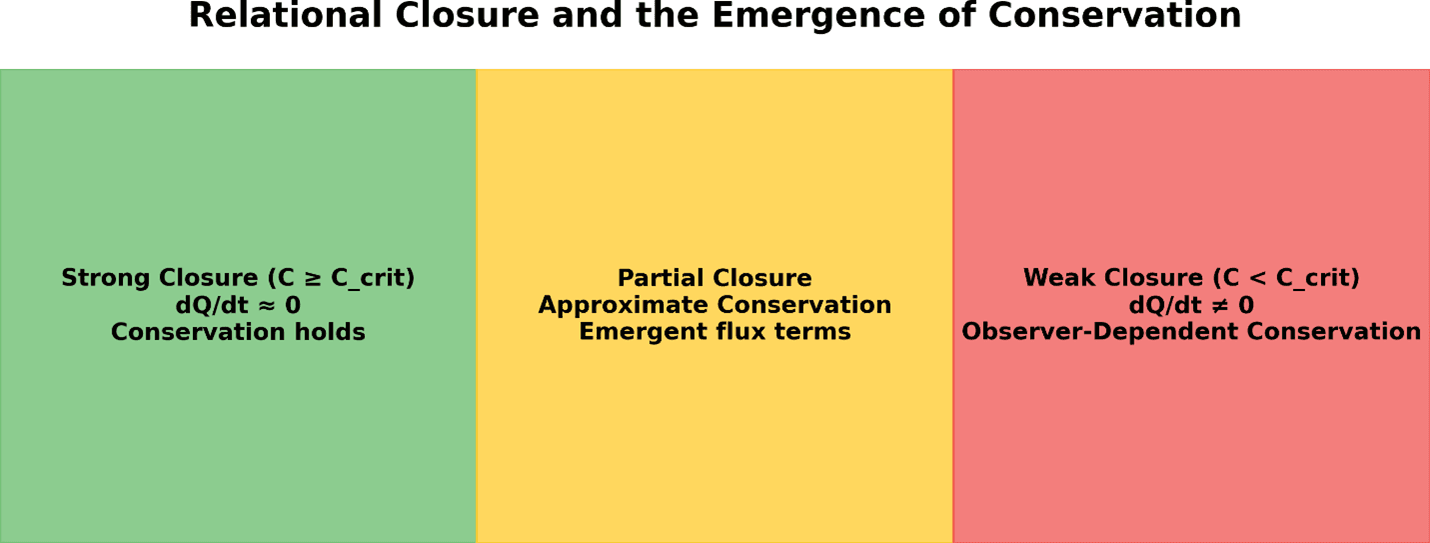
Physical quantities and laws emerge from the geometry, coherence, and flow of relational fields. A central idea is relational closure: high-coherence domains form effectively closed regions where stable invariants can persist.
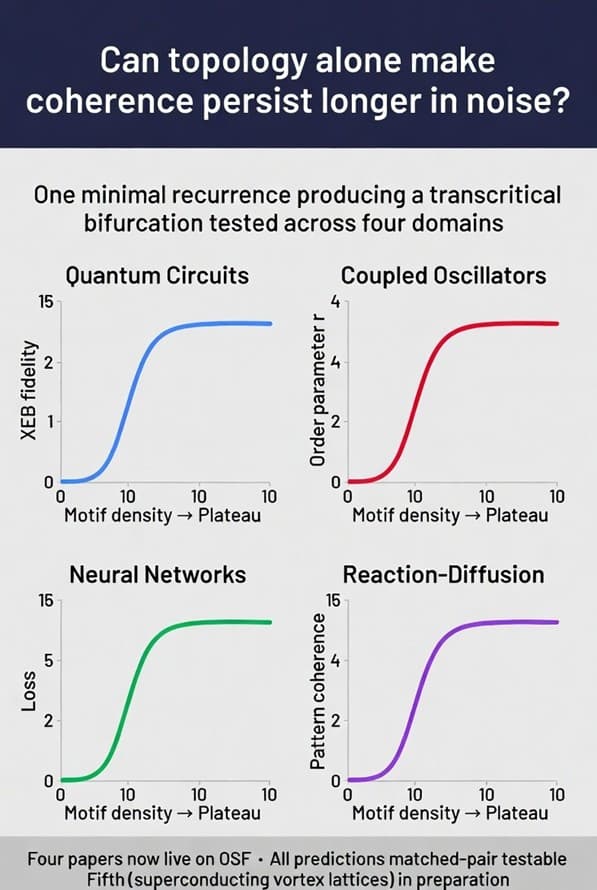
Many physical and computational systems exhibit a familiar behavior: ordered states gradually decay in the presence of noise. Examples appear across science:
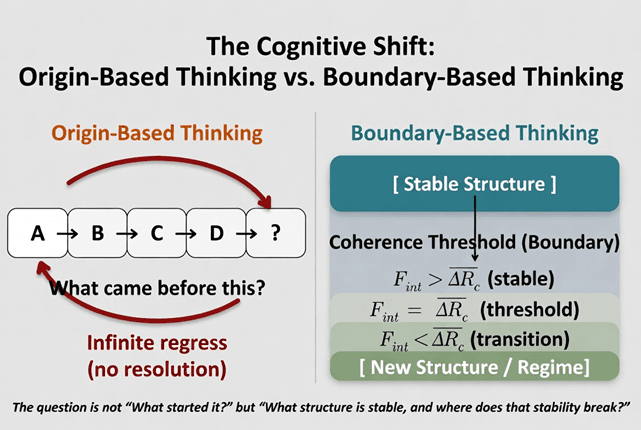
Using a simple childhood observation as the starting point, we show how shifting from origin-based to boundary-based thinking resolves infinite regress and opens a clearer way to engage with fundamental concepts in physics, time, and existence
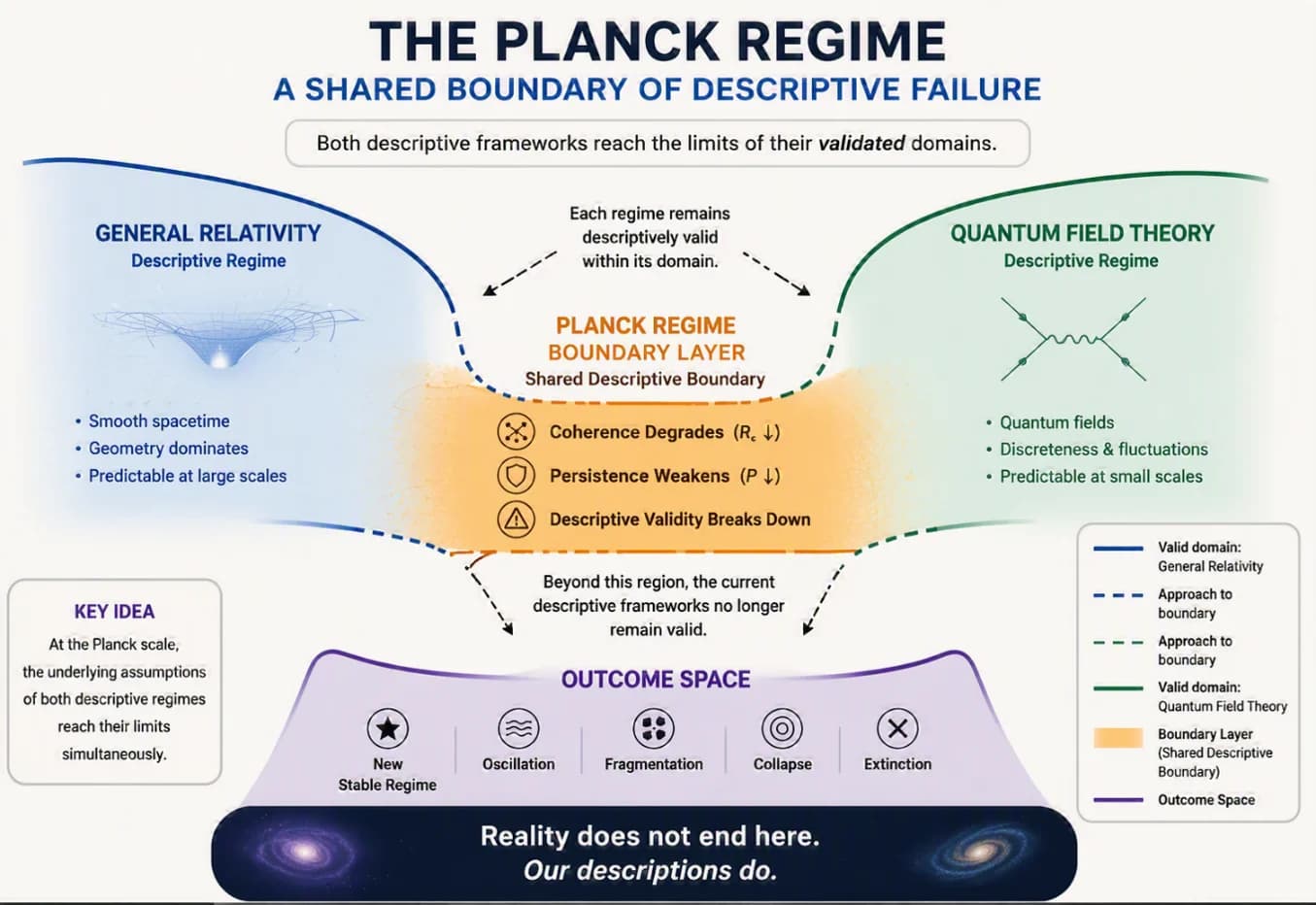
Few concepts in modern physics carry as much significance—or as much mystery—as the Planck scale. It is the regime where gravitational effects become comparable to quantum effects, suggesting that both General Relativity and Quantum Field Theory should contribute to our description of nature.
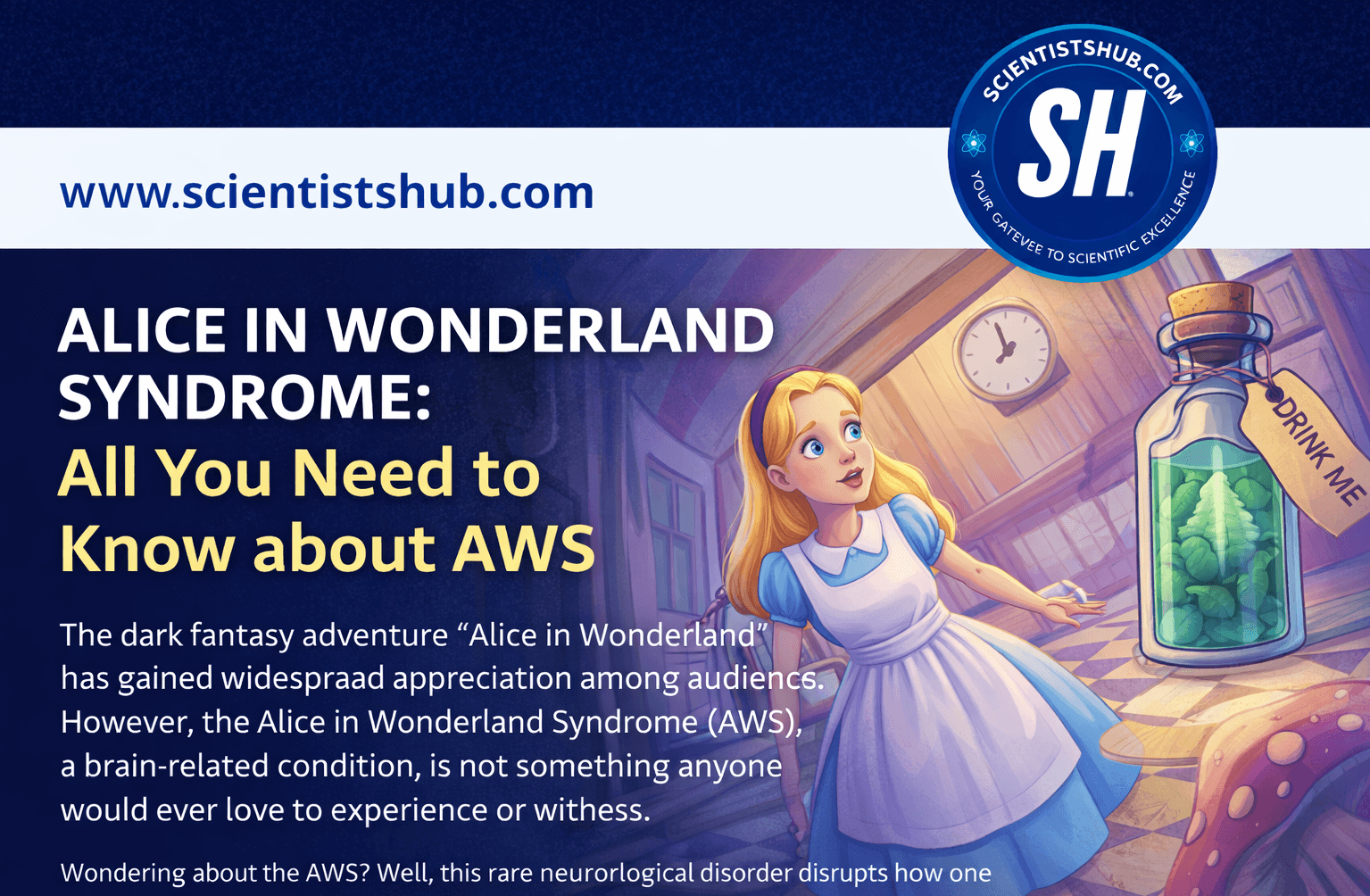
The dark fantasy adventure “Alice in Wonderland” has gained widespread appreciation among audiences. However, the Alice in Wonderland Syndrome (AWS), a brain-related condition, is not something anyone would ever love to experience or witness.
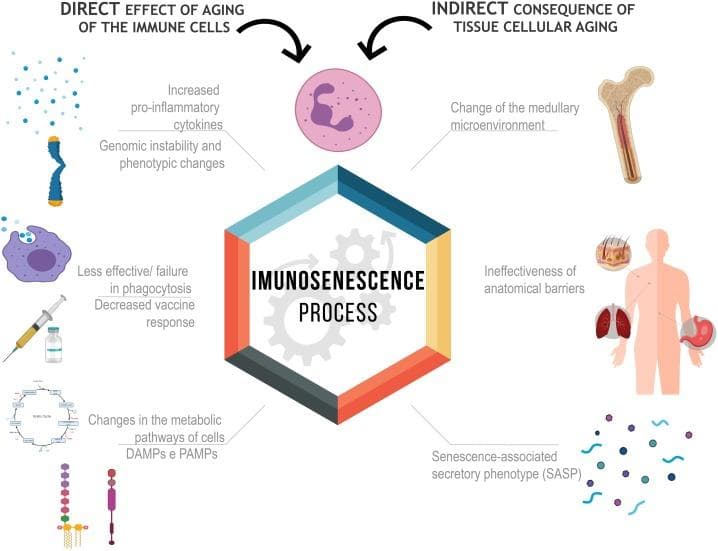
Ageing is accompanied by a gradual decline in physiological functions, among which deterioration of the immune system termed immunosenescence—has profound implications for human health.
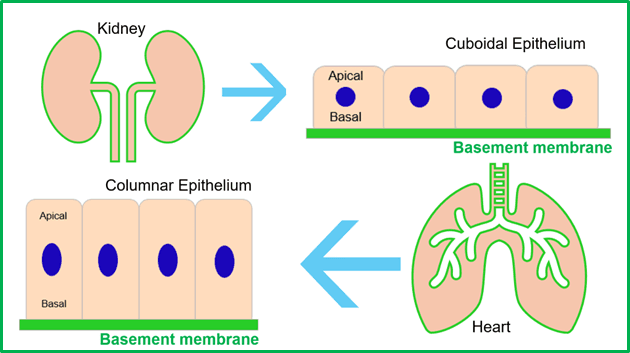
Tiny but powerful, basement membranes support cells, regulate barriers, and drive disease when disrupted—key players in health, aging, and cancer.
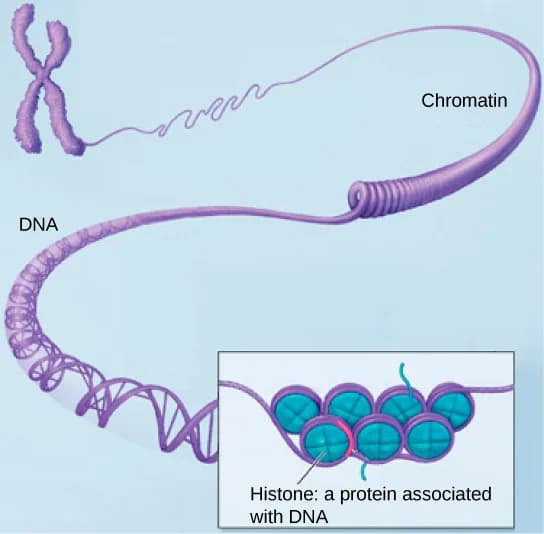
Epigenetics is transforming how scientists understand the bridge between genes and behavior, opening the door to a new era of mental health treatment.

Science writing simplifies complex research, making scientific discoveries accessible, trustworthy, and relevant to the public while reducing misinformation.
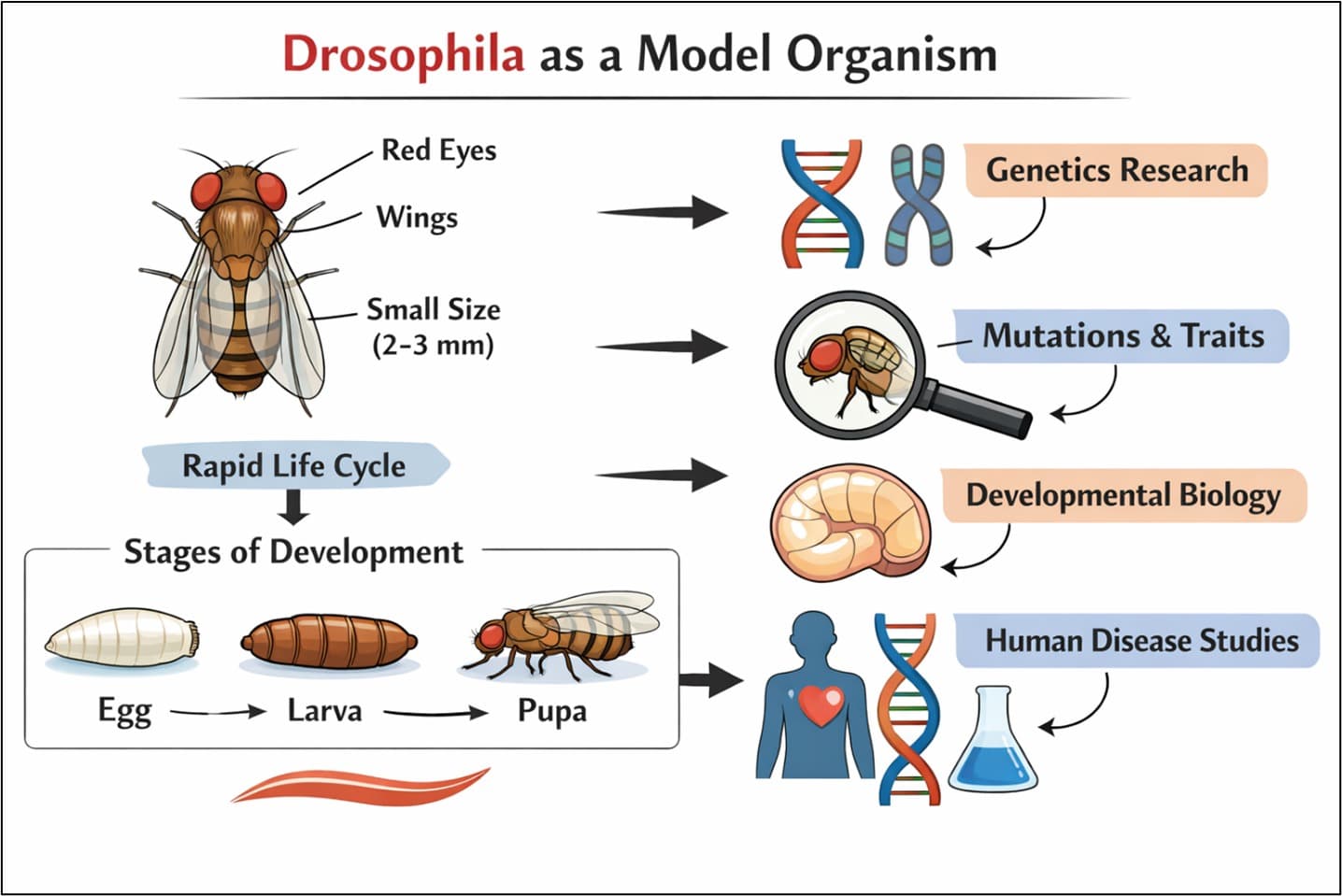
Small fruit fly is an excellent model organism used by scientists to study various aspect of human health and diseases such as development, regeneration, wound healing, cancer and stem cell research