Jasvitha Mandava

Jasvitha Mandava

Writer

Science Writer & Researcher

India

About

Jasvitha Mandava is a final-year B.Pharmacy student with research experience in pharmaceutical sciences. She has multiple Scopus and Web of Science-indexed publications and serves as an Editorial Executive at OPF. Her interests include drug development, analytical research, and scientific writing.

Articles

9

Published articles

Published Articles

9 articles
Mapping the evolution and impact of mRNA vaccine development
Health & Medicine

mRNA Vaccines in Modern Therapeutics

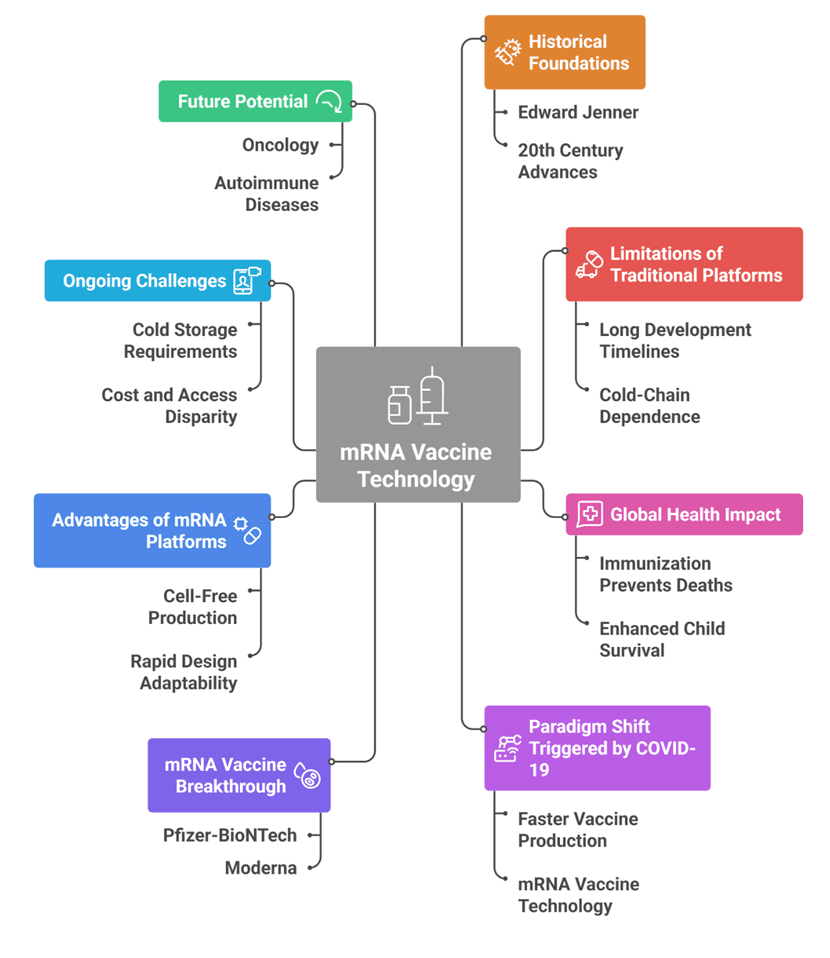
Messenger RNA (mRNA) vaccines represent one of the most significant scientific advances in modern therapeutics. Unlike conventional vaccines that use weakened or inactivated pathogens, mRNA vaccines deliver genetic instructions that enable host cells to synthesize a target antigen and stimulate an immune response.
Single-Cell and Spatial Frameworks for Tumor Microenvironment Mapping
Health & Medicine

Single-Cell RNA Sequencing in Tumor Microenvironment Mapping

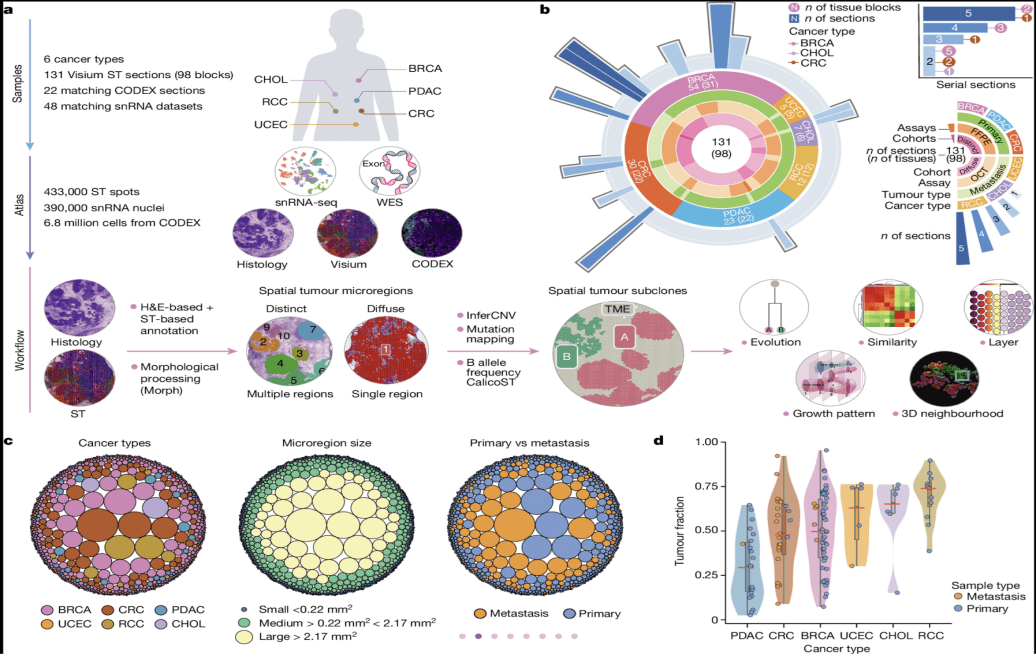
The tumor microenvironment (TME) is a complex and dynamic ecosystem composed of malignant cells, immune infiltrates, stromal elements, and vascular components that collectively influence tumor initiation, progression, immune escape, and therapeutic response. Traditional bulk transcriptomic approaches obscure this complexity by averaging gene expression across heterogeneous cell populations.

Biosimilars: A New Era in Biologic Therapy
Health & Medicine

Biosimilars: A New Era in Biologic Therapy

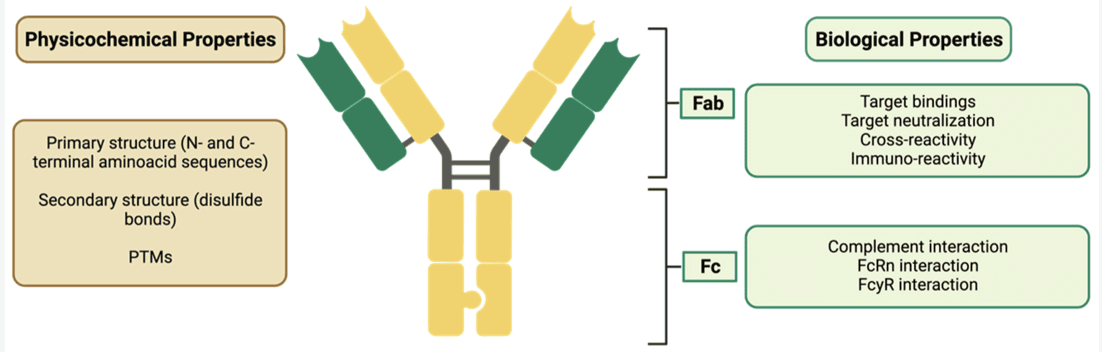
Biologics have transformed the management of chronic and life-threatening diseases such as cancer, autoimmune disorders, and metabolic conditions. However, their complexity, high production costs, and limited affordability continue to challenge healthcare systems worldwide.

Organoid-Based Toxicity Testing as a Replacement for Animal Models
Health & Medicine

Organoid-Based Toxicity Testing as a Replacement for Animal Models

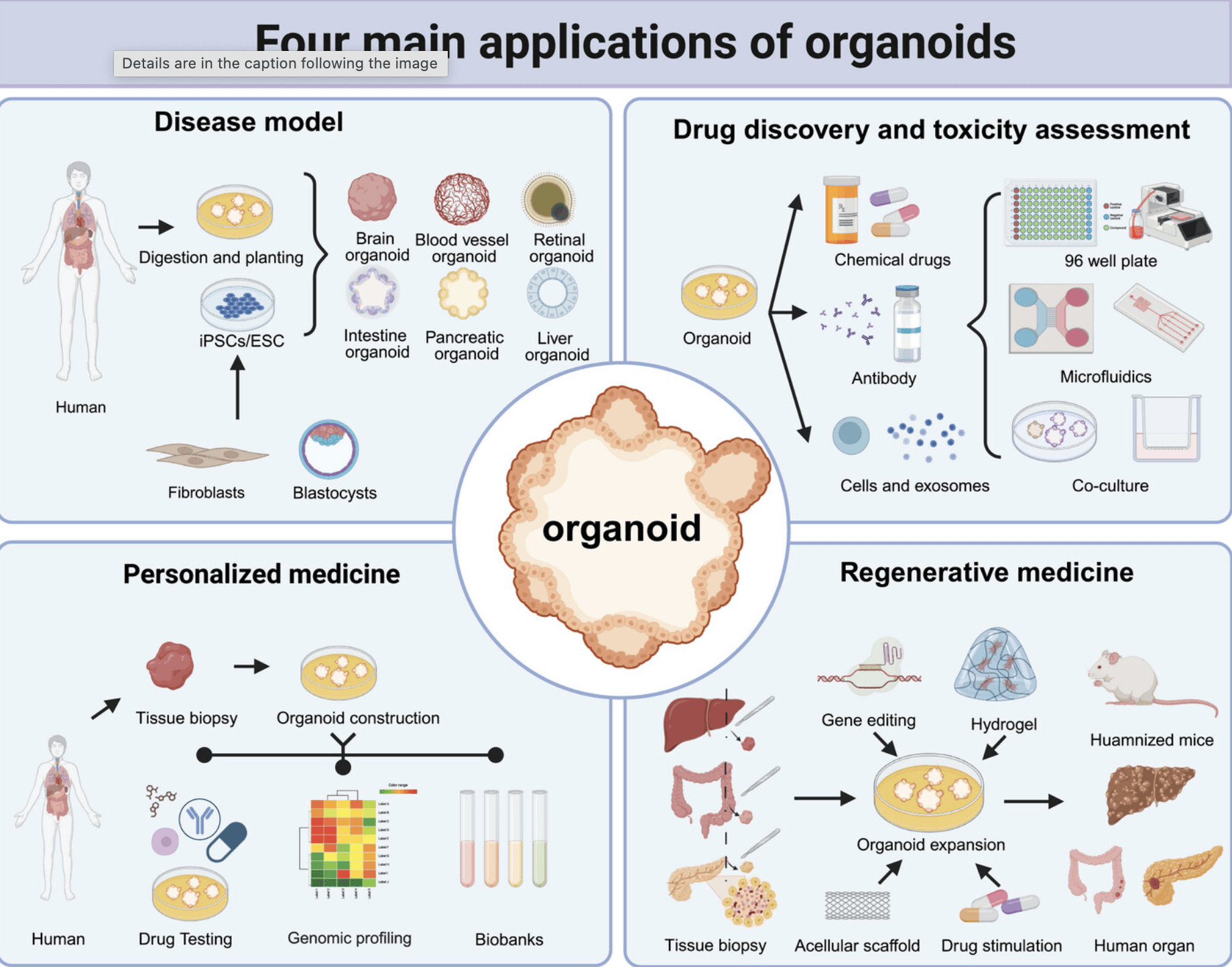
Animal models have traditionally served as the cornerstone of drug safety evaluation; however, major translational challenges persist due to interspecies differences in physiology, metabolism, and genetic regulation. Many compounds demonstrating favorable toxicity profiles in animals later fail during human trials or are withdrawn post-marketing due to unforeseen adverse effects, especially hepatotoxicity and cardiotoxicity (Lee et al., 2025).

How Your Microbiome Shapes Mood, Memory, and Mental Health
Health & Medicine

The Gut–Brain Connection: How Your Microbiome Shapes Mood, Memory, and Mental Health

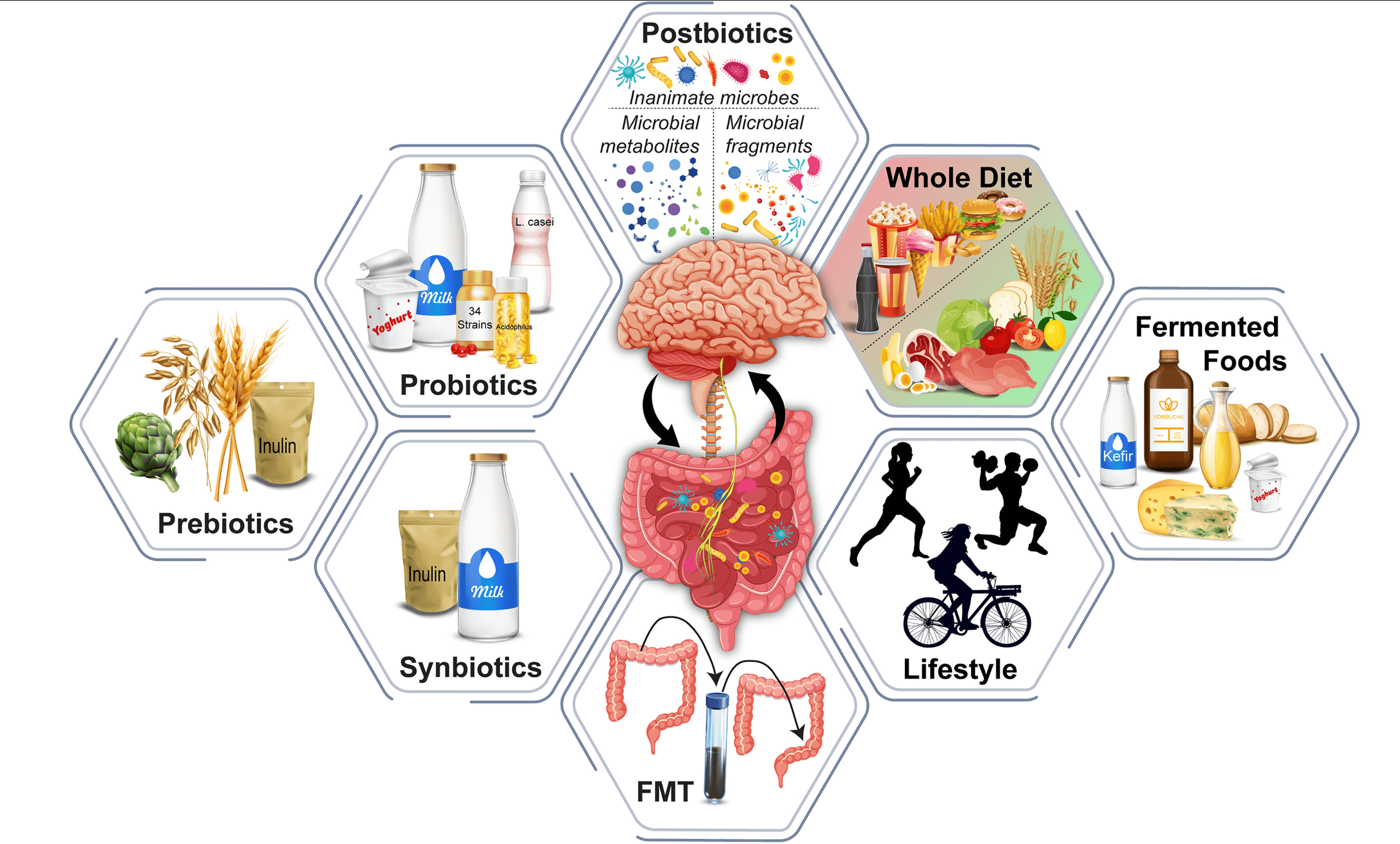
The gut microbiomeover 100 trillion microorganisms, communicates with the brain via the gut–brain axis, influencing mood, cognition, immunity, and stress regulation. Dysbiosis is linked to depression, anxiety, autism spectrum disorders, and neurodegenerative diseases, emphasizing its critical role in mental and neurological health.