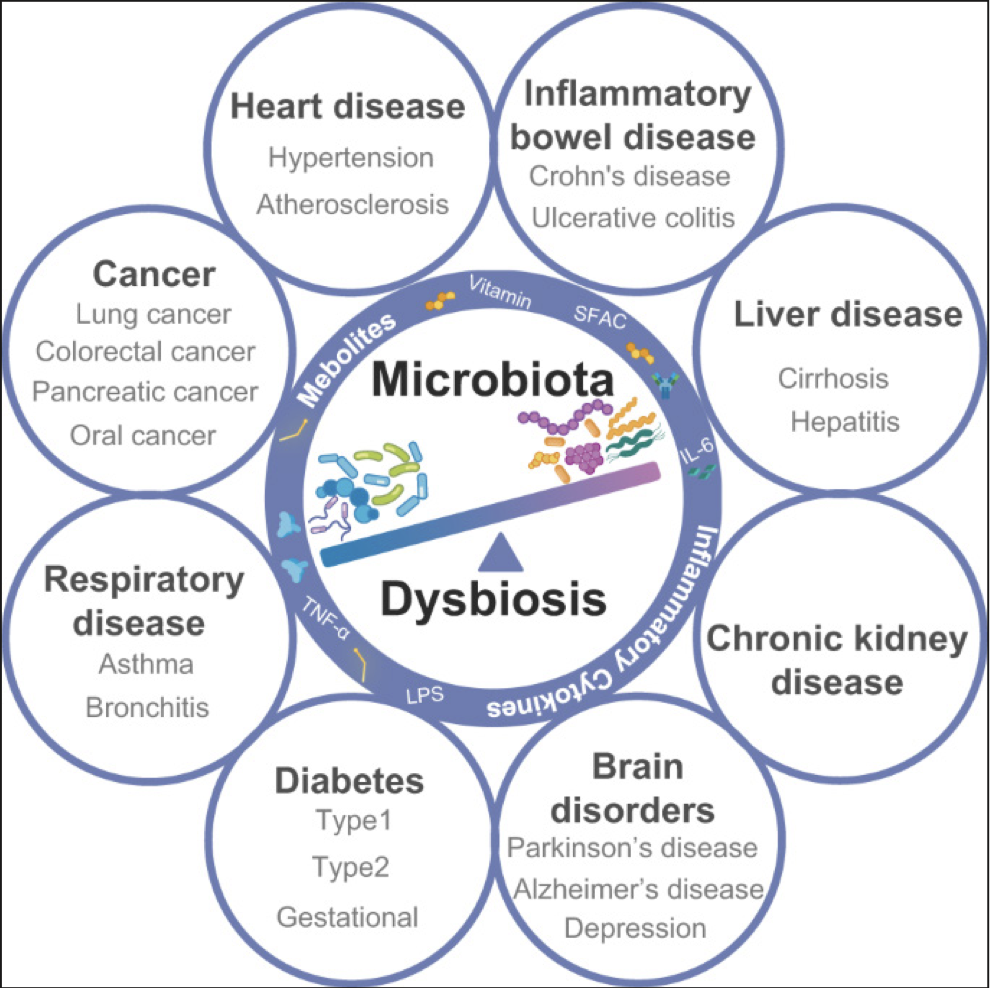
The gut microbiomeover 100 trillion microorganisms, communicates with the brain via the gut–brain axis, influencing mood, cognition, immunity, and stress regulation. Dysbiosis is linked to depression, anxiety, autism spectrum disorders, and neurodegenerative diseases, emphasising its critical role in mental and neurological health.
Microbial Mechanisms and Brain Chemistry
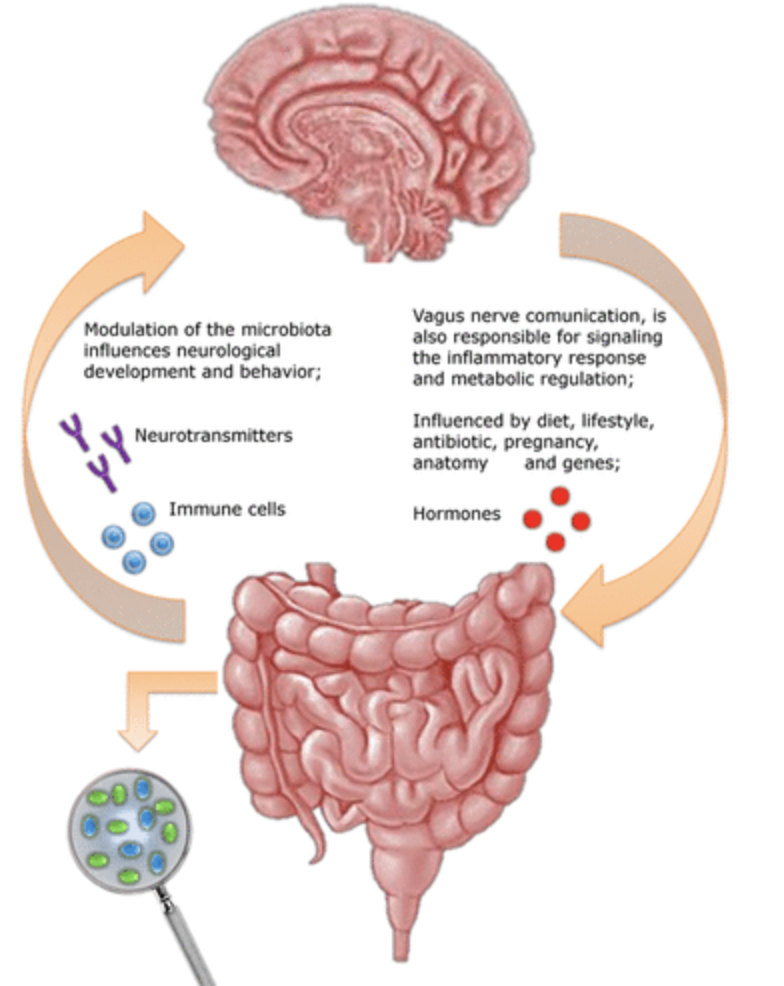
Gut bacteria produce neurotransmitters such as serotonin, dopamine, and GABA, and metabolites like short-chain fatty acids (SCFAs). These regulate neuroinflammation, strengthen the blood-brain barrier, and support neurogenesis. Serotonin affects mood, sleep, and appetite, while GABA calms the nervous system. Microbial metabolism of tryptophan, found in foods like eggs or turkey, supports neurotransmitter production.
Communication Pathways
The gut communicates with the brain through the vagus nerve, immune signalling, and microbial metabolites, influencing cognitive function and emotional regulation. SCFAs from fibre fermentation reduce inflammation and enhance brain function, illustrating the dynamic, bidirectional relationship between gut microbes and neural health.
Conclusion
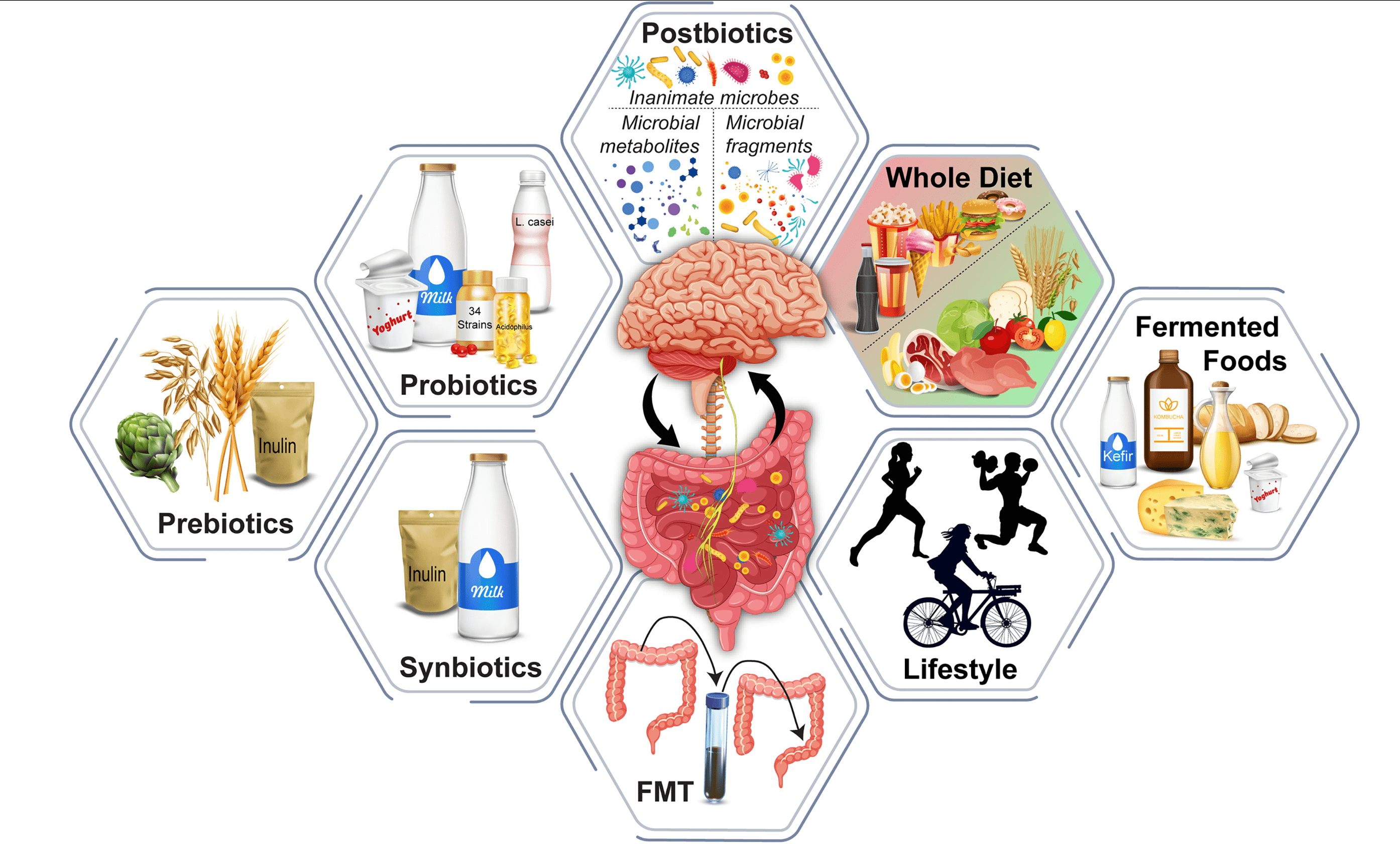
The gut–brain axis is a critical therapeutic target. Supporting gut health through diet, probiotics, lifestyle, and emerging therapies can improve mood, cognition, and resilience, offering a path toward personalized mental health interventions.
Become a Contributor
Enjoyed this article?
Share your knowledge and help others understand science.
Ugwu OP, Alum EU, Okon MB, Obeagu EI. Mechanisms of microbiota modulation: Implications for health, disease, and therapeutic interventions. Medicine. 2024 May 10;103(19):e38088.
Eissa M. The Gut Microbiome: a Potential Therapeutic Path in Complementary Medicine. Journal of Research in Complementary Medicine. 2024 Jun 3;1(2):55-64.
de la Fuente-Nunez C, Meneguetti BT, Franco OL, Lu TK. Neuromicrobiology: how microbes influence the brain. ACS chemical neuroscience. 2018 Feb 21;9(2):141-50.
Theoharides TC. On the gut microbiome-brain axis and altruism. Clinical Therapeutics. 2015 May 1;37(5):937-40.
O’Riordan KJ, Moloney GM, Keane L, Clarke G, Cryan JF. The gut microbiota-immune-brain axis: Therapeutic implications. Cell Reports Medicine. 2025 Mar 18;6(3).
Jasvitha Mandava is a final-year B.Pharmacy student with research experience in pharmaceutical sciences. She has multiple Scopus and Web of Science-indexed publications and serves as an Editorial Executive at OPF. Her interests include drug development, analytical research, and scientific writing.
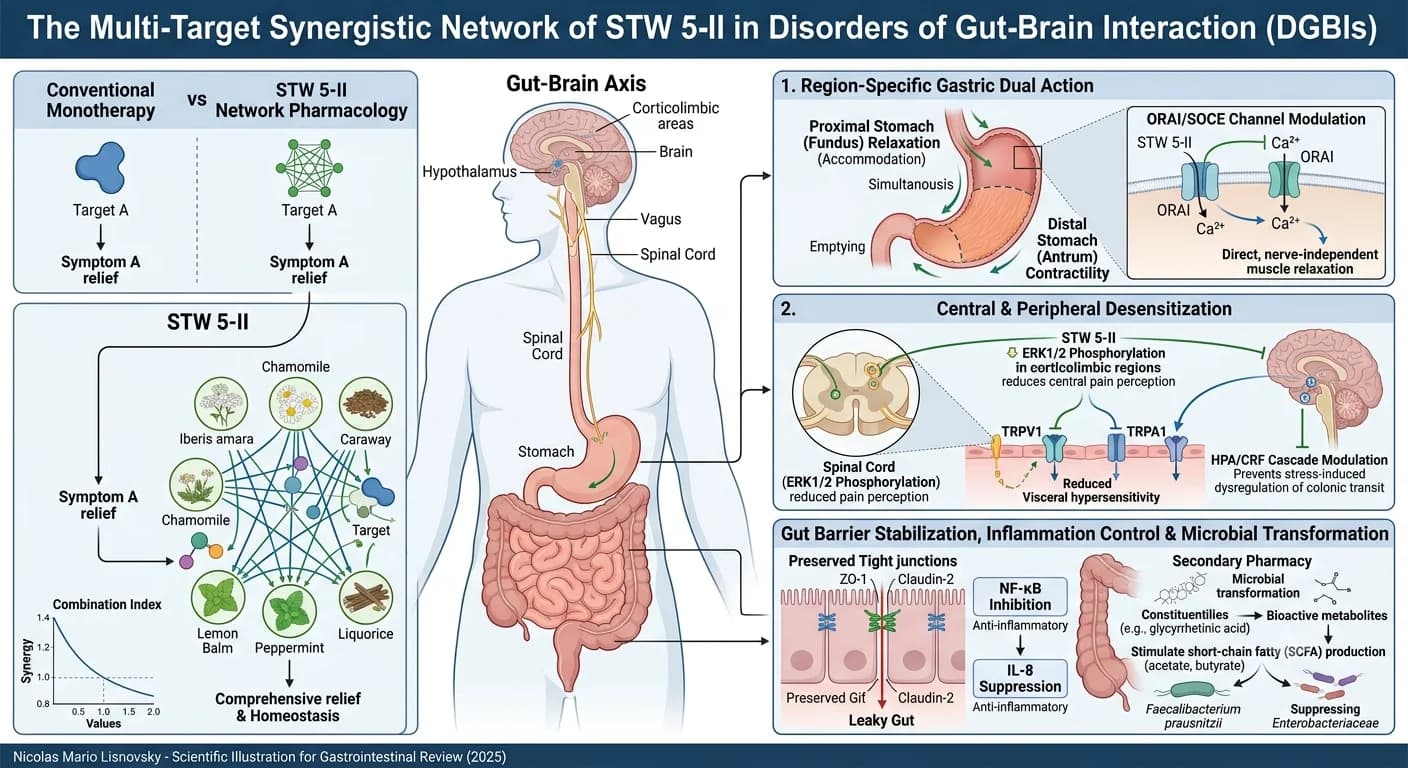
Disorders of Gut–Brain Interaction (DGBIs), such as Functional Dyspepsia (FD) and Irritable Bowel Syndrome (IBS), present a formidable clinical impasse due to their profoundly heterogeneous and multifactorial nature.
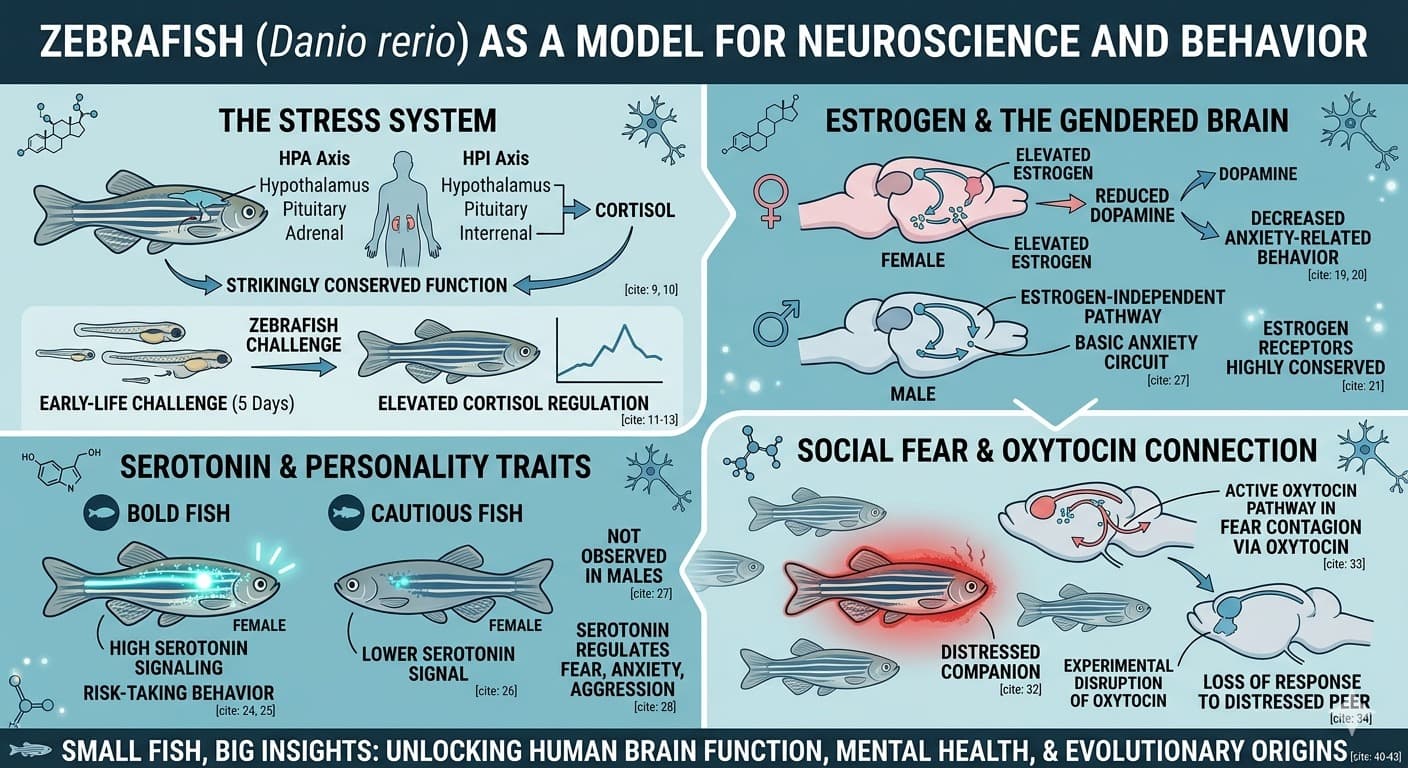
What if one of the most powerful models for understanding the human brain were less than an inch long, transparent, and living in a small tank? Meet Danio rerio, the zebrafish.
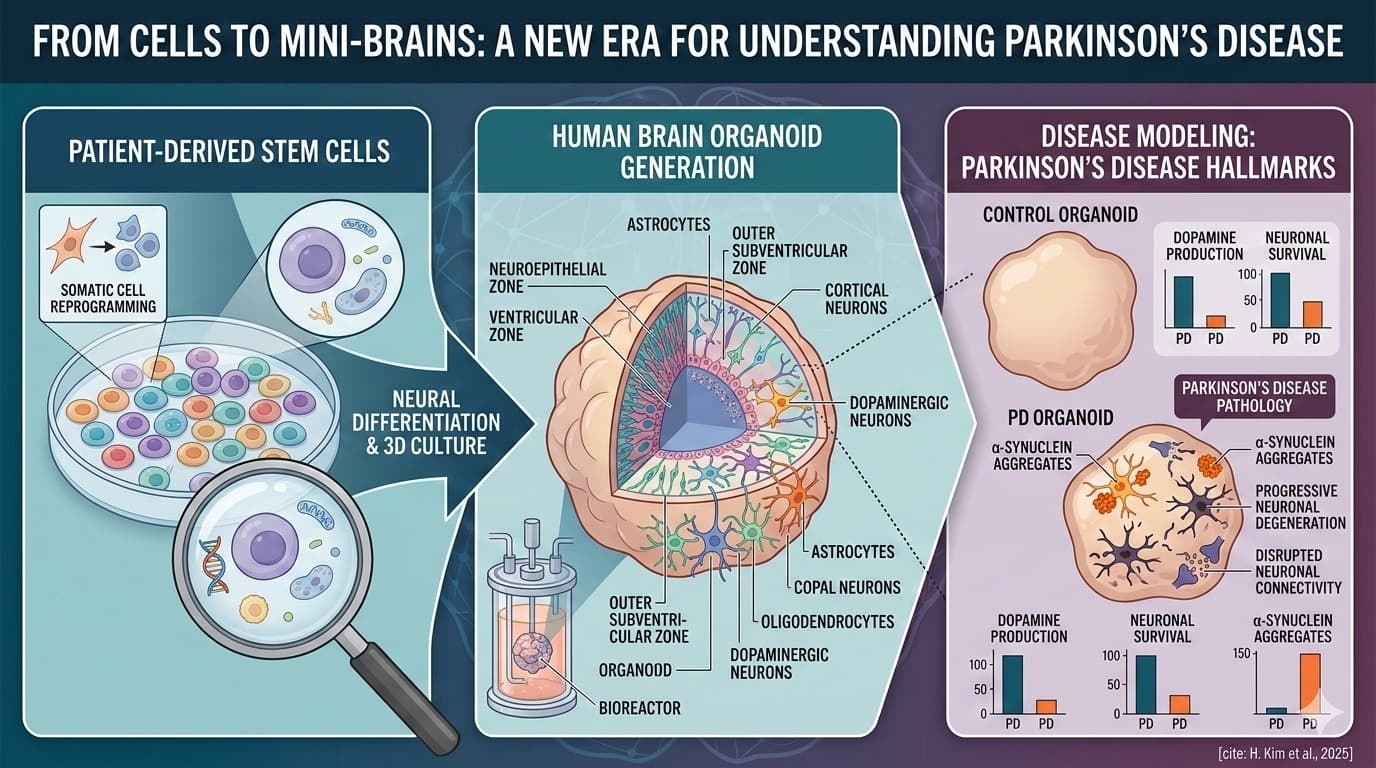
Understanding the human brain remains one of the greatest challenges in modern science. With billions of neurons forming intricate networks and constantly changing connections, the brain’s complexity makes it extremely difficult to study directly.
By Nicolás Mario Lisnovsky
The Gut–Brain Connection: How Your Microbiome Shapes Mood, Memory, and Mental Health | ScientistsHub




Discussion