Science & Research
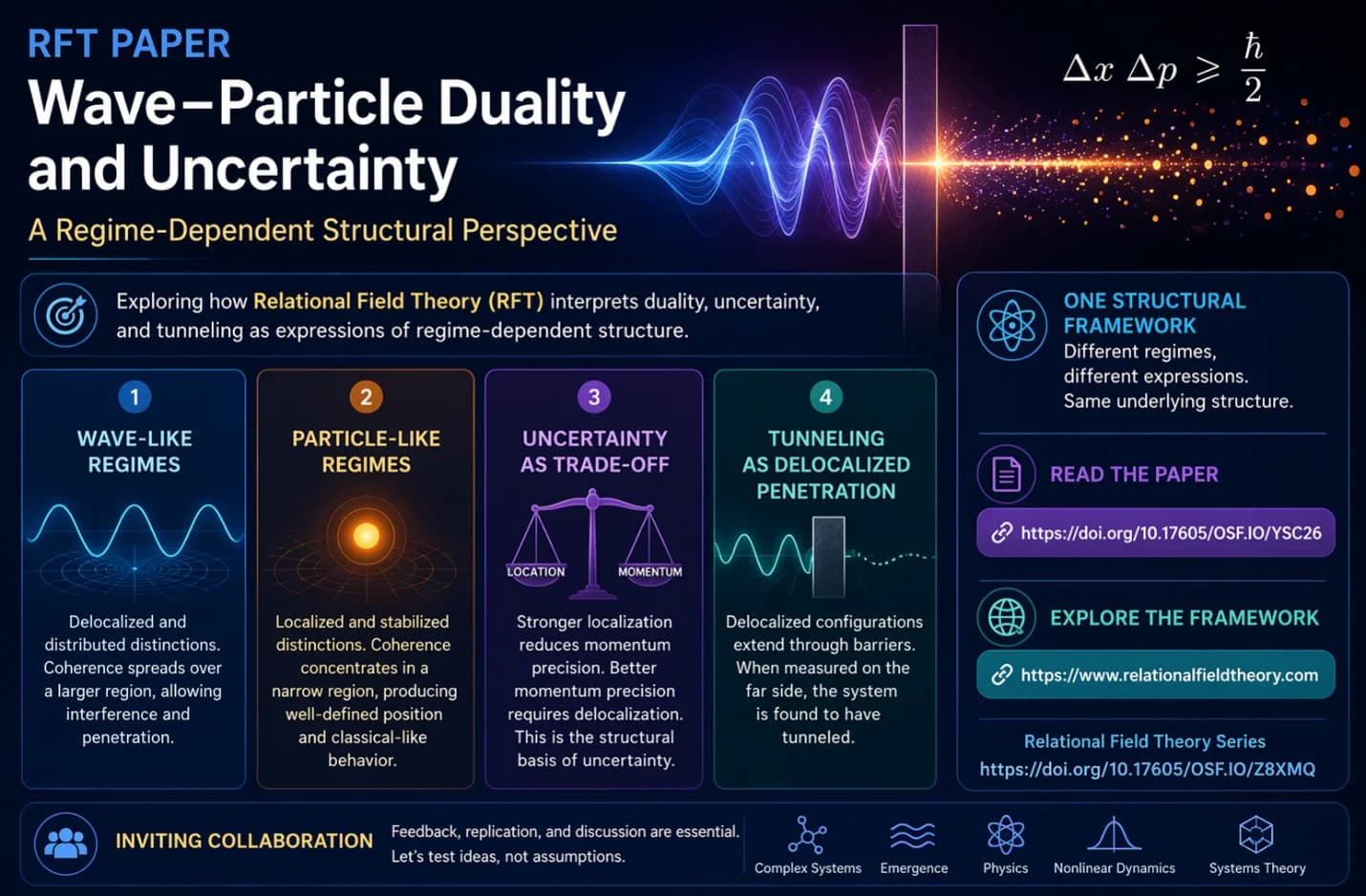
Wave–Particle Duality as Regime Dependence A Structural Perspective from Relational Field Theory
Wave–Particle Duality as Regime Dependence A Structural Perspective from Relational Field Theory
Showing results for: "beyond earth" (55 results)
Wave–Particle Duality as Regime Dependence A Structural Perspective from Relational Field Theory
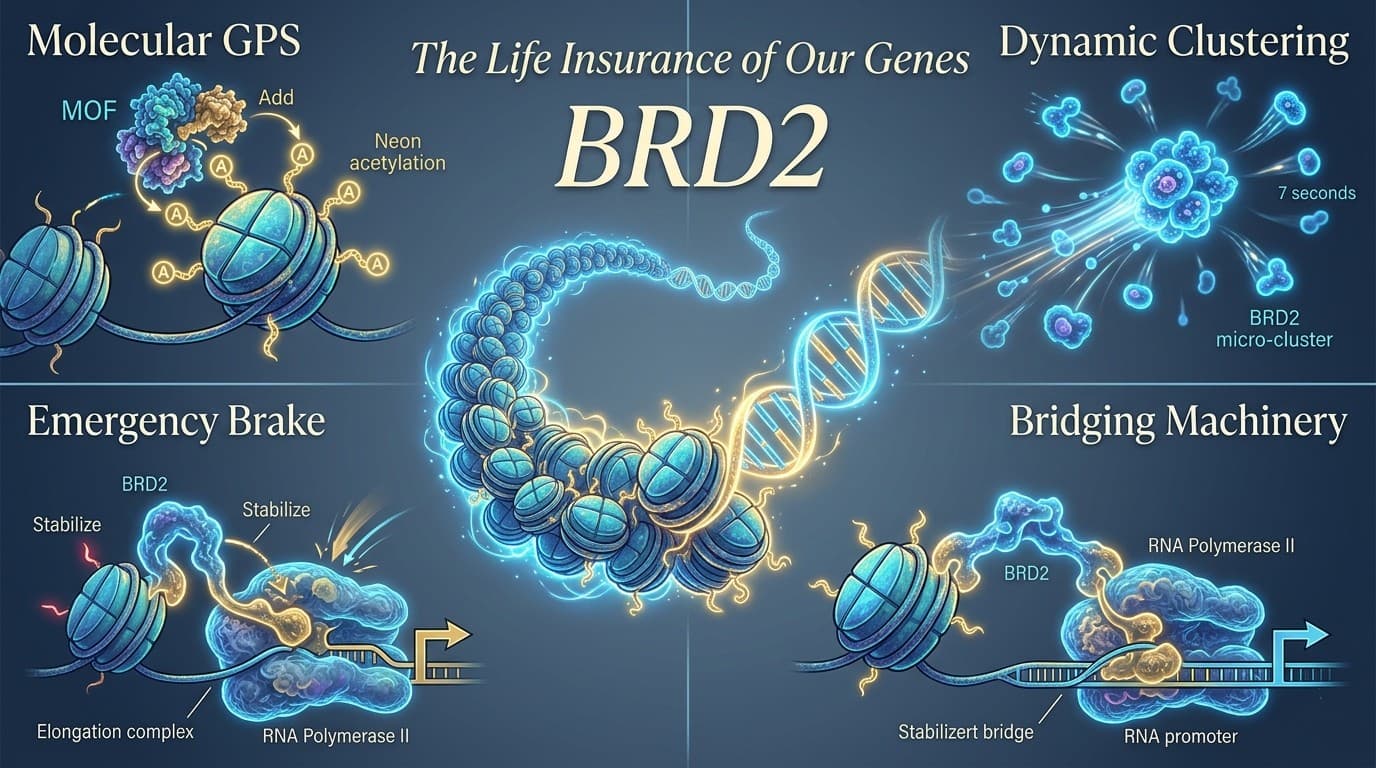
Cells can be understood as highly coordinated systems in which DNA functions as a comprehensive but inert blueprint, requiring precise interpretation to become biologically active. Gene expression depends on regulatory proteins that orchestrate transcription across time and space.

Inhaled antibiotics deliver drugs directly to lung infections, achieving better results with fewer side effects, which is a game-changer in fighting resistance.
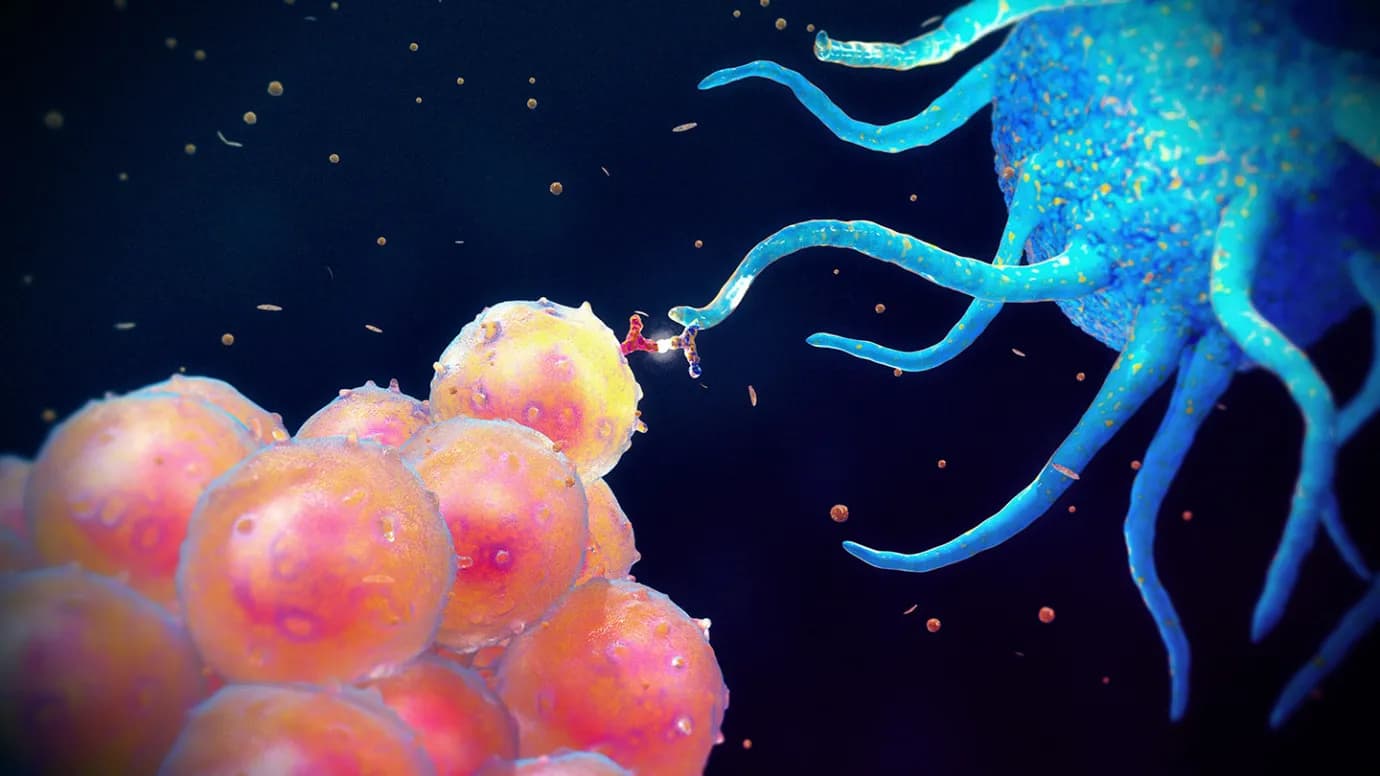
Discover how antigen-presenting cells like dendritic cells and macrophages are being recruited through smart particle design for vaccines and immunotherapy.

Natural polysaccharides like locust bean gum and chitosan are replacing lactose as safer, more effective carriers for inhaled medications and vaccines.

Drug repurposing is reshaping medicine. Discover how changing a drug's route of administration — not the molecule itself — can unlock new therapeutic potential.

A future without transplant waitlists? Tissue engineering blends biology and engineering to build living, functional human tissue.

Vaccines need precise temperature control to work but maintaining the cold chain wastes half of all doses globally. New thermostable formulations could change everything.
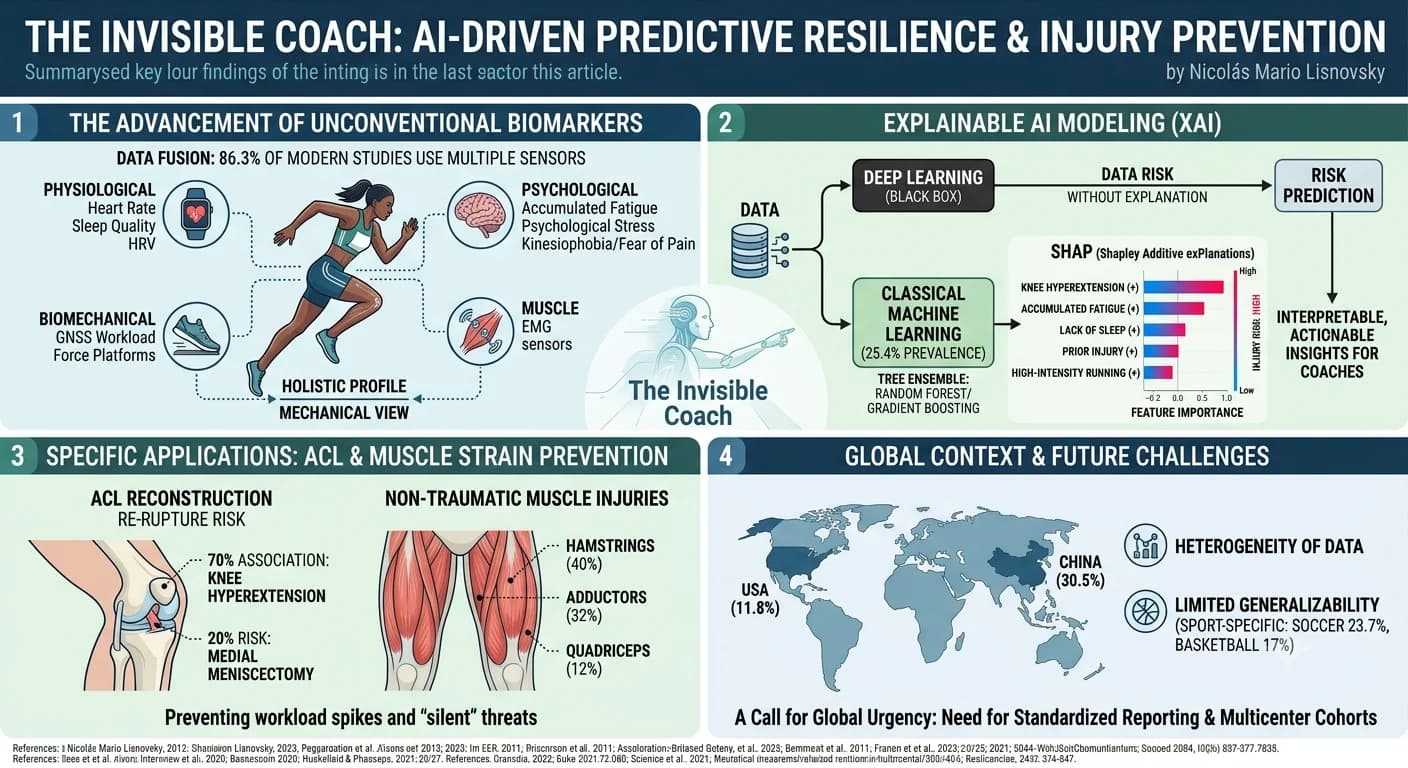
For the elite athlete, an injury is more than a clinical setback, it is an existential interruption. The pursuit of physical excellence has long been haunted by the inherent fragility of the human frame, where a single ligament tear or a chronic strain can dismantle years of disciplined optimization. Historically
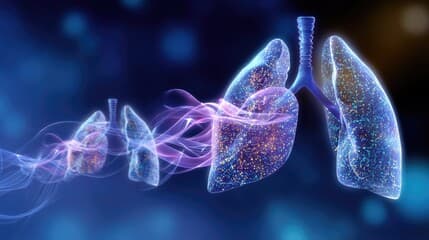
Too big, it hits your throat. Too small, you exhale it. The sweet spot delivers drugs exactly where they're needed.
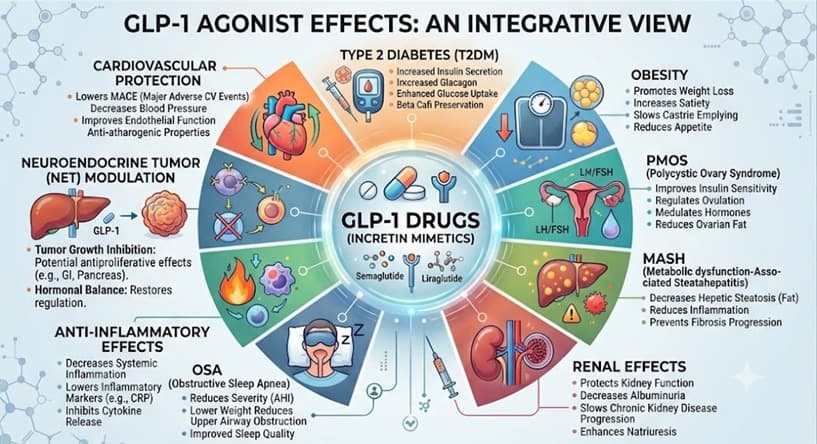
Explore the multi-organ cellular mapping of GLP-1 receptor agonists. Discover how GLP-1RAs act as a systemic shield across T2DM, obesity, PMOS, MASH and so on.
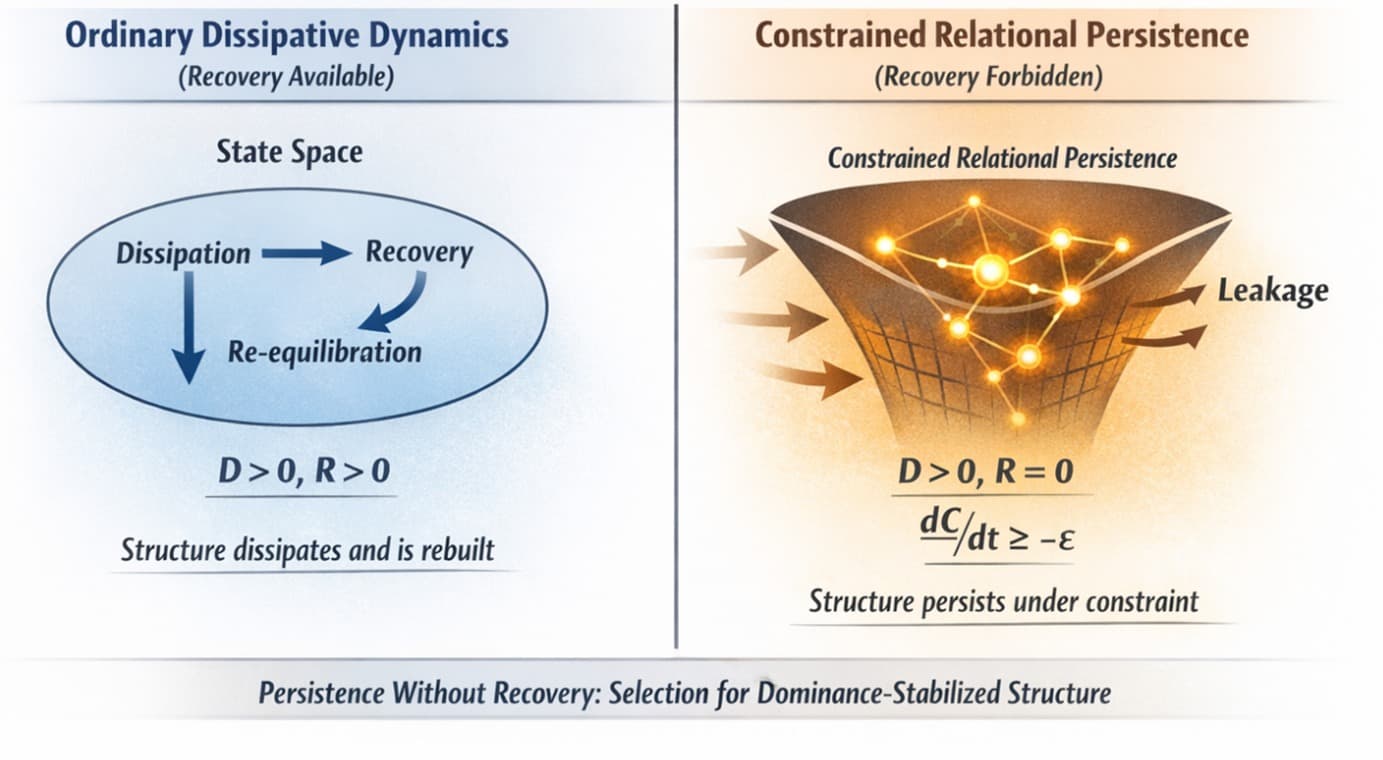
The event horizon of a black hole imposes a fundamental constraint: once matter and information cross it, ordinary recovery of structure through dissipation and re-equilibration becomes dynamically unavailable to external observers.
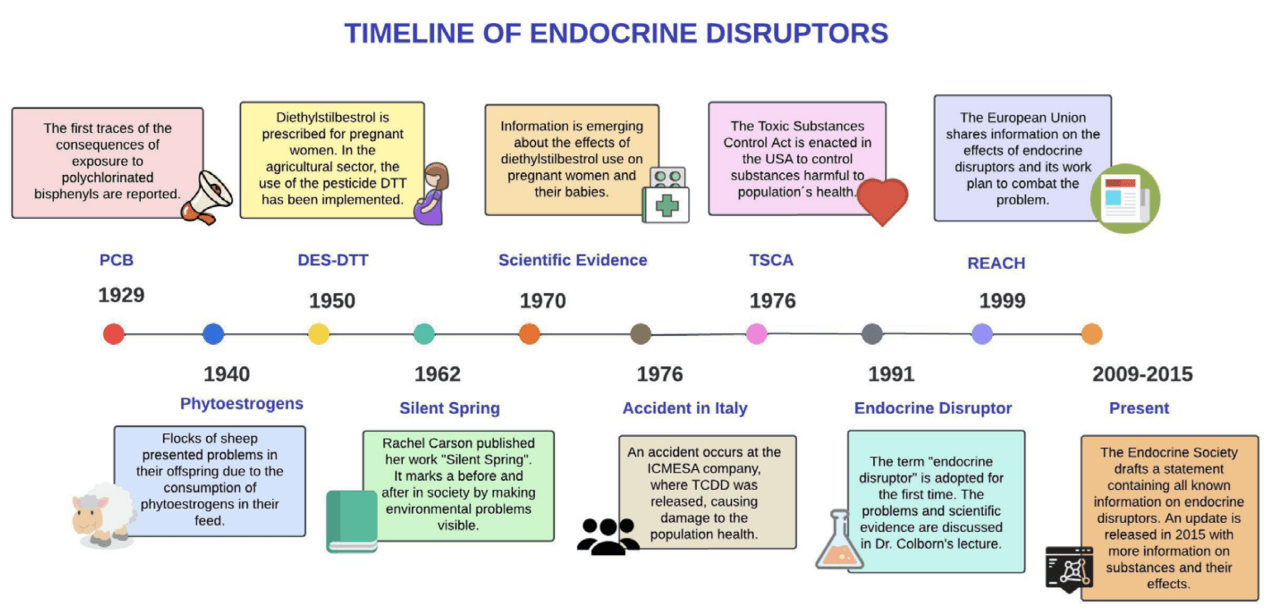
Environmental endocrine disruptors (EEDs) are natural and synthetic chemicals that interfere with endocrine system function by altering hormone synthesis, transport, metabolism, and receptor binding.
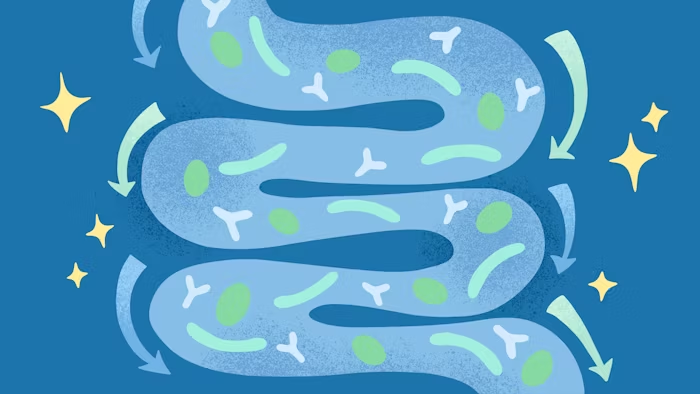
Bacterial lysates and postbiotics can train your immune system to prevent respiratory infections. Here is why they matter in the era of antibiotic resistance.
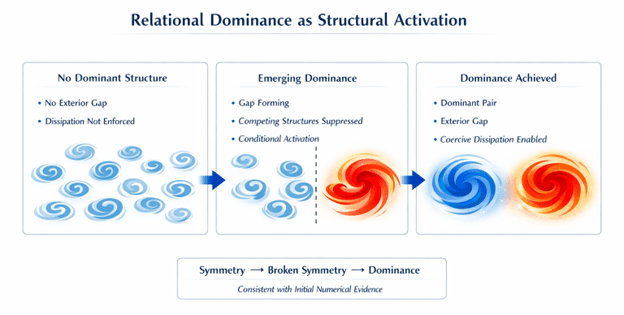
Relational Dominance: A Testable Structural Hypothesis for Navier–Stokes Turbulence

Science writing simplifies complex research, making scientific discoveries accessible, trustworthy, and relevant to the public while reducing misinformation.
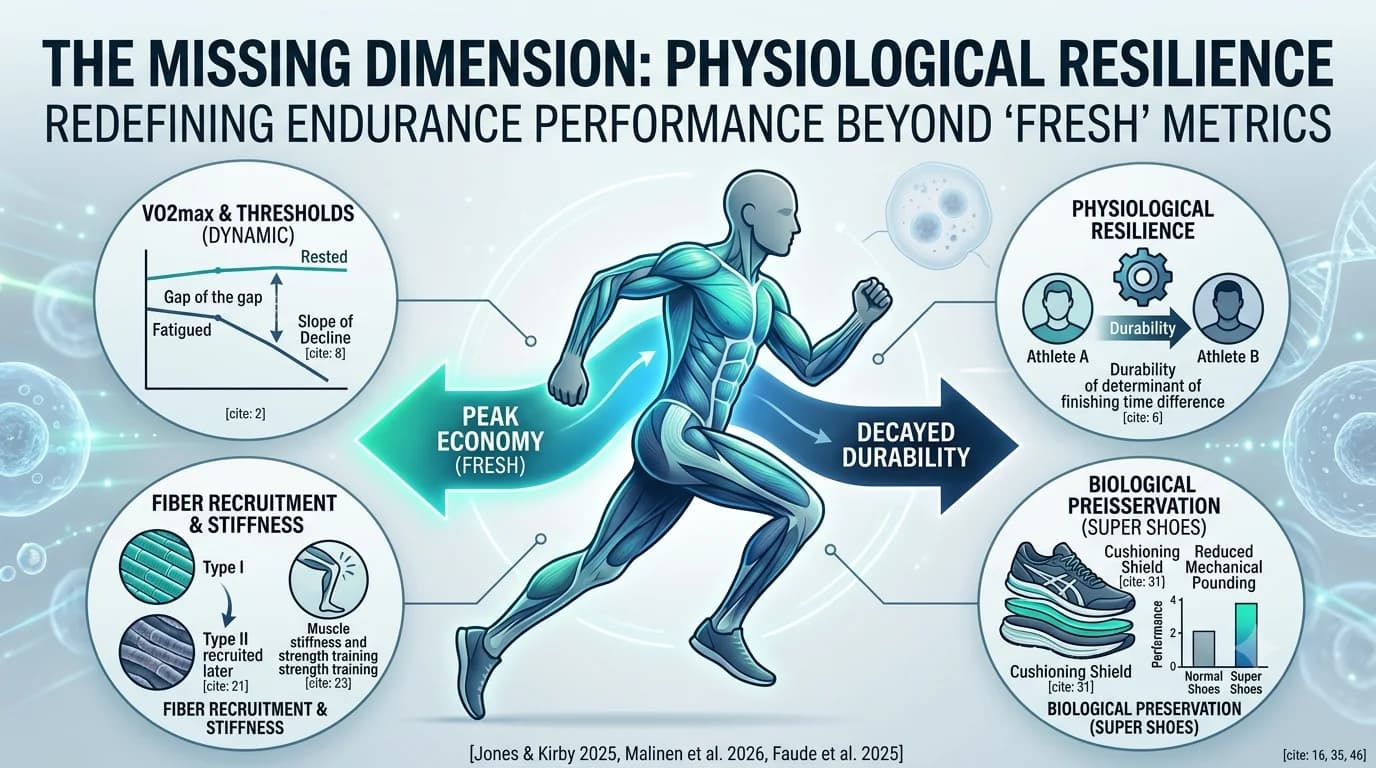
We have all witnessed the physiological "decoupling" that occurs late in a race, where at mile 20 of a marathon, a pace that felt like a metabolic steady-state two hours ago suddenly demands an all-out effort.

Wound healing is a complex and dynamic biological process that occurs through four overlapping phases: hemostasis, inflammation, proliferation, and maturation. To repair tissue damage, the body works intensively, thereby significantly increasing cellular metabolic demands.
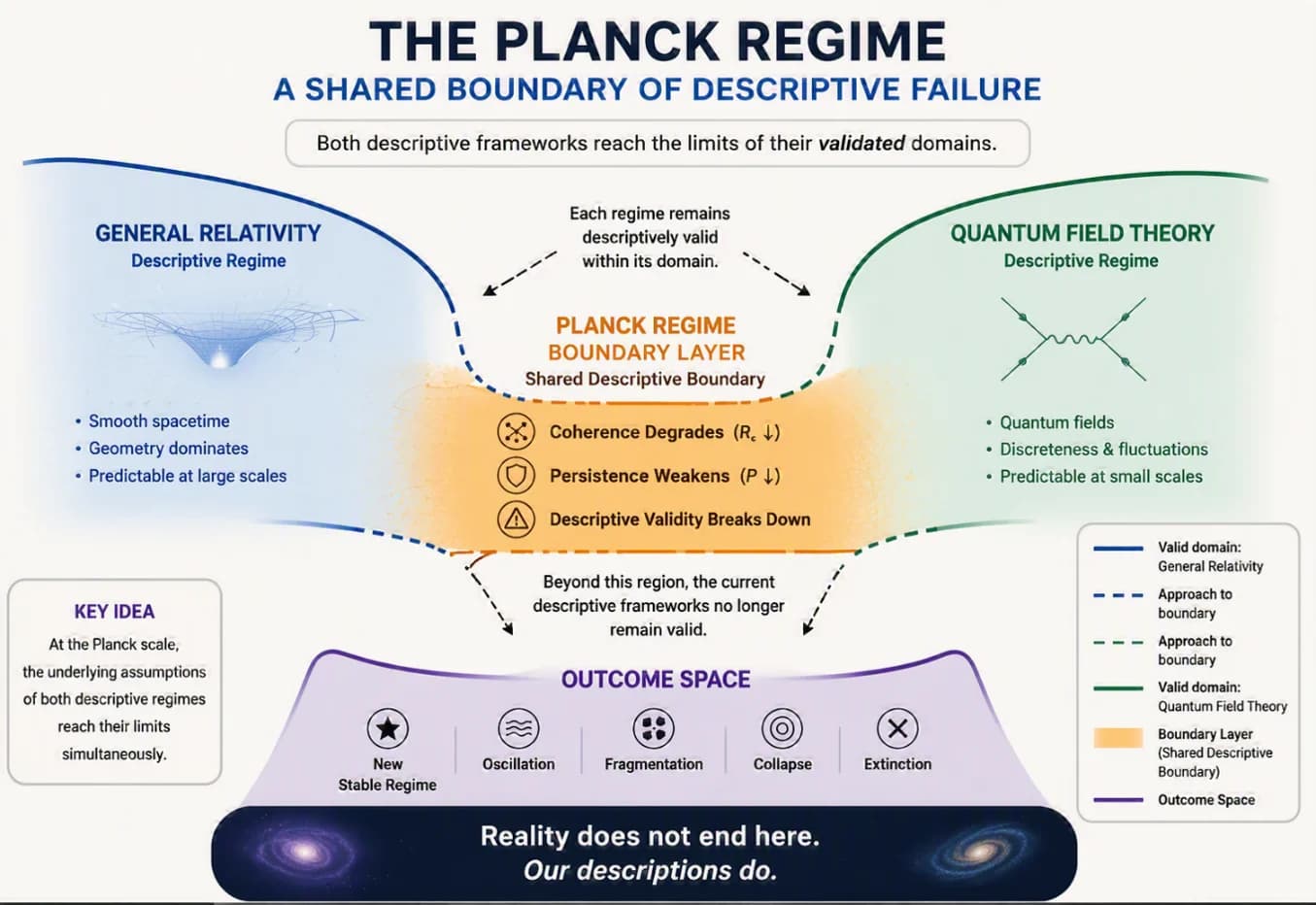
Few concepts in modern physics carry as much significance—or as much mystery—as the Planck scale. It is the regime where gravitational effects become comparable to quantum effects, suggesting that both General Relativity and Quantum Field Theory should contribute to our description of nature.
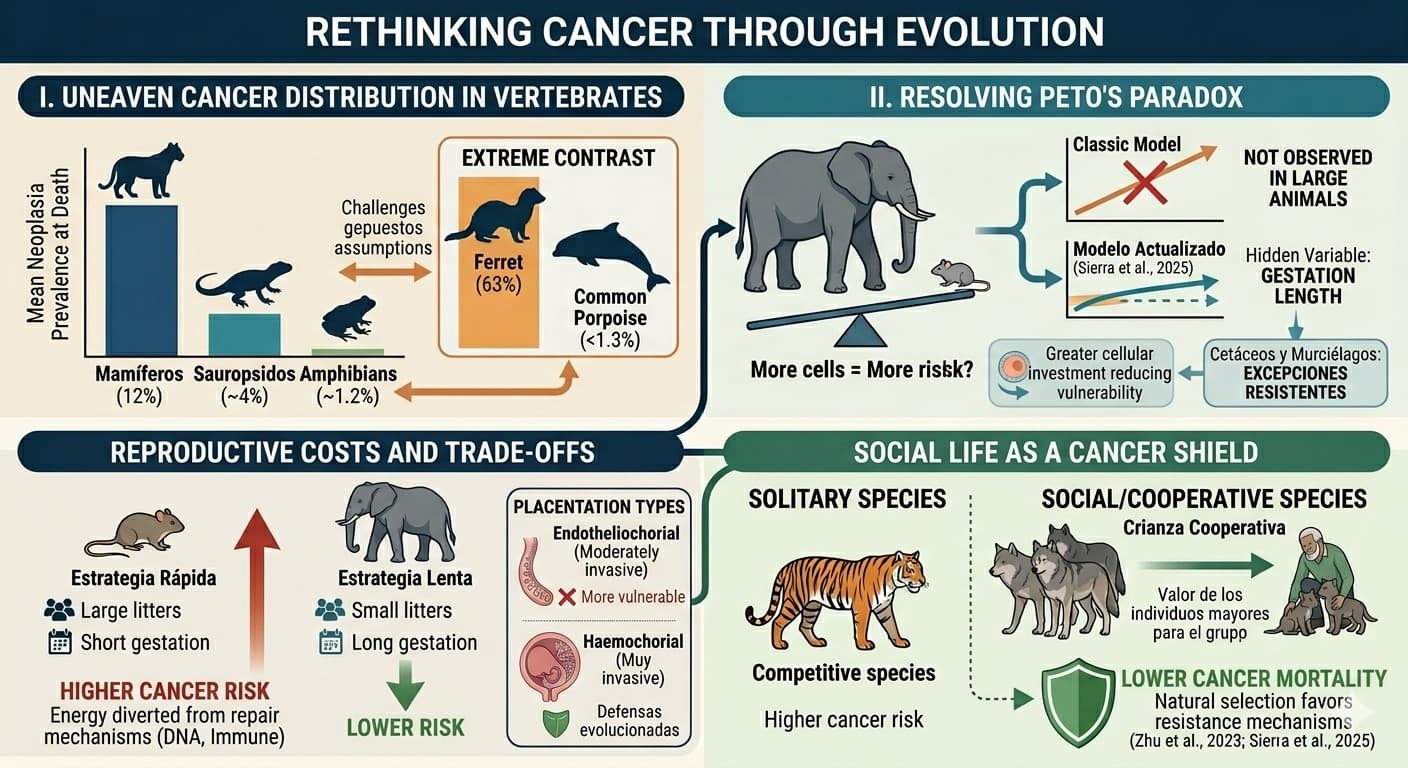
In this study, I explore how cancer risk is distributed across the animal kingdom, emphasizing the role of life-history traits, reproductive strategies, and social behavior in shaping susceptibility to disease. Drawing on recent findings in comparative oncology, the article examines patterns that challenge traditional assumptions, such as the relationship between body size and cancer, and highlights evolutionary mechanisms that may confer resistance in certain species.
