How Nanobiotechnology and Bioinformatics Are Shaping the Future of Healthcare
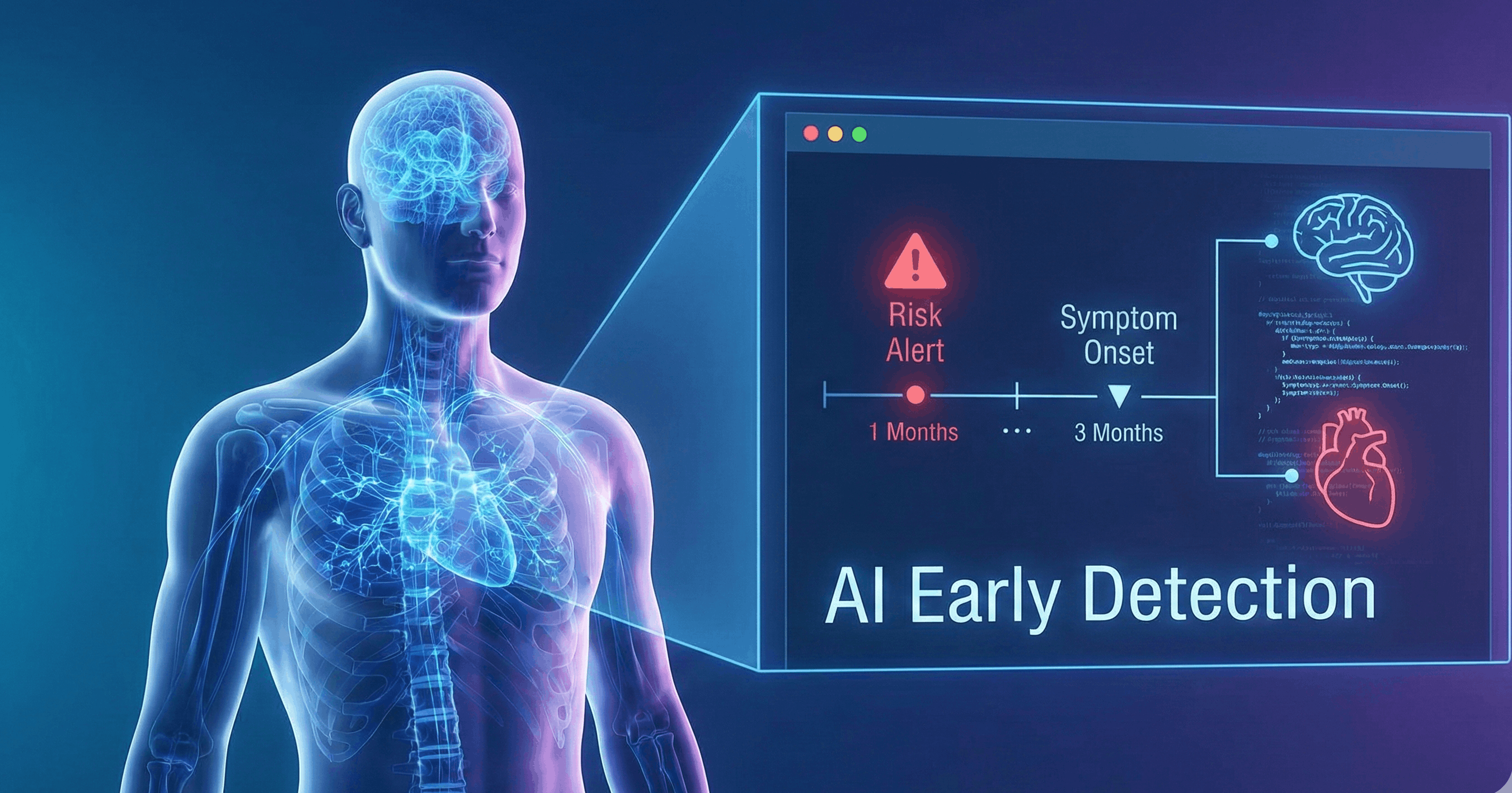
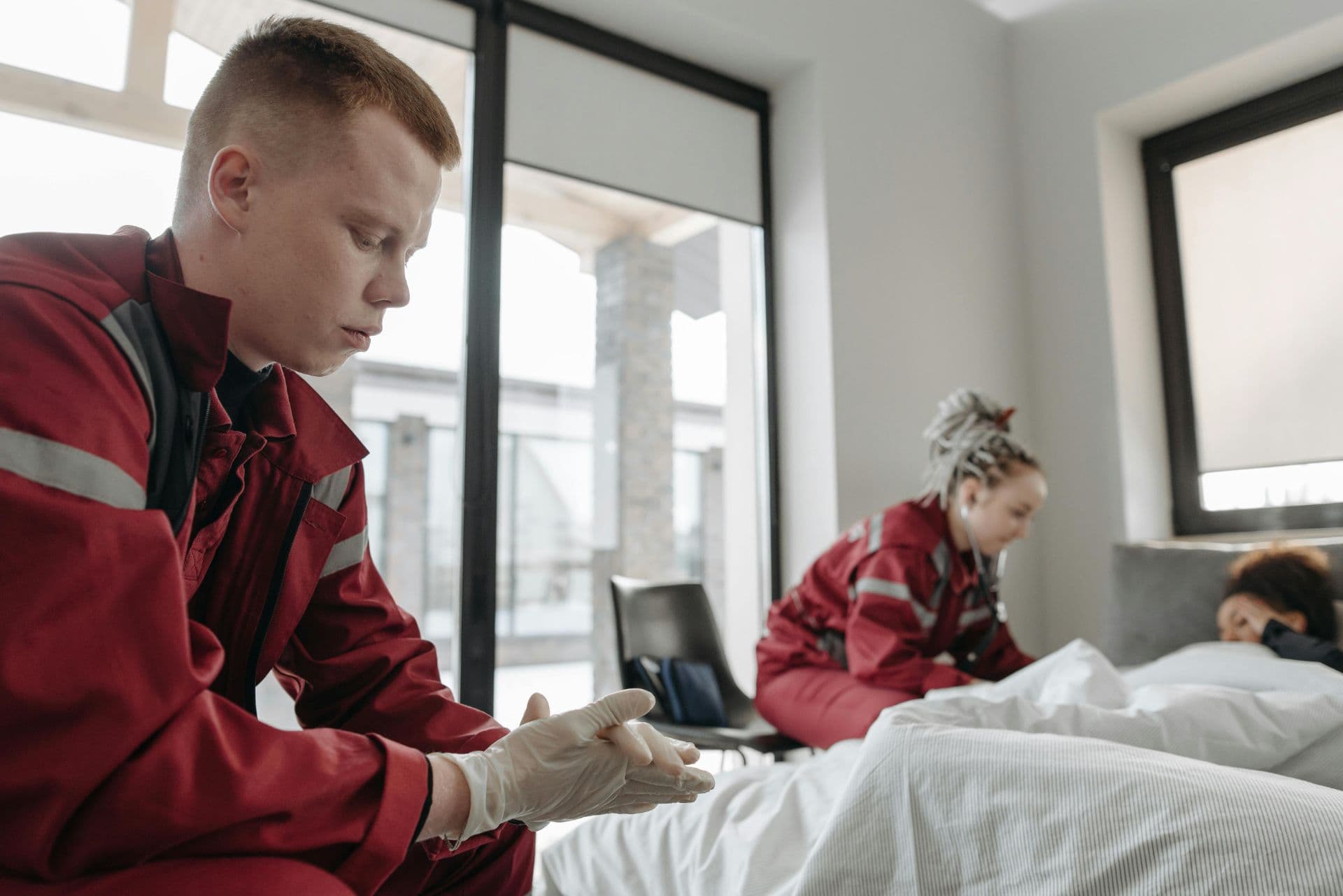
Modern healthcare is undergoing a silent revolution. Now to treat a disease in the healthcare system, there is no longer a need to wait for symptoms to appear.
Showing results for: "sickle cell screening" (69 results)

Modern healthcare is undergoing a silent revolution. Now to treat a disease in the healthcare system, there is no longer a need to wait for symptoms to appear.

Drug repurposing is reshaping medicine. Discover how changing a drug's route of administration — not the molecule itself — can unlock new therapeutic potential.

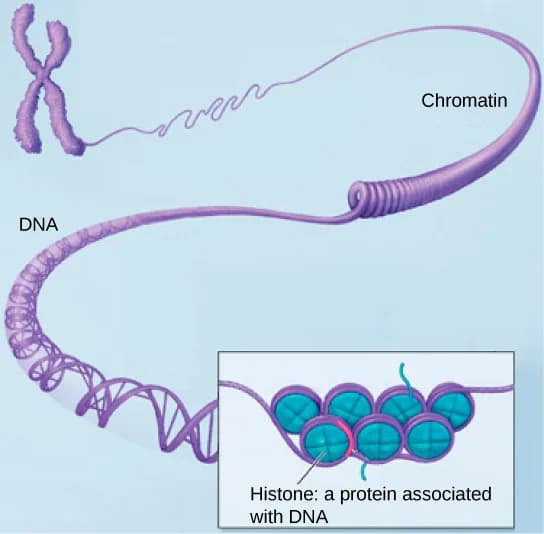
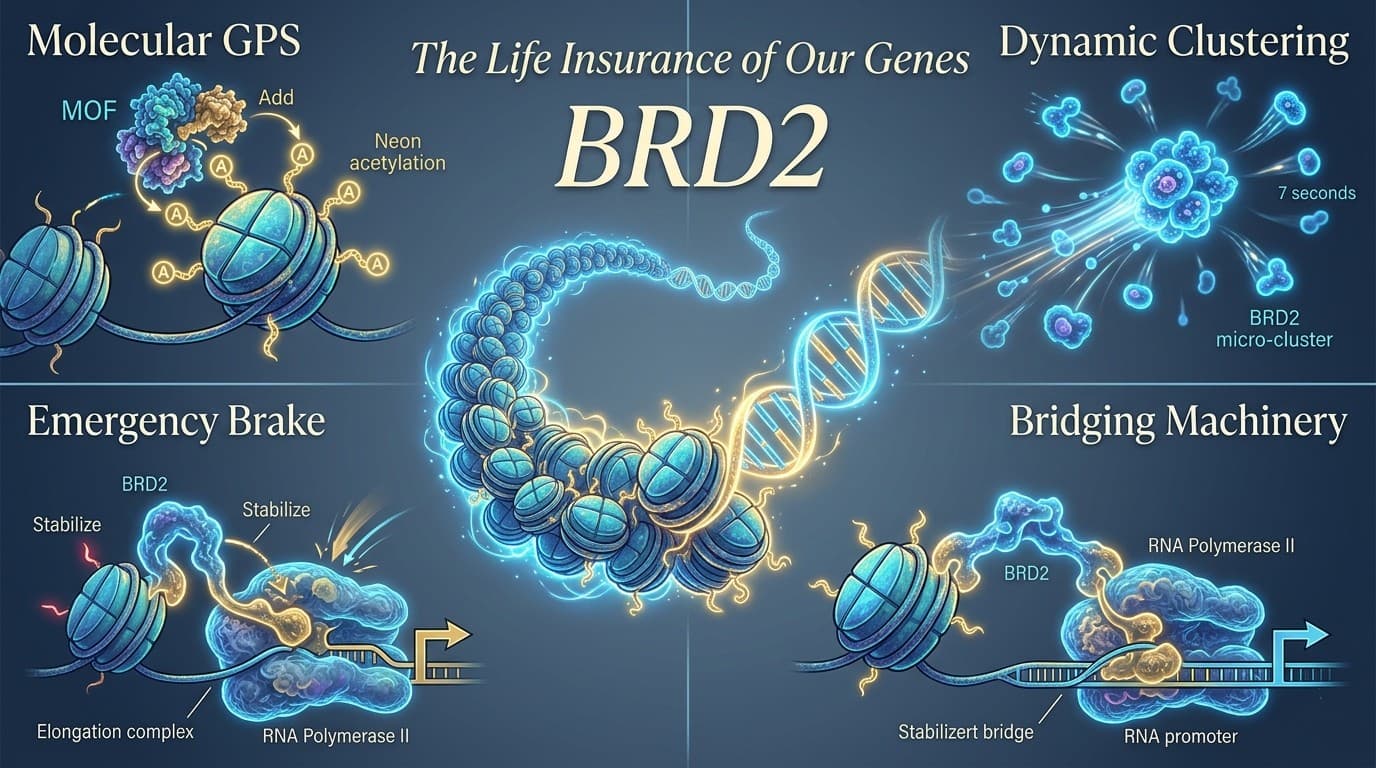
Epigenetics is transforming how scientists understand the bridge between genes and behavior, opening the door to a new era of mental health treatment.

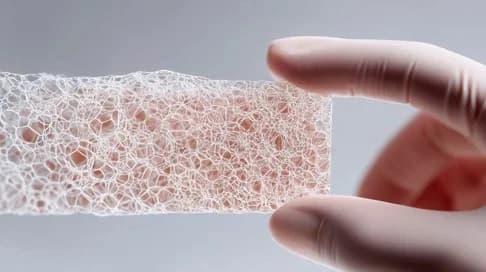
Plant mucilage is a thick, glue-like substance produced by plants that helps with seed germination, water and nutrient storage, and defense. Flax and chia seeds are rich sources of mucilage and have various applications in the food and pharmaceutical industries.

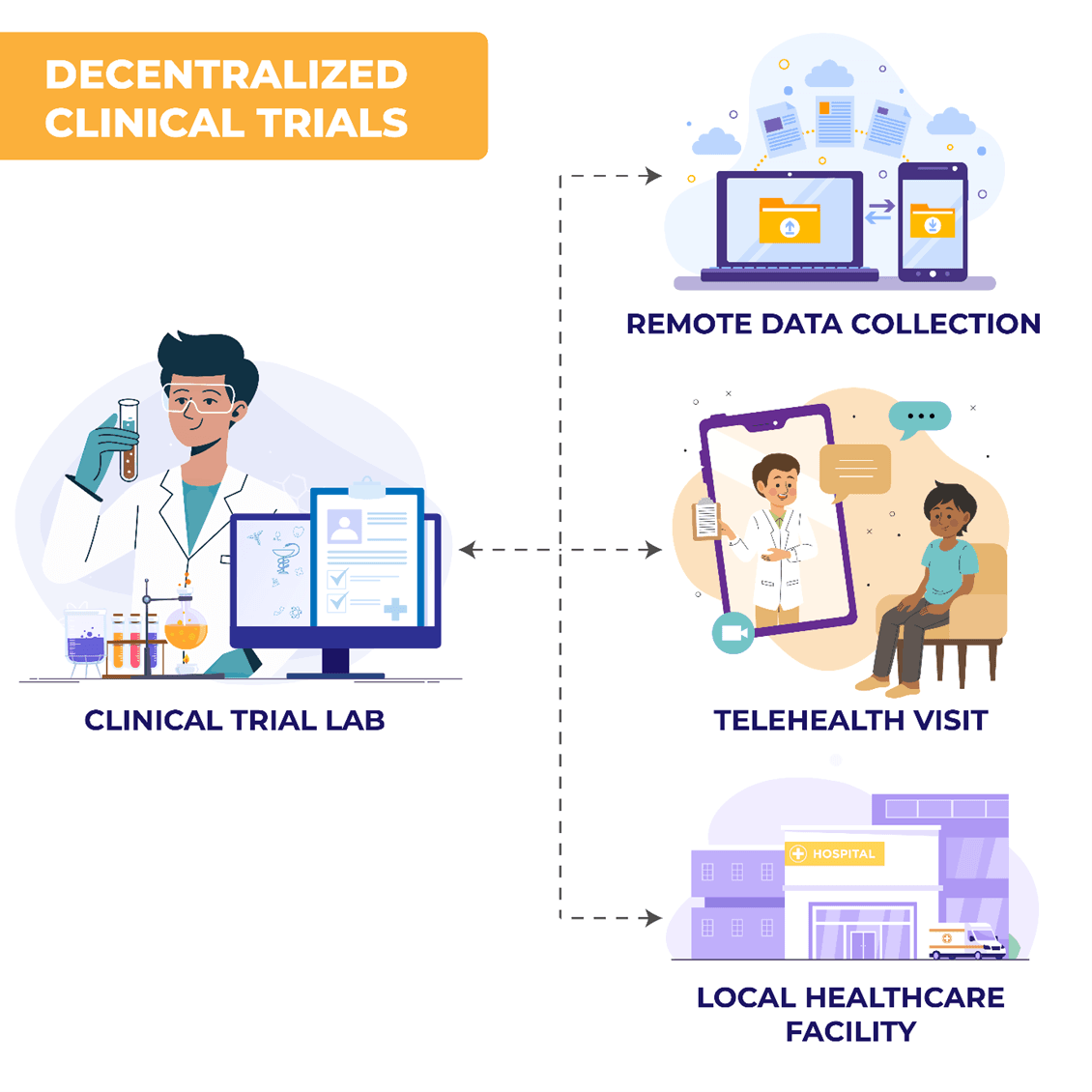
(DCTs) are redefining how pharmaceutical studies are designed, conducted, and analyzed by moving away from traditional site-centric models toward patient-centric, digitally enabled trial ecosystems.

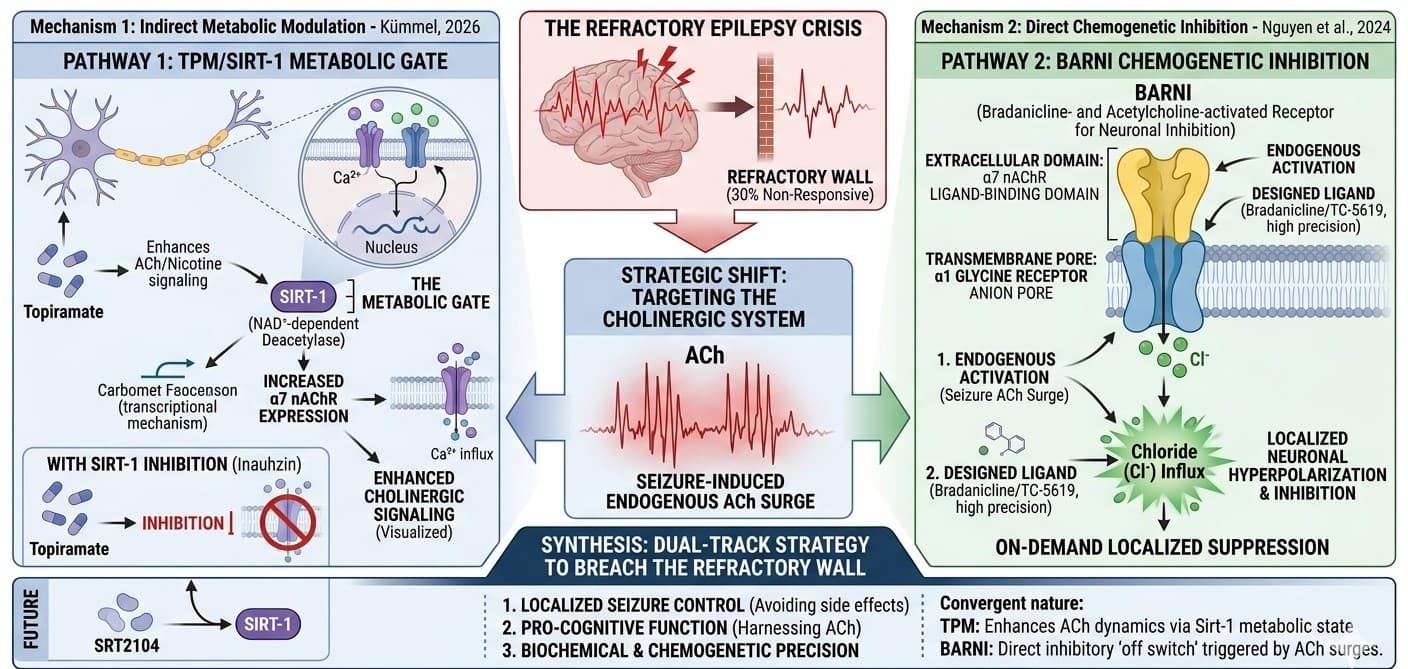
The current trajectory of epilepsy management has encountered a formidable "refractory wall." Despite the accelerated expansion of the neuropharmacological pharmacopeia,

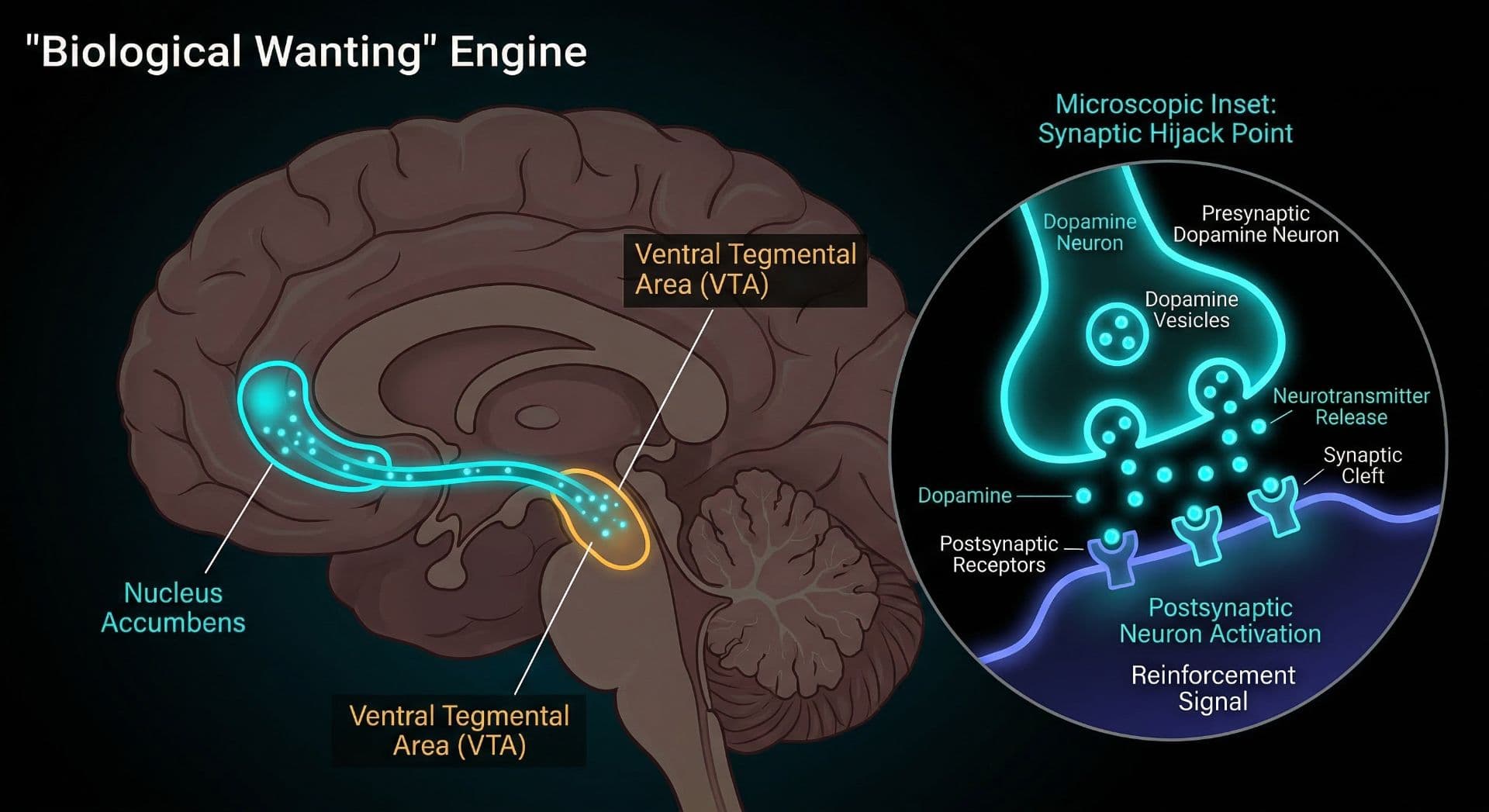
Have you ever intended to check a single notification, only to realize forty minutes have vanished into an endless scroll? In 2026, privacy is no longer just about your data; it is about your thought process. Is your next choice truly yours, or has a 'Digital Twin' already made it for you

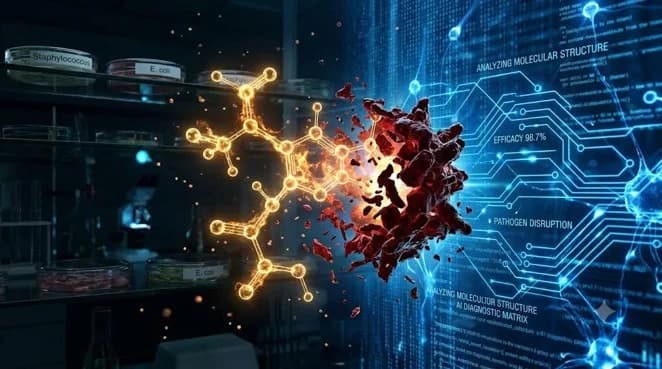
Antibiotic resistance could kill 10 million annually by 2050. Discover how AI found Halicin, a molecule that kills superbugs humans couldn't defeat.

According to a study, sleeping in a dark room works wonders for your heart. During sleep, ambient light can put stress on the brain that causes arterial inflammation, which may again lead to a stroke or heart attack. Let us delve into and explore the study further.

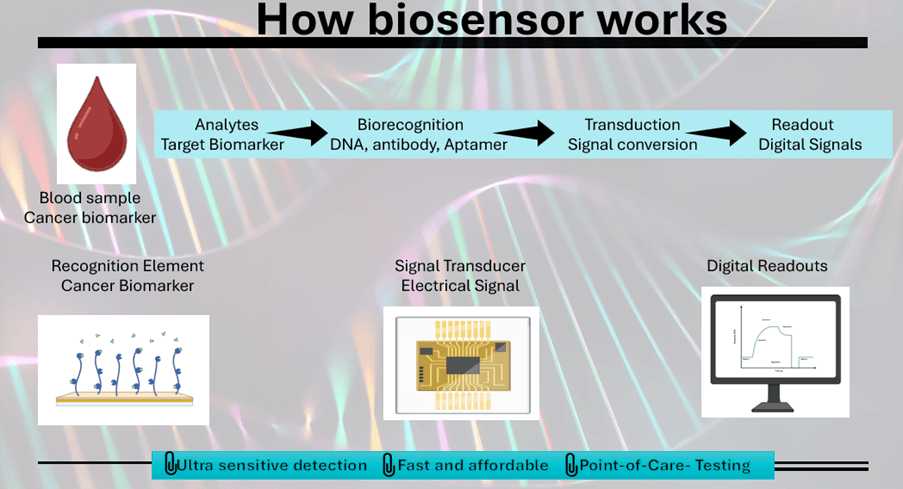
Ever wonder what it’s like if a tiny chip could detect cancer before symptoms appear. Biosensor technology is transforming cancer detection- earlier, faster and more accessible for people worldwide

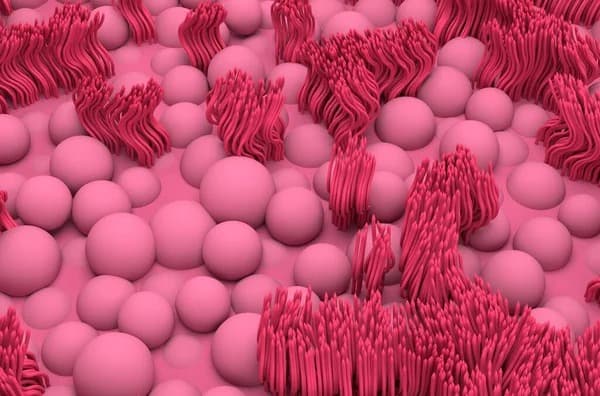
Why is mucus the biggest obstacle to lung drug delivery? Explore the mucosal barrier science reshaping how we design inhaled medicines and vaccines.

ears pass in schoolrooms where future doctors study life's inner workings, cells, chemicals, and body parts. From books they recall illness patterns, how molecules bond, ways to spot health troubles

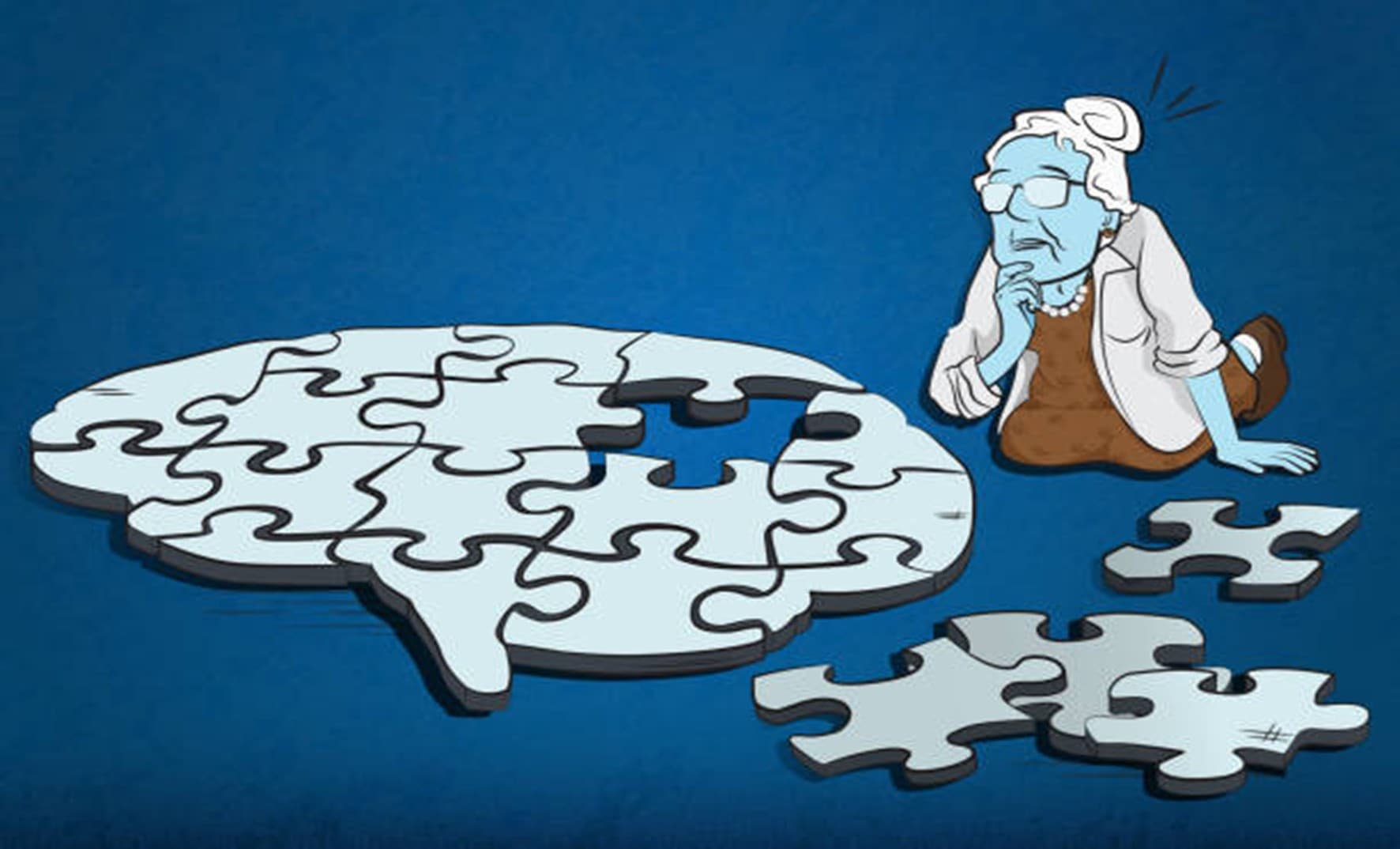
Alzheimer’s is a progressive neurological disorder with classic clinical symptoms such as dementia, cognitive decline, and behavioural changes, particularly in the ageing population.

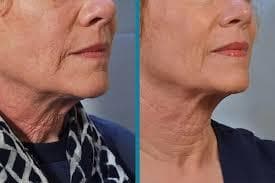
A magnificent nonsurgical radiofrequency (RF) therapy, which involves using energy waves to heat the dermis (the deep layer of the skin), has evolved as one of the finest treatments for skin tightening. The healthcare provider uses an electromagnetic device that generates heat to stimulate collagen production, the production of elastin, and the growth of new skin cells. This therapy helps firm and lift sagging skin. However, the results are temporary.

How a 150-year-old food industry technique became essential for creating stable biologics and inhaled medicines, transforming liquid drugs into life-saving powders.

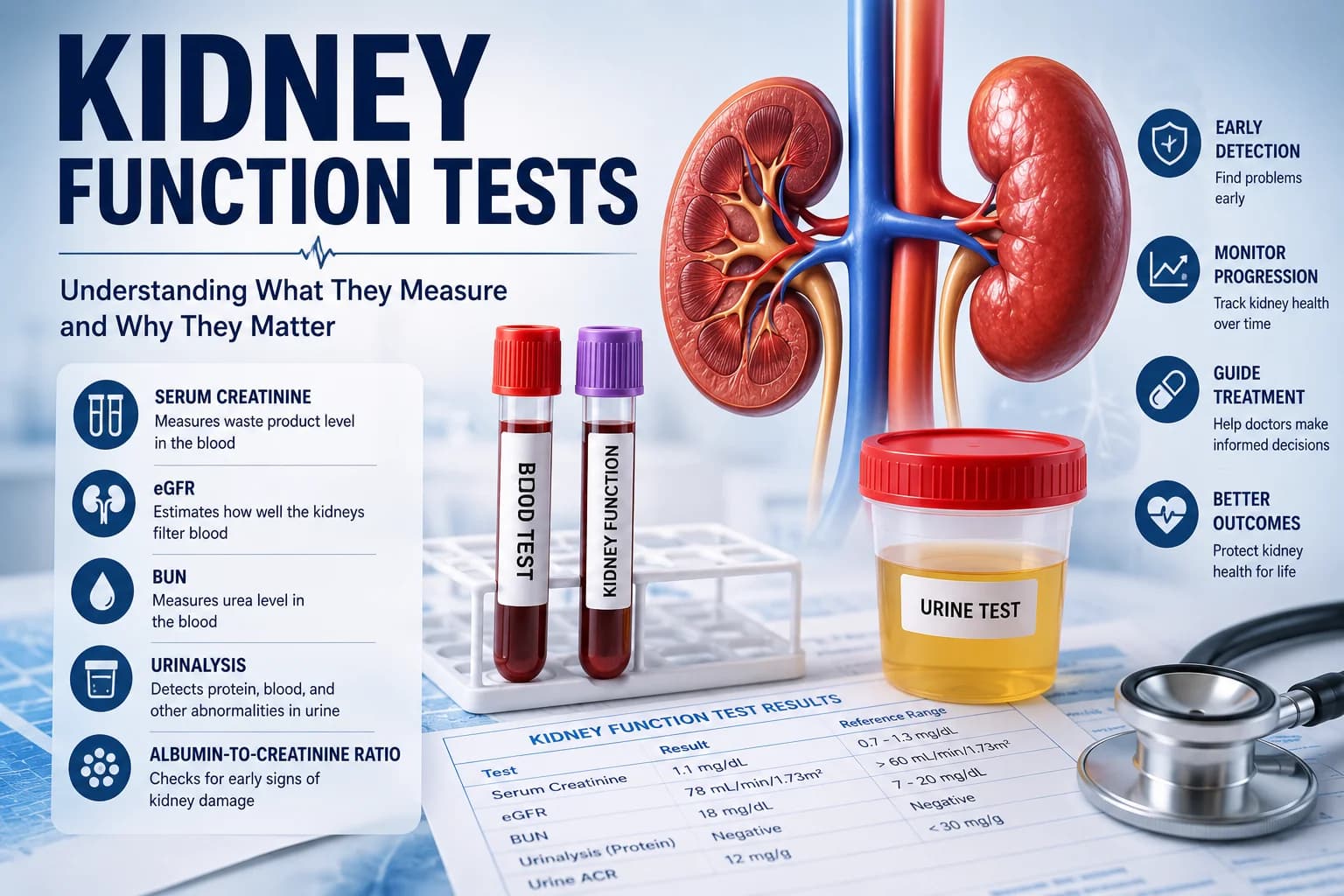
See what kidney function tests measure, including creatinine, eGFR, and urinalysis. Discover how these tests help detect kidney disease and monitor kidney health.

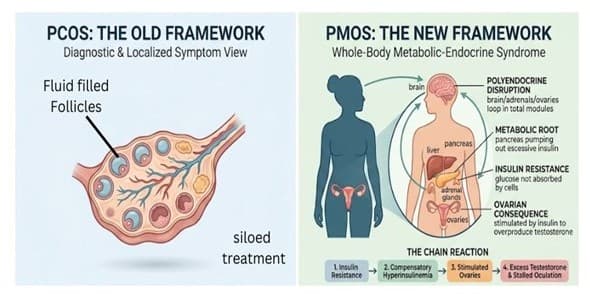
Discover why medical experts are rebranding Polycystic Ovary Syndrome (PCOS) to PMOS, and what this metabolic shift means for patient wellness.

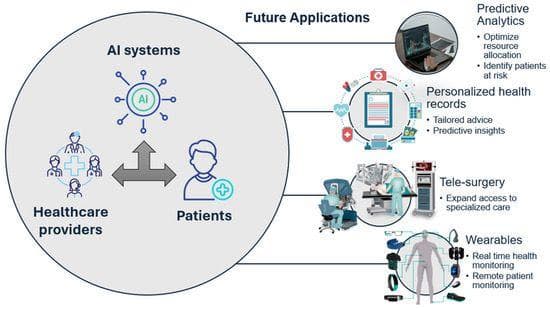
Healthcare is changing faster than ever before. Thanks to breakthroughs in artificial intelligence (AI), genomics, and wearable technology, medicine is entering the era of smart health, where data, devices, and biology work together to create care tailored to the individual.

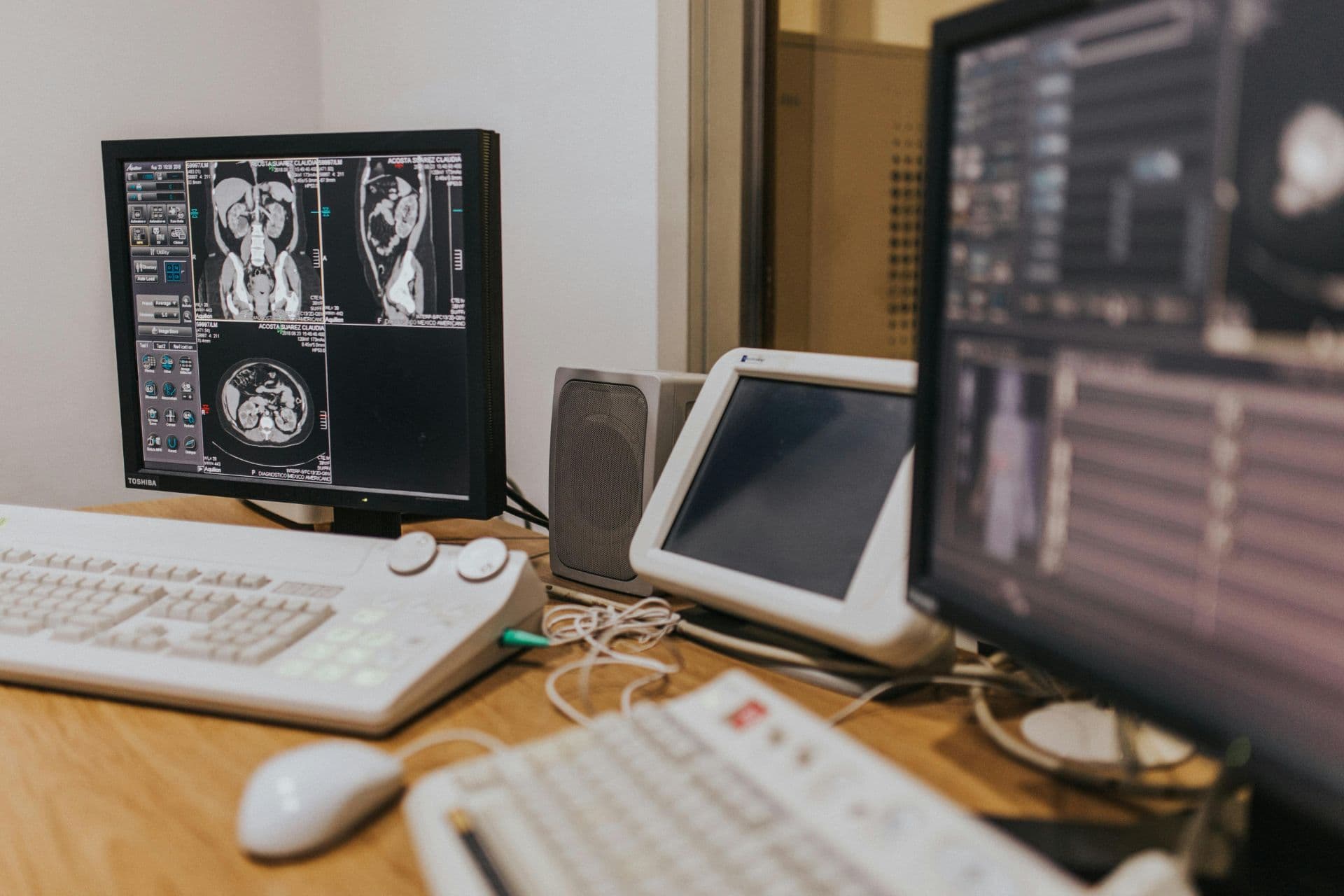
Discover how AI is reshaping radiology, from faster diagnoses to improved accuracy, and what this means for patients and healthcare professionals.

Inhaled antibiotics deliver drugs directly to lung infections, achieving better results with fewer side effects, which is a game-changer in fighting resistance.