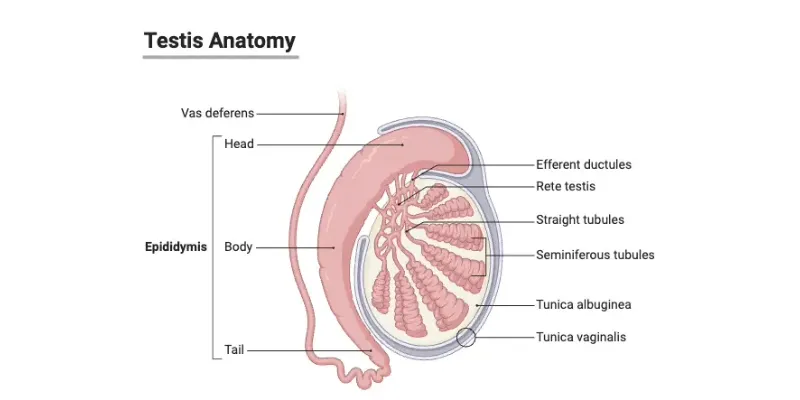
Breakthrough in Reproductive Science: Test-Tube Testes
These innovative testes, derived from meticulously cultured mouse cells, closely mimic the structure of natural testes, featuring the complex network of sperm tubes essential for reproduction.
Showing results for: "understanding" (68 results)

These innovative testes, derived from meticulously cultured mouse cells, closely mimic the structure of natural testes, featuring the complex network of sperm tubes essential for reproduction.

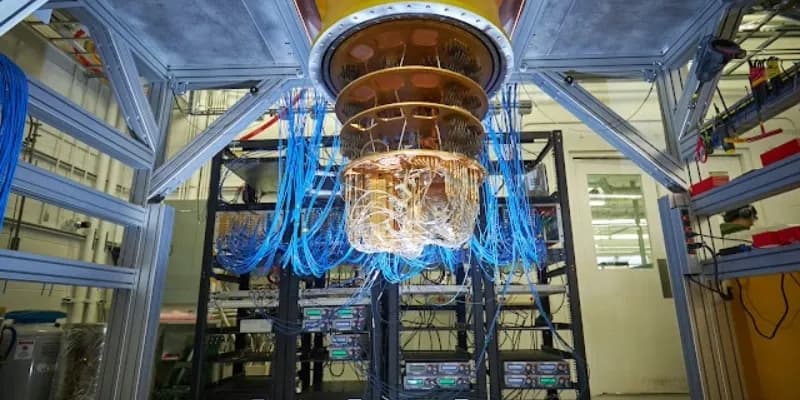
Quantum computing represents a revolutionary advancement in computational capabilities. Unlike traditional computers, which use bits as the smallest unit of data, quantum computers utilize quantum bits or qubits. These qubits can exist in multiple states at the same time due to the principles of superposition and entanglement.

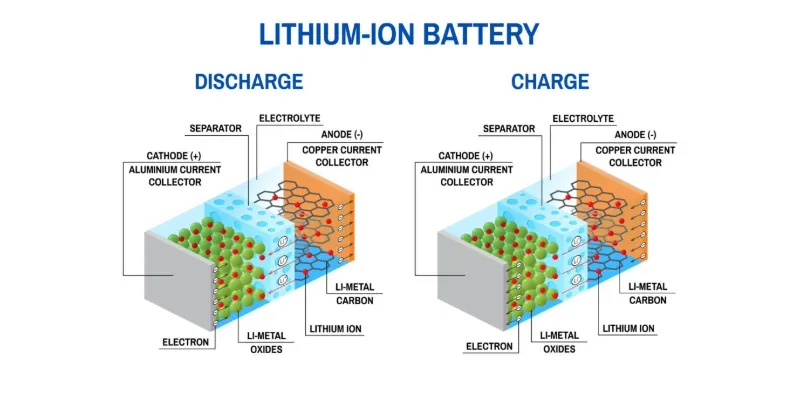
Lithium-ion batteries are the most popular type of rechargeable battery in use today. They power many of the devices we rely on daily, including mobile phones and electric vehicles. These batteries are lightweight,

Mathematics is often described as the universal language of the universe, a field that transcends cultures and eras to provide the tools for understanding the world. From the ancient geometries of Egypt to modern computational algorithms, mathematics is at the heart of human discovery and technological progress.

Radiology is more than just X-rays. See how it evolved, how it works, and how AI is making diagnosis faster, safer, and better for everyone

Explore how Carbon Capture, Utilization, and Storage (CCUS) works, its role in hard-to-abate industries, and how geology helps trap CO₂ to combat climate change.

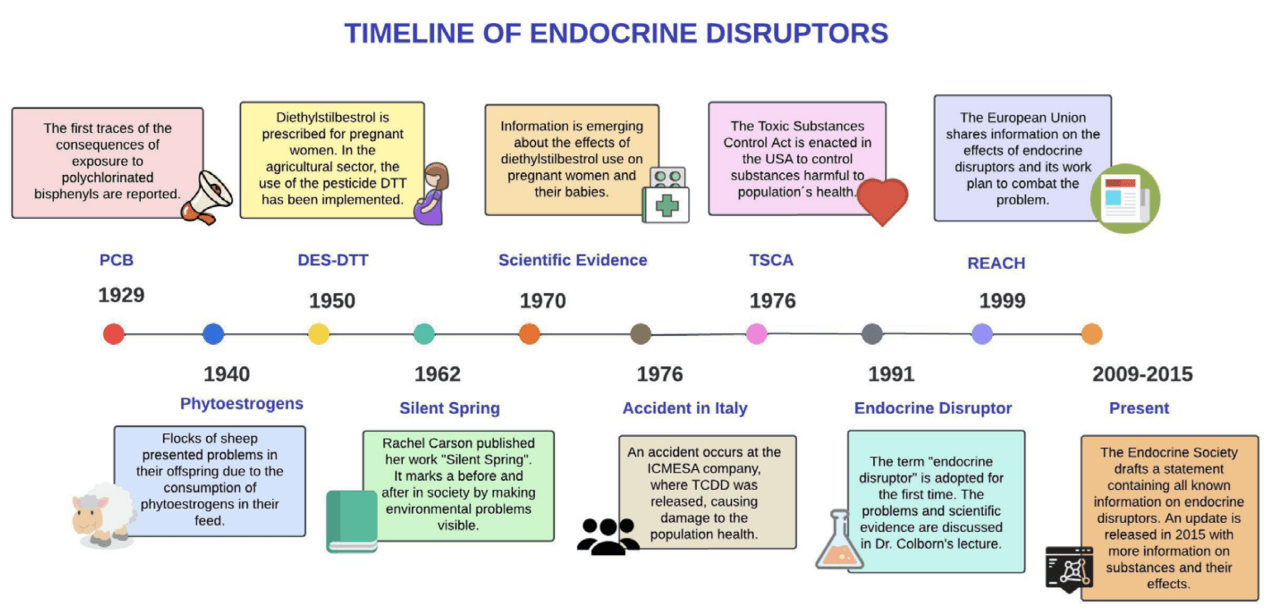
Environmental endocrine disruptors (EEDs) are natural and synthetic chemicals that interfere with endocrine system function by altering hormone synthesis, transport, metabolism, and receptor binding.

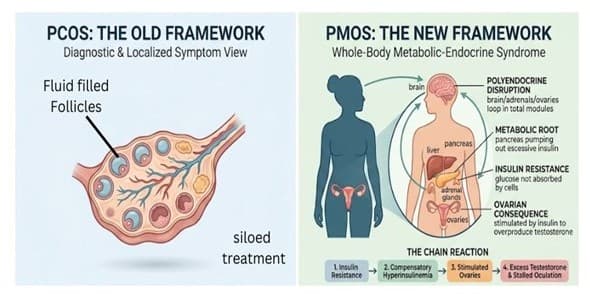
Discover why medical experts are rebranding Polycystic Ovary Syndrome (PCOS) to PMOS, and what this metabolic shift means for patient wellness.

With the potential of AI tools revolutionizing the world of healthcare, there are ethical risk factors that need to be looked at before their implementation.

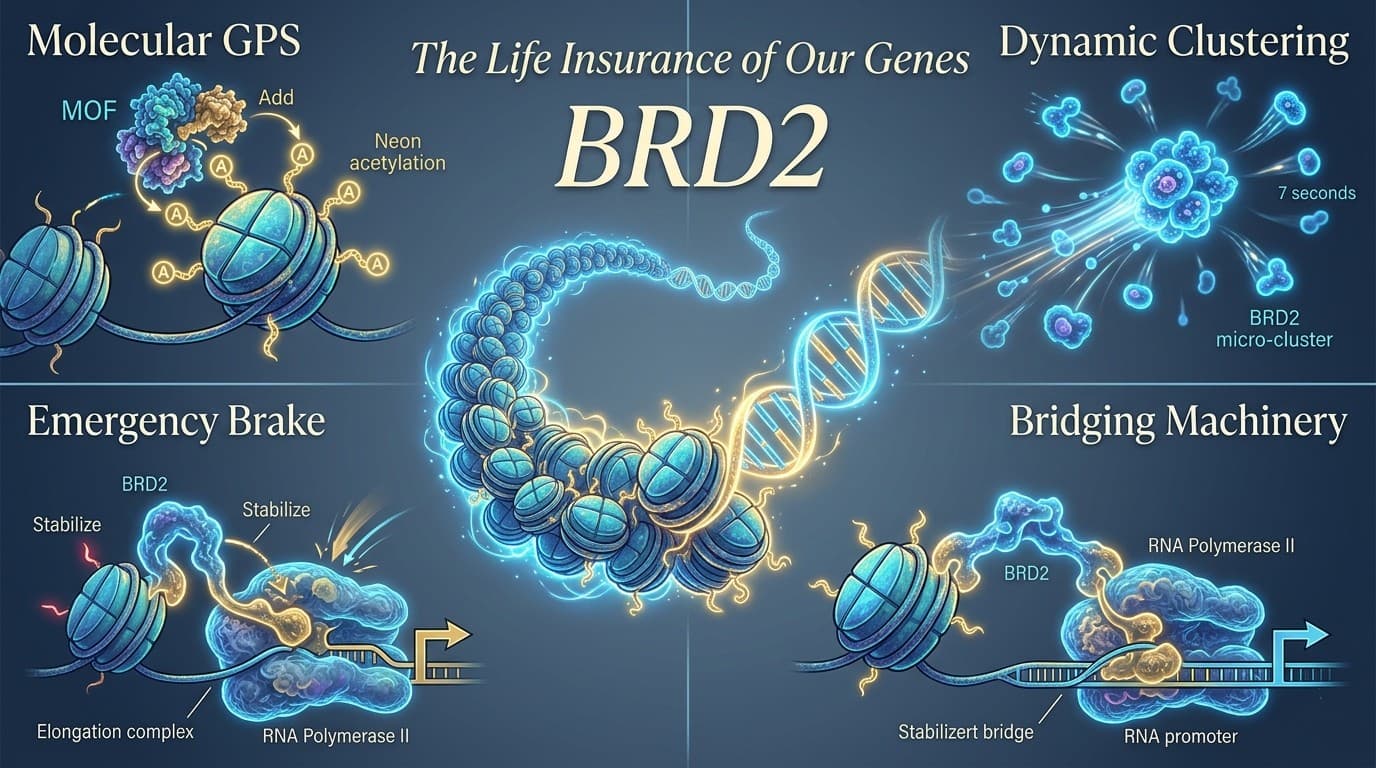
Cells can be understood as highly coordinated systems in which DNA functions as a comprehensive but inert blueprint, requiring precise interpretation to become biologically active. Gene expression depends on regulatory proteins that orchestrate transcription across time and space.

Title 21 Part 820 of the Code Of Federal Regulations (CFR) details the requirements for the design and production of medical devices. These strict, comprehensive requirements are in place for good reason, we want these devices to work.

We begin with things - particles, fields, forces - and then build laws and equations to explain how those things behave. This approach has been extraordinarily successful. It is how we arrived at quantum mechanics, general relativity, and the Standard Model.

Healthcare is changing faster than ever before. Thanks to breakthroughs in artificial intelligence (AI), genomics, and wearable technology, medicine is entering the era of smart health, where data, devices, and biology work together to create care tailored to the individual.

Imagine being able to control a computer, a prosthetic limb, or even a drone just by using your thoughts. This is not science fiction; it is now a reality thanks to brain-computer interfaces (BCIs). BCIs are groundbreaking systems that enable direct communication between the brain and external devices.

We have all witnessed the physiological "decoupling" that occurs late in a race, where at mile 20 of a marathon, a pace that felt like a metabolic steady-state two hours ago suddenly demands an all-out effort.

Modern healthcare is undergoing a silent revolution. Now to treat a disease in the healthcare system, there is no longer a need to wait for symptoms to appear.

Cells constantly sense signals from their environment and convert them into internal actions through biochemical signalling pathways.

Scientific advancement drives growth, productivity, and long-term global competitiveness in advanced economies.

Discover how AI surveillance impacts psychological safety in the workplace and why constant monitoring might be killing your team's innovation.

Scientists are closer than ever to detecting life beyond Earth. From Mars to distant exoplanets, modern astronomy is transforming the search for alien life.