Health & Medicine
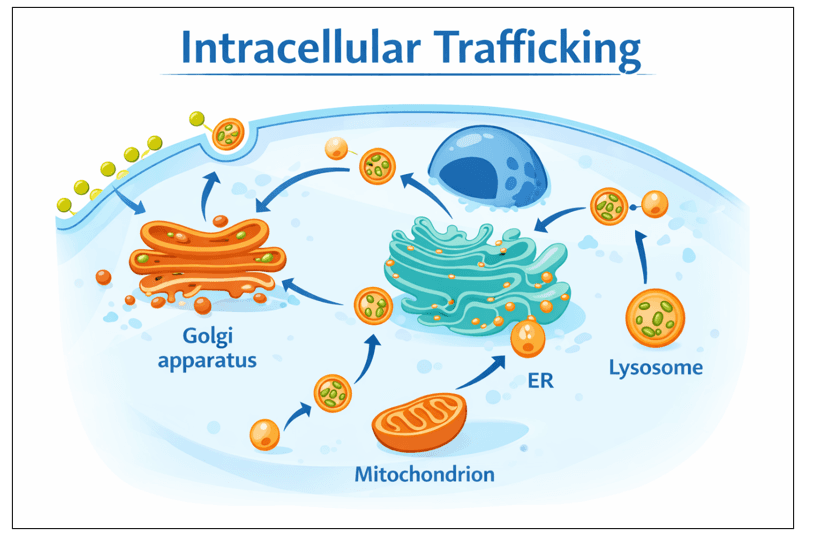
CEDNIK Syndrome: how SNAP29 gene mutation brought the never sleeping cellular city to a halt.
Discover how the SNAP29 gene guides cellular traffic, and how its mutation leads to CEDNIK syndrome, affecting brain, nerves, and skin.
Showing results for: "CEDNIK syndrome" (12 results)
Discover how the SNAP29 gene guides cellular traffic, and how its mutation leads to CEDNIK syndrome, affecting brain, nerves, and skin.

You probably know this story: Aurora, also known as the Sleeping Beauty, was a kind princess who was cursed by an angry fairy and fell into a deep sleep for years. On her sixteenth birthday, she pricked her finger, and the spell came true. Silence covered the land, and the entire kingdom fell asleep with her. Years later, the spell could be broken by a kiss from a prince.
The dark fantasy adventure “Alice in Wonderland” has gained widespread appreciation among audiences. However, the Alice in Wonderland Syndrome (AWS), a brain-related condition, is not something anyone would ever love to experience or witness.

Out of so many mental disorders, a rare disorder is the Fregoli delusion or Fregoli syndrome (FS), in which an individual holds a delusional belief that different people are in fact a single person, who keeps on changing appearances quickly or is in disguise. People affected with this condition often experience anxiety, paranoia, and agitation. It can impact the patient’s mental health and their safety and the safety of others.
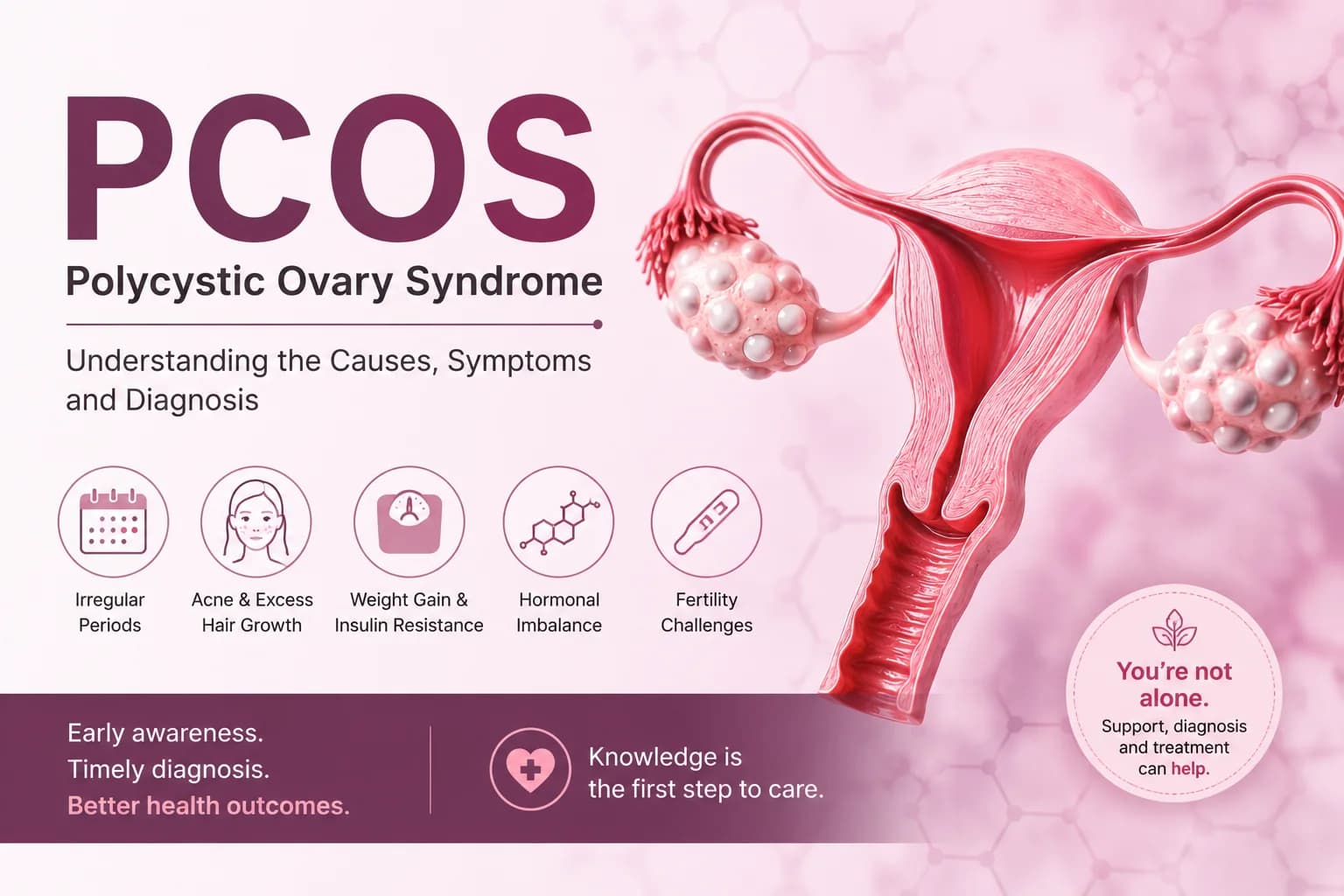
Discover what Polycystic Ovary Syndrome is. Its causes, symptoms, and diagnosis. A clear, research-based guide to this common hormonal disorder.
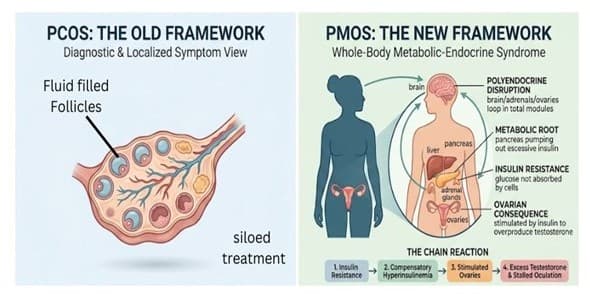
Discover why medical experts are rebranding Polycystic Ovary Syndrome (PCOS) to PMOS, and what this metabolic shift means for patient wellness.
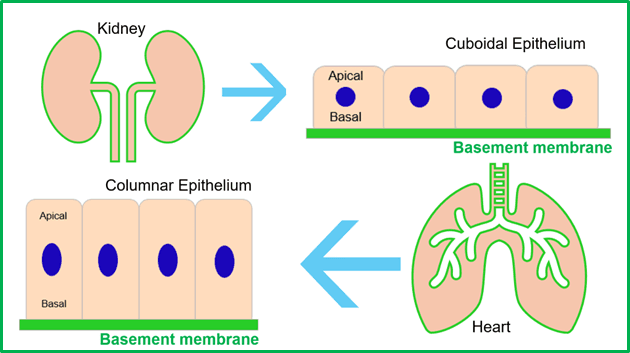
Tiny but powerful, basement membranes support cells, regulate barriers, and drive disease when disrupted—key players in health, aging, and cancer.
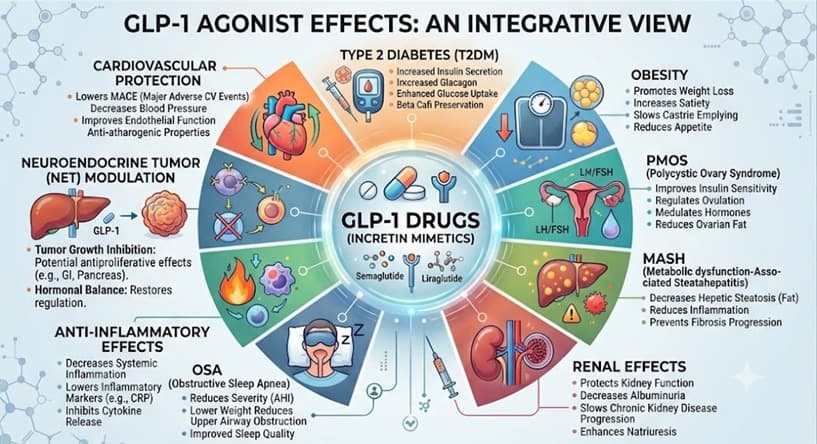
Explore the multi-organ cellular mapping of GLP-1 receptor agonists. Discover how GLP-1RAs act as a systemic shield across T2DM, obesity, PMOS, MASH and so on.
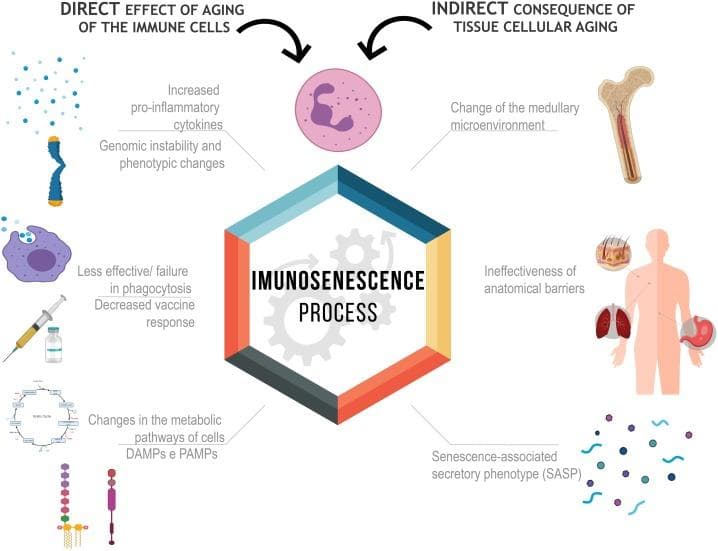
Ageing is accompanied by a gradual decline in physiological functions, among which deterioration of the immune system termed immunosenescence—has profound implications for human health.
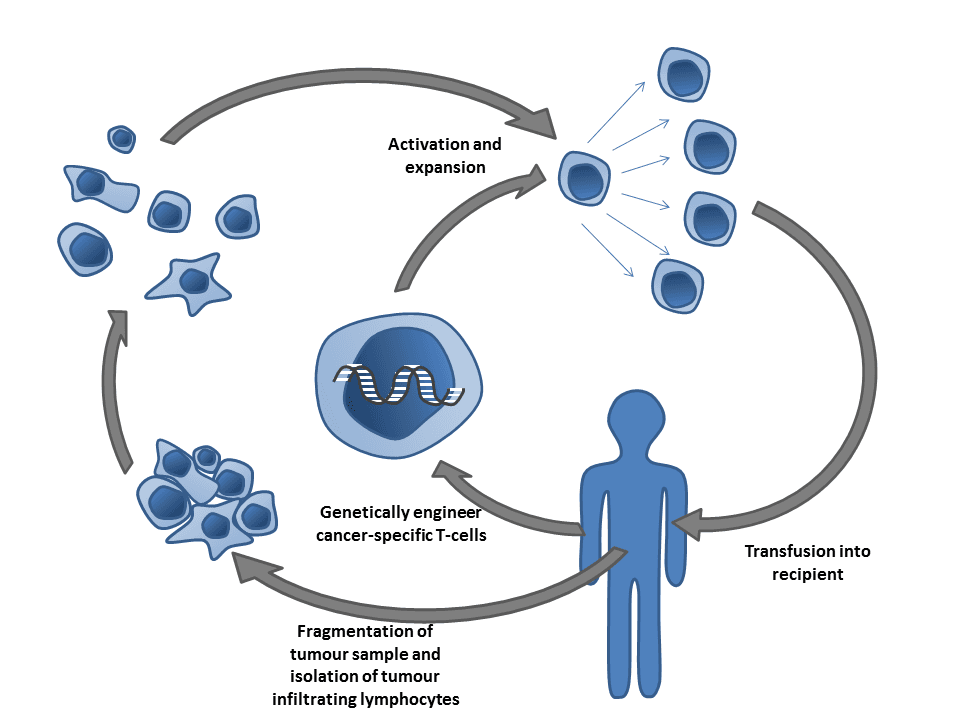
Cell and gene therapies represent a seismic shift in healthcare. They promise to cure the incurable, restoring sight to the blind and erasing cancer from the blood. But this frontier is wild. It comes with biological price tags, potential genetic misfires, and a regulatory landscape that is still being mapped.
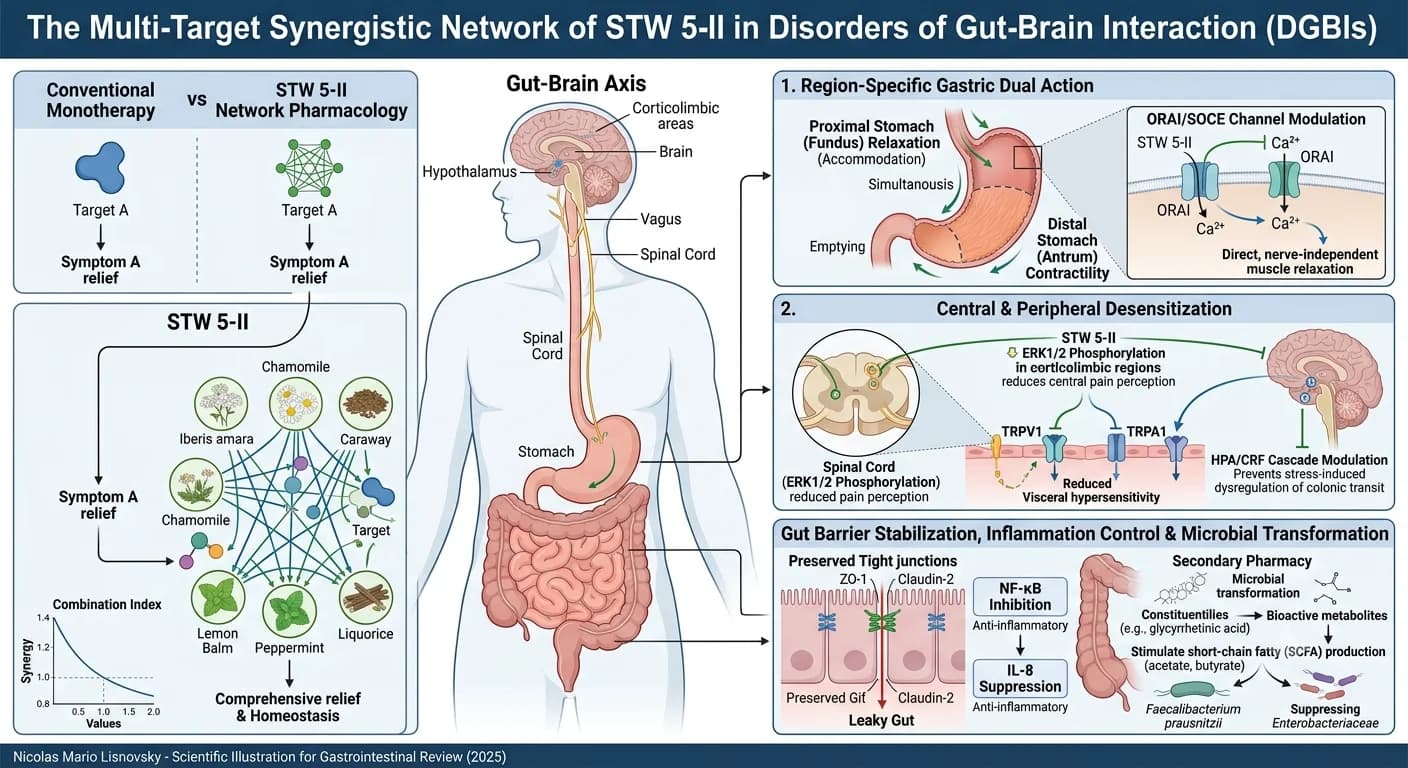
Disorders of Gut–Brain Interaction (DGBIs), such as Functional Dyspepsia (FD) and Irritable Bowel Syndrome (IBS), present a formidable clinical impasse due to their profoundly heterogeneous and multifactorial nature.
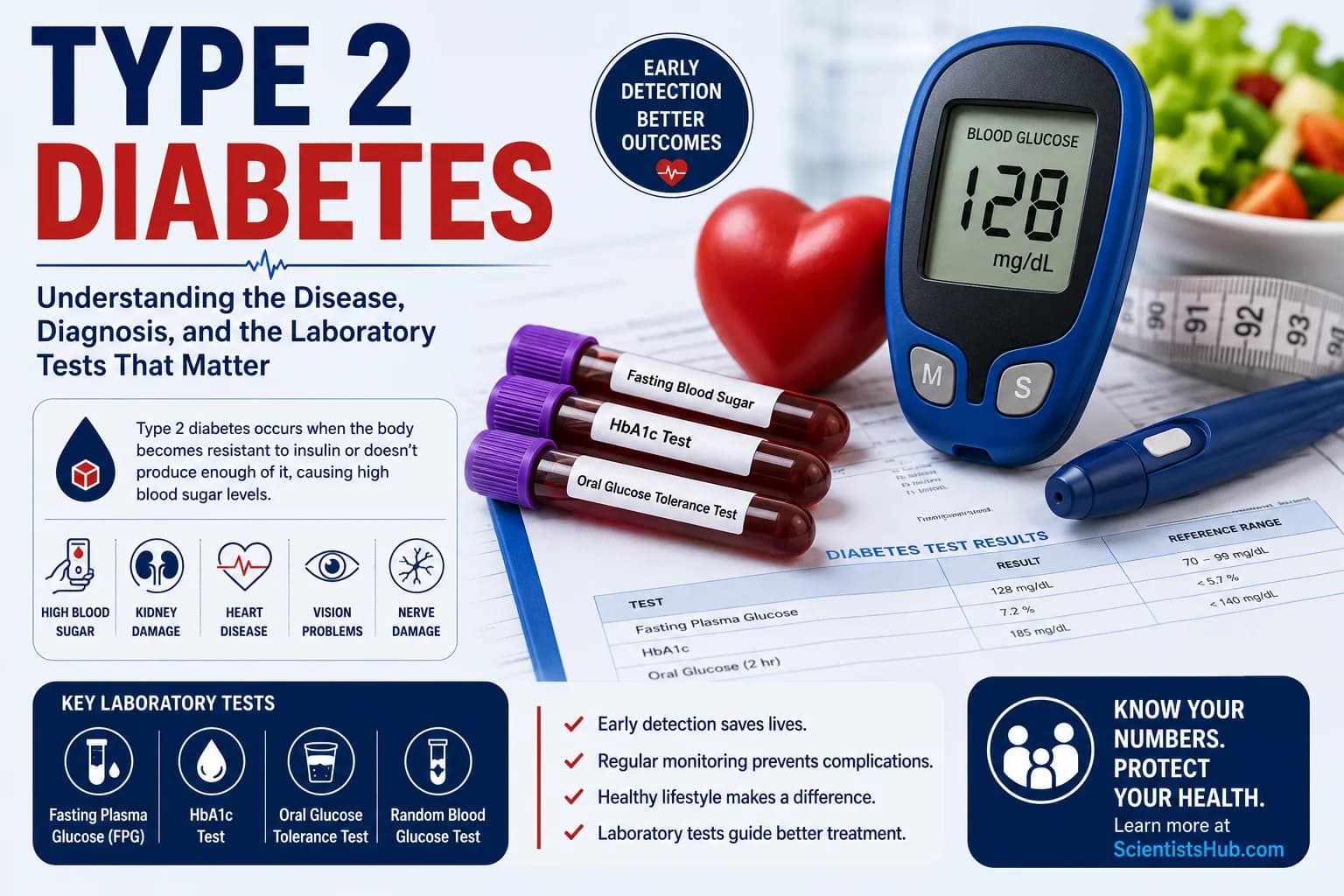
Let's talk about Type 2 diabetes, its symptoms, risk factors, diagnosis, and the laboratory tests, including HbA1c and blood glucose, that help detect and monitor the condition.
