Discover Scientific Knowledge

Showing results for: "model organism" (84 results)

Organoid-Based Toxicity Testing as a Replacement for Animal Models
Health & Medicine

Organoid-Based Toxicity Testing as a Replacement for Animal Models

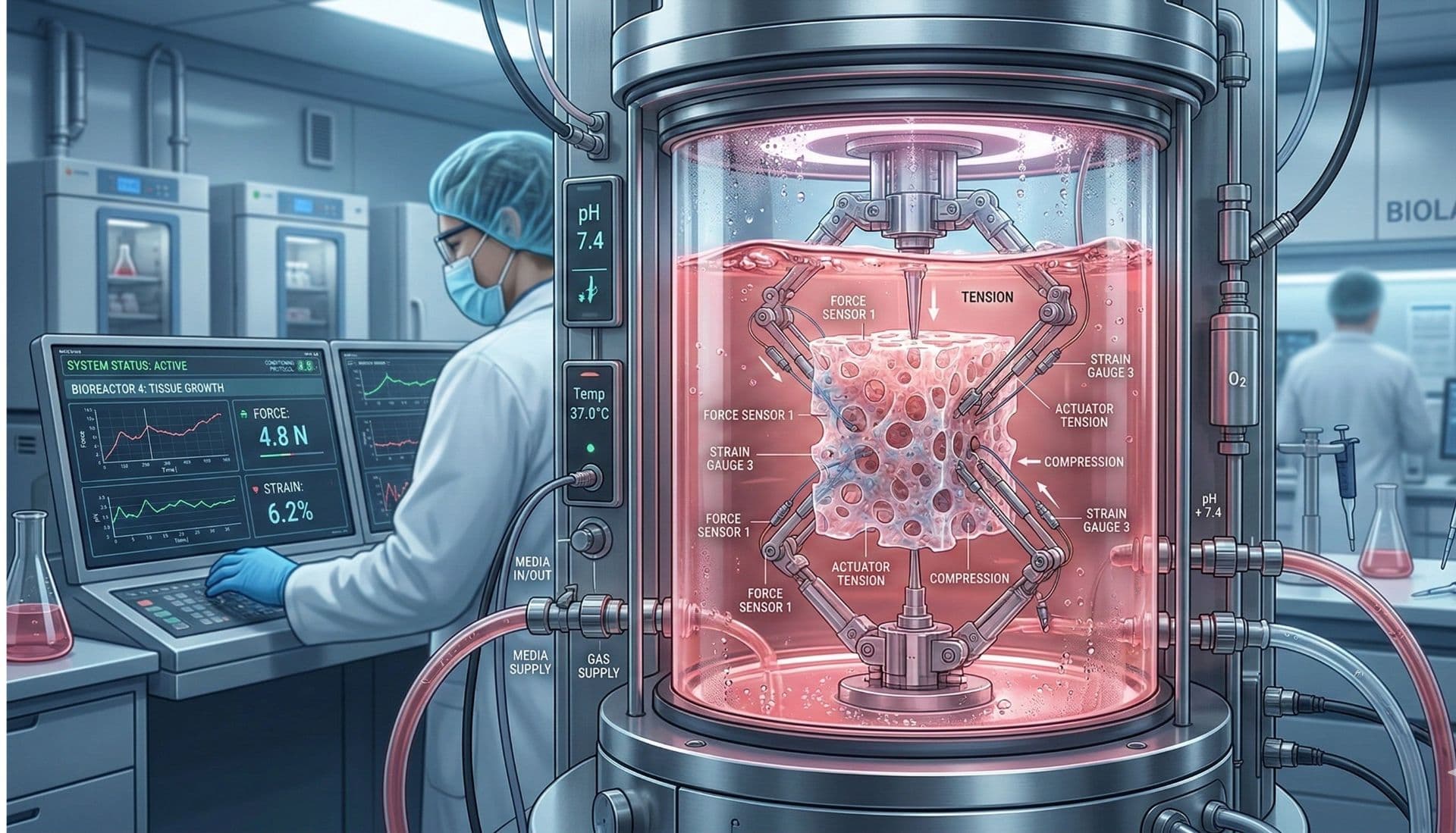
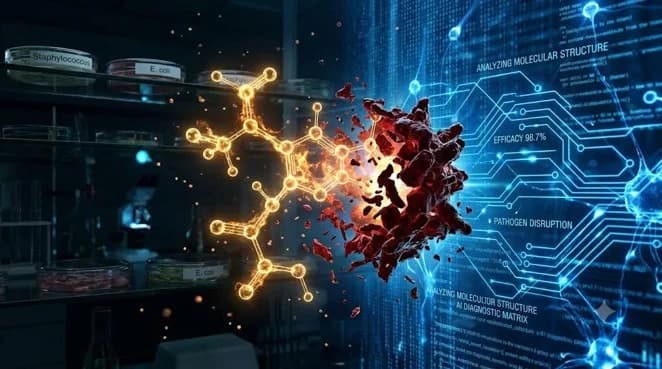
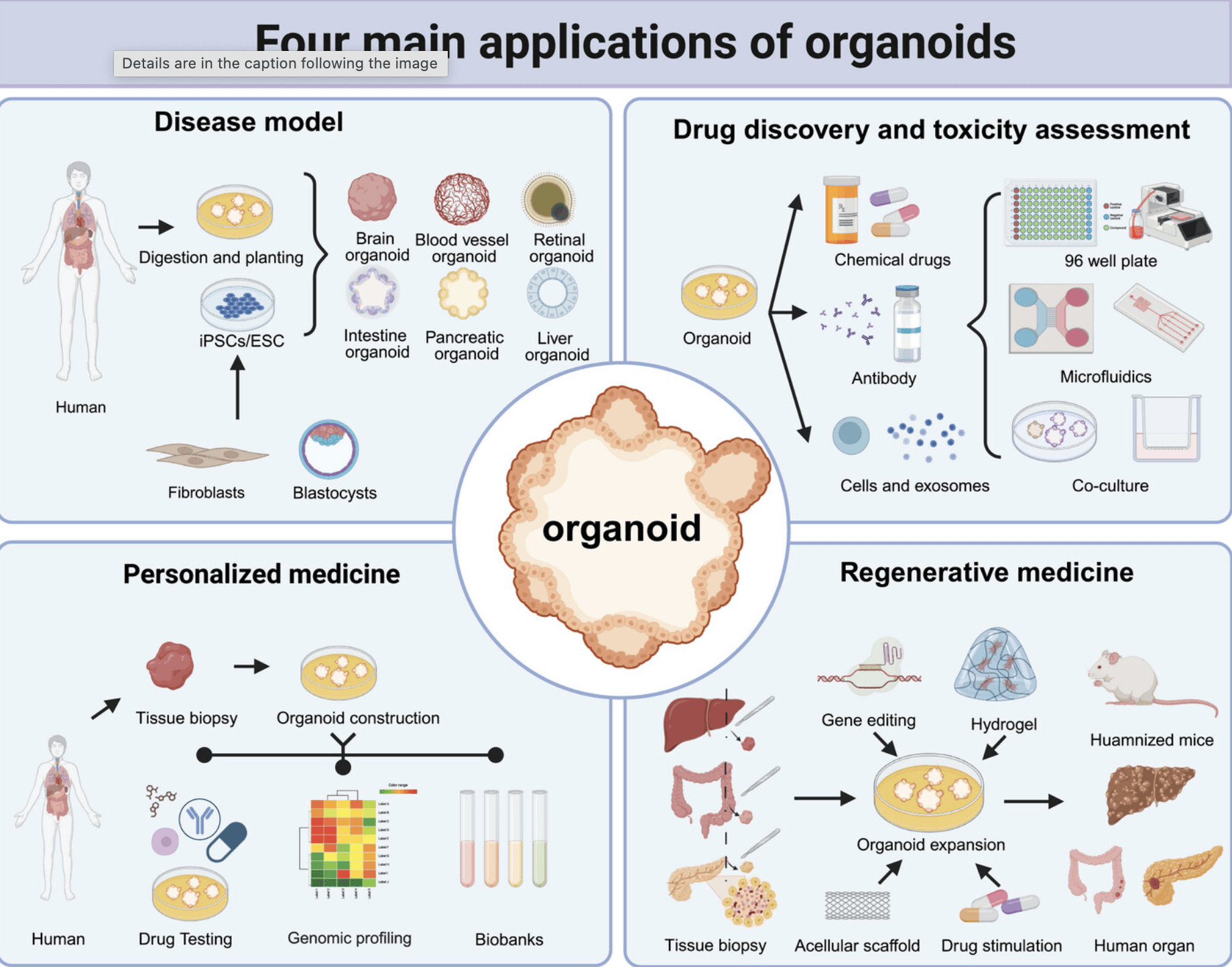
Animal models have traditionally served as the cornerstone of drug safety evaluation; however, major translational challenges persist due to interspecies differences in physiology, metabolism, and genetic regulation. Many compounds demonstrating favorable toxicity profiles in animals later fail during human trials or are withdrawn post-marketing due to unforeseen adverse effects, especially hepatotoxicity and cardiotoxicity (Lee et al., 2025).
Why a Tiny Fruit Fly Helps Us Understand Human Health
Health & Medicine

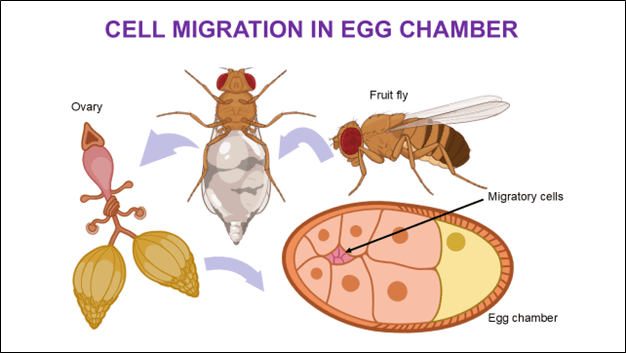
Why a Tiny Fruit Fly Helps Us Understand Human Health

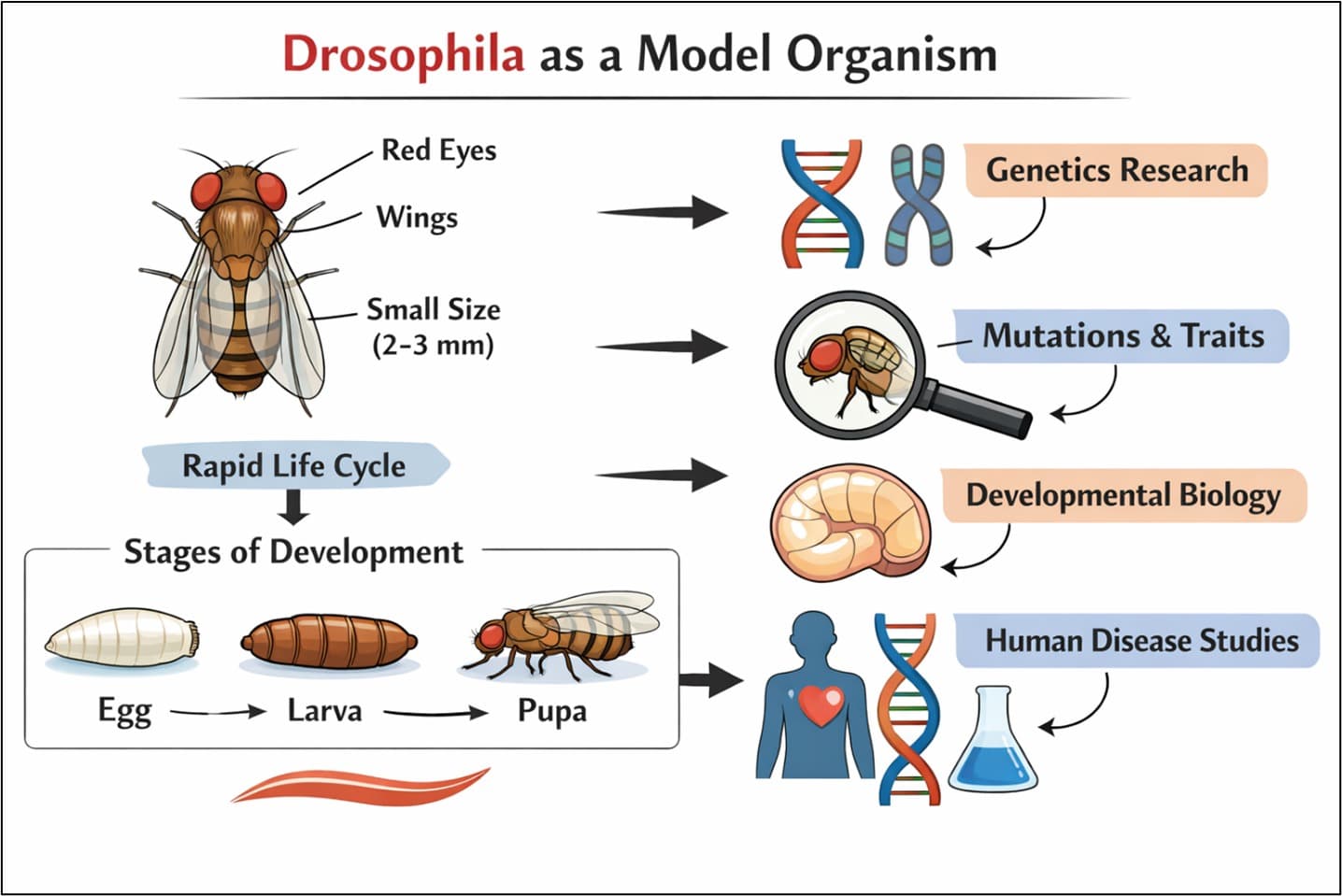
Small fruit fly is an excellent model organism used by scientists to study various aspect of human health and diseases such as development, regeneration, wound healing, cancer and stem cell research

Integrating Cultural Practices with Environmental Regulation: A Framework for Reducing Air and Ecosystem Pollution
Earth & Climate

Integrating Cultural Practices with Environmental Regulation: A Framework for Reducing Air and Ecosystem Pollution

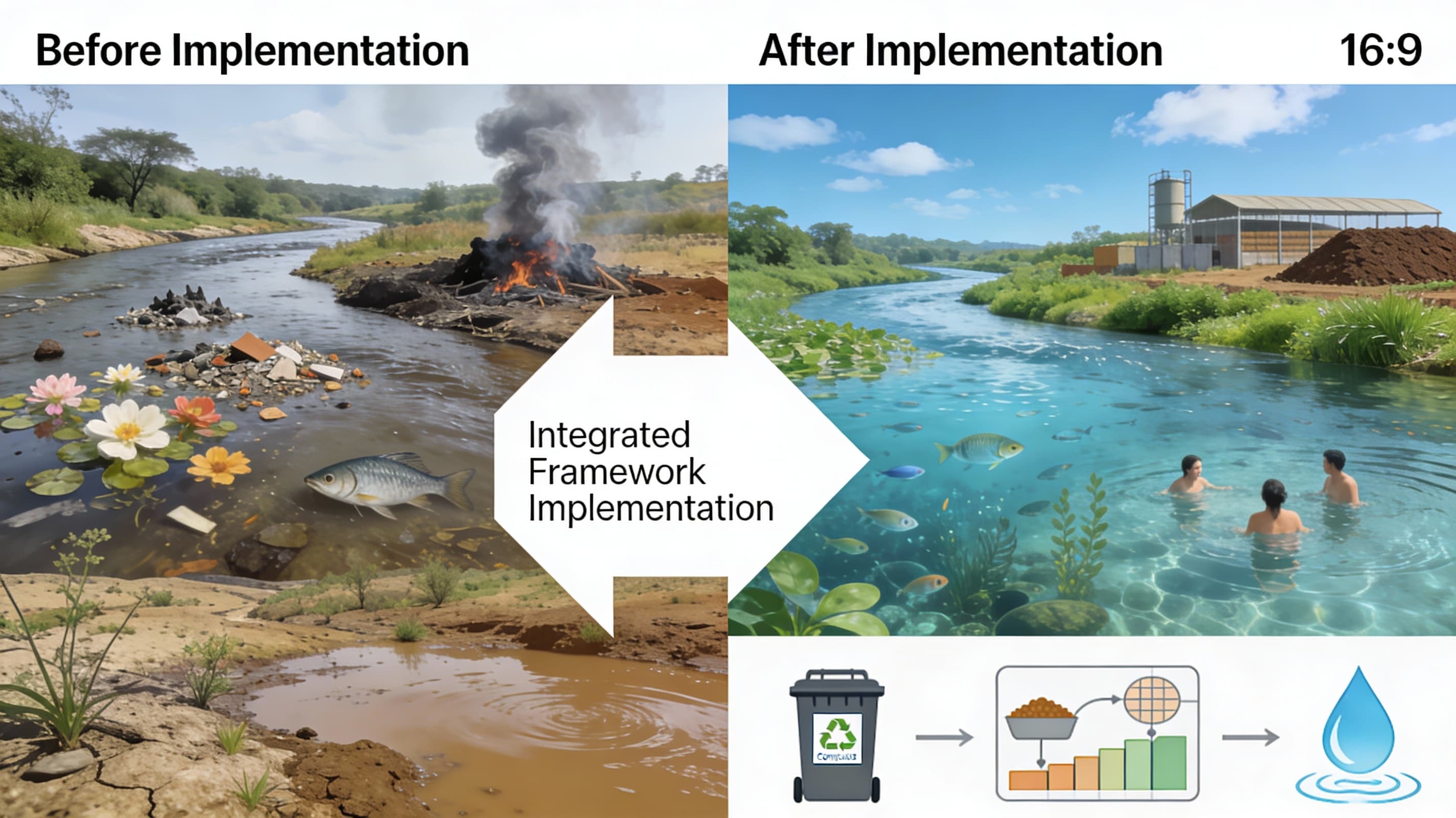
Environmental pollution in densely populated regions remains a persistent challenge, particularly where cultural, religious, and social practices intersect with fragile ecosystems. While industrial emissions and vehicular pollution have received substantial scholarly attention, the environmental impact of everyday ritual and community practices

From Cells to Mini-Brains: A New Era for Understanding Parkinson’s Disease
Health & Medicine

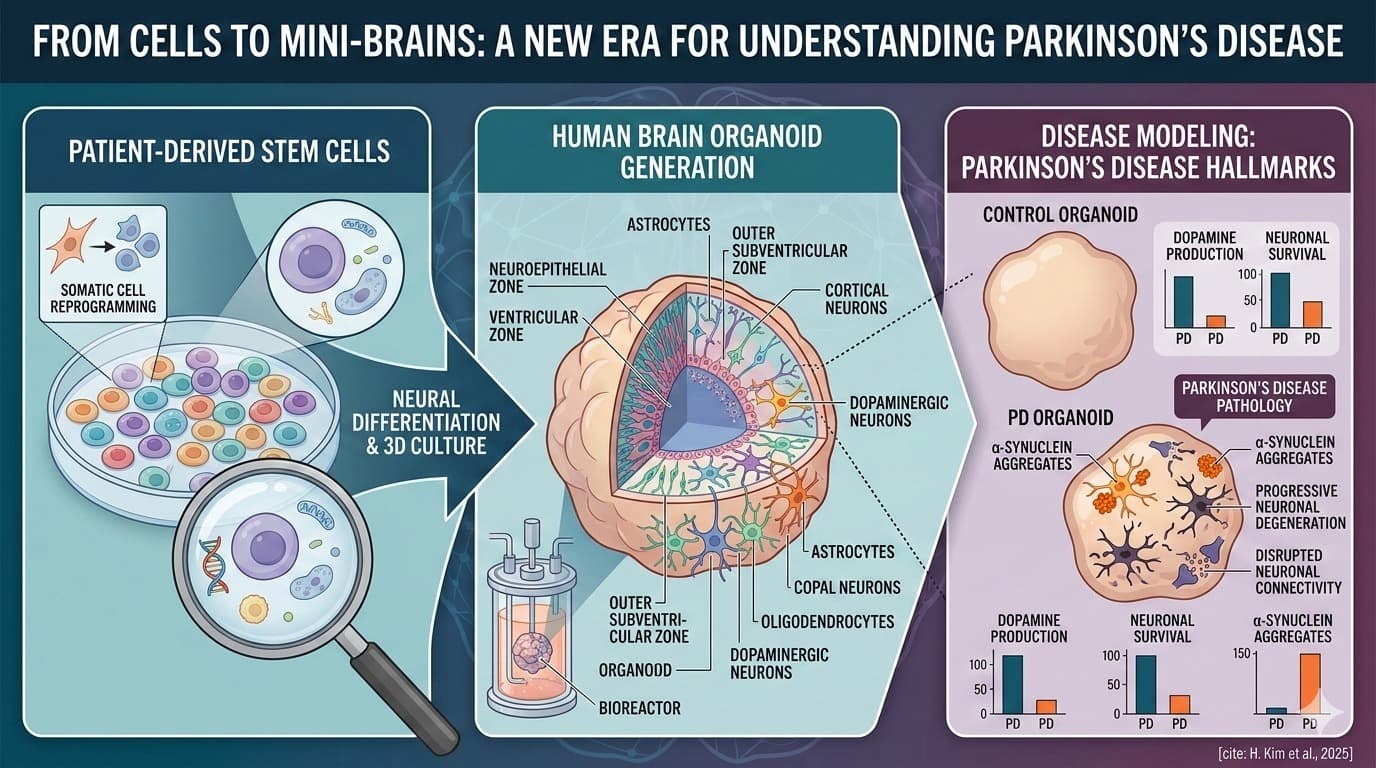
From Cells to Mini-Brains: A New Era for Understanding Parkinson’s Disease

Understanding the human brain remains one of the greatest challenges in modern science. With billions of neurons forming intricate networks and constantly changing connections, the brain’s complexity makes it extremely difficult to study directly.

The Power of Hybrid Yeasts: Evolution, Competition, and Fermentation
Health & Medicine

The Power of Hybrid Yeasts: Evolution, Competition, and Fermentation

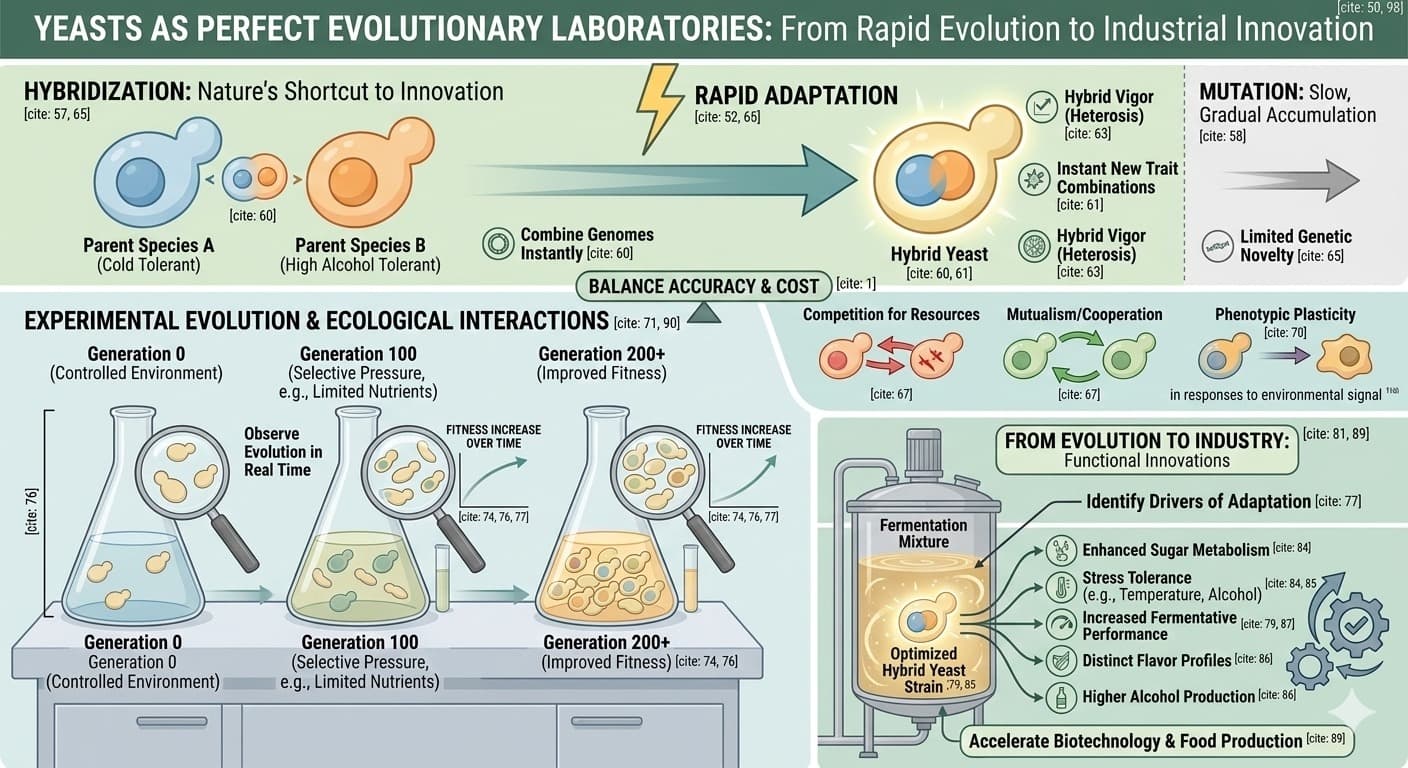
Evolution is often imagined as a process that unfolds over millions of years. However, in microorganisms such as yeasts, evolutionary changes can occur much more rapidly. Yeasts reproduce quickly, populations grow to large sizes, and genetic variations can spread through generations in a short time.

Cancer, Cooperation, and Survival: Rethinking Disease Through Evolution
Health & Medicine

Cancer, Cooperation, and Survival: Rethinking Disease Through Evolution

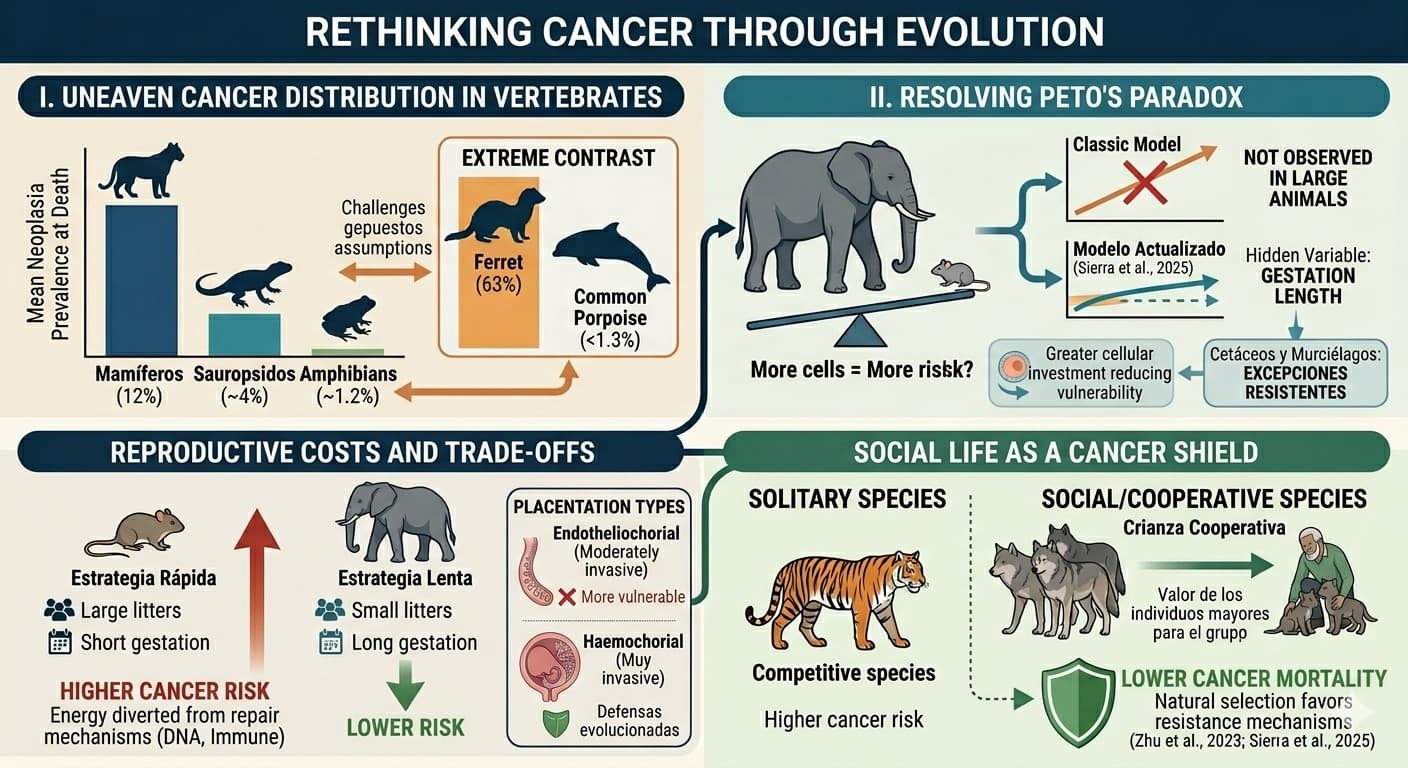
In this study, I explore how cancer risk is distributed across the animal kingdom, emphasizing the role of life-history traits, reproductive strategies, and social behavior in shaping susceptibility to disease. Drawing on recent findings in comparative oncology, the article examines patterns that challenge traditional assumptions, such as the relationship between body size and cancer, and highlights evolutionary mechanisms that may confer resistance in certain species.

Page 1 of 5Next →