
Abstract
Aerospace engineering in the twenty-first century is undergoing rapid transformation through advances in computational methods, artificial intelligence (AI), advanced materials, autonomous systems, and sustainable propulsion technologies. Modern aerospace development has shifted from traditional experimental approaches toward intelligent, data-driven, and reusable systems capable of operating in both atmospheric and space environments.
Technologies such as computational fluid dynamics (CFD), digital twins, machine learning optimization, additive manufacturing, electric propulsion, hypersonic systems, and reusable launch vehicles are redefining aerospace design and operations. These innovations enable improved performance prediction, reduced development time, enhanced reliability, and more sustainable aerospace transportation.
This article reviews major advancements shaping modern aerospace engineering, including computational design, AI-driven optimization, digital engineering, next-generation propulsion, advanced materials, and future space exploration technologies.
1. Introduction: The Transformation of Aerospace Engineering
Aerospace engineering has evolved from conventional aircraft and rocket development into a multidisciplinary field combining aerodynamics, propulsion, materials science, computational modelling, artificial intelligence, and space systems. Modern aerospace vehicles must achieve high performance while maintaining safety, reliability, sustainability, and economic efficiency.
During the twentieth century, aerospace development depended mainly on wind tunnel experiments, prototype testing, and physical demonstrations. Although experimental testing remains essential, modern aerospace engineering increasingly relies on computational simulation and data-driven methods. Advanced modelling techniques allow engineers to evaluate aerodynamic behaviour, structural performance, thermal effects, and propulsion characteristics before manufacturing physical prototypes [1].
The increasing demand for efficient aviation and ambitious space exploration has introduced new engineering challenges. Aircraft manufacturers are working toward reducing carbon emissions, while spacecraft designers must develop vehicles capable of operating under extreme conditions such as vacuum environments, radiation exposure, and atmospheric re-entry heating.
Artificial intelligence has become one of the most important technologies influencing aerospace development. Machine learning algorithms are being applied in aerodynamic optimization, predictive maintenance, autonomous flight control, and spacecraft operations. These approaches allow engineers to process large amounts of data and improve design efficiency [2].
Sustainability has also become a major research priority. Aerospace industries are investigating sustainable aviation fuels, hydrogen propulsion, electric aircraft, and reusable launch systems to reduce environmental impact and improve access to air and space transportation [3]. The future of aerospace engineering will depend on the integration of computational intelligence, advanced materials, autonomous systems, and sustainable technologies.
2. Computational Aerospace Engineering and Advanced Aerodynamics
Computational aerospace engineering has become a fundamental tool for modern aircraft and spacecraft development. Traditional experimental methods require significant time, cost, and infrastructure, whereas computational approaches allow engineers to analyse multiple designs rapidly through numerical simulations.
Computational fluid dynamics (CFD) is one of the most important technologies used in aerospace design. CFD solves fluid-flow equations to predict aerodynamic characteristics including pressure distribution, lift, drag, turbulence, and heat transfer. Modern aerospace vehicles operate under highly complex aerodynamic conditions. Commercial aircraft experience transonic flow effects such as shock waves and boundary-layer interactions, while hypersonic vehicles encounter extreme heating and high-temperature gas behaviour.
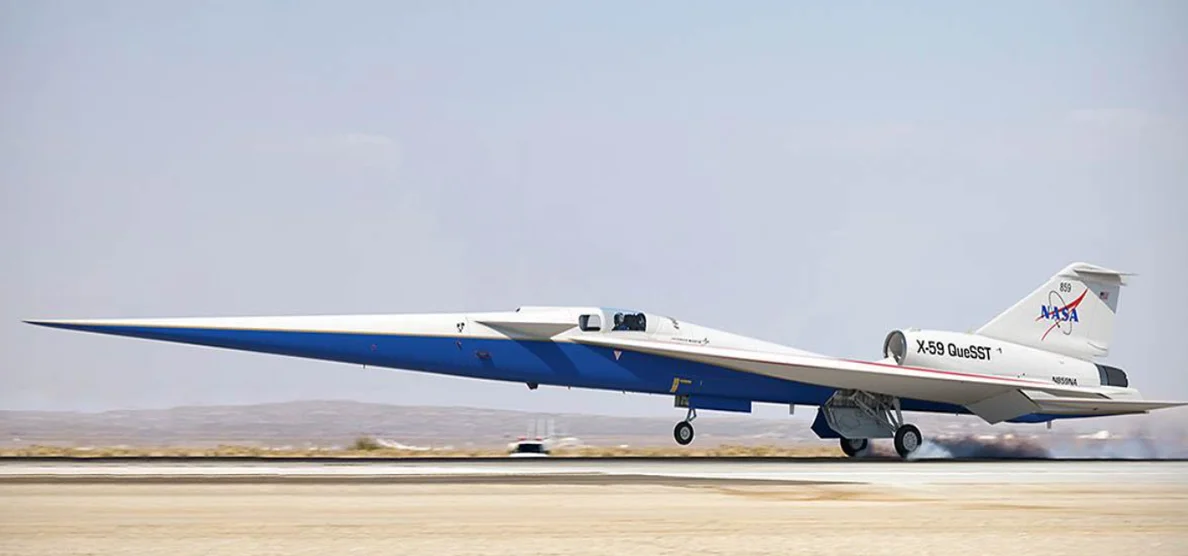
Advanced CFD techniques, including Reynolds-Averaged Navier–Stokes (RANS), Large Eddy Simulation (LES), and hybrid turbulence models, have improved aerodynamic prediction accuracy [4]. These methods allow engineers to study complex flow phenomena that are difficult to reproduce through experiments. High-performance computing has further accelerated CFD capabilities by enabling large-scale simulations with improved accuracy. Supercomputers are now used to analyse aircraft configurations, rocket engines, and spacecraft re-entry environments, reducing the dependence on costly physical testing. Computational methods have therefore become essential for developing efficient aircraft, optimizing propulsion systems, and designing future aerospace vehicles.
2.1 Multiphysics Simulation and Digital Engineering
Modern aerospace systems require analysis of multiple interacting physical processes. Aircraft and spacecraft performance depends not only on airflow but also on structural behaviour, thermal effects, and propulsion characteristics. Multiphysics simulation combines different engineering models to study these interactions. For example, hypersonic vehicles require simultaneous analysis of aerodynamic heating, structural response, and thermal protection systems. Similarly, aircraft engines require integrated modelling of combustion, fluid flow, heat transfer, and material behaviour.
Fluid–structure interaction (FSI) is increasingly important in aerospace design. Lightweight composite wings deform under aerodynamic loads, and these deformations can influence airflow patterns. FSI simulations help engineers develop structures with improved strength-to-weight ratios while maintaining aerodynamic efficiency.
Reusable spacecraft require advanced thermal analysis because they experience severe heating during atmospheric re-entry. Computational methods help predict heat distribution and support the development of improved thermal protection systems [5]. The combination of simulation, high-performance computing, and digital engineering has significantly reduced aerospace development time and improved system reliability.
2.2 Artificial Intelligence in Aerospace Optimization
Artificial intelligence has introduced new approaches for solving complex aerospace design problems. Conventional optimization methods often require thousands of simulations, making them computationally expensive.
Machine learning models can identify relationships between design variables and performance outcomes using large datasets generated from simulations and experiments. These AI-based models can rapidly estimate aerodynamic performance and reduce the number of required CFD simulations [2].
Important aerospace AI applications include:
Aerodynamic shape optimization
Drag reduction
Lightweight structural design
Propulsion optimization
Flight trajectory planning
Generative design algorithms are also being explored to create efficient aerospace structures. These systems can produce optimized designs while considering strength, weight, and manufacturing limitations. AI-based aerodynamic prediction models can support faster decision-making during aircraft development. However, aerospace AI systems require strict validation because aviation and space missions demand extremely high levels of reliability. AI-generated solutions must undergo extensive simulation, testing, and certification before practical implementation.
Table 1. Major AI applications in aerospace engineering
AI application | Engineering objective |
Aerodynamic optimization | Reduce drag and improve lift-to-drag ratio |
Structural optimization | Reduce weight while maintaining strength |
Predictive maintenance | Detect failures before component damage |
Autonomous flight control | Improve navigation and operational safety |
Mission planning | Optimize flight trajectories and fuel efficiency |
2.3 Digital Twins for Aerospace Systems
Digital twin technology is one of the most significant developments in modern aerospace engineering. A digital twin is a continuously updated virtual model of a physical aircraft, spacecraft, or propulsion system that combines sensor data, simulations, and artificial intelligence.
Unlike traditional simulations used mainly during design stages, digital twins operate throughout the entire lifecycle of aerospace systems. They monitor parameters such as temperature, vibration, pressure, and structural loads. In aircraft operations, digital twins support predictive maintenance by identifying potential failures before they occur. This improves safety, reduces maintenance costs, and increases aircraft availability [6].
Digital twins are especially valuable for reusable spacecraft because repeated launch and re-entry cycles create thermal and mechanical stresses. Virtual models can analyse vehicle performance after each mission and improve future designs. The integration of digital twins with AI and advanced simulation is expected to create intelligent aerospace systems capable of self-monitoring and improved operational efficiency [7].
3. Next-Generation Propulsion Technologies
Propulsion technology remains one of the most important areas of aerospace engineering because it determines aircraft efficiency, spacecraft capability, range, and mission duration. Future propulsion systems must provide improved performance while reducing environmental impact and enabling advanced missions such as hypersonic transportation and deep-space exploration. Modern propulsion research focuses on two major areas: sustainable propulsion for atmospheric aviation and high-efficiency propulsion for space missions.
3.1 Sustainable Aircraft Propulsion
The aviation sector faces increasing pressure to reduce greenhouse gas emissions while maintaining global air transportation. Conventional aircraft engines depend mainly on fossil fuels, creating challenges for achieving long-term sustainability.
Sustainable aviation fuels (SAFs) are considered an important near-term solution because they can reduce lifecycle carbon emissions while remaining compatible with existing aircraft technologies. SAFs can be produced from biomass, waste materials, and synthetic fuel pathways [8].
Hydrogen propulsion is another promising technology for future aviation. Hydrogen provides high energy content by mass and produces water vapour as the primary combustion product. However, practical implementation requires solutions for cryogenic storage, lightweight fuel tanks, airport infrastructure, and combustion management.
Hybrid-electric propulsion systems combine conventional engines with electric motors to improve efficiency during different flight phases. These systems have potential applications in regional aircraft and urban air mobility platforms. However, large commercial aircraft remain limited by current battery energy density. Future advances in batteries, hydrogen fuel cells, superconducting systems, and lightweight electrical components will determine the development of electric aviation.
3.2 Hypersonic Propulsion and High-Speed Flight
Hypersonic flight, generally defined as speeds above Mach 5, represents one of the most challenging areas of aerospace engineering. Hypersonic vehicles have potential applications in advanced transportation, defence systems, and future space-access technologies. Scramjet engines are among the most promising hypersonic propulsion concepts. Unlike rocket engines, scramjets use atmospheric oxygen during flight, allowing improved efficiency for high-speed atmospheric travel. However, maintaining stable combustion at extremely high airflow speeds remains a major engineering challenge. Hypersonic vehicles experience severe aerodynamic heating, shock-wave interactions, and material degradation.
Key challenges include:
Extreme thermal loads
High-temperature material performance
Combustion stability
Aerodynamic control
Thermal protection requirements
Advanced ceramic materials, thermal barrier coatings, and active cooling methods are being developed to withstand these conditions [9]. Hypersonic propulsion research also contributes to future reusable aerospace transportation systems by improving high-speed atmospheric flight capabilities.
3.3 Electric Propulsion for Space Exploration
Traditional chemical rockets provide extremely high thrust but have limited fuel efficiency. For long-duration space missions, electric propulsion systems provide a more efficient alternative by producing high exhaust velocities with lower propellant consumption.
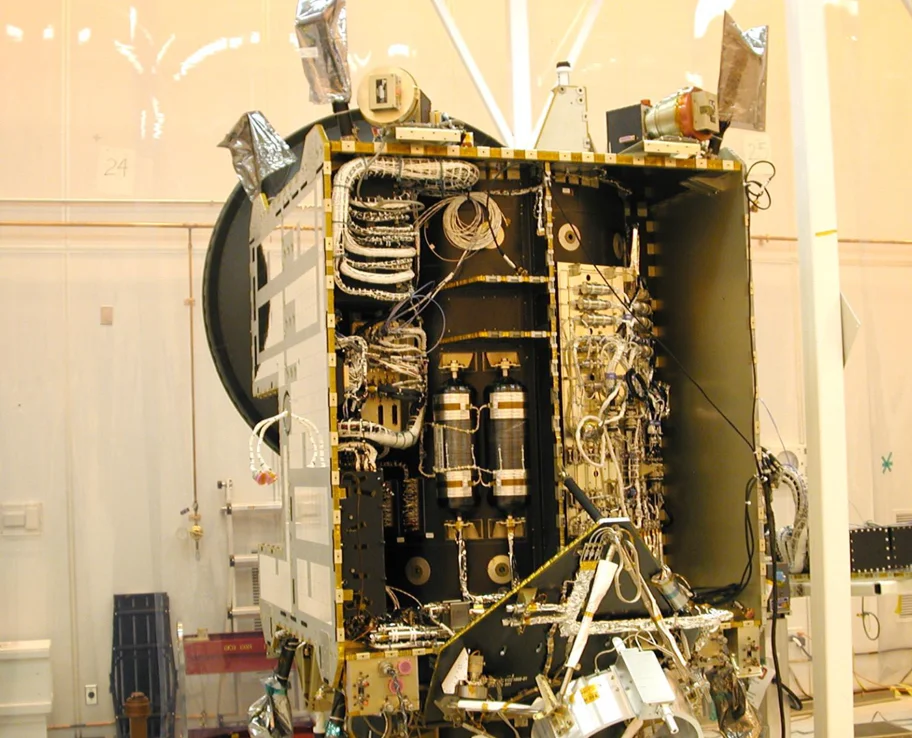
Ion thrusters and Hall-effect thrusters are two major electric propulsion technologies. These systems accelerate charged particles using electric and magnetic fields, allowing spacecraft to operate for extended periods. NASA’s Dawn mission successfully demonstrated ion propulsion by exploring asteroid Vesta and the dwarf planet Ceres. The mission proved that electric propulsion can support fuel-efficient deep-space exploration [10].
Electric propulsion systems are especially useful for:
Deep-space scientific missions
Satellite station keeping
Space infrastructure
Future cargo transportation
However, their low thrust makes them unsuitable for launching spacecraft from Earth. Future missions will likely combine chemical rockets for launch with electric propulsion for efficient interplanetary travel.
3.4 Nuclear Propulsion for Deep-Space Exploration
Human missions to Mars require propulsion technologies capable of reducing travel time and improving mission efficiency. Nuclear propulsion is considered one of the most promising solutions for future deep-space exploration. Nuclear thermal propulsion (NTP) uses a nuclear reactor to heat hydrogen propellant to extremely high temperatures, producing thrust with greater efficiency than conventional chemical rockets.
Potential advantages include:
Higher specific impulse
Reduced travel duration
Increased payload capability
Improved mission flexibility
Shorter travel times are particularly important for crewed Mars missions because astronauts face risks from radiation exposure and microgravity during long journeys. Nuclear electric propulsion is another concept where nuclear reactors provide power for high-efficiency electric propulsion systems. Despite its potential, nuclear propulsion faces challenges involving reactor safety, radiation shielding, material durability, and regulatory approval [11].
Table 2. Comparison of major aerospace propulsion technologies
Propulsion system | Specific impulse | Primary application |
Chemical propulsion | Low–moderate | Launch vehicles and atmospheric flight |
Electric propulsion | High | Deep-space missions and satellite operations |
Scramjet propulsion | High-speed atmospheric flight | Hypersonic transportation |
Nuclear thermal propulsion | Very high | Future crewed Mars missions |
4. Advanced Materials and Aerospace Structures
Advanced materials have transformed aerospace engineering by enabling lighter, stronger, and more durable aircraft and spacecraft structures. Reducing structural weight improves fuel efficiency, payload capacity, and mission performance. Modern aerospace vehicles increasingly use carbon fibre composites, titanium alloys, ceramic matrix composites, and advanced lightweight materials.
4.1 Composite Materials in Aerospace
Composite materials have become essential in modern aircraft manufacturing because they provide high strength with reduced weight. Carbon fibre reinforced polymers (CFRPs) offer excellent stiffness, fatigue resistance, and corrosion protection.
Table 3. Comparison of aerospace structural materials
Material | Density | Typical aerospace application |
Aluminium alloys | Low | Aircraft fuselage and wing structures |
Titanium alloys | Medium | Engine components and high-temperature structures |
CFRP composites | Very low | Primary aircraft structures and control surfaces |
Ceramic matrix composites | Low | Hypersonic vehicles and turbine components |
Nickel-based superalloys | High | Rocket engines and gas turbines |
Aircraft such as the Boeing 787 Dreamliner and Airbus A350 use extensive composite structures to improve efficiency.
Major advantages include:
Reduced aircraft weight
Improved fuel efficiency
High corrosion resistance
Enhanced fatigue performance
However, composites create challenges in inspection and repair because internal damage such as delamination may not always be visible. Advanced monitoring techniques are therefore required to maintain structural safety.
4.2 Additive Manufacturing in Aerospace
Additive manufacturing, commonly known as 3D printing, has introduced new possibilities for aerospace component production. Unlike conventional manufacturing methods, additive manufacturing creates components layer by layer, allowing complex geometries and optimized designs.
Applications include:
Rocket engine components
Lightweight structures
Turbine parts
Heat exchangers
Spacecraft components
A major advantage is topology optimization, where computational methods identify areas where material can be removed without affecting strength.
Table 4. Aerospace manufacturing methods and engineering advantages
Manufacturing method | Major aerospace application | Engineering advantage |
Conventional machining | Precision structural components | High dimensional accuracy |
Investment casting | Turbine blades | Complex metallic geometries |
Composite lay-up | Aircraft wings and fuselage panels | Lightweight structural performance |
Additive manufacturing | Rocket engines and spacecraft components | Topology optimization and part integration |
Automated fibre placement | Large composite aerospace structures | High manufacturing efficiency |
Rocket engine development has particularly benefited from additive manufacturing because complex cooling channels and integrated components can be produced more efficiently. However, aerospace certification remains a challenge because printed components require extensive testing for reliability, consistency, and long-term performance.
5. Artificial Intelligence and Autonomous Aerospace Systems
Artificial intelligence is becoming a critical technology for autonomous aerospace operations. Modern aircraft and spacecraft generate enormous amounts of data, allowing AI systems to support flight control, navigation, maintenance, and mission planning.
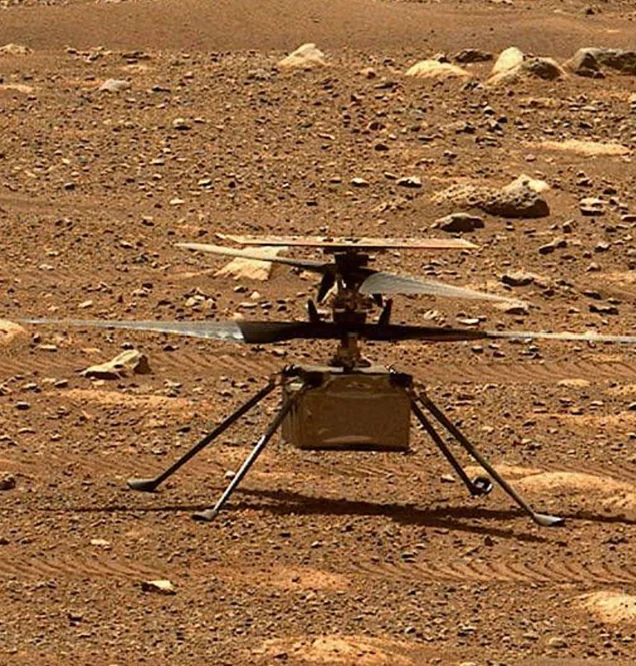
Autonomous aircraft technologies are being developed for applications including unmanned aerial vehicles, automated landing systems, collision avoidance, and advanced flight assistance. In space exploration, AI is essential because communication delays prevent continuous human control of distant spacecraft. Autonomous navigation, terrain analysis, scientific data processing, and fault detection allow spacecraft and planetary rovers to operate independently. The combination of AI with digital twins enables aerospace systems to monitor their condition, predict failures, and optimize performance throughout their operational life.
6. Sustainable Aviation and Future Aerospace Transportation
The future of aerospace engineering requires balancing technological progress with environmental responsibility. Researchers are exploring sustainable aviation fuels, hydrogen propulsion, electric aircraft, and improved aerodynamic designs.
Advanced aircraft concepts such as blended-wing-body configurations, adaptive wings, and distributed electric propulsion aim to reduce drag and improve efficiency. In space transportation, reusable launch vehicles represent a major advancement. Reusable rockets reduce launch costs by allowing major components to return and operate multiple times, improving access to space.
Commercial reusable launch systems have demonstrated that space transportation can become more economical and support future lunar and planetary missions.
7. Future Space Exploration and Research Directions
Future aerospace engineering will play a central role in expanding human activities beyond Earth. Sustainable lunar exploration, Mars missions, autonomous spacecraft, and space-based infrastructure represent major research goals.
Future missions require improvements in:
Advanced propulsion systems
Radiation protection
Autonomous operations
Life-support technologies
Space resource utilization
In-Situ Resource Utilization (ISRU) may allow astronauts to use resources available on the Moon and Mars, reducing dependence on Earth-based supplies. Human Mars exploration remains one of the greatest engineering challenges. Successful missions will require integration of propulsion technologies, artificial intelligence, advanced materials, robotics, and life-support systems.
Conclusion
Aerospace engineering in the twenty-first century is being transformed by computational science, artificial intelligence, advanced materials, sustainable propulsion, and autonomous technologies. Innovations such as CFD-based design, digital twins, electric propulsion, hypersonic systems, additive manufacturing, and reusable launch vehicles are redefining the future of flight and space exploration.
However, major challenges remain, including climate impact, extreme operating environments, radiation exposure, and long-duration human spaceflight requirements. Addressing these challenges will require collaboration between engineers, scientists, industries, and international organizations.
The future of aerospace engineering extends beyond faster aircraft and more powerful rockets. It represents humanity’s movement toward intelligent, sustainable, and resilient aerospace systems capable of expanding transportation on Earth and enabling exploration beyond our planet.


Discussion