Discover Scientific Knowledge

Showing results for: "prevalence" (6 results)

Cancer, Cooperation, and Survival: Rethinking Disease Through Evolution
Health & Medicine

Cancer, Cooperation, and Survival: Rethinking Disease Through Evolution

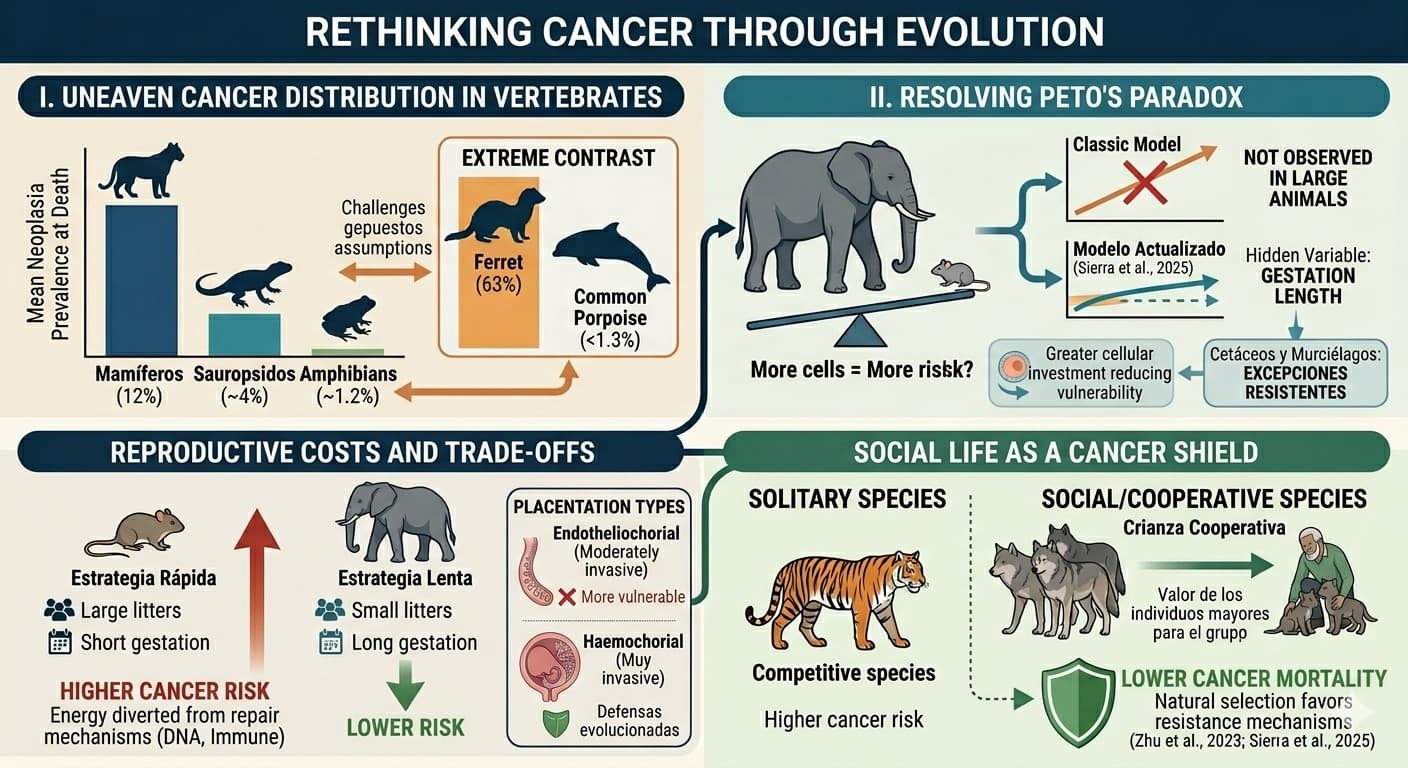
In this study, I explore how cancer risk is distributed across the animal kingdom, emphasizing the role of life-history traits, reproductive strategies, and social behavior in shaping susceptibility to disease. Drawing on recent findings in comparative oncology, the article examines patterns that challenge traditional assumptions, such as the relationship between body size and cancer, and highlights evolutionary mechanisms that may confer resistance in certain species.

Common Misconceptions About Hypertension
Health & Medicine

Common Misconceptions About Hypertension

For many people, it is often assumed to be a “Stress disease”. Others casually refer to it as an “Old man’s disease” based on the myth that it affects only the elderly. These assumptions, however banal, are misleading and potentially lethal.

Debunking the myths surrounding toilet infections
Health & Medicine

Debunking the myths surrounding toilet infections

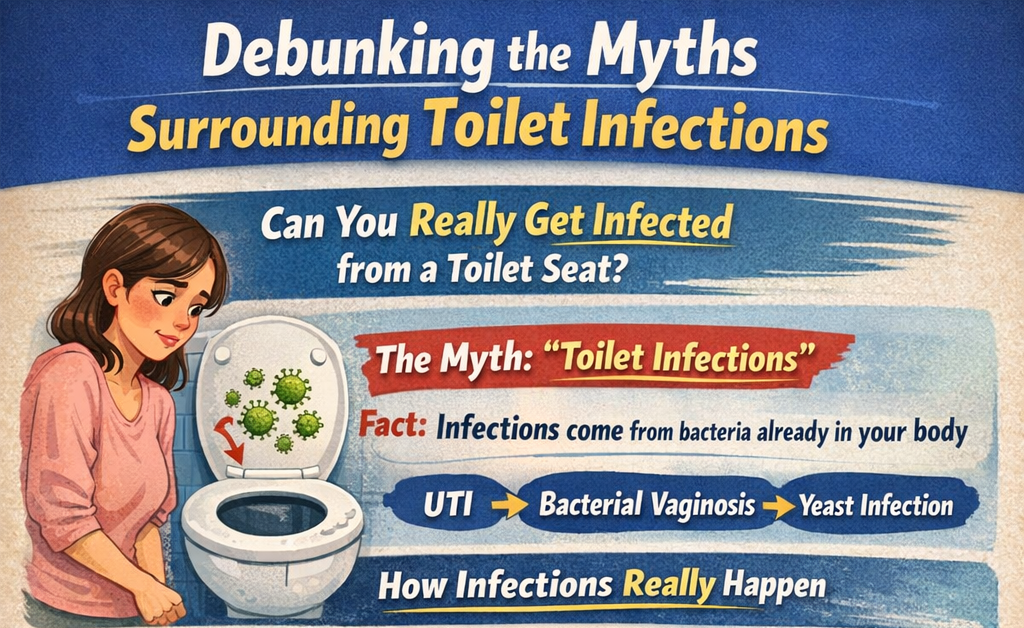
As a pharmacist during clinical clerking, I frequently encounter patients who use the term “toilet infections” to describe symptoms that clinically align with bacterial vaginosis, urinary tract infections, or yeast infections. This widespread misconception often stems from the assumption that symptoms occurring after the use of public toilets must be caused by them.

Fregoli Delusion: Symptoms, Causes, and Treatment Fregoli Syndrome
Health & Medicine

Fregoli Delusion: Symptoms, Causes, and Treatment Fregoli Syndrome

Out of so many mental disorders, a rare disorder is the Fregoli delusion or Fregoli syndrome (FS), in which an individual holds a delusional belief that different people are in fact a single person, who keeps on changing appearances quickly or is in disguise. People affected with this condition often experience anxiety, paranoia, and agitation. It can impact the patient’s mental health and their safety and the safety of others.