Discover Scientific Knowledge

Showing results for: "role stem" (72 results)

Understanding the Role of Stem Cell Therapy for Parkinsons Disease
Health & Medicine

Understanding the Role of Stem Cell Therapy for Parkinsons Disease

Stem cell therapy research is a promising area of interest for a number of scientists working to understand Parkinson’s disease and develop treatments for it. Read below to learn more about the advancements of stem cell therapy for Parkinson’s.
Why a Tiny Fruit Fly Helps Us Understand Human Health
Health & Medicine

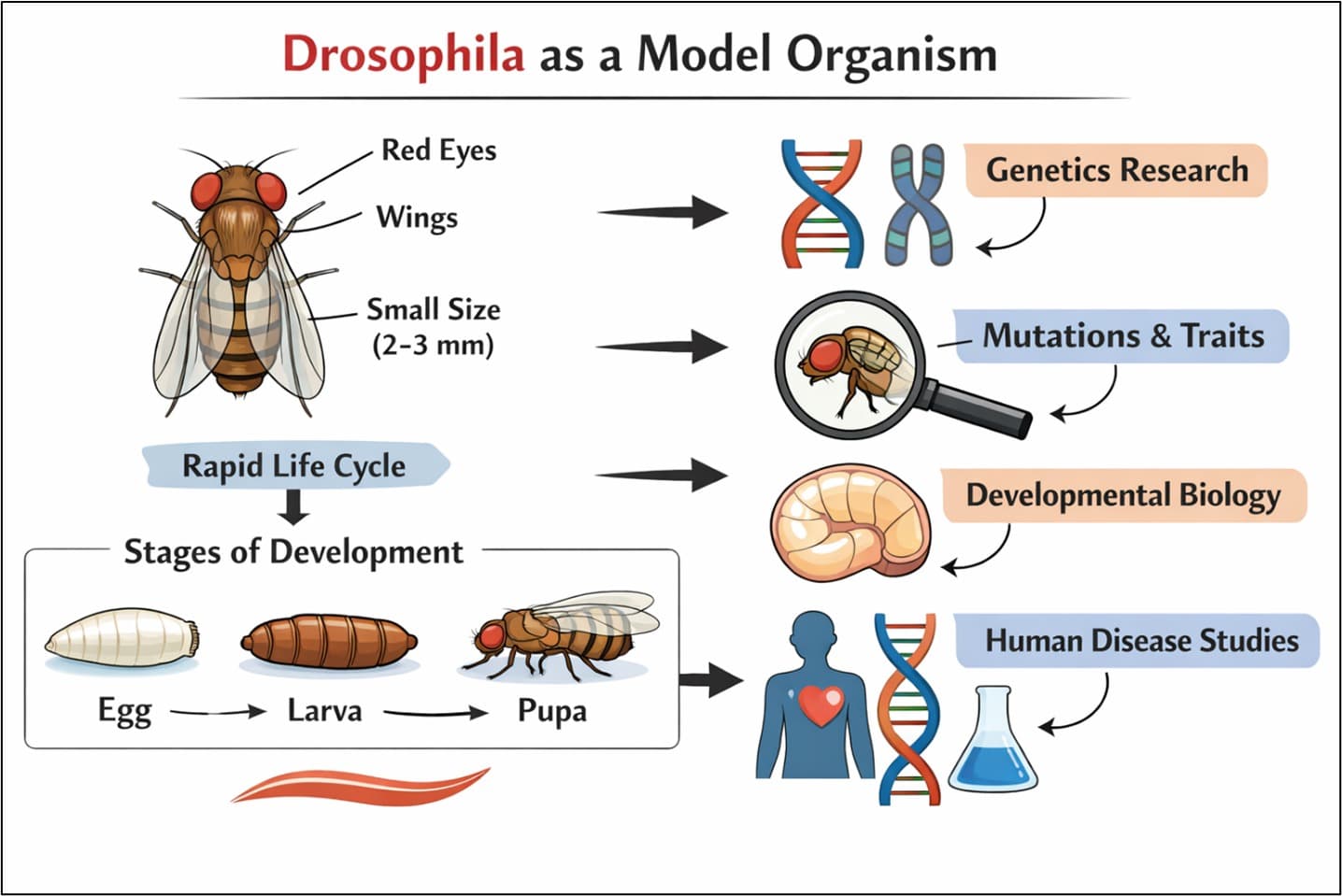
Why a Tiny Fruit Fly Helps Us Understand Human Health

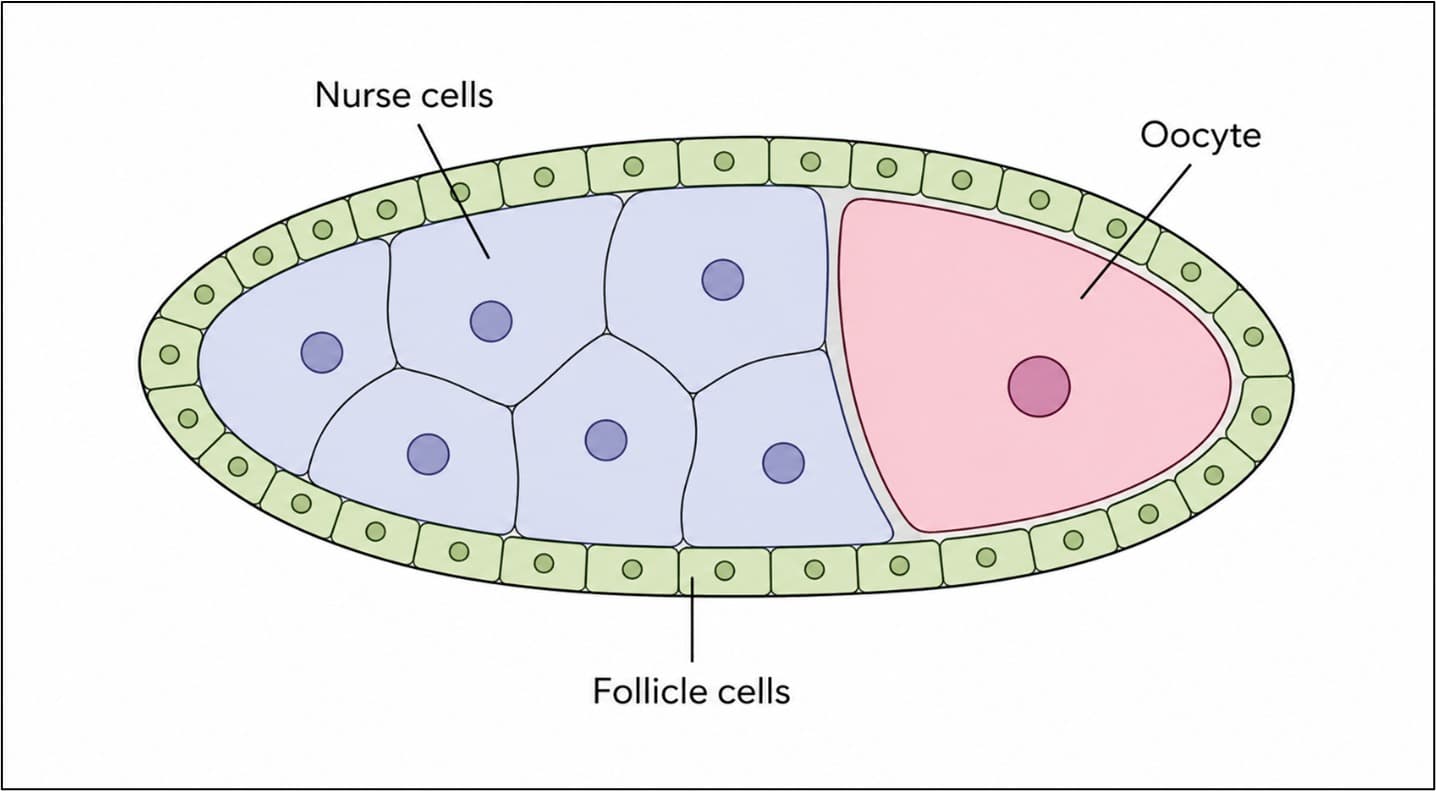
Small fruit fly is an excellent model organism used by scientists to study various aspect of human health and diseases such as development, regeneration, wound healing, cancer and stem cell research

Atherosclerosis and its Role in the Immune System
Health & Medicine

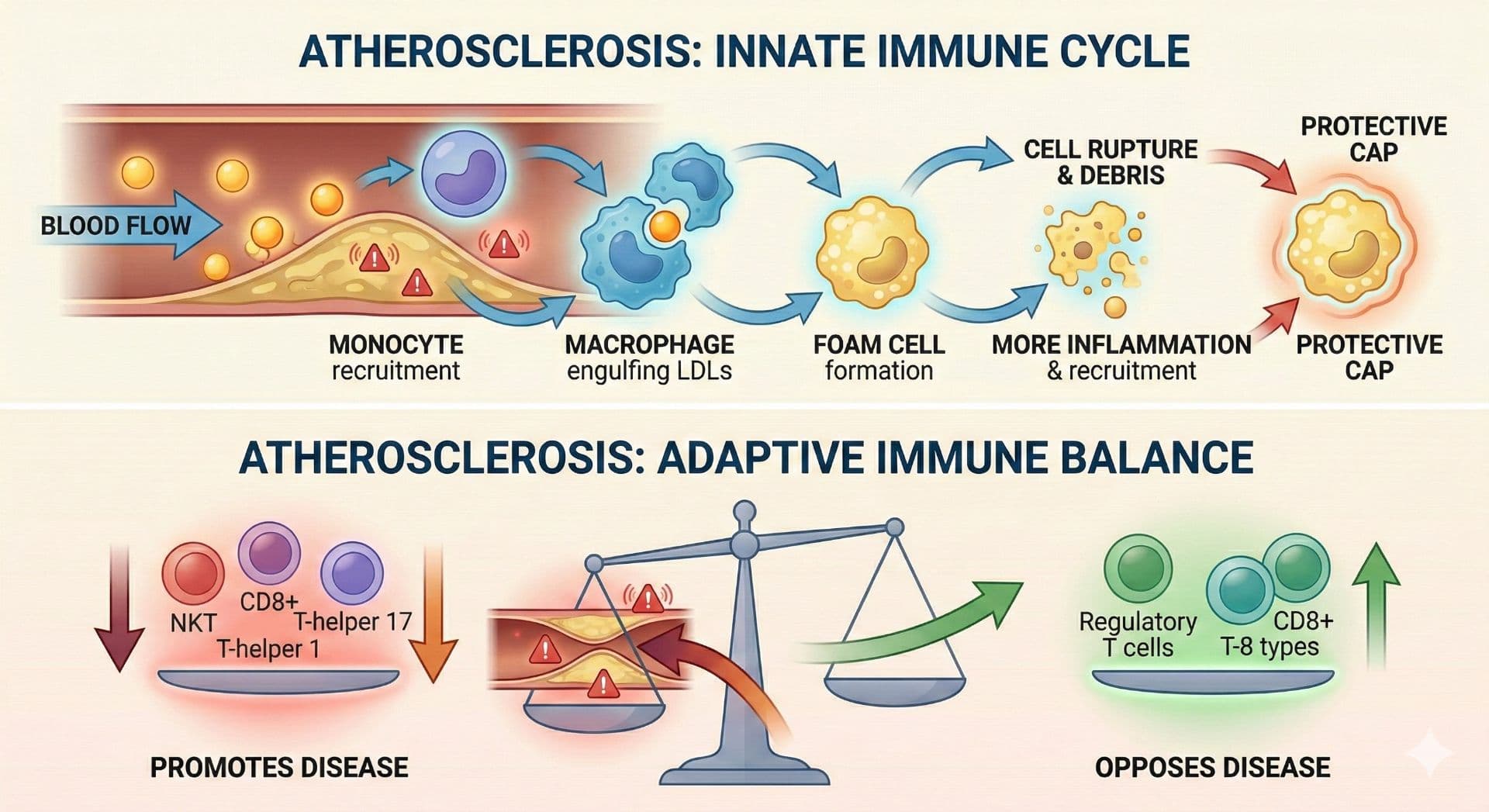
Atherosclerosis and its Role in the Immune System

Learn how the leading cause of death worldwide activates the immune system and how making a few lifestyle changes can decrease your risk of severe chronic disease.

Nourishing Wounds: How Micronutrients Drive Healing
Health & Medicine

Nourishing Wounds: How Micronutrients Drive Healing

Wound healing is a complex and dynamic biological process that occurs through four overlapping phases: hemostasis, inflammation, proliferation, and maturation. To repair tissue damage, the body works intensively, thereby significantly increasing cellular metabolic demands.

The Brain’s Ability to Change and Its Role in Depression
Health & Medicine

The Brain’s Ability to Change and Its Role in Depression

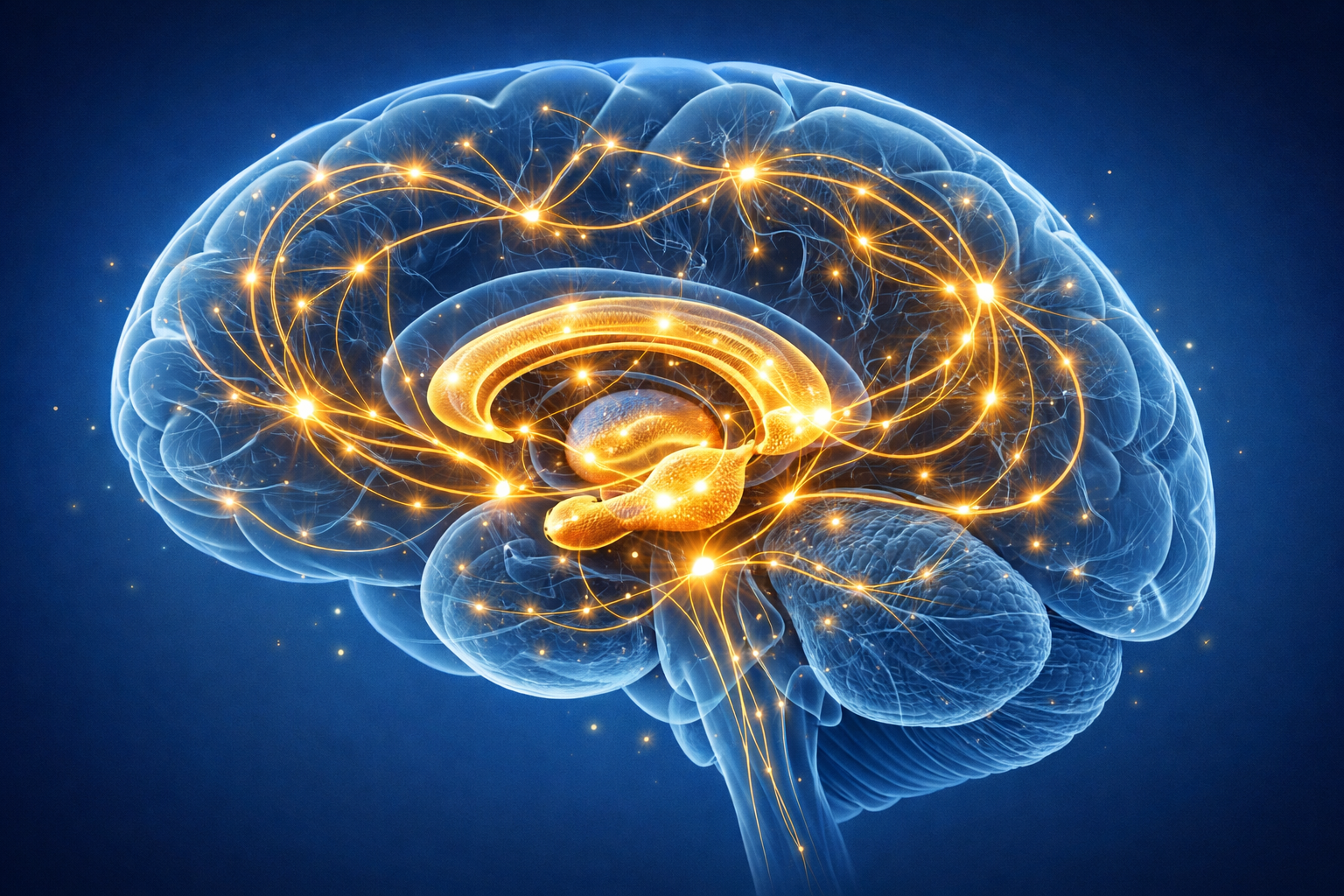
Depression has affected humans for hundreds of years. Symptoms can include persistent feelings of sadness, sleep disturbances, anxiety, and a loss of interest in social activities. Science doesn’t yet fully understand the causes and effects, but here’s what we do know: the brain is a powerful organ, and it is capable of change. Made up of a wide network of connections, it relies on chemicals, electrical impulses, and billions of neurons. Let’s explore how brain science

Biosimilars: A New Era in Biologic Therapy
Health & Medicine

Biosimilars: A New Era in Biologic Therapy

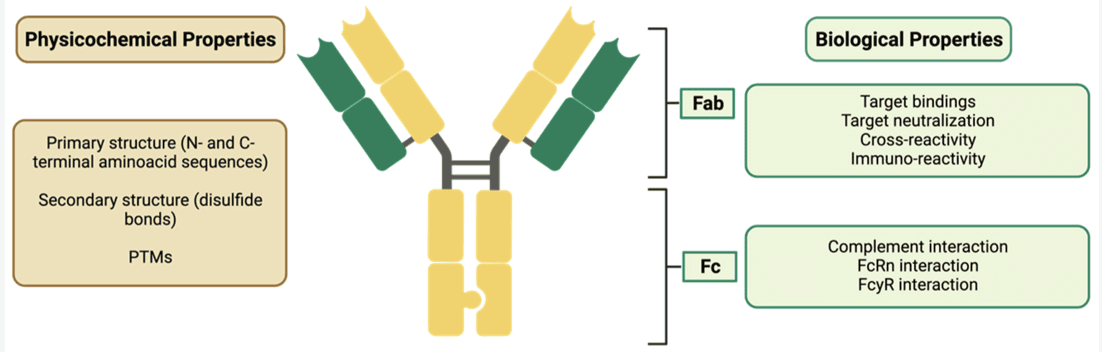
Biologics have transformed the management of chronic and life-threatening diseases such as cancer, autoimmune disorders, and metabolic conditions. However, their complexity, high production costs, and limited affordability continue to challenge healthcare systems worldwide.

Organoid-Based Toxicity Testing as a Replacement for Animal Models
Health & Medicine

Organoid-Based Toxicity Testing as a Replacement for Animal Models

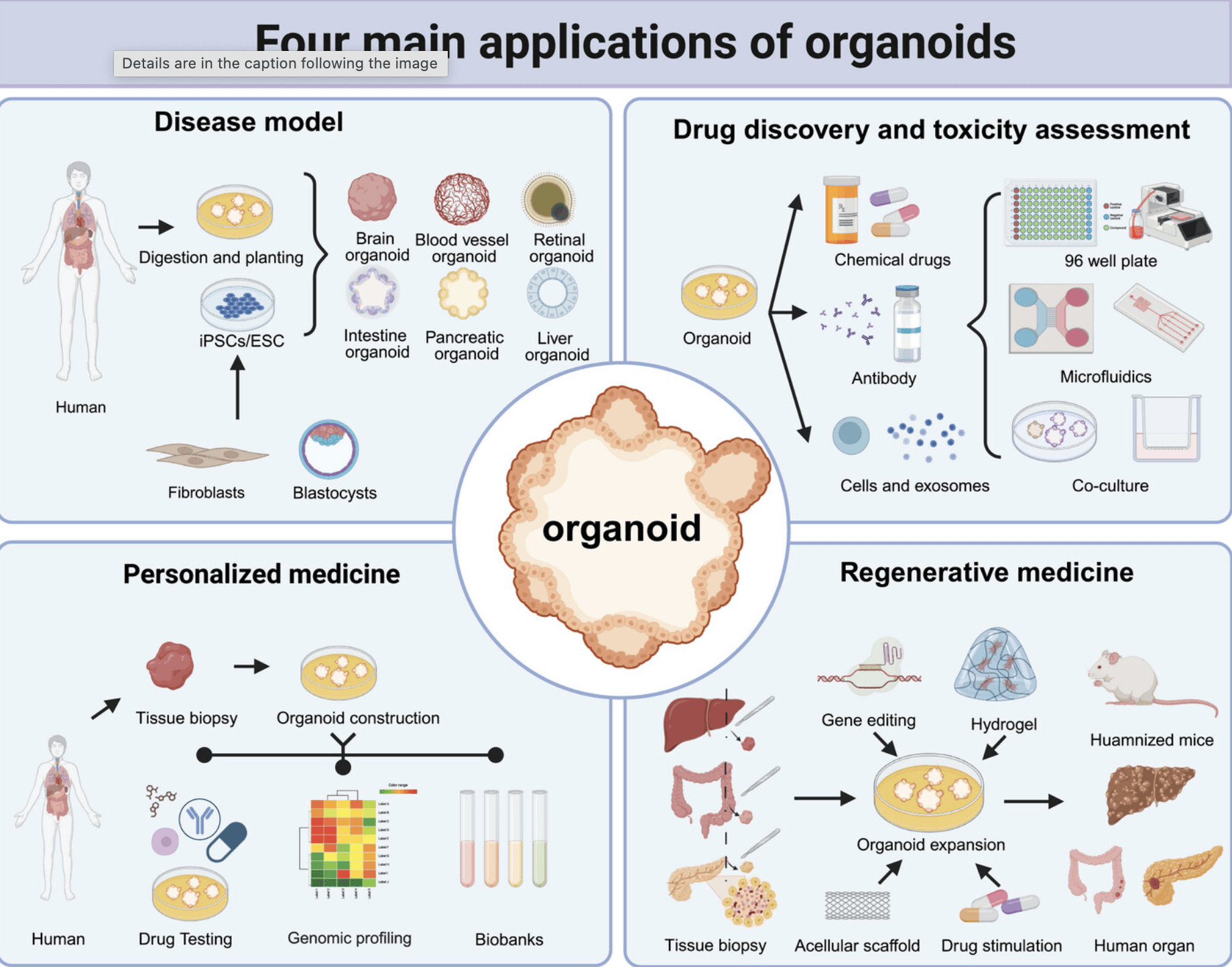
Animal models have traditionally served as the cornerstone of drug safety evaluation; however, major translational challenges persist due to interspecies differences in physiology, metabolism, and genetic regulation. Many compounds demonstrating favorable toxicity profiles in animals later fail during human trials or are withdrawn post-marketing due to unforeseen adverse effects, especially hepatotoxicity and cardiotoxicity (Lee et al., 2025).

From Cells to Mini-Brains: A New Era for Understanding Parkinson’s Disease
Health & Medicine

From Cells to Mini-Brains: A New Era for Understanding Parkinson’s Disease

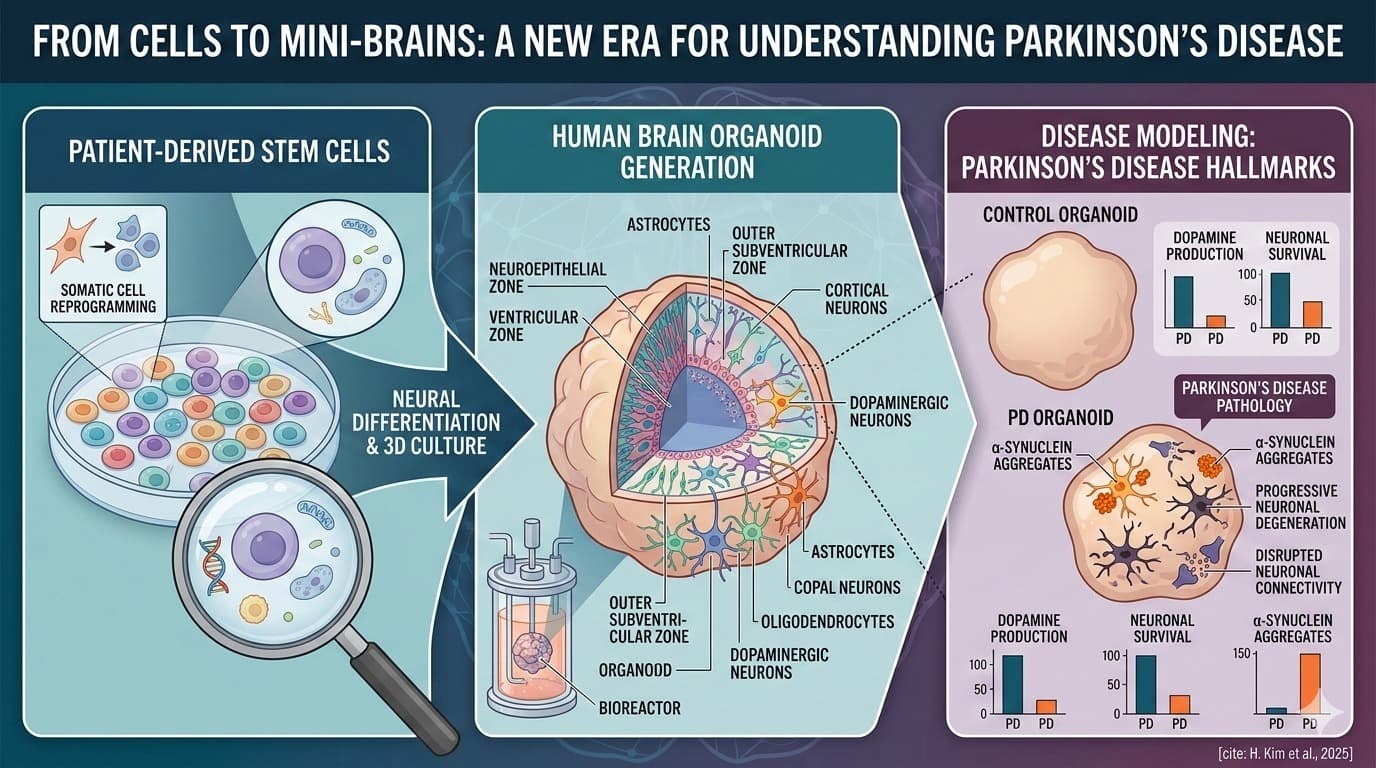
Understanding the human brain remains one of the greatest challenges in modern science. With billions of neurons forming intricate networks and constantly changing connections, the brain’s complexity makes it extremely difficult to study directly.

The Life Changing Science of Artificial Bones
Health & Medicine

The Life Changing Science of Artificial Bones

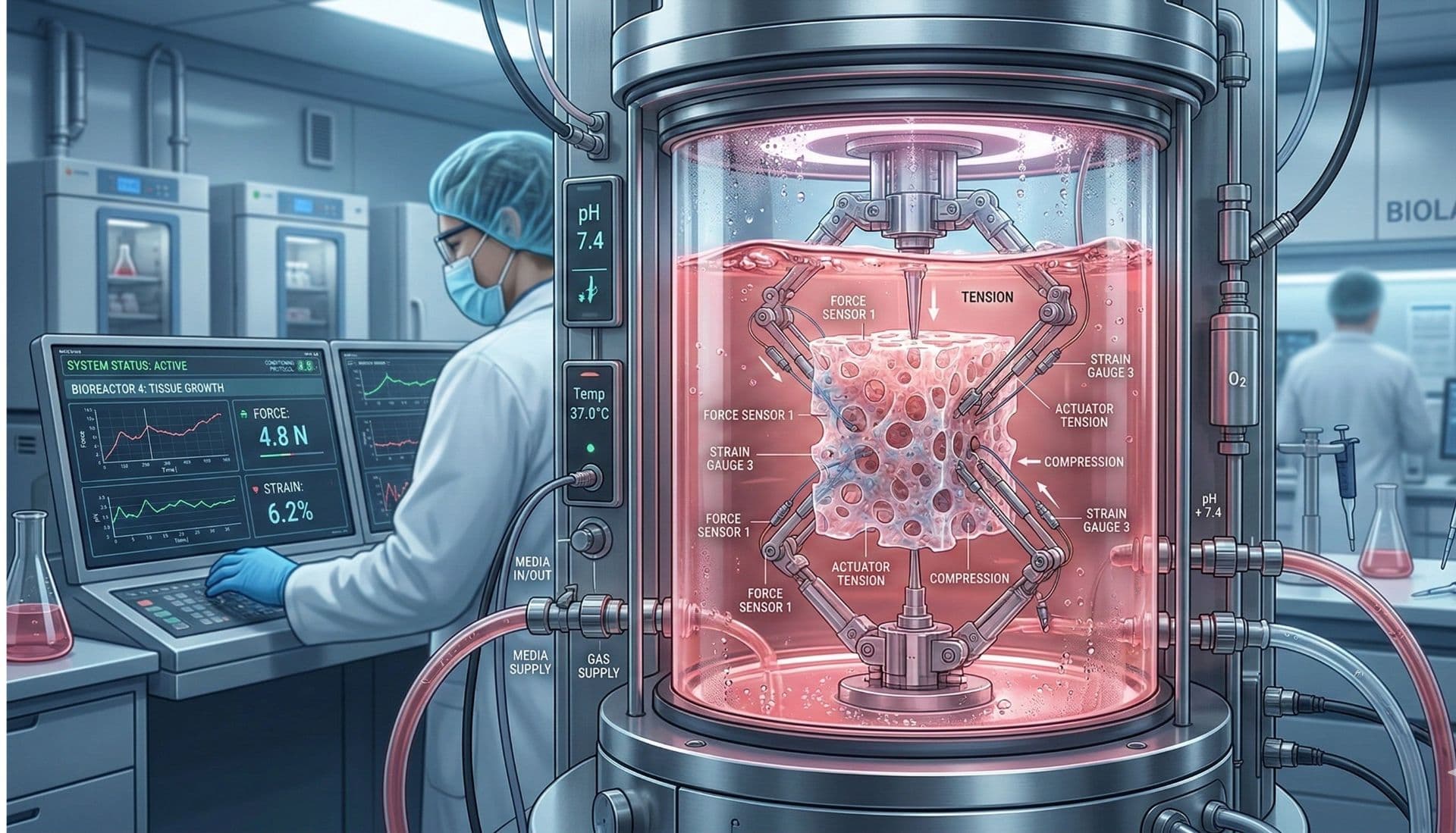
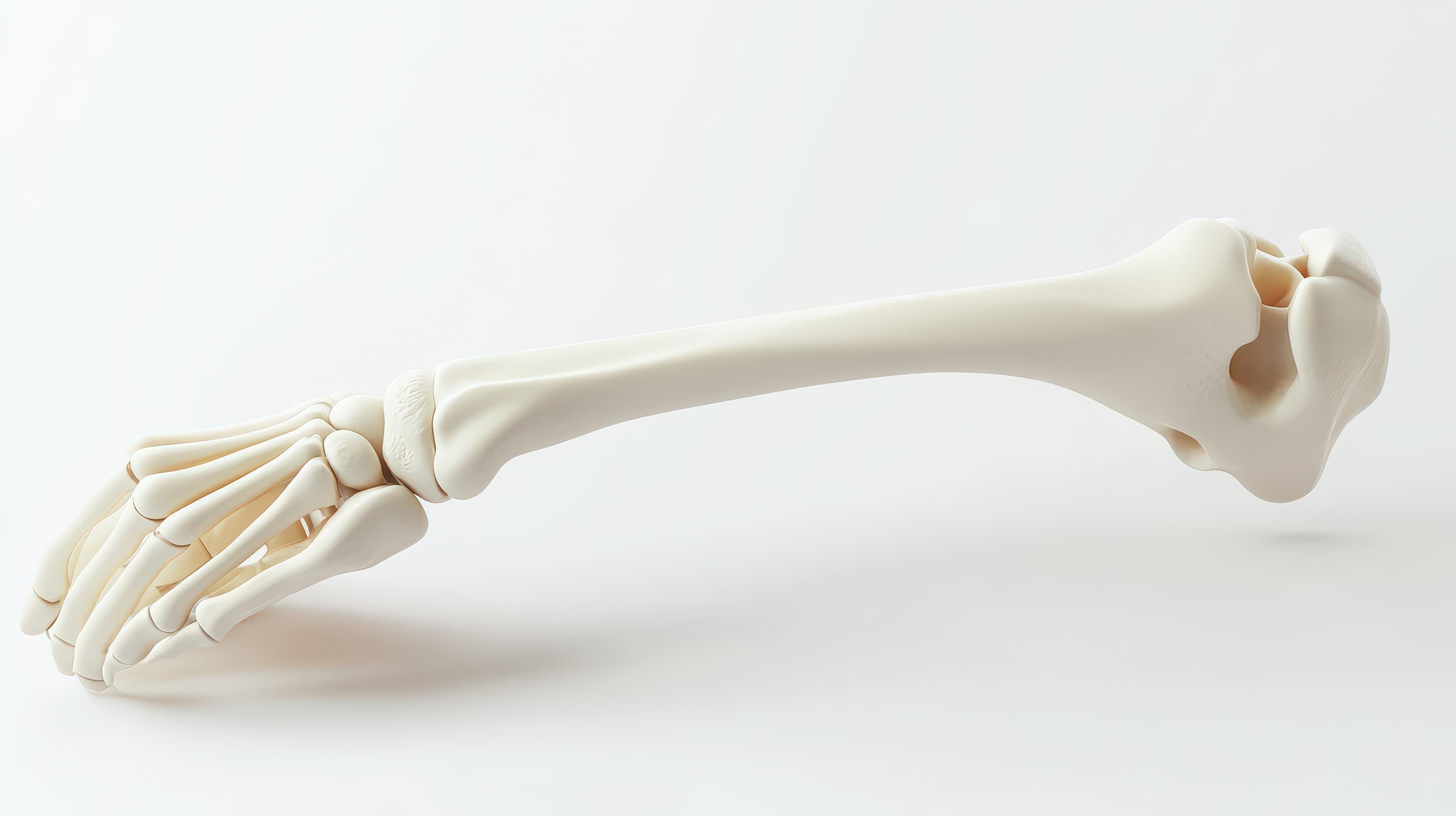
In Sci-fi visions of distant futures, some imagine sprawling intergalactic civilizations. Scaffolds built around stars harvesting their energy. Fusion reactors, cyborgs, superintelligent implants. But the future of artificial bones, though perhaps more mundane, could be a life saving science.

Page 1 of 4Next →