Health & Medicine
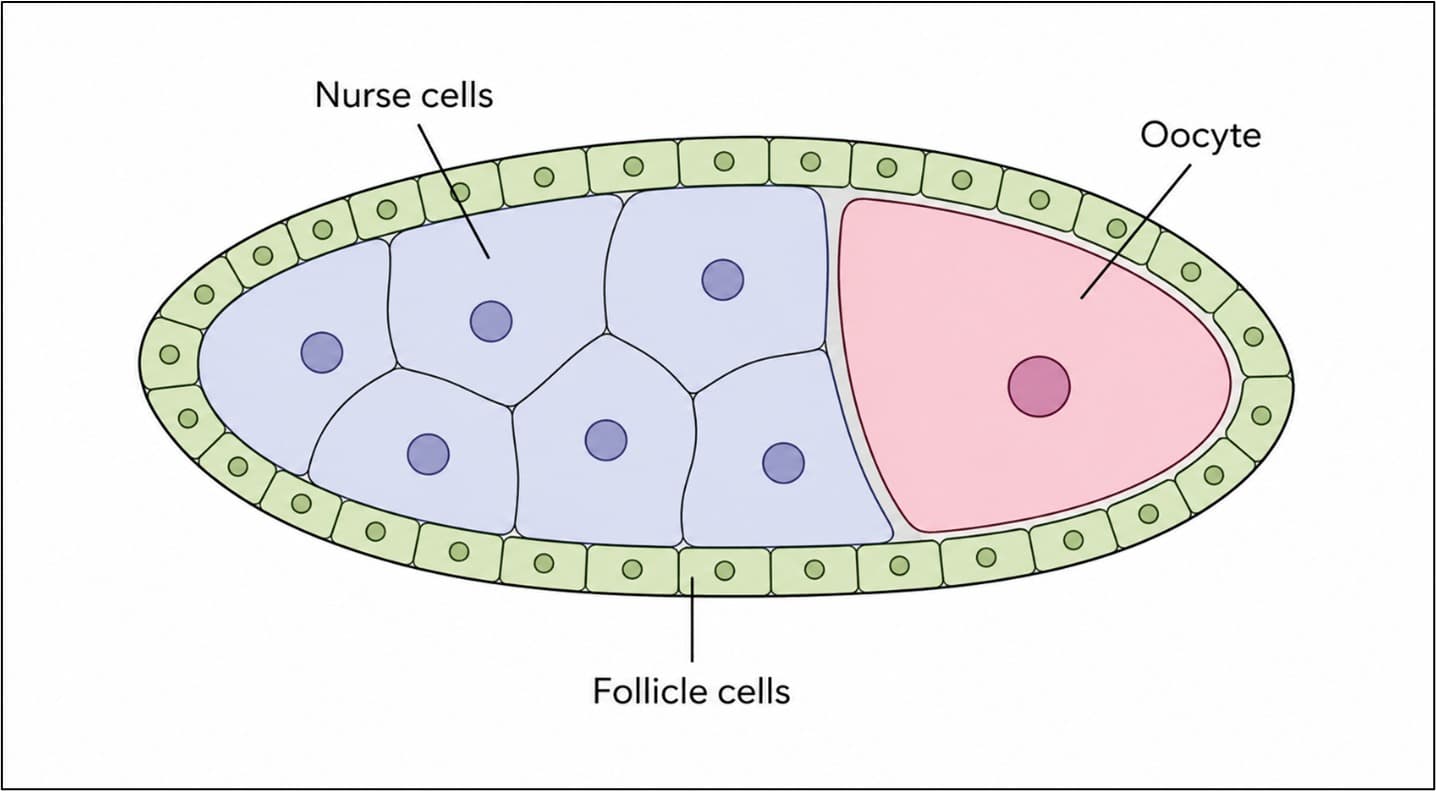
How dozens of cells cooperate to build life inside the fruit fly ovary
How does one egg form? Inside the fruit fly ovary, discover how cells organize, migrate, and cooperate to turn an egg chamber into one egg—step by step
Showing results for: "dozens cells" (63 results)
How does one egg form? Inside the fruit fly ovary, discover how cells organize, migrate, and cooperate to turn an egg chamber into one egg—step by step

How is sickle cell disease diagnosed? See the laboratory tests used to identify haemoglobin variants and understand common sickle cell results.
Stem cell therapy research is a promising area of interest for a number of scientists working to understand Parkinson’s disease and develop treatments for it. Read below to learn more about the advancements of stem cell therapy for Parkinson’s.
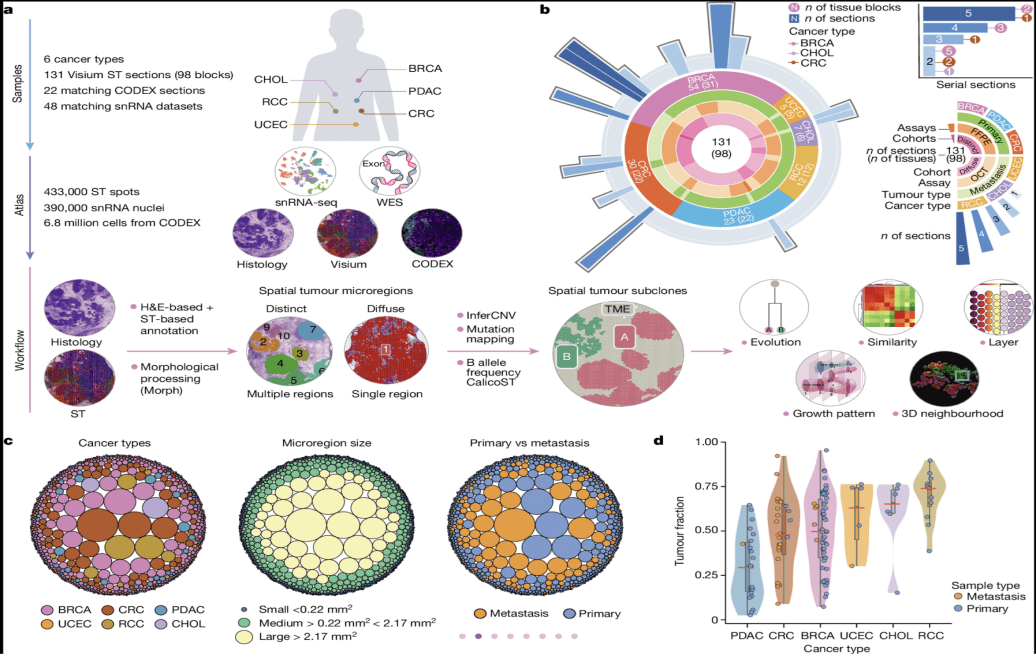
The tumor microenvironment (TME) is a complex and dynamic ecosystem composed of malignant cells, immune infiltrates, stromal elements, and vascular components that collectively influence tumor initiation, progression, immune escape, and therapeutic response. Traditional bulk transcriptomic approaches obscure this complexity by averaging gene expression across heterogeneous cell populations.
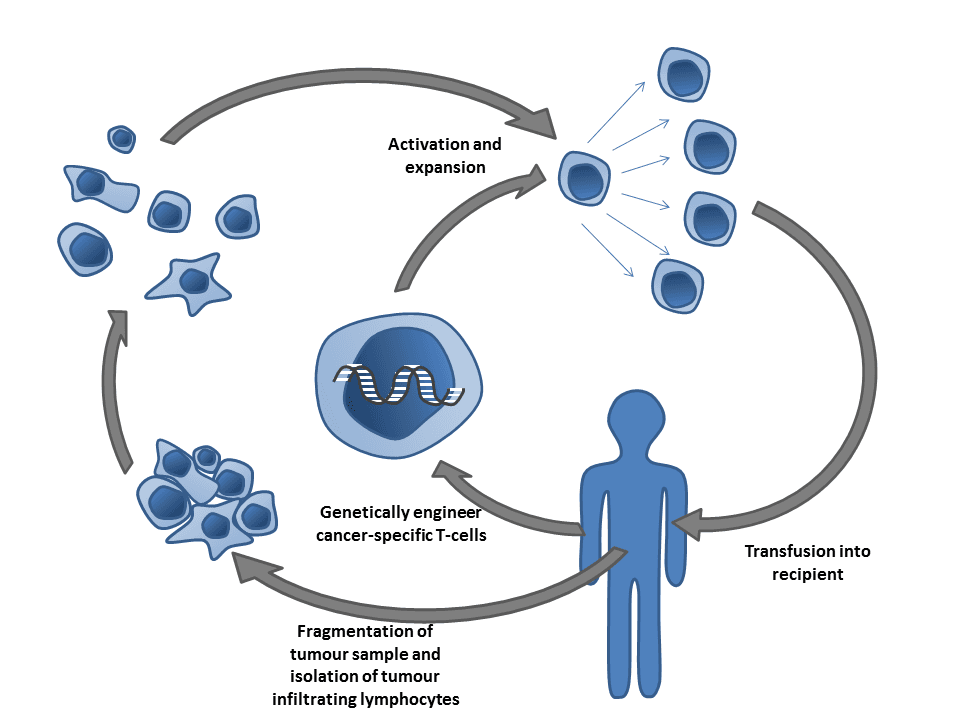
Cell and gene therapies represent a seismic shift in healthcare. They promise to cure the incurable, restoring sight to the blind and erasing cancer from the blood. But this frontier is wild. It comes with biological price tags, potential genetic misfires, and a regulatory landscape that is still being mapped.
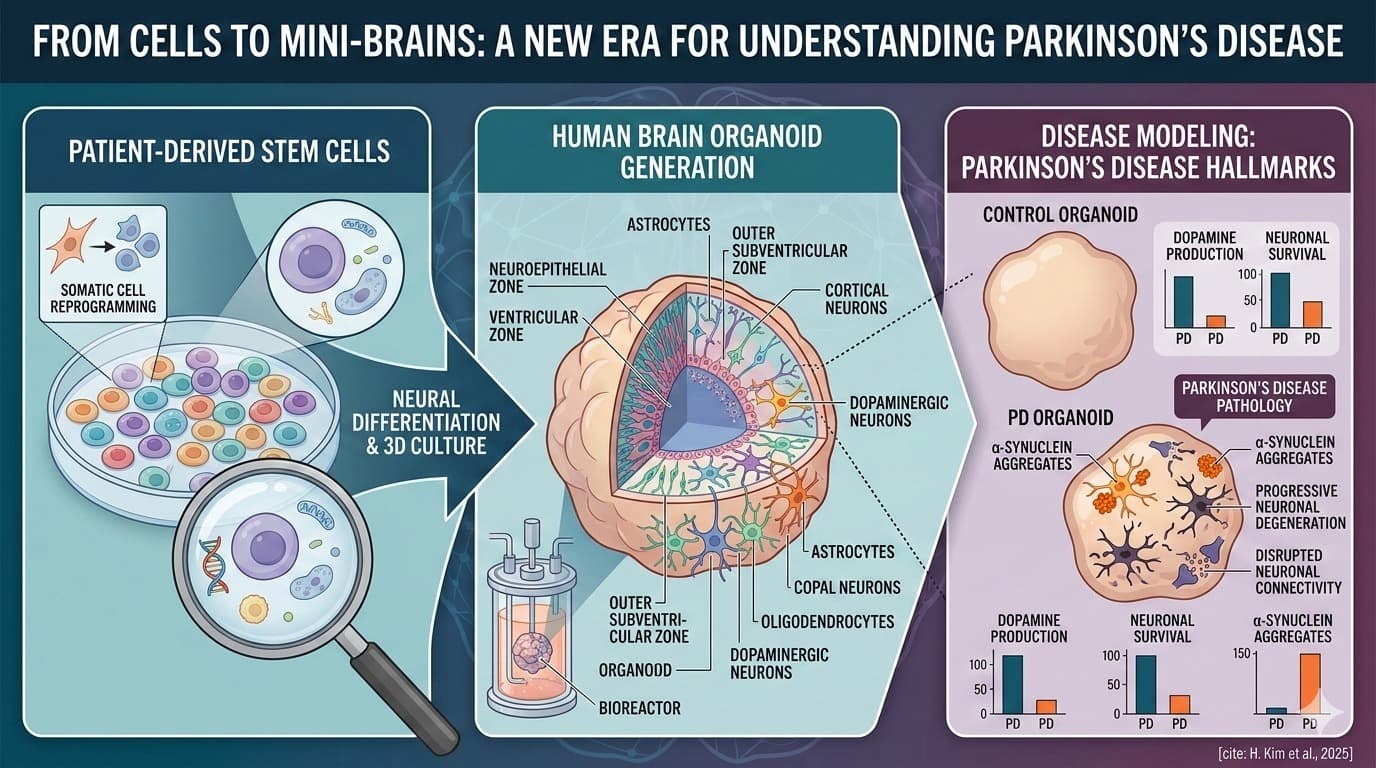
Understanding the human brain remains one of the greatest challenges in modern science. With billions of neurons forming intricate networks and constantly changing connections, the brain’s complexity makes it extremely difficult to study directly.
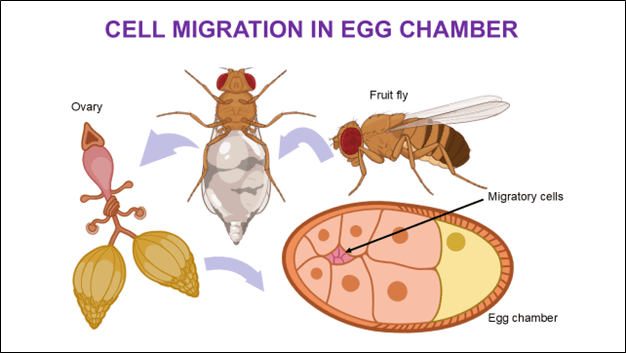
How the fruit fly egg chamber reveals the secrets of cell migration and offers powerful insights into cancer metastasis and future therapies.
Tuberculosis (TB) remains one of the world's deadliest infectious diseases, claiming over a million lives each year. TB is the deadliest infectious disease known today, claiming more lives than COVID-19. TB is caused by the bacterium Mycobacterium tuberculosis. TB spreads through the air when infected people breathe, cough, sneeze,
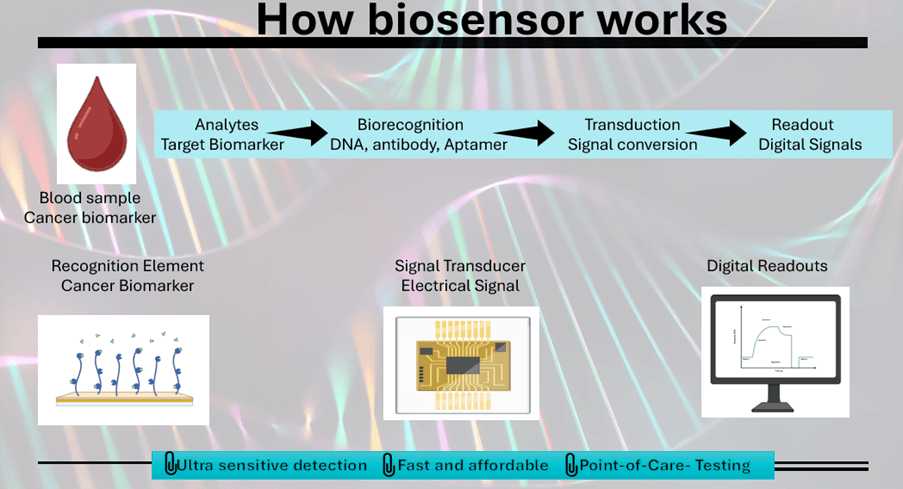
Ever wonder what it’s like if a tiny chip could detect cancer before symptoms appear. Biosensor technology is transforming cancer detection- earlier, faster and more accessible for people worldwide
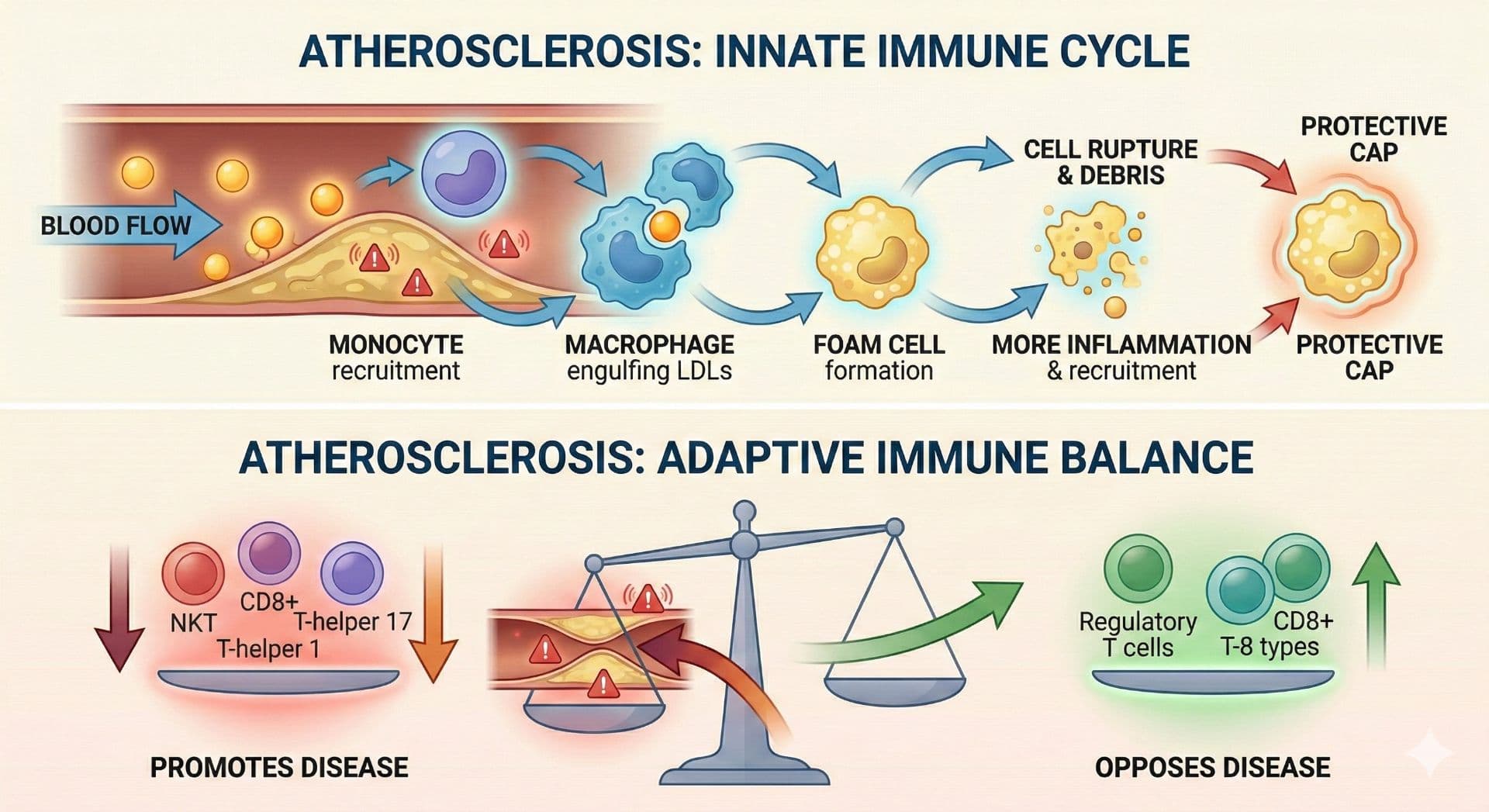
Learn how the leading cause of death worldwide activates the immune system and how making a few lifestyle changes can decrease your risk of severe chronic disease.
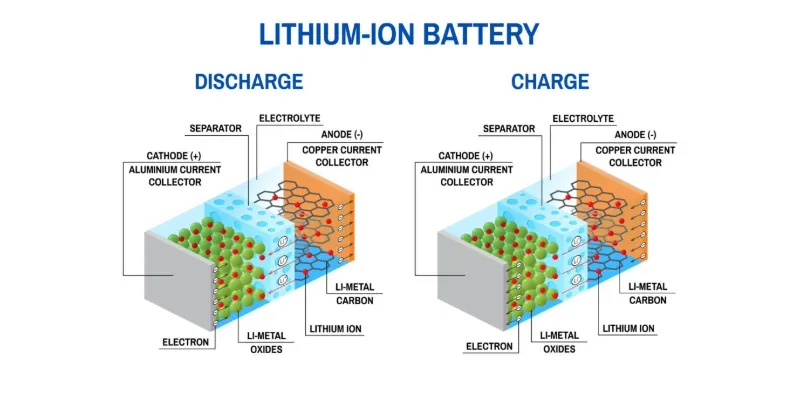
Lithium-ion batteries are the most popular type of rechargeable battery in use today. They power many of the devices we rely on daily, including mobile phones and electric vehicles. These batteries are lightweight,
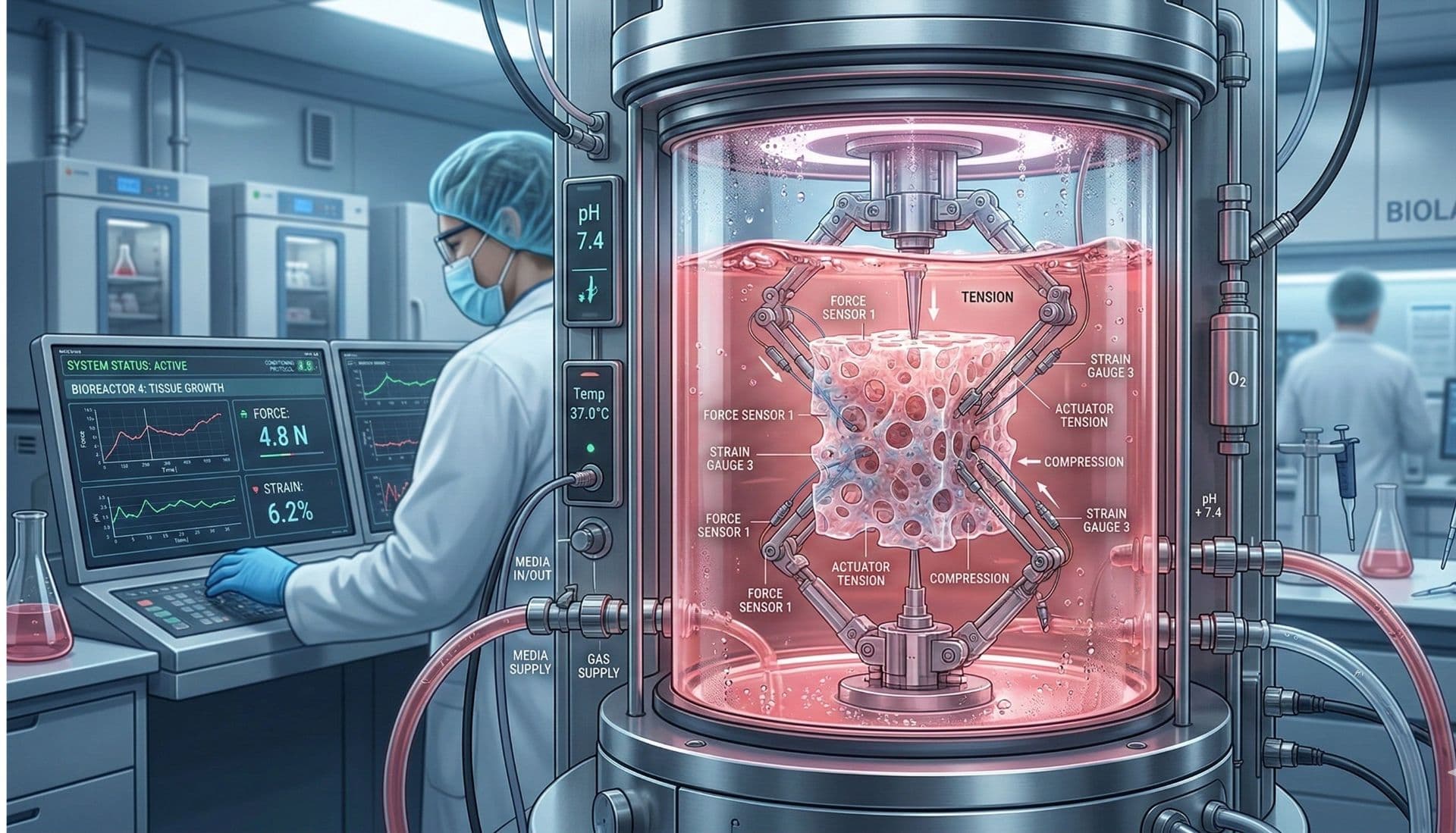
A future without transplant waitlists? Tissue engineering blends biology and engineering to build living, functional human tissue.
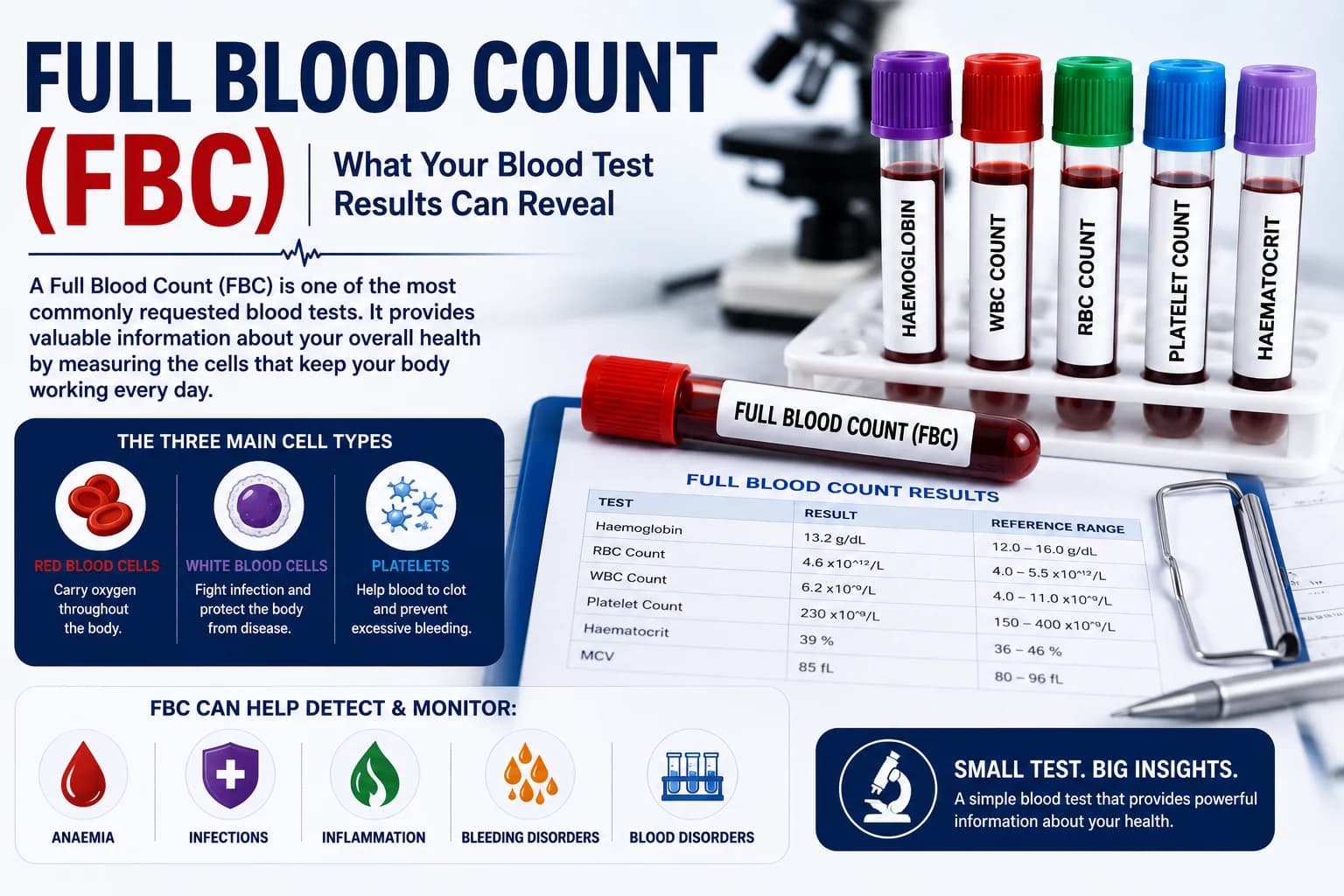
A Full Blood Count (FBC) is a blood test that measures different types of blood cells and related parameters, including red blood cells, white blood cells, platelets, haemoglobin, haematocrit and red blood cell indices. It can help healthcare professionals investigate conditions such as anaemia, infection, inflammation and certain blood disorders.
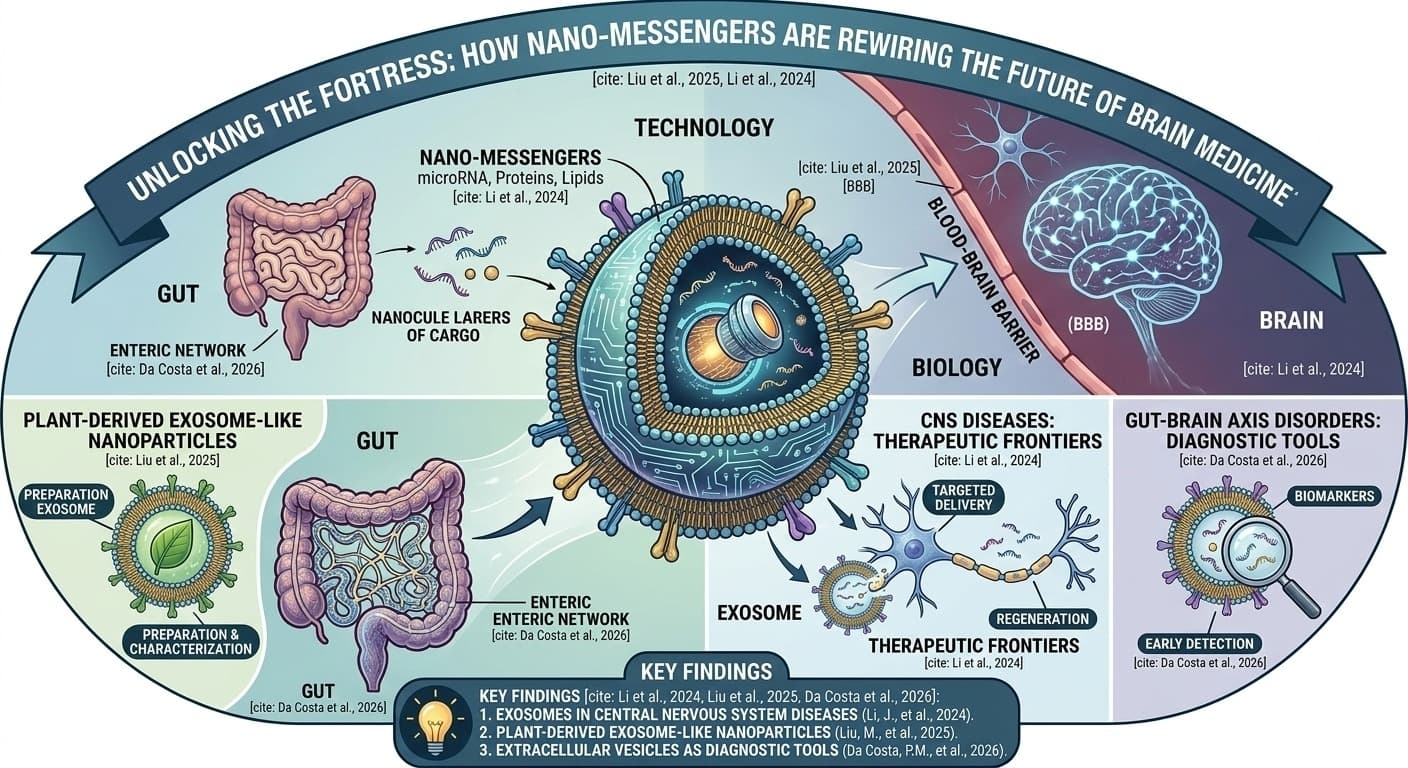
This architecture is essential for shielding neurons from toxins, pathogens, and fluctuations in the bloodstream, but it also creates a devastating bottleneck for modern medicine. More than 98% of small-molecule drugs and nearly all large biological therapeutics fail to cross the BBB in meaningful amounts, leaving many promising treatments for neurodegenerative disorders, brain tumors, and inflammatory diseases stranded in the circulation.
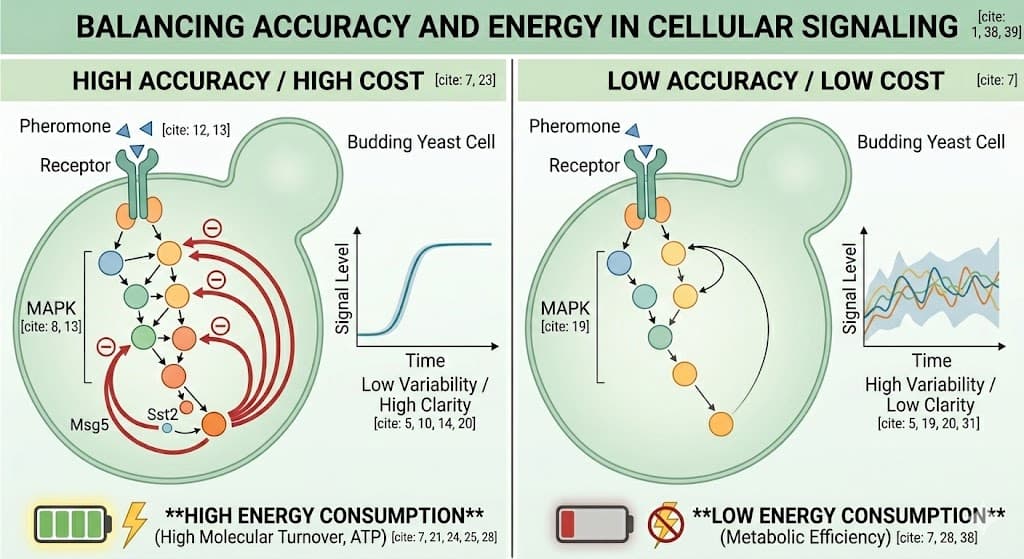
Cells constantly sense signals from their environment and convert them into internal actions through biochemical signalling pathways.
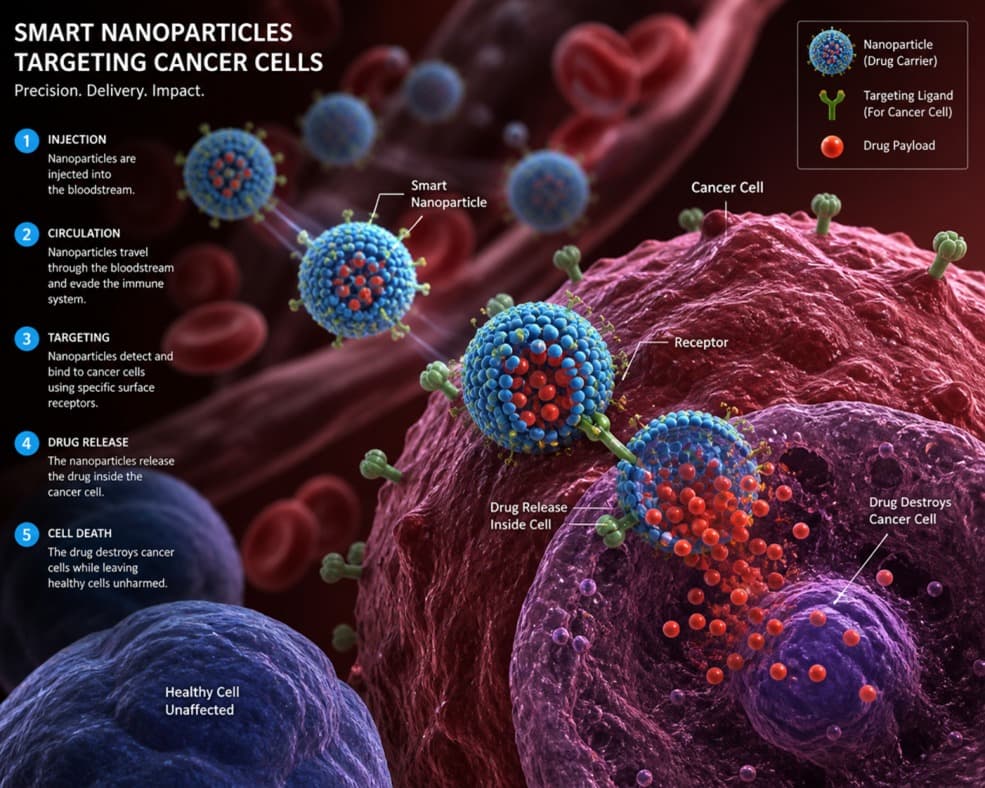
Smart nanoparticles are an exciting step forward in modern medicine especially nanomedicine. They help doctors be more precise in cancer treatment.
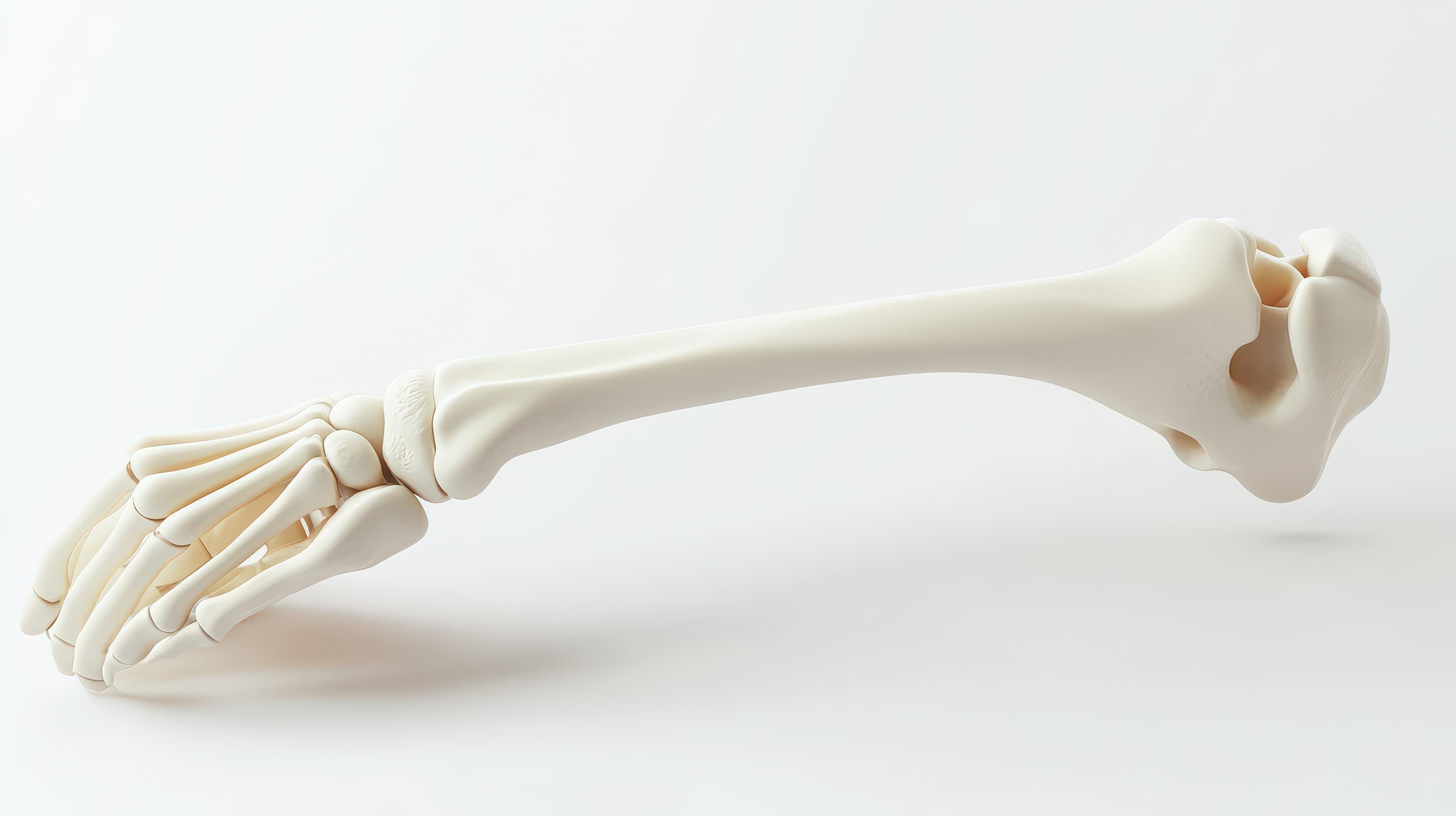
In Sci-fi visions of distant futures, some imagine sprawling intergalactic civilizations. Scaffolds built around stars harvesting their energy. Fusion reactors, cyborgs, superintelligent implants. But the future of artificial bones, though perhaps more mundane, could be a life saving science.
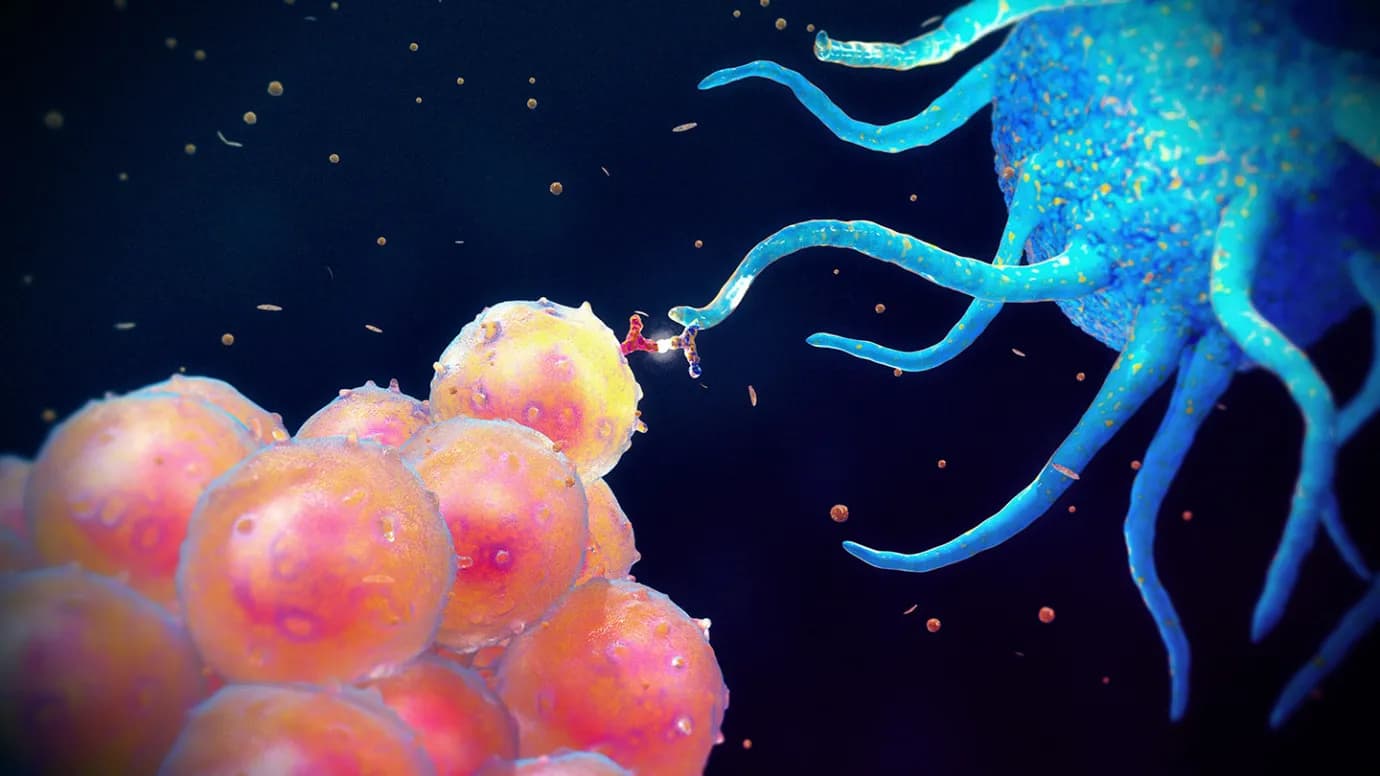
Discover how antigen-presenting cells like dendritic cells and macrophages are being recruited through smart particle design for vaccines and immunotherapy.
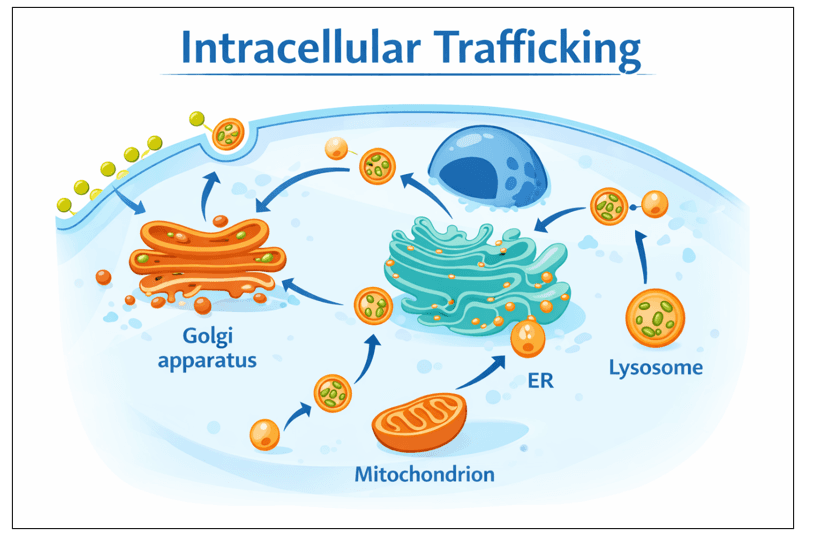
Discover how the SNAP29 gene guides cellular traffic, and how its mutation leads to CEDNIK syndrome, affecting brain, nerves, and skin.
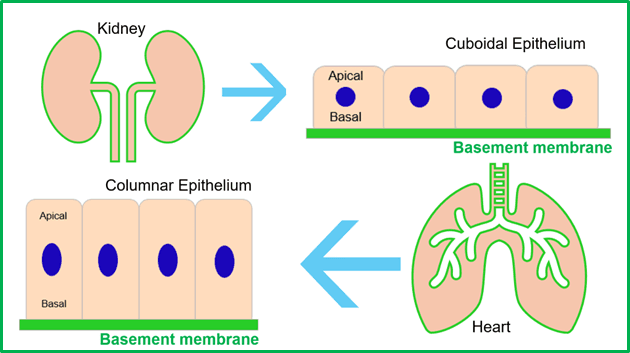
Tiny but powerful, basement membranes support cells, regulate barriers, and drive disease when disrupted—key players in health, aging, and cancer.
