Space & Universe
A Map Made of Starlight
Map the universe with light, discover distant galaxies, track stars, and explore how scientists create detailed cosmic maps.
Showing results for: "cognitive shift" (60 results)
Map the universe with light, discover distant galaxies, track stars, and explore how scientists create detailed cosmic maps.
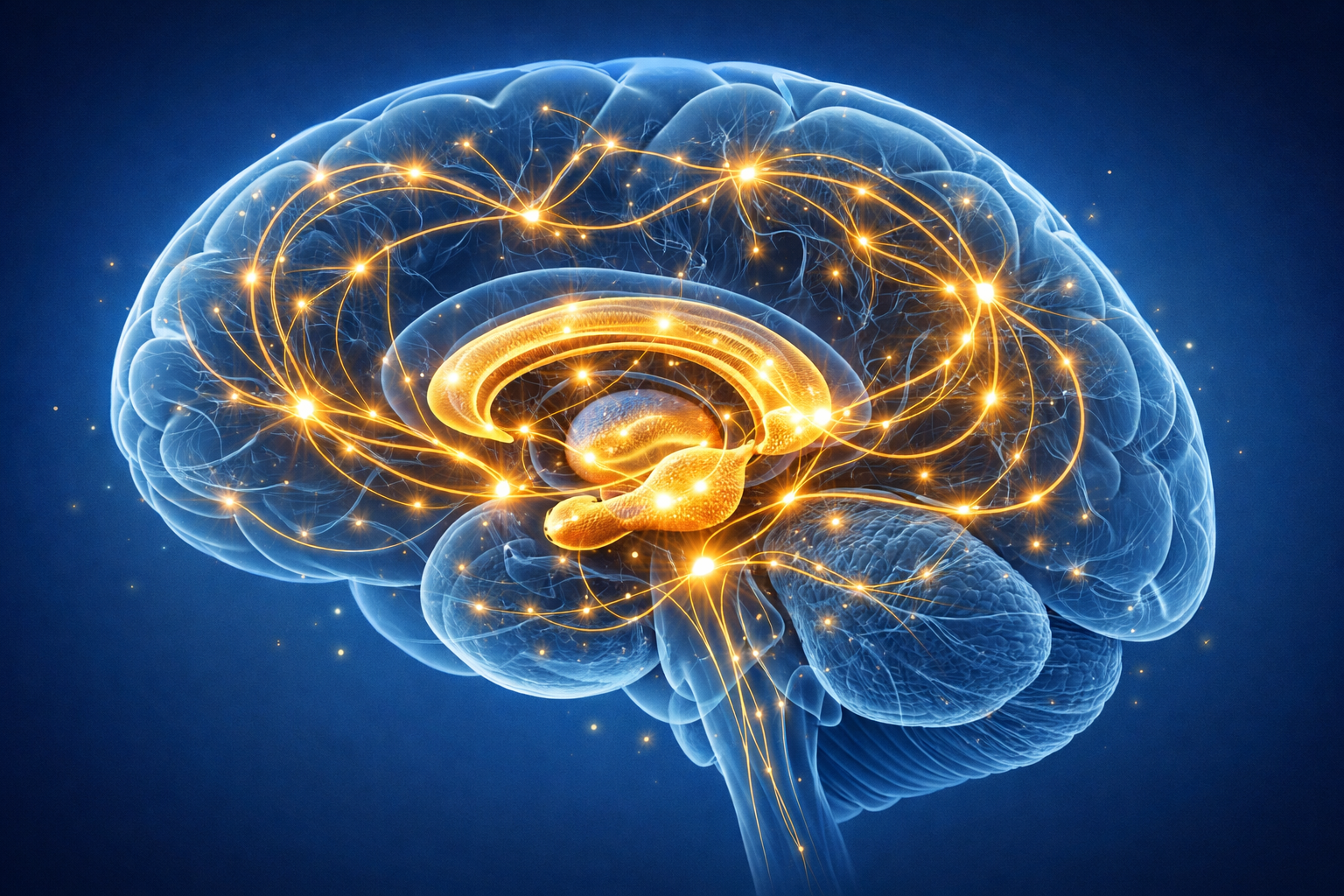
Depression has affected humans for hundreds of years. Symptoms can include persistent feelings of sadness, sleep disturbances, anxiety, and a loss of interest in social activities. Science doesn’t yet fully understand the causes and effects, but here’s what we do know: the brain is a powerful organ, and it is capable of change. Made up of a wide network of connections, it relies on chemicals, electrical impulses, and billions of neurons. Let’s explore how brain science

Today, generalized anxiety disorder is affecting millions of Americans. The disorder usually traps the sufferers in cycles of fear and isolation in a way that even standard treatments cannot relieve completely. UCSF neuroscientist Jennifer Mitchell, PhD, is testing a surprising brand-new approach that can ease symptoms of generalized anxiety disorder by reshaping how the brain thinks and feels.
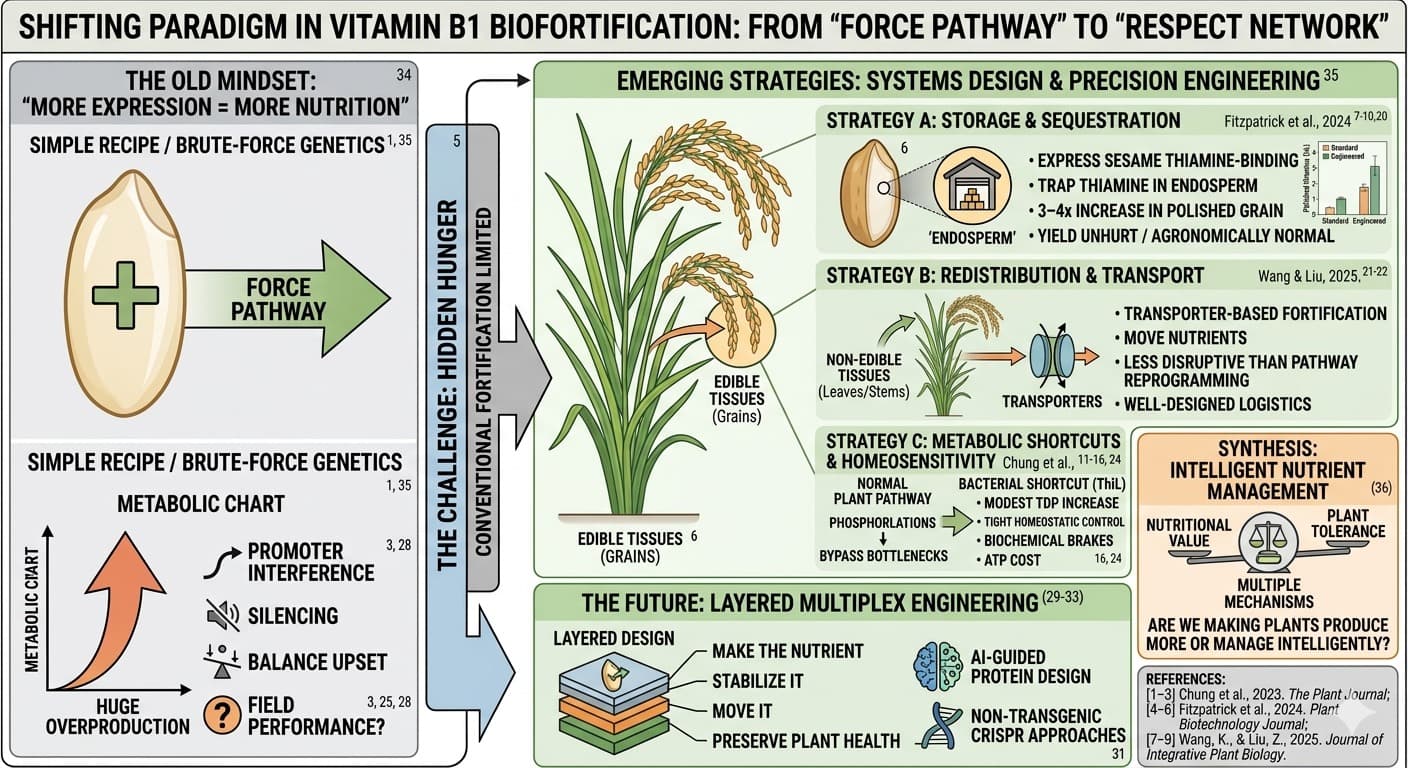
article discusses how plant synthetic biology is reshaping biofortification strategies, particularly through approaches such as heterologous pathway engineering and transporter-based redistribution
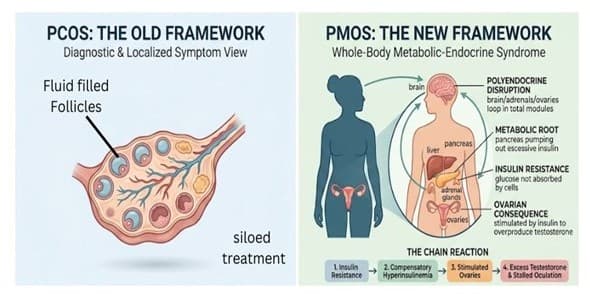
Discover why medical experts are rebranding Polycystic Ovary Syndrome (PCOS) to PMOS, and what this metabolic shift means for patient wellness.
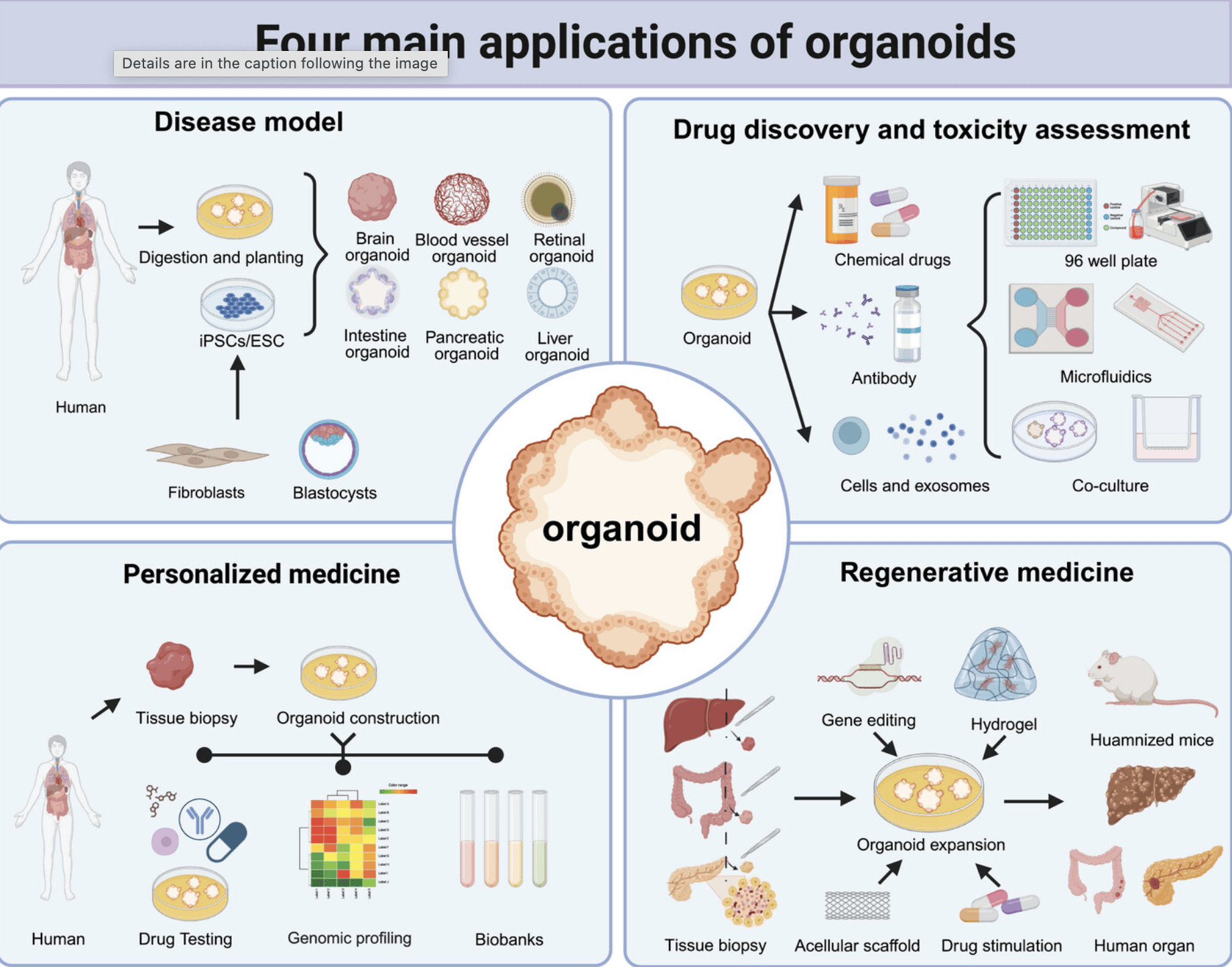
Animal models have traditionally served as the cornerstone of drug safety evaluation; however, major translational challenges persist due to interspecies differences in physiology, metabolism, and genetic regulation. Many compounds demonstrating favorable toxicity profiles in animals later fail during human trials or are withdrawn post-marketing due to unforeseen adverse effects, especially hepatotoxicity and cardiotoxicity (Lee et al., 2025).
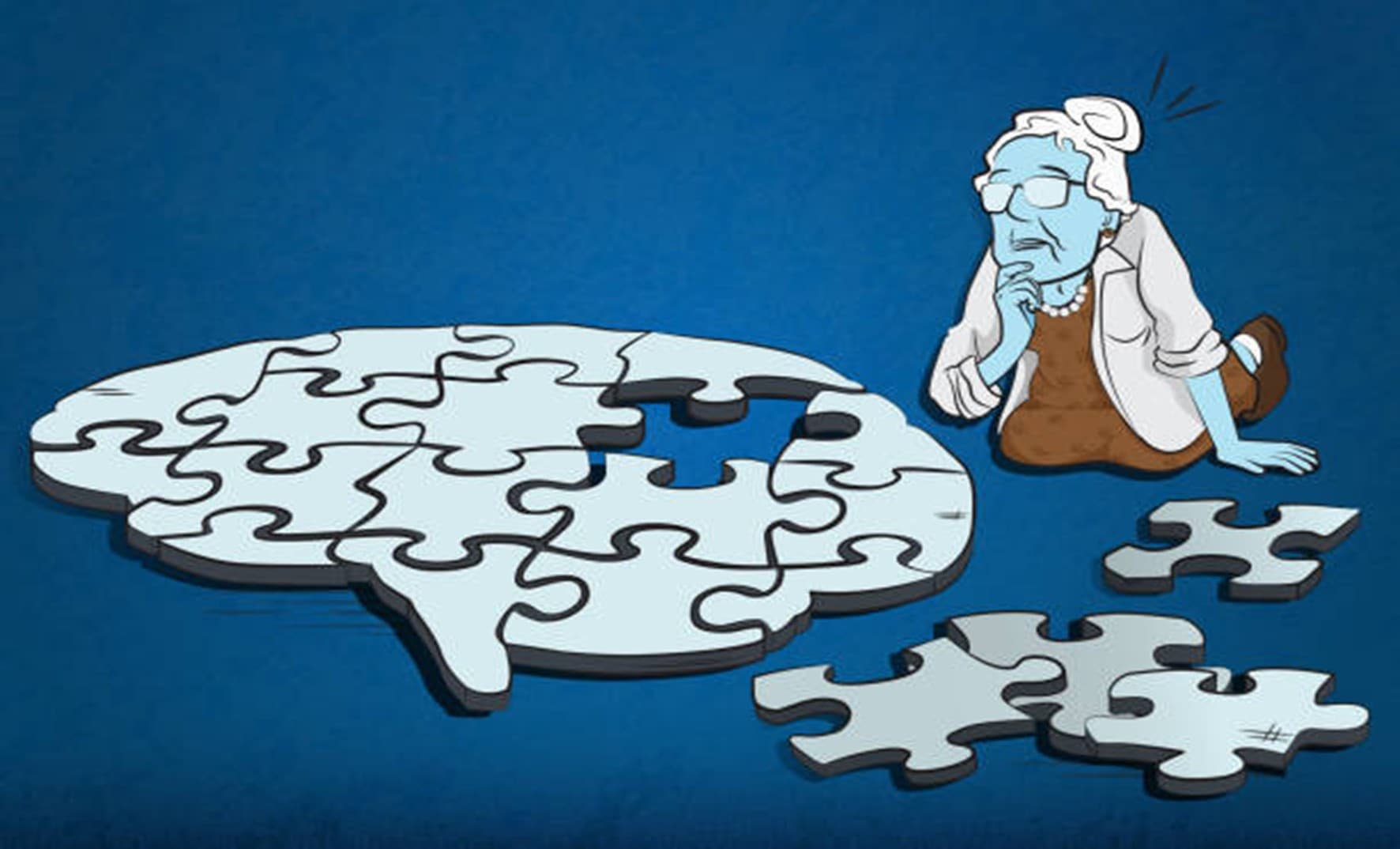
Alzheimer’s is a progressive neurological disorder with classic clinical symptoms such as dementia, cognitive decline, and behavioural changes, particularly in the ageing population.
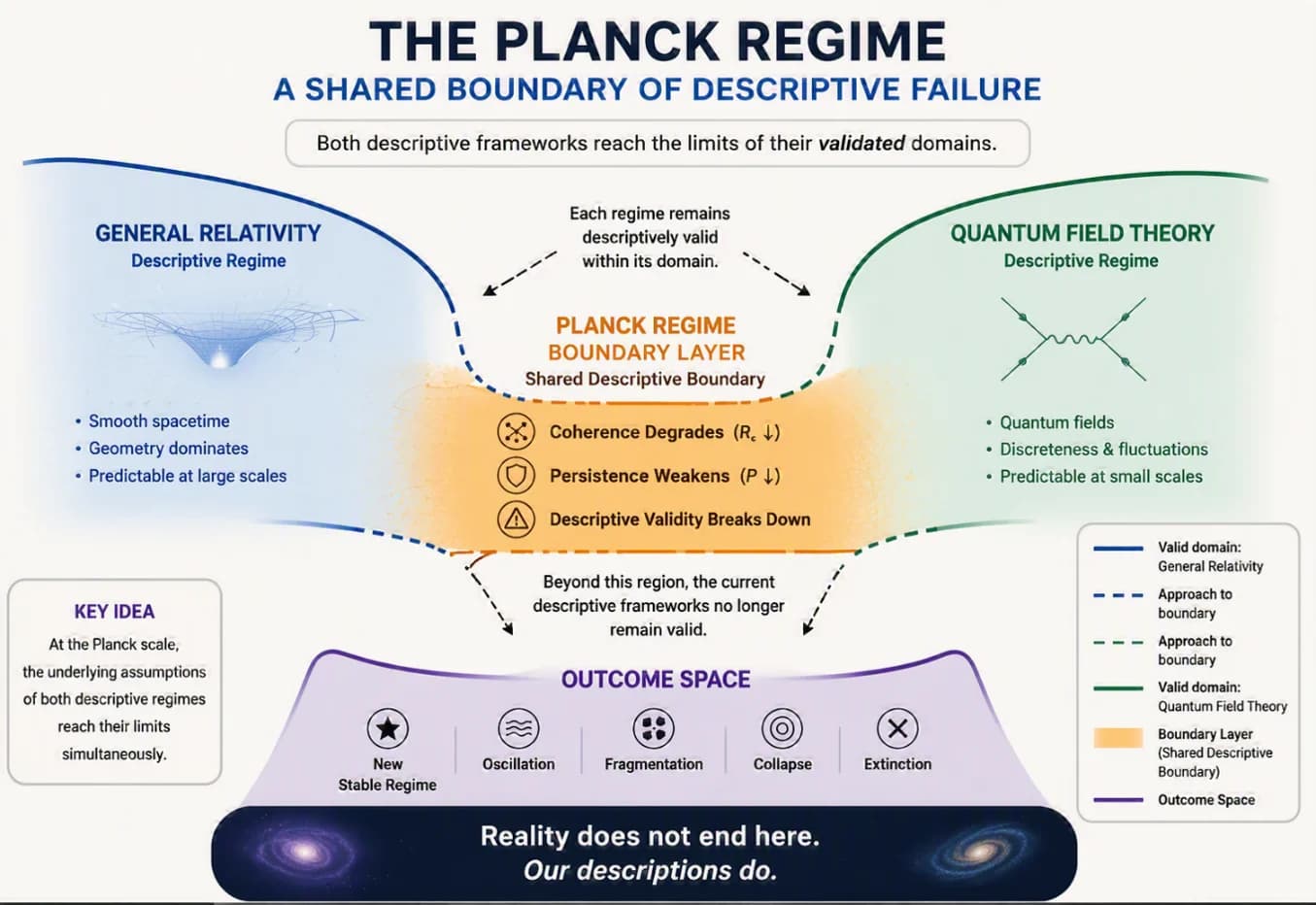
Few concepts in modern physics carry as much significance—or as much mystery—as the Planck scale. It is the regime where gravitational effects become comparable to quantum effects, suggesting that both General Relativity and Quantum Field Theory should contribute to our description of nature.
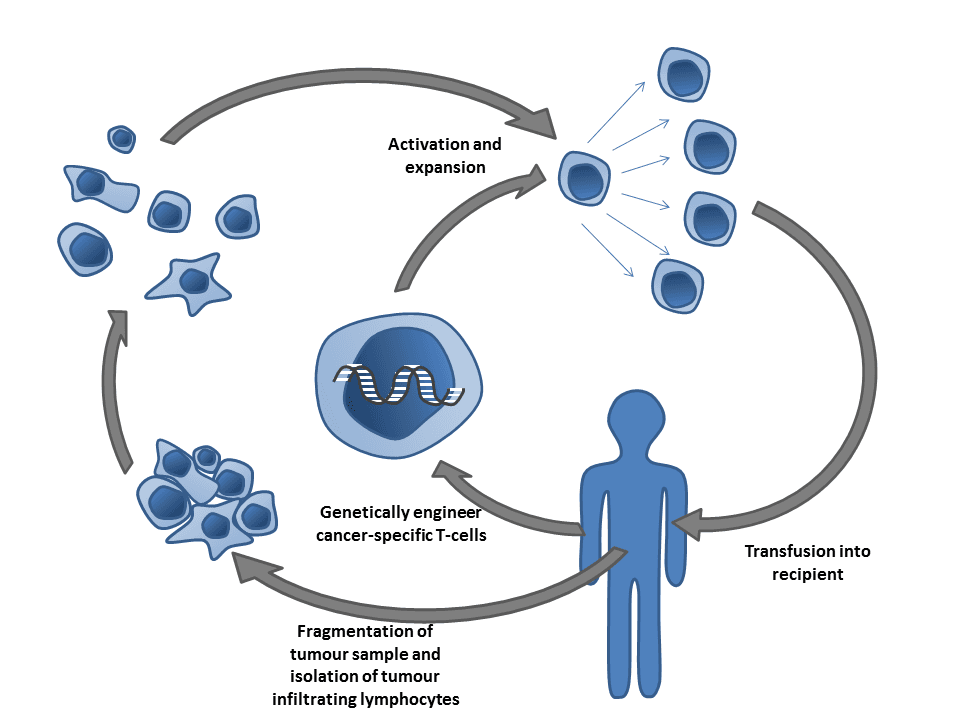
Cell and gene therapies represent a seismic shift in healthcare. They promise to cure the incurable, restoring sight to the blind and erasing cancer from the blood. But this frontier is wild. It comes with biological price tags, potential genetic misfires, and a regulatory landscape that is still being mapped.

Injury is an inherent risk of sport participation. Whether at elite or recreational level, athletes are exposed to physical loads that challenge tissue capacity and recovery.
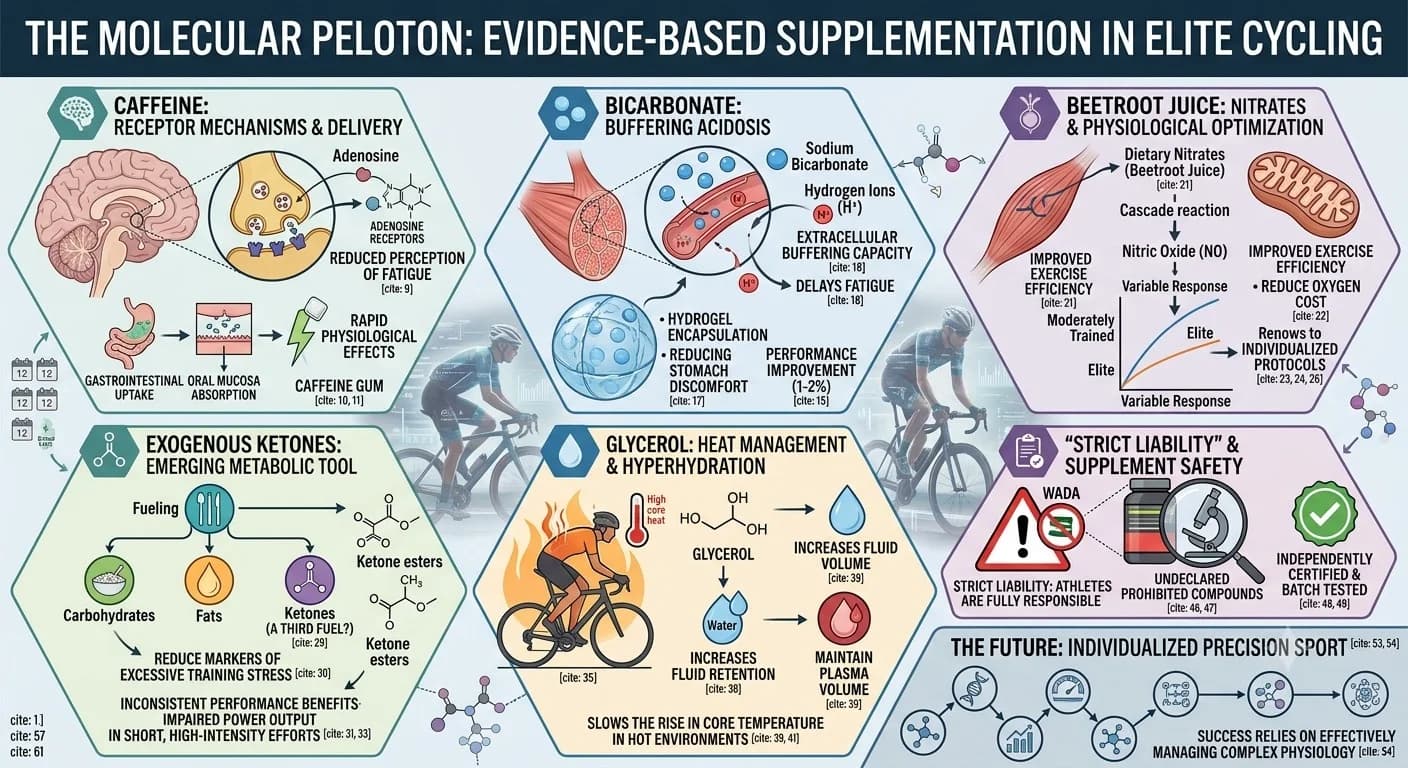
Professional cycling is a sport defined by marginal gains. At the highest levels of competition, the difference between victory and the middle of the pack can be measured in seconds, watts, or subtle physiological advantages accumulated over months of preparation.

You probably know this story: Aurora, also known as the Sleeping Beauty, was a kind princess who was cursed by an angry fairy and fell into a deep sleep for years. On her sixteenth birthday, she pricked her finger, and the spell came true. Silence covered the land, and the entire kingdom fell asleep with her. Years later, the spell could be broken by a kiss from a prince.
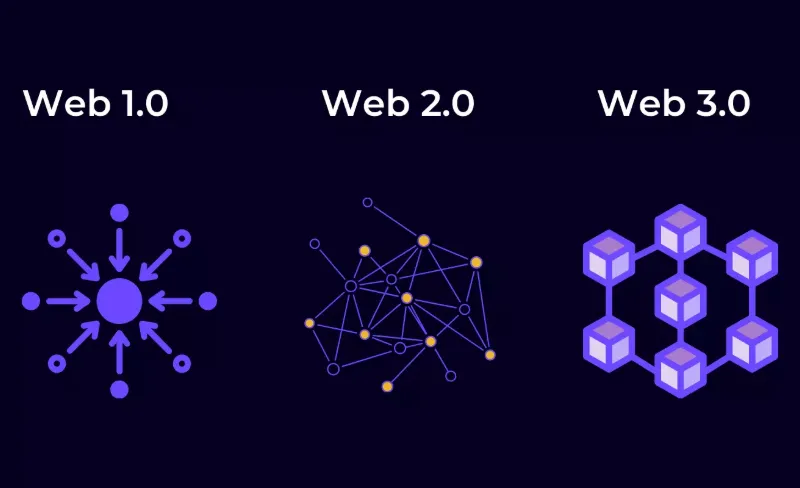
Web 3.0, commonly referred to as Web3, marks a new era of the World Wide Web characterized by distinct values and technological advancements. Its key features include ubiquity, decentralization, artificial intelligence, blockchain technology, and improved connectivity.

Explaining The Reciprocity Between Your Brain and Your Belly For the past decade, the scientific community has increased its focus on mental health disorders including anxiety, depression,
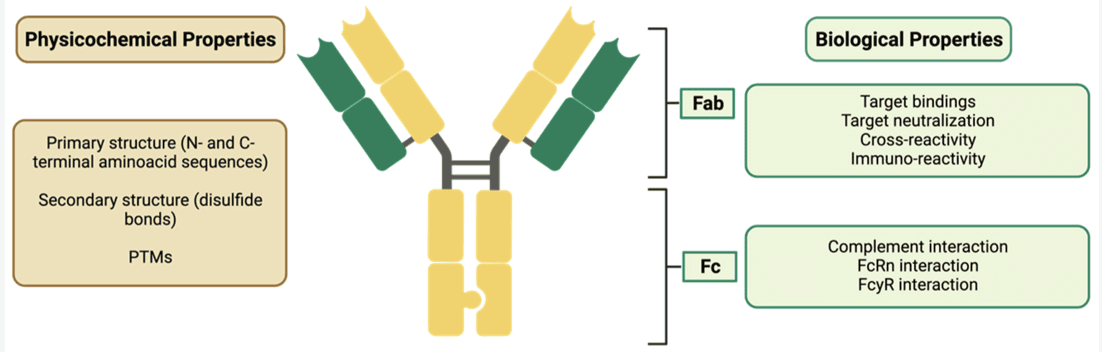
Biologics have transformed the management of chronic and life-threatening diseases such as cancer, autoimmune disorders, and metabolic conditions. However, their complexity, high production costs, and limited affordability continue to challenge healthcare systems worldwide.
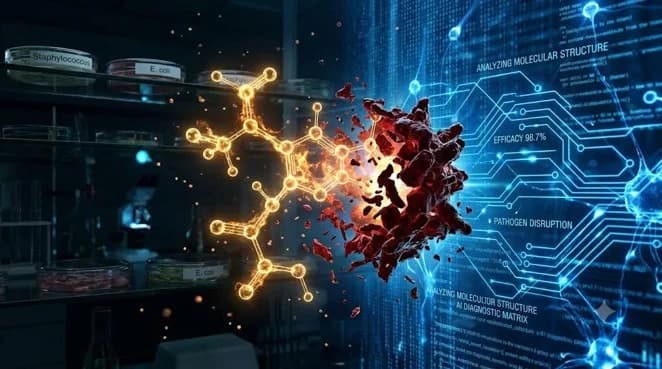
Antibiotic resistance could kill 10 million annually by 2050. Discover how AI found Halicin, a molecule that kills superbugs humans couldn't defeat.
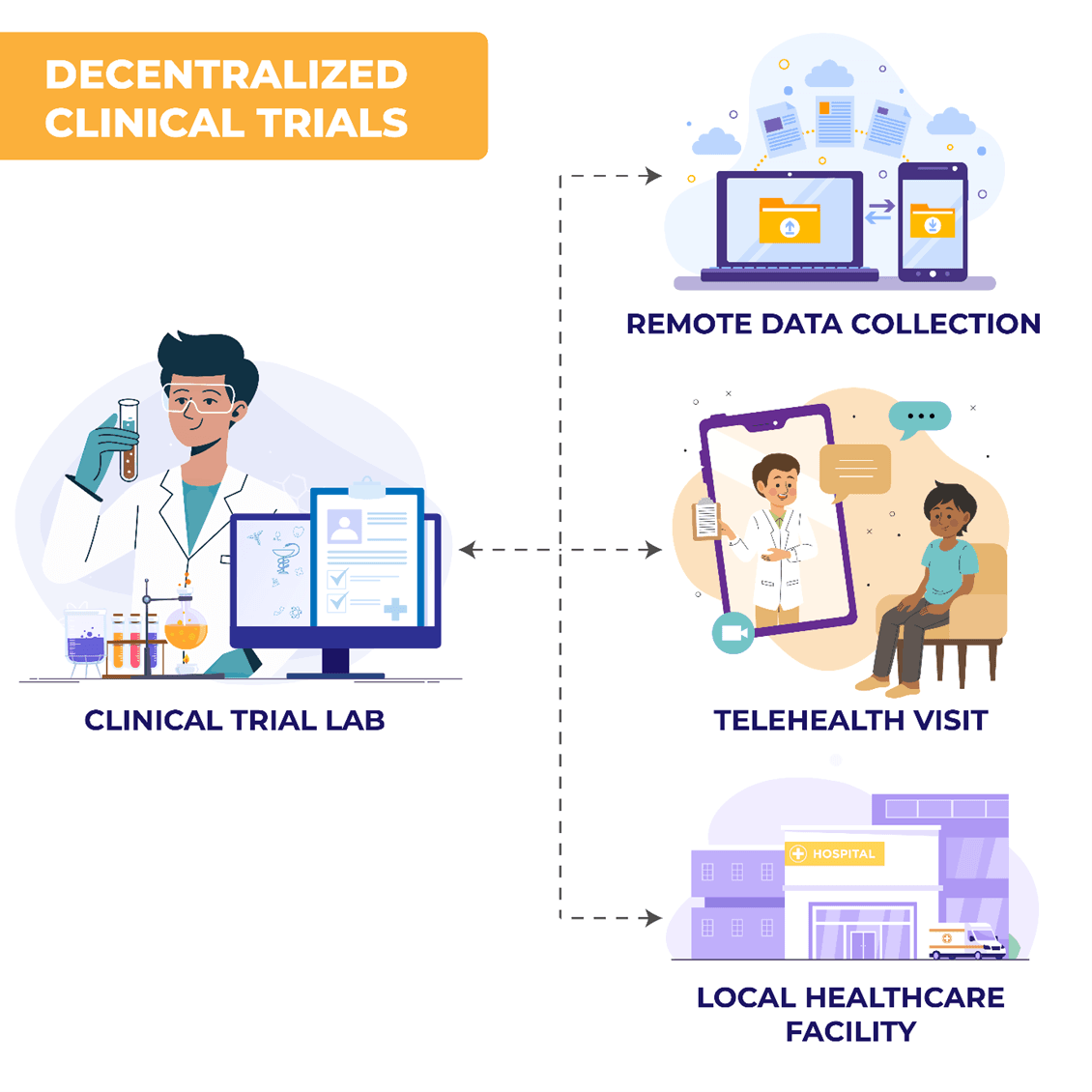
(DCTs) are redefining how pharmaceutical studies are designed, conducted, and analyzed by moving away from traditional site-centric models toward patient-centric, digitally enabled trial ecosystems.
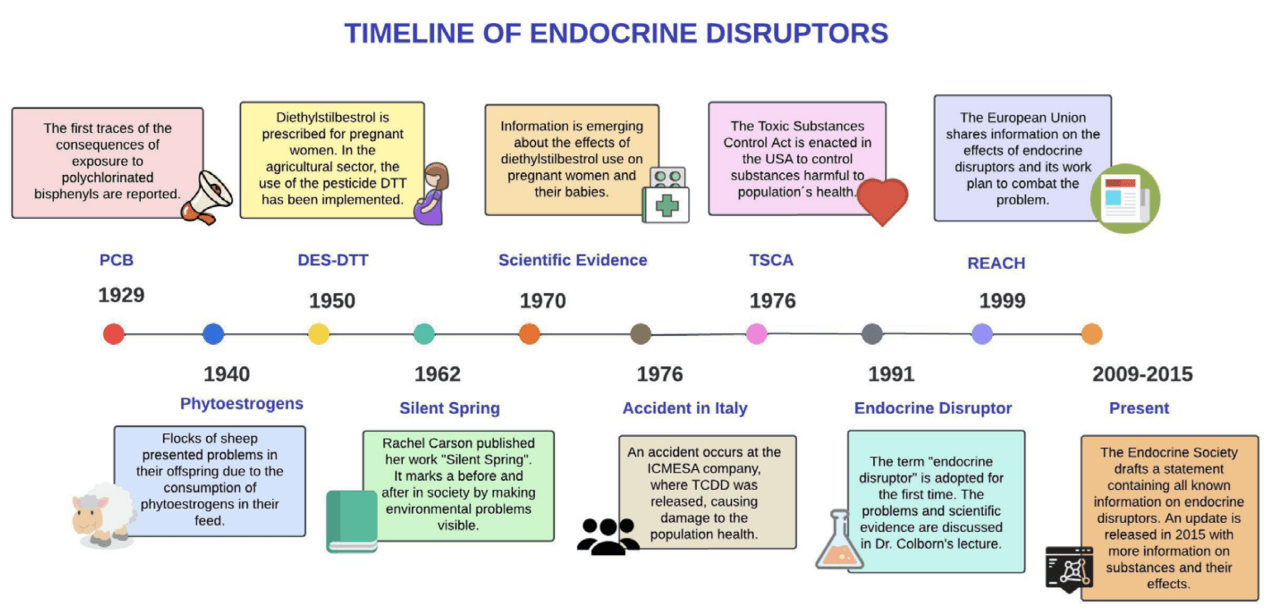
Environmental endocrine disruptors (EEDs) are natural and synthetic chemicals that interfere with endocrine system function by altering hormone synthesis, transport, metabolism, and receptor binding.
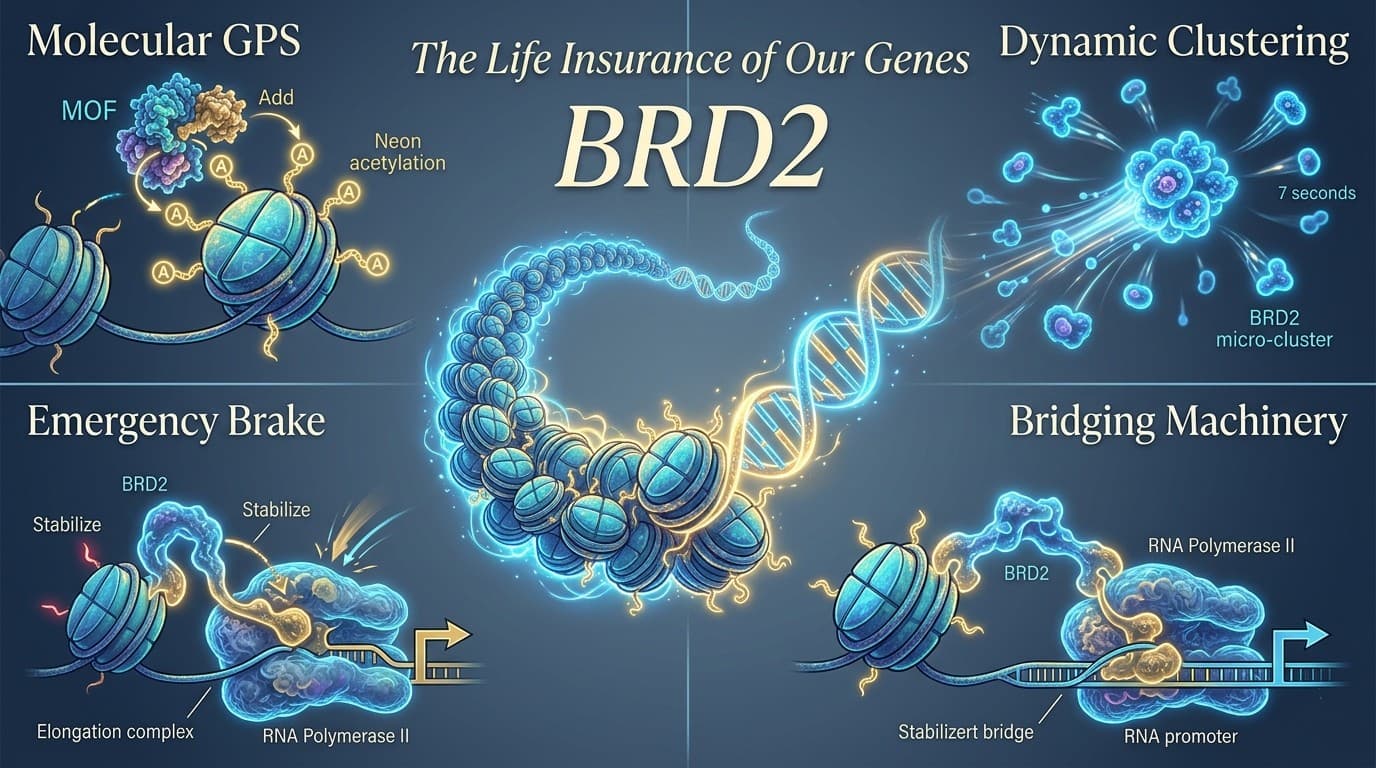
Cells can be understood as highly coordinated systems in which DNA functions as a comprehensive but inert blueprint, requiring precise interpretation to become biologically active. Gene expression depends on regulatory proteins that orchestrate transcription across time and space.
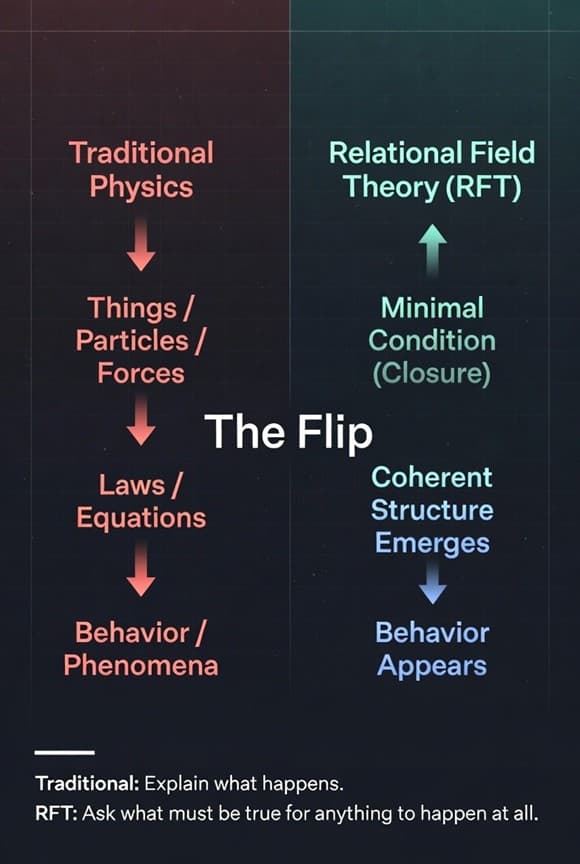
We begin with things - particles, fields, forces - and then build laws and equations to explain how those things behave. This approach has been extraordinarily successful. It is how we arrived at quantum mechanics, general relativity, and the Standard Model.