
Science & Research
How AI Learned to Hunt Superbugs in a Digital Haystack
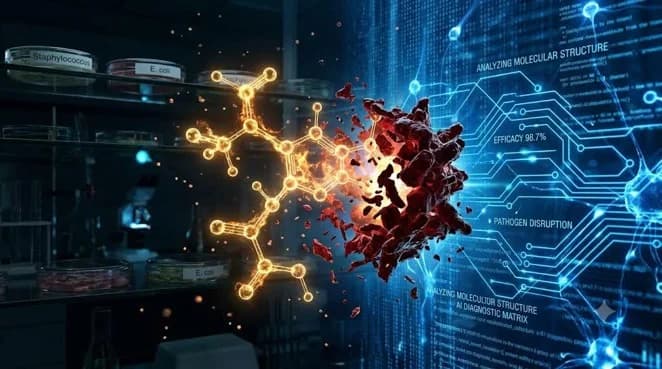
Antibiotic resistance could kill 10 million annually by 2050. Discover how AI found Halicin, a molecule that kills superbugs humans couldn't defeat.

Web 3.0, commonly referred to as Web3, marks a new era of the World Wide Web characterized by distinct values and technological advancements. Its key features include ubiquity, decentralization, artificial intelligence, blockchain technology, and improved connectivity. At its foundation, Web 3.0 employs blockchain to develop decentralized applications and systems. This integration empowers users with greater control over their data, facilitates peer-to-peer interactions, and enables transactions and governance without intermediaries.
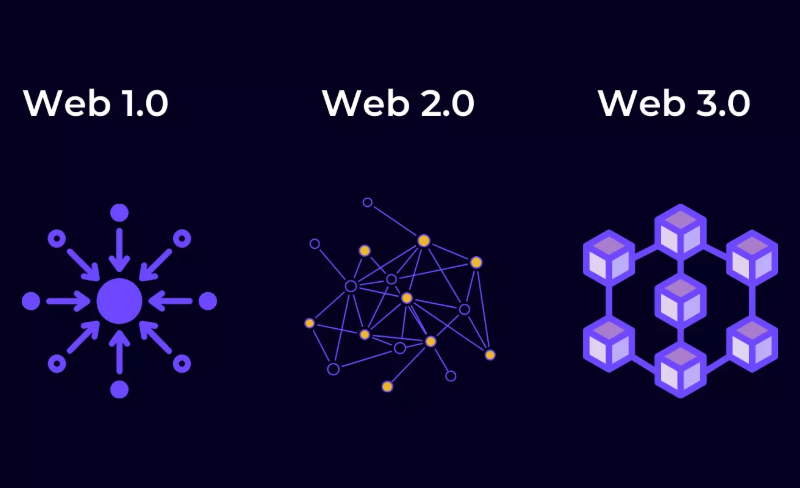
What is clear, though, is that Web 3.0 will place a strong emphasis on decentralized applications and probably make extensive use of blockchain-based technologies.
Several key features of Web 3.0 define what this third generation of the web is likely to entail.
Web 3.0 will deliver applications and services using a distributed approach, unlike the first two generations of the web, which were largely centralized and dependent on a central authority.
Every node maintains a copy of the blockchain, which guarantees both transparency and security.
Blockchain decentralization is essential for the development of Web 3.0's distributed applications and services. It enables data to be managed and validated across a widely distributed, peer-to-peer network. Additionally, blockchain uses a theoretically immutable ledger to record transactions and activities, which helps verify authenticity and foster trust among participants in the blockchain network.
Cryptocurrency stands as a transformative pillar of Web 3.0, poised to fundamentally replace traditional fiat currency issued by central banks. This shift could reshape our financial landscape, offering greater autonomy and security to users everywhere.
Become a Contributor
Share your knowledge and help others understand science.
Antibiotic resistance could kill 10 million annually by 2050. Discover how AI found Halicin, a molecule that kills superbugs humans couldn't defeat.
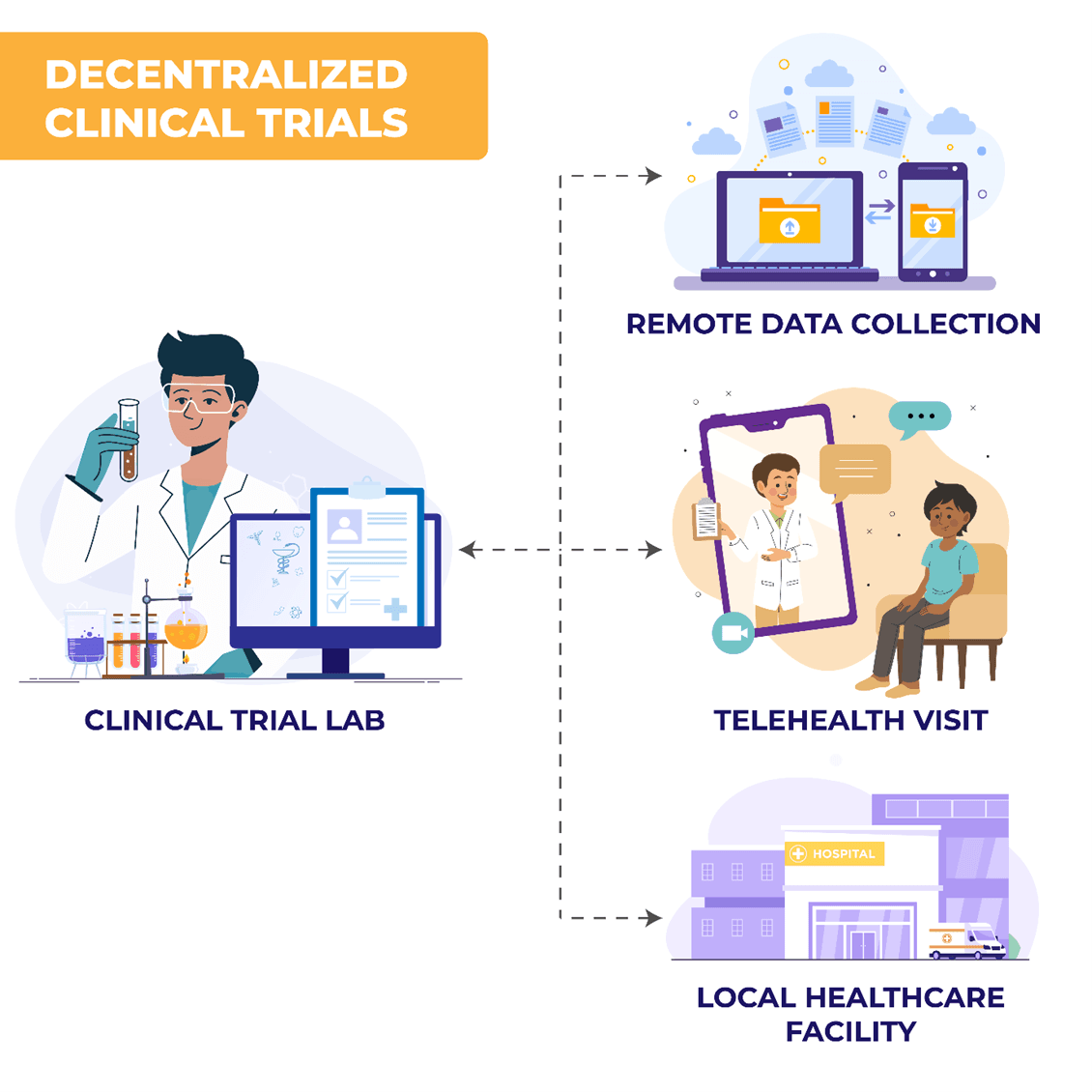

(DCTs) are redefining how pharmaceutical studies are designed, conducted, and analyzed by moving away from traditional site-centric models toward patient-centric, digitally enabled trial ecosystems.

Learn how AI agents monitor customer and employee behavior, compare patterns, spot early changes, and help businesses reduce risks and make informed decisions.

Discussion