Discover Scientific Knowledge

Showing results for: "outperform traditional" (53 results)

Brookhaven Chemists Advance Lithium-Metal Battery Technology
Science & Research

Brookhaven Chemists Advance Lithium-Metal Battery Technology

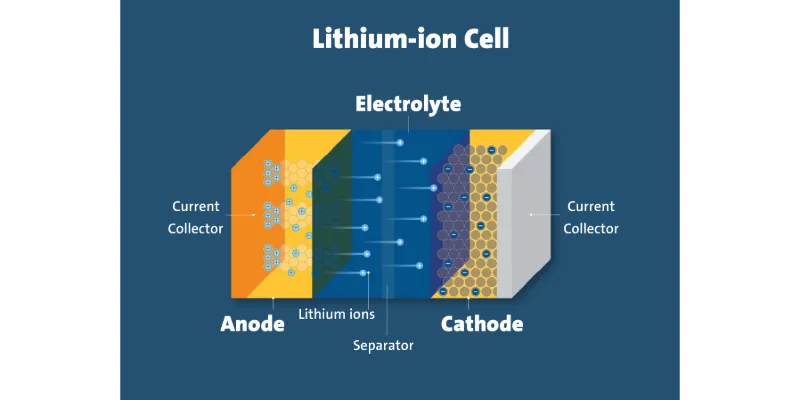
Lithium-metal batteries, equipped with lithium metal anodes, have the remarkable ability to store over twice the energy of traditional lithium-ion batteries with graphite anodes. Despite this potential, most battery-powered devices continue to rely on less advanced lithium-ion technology.

What is Web 3.0?
Tech & AI

What is Web 3.0?

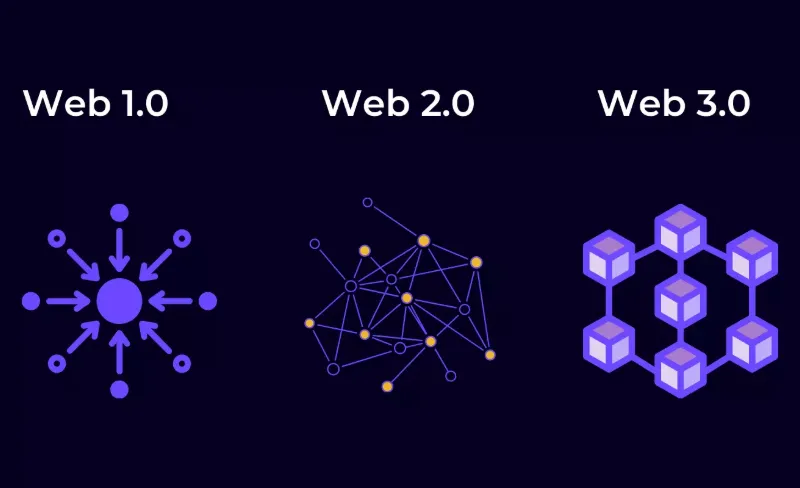
Web 3.0, commonly referred to as Web3, marks a new era of the World Wide Web characterized by distinct values and technological advancements. Its key features include ubiquity, decentralization, artificial intelligence, blockchain technology, and improved connectivity.

Unveiling the Mysteries of Quantum Computing
Tech & AI

Unveiling the Mysteries of Quantum Computing

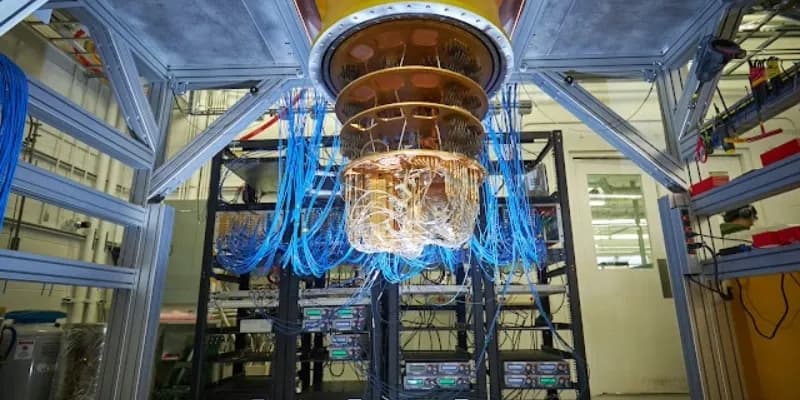
Quantum computing represents a revolutionary advancement in computational capabilities. Unlike traditional computers, which use bits as the smallest unit of data, quantum computers utilize quantum bits or qubits. These qubits can exist in multiple states at the same time due to the principles of superposition and entanglement.

The Brain’s Ability to Change and Its Role in Depression
Health & Medicine

The Brain’s Ability to Change and Its Role in Depression

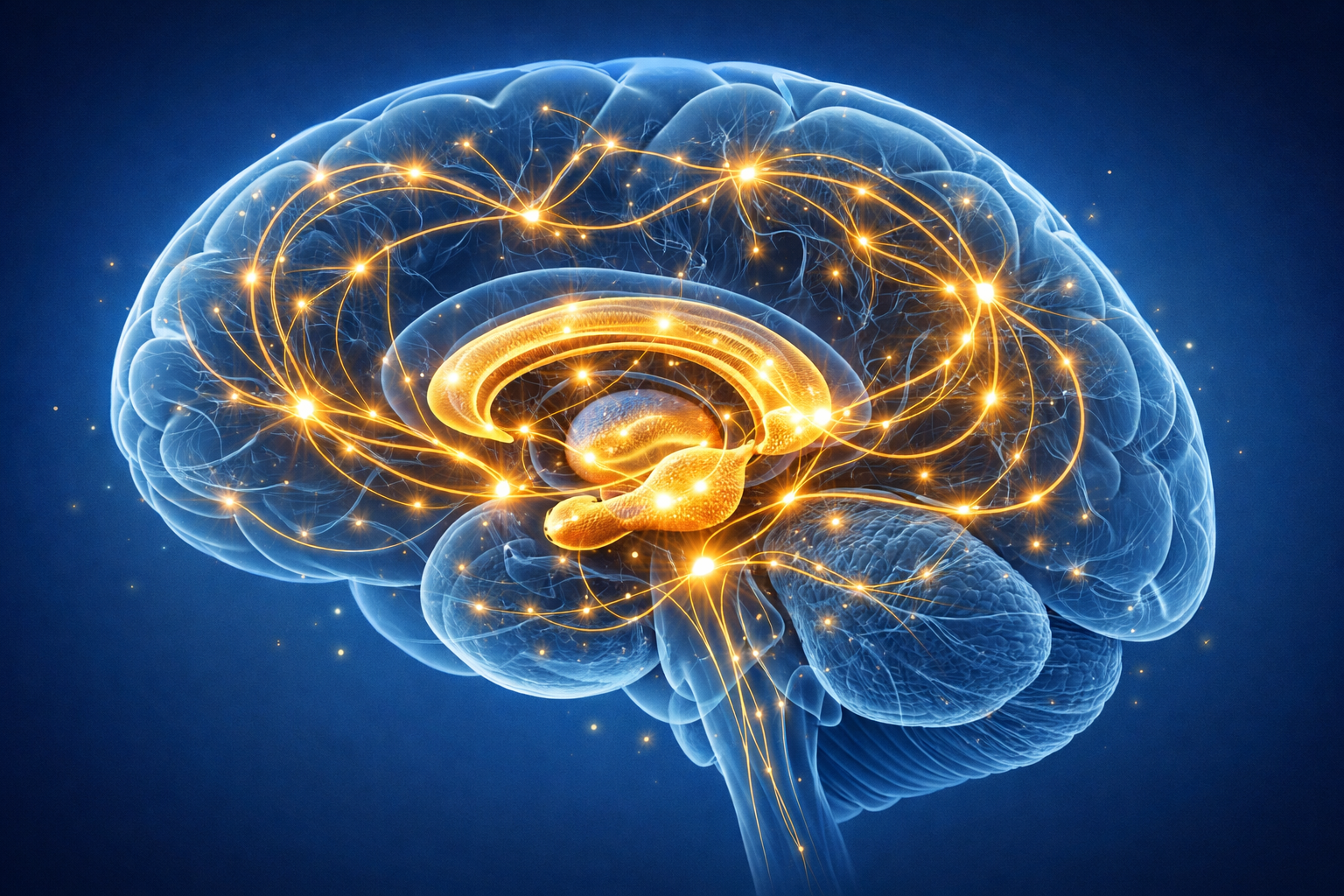
Depression has affected humans for hundreds of years. Symptoms can include persistent feelings of sadness, sleep disturbances, anxiety, and a loss of interest in social activities. Science doesn’t yet fully understand the causes and effects, but here’s what we do know: the brain is a powerful organ, and it is capable of change. Made up of a wide network of connections, it relies on chemicals, electrical impulses, and billions of neurons. Let’s explore how brain science

How Scientists Are Discovering the Next Generation of Tuberculosis Drugs
Science & Research

How Scientists Are Discovering the Next Generation of Tuberculosis Drugs

Tuberculosis (TB) remains one of the world's deadliest infectious diseases, claiming over a million lives each year. TB is the deadliest infectious disease known today, claiming more lives than COVID-19. TB is caused by the bacterium Mycobacterium tuberculosis. TB spreads through the air when infected people breathe, cough, sneeze,

The Flip: Why Relational Field Theory Starts Where Most Physics Ends
Science & Research

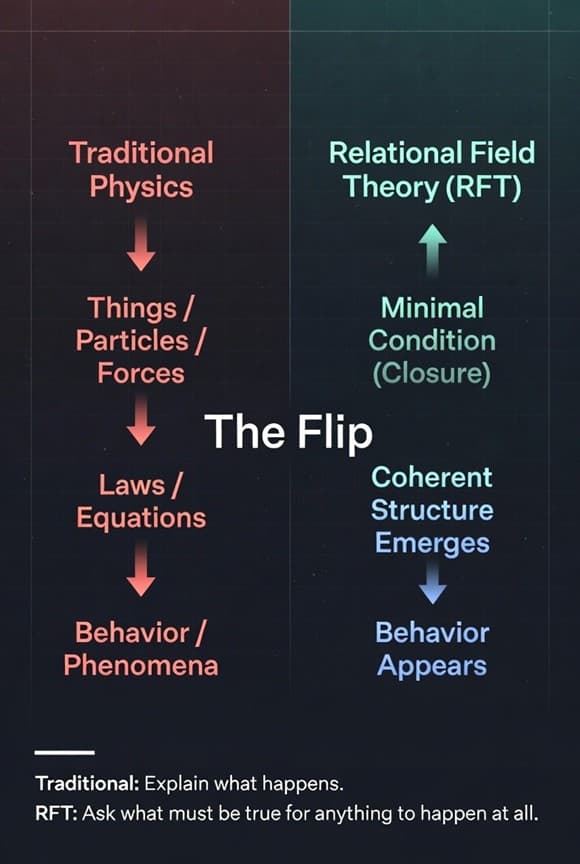
The Flip: Why Relational Field Theory Starts Where Most Physics Ends

We begin with things - particles, fields, forces - and then build laws and equations to explain how those things behave. This approach has been extraordinarily successful. It is how we arrived at quantum mechanics, general relativity, and the Standard Model.

APCs as Allies: How Drug Delivery Hijacks Immunity
Health & Medicine

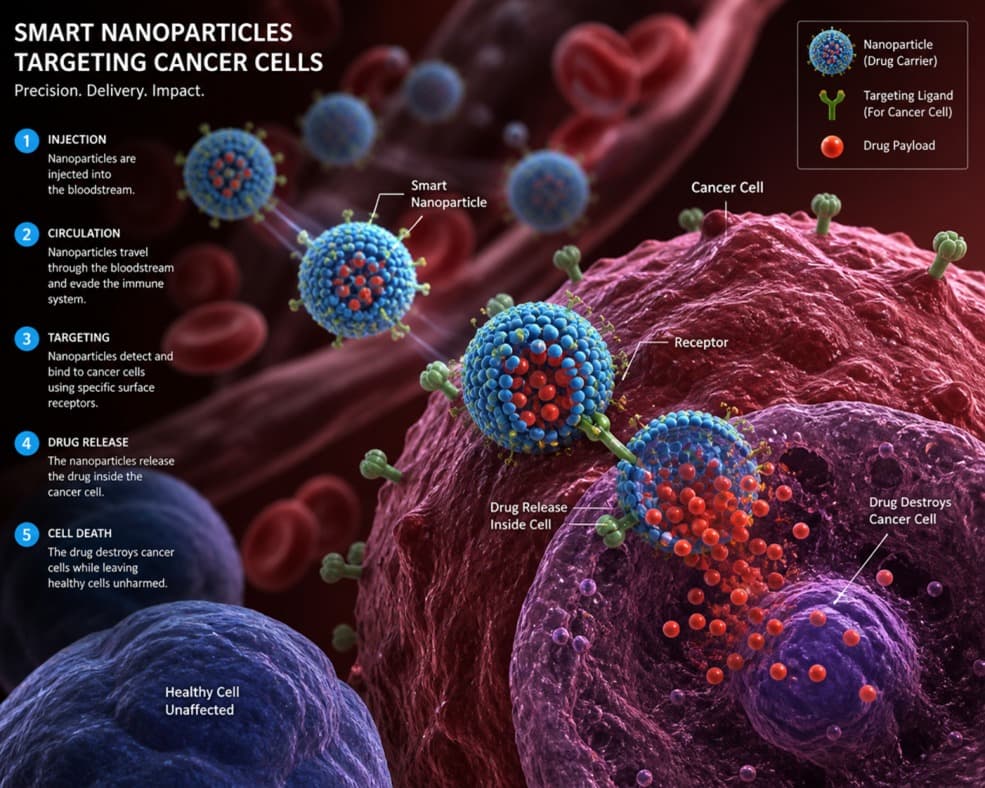
APCs as Allies: How Drug Delivery Hijacks Immunity

Discover how antigen-presenting cells like dendritic cells and macrophages are being recruited through smart particle design for vaccines and immunotherapy.

Psychotherapy Options for Anxiety
Health & Medicine

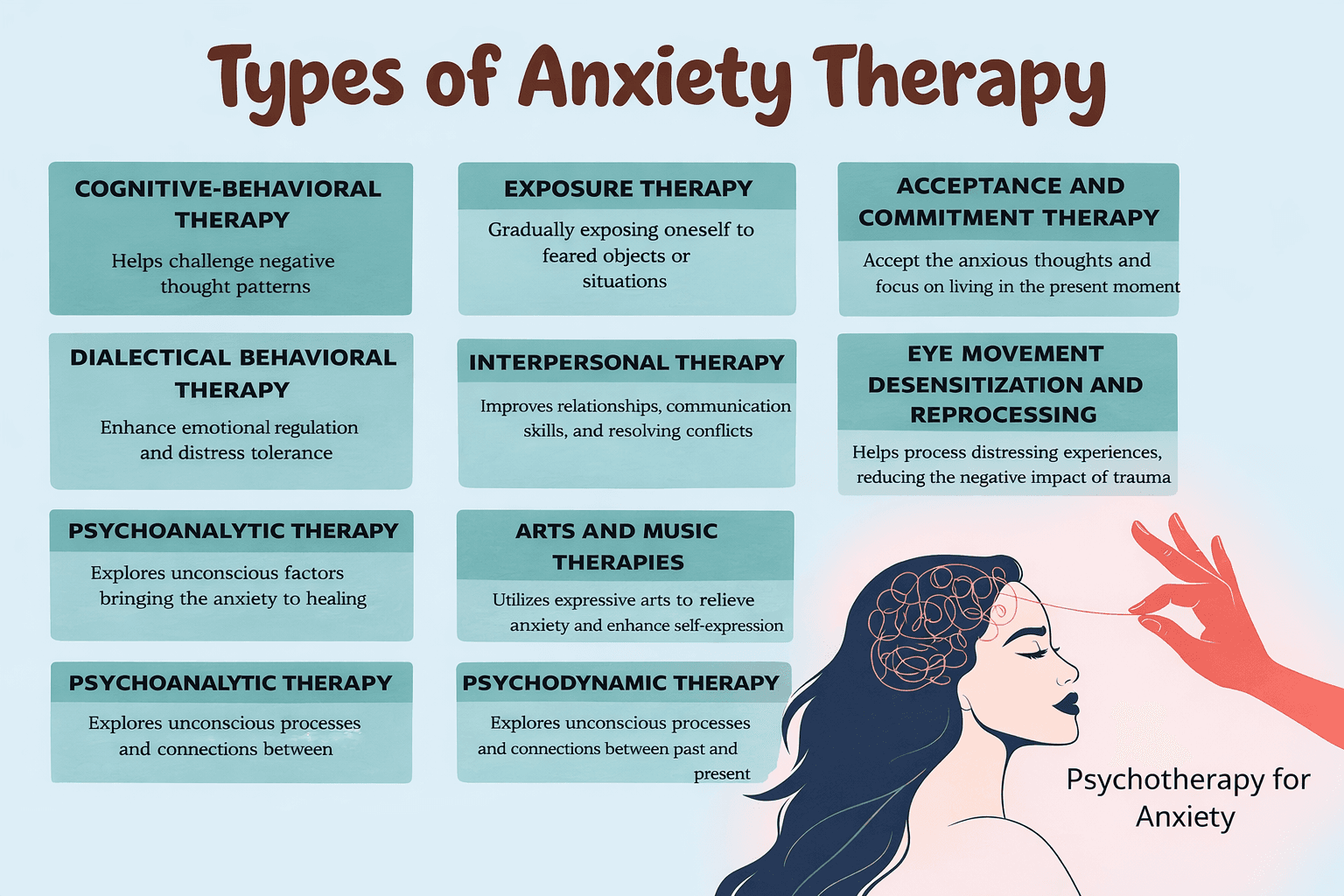
Psychotherapy Options for Anxiety

Symptoms of anxiety disorders can interfere with daily life activities, such as performance at work, being in social gatherings, and relationships. In severe cases of anxiety, there might be a feeling of intense fear in common situations, a preference for isolation, or a refusal to leave their homes

The Planck Scale: Where Our Best Physical Descriptions Meet Their Shared Boundary
Science & Research

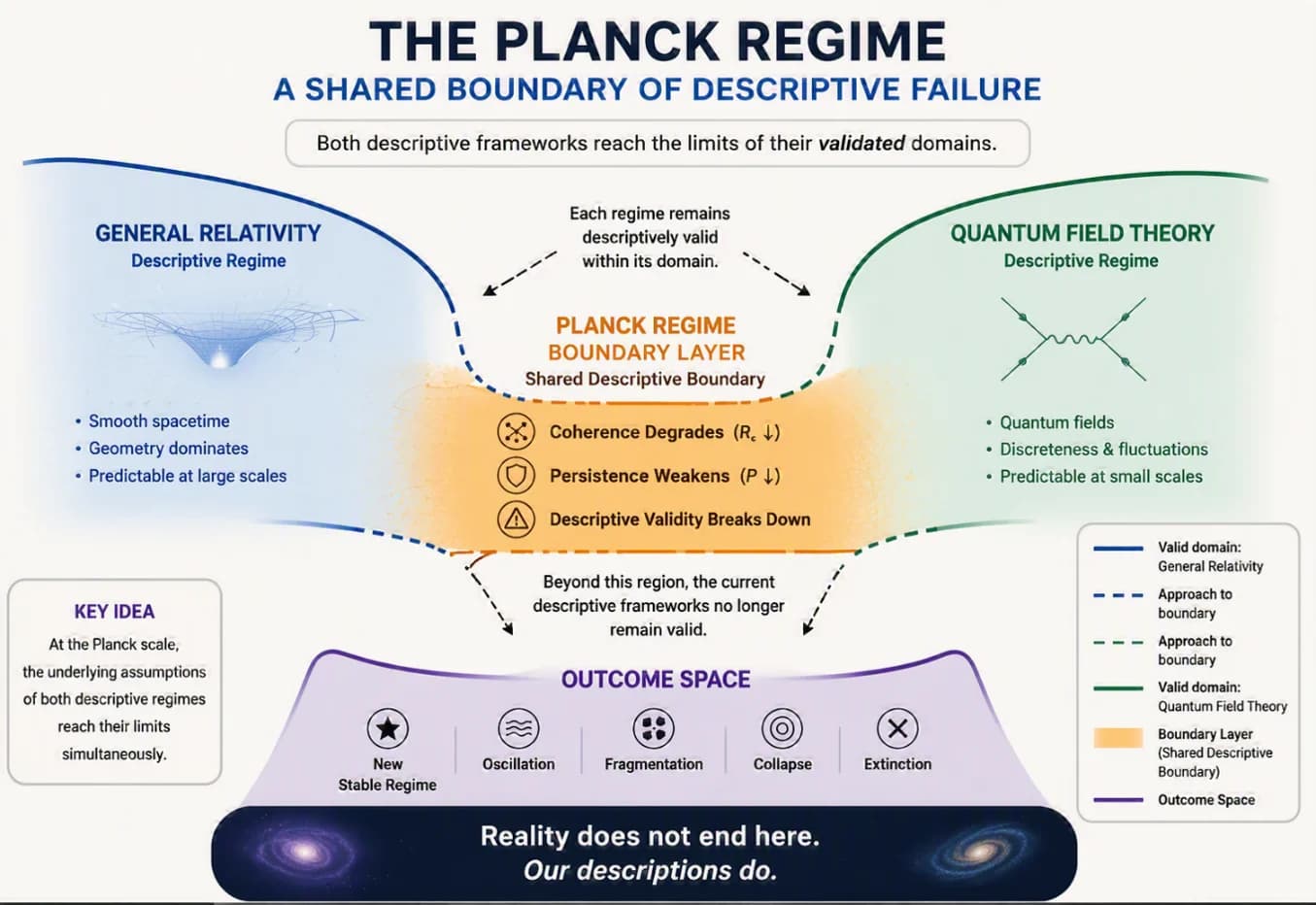
The Planck Scale: Where Our Best Physical Descriptions Meet Their Shared Boundary

Few concepts in modern physics carry as much significance—or as much mystery—as the Planck scale. It is the regime where gravitational effects become comparable to quantum effects, suggesting that both General Relativity and Quantum Field Theory should contribute to our description of nature.

Why a Stable Universe Cannot Support Unnecessary Structure
Science & Research

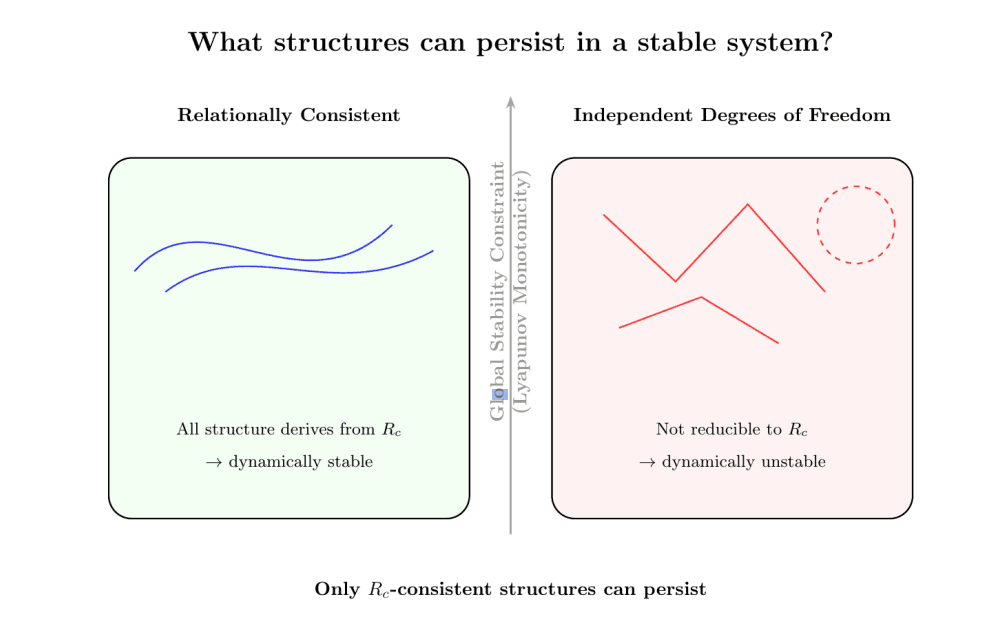
Why a Stable Universe Cannot Support Unnecessary Structure

Modern physics often assumes that the complexity we observe in the universe reflects an underlying complexity in its fundamental structure. Fields, particles, forces, and geometries are typically introduced as independent components, each carrying its own degrees of freedom.