
Tech & AI
How Data Privacy Impacts Everyday Technology Users
Learn how data privacy affects daily technology use, the risks of oversharing personal information, and practical ways to stay protected online.

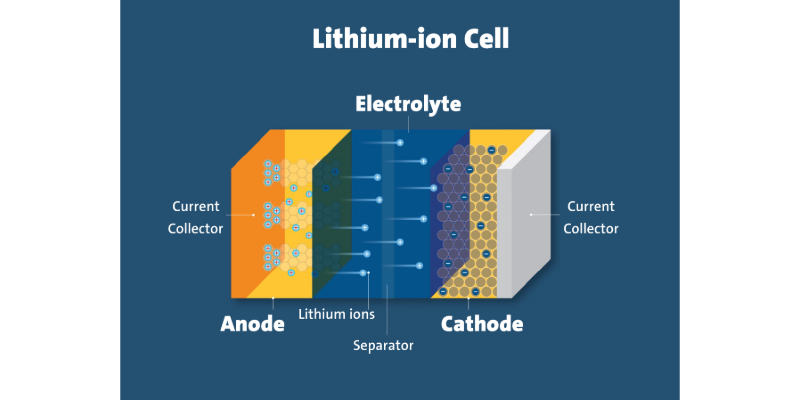
Lithium-metal batteries, equipped with lithium metal anodes, have the remarkable ability to store over twice the energy of traditional lithium-ion batteries with graphite anodes. Despite this potential, most battery-powered devices continue to rely on less advanced lithium-ion technology. Recently, chemists at Brookhaven made groundbreaking strides in enhancing lithium-metal batteries for the Department of Energy (DOE) by incorporating a compound called cesium nitrate into the electrolyte that separates the battery's anode and cathode. This strategic addition effectively targeted the interphase, a vital protective layer on the battery's electrodes that significantly influences the number of charge and discharge cycles a battery can endure. With the cesium nitrate additive, these advanced batteries can recharge more rapidly while preserving their cycle life.
However, detailed analysis conducted with cutting-edge tools at the National Synchrotron Light Source II and the Center for Functional Nanomaterials unveiled two unexpected outcomes: a previously unknown component in the interphase and the absence of a factor once thought essential for optimal battery performance. These insights not only challenge long-standing assumptions about battery technology but also pave the way for exciting new opportunities in battery engineering.
Become a Contributor
Share your knowledge and help others understand science.
Learn how data privacy affects daily technology use, the risks of oversharing personal information, and practical ways to stay protected online.

Healthcare is changing faster than ever before. Thanks to breakthroughs in artificial intelligence (AI), genomics, and wearable technology, medicine is entering the era of smart health, where data, devices, and biology work together to create care tailored to the individual.

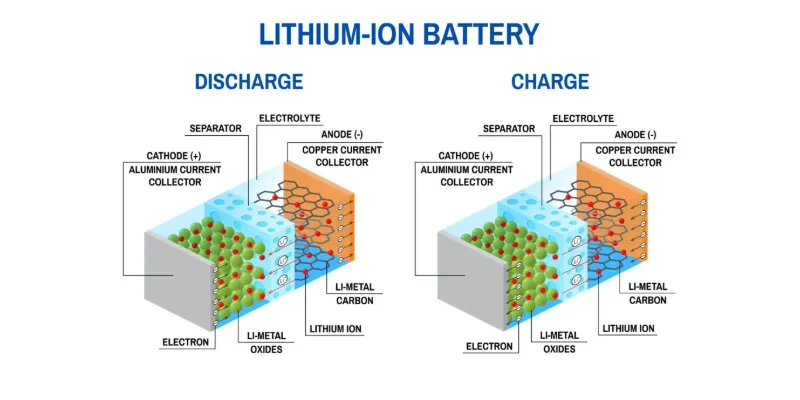
Lithium-ion batteries are the most popular type of rechargeable battery in use today. They power many of the devices we rely on daily, including mobile phones and electric vehicles. These batteries are lightweight,

Discussion