One Gene Down, Brain Function Affected: Insights into Neurodevelopmental Disorders
Haploinsufficient genes show how losing one gene copy can affect brain development, increasing risk for neurodevelopmental disorders and behaviour changes.
Showing results for: "power" (35 results)

Haploinsufficient genes show how losing one gene copy can affect brain development, increasing risk for neurodevelopmental disorders and behaviour changes.

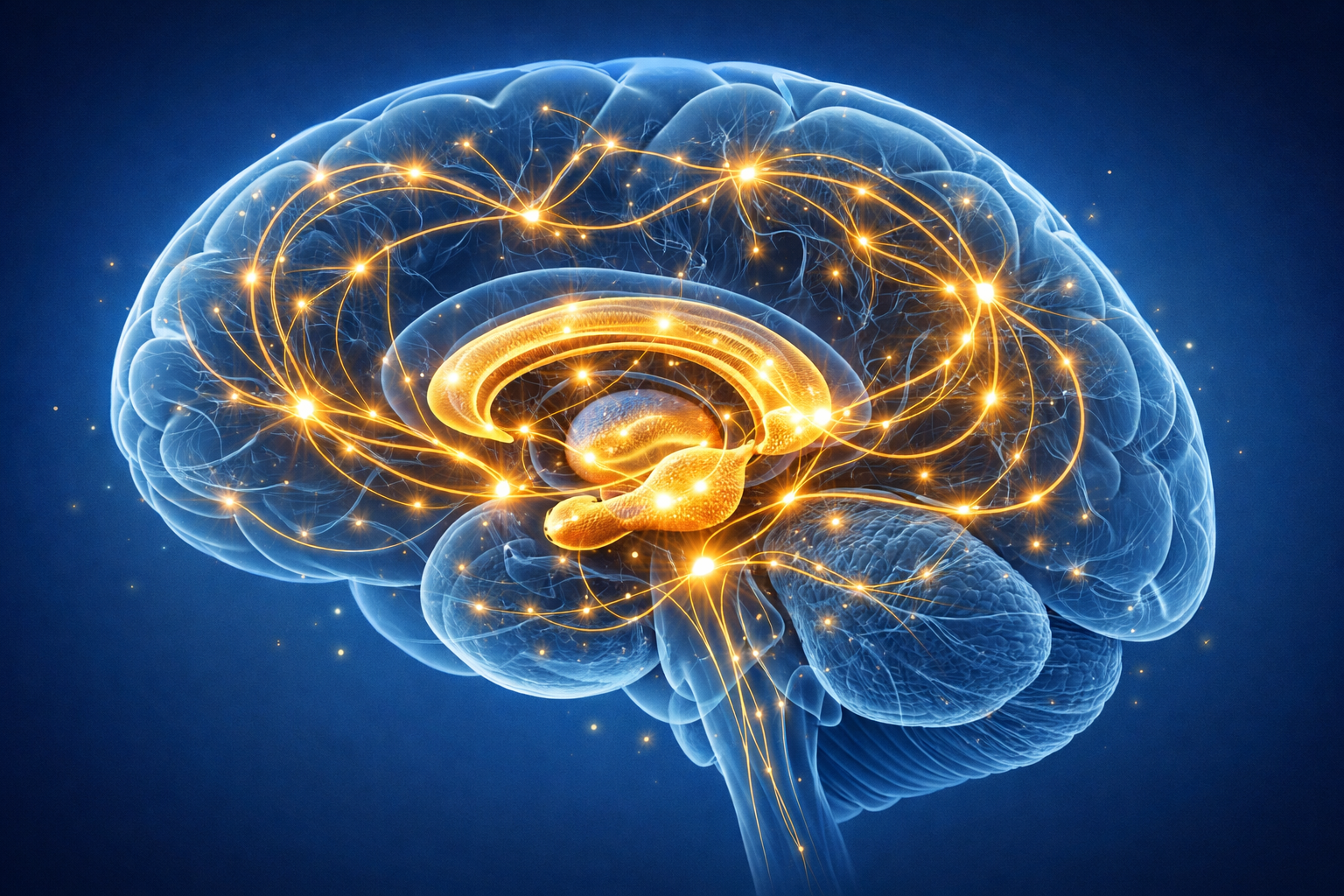
Depression has affected humans for hundreds of years. Symptoms can include persistent feelings of sadness, sleep disturbances, anxiety, and a loss of interest in social activities. Science doesn’t yet fully understand the causes and effects, but here’s what we do know: the brain is a powerful organ, and it is capable of change. Made up of a wide network of connections, it relies on chemicals, electrical impulses, and billions of neurons. Let’s explore how brain science

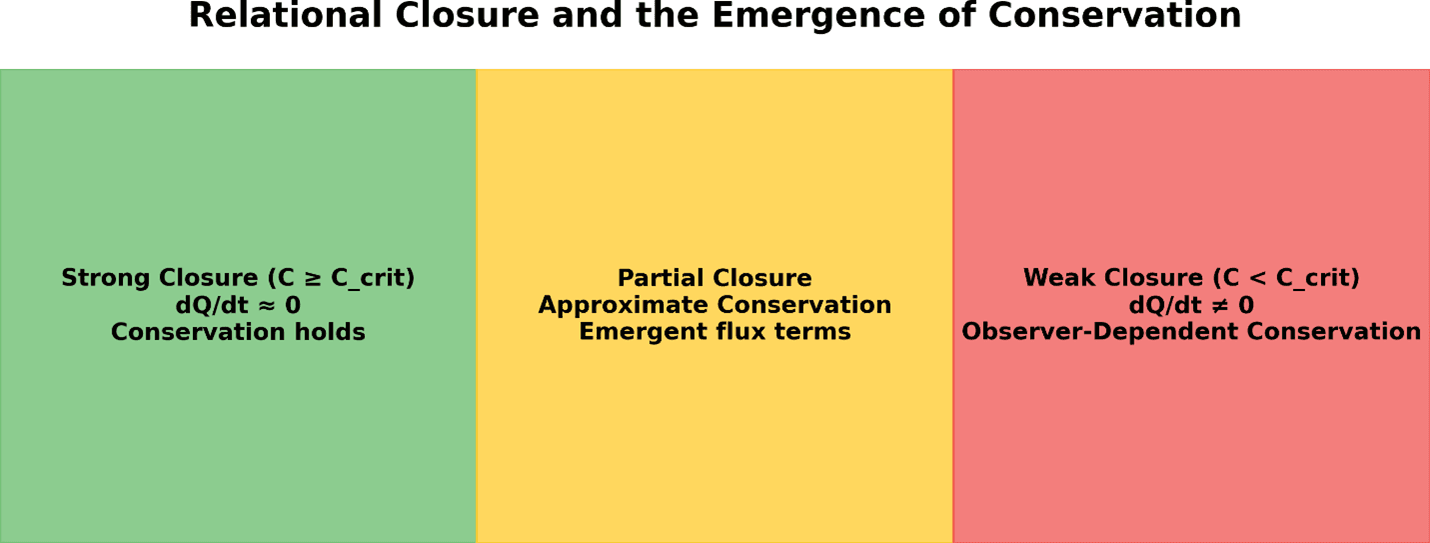
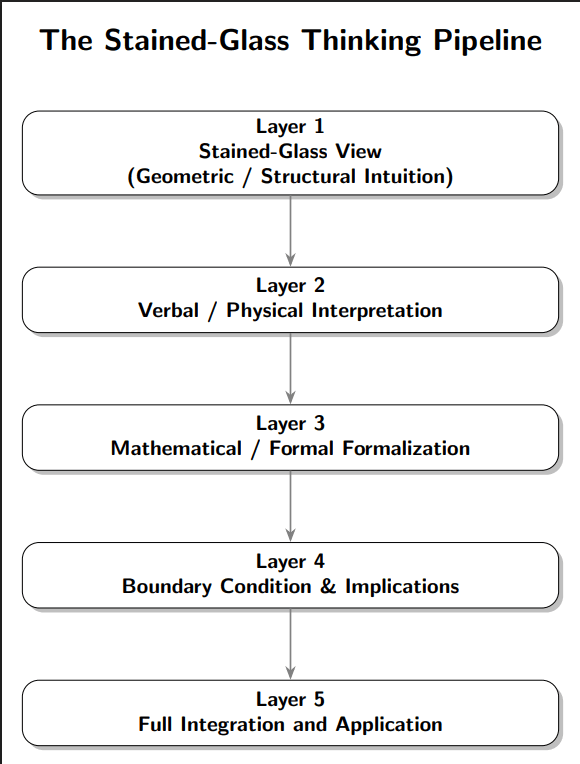
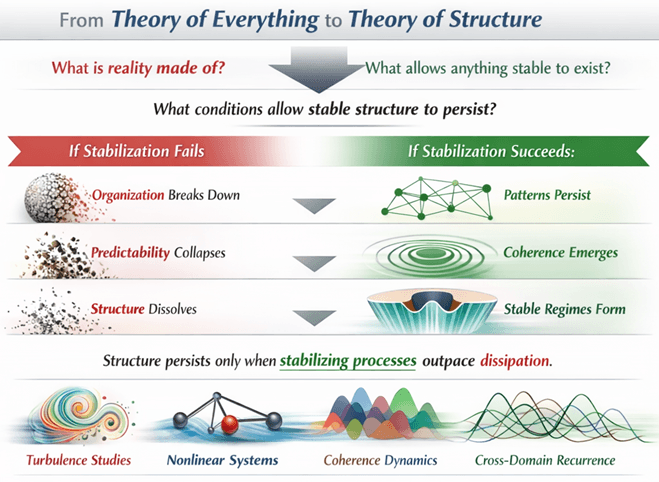
This article makes those steps explicit. I describe a repeatable cognitive pipeline I call Stained-Glass Thinking, which I have used consistently throughout the development of Relational Field Theory (RFT).

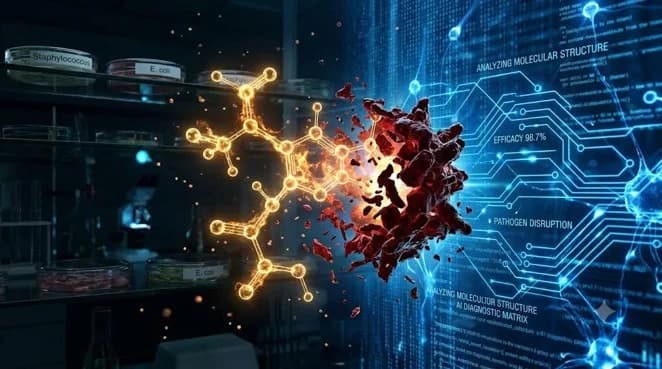
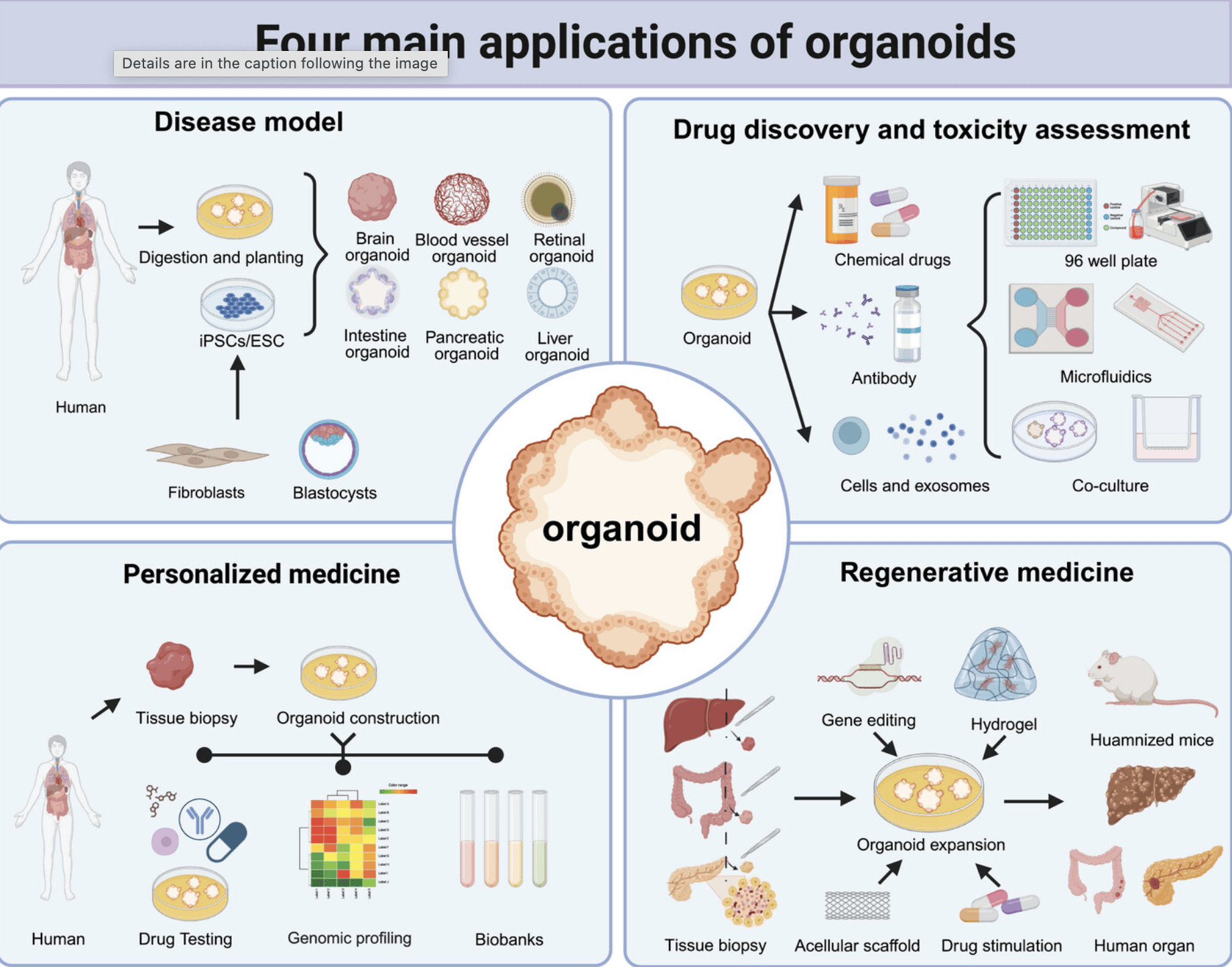
Animal models have traditionally served as the cornerstone of drug safety evaluation; however, major translational challenges persist due to interspecies differences in physiology, metabolism, and genetic regulation. Many compounds demonstrating favorable toxicity profiles in animals later fail during human trials or are withdrawn post-marketing due to unforeseen adverse effects, especially hepatotoxicity and cardiotoxicity (Lee et al., 2025).

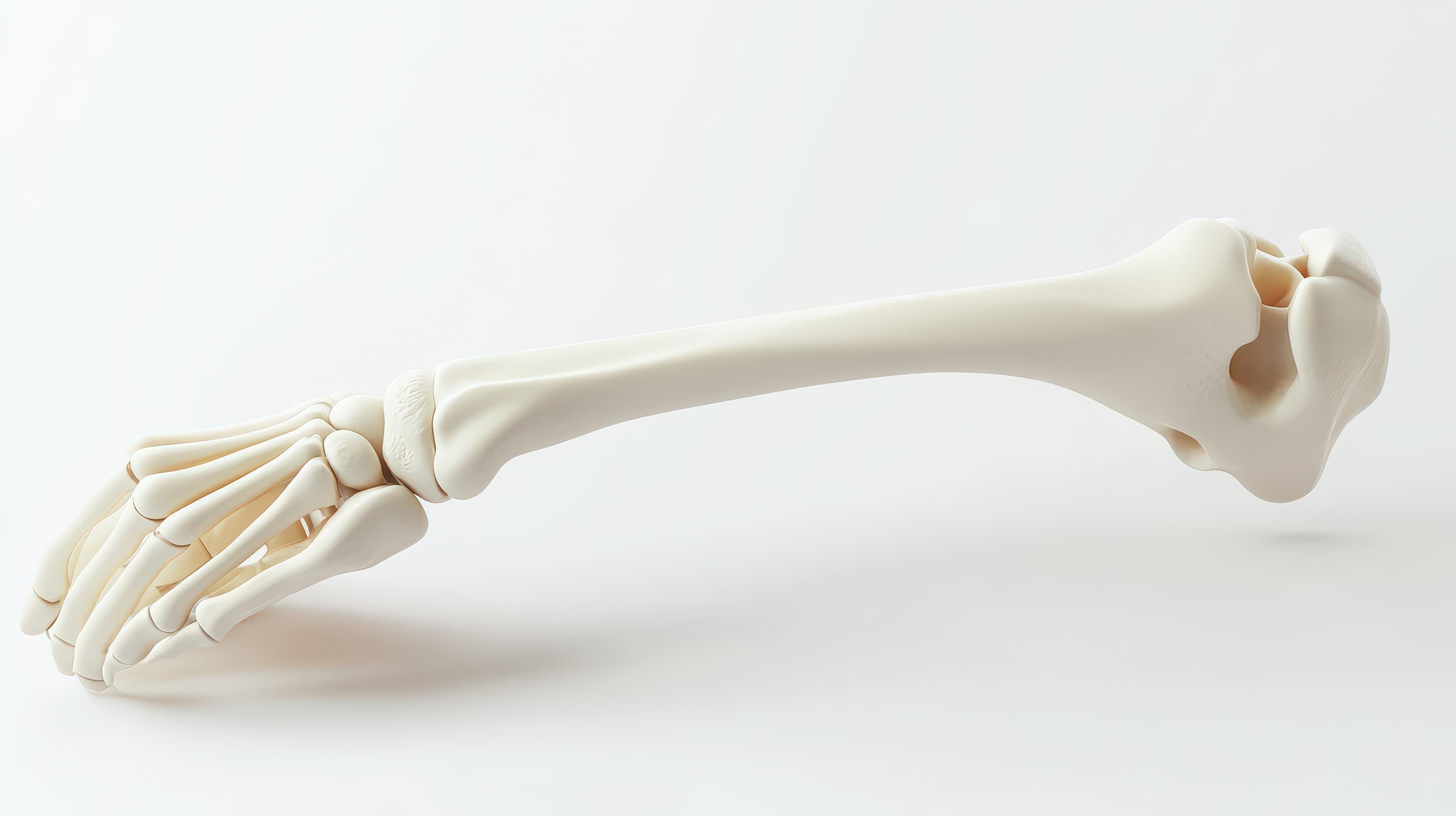
In Sci-fi visions of distant futures, some imagine sprawling intergalactic civilizations. Scaffolds built around stars harvesting their energy. Fusion reactors, cyborgs, superintelligent implants. But the future of artificial bones, though perhaps more mundane, could be a life saving science.

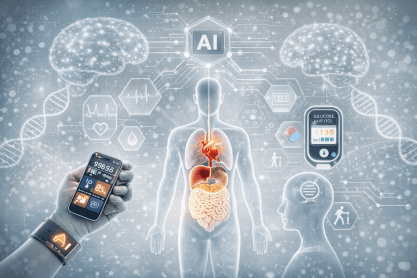
Modern healthcare is undergoing a silent revolution. Now to treat a disease in the healthcare system, there is no longer a need to wait for symptoms to appear.

A future without transplant waitlists? Tissue engineering blends biology and engineering to build living, functional human tissue.

Inhalable vaccines trigger powerful mucosal immunity where pathogens enter the body, offering needle-free protection against respiratory diseases.

This article will unlock that box, exploring the crucial process of translating complex clinical trial evidence into clear, understandable information for everyone. We'll journey from the surprising origins of clinical trials to the modern-day push for transparency, and discover why making science accessible is not just a convenience, but a necessity for public trust and informed health decisions.

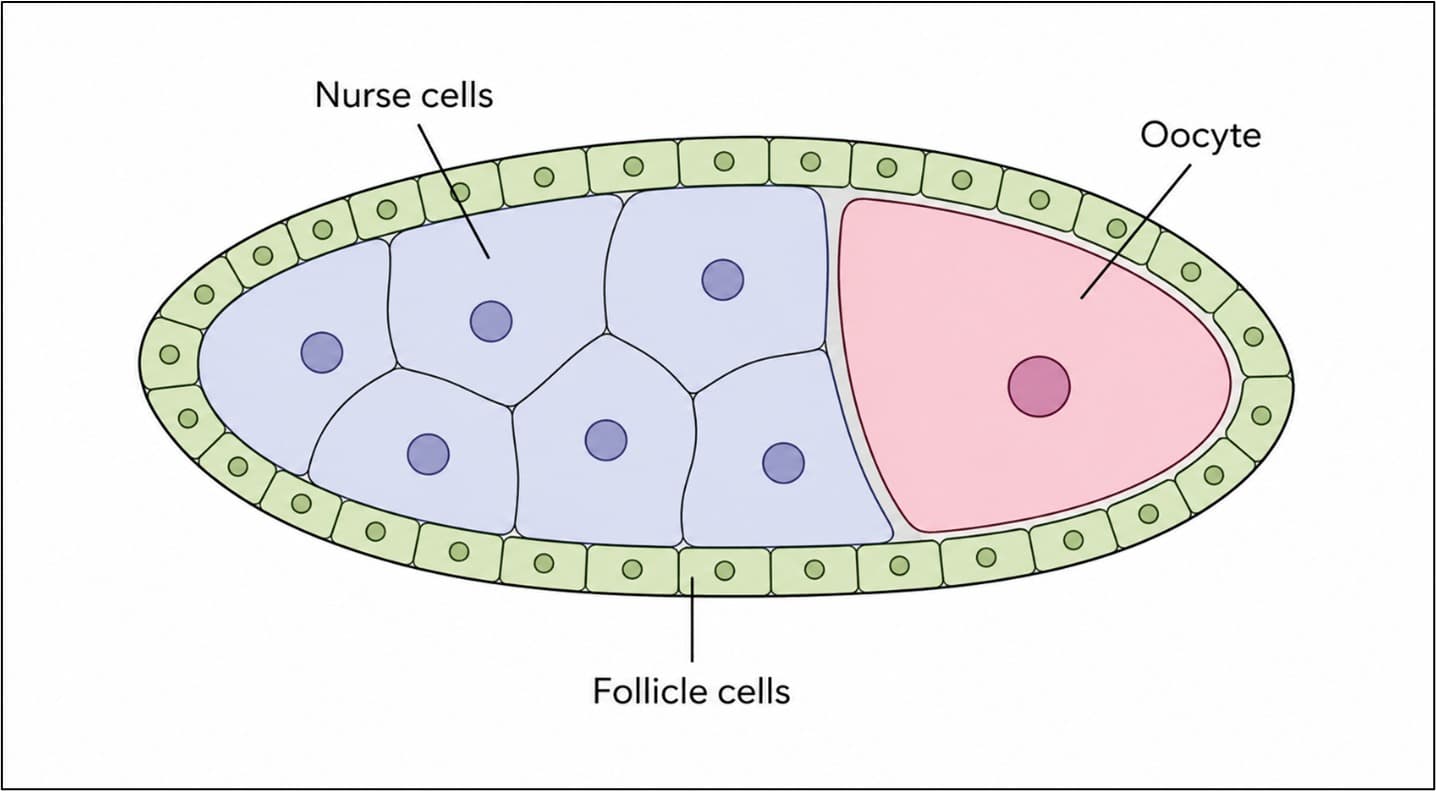
Small fruit fly is an excellent model organism used by scientists to study various aspect of human health and diseases such as development, regeneration, wound healing, cancer and stem cell research

The Internet has transformed the world, connecting people, information, and resources in unprecedented ways, even beyond physical boundaries. What began as a small research project has now grown into a global system that supports billions of devices and enables nearly every aspect of modern life. In this article, we will explore the major discoveries and milestones that contributed to the development of the Internet.

Tiny but powerful, basement membranes support cells, regulate barriers, and drive disease when disrupted—key players in health, aging, and cancer.

Have you ever intended to check a single notification, only to realize forty minutes have vanished into an endless scroll? In 2026, privacy is no longer just about your data; it is about your thought process. Is your next choice truly yours, or has a 'Digital Twin' already made it for you

Traditionally, Forensic Science relies on Human DNA for contact evidence and individual identification, but limitation arises when the blood cells obtained from the crime scene are degraded or not.

Environmental pollution in densely populated regions remains a persistent challenge, particularly where cultural, religious, and social practices intersect with fragile ecosystems. While industrial emissions and vehicular pollution have received substantial scholarly attention, the environmental impact of everyday ritual and community practices