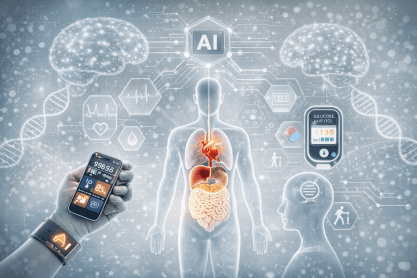
AI for Early Disease Prediction: How Algorithms Detect Illness Before Symptoms
Can algorithms predict sickness before you feel it? Explore how AI is using smartwatch data and ECGs to detect diseases like Alzheimer's and AFib early.
Showing results for: "power smart" (47 results)

Can algorithms predict sickness before you feel it? Explore how AI is using smartwatch data and ECGs to detect diseases like Alzheimer's and AFib early.

This article aims to demystify the anatomy of a clinical trial protocol, peeling back the technical layers to reveal how scientific rigor is converted into medical progress. At ScientistsHub, we often ask: How do we ensure that a medical breakthrough is not just a stroke of luck, but a repeatable, verifiable victory for human health? The answer is found in the design. To truly appreciate the result of any trial, one must first master the architecture of the inquiry.

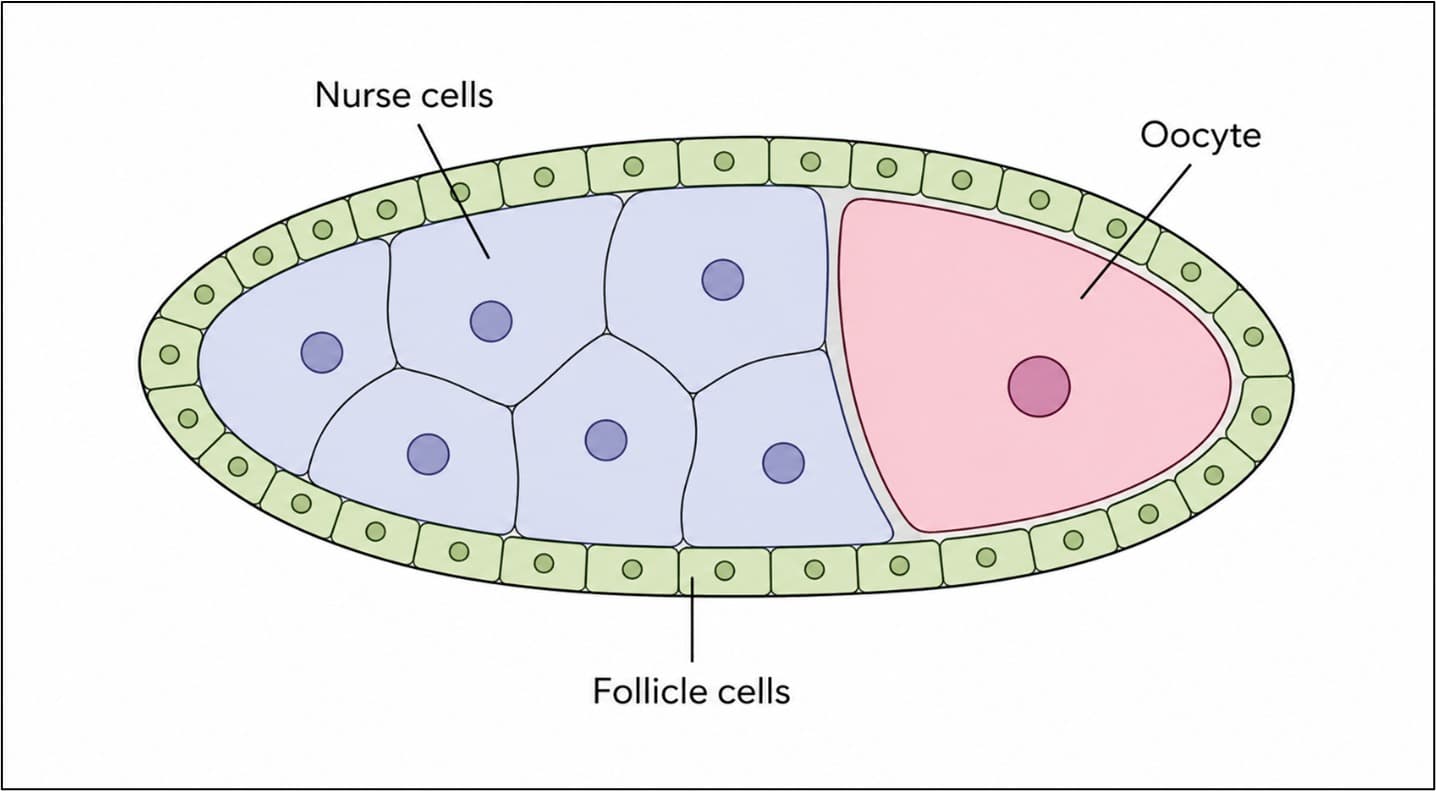
How does one egg form? Inside the fruit fly ovary, discover how cells organize, migrate, and cooperate to turn an egg chamber into one egg—step by step

Artificial Intelligence AI with it’s widespread use in various sectors has also taken a dive into healthcare by transforming clinical practice and improving patient care.

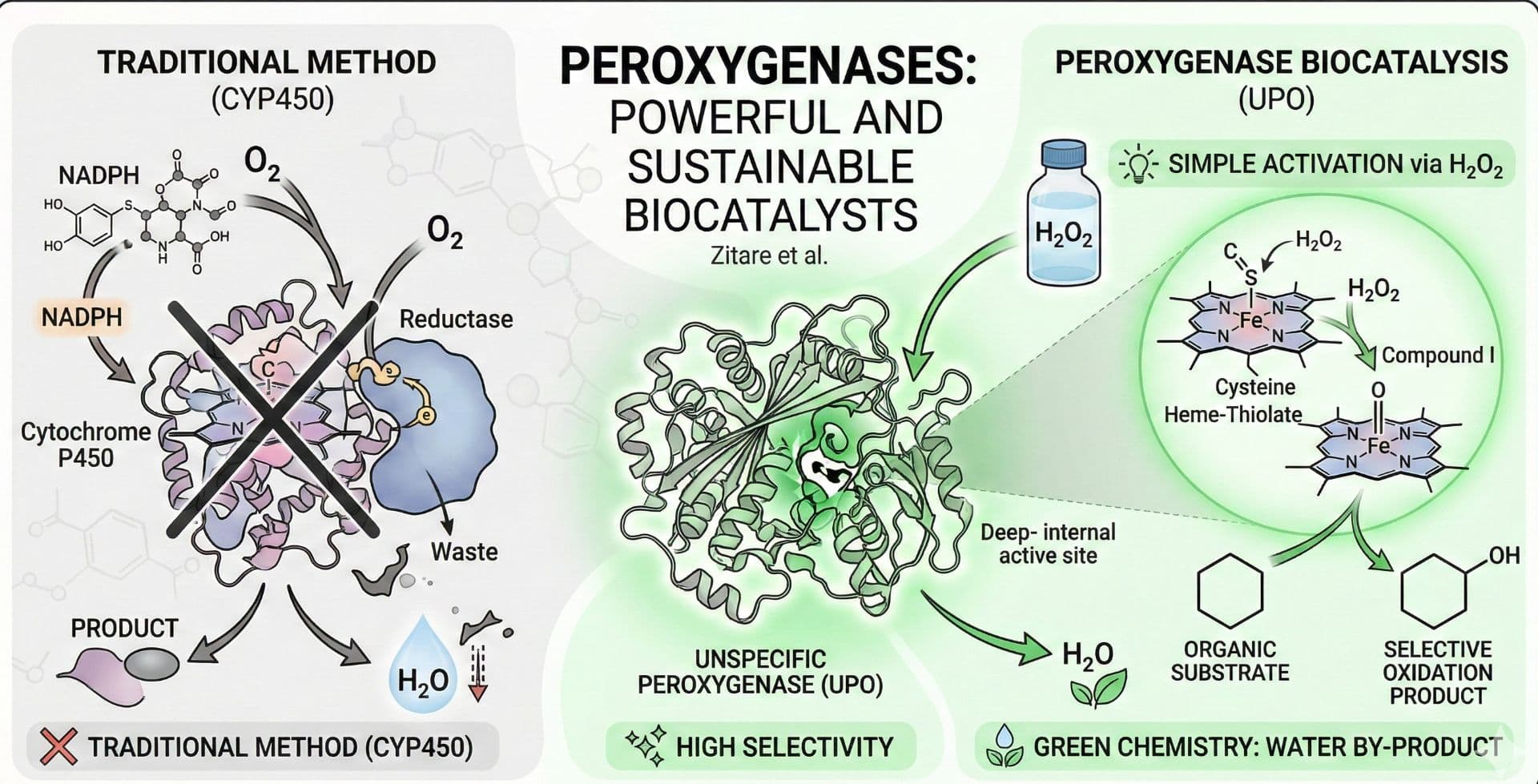
Selective oxidation reactions are central to modern biochemistry. They enable the controlled introduction of oxygen into organic molecules, a key step in the synthesis of pharmaceuticals and fine chemicals. However, many of the enzymatic systems traditionally used for these transformations are complex and difficult to implement in practice.

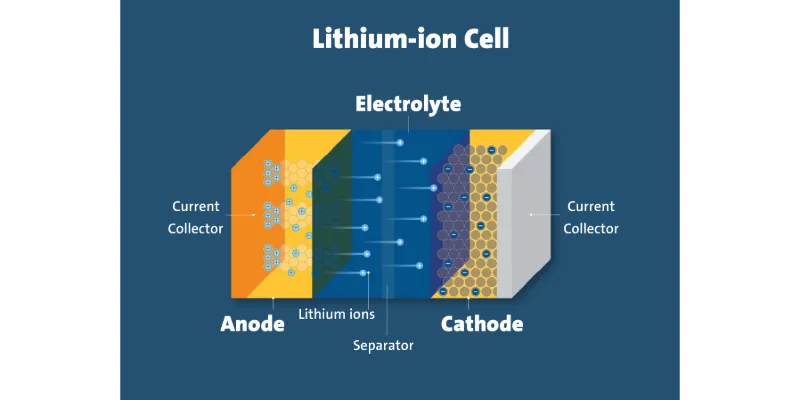
Lithium-metal batteries, equipped with lithium metal anodes, have the remarkable ability to store over twice the energy of traditional lithium-ion batteries with graphite anodes. Despite this potential, most battery-powered devices continue to rely on less advanced lithium-ion technology.

Quantum computing represents a revolutionary advancement in computational capabilities. Unlike traditional computers, which use bits as the smallest unit of data, quantum computers utilize quantum bits or qubits. These qubits can exist in multiple states at the same time due to the principles of superposition and entanglement.

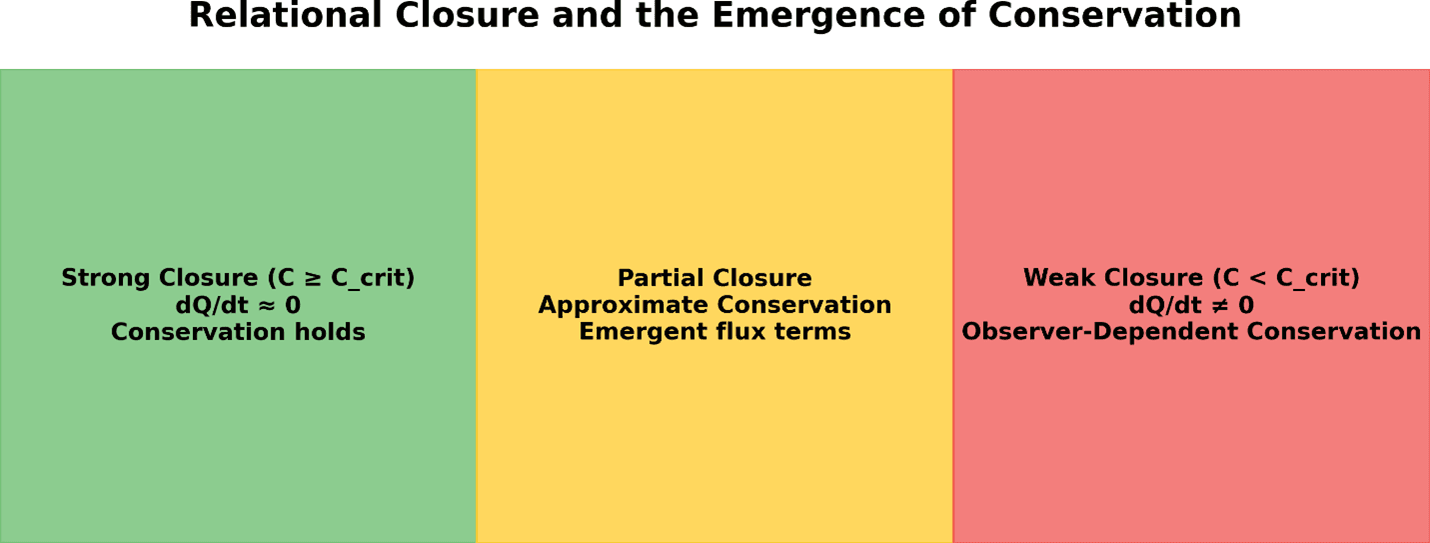
Physical quantities and laws emerge from the geometry, coherence, and flow of relational fields. A central idea is relational closure: high-coherence domains form effectively closed regions where stable invariants can persist.

Haploinsufficient genes show how losing one gene copy can affect brain development, increasing risk for neurodevelopmental disorders and behaviour changes.

Depression has affected humans for hundreds of years. Symptoms can include persistent feelings of sadness, sleep disturbances, anxiety, and a loss of interest in social activities. Science doesn’t yet fully understand the causes and effects, but here’s what we do know: the brain is a powerful organ, and it is capable of change. Made up of a wide network of connections, it relies on chemicals, electrical impulses, and billions of neurons. Let’s explore how brain science

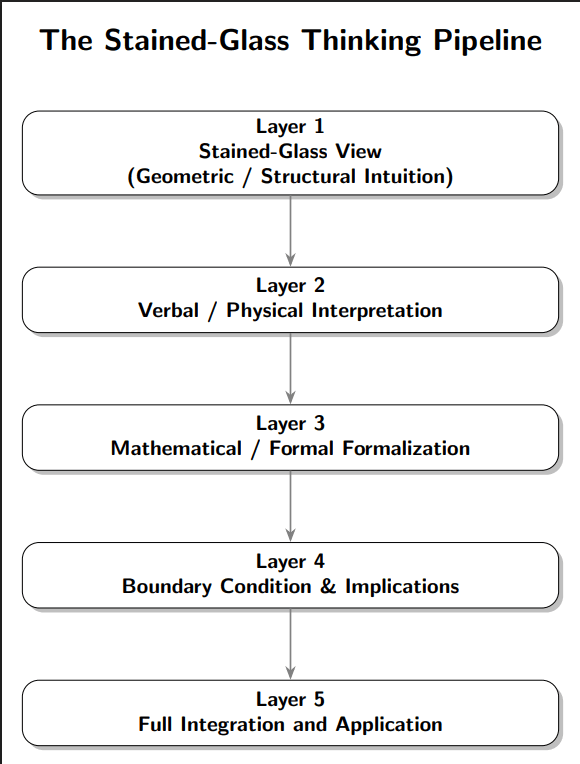
This article makes those steps explicit. I describe a repeatable cognitive pipeline I call Stained-Glass Thinking, which I have used consistently throughout the development of Relational Field Theory (RFT).

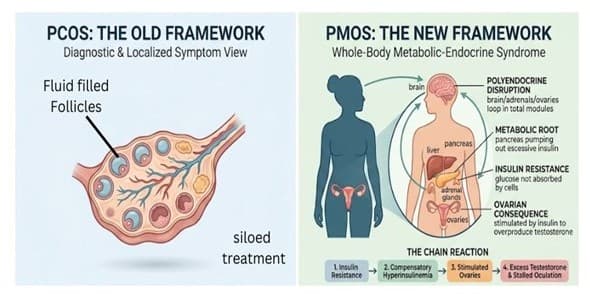
Discover why medical experts are rebranding Polycystic Ovary Syndrome (PCOS) to PMOS, and what this metabolic shift means for patient wellness.

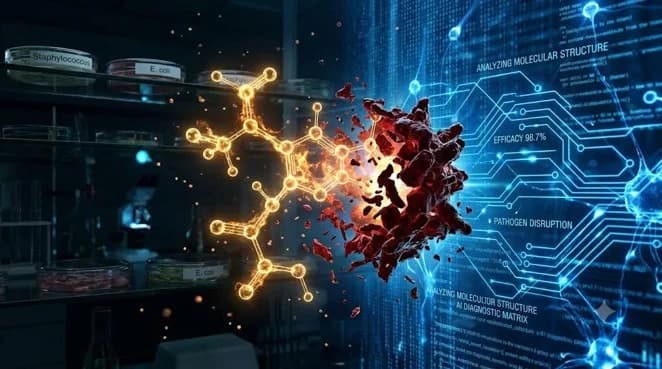
Animal models have traditionally served as the cornerstone of drug safety evaluation; however, major translational challenges persist due to interspecies differences in physiology, metabolism, and genetic regulation. Many compounds demonstrating favorable toxicity profiles in animals later fail during human trials or are withdrawn post-marketing due to unforeseen adverse effects, especially hepatotoxicity and cardiotoxicity (Lee et al., 2025).

In Sci-fi visions of distant futures, some imagine sprawling intergalactic civilizations. Scaffolds built around stars harvesting their energy. Fusion reactors, cyborgs, superintelligent implants. But the future of artificial bones, though perhaps more mundane, could be a life saving science.

What allows anything stable to exist at all? Before objects, laws, or equations can be described, something more basic must occur: something must persist long enough to be identified. This shifts the focus from what exists to the conditions under which anything can exist stably.

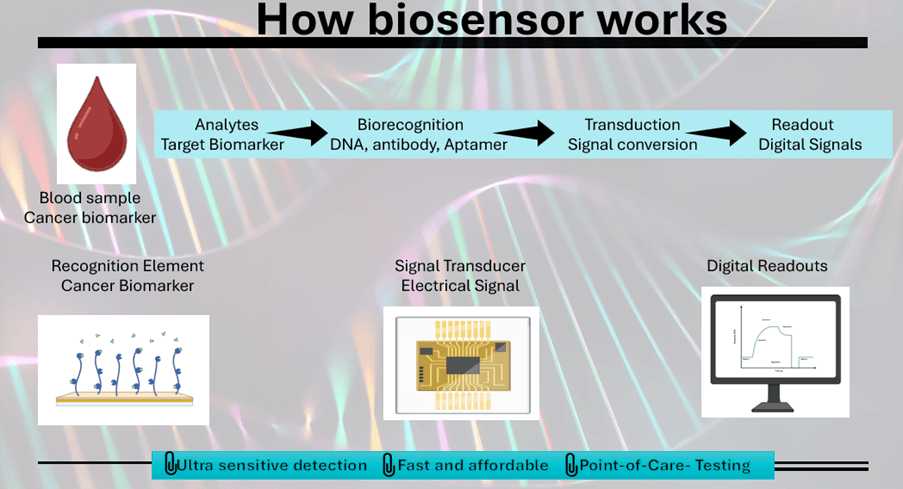
Modern healthcare is undergoing a silent revolution. Now to treat a disease in the healthcare system, there is no longer a need to wait for symptoms to appear.

A future without transplant waitlists? Tissue engineering blends biology and engineering to build living, functional human tissue.

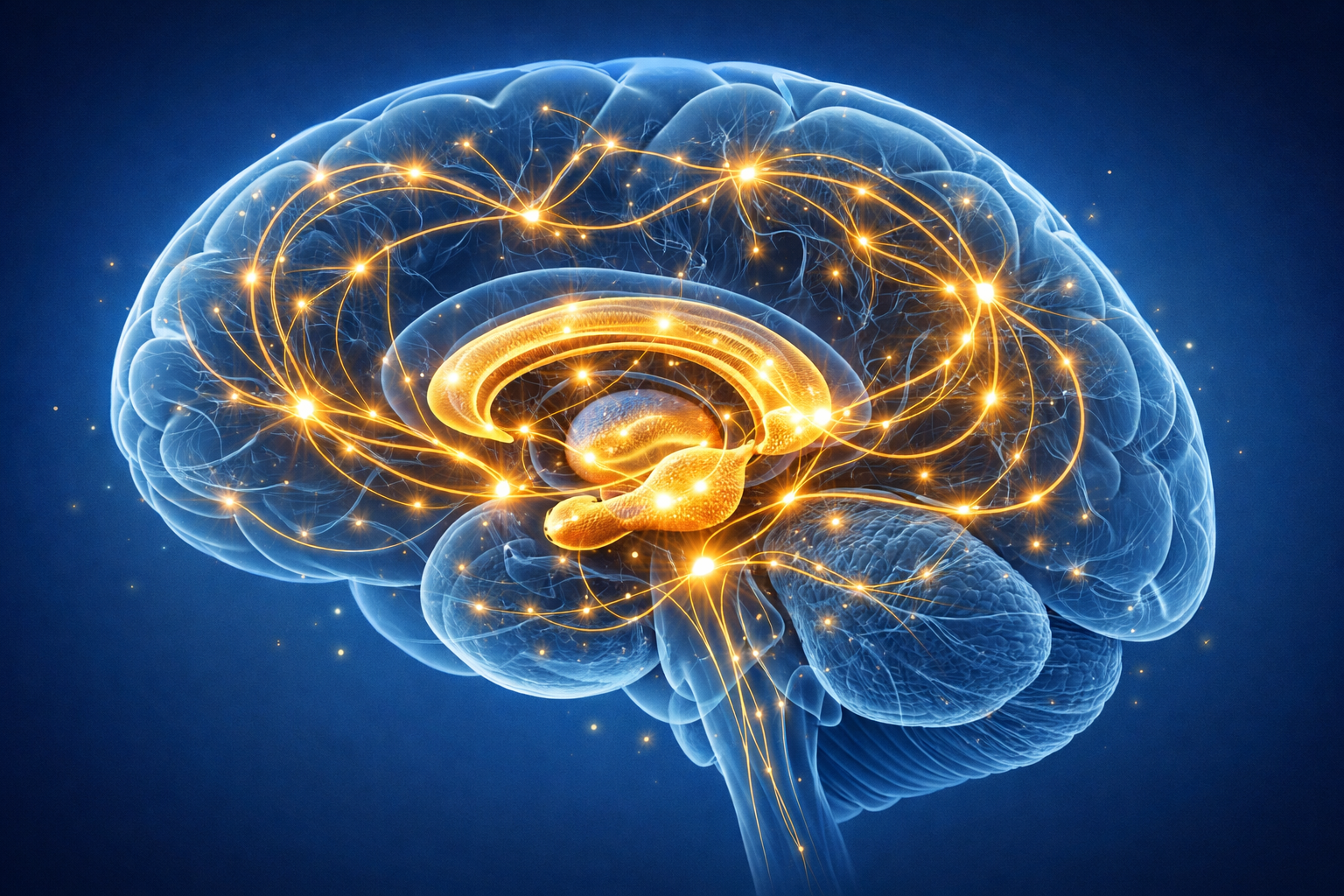
Understanding the human brain remains one of the greatest challenges in modern science. With billions of neurons forming intricate networks and constantly changing connections, the brain’s complexity makes it extremely difficult to study directly.

How a 150-year-old food industry technique became essential for creating stable biologics and inhaled medicines, transforming liquid drugs into life-saving powders.

Inhalable vaccines trigger powerful mucosal immunity where pathogens enter the body, offering needle-free protection against respiratory diseases.