AI & Clinical Practice - Ethical Challenges and Evolving Strategies
Artificial Intelligence AI with it’s widespread use in various sectors has also taken a dive into healthcare by transforming clinical practice and improving patient care.
Showing results for: "unnecessary structure" (57 results)

Artificial Intelligence AI with it’s widespread use in various sectors has also taken a dive into healthcare by transforming clinical practice and improving patient care.

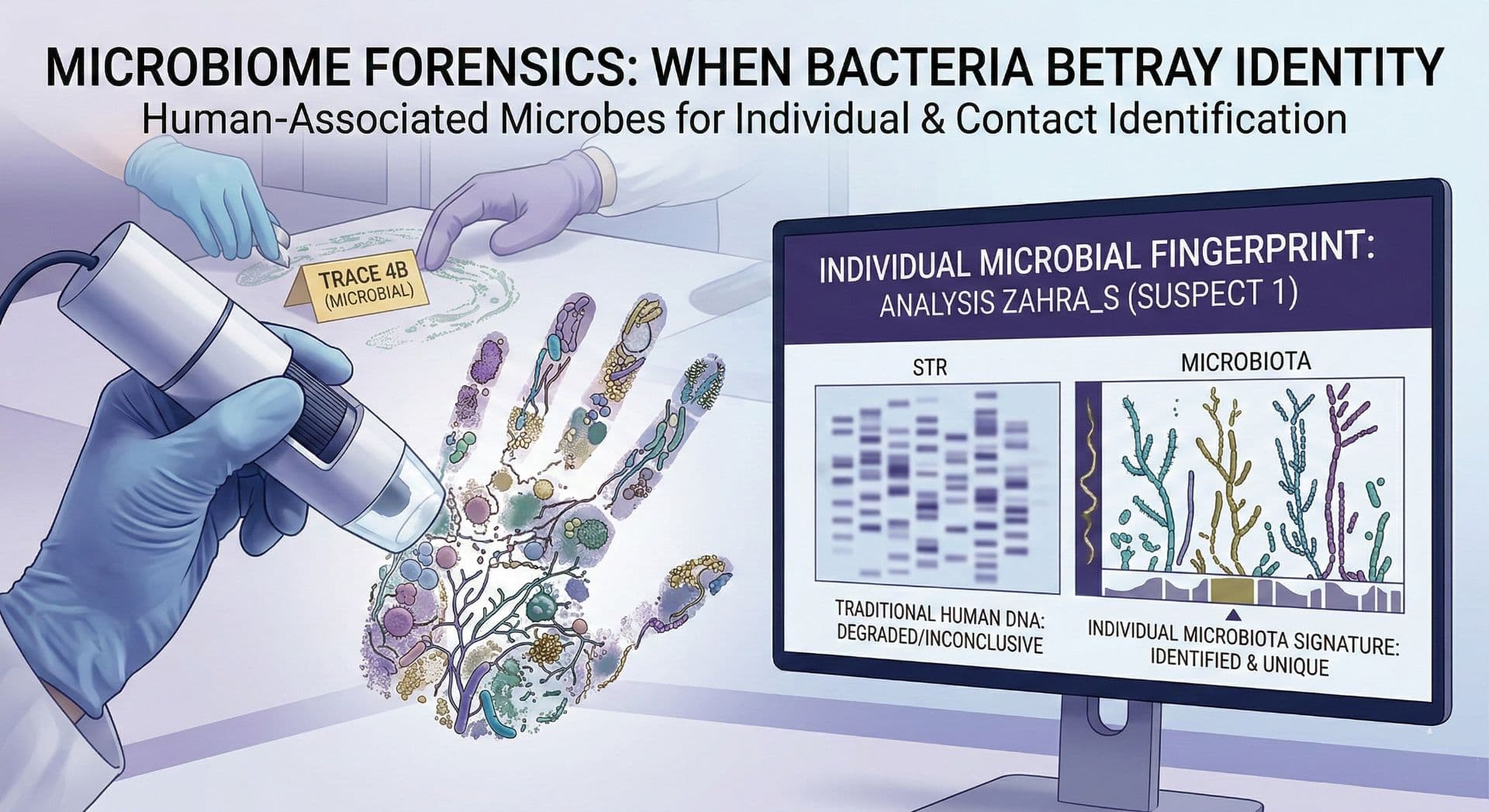
Traditionally, Forensic Science relies on Human DNA for contact evidence and individual identification, but limitation arises when the blood cells obtained from the crime scene are degraded or not.

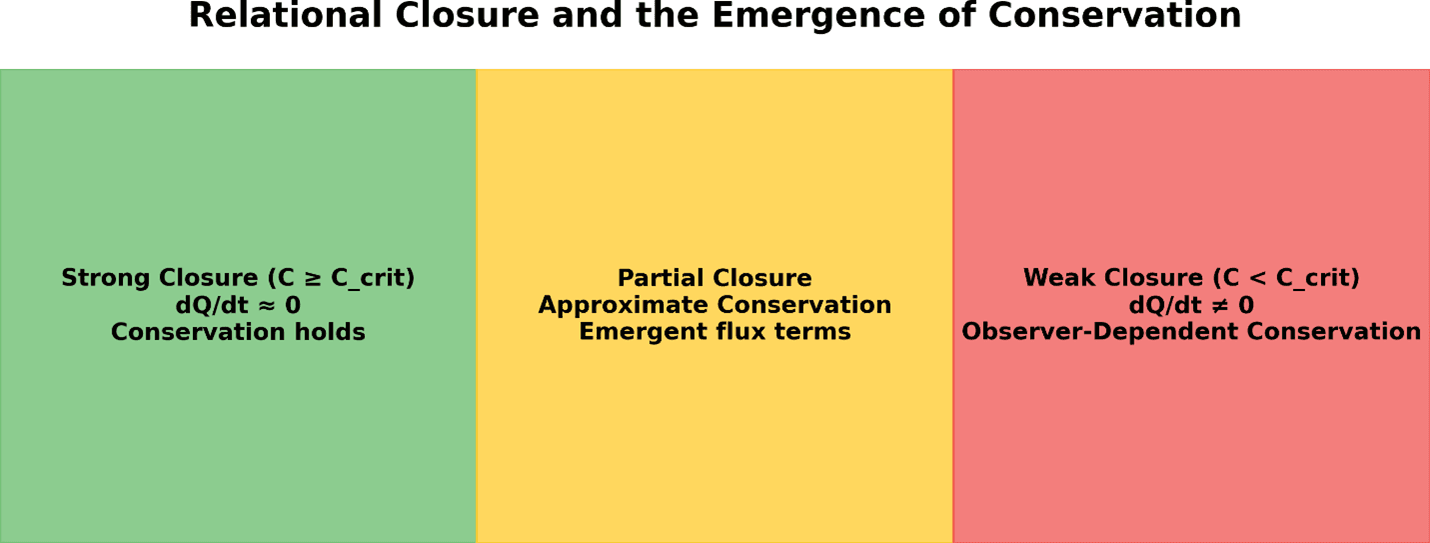
Physical quantities and laws emerge from the geometry, coherence, and flow of relational fields. A central idea is relational closure: high-coherence domains form effectively closed regions where stable invariants can persist.

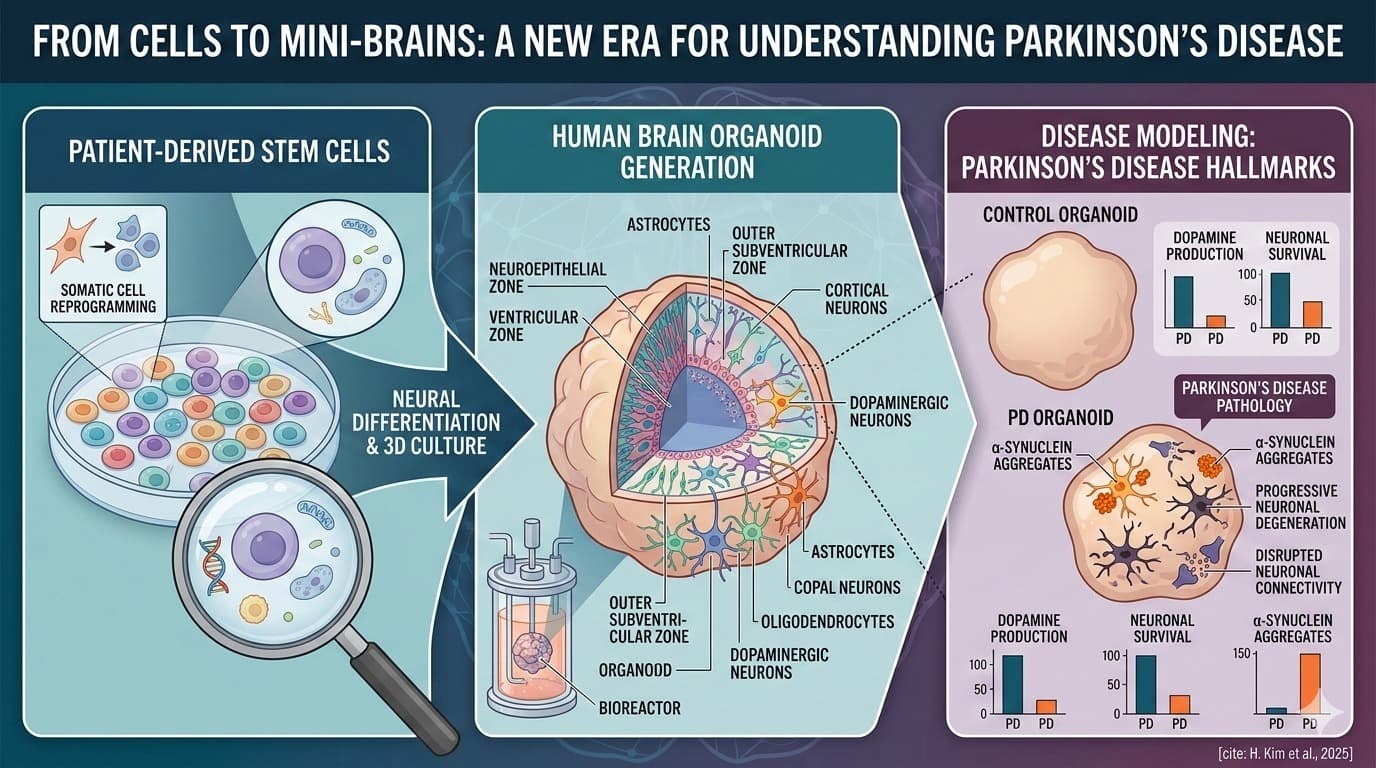
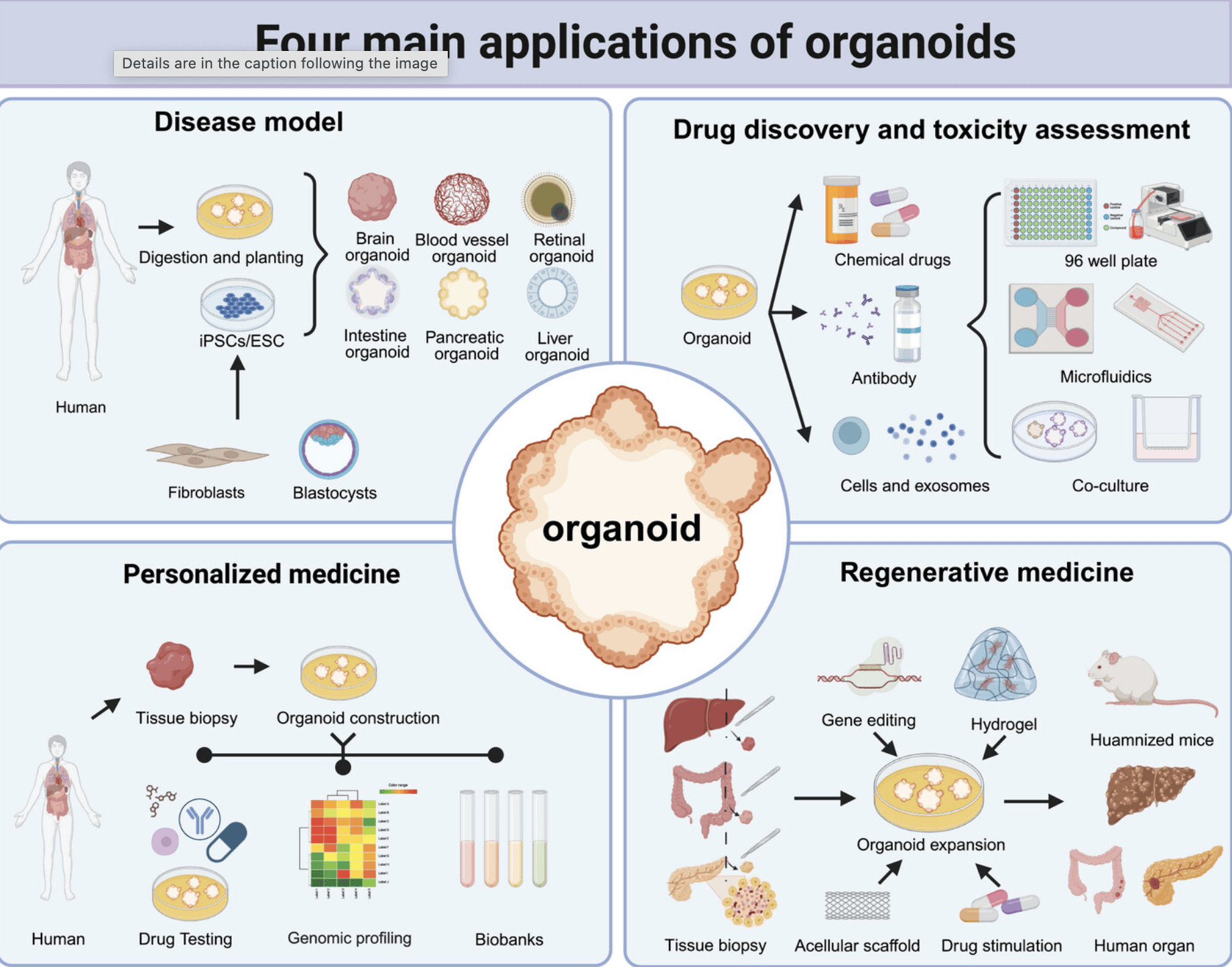
Animal models have traditionally served as the cornerstone of drug safety evaluation; however, major translational challenges persist due to interspecies differences in physiology, metabolism, and genetic regulation. Many compounds demonstrating favorable toxicity profiles in animals later fail during human trials or are withdrawn post-marketing due to unforeseen adverse effects, especially hepatotoxicity and cardiotoxicity (Lee et al., 2025).

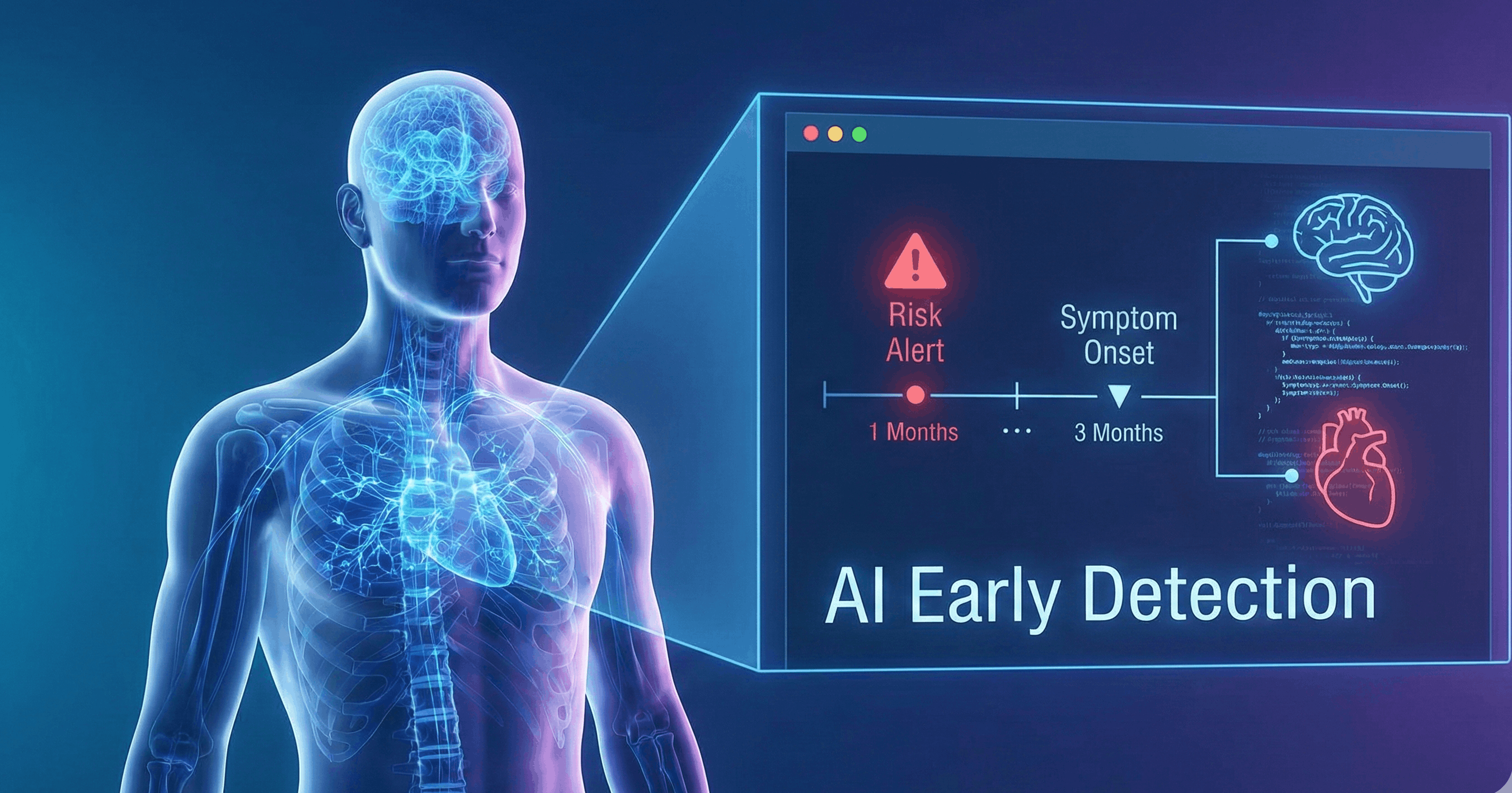
Modern healthcare is undergoing a silent revolution. Now to treat a disease in the healthcare system, there is no longer a need to wait for symptoms to appear.

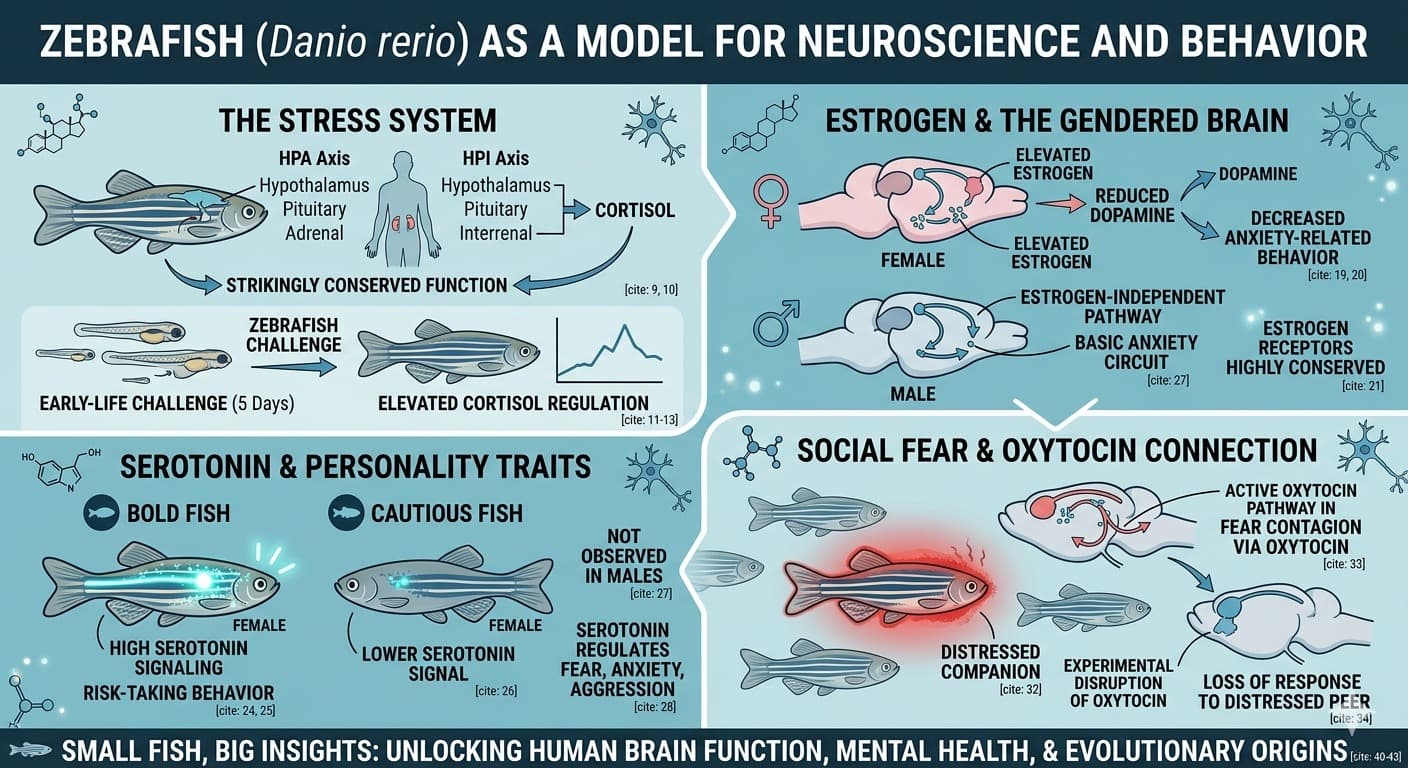
What if one of the most powerful models for understanding the human brain were less than an inch long, transparent, and living in a small tank? Meet Danio rerio, the zebrafish.

This article aims to demystify the anatomy of a clinical trial protocol, peeling back the technical layers to reveal how scientific rigor is converted into medical progress. At ScientistsHub, we often ask: How do we ensure that a medical breakthrough is not just a stroke of luck, but a repeatable, verifiable victory for human health? The answer is found in the design. To truly appreciate the result of any trial, one must first master the architecture of the inquiry.

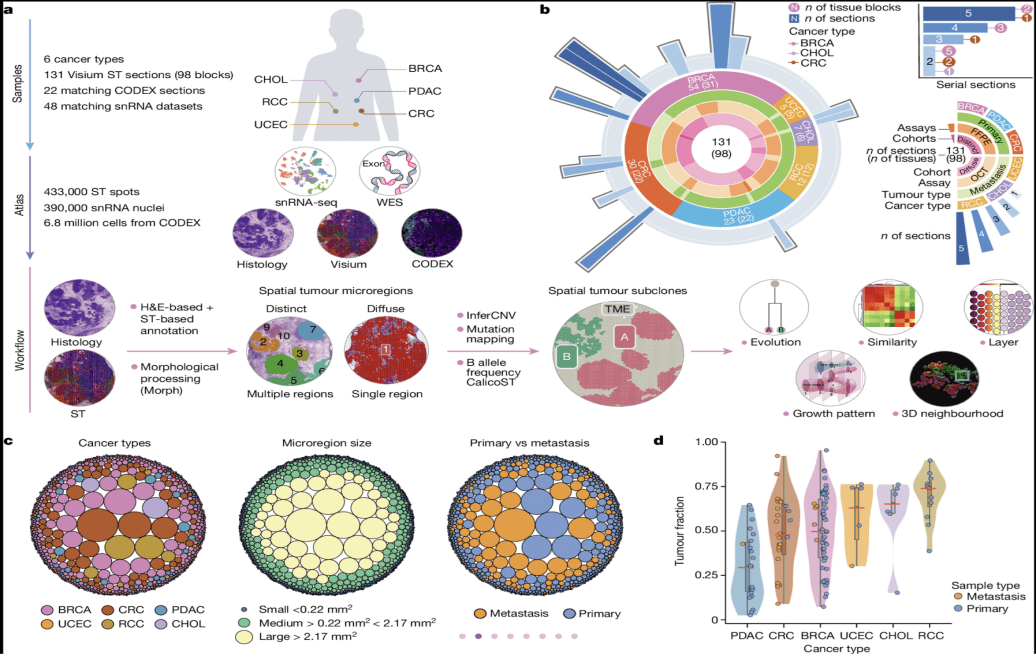
The tumor microenvironment (TME) is a complex and dynamic ecosystem composed of malignant cells, immune infiltrates, stromal elements, and vascular components that collectively influence tumor initiation, progression, immune escape, and therapeutic response. Traditional bulk transcriptomic approaches obscure this complexity by averaging gene expression across heterogeneous cell populations.

How a 150-year-old food industry technique became essential for creating stable biologics and inhaled medicines, transforming liquid drugs into life-saving powders.

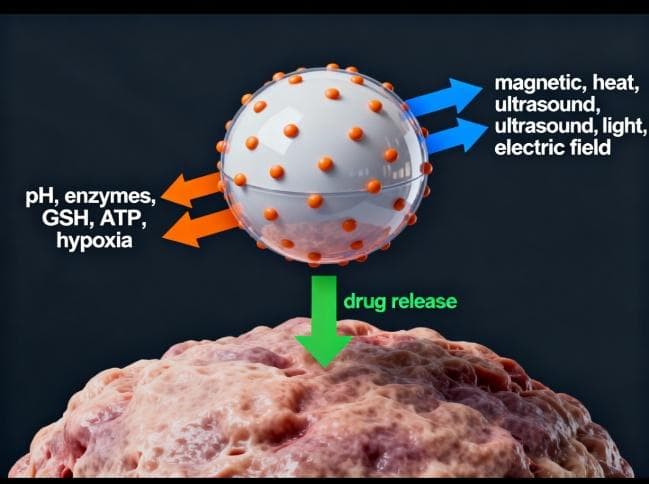
Nanotechnology is having a big impact on pharmaceutical sciences, and drug delivery systems are one area where this is most evident. Compared to conventional medication delivery methods, nanoparticles provide a number of benefits, including increased effectiveness and fewer adverse drug reactions.

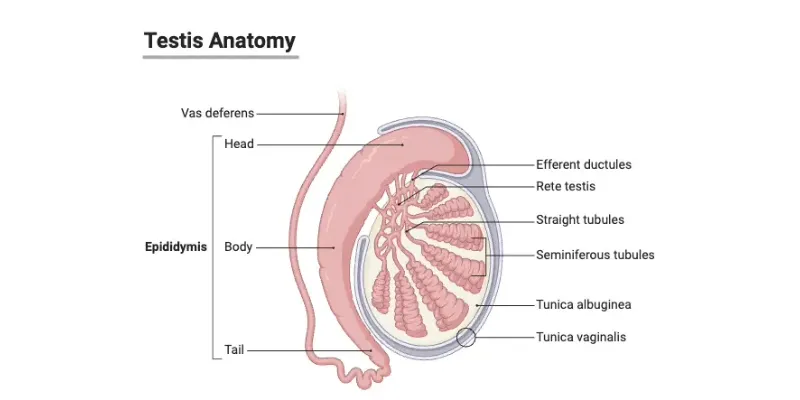
These innovative testes, derived from meticulously cultured mouse cells, closely mimic the structure of natural testes, featuring the complex network of sperm tubes essential for reproduction.

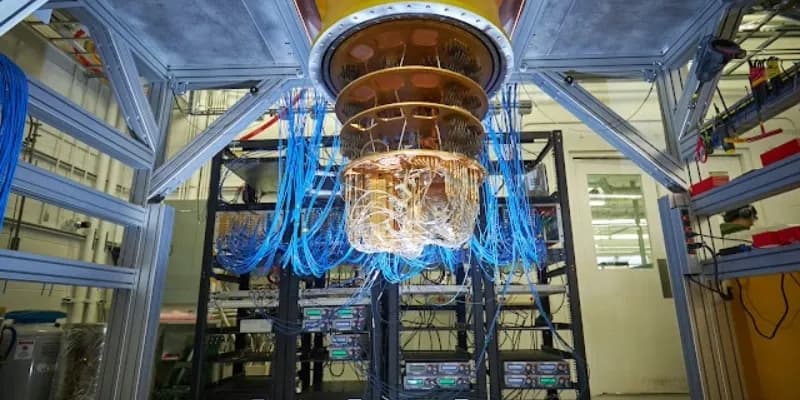
Quantum computing represents a revolutionary advancement in computational capabilities. Unlike traditional computers, which use bits as the smallest unit of data, quantum computers utilize quantum bits or qubits. These qubits can exist in multiple states at the same time due to the principles of superposition and entanglement.

Relational Field Theory (RFT) has matured into a predictive framework with operational definitions, numerical demonstrations, and practical inference tools.

A low-energy dynamical approach could give companion AI the gift of long-term relational memory - especially valuable for eldercare.

Explore how Carbon Capture, Utilization, and Storage (CCUS) works, its role in hard-to-abate industries, and how geology helps trap CO₂ to combat climate change.

Environmental endocrine disruptors (EEDs) are natural and synthetic chemicals that interfere with endocrine system function by altering hormone synthesis, transport, metabolism, and receptor binding.

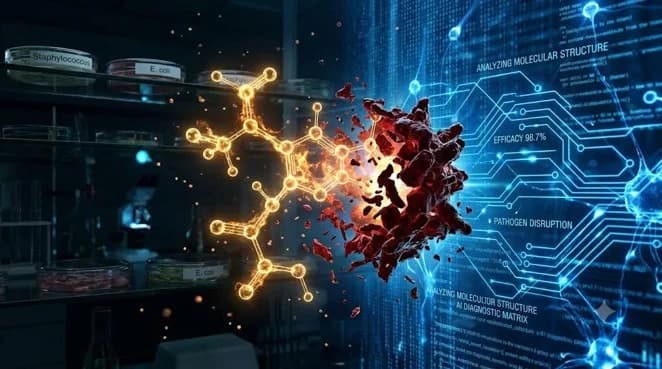
Bacterial lysates and postbiotics can train your immune system to prevent respiratory infections. Here is why they matter in the era of antibiotic resistance.

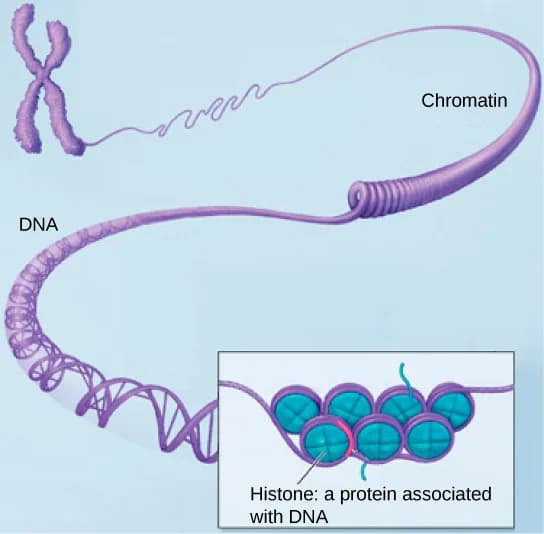
Cells can be understood as highly coordinated systems in which DNA functions as a comprehensive but inert blueprint, requiring precise interpretation to become biologically active. Gene expression depends on regulatory proteins that orchestrate transcription across time and space.

Tuberculosis (TB) remains one of the world's deadliest infectious diseases, claiming over a million lives each year. TB is the deadliest infectious disease known today, claiming more lives than COVID-19. TB is caused by the bacterium Mycobacterium tuberculosis. TB spreads through the air when infected people breathe, cough, sneeze,

Science writing simplifies complex research, making scientific discoveries accessible, trustworthy, and relevant to the public while reducing misinformation.