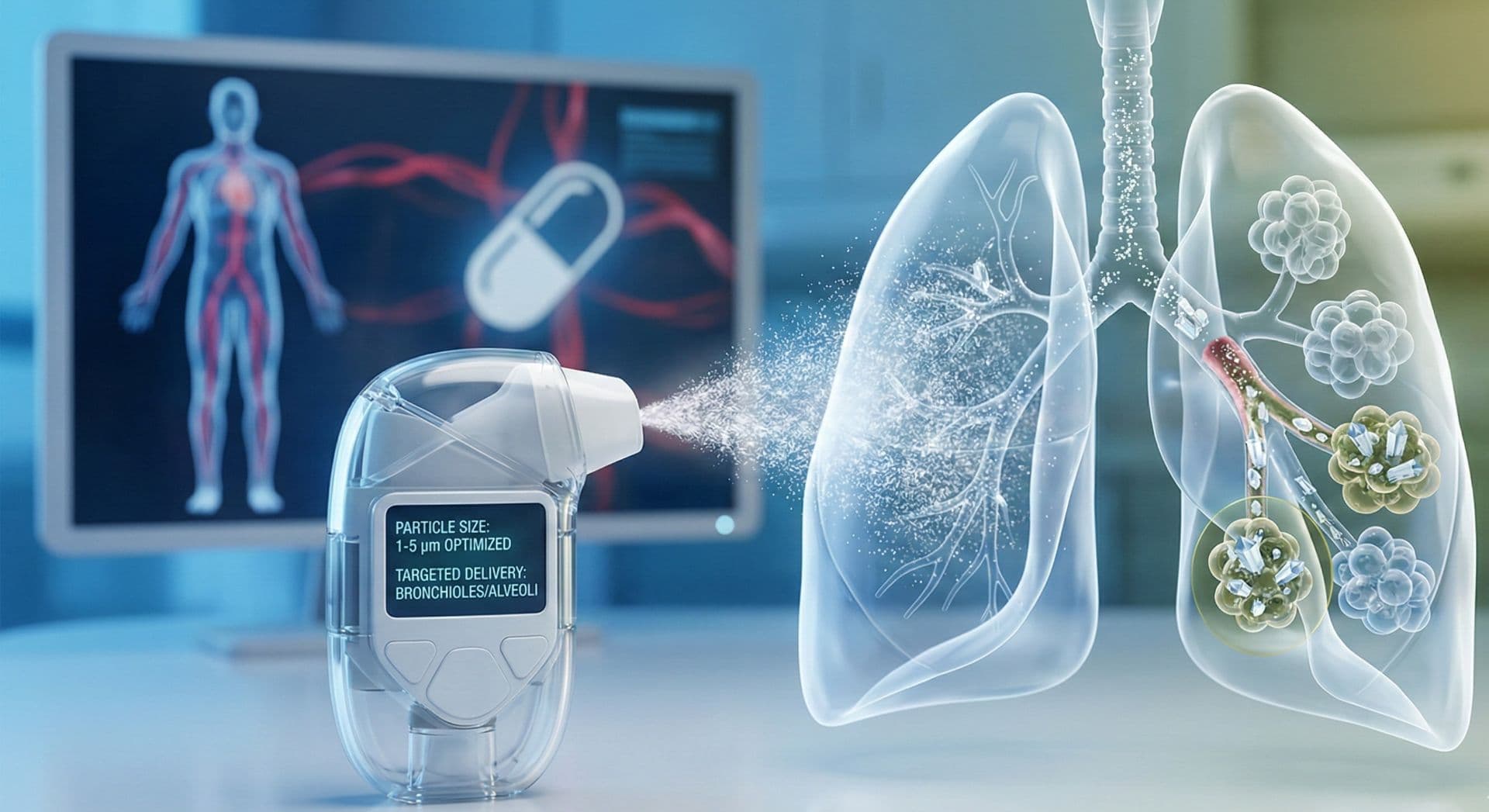
The Mucus Barrier: Science’s Slipperiest Obstacle to Lung Drug Delivery
Why is mucus the biggest obstacle to lung drug delivery? Explore the mucosal barrier science reshaping how we design inhaled medicines and vaccines.
Showing results for: "Signature Human Microbiome" (76 results)

Why is mucus the biggest obstacle to lung drug delivery? Explore the mucosal barrier science reshaping how we design inhaled medicines and vaccines.

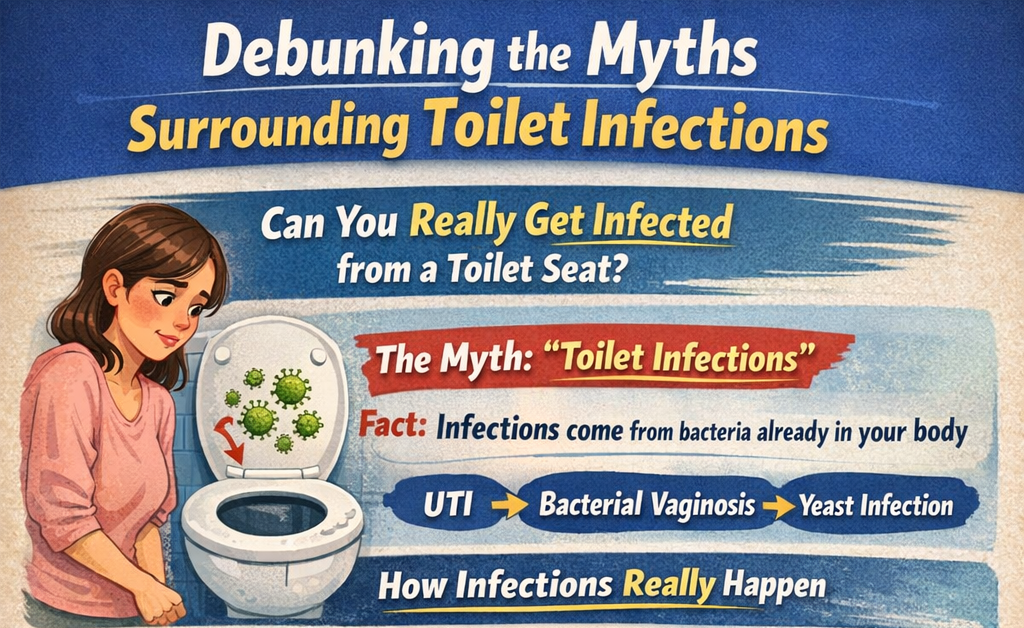
As a pharmacist during clinical clerking, I frequently encounter patients who use the term “toilet infections” to describe symptoms that clinically align with bacterial vaginosis, urinary tract infections, or yeast infections. This widespread misconception often stems from the assumption that symptoms occurring after the use of public toilets must be caused by them.

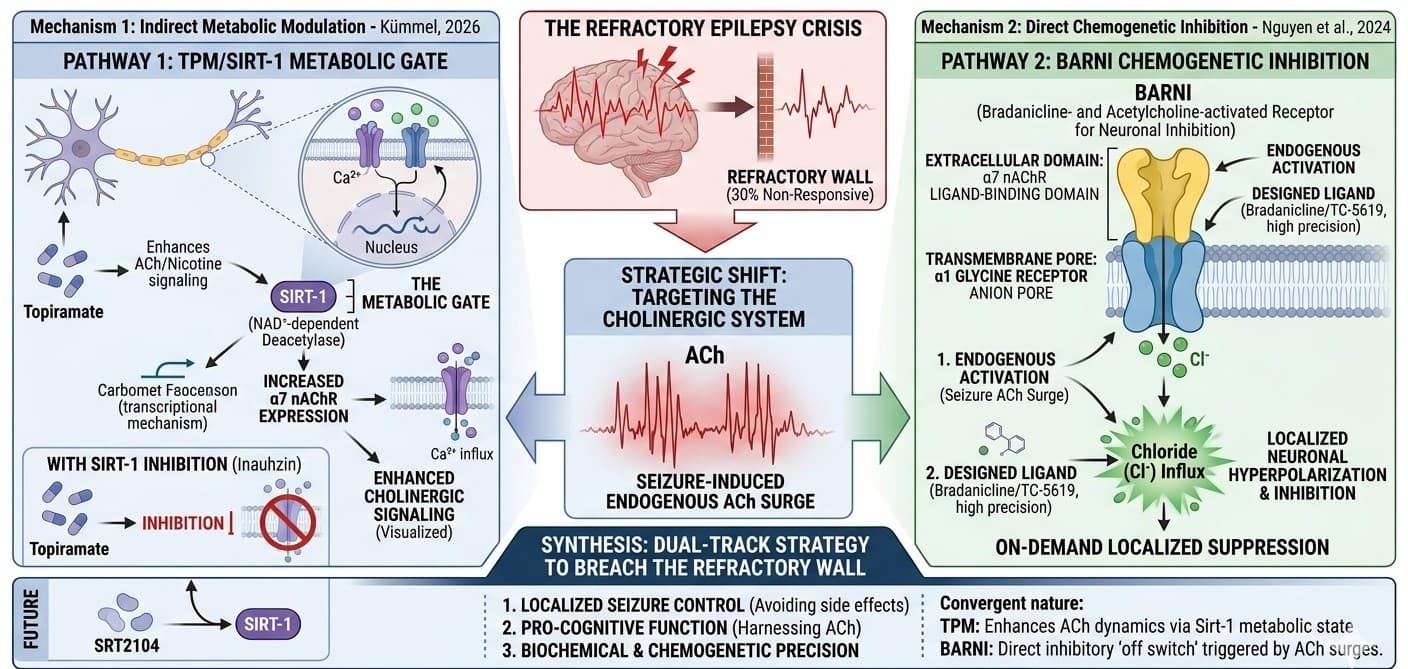
The current trajectory of epilepsy management has encountered a formidable "refractory wall." Despite the accelerated expansion of the neuropharmacological pharmacopeia,

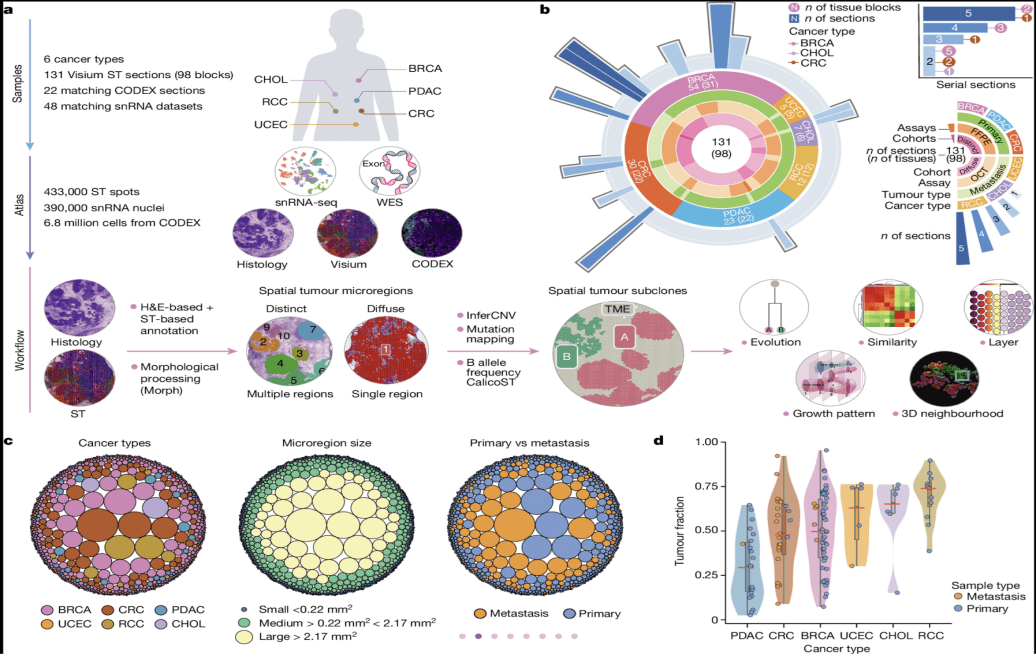
The tumor microenvironment (TME) is a complex and dynamic ecosystem composed of malignant cells, immune infiltrates, stromal elements, and vascular components that collectively influence tumor initiation, progression, immune escape, and therapeutic response. Traditional bulk transcriptomic approaches obscure this complexity by averaging gene expression across heterogeneous cell populations.

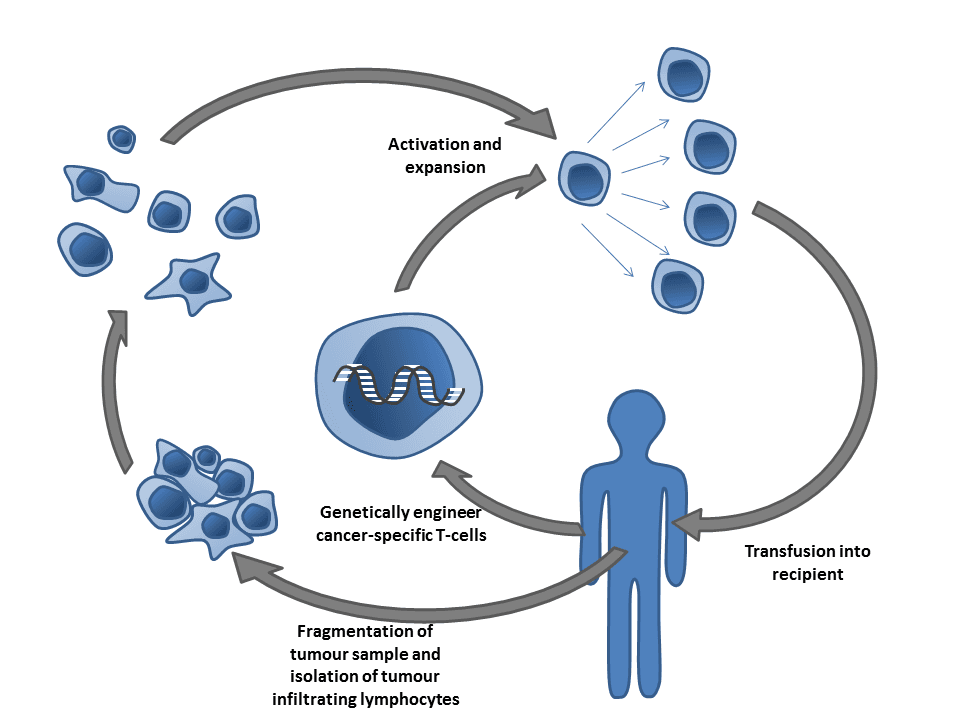
Cell and gene therapies represent a seismic shift in healthcare. They promise to cure the incurable, restoring sight to the blind and erasing cancer from the blood. But this frontier is wild. It comes with biological price tags, potential genetic misfires, and a regulatory landscape that is still being mapped.

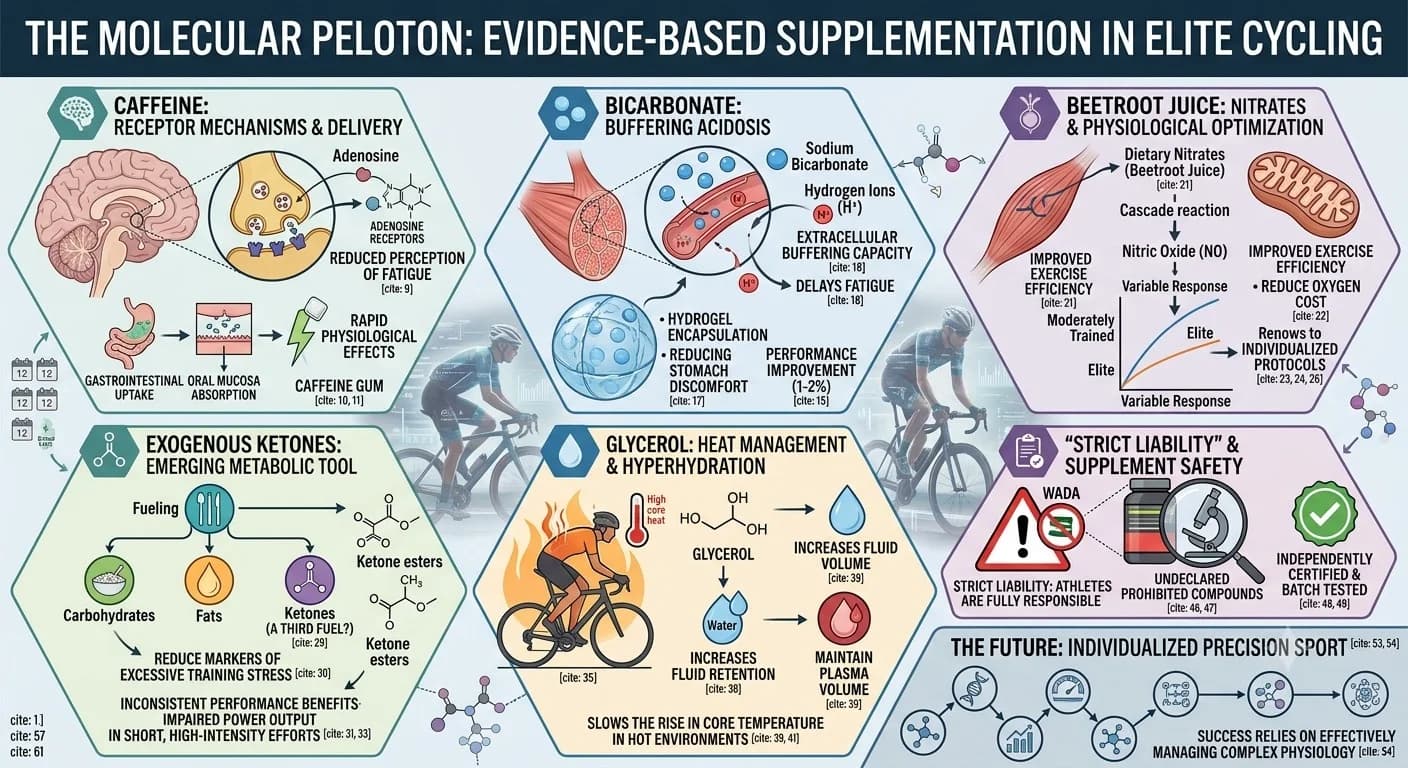
Professional cycling is a sport defined by marginal gains. At the highest levels of competition, the difference between victory and the middle of the pack can be measured in seconds, watts, or subtle physiological advantages accumulated over months of preparation.

Learn what dehydration does inside your body from brain function and circulation to temperature control, symptoms, risks, and prevention tips.

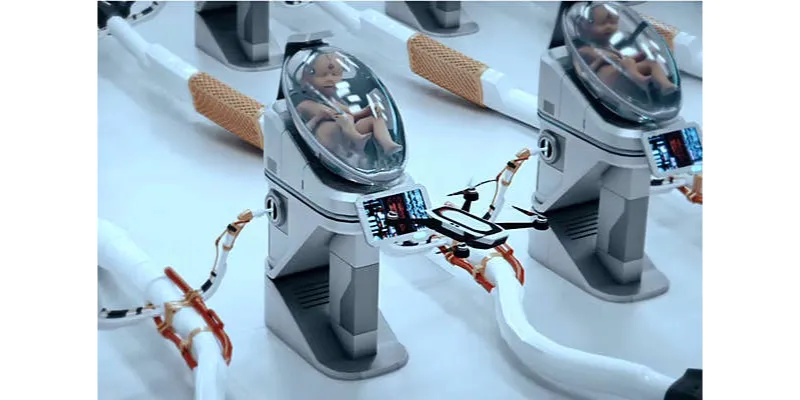
Artificial wombs, or ectogenesis, represent a revolutionary breakthrough in science that has the potential to change the future of reproductive health. By allowing embryos to grow completely outside the human body, this innovative technology mimics the nurturing environment of a natural womb.

From innovative methods for cancer treatment to understanding the complexities of the human gut biome, these discoveries not only enhance our comprehension of the world but also lay the foundation for future groundbreaking advancements.

Mathematics is often described as the universal language of the universe, a field that transcends cultures and eras to provide the tools for understanding the world. From the ancient geometries of Egypt to modern computational algorithms, mathematics is at the heart of human discovery and technological progress.

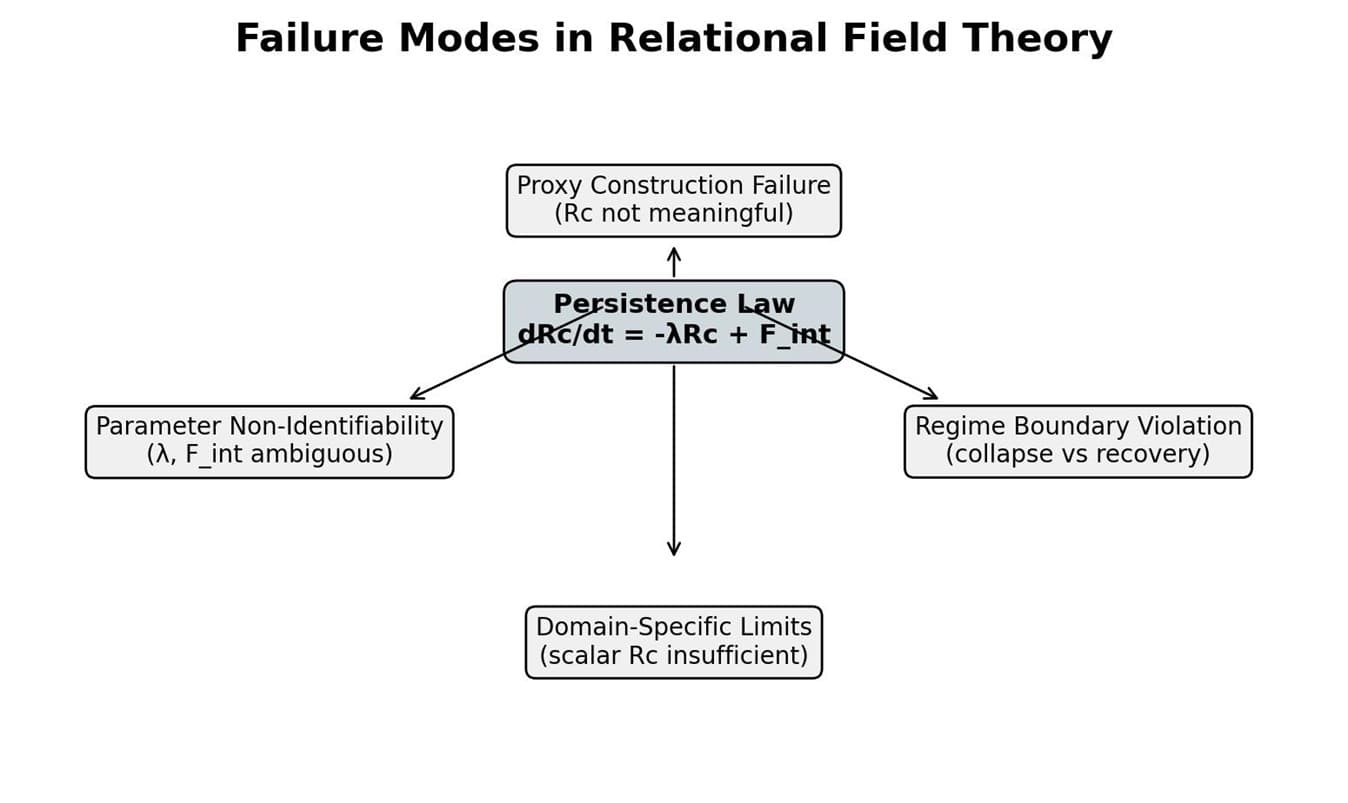
Relational Field Theory (RFT) has matured into a predictive framework with operational definitions, numerical demonstrations, and practical inference tools.

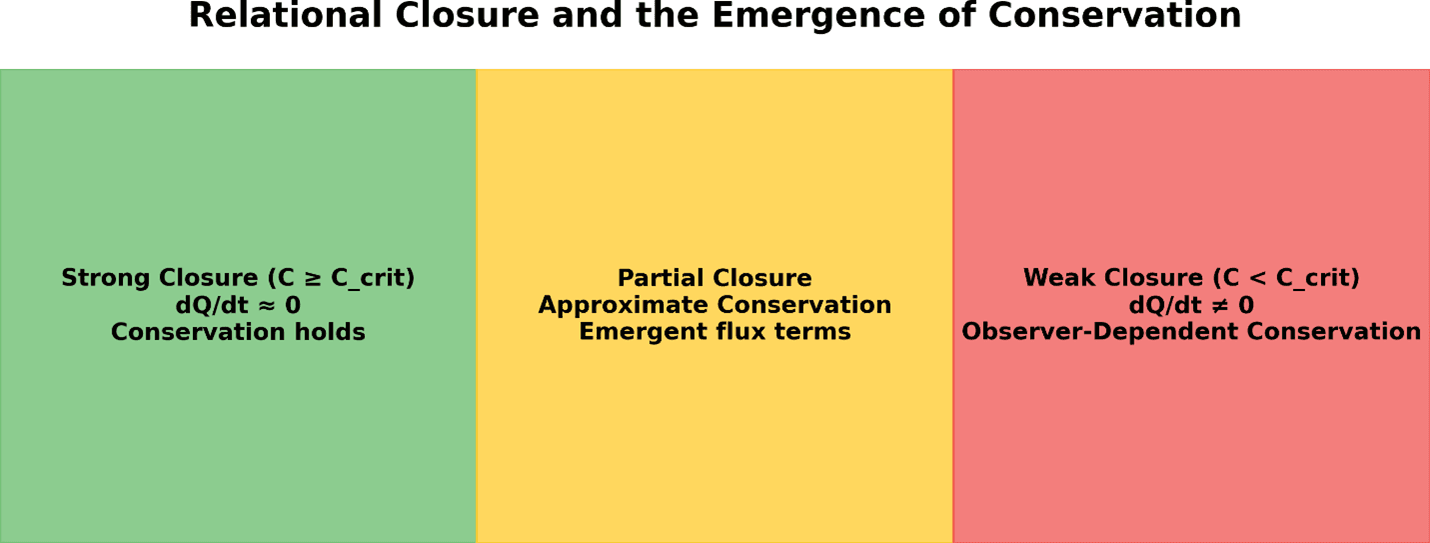
Physical quantities and laws emerge from the geometry, coherence, and flow of relational fields. A central idea is relational closure: high-coherence domains form effectively closed regions where stable invariants can persist.

Haploinsufficient genes show how losing one gene copy can affect brain development, increasing risk for neurodevelopmental disorders and behaviour changes.

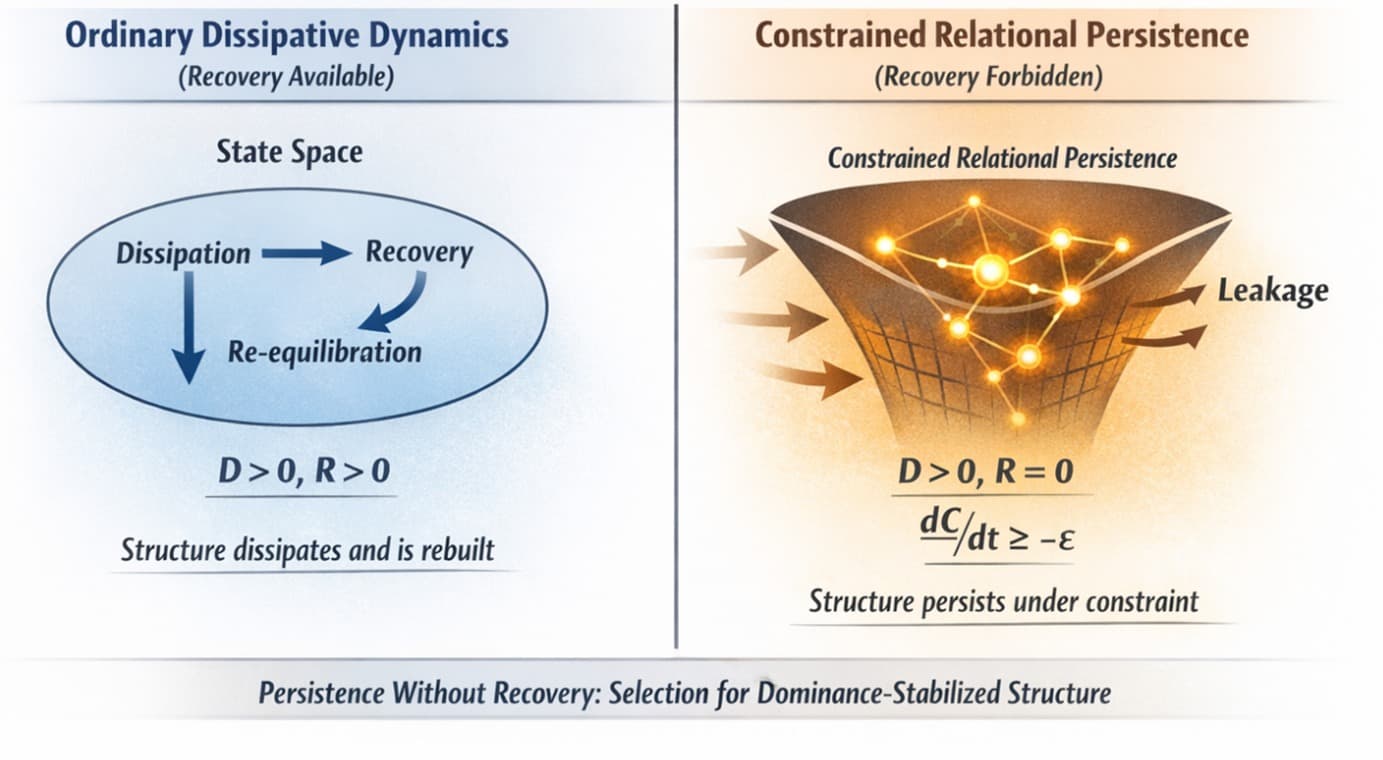
The event horizon of a black hole imposes a fundamental constraint: once matter and information cross it, ordinary recovery of structure through dissipation and re-equilibration becomes dynamically unavailable to external observers.

Artificial Intelligence(AI) is reshaping the future of healthcare. The US and UK healthcare systems started to adopt tools like AI Scribe and conversational chatbots, as they claimed to outperform clinicians in diagnostics. Survey data from over 100 physicians polled by Fierce Healthcare and Sermo indicate that many doctors are using general-purpose LLMs for clinical tasks.

Depression has affected humans for hundreds of years. Symptoms can include persistent feelings of sadness, sleep disturbances, anxiety, and a loss of interest in social activities. Science doesn’t yet fully understand the causes and effects, but here’s what we do know: the brain is a powerful organ, and it is capable of change. Made up of a wide network of connections, it relies on chemicals, electrical impulses, and billions of neurons. Let’s explore how brain science

Explore how Carbon Capture, Utilization, and Storage (CCUS) works, its role in hard-to-abate industries, and how geology helps trap CO₂ to combat climate change.

Relational Dominance: A Testable Structural Hypothesis for Navier–Stokes Turbulence

Science writing simplifies complex research, making scientific discoveries accessible, trustworthy, and relevant to the public while reducing misinformation.

Healthcare is changing faster than ever before. Thanks to breakthroughs in artificial intelligence (AI), genomics, and wearable technology, medicine is entering the era of smart health, where data, devices, and biology work together to create care tailored to the individual.