
Introduction
Imagine a world where your phone charges on its own without you plugging in a cable, electric cars can charge while you are driving on the highway, and medical devices inside your body don’t need batteries that have to be changed.
Drones could even stay in the air for hours by getting energy from the air. This is not just something from a science fiction movie anymore.
It’s becoming a real possibility thanks to Wireless Power Transmission (WPT)—a technology that can send electricity from one place to another without wires.
For a long time, electricity has been sent through wires made of copper or aluminum.
These wires have helped power homes, businesses, and communication systems for over a hundred years.But they also have issues. They wear out over time, need regular repairs, cost more to install, and can get in the way. As technology becomes more advanced and connected, there’s a growing need for easier and cable-free ways to get power.
Wireless Power Transmission solves these problems by sending electrical energy using electromagnetic fields, resonant coupling, radio waves, microwaves, or laser beams.
This technology is already used in things like wireless phone chargers, electric toothbrushes, RFID cards, smart wearables, and medical implants. Scientists are now working on systems that can power electric cars, robots, smart factories, satellites, and even whole cities.
Wireless Power Transmission is not just about making things easier.
It could help save energy, reduce electronic waste, make environments safer, and let us use technologies that could not work before because of the need for wires. When combined with AI, clean energy, and the Internet of Things (IoT), wireless energy could change how we produce, share, and use electricity in the future.
This article explores how Wireless Power Transmission works, its basic ideas, the developments in the field, how it’s being used now, its benefits, the challenges it faces, what’s coming next, and how it might shape the energy world of tomorrow.
What is Wireless Power Transmission?
Wireless Power Transmission (WPT) is a way to send electrical energy from a power source to a device without using wires or metal cables.
Instead of sending electricity through metal wires, WPT uses electromagnetic fields or electromagnetic waves to move energy through the air or over short and long distances.
In simple words, it allows electricity to move through space without needing direct contact.
Right now, Wireless Power Transmission is becoming more important because modern devices need more mobility, flexibility, and convenience.
From smartphones and smartwatches to self-driving robots and electric cars, wireless energy transfer is a better option than traditional charging methods.
Basic Definition
Wireless Power Transmission is based on the idea that electrical power can move between two systems without using wires.
The system usually has two main parts
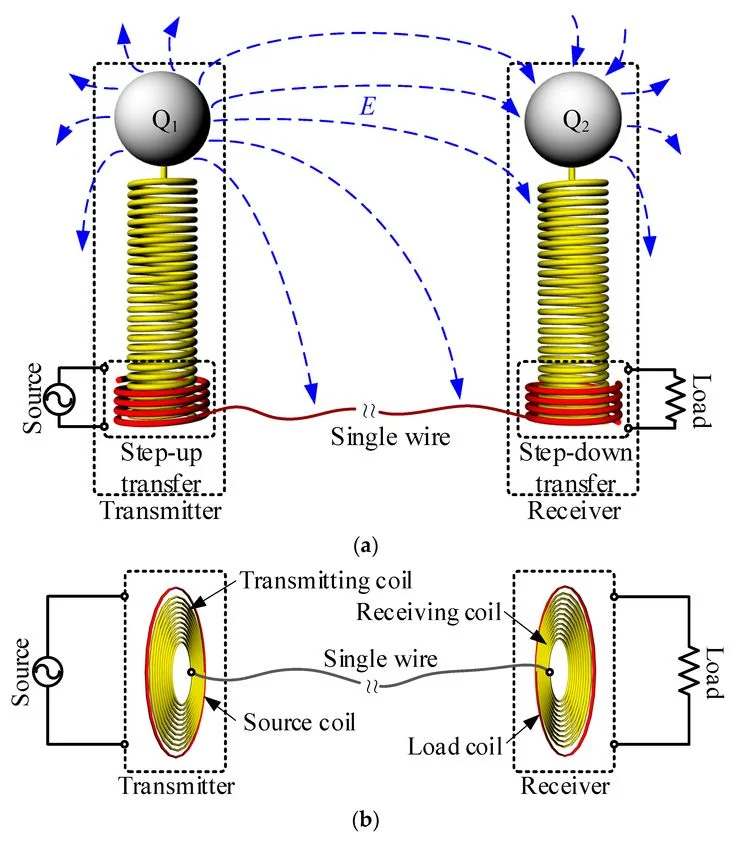
Transmitter – It creates the electromagnetic energy.
Receiver – It catches the energy and turns it back into electricity that can be used.
This is different from wireless communication, which sends information, not real electricity.
History of Wireless Power Transmission
The idea of sending electricity without wires is more than 100 years old.
Nikola Tesla's Vision (1890s)
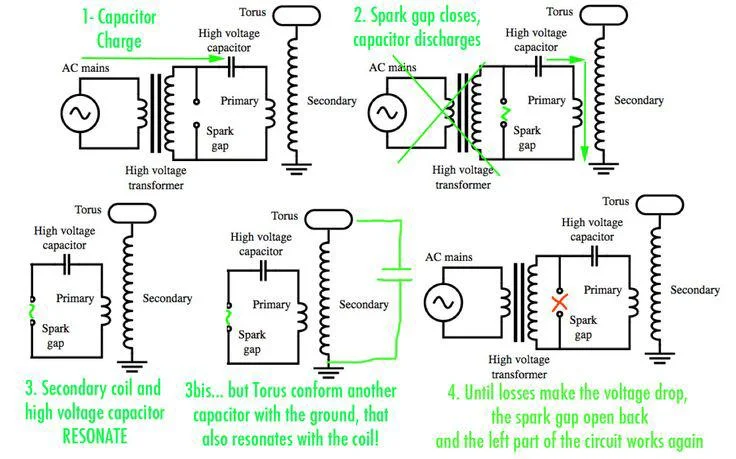
The man who started the idea of wireless power was the famous inventor Nikola Tesla.
Tesla believed that electricity could be sent globally without any wires.
He showed that high-frequency alternating current could transfer electricity through electromagnetic fields.
One of his biggest ideas was the Wardenclyffe Tower, which was meant to send wireless electricity across long distances.
Although the project never finished because of money problems, Tesla’s work helped lay the groundwork for today’s wireless charging technologies.
Throughout the 20th century, scientists kept looking for new ways to send electricity without using wires. Even though the early methods were not strong enough for everyday use, they laid the ground for the modern wireless power systems we use today.
Big Developments in Wireless Power
1.Microwave Power Transmission
Microwave Power Transmission is one of the most promising ways to transfer electricity over long distances.
In this method, electricity is turned into microwave signals using special equipment. These microwaves travel through the air and are picked up by receivers called rectennas, which turn them back into electricity that can be used.
Scientists believe this could one day be used in space-based solar farms, for communication systems in remote areas, for military operations, and in disaster zones where regular power lines are not available.
Even though there are still challenges with efficiency and safety, research in this area continues.
2.Radar Technology
Radar played a big role in the development of wireless energy research.
During World War II, radar systems showed how electromagnetic waves could travel long distances through the air.This helped scientists learn more about how radio waves work, how to focus beams, and how to send signals.
Even though radar was made to detect planes and ships, many of the engineering ideas from radar later helped shape wireless power transmission systems.
3.Satellite Communication
As communication satellites were developed in the second half of the 20th century, scientists started to learn more about wireless electromagnetic energy transfer.
These satellites continuously send and receive radio and microwave signals between Earth and space, showing that electromagnetic energy can travel over long distances. This inspired researchers to think about whether electricity itself could also be sent using similar methods.
Today, space agencies are still exploring satellite-based systems that could send solar energy collected in space straight to Earth.
4.Electromagnetic Induction
Electromagnetic induction is the most practical method for modern wireless charging.
Based on Faraday's Law, this principle says that a changing magnetic field can create an electric current in a nearby conductor. Scientists found that if two coils are placed close together, electricity can move from one to the other without wires. This is now used in many everyday devices, like wireless phone chargers, electric toothbrushes, medical implants, and other electronics.
5.Radio Frequency Energy Harvesting
Radio Frequency Energy Harvesting is another method in wireless energy technology.
Instead of sending large amounts of electricity, this approach collects small amounts of energy from radio waves produced by things like TV towers, Wi-Fi routers, cell towers, and communication satellites.
Even though the amount of energy collected is small, it’s enough to power low-energy devices such as wireless sensors, RFID tags, weather monitoring tools, and IoT devices.
As IoT networks grow, this method is expected to become more useful.
These scientific breakthroughs helped turn wireless power transmission from a theory into a real engineering discipline.
They also helped create the technology used in many of today’s commercial wireless charging systems.
Recent Advances in the Modern Era
Recent progress in areas like electronics, materials, semiconductors, and artificial intelligence has made wireless power more efficient, reliable, and ready for use in everyday life.
Now, wireless charging is used by millions of devices worldwide.
Scientists are also working on systems that can send more electricity over longer distances.
Current Uses of Wireless Power Transmission
Smartphone Wireless Chargers
Many top smartphones now come with wireless charging as a standard feature.
These phones can sit on a charging pad without needing to be plugged in, using magnetic induction to safely transfer electricity between the pad and the phone.
Smartwatches
Most modern smartwatches use wireless charging because their small size does not allow for traditional charging ports.
Wireless charging also helps improve water resistance by removing exposed parts that could get wet.
Electric Toothbrushes
Electric toothbrushes have used inductive wireless charging for years.
Their charging stations send electricity through sealed plastic cases, which keeps them safe to use in wet areas like bathrooms.
RFID Cards
RFID cards do not need batteries.
Instead, they receive small amounts of electricity wirelessly from readers. This energy powers the card just long enough to send identification information, making RFID great for contactless payments, access control, and inventory management.
Wireless Keyboards and Mice
Some high-end wireless peripherals now have wireless charging built in.
Charging pads allow these devices to stay powered while in use, making them more convenient by eliminating the need for batteries or cables.
Medical Implants
Wireless power has improved healthcare by allowing devices like pacemakers, hearing aids, insulin pumps, and nerve stimulators to get power without going through surgery to replace batteries.
This makes the devices safer and reduces long-term costs.
Industrial Robots
Factories are using more robots that work around the clock.
Wireless charging stations let robots recharge automatically without human help, increasing productivity and lowering downtime.
Future Research Directions
Scientists are working on several major projects related to wireless power.
Wireless Charging Highways
Engineers are building highways with wireless charging coils.
These could charge electric cars as they drive, making charging faster and increasing driving range.
Smart Factories
Future factories might use wireless power to eliminate the need for power cables connecting robots, sensors, and machines. This could make workplaces more flexible and reduce maintenance costs.
Space-Based Solar Power
Researchers are looking into large satellites that can collect solar energy in space.
The energy could be sent back to Earth using microwave beams, providing a reliable, clean power source that does not depend on the weather.
Drone Charging Systems
Wireless charging pads and laser systems are being developed to let drones charge automatically during flights.
This would help with things like package delivery, farming, emergency response, and surveillance.
Wireless Electricity for Smart Cities
Future smart cities might use wireless power in streetlights, public transport, traffic systems, cameras, and other IoT networks. This could reduce the need for underground power lines.
Why Do We Need Wireless Power Transmission?
Wired systems have been around for over a century, but as technology advances, they start to show some serious limitations.
Problems with Using Cables
Cable Damage from Heavy Use
Charging cables are often bent, twisted, or pulled, which can break the wires inside or damage the connectors.
How Does Wireless Power Transmission Work?
Even though there are many ways to send power without wires, they all work based on the same basic idea:
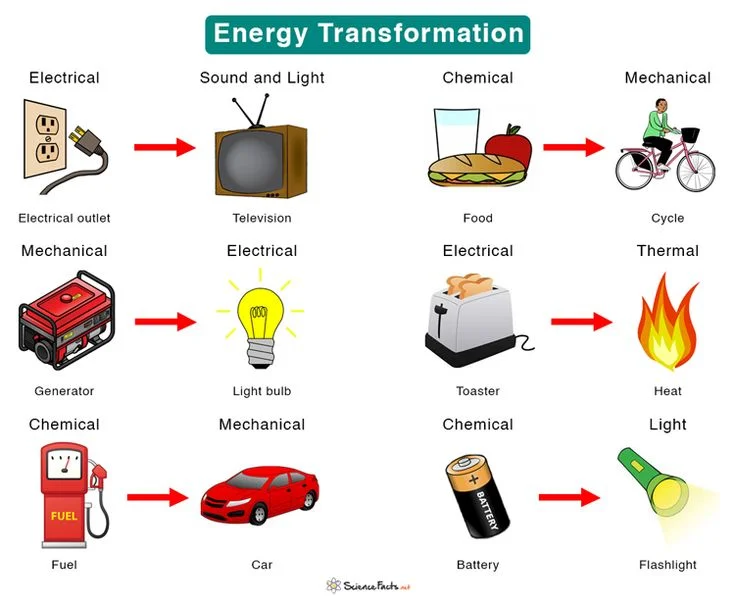
Electrical Energy → Electromagnetic Energy → Through Air → Receiver → Back to Electrical Energy
Instead of using wires, wireless power systems take electricity and change it into electromagnetic energy.
Then it travels through the air and is changed back into electricity at the receiving end. This whole process has several steps.
Step 1: Power Generation
Wireless power starts with a regular electricity source.
This energy is given to the transmitter to send power wirelessly.
Some common sources are
AC Power Supply
Most wireless charging systems are connected to a regular power outlet that uses alternating current (AC).
This electricity is the main power before it is sent for wireless transfer.
Solar Panels
Sunlight can be used to make electricity. That electricity can then be used in wireless power systems.This is useful in places far away and for using clean energy.
Wind Turbines
Power from wind farms can be used in wireless systems. This helps use green and renewable energy.
Battery Storage
Battery storage systems use rechargeable batteries to supply electricity when the main power source or the utility grid isn't working. These systems are commonly used in portable wireless chargers, backup power setups, and places that need a steady power supply. With battery storage, wireless power systems can operate independently, ensuring that energy is always available without any breaks.
Advantages
Provides power during a blackout.
Helps portable and mobile wireless charging systems work properly.
Stores extra energy generated from renewable sources like solar or wind.
Keeps devices running in remote areas or places without a regular power line.
Power Grid
Big wireless power systems usually get their electricity from the main power grid.
Once the power is received from one of these sources, it goes into the transmitter.
There, it is prepared to be sent wirelessly.
Step 2: Power Conversion
Inside the transmitter, regular electricity is turned into high-frequency alternating current (AC) using special electronic parts.
High-frequency electricity is important because it creates a fast-moving magnetic or electromagnetic field that helps send energy wirelessly.
During this step
Electronic parts increase the frequency.
The current makes a changing magnetic field.
This field carries the electrical energy.
This step is really important because how well electricity is turned into electromagnetic energy affects how well the whole system works.
Step 3: Wireless Energy Transfer
Once the transmitter makes an electromagnetic field, electricity can move through the air without needing any wires to connect the transmitter and receiver.
The method used to send the energy depends on the type of Wireless Power Transmission (WPT) technology. Different technologies are better for different distances, power needs, and uses.
Magnetic Fields
Magnetic field transmission is the most common way used in today's wireless charging systems.
It uses electromagnetic induction or magnetic resonance to move energy efficiently between two coils that are close to each other.
Applications
Smartphones
Smartwatches
Wireless earbuds
Electric toothbrushes
Electric vehicle (EV) charging stations
Advantages
Works well for short distances.
Safe for everyday use.
It’s a mature and available technology.
Electric Fields
Capacitive Wireless Power Transfer uses oscillating electric fields instead of magnetic fields to send energy.
It works best when the transmitter and receiver are very close together.
Applications
Small electronic devices
Biomedical sensors
Lightweight wearable electronics
Internet of Things (IoT) devices
Advantages
It has a compact design.
Good for lightweight electronics.
Works well in places where magnetic interference needs to be avoided.
Radio Waves
Radio Frequency (RF) Wireless Power Transfer sends energy using low-power radio waves.
Although it sends much less power than inductive charging, it’s great for devices that need only a little energy.
Applications
RFID tags
Wireless environmental sensors
Smart home devices
Internet of Things (IoT) systems
Remote monitoring equipment
Advantages
Allows energy to be sent over long distances with low power.
Helps devices work without needing batteries replaced.
Great for sensors that need to work continuously.
Microwaves
Microwave Power Transmission changes electrical energy into microwave signals that can travel over long distances.
At the receiving end, a special antenna called a rectenna changes the microwave energy back into electricity.
This technology is considered one of the most promising options for large-scale wireless energy transfer in the future.
Applications
Space-based solar power systems
Remote power delivery
Military and aerospace technologies
Disaster relief operations
Long-distance energy transmission
Advantages
Supports wireless energy transfer over long distances.
Can send a fairly large amount of power.
Good for future renewable energy projects, including satellite-based solar power.
Laser Beams
Laser Power Transmission uses focused laser beams to deliver electrical energy over long distances.
The laser light is sent to a photovoltaic receiver, which turns the light back into electricity.
Although this is still being studied, laser-based wireless power has unique benefits for situations where precise energy delivery is needed.
Applications
Drone charging systems
Satellites and spacecraft
Remote scientific instruments
Defense and aerospace systems
Advantages
It's highly directional and precise.
Works well over long distances with a clear line of sight.
Useful in places where using wires is not practical.
Step 4: Energy Reception
At the receiving end, a special coil or antenna captures the electromagnetic energy sent through the air.
The receiver then changes this energy back into electricity using methods like electromagnetic induction or other techniques.
Modern receivers are designed to catch as much energy as possible and avoid losing too much during the process.
The recovered electricity can be used right away or stored for later use.
Step 5: Power Conditioning
The electricity from the wireless system is not always ready to be used by electronic devices. So, it goes through a power conditioning circuit that makes it safe and ready.
These circuits do several important jobs
Voltage Regulation
Keeps the voltage steady to protect delicate electronics.
AC-to-DC Conversion
Many devices need direct current (DC).
A rectifier changes alternating current (AC) into steady DC electricity when needed.
Output Stabilization
Removes electrical noise and voltage changes for smooth and reliable power.
Overvoltage Protection
Helps keep devices safe from sudden voltage spikes that could harm them.
After conditioning, the electricity is safe and ready for use.
Step 6: Device Charging
Finally, the cleaned and stable electricity is sent to the device it was meant for.
Wireless power is used to power and charge many different devices, such as:
Smartphones
Phones can be charged without cables using wireless charging pads.
Smartwatches
Wearables like smartwatches use wireless charging to be more durable and waterproof.
Wireless Earbuds
Charging cases for earbuds charge them safely and efficiently.
Medical Implants
Pacemakers and other implants get power without surgery.
Electric Vehicles
Research is being done on charging systems that let EVs charge while they're parked or even while moving.
Industrial Robots
Robots can charge on their own between tasks, improving productivity in factories.
Consumer Electronics
More and more gadgets like tablets, laptops, and household appliances can use wireless charging.
Key Parts of a Wireless Power Transmission System
Every wireless power system has several important parts that work together to send electricity safely and efficiently.
1.Power Source
The power source gives the electricity needed for wireless power transmission.
Common sources are
Utility Grid
Most commercial wireless systems get their power from the main power grid.
Batteries
Portable systems often use rechargeable batteries.
Solar Energy
Solar panels can generate clean electricity used in wireless systems.
Wind Energy
Wind turbines can also supply energy for wireless power systems.
2.Power Converter
The converter changes regular low-frequency electricity into high-frequency alternating current, needed to make electromagnetic fields.
Modern converters use advanced parts to improve efficiency and reduce heat.
3.Transmitting Coil or Antenna
The coil or antenna makes the electromagnetic field that carries electricity through the air.
Its size, design, and frequency affect how far energy can be sent and how well the system works.
4.Transmission Medium
The medium is the space where the electromagnetic energy travels through.
Depending on the technology, energy moves through
Air
Vacuum
Magnetic fields
Radio waves
Microwaves
Unlike traditional power systems, there is no wire between the transmitter and receiver.
5.Receiving Coil or Antenna
The receiving part catches the electromagnetic energy and changes it back to electricity.
The closer the receiver is to the transmitter, and the better they are aligned, the more efficient the transfer is.
6.Rectifier and Voltage Regulator
After energy is received, special circuits process the electricity before sending it to the device.
These circuits
Change AC to DC when needed.
Keep the output voltage steady.
Remove electrical noise.
Prevent damage from overcurrent or overvoltage.
This ensures the system works safely, efficiently, and reliably.
7.Load (Electrical Device)
The load is the final device that uses the transmitted electricity.
Examples include
Mobile Phones
Wireless charging pads provide power to phones without wires.
Electric Vehicles
Wireless charging stations recharge EVs with inductive or resonant coupling.
Medical Implants
Medical devices like pacemakers get power safely without surgery.
Industrial Sensors
Sensors used in factories, pipelines, and monitoring systems run without frequent battery changes.
Consumer Electronics
Many modern devices, including smartwatches, earbuds, tablets, and others, support wireless charging.
These parts work together to make sure electricity is sent safely, efficiently, and clearly without the need for wires.
Conclusion
Wireless Power Transmission is one of the biggest changes in modern electrical engineering and energy technology.
It allows electricity to travel without the need for physical wires, which could change the way people charge and use electronic devices. From smartphones and wearable tech to electric cars, industrial robots, medical devices, and even solar power from space, wireless energy transfer is making things that were once just ideas in science fiction now possible.
This technology has many benefits, such as making it easier to charge devices, reducing clutter from cables, making things safer, requiring less maintenance, and offering more freedom in how devices are powered.
It also helps build smart homes, smart cities, and Internet of Things (IoT) systems by allowing connected devices to work without needing wires.
Even though it has a lot of promise, there are still challenges to overcome.
These include losing energy over long distances, expensive setup costs, interference from electromagnetic signals, safety regulations, and limited range. However, scientists, universities, and companies are making progress in areas like materials, power electronics, AI, resonant coupling, and microwave transmission.These advances are making wireless power systems more efficient and practical.
Around the world, many researchers and companies are working on new wireless charging solutions.
Future improvements could allow electric cars to charge while driving, robots to run without being plugged in, and satellites to send clean solar energy from space back to Earth. These changes could change how energy is delivered and used globally, reducing the need for traditional wired systems.
In the end, Wireless Power Transmission is more than just a better way to charge devices.
It's a major shift in how electrical energy is given and used.As research continues and costs go down, this technology is likely to be a key part of creating smarter, cleaner, and more sustainable energy systems for future generations. While it will take more scientific discoveries and better infrastructure, Wireless Power Transmission has the potential to become a major technology of the 21st century, taking humanity closer to a future without wires.

Discussion