
Health & Medicine
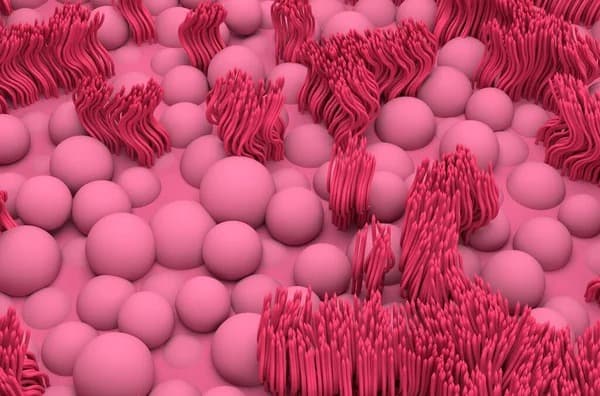
The Mucus Barrier: Science’s Slipperiest Obstacle to Lung Drug Delivery
Why is mucus the biggest obstacle to lung drug delivery? Explore the mucosal barrier science reshaping how we design inhaled medicines and vaccines.

Artificial wombs, or ectogenesis, represent a revolutionary breakthrough in science that has the potential to change the future of reproductive health. By allowing embryos to grow completely outside the human body, this innovative technology mimics the nurturing environment of a natural womb. It provides a controlled, safe, and supportive setting for fetal development, opening doors for countless possibilities in fertility treatments and addressing challenges related to pregnancy. Embracing this advancement could transform lives and redefine parental experiences.
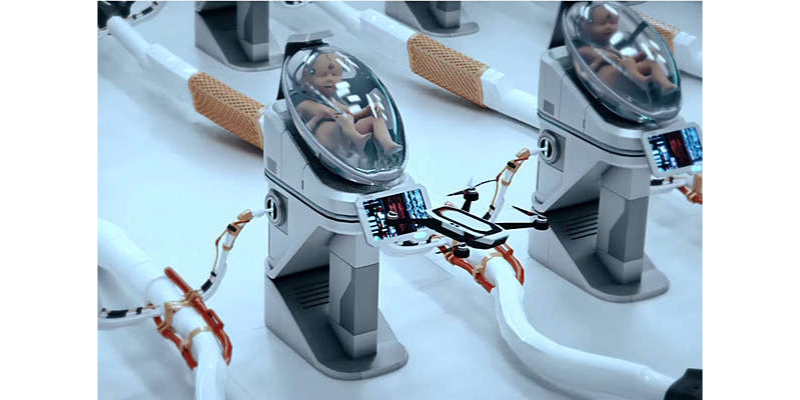
Artificial wombs represent a groundbreaking yet controversial technology that could significantly change reproduction and neonatal care. However, realizing this potential requires not only scientific advancements but also a careful examination of the ethical, social, and legal implications involved. This topic is likely to spark ongoing debate and fuel innovation in the years to come.
Become a Contributor
Share your knowledge and help others understand science.
Why is mucus the biggest obstacle to lung drug delivery? Explore the mucosal barrier science reshaping how we design inhaled medicines and vaccines.
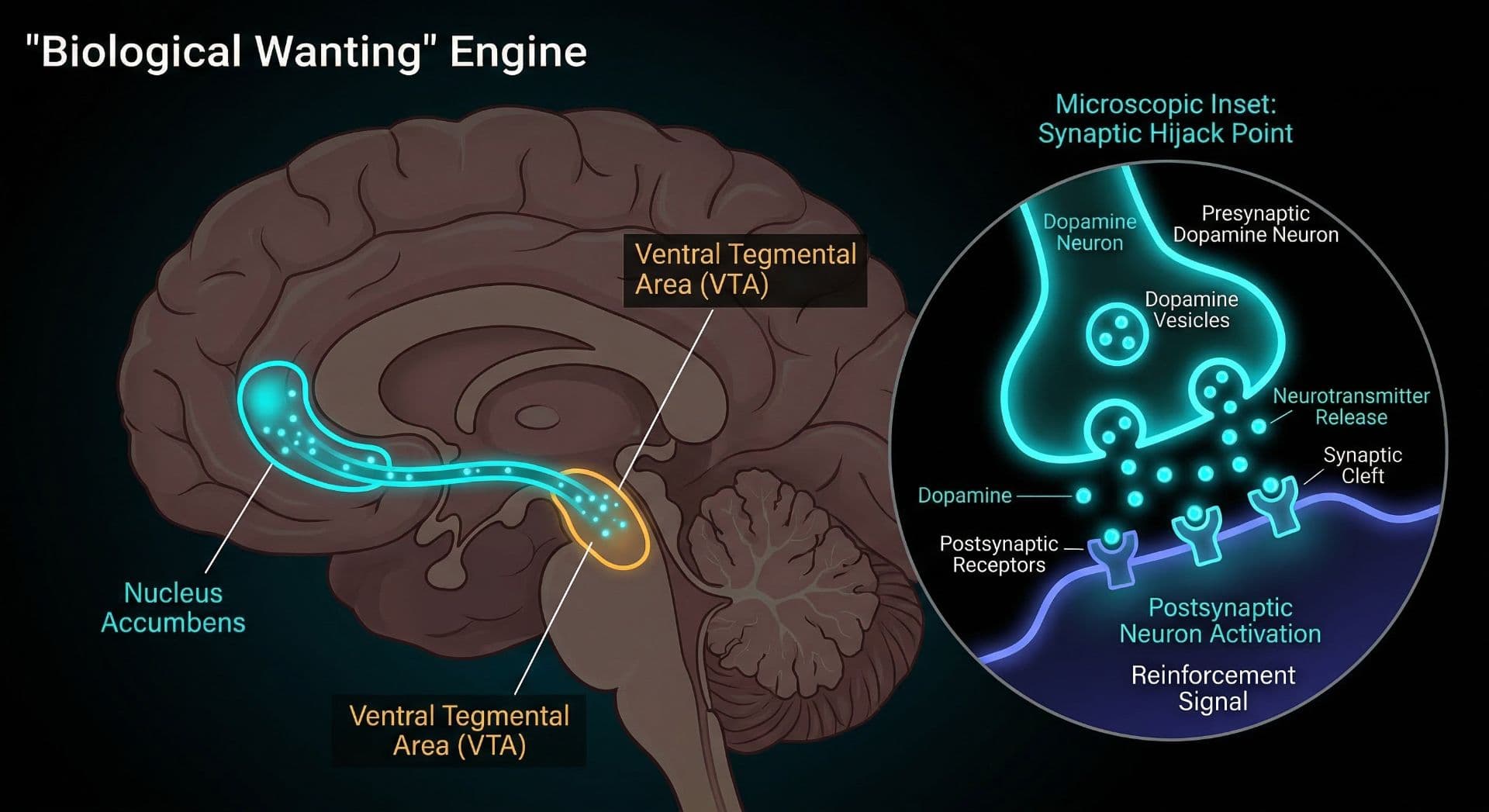

Have you ever intended to check a single notification, only to realize forty minutes have vanished into an endless scroll? In 2026, privacy is no longer just about your data; it is about your thought process. Is your next choice truly yours, or has a 'Digital Twin' already made it for you
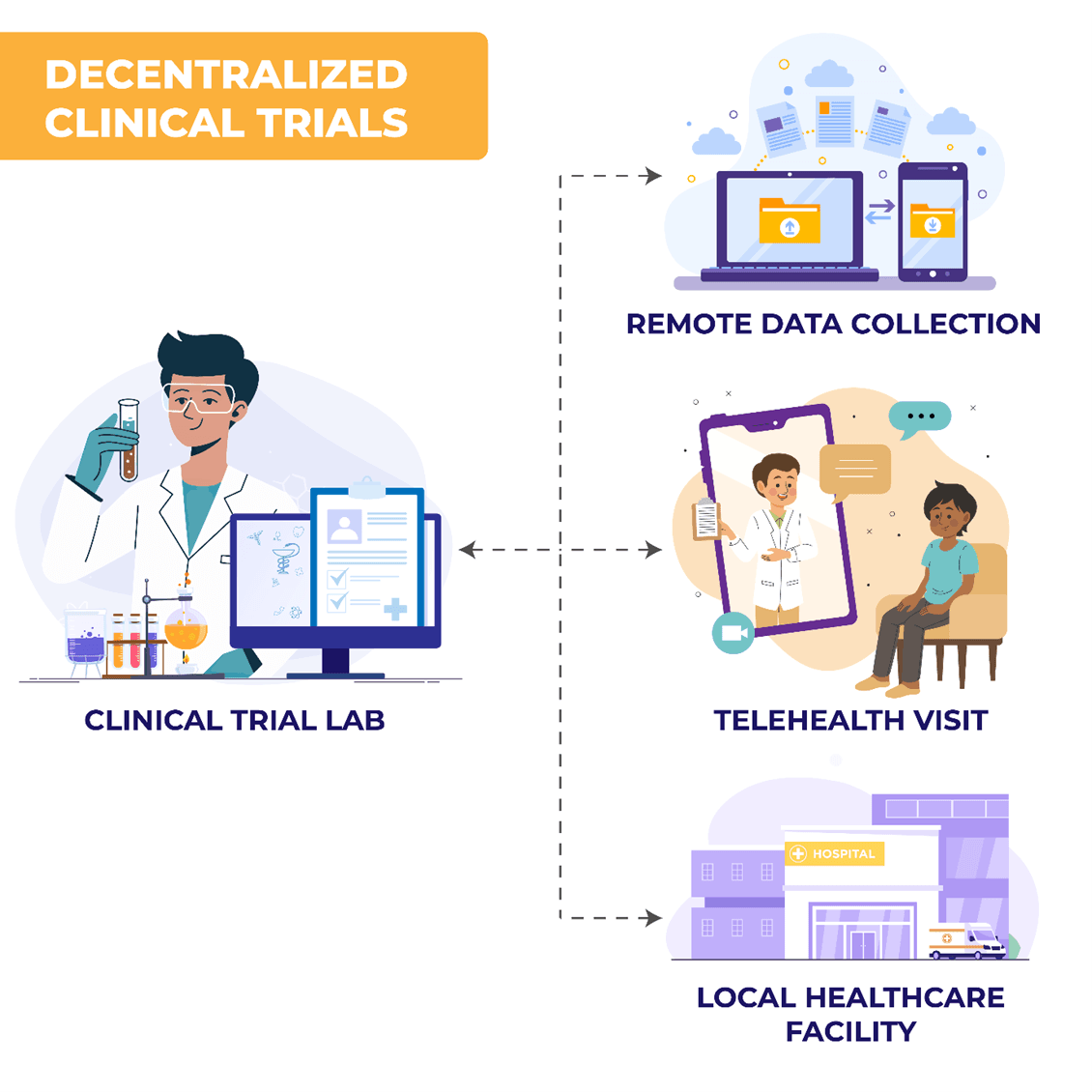
(DCTs) are redefining how pharmaceutical studies are designed, conducted, and analyzed by moving away from traditional site-centric models toward patient-centric, digitally enabled trial ecosystems.

Discussion