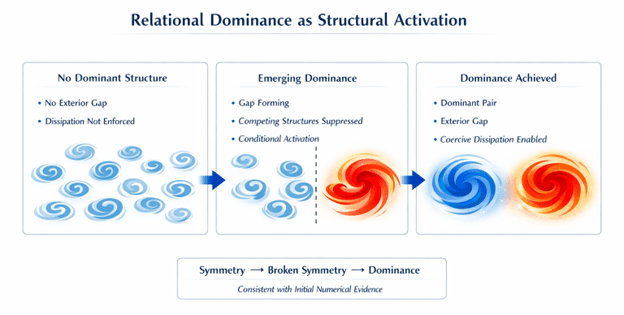
Relational Dominance: A Testable Structural Hypothesis for Navier–Stokes Turbulence
Showing results for: "challenges" (53 results)

Relational Dominance: A Testable Structural Hypothesis for Navier–Stokes Turbulence

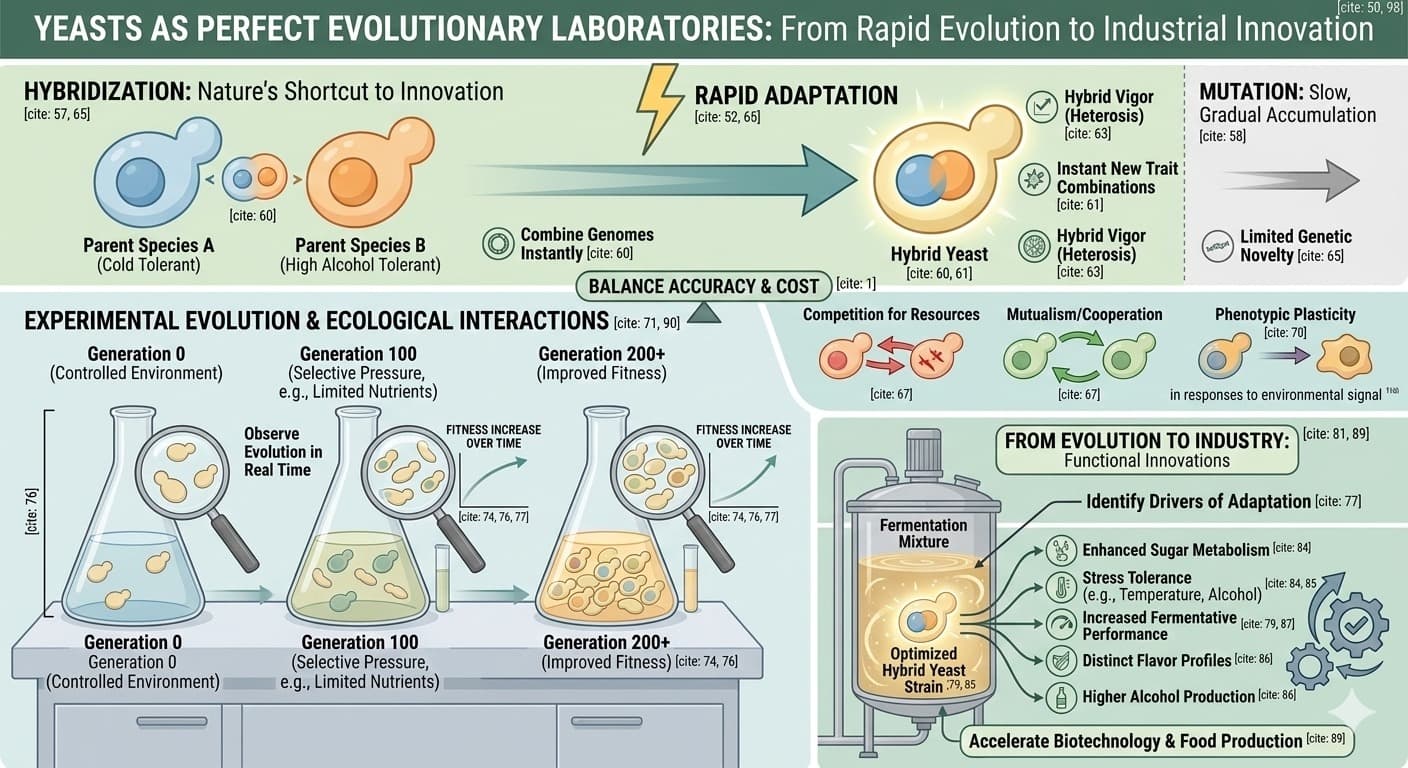
Evolution is often imagined as a process that unfolds over millions of years. However, in microorganisms such as yeasts, evolutionary changes can occur much more rapidly. Yeasts reproduce quickly, populations grow to large sizes, and genetic variations can spread through generations in a short time.

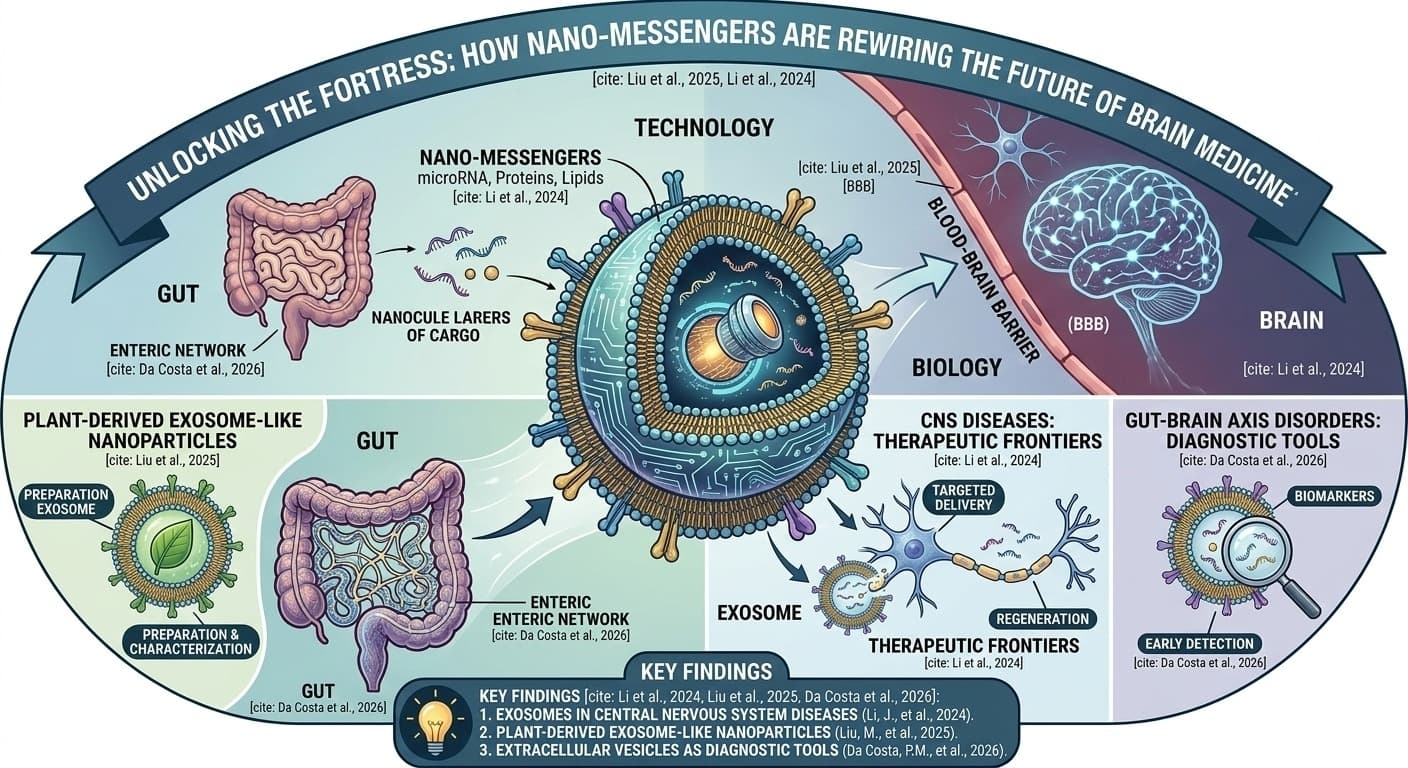
This architecture is essential for shielding neurons from toxins, pathogens, and fluctuations in the bloodstream, but it also creates a devastating bottleneck for modern medicine. More than 98% of small-molecule drugs and nearly all large biological therapeutics fail to cross the BBB in meaningful amounts, leaving many promising treatments for neurodegenerative disorders, brain tumors, and inflammatory diseases stranded in the circulation.

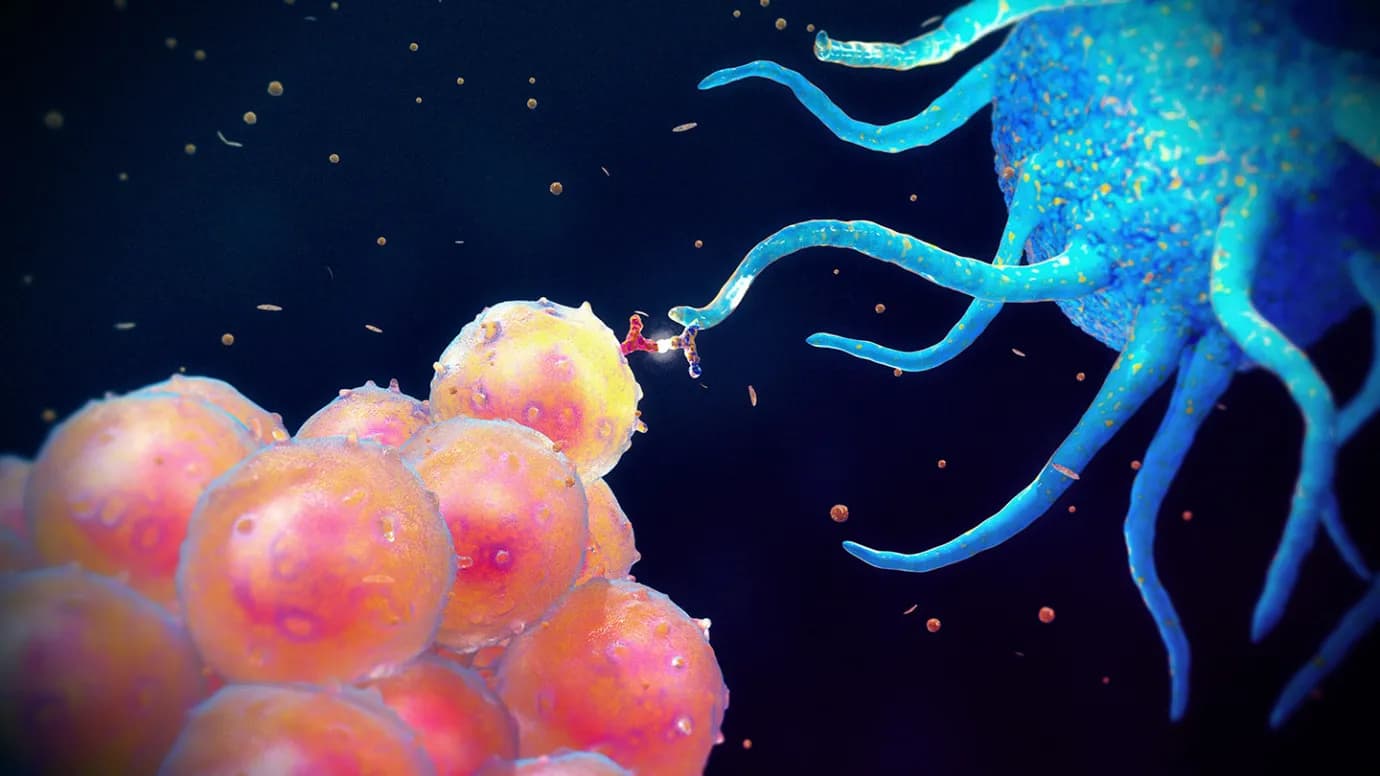
Discover how antigen-presenting cells like dendritic cells and macrophages are being recruited through smart particle design for vaccines and immunotherapy.

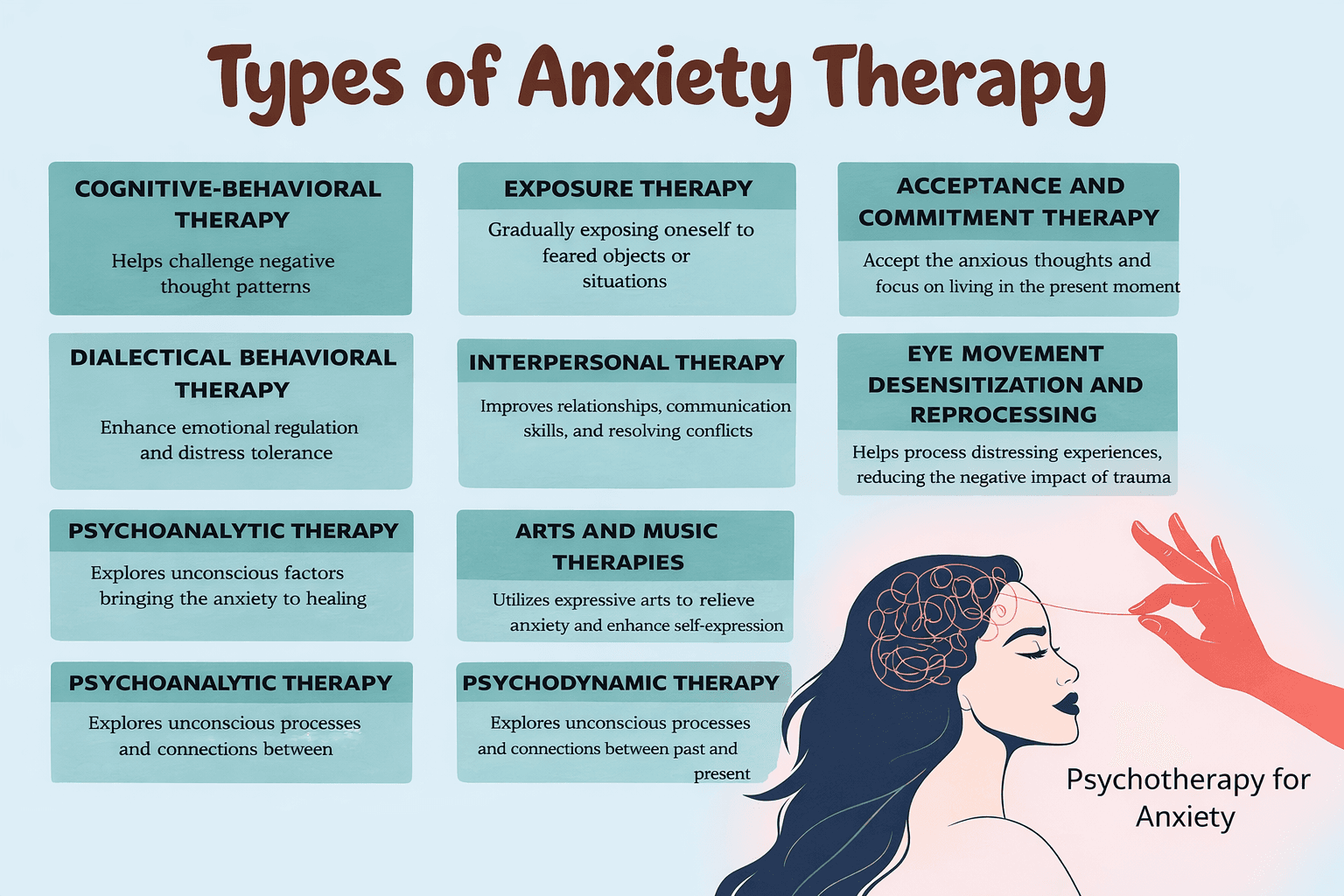
Symptoms of anxiety disorders can interfere with daily life activities, such as performance at work, being in social gatherings, and relationships. In severe cases of anxiety, there might be a feeling of intense fear in common situations, a preference for isolation, or a refusal to leave their homes

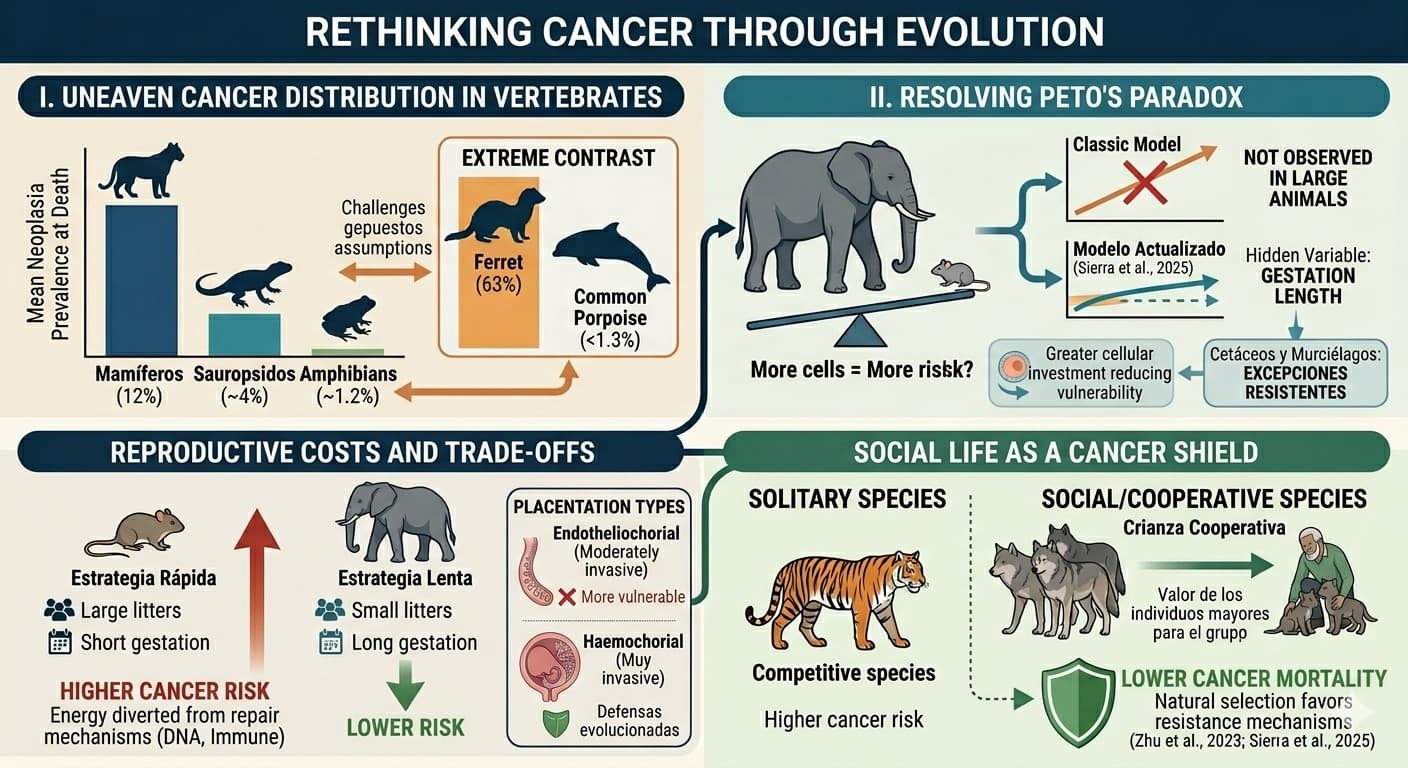
In this study, I explore how cancer risk is distributed across the animal kingdom, emphasizing the role of life-history traits, reproductive strategies, and social behavior in shaping susceptibility to disease. Drawing on recent findings in comparative oncology, the article examines patterns that challenge traditional assumptions, such as the relationship between body size and cancer, and highlights evolutionary mechanisms that may confer resistance in certain species.

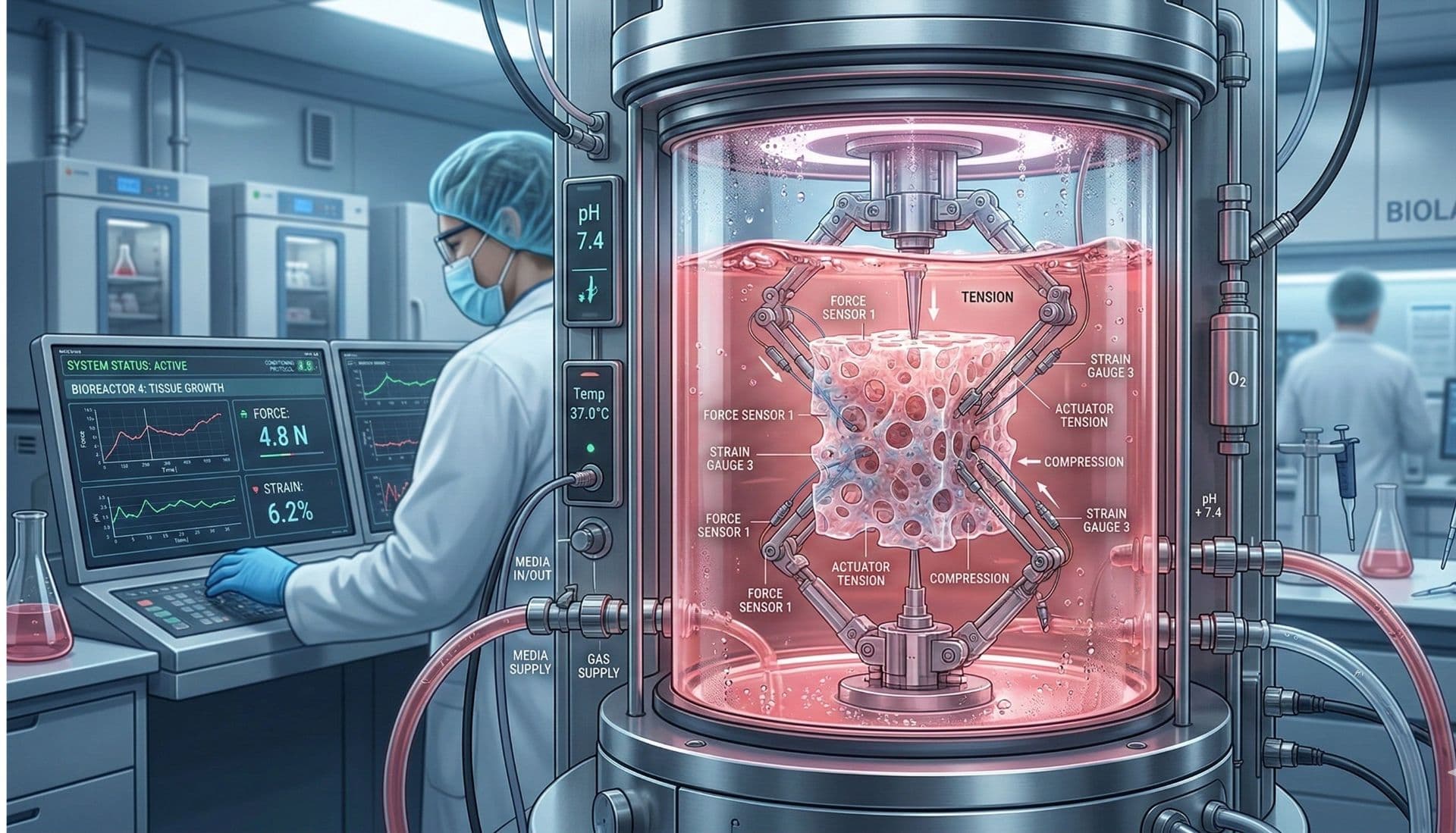
A future without transplant waitlists? Tissue engineering blends biology and engineering to build living, functional human tissue.

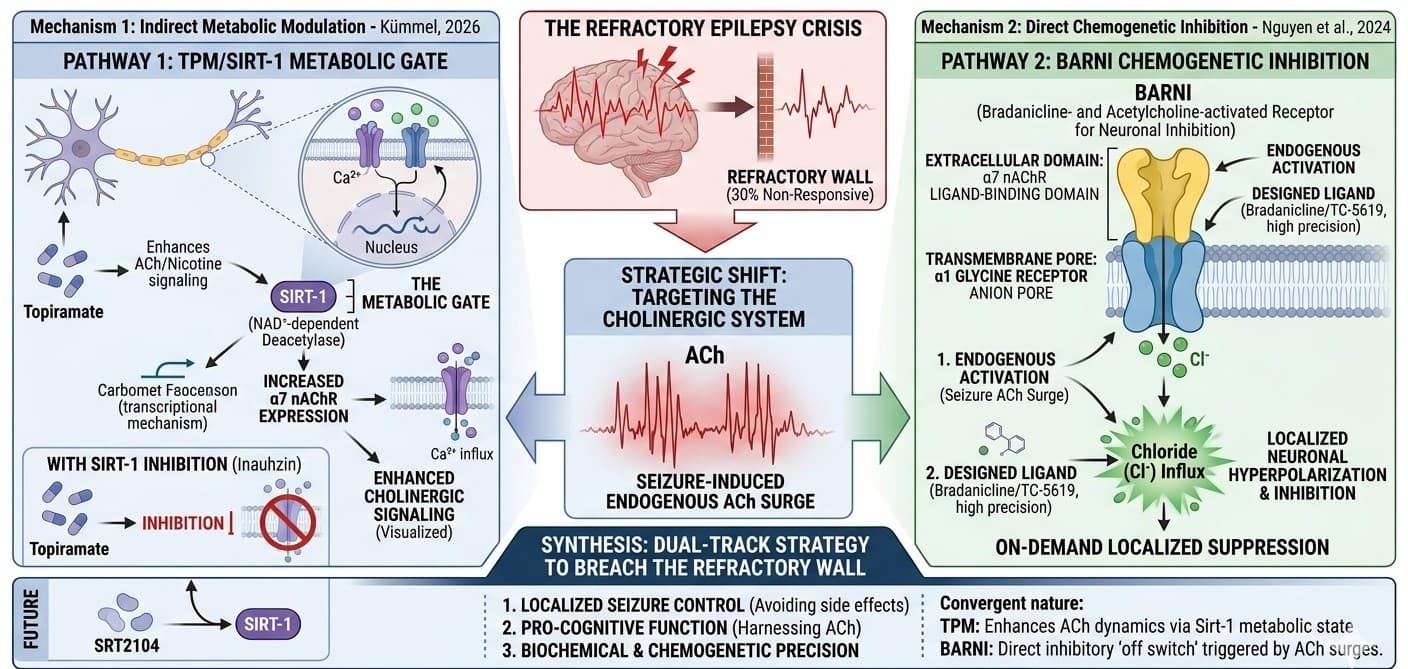
The current trajectory of epilepsy management has encountered a formidable "refractory wall." Despite the accelerated expansion of the neuropharmacological pharmacopeia,

Cell and gene therapies represent a seismic shift in healthcare. They promise to cure the incurable, restoring sight to the blind and erasing cancer from the blood. But this frontier is wild. It comes with biological price tags, potential genetic misfires, and a regulatory landscape that is still being mapped.

Out of so many mental disorders, a rare disorder is the Fregoli delusion or Fregoli syndrome (FS), in which an individual holds a delusional belief that different people are in fact a single person, who keeps on changing appearances quickly or is in disguise. People affected with this condition often experience anxiety, paranoia, and agitation. It can impact the patient’s mental health and their safety and the safety of others.

This article will unlock that box, exploring the crucial process of translating complex clinical trial evidence into clear, understandable information for everyone. We'll journey from the surprising origins of clinical trials to the modern-day push for transparency, and discover why making science accessible is not just a convenience, but a necessity for public trust and informed health decisions.

Scientists are closer than ever to detecting life beyond Earth. From Mars to distant exoplanets, modern astronomy is transforming the search for alien life.

Stem cell therapy research is a promising area of interest for a number of scientists working to understand Parkinson’s disease and develop treatments for it. Read below to learn more about the advancements of stem cell therapy for Parkinson’s.