

Health & Medicine
Beyond the Needle: The Rise of Inhalable Vaccines
Inhalable vaccines trigger powerful mucosal immunity where pathogens enter the body, offering needle-free protection against respiratory diseases.
Showing results for: "persistence constraint" (48 results)
Inhalable vaccines trigger powerful mucosal immunity where pathogens enter the body, offering needle-free protection against respiratory diseases.
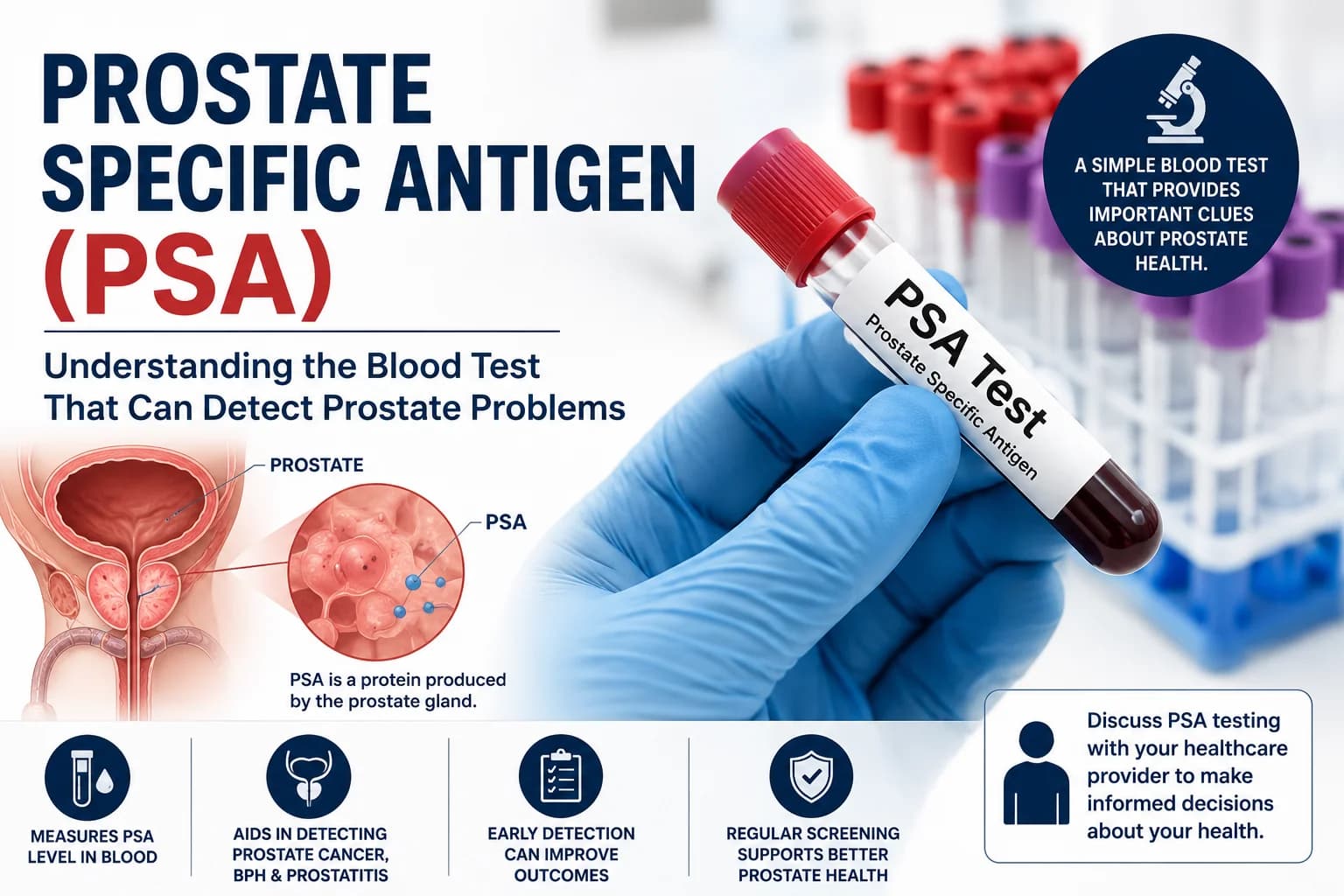
See how the PSA blood test works, what causes elevated PSA levels, and how this important laboratory test supports prostate health and early cancer detection.

Too big, it hits your throat. Too small, you exhale it. The sweet spot delivers drugs exactly where they're needed.
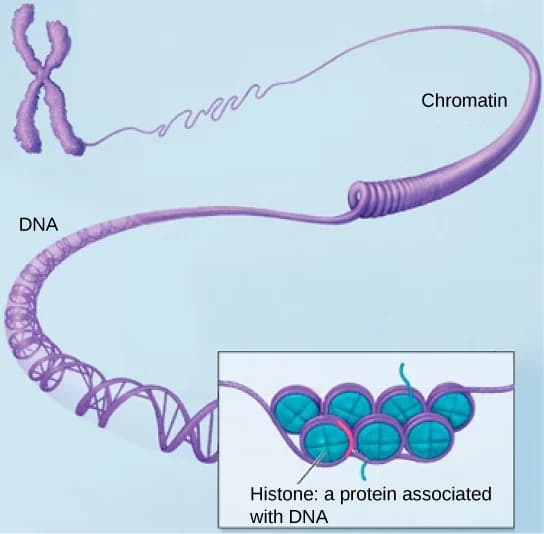
Epigenetics is transforming how scientists understand the bridge between genes and behavior, opening the door to a new era of mental health treatment.
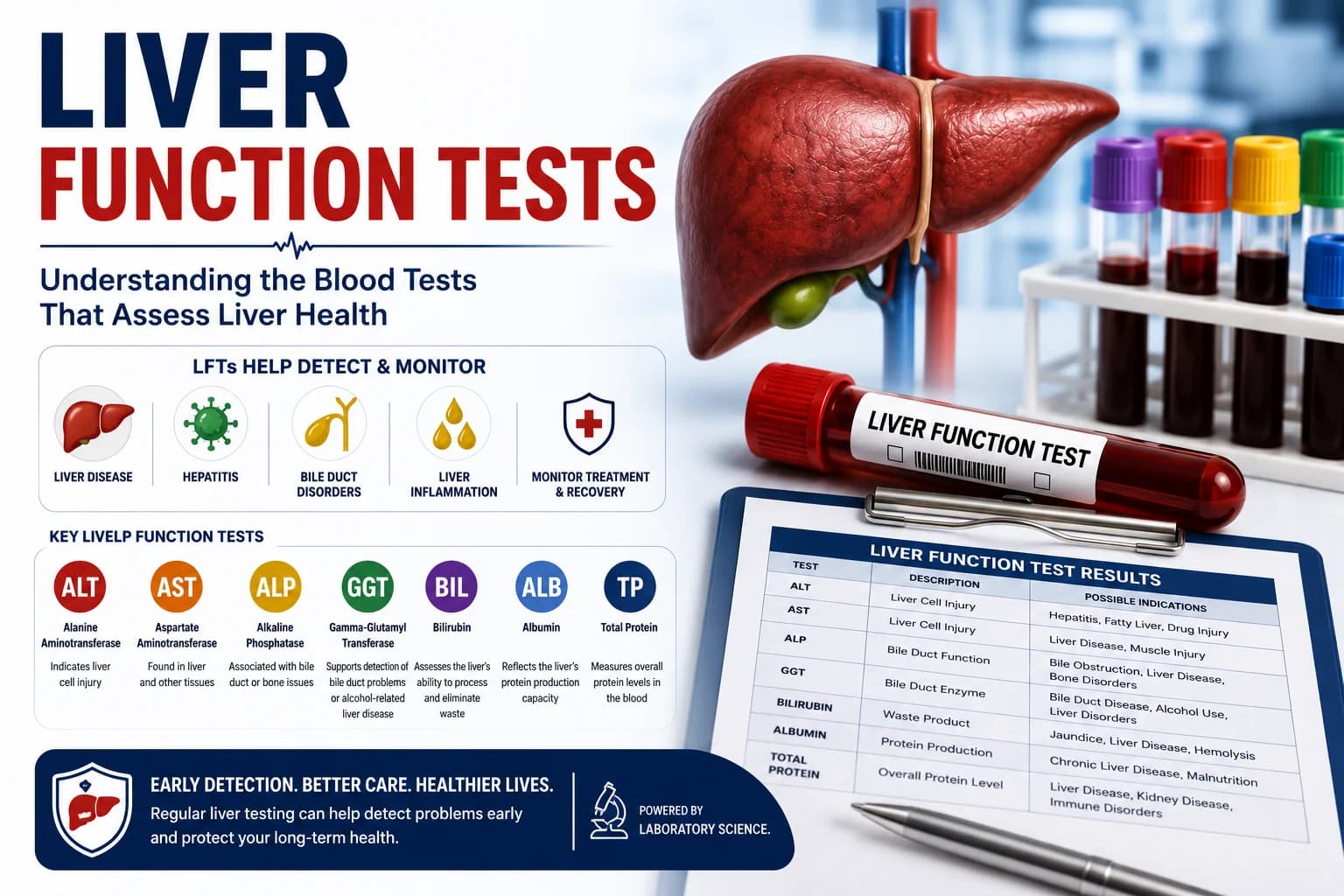
Understand how liver function tests assess liver health, what ALT, AST, bilirubin, ALP, albumin, and GGT measure, and why these blood tests matter.
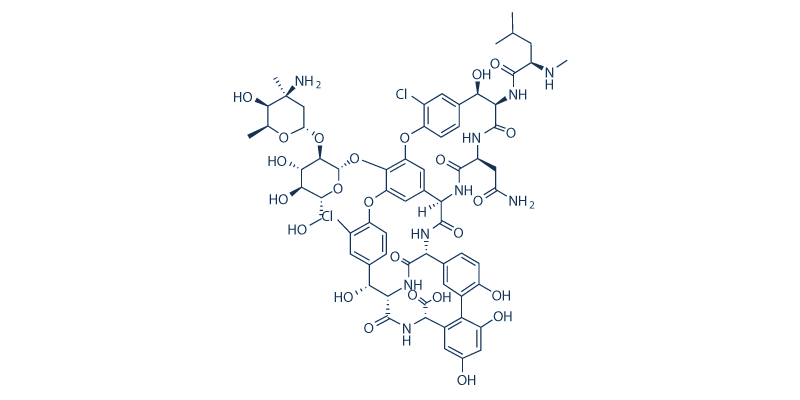
Vancomycin is an essential glycopeptide antibiotic used to treat life-threatening infections caused by Gram-positive bacteria, particularly Methicillin-Resistant Staphylococcus aureus (MRSA). It functions by inhibiting bacterial cell-wall synthesis and is still the most potent drug to be used when others fail (Patel, Preuss, & Bernice, 2023).

Artificial Intelligence AI with it’s widespread use in various sectors has also taken a dive into healthcare by transforming clinical practice and improving patient care.
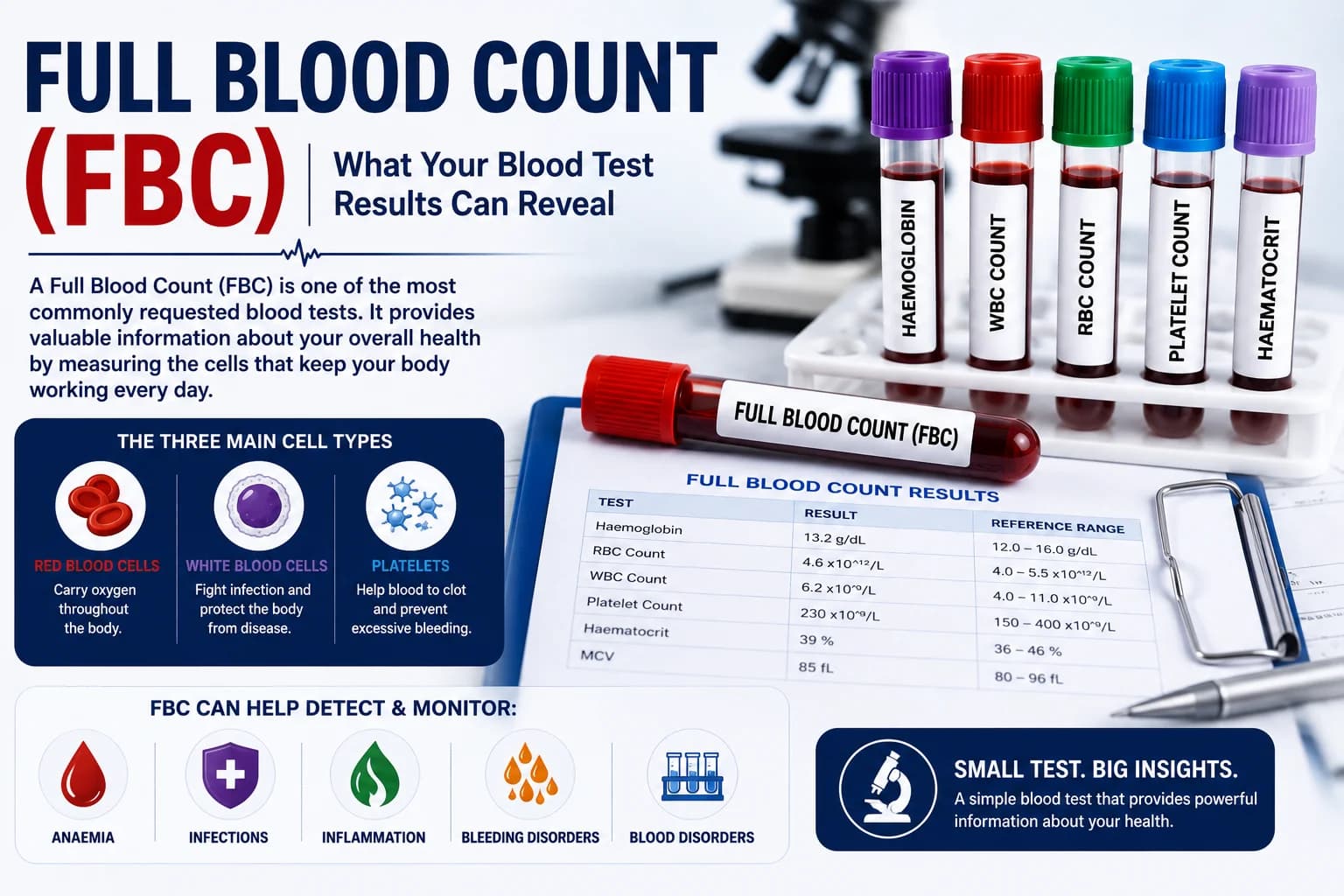
A Full Blood Count (FBC) is a blood test that measures different types of blood cells and related parameters, including red blood cells, white blood cells, platelets, haemoglobin, haematocrit and red blood cell indices. It can help healthcare professionals investigate conditions such as anaemia, infection, inflammation and certain blood disorders.