Discover Scientific Knowledge

Showing results for: "room making" (110 results)

HYPERTROPHIC CARDIOMYOPATHY: Everything You Need to Know About HCM
Health & Medicine

HYPERTROPHIC CARDIOMYOPATHY: Everything You Need to Know About HCM

Hypertrophic cardiomyopathy (HCM) is a common genetic disorder in which the heart muscle becomes thicker and stiffer, a condition called hypertrophy. (1) The thickened heart muscle makes it harder for the heart to work properly. Many individuals with HCM do not realize that they have it.
ALICE IN WONDERLAND SYNDROME: All You Need to Know about AWS
Health & Medicine

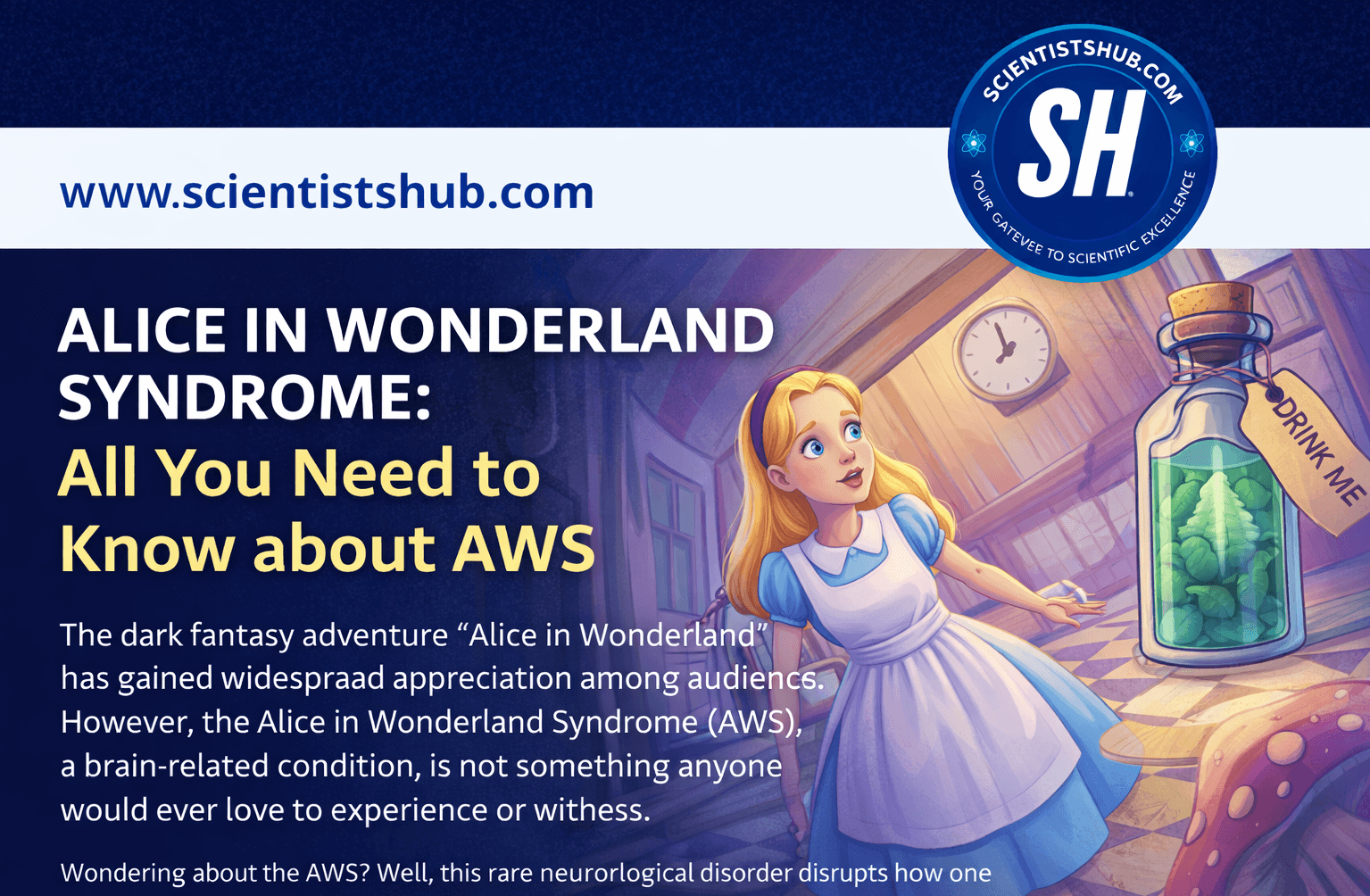
ALICE IN WONDERLAND SYNDROME: All You Need to Know about AWS

The dark fantasy adventure “Alice in Wonderland” has gained widespread appreciation among audiences. However, the Alice in Wonderland Syndrome (AWS), a brain-related condition, is not something anyone would ever love to experience or witness.

The Science of Addiction: Digital Dopamine and the Attention Economy
Science & Research

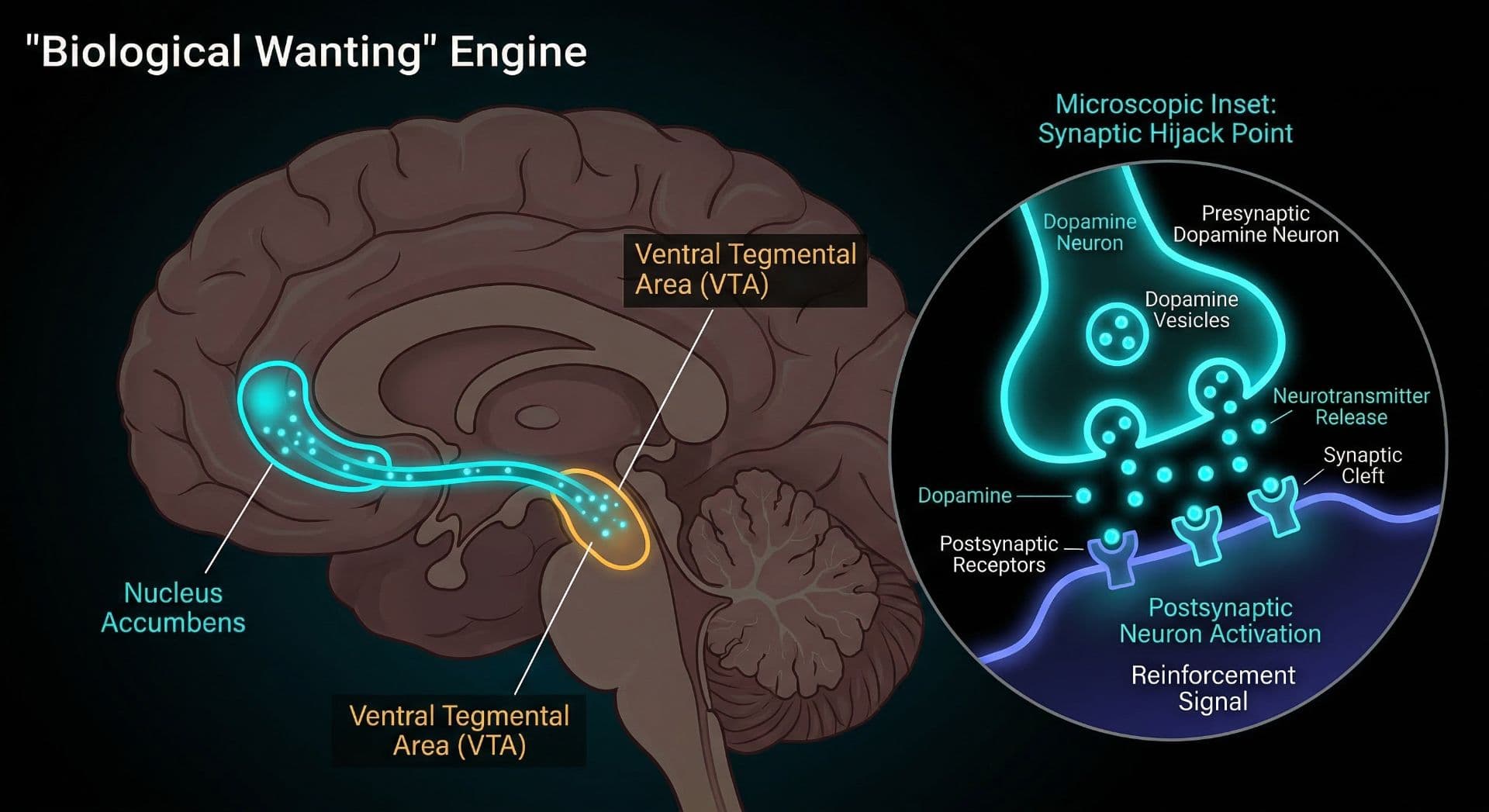
The Science of Addiction: Digital Dopamine and the Attention Economy

Have you ever intended to check a single notification, only to realize forty minutes have vanished into an endless scroll? In 2026, privacy is no longer just about your data; it is about your thought process. Is your next choice truly yours, or has a 'Digital Twin' already made it for you

The Brain’s Ability to Change and Its Role in Depression
Health & Medicine

The Brain’s Ability to Change and Its Role in Depression

Depression has affected humans for hundreds of years. Symptoms can include persistent feelings of sadness, sleep disturbances, anxiety, and a loss of interest in social activities. Science doesn’t yet fully understand the causes and effects, but here’s what we do know: the brain is a powerful organ, and it is capable of change. Made up of a wide network of connections, it relies on chemicals, electrical impulses, and billions of neurons. Let’s explore how brain science

Promising Latest Treatment That Could Calm Anxiety for Millions of Americans
Health & Medicine

Promising Latest Treatment That Could Calm Anxiety for Millions of Americans

Today, generalized anxiety disorder is affecting millions of Americans. The disorder usually traps the sufferers in cycles of fear and isolation in a way that even standard treatments cannot relieve completely. UCSF neuroscientist Jennifer Mitchell, PhD, is testing a surprising brand-new approach that can ease symptoms of generalized anxiety disorder by reshaping how the brain thinks and feels.

How Scientists Are Discovering the Next Generation of Tuberculosis Drugs
Science & Research

How Scientists Are Discovering the Next Generation of Tuberculosis Drugs

Tuberculosis (TB) remains one of the world's deadliest infectious diseases, claiming over a million lives each year. TB is the deadliest infectious disease known today, claiming more lives than COVID-19. TB is caused by the bacterium Mycobacterium tuberculosis. TB spreads through the air when infected people breathe, cough, sneeze,

The Flip: Why Relational Field Theory Starts Where Most Physics Ends
Science & Research

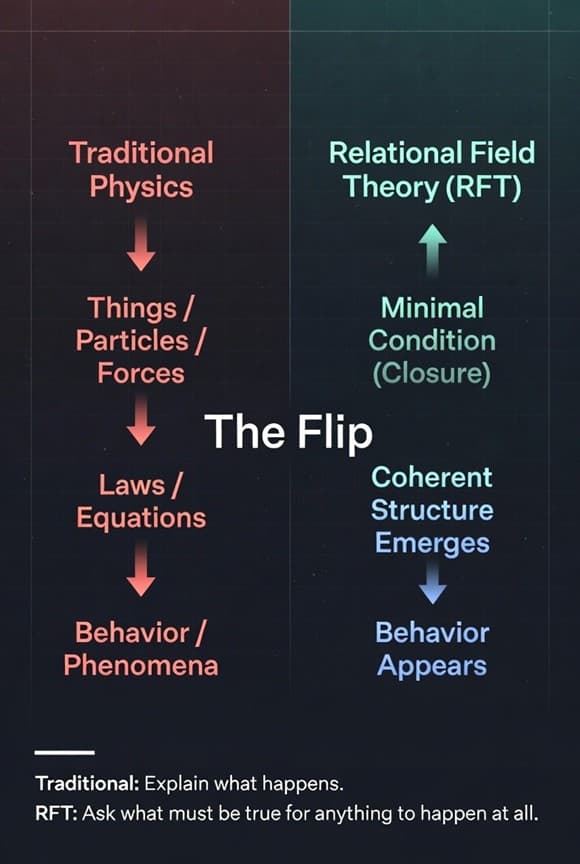
The Flip: Why Relational Field Theory Starts Where Most Physics Ends

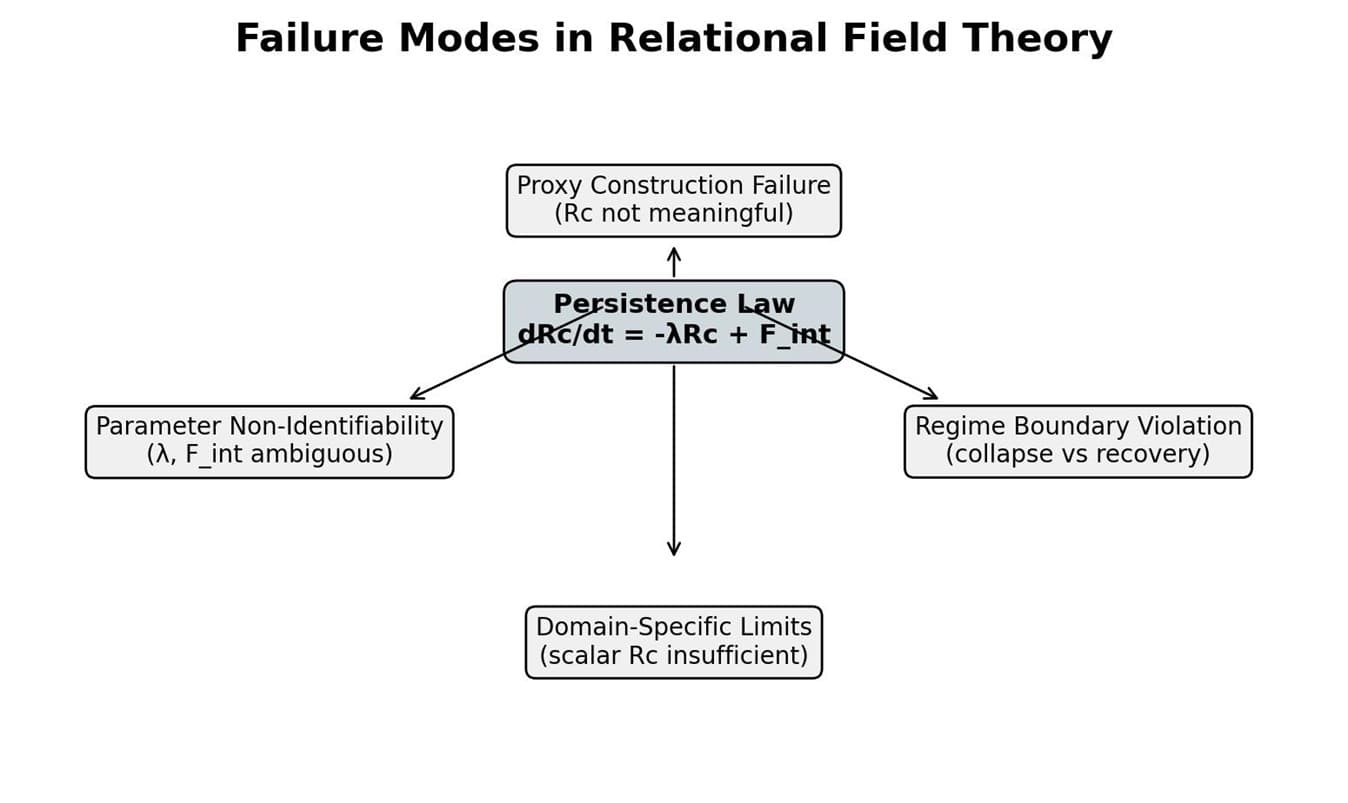
We begin with things - particles, fields, forces - and then build laws and equations to explain how those things behave. This approach has been extraordinarily successful. It is how we arrived at quantum mechanics, general relativity, and the Standard Model.

The Power of Hybrid Yeasts: Evolution, Competition, and Fermentation
Health & Medicine

The Power of Hybrid Yeasts: Evolution, Competition, and Fermentation

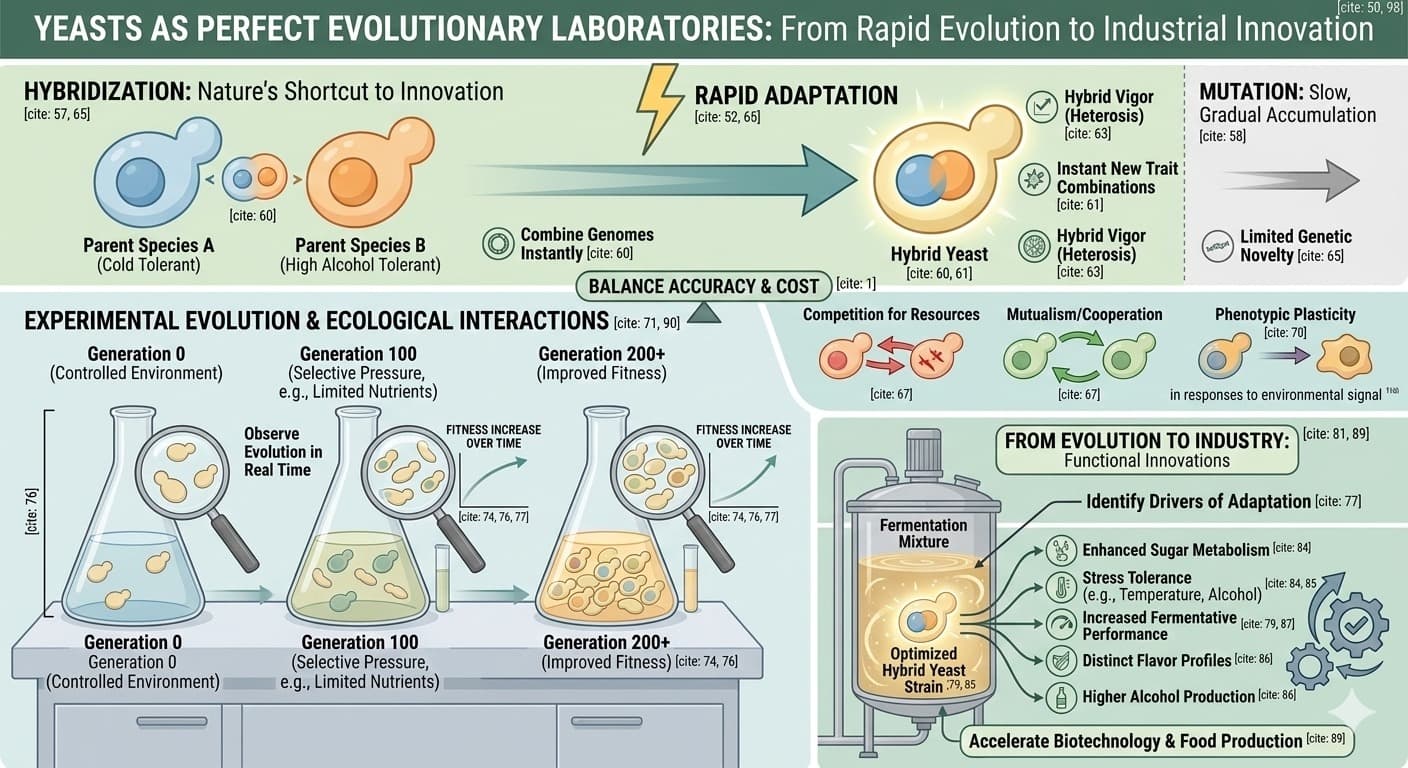
Evolution is often imagined as a process that unfolds over millions of years. However, in microorganisms such as yeasts, evolutionary changes can occur much more rapidly. Yeasts reproduce quickly, populations grow to large sizes, and genetic variations can spread through generations in a short time.

Unlocking the Fortress: How Nano-Messengers are Rewiring the Future of Brain Medicine
Health & Medicine

Unlocking the Fortress: How Nano-Messengers are Rewiring the Future of Brain Medicine

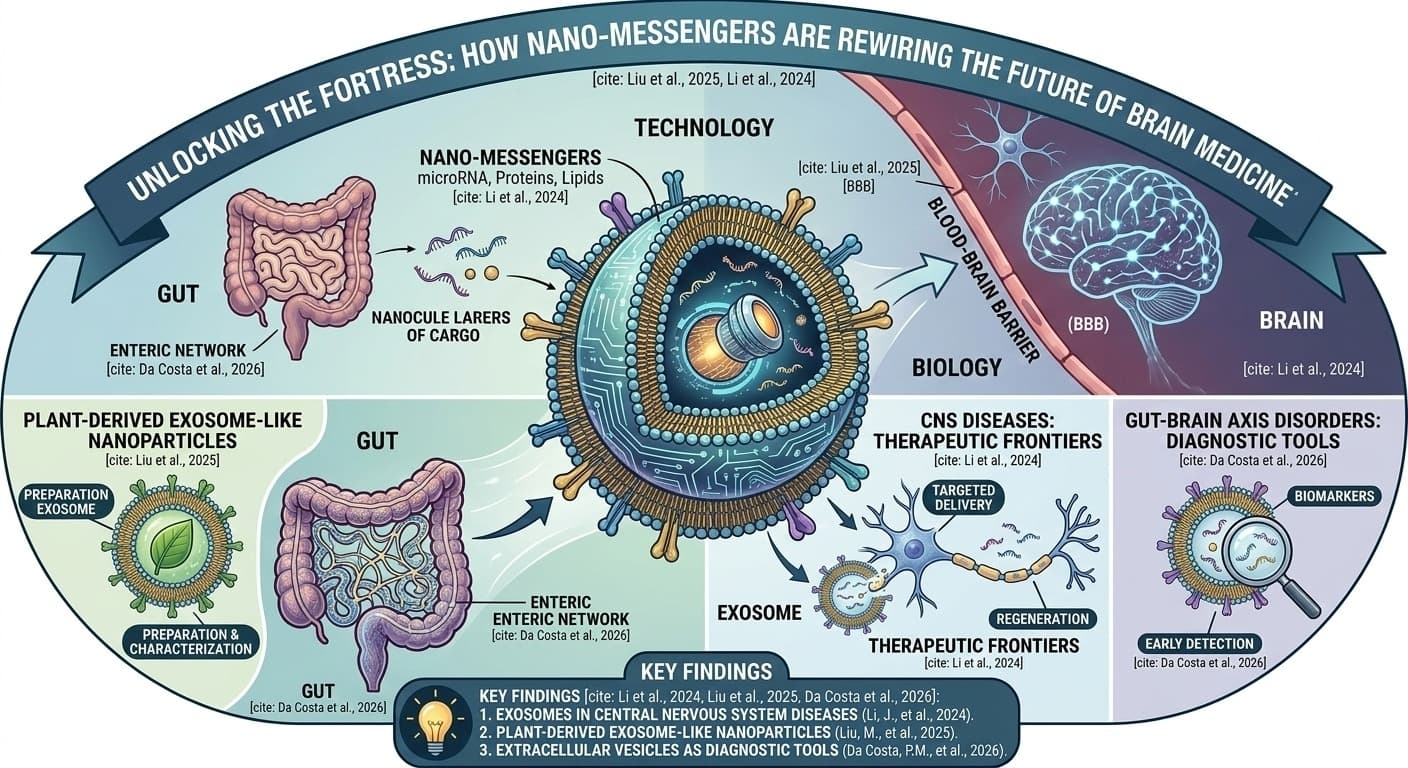
This architecture is essential for shielding neurons from toxins, pathogens, and fluctuations in the bloodstream, but it also creates a devastating bottleneck for modern medicine. More than 98% of small-molecule drugs and nearly all large biological therapeutics fail to cross the BBB in meaningful amounts, leaving many promising treatments for neurodegenerative disorders, brain tumors, and inflammatory diseases stranded in the circulation.