Discover Scientific Knowledge

Showing results for: "Quantum Systems" (115 results)

Scientists Discover a New Quantum State of Matter That Works at Room Temperature
Science & Research

Scientists Discover a New Quantum State of Matter That Works at Room Temperature

Recent scholarship has unveiled an anomalous quantum state of matter, designated as a supersolid, which remains stable under ambient thermal conditions.This landmark inquiry clarifies the operational mechanisms through which light and matter become entangled to produce unique quantum attributes, effectively opening new frontiers across quantum physics, photonics, optical engineering, and advanced computing architectures.The subsequent examination delineates the foundational principles governing.

Unveiling the Mysteries of Quantum Computing
Tech & AI

Unveiling the Mysteries of Quantum Computing

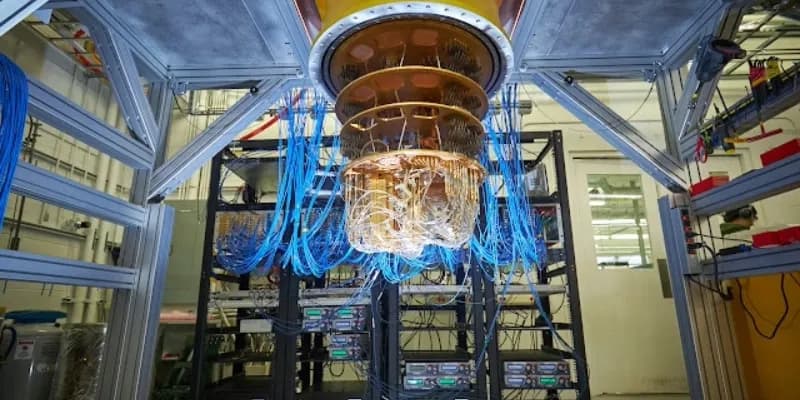
Quantum computing represents a revolutionary advancement in computational capabilities. Unlike traditional computers, which use bits as the smallest unit of data, quantum computers utilize quantum bits or qubits. These qubits can exist in multiple states at the same time due to the principles of superposition and entanglement.

Atherosclerosis and its Role in the Immune System
Health & Medicine

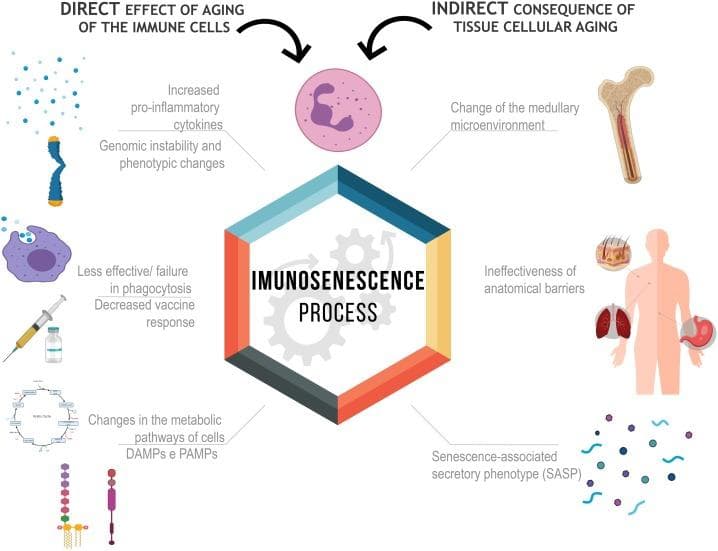
Atherosclerosis and its Role in the Immune System

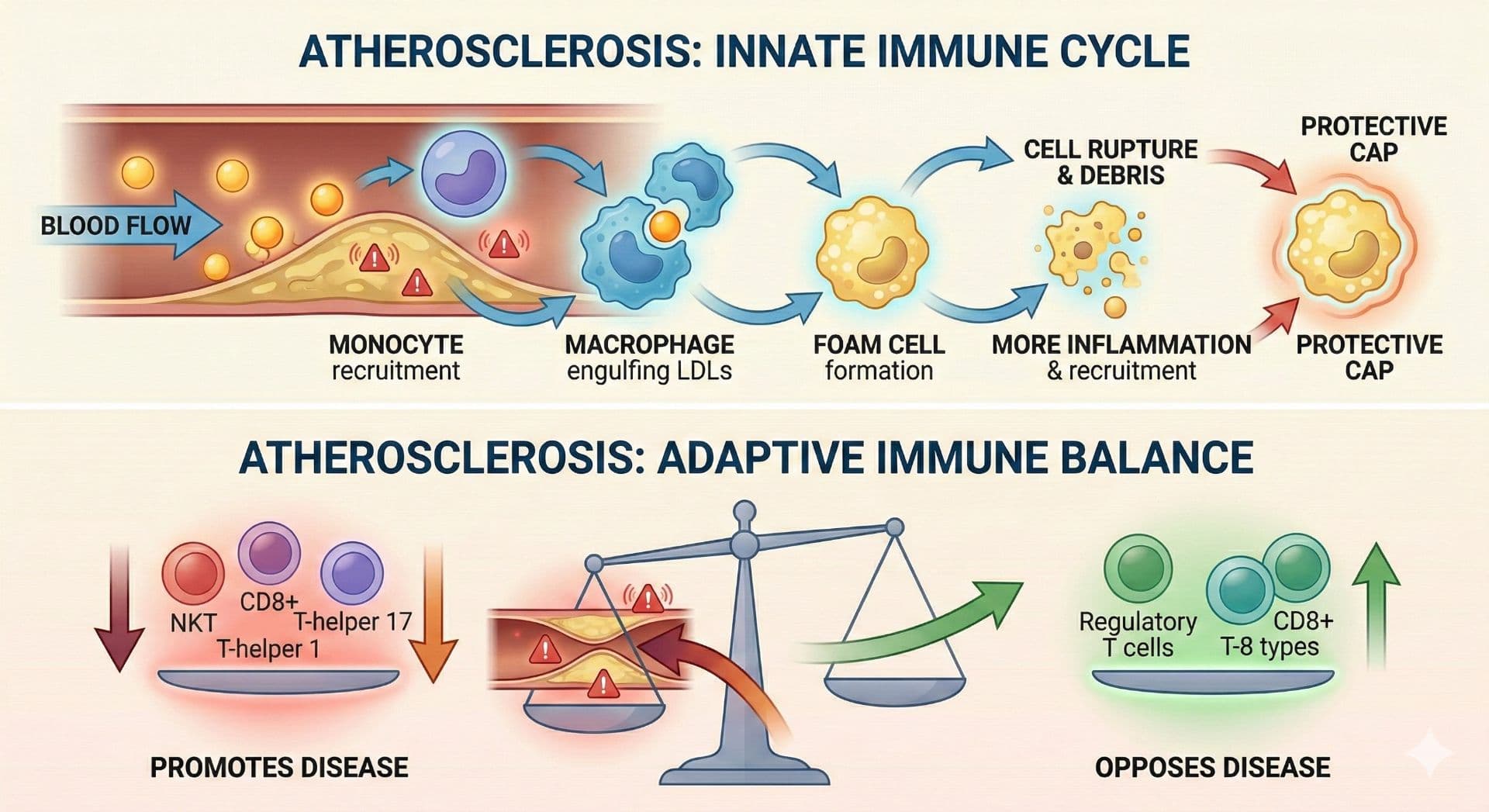
Learn how the leading cause of death worldwide activates the immune system and how making a few lifestyle changes can decrease your risk of severe chronic disease.

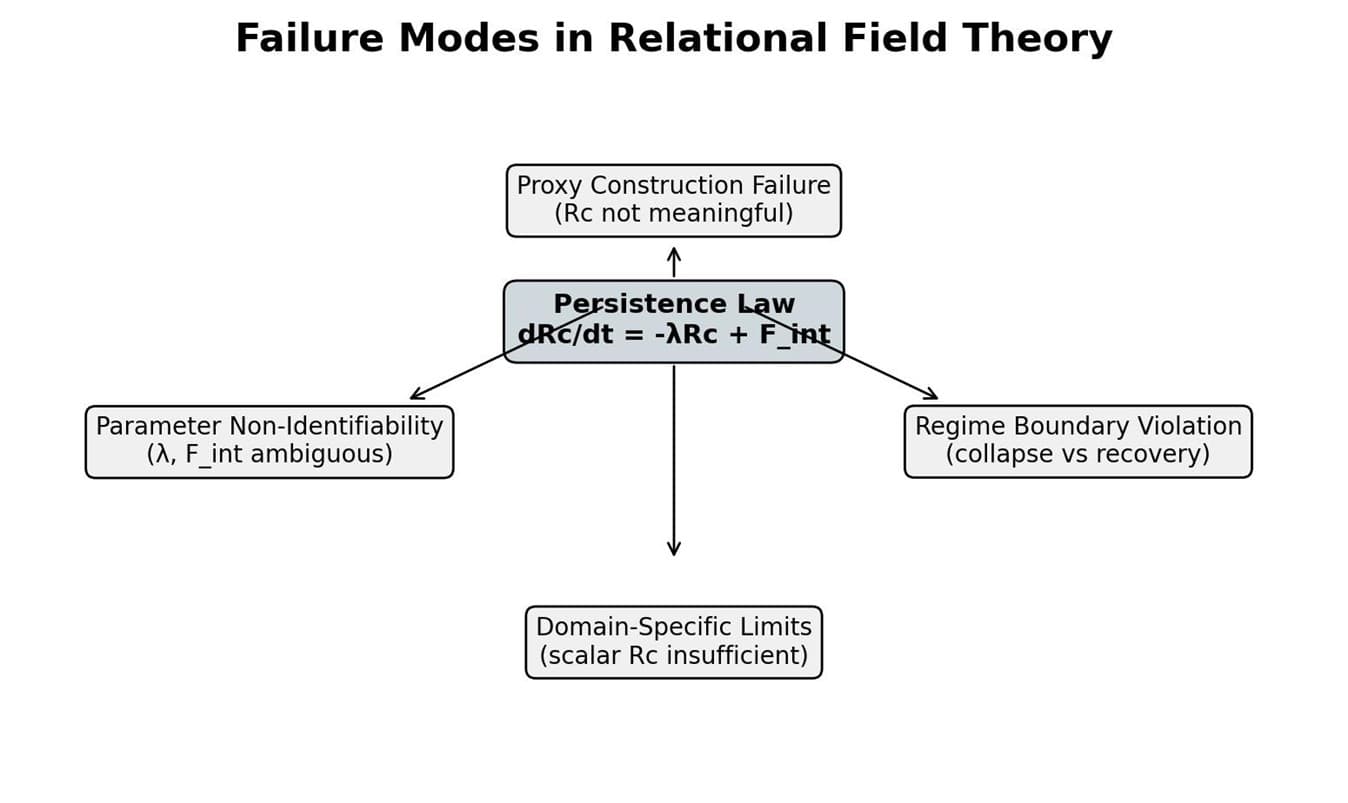
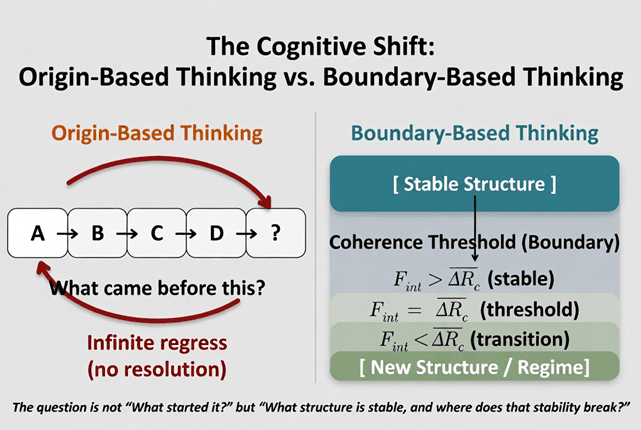
Why a Stable Universe Cannot Support Unnecessary Structure
Science & Research

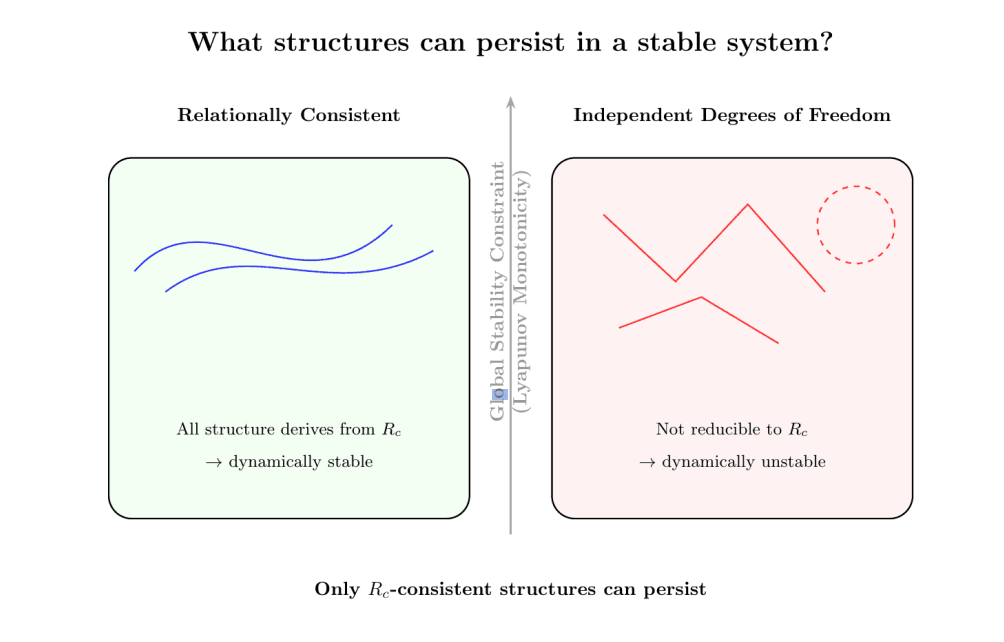
Why a Stable Universe Cannot Support Unnecessary Structure

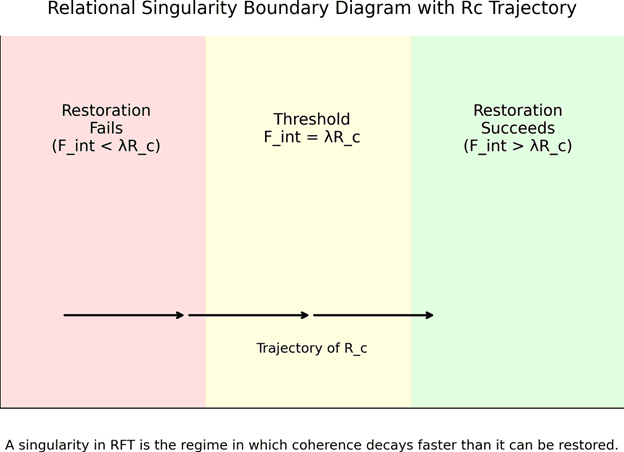
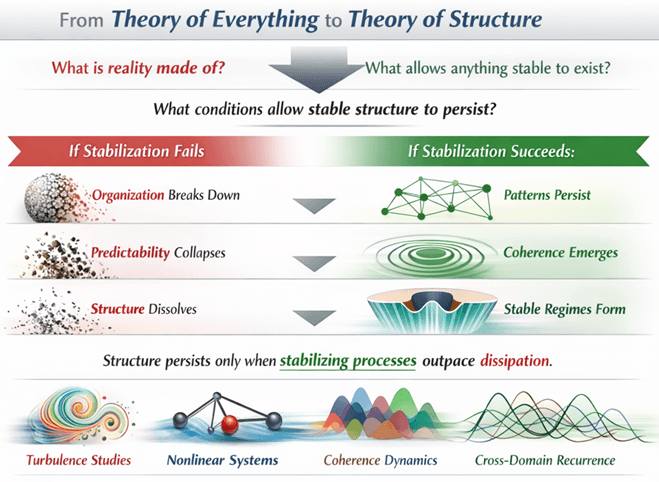
Modern physics often assumes that the complexity we observe in the universe reflects an underlying complexity in its fundamental structure. Fields, particles, forces, and geometries are typically introduced as independent components, each carrying its own degrees of freedom.

The Flip: Why Relational Field Theory Starts Where Most Physics Ends
Science & Research

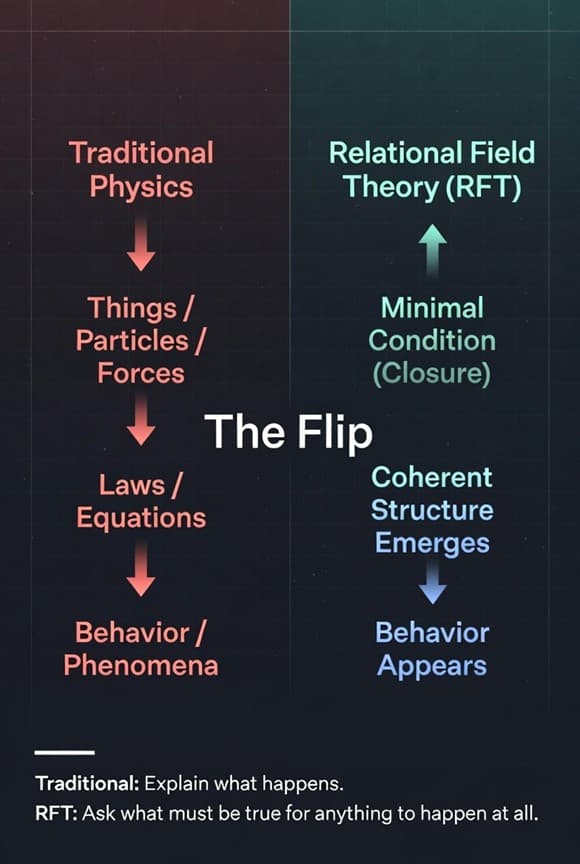
The Flip: Why Relational Field Theory Starts Where Most Physics Ends

We begin with things - particles, fields, forces - and then build laws and equations to explain how those things behave. This approach has been extraordinarily successful. It is how we arrived at quantum mechanics, general relativity, and the Standard Model.

The Brain’s Ability to Change and Its Role in Depression
Health & Medicine

The Brain’s Ability to Change and Its Role in Depression

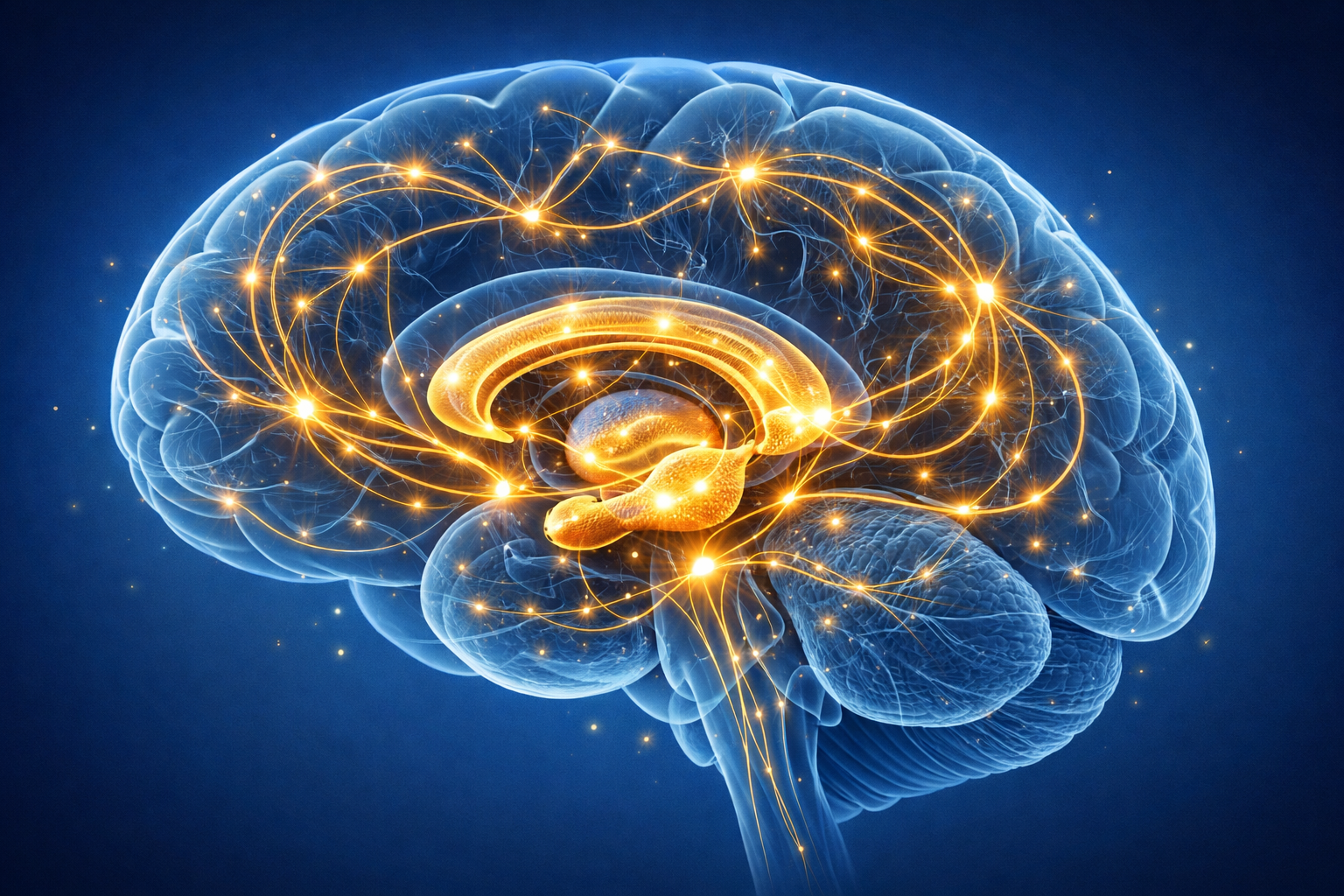
Depression has affected humans for hundreds of years. Symptoms can include persistent feelings of sadness, sleep disturbances, anxiety, and a loss of interest in social activities. Science doesn’t yet fully understand the causes and effects, but here’s what we do know: the brain is a powerful organ, and it is capable of change. Made up of a wide network of connections, it relies on chemicals, electrical impulses, and billions of neurons. Let’s explore how brain science

The Planck Scale: Where Our Best Physical Descriptions Meet Their Shared Boundary
Science & Research

The Planck Scale: Where Our Best Physical Descriptions Meet Their Shared Boundary

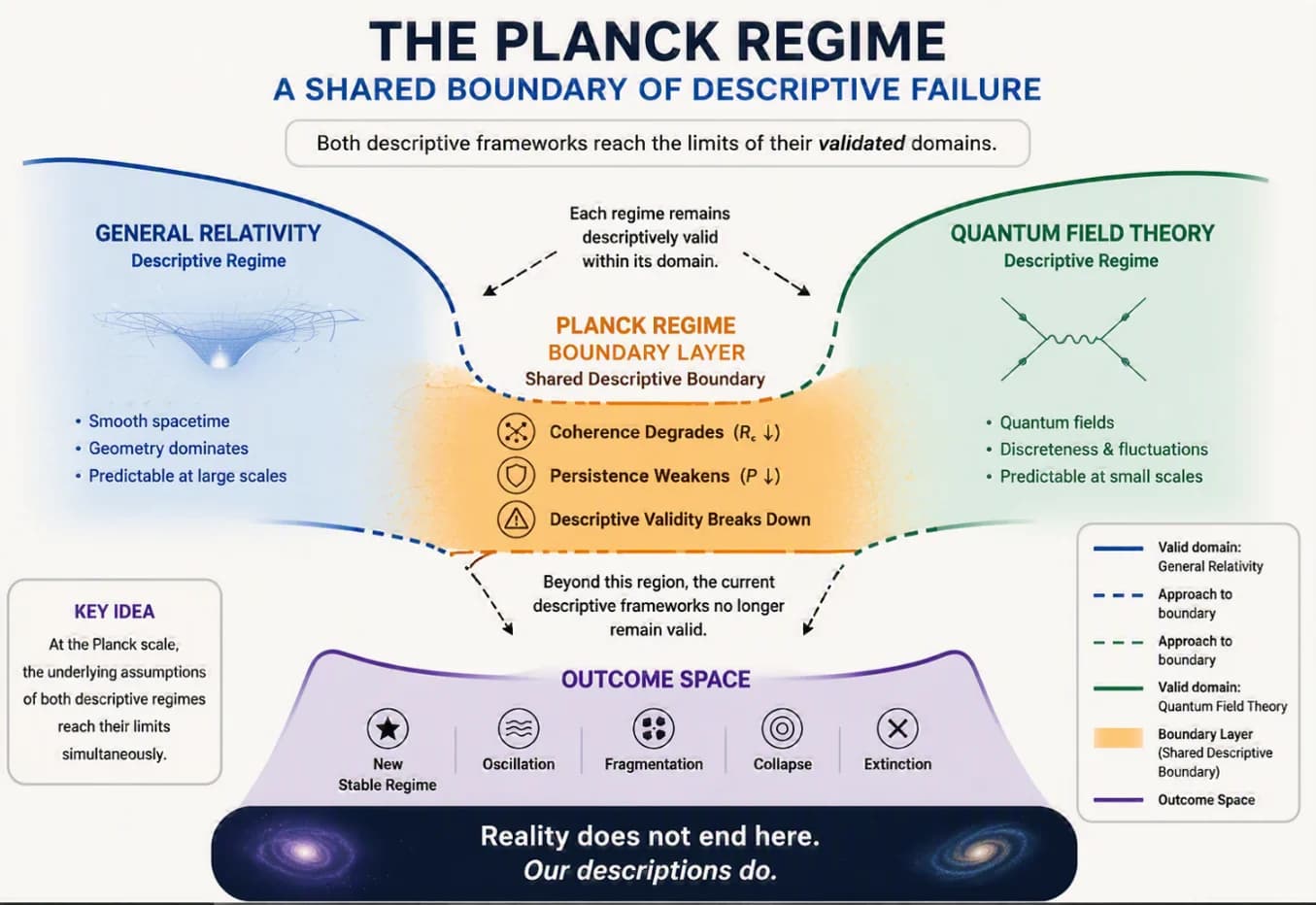
Few concepts in modern physics carry as much significance—or as much mystery—as the Planck scale. It is the regime where gravitational effects become comparable to quantum effects, suggesting that both General Relativity and Quantum Field Theory should contribute to our description of nature.

Wireless Power Transmission: A Future Without Charging Cables
Tech & AI

Wireless Power Transmission: A Future Without Charging Cables

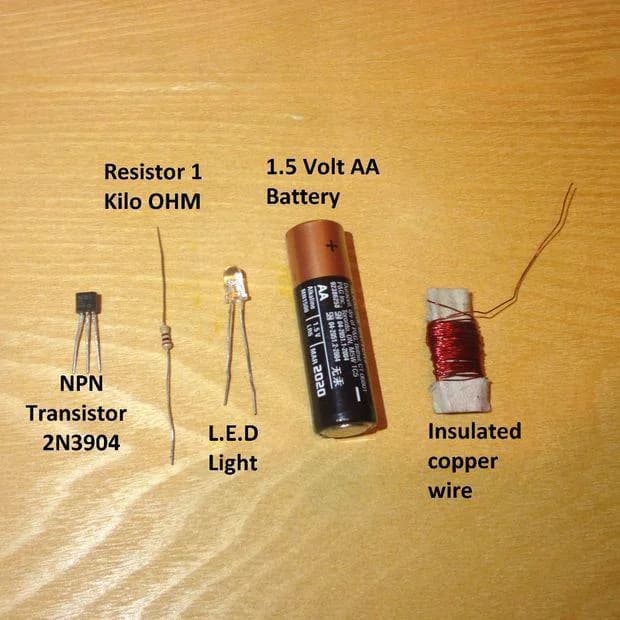
Wireless Power Transmission, or WPT, is a new technology that allows electricity to travel without the need for wires, using electromagnetic fields. This article covers how WPT works, the key components involved, the different methods it uses to send power, its applications in daily life, the benefits it offers, the challenges it faces, and what the future holds. Learn how wireless energy transfer is revolutionizing smartphones, EVs, healthcare, and smart cities.

What Stress Does to Your Body: The Neurobiology of Stress
Health & Medicine

What Stress Does to Your Body: The Neurobiology of Stress

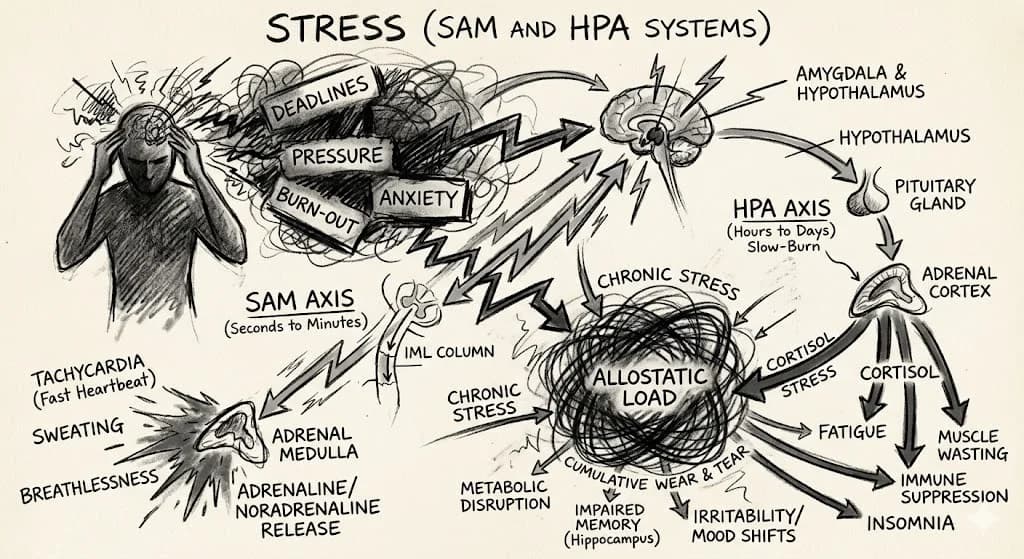
What does stress actually do to your body? Explore the neurobiology of the survival response, from the immediate SAM axis to the the HPA axis, and learn how to restore your biological equilibrium.

Page 1 of 6Next →