Aerospace Engineering in the Twenty-First Century: Innovations Driving the Future of Flight and Space
Exploring AI, advanced materials, propulsion, autonomous systems, and emerging technologies shaping the future of aerospace engineering.
Showing results for: "Reusable Launch Vehicles" (12 results)

Exploring AI, advanced materials, propulsion, autonomous systems, and emerging technologies shaping the future of aerospace engineering.


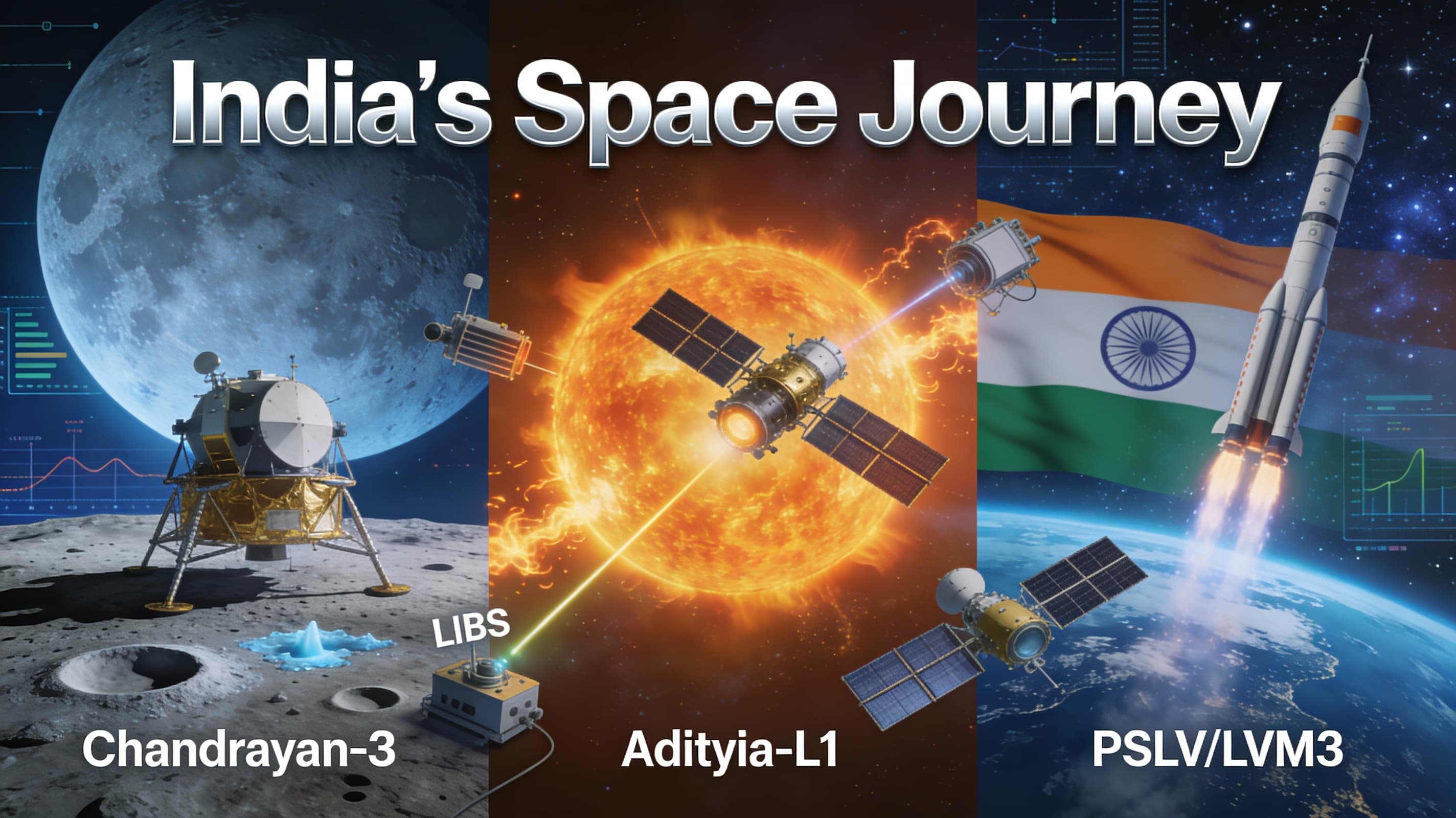
India’s space program, led by the Indian Space Research Organisation (ISRO), has evolved from modest experimental launches into a globally recognized scientific and technological enterprise.

The Internet has transformed the world, connecting people, information, and resources in unprecedented ways, even beyond physical boundaries. What began as a small research project has now grown into a global system that supports billions of devices and enables nearly every aspect of modern life. In this article, we will explore the major discoveries and milestones that contributed to the development of the Internet.

Artificial Intelligence AI with it’s widespread use in various sectors has also taken a dive into healthcare by transforming clinical practice and improving patient care.

Wireless Power Transmission, or WPT, is a new technology that allows electricity to travel without the need for wires, using electromagnetic fields. This article covers how WPT works, the key components involved, the different methods it uses to send power, its applications in daily life, the benefits it offers, the challenges it faces, and what the future holds. Learn how wireless energy transfer is revolutionizing smartphones, EVs, healthcare, and smart cities.

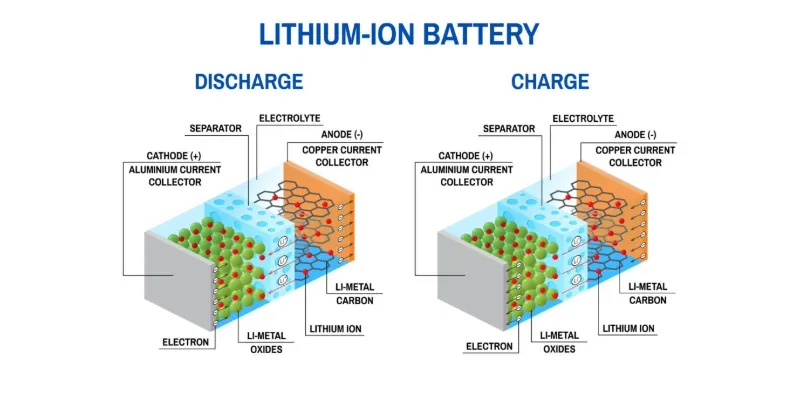
Lithium-ion batteries are the most popular type of rechargeable battery in use today. They power many of the devices we rely on daily, including mobile phones and electric vehicles. These batteries are lightweight,

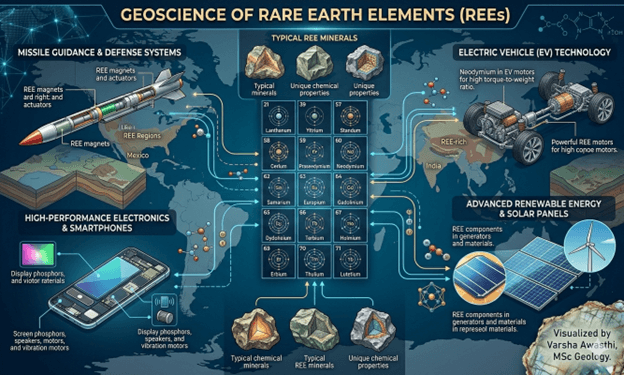
India holds the world's 5th largest Rare Earth reserves but produces less than 1%. Explore the science and strategy behind India's quest for mineral sovereignty and high-tech independence.

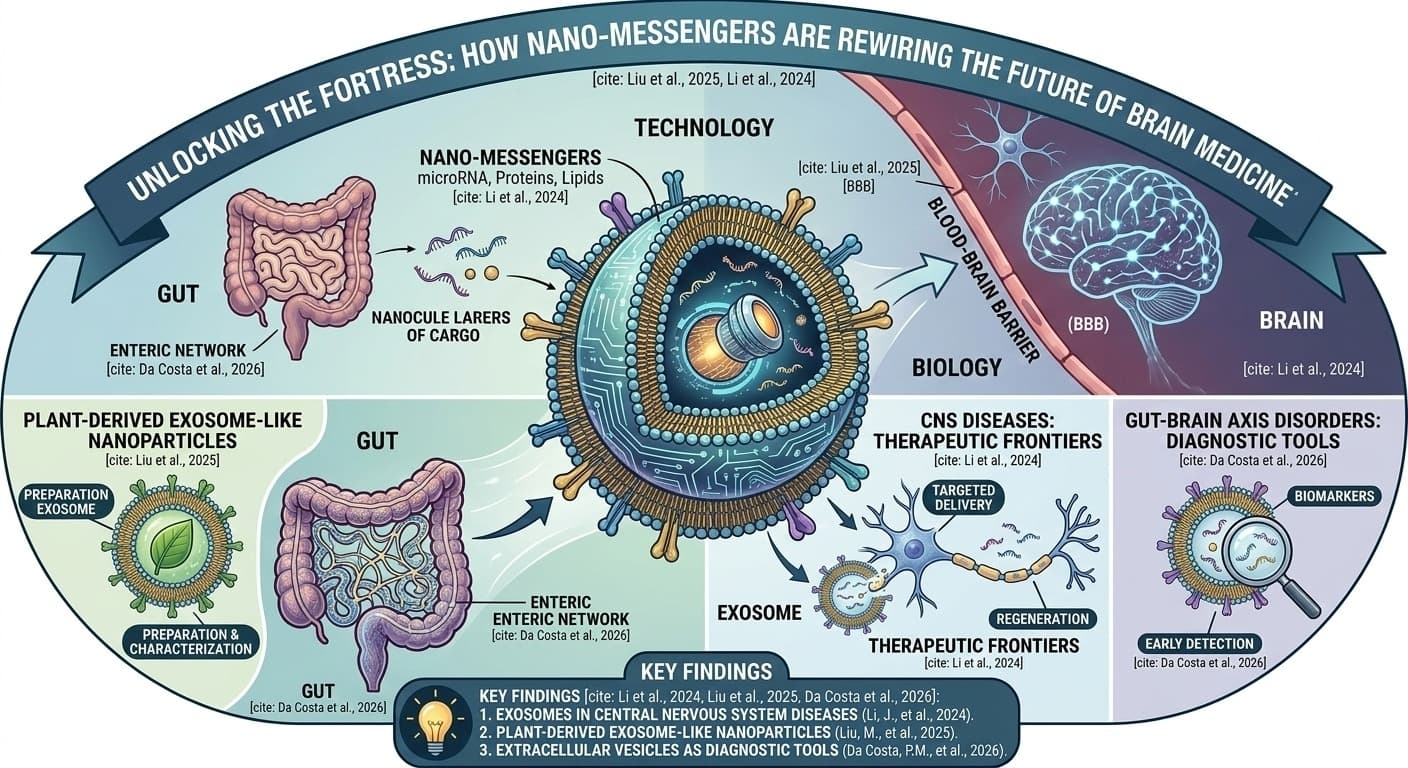
This architecture is essential for shielding neurons from toxins, pathogens, and fluctuations in the bloodstream, but it also creates a devastating bottleneck for modern medicine. More than 98% of small-molecule drugs and nearly all large biological therapeutics fail to cross the BBB in meaningful amounts, leaving many promising treatments for neurodegenerative disorders, brain tumors, and inflammatory diseases stranded in the circulation.

Natural polysaccharides like locust bean gum and chitosan are replacing lactose as safer, more effective carriers for inhaled medications and vaccines.

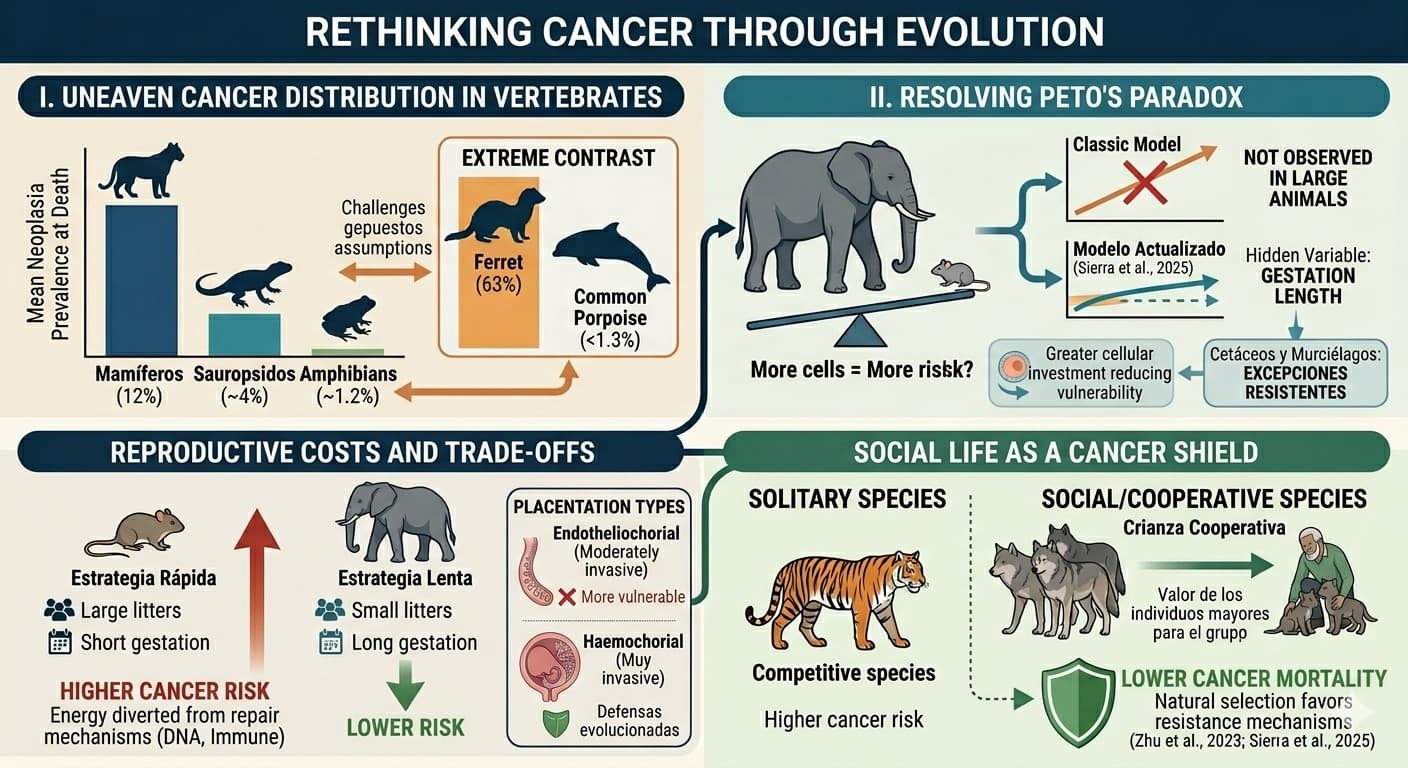
In this study, I explore how cancer risk is distributed across the animal kingdom, emphasizing the role of life-history traits, reproductive strategies, and social behavior in shaping susceptibility to disease. Drawing on recent findings in comparative oncology, the article examines patterns that challenge traditional assumptions, such as the relationship between body size and cancer, and highlights evolutionary mechanisms that may confer resistance in certain species.

Scientific advancement drives growth, productivity, and long-term global competitiveness in advanced economies.

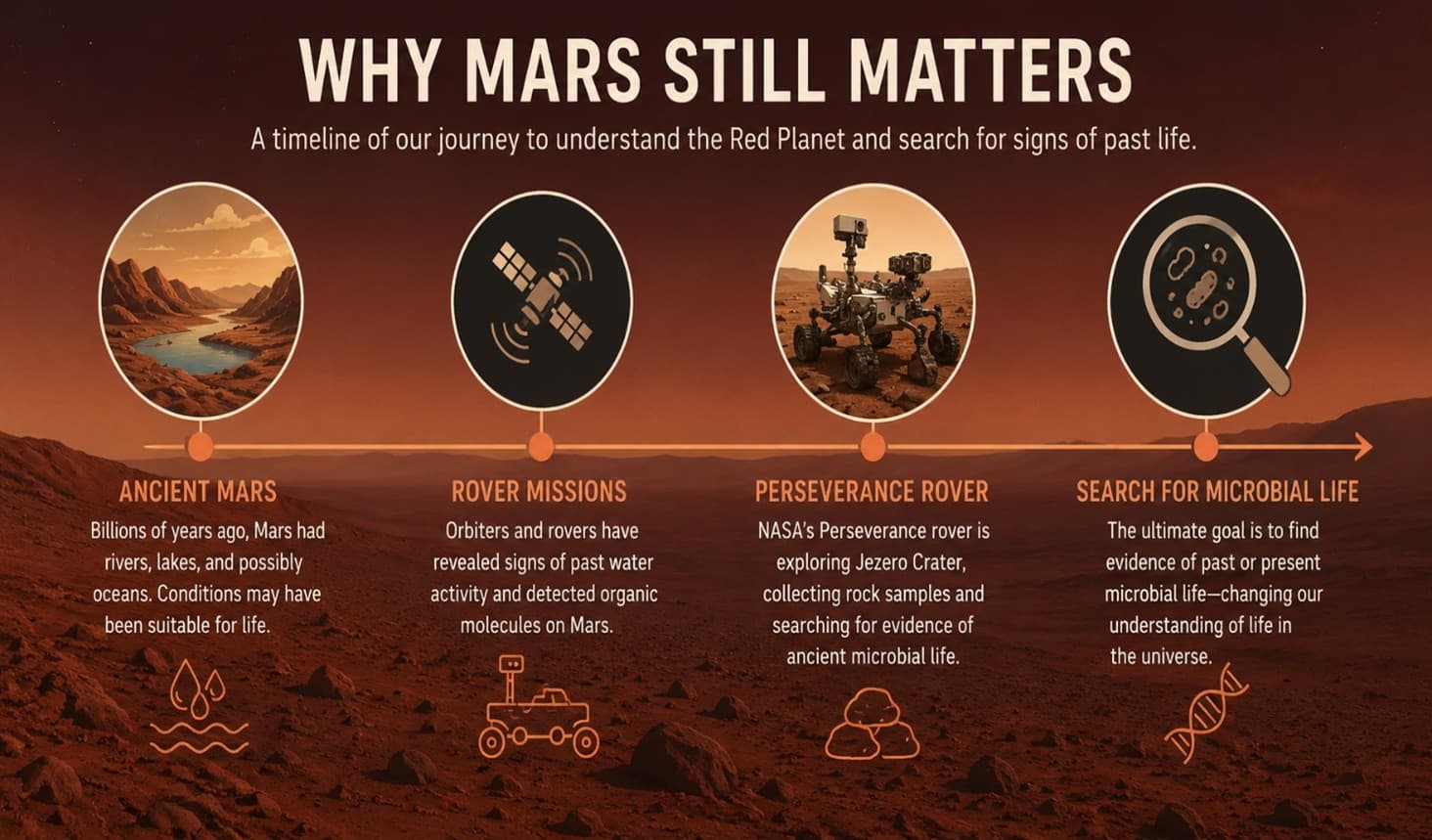
Scientists are closer than ever to detecting life beyond Earth. From Mars to distant exoplanets, modern astronomy is transforming the search for alien life.