Discover Scientific Knowledge

Showing results for: "breakdown defines" (42 results)

Why a Stable Universe Cannot Support Unnecessary Structure
Science & Research

Why a Stable Universe Cannot Support Unnecessary Structure

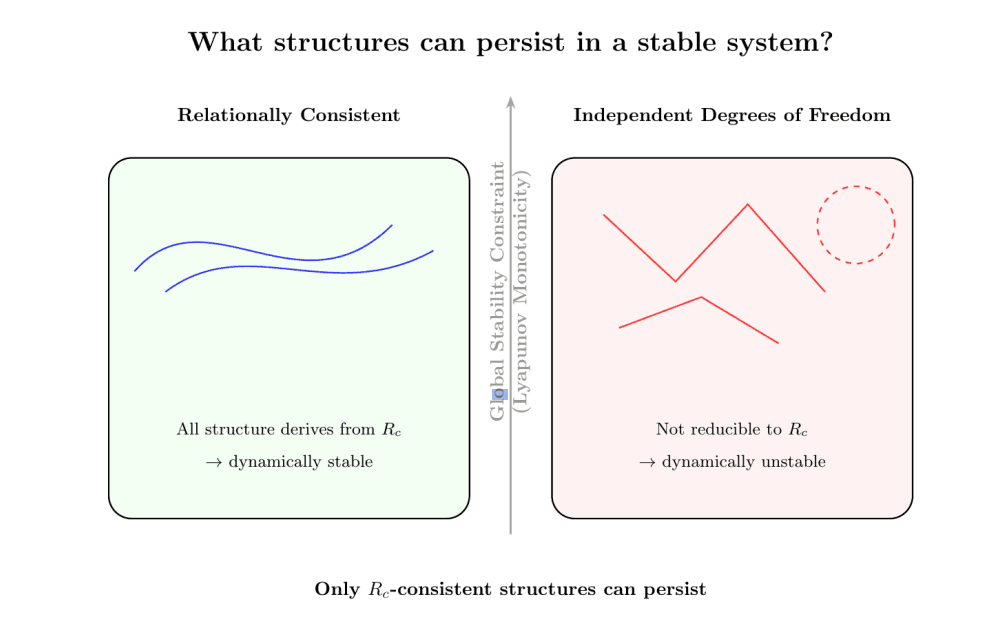
Modern physics often assumes that the complexity we observe in the universe reflects an underlying complexity in its fundamental structure. Fields, particles, forces, and geometries are typically introduced as independent components, each carrying its own degrees of freedom.

The Flip: Why Relational Field Theory Starts Where Most Physics Ends
Science & Research

The Flip: Why Relational Field Theory Starts Where Most Physics Ends

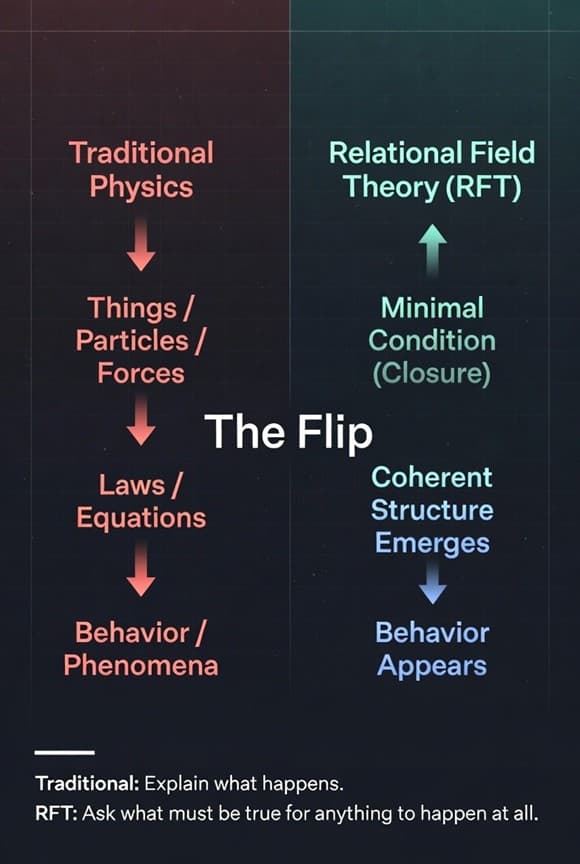
We begin with things - particles, fields, forces - and then build laws and equations to explain how those things behave. This approach has been extraordinarily successful. It is how we arrived at quantum mechanics, general relativity, and the Standard Model.

Why Physical Laws Hold Locally but Become Ambiguous Across Regimes
Science & Research

Why Physical Laws Hold Locally but Become Ambiguous Across Regimes

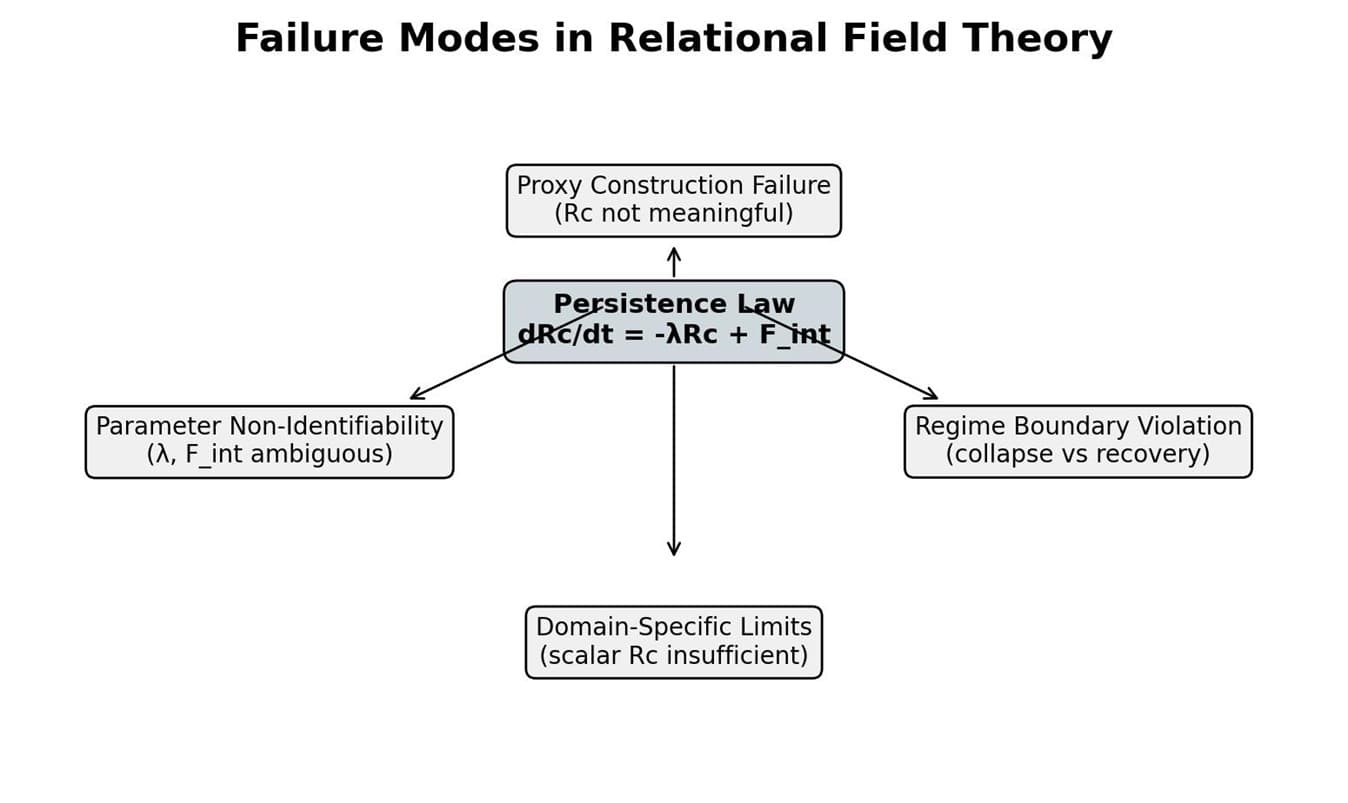
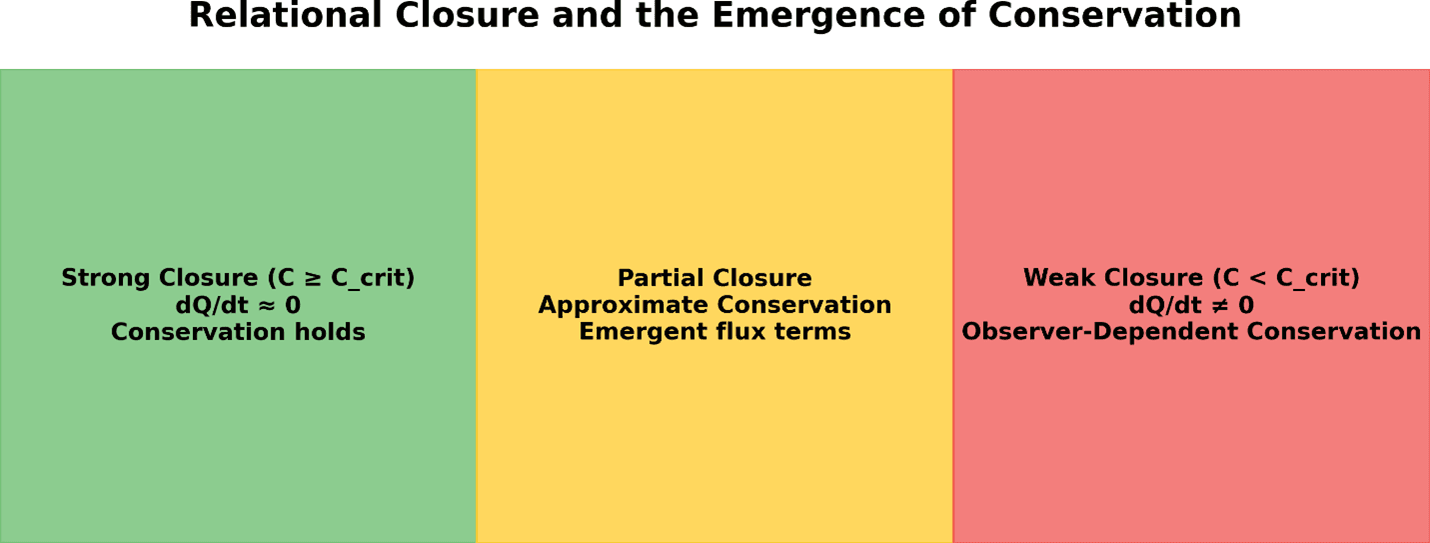
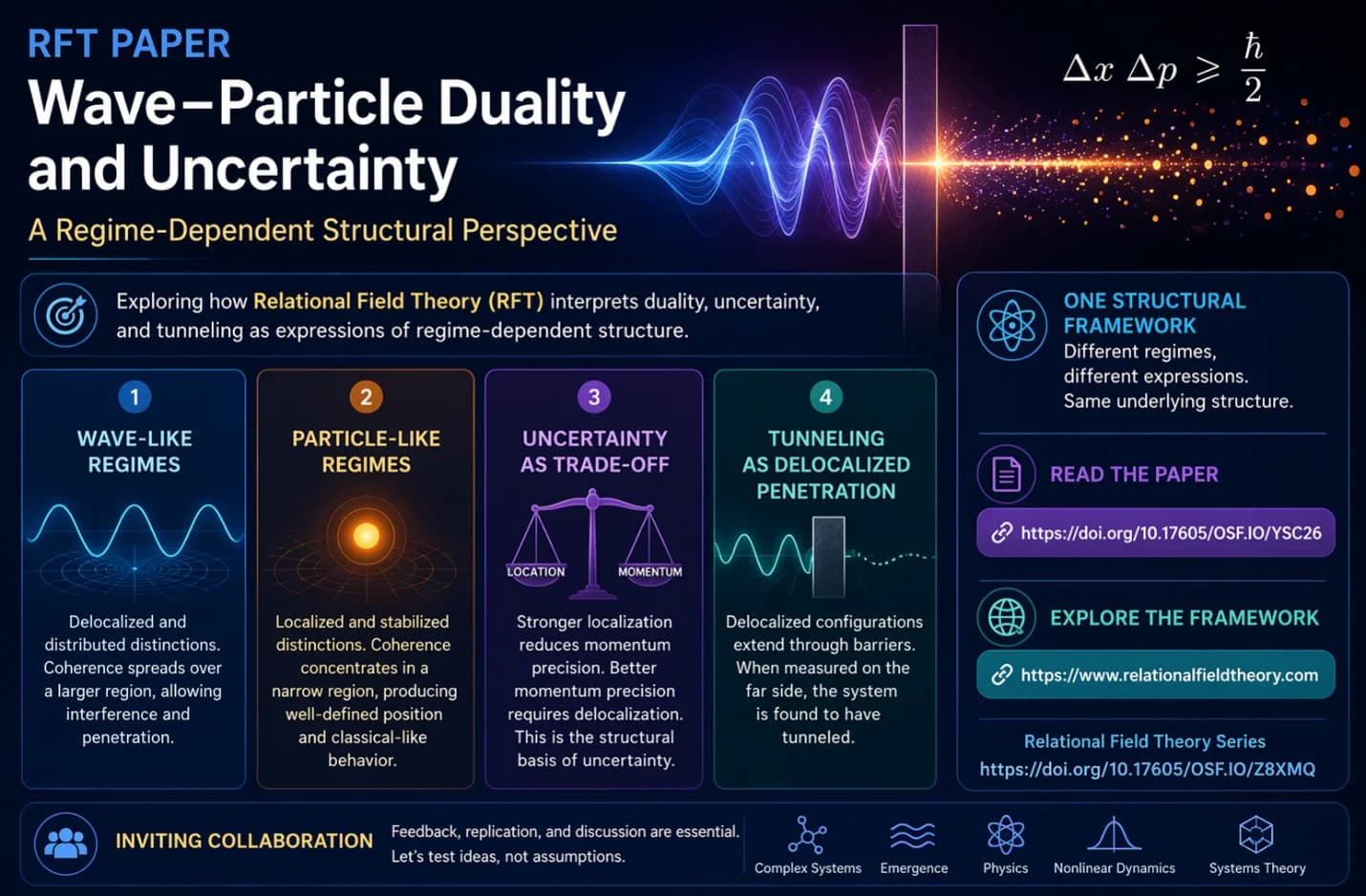
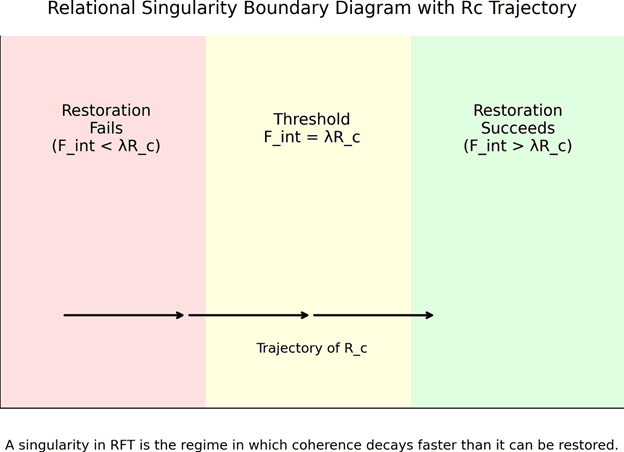
Physical quantities and laws emerge from the geometry, coherence, and flow of relational fields. A central idea is relational closure: high-coherence domains form effectively closed regions where stable invariants can persist.

Protocols Exposed: Inside Clinical Trial Blueprints
Health & Medicine

Protocols Exposed: Inside Clinical Trial Blueprints

This article aims to demystify the anatomy of a clinical trial protocol, peeling back the technical layers to reveal how scientific rigor is converted into medical progress. At ScientistsHub, we often ask: How do we ensure that a medical breakthrough is not just a stroke of luck, but a repeatable, verifiable victory for human health? The answer is found in the design. To truly appreciate the result of any trial, one must first master the architecture of the inquiry.

NABL ISO/IEC 17025 Compliance: Educational Guide for Laboratories
Science & Research

NABL ISO/IEC 17025 Compliance: Educational Guide for Laboratories

ISO/IEC 17025 compliance defines how testing and calibration laboratories demonstrate technical competence. In India, the National Accreditation Board for Testing and Calibration Laboratories (NABL) grants accreditation based on this international standard (ISO, 2017).

Integrating Cultural Practices with Environmental Regulation: A Framework for Reducing Air and Ecosystem Pollution
Earth & Climate

Integrating Cultural Practices with Environmental Regulation: A Framework for Reducing Air and Ecosystem Pollution

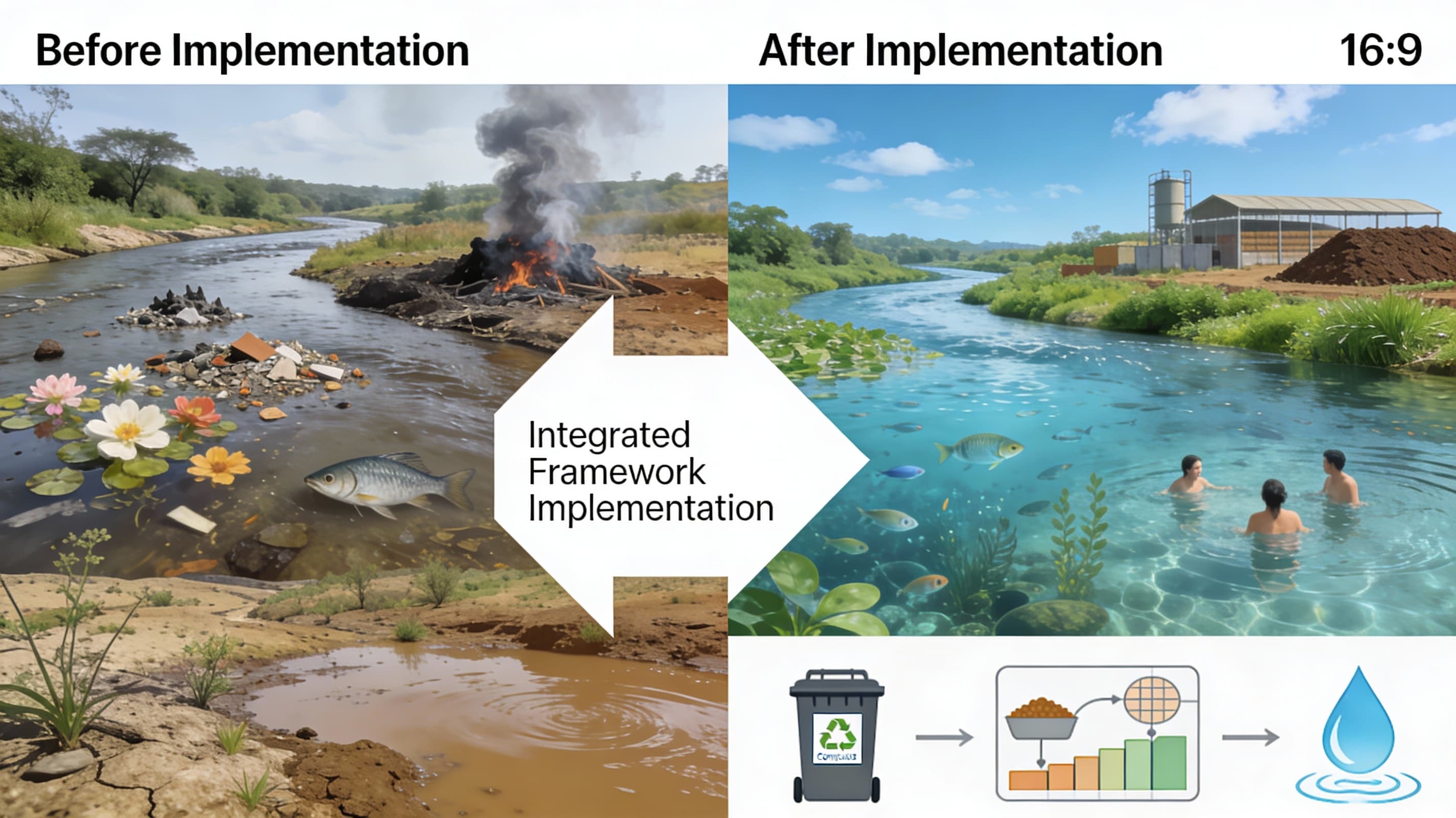
Environmental pollution in densely populated regions remains a persistent challenge, particularly where cultural, religious, and social practices intersect with fragile ecosystems. While industrial emissions and vehicular pollution have received substantial scholarly attention, the environmental impact of everyday ritual and community practices

What is Web 3.0?
Tech & AI

What is Web 3.0?

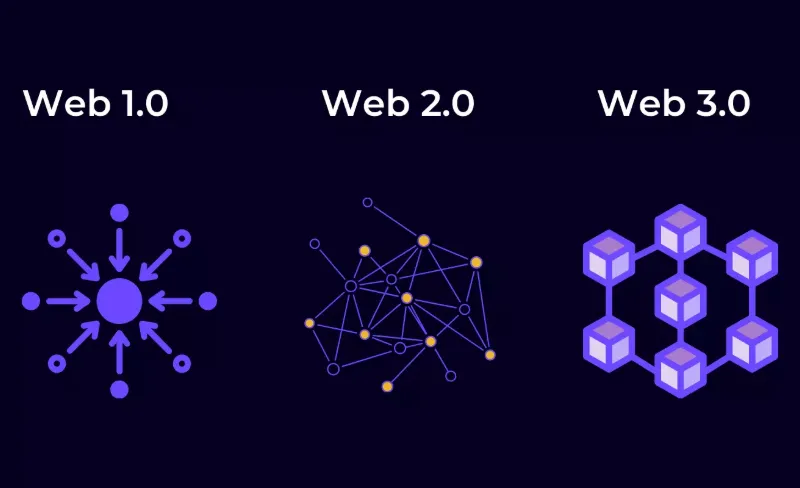
Web 3.0, commonly referred to as Web3, marks a new era of the World Wide Web characterized by distinct values and technological advancements. Its key features include ubiquity, decentralization, artificial intelligence, blockchain technology, and improved connectivity.

Nutritional Psychiatry: Food Is Medicine
Health & Medicine

Nutritional Psychiatry: Food Is Medicine

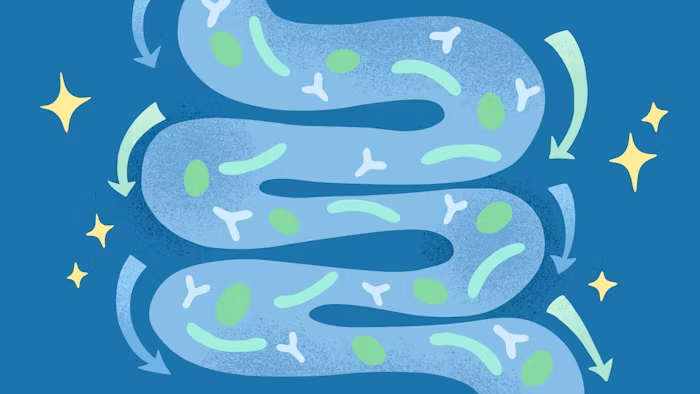
Explaining The Reciprocity Between Your Brain and Your Belly For the past decade, the scientific community has increased its focus on mental health disorders including anxiety, depression,

Why We Need Verification and Validation of Medical Devices
Tech & AI

Why We Need Verification and Validation of Medical Devices

Title 21 Part 820 of the Code Of Federal Regulations (CFR) details the requirements for the design and production of medical devices. These strict, comprehensive requirements are in place for good reason, we want these devices to work.

The Power of Hybrid Yeasts: Evolution, Competition, and Fermentation
Health & Medicine

The Power of Hybrid Yeasts: Evolution, Competition, and Fermentation

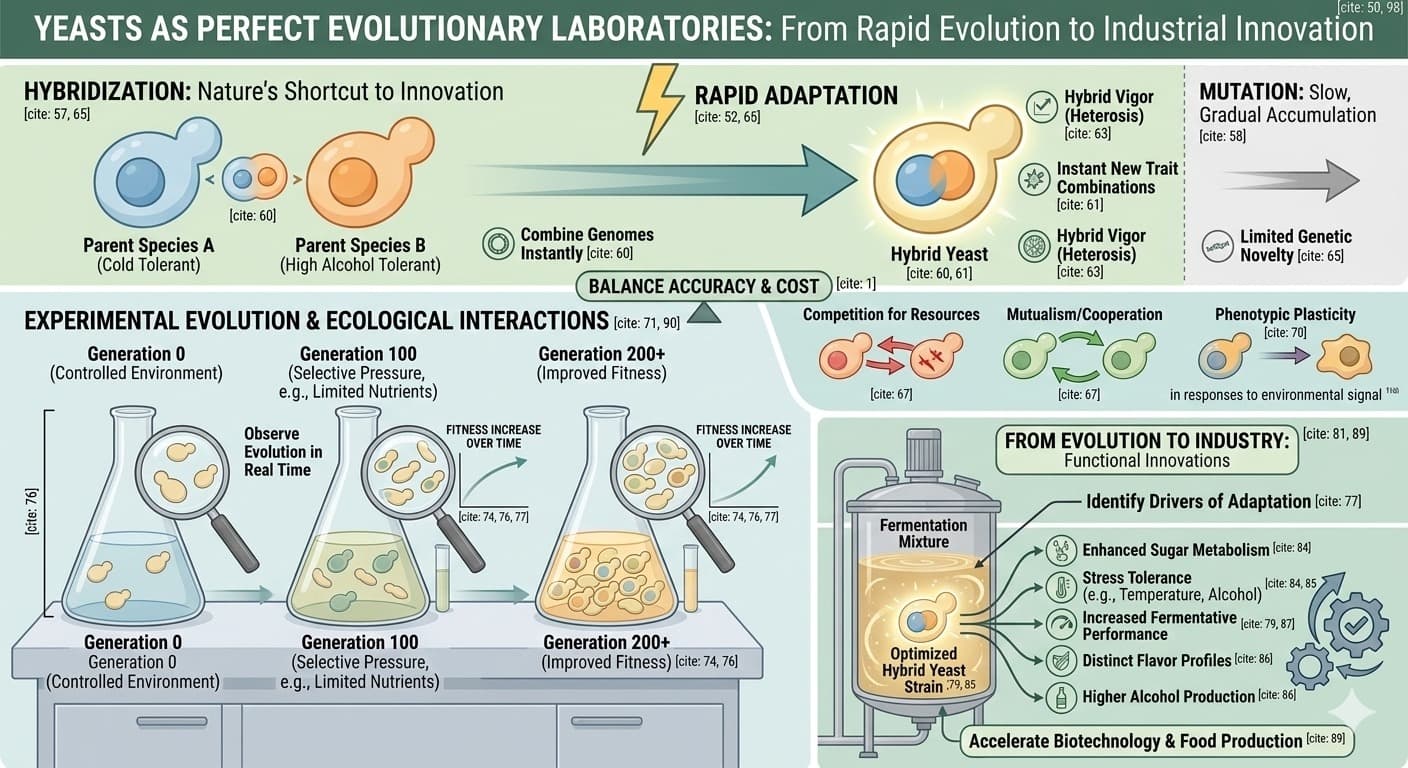
Evolution is often imagined as a process that unfolds over millions of years. However, in microorganisms such as yeasts, evolutionary changes can occur much more rapidly. Yeasts reproduce quickly, populations grow to large sizes, and genetic variations can spread through generations in a short time.

Organoid-Based Toxicity Testing as a Replacement for Animal Models
Health & Medicine

Organoid-Based Toxicity Testing as a Replacement for Animal Models

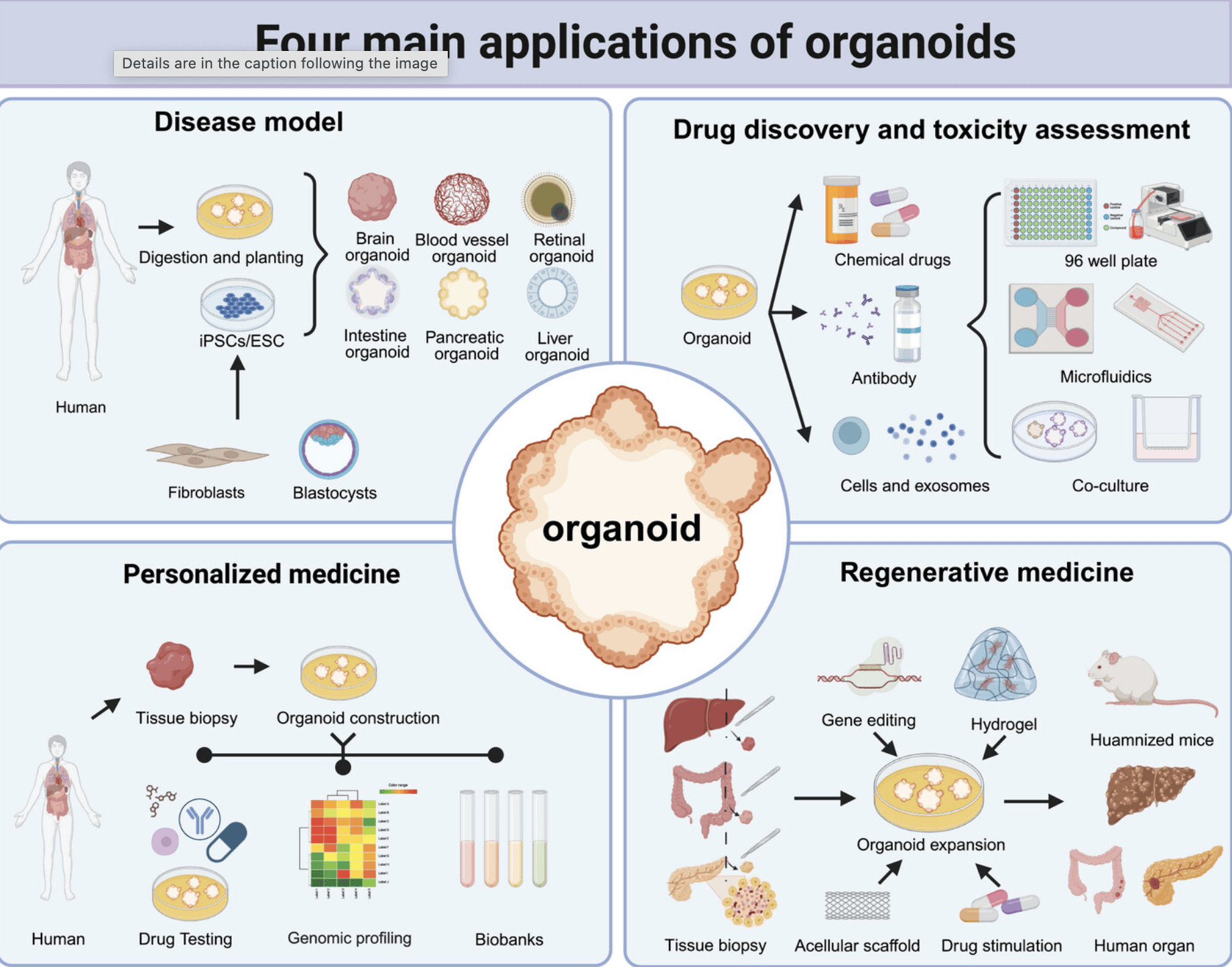
Animal models have traditionally served as the cornerstone of drug safety evaluation; however, major translational challenges persist due to interspecies differences in physiology, metabolism, and genetic regulation. Many compounds demonstrating favorable toxicity profiles in animals later fail during human trials or are withdrawn post-marketing due to unforeseen adverse effects, especially hepatotoxicity and cardiotoxicity (Lee et al., 2025).

Page 1 of 3Next →