Tech & AI
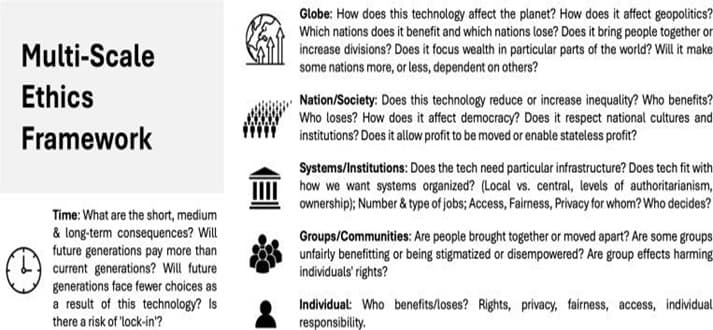
AI & Clinical Practice - Ethical Challenges and Evolving Strategies
Artificial Intelligence AI with it’s widespread use in various sectors has also taken a dive into healthcare by transforming clinical practice and improving patient care.
Showing results for: "challenges" (69 results)
Artificial Intelligence AI with it’s widespread use in various sectors has also taken a dive into healthcare by transforming clinical practice and improving patient care.

Exploring AI, advanced materials, propulsion, autonomous systems, and emerging technologies shaping the future of aerospace engineering.
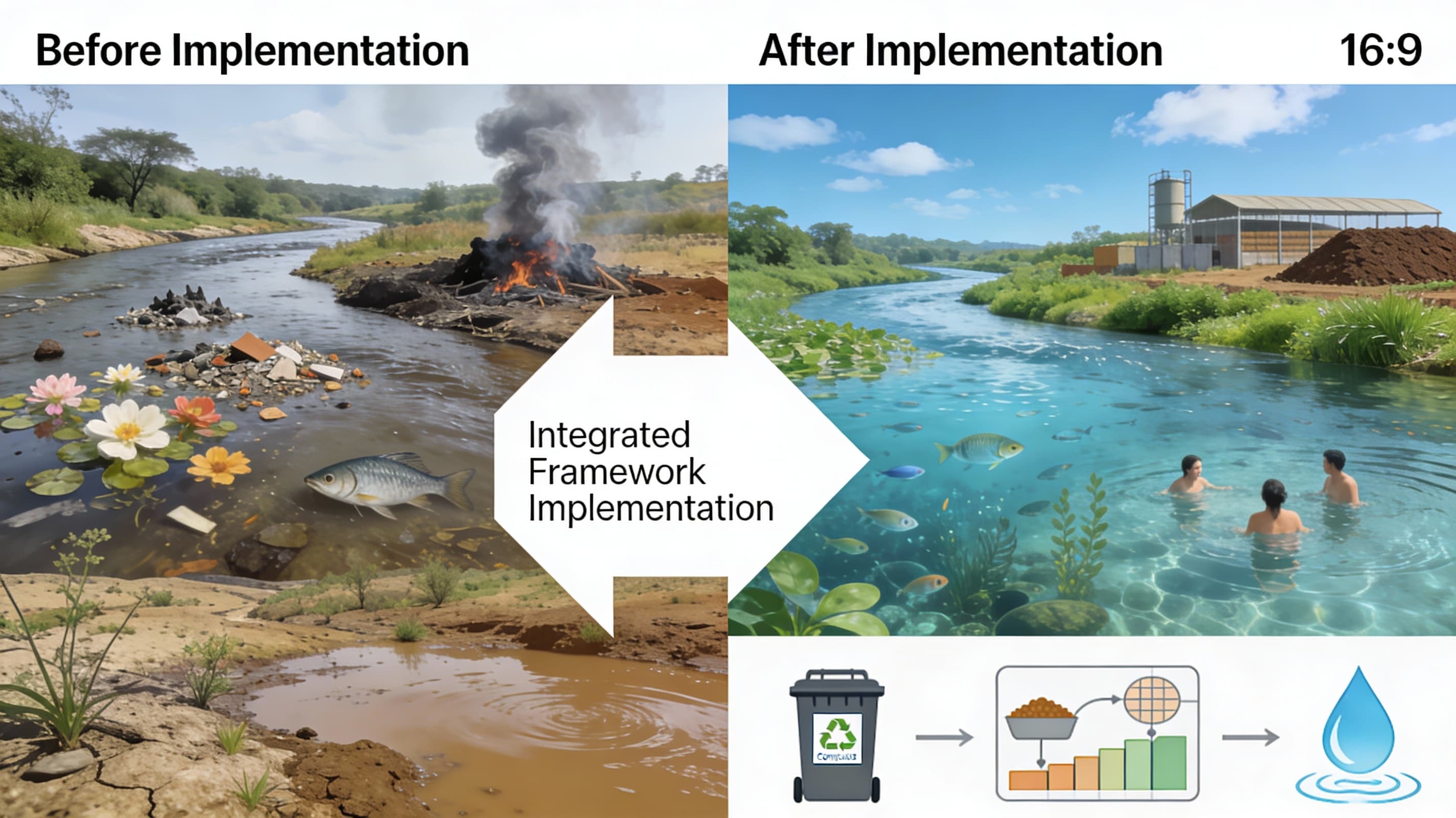
Environmental pollution in densely populated regions remains a persistent challenge, particularly where cultural, religious, and social practices intersect with fragile ecosystems. While industrial emissions and vehicular pollution have received substantial scholarly attention, the environmental impact of everyday ritual and community practices
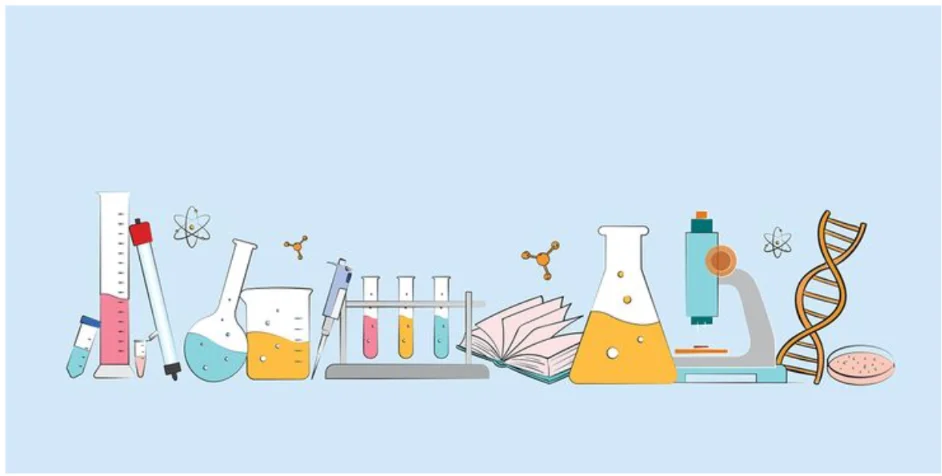
Scientific advancement drives growth, productivity, and long-term global competitiveness in advanced economies.
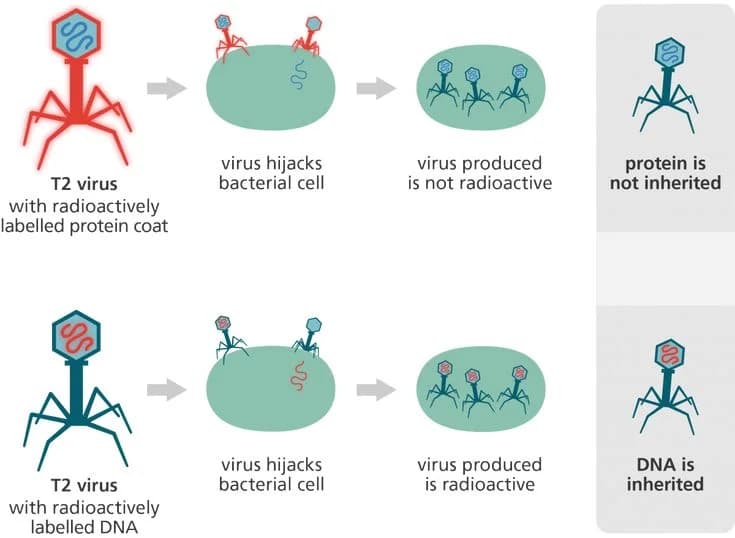
As global data generation continues to grow exponentially, traditional storehouse innovations face challenges related to capacity, energy consumption, and long- term preservation. DNA data storehouse offers a revolutionary result by garbling computerized information into synthetic DNA molecules. This explores DNA data storage, its basics, uses, benefits, and ethics, and how it could change future data archiving.

Vaccines need precise temperature control to work but maintaining the cold chain wastes half of all doses globally. New thermostable formulations could change everything.
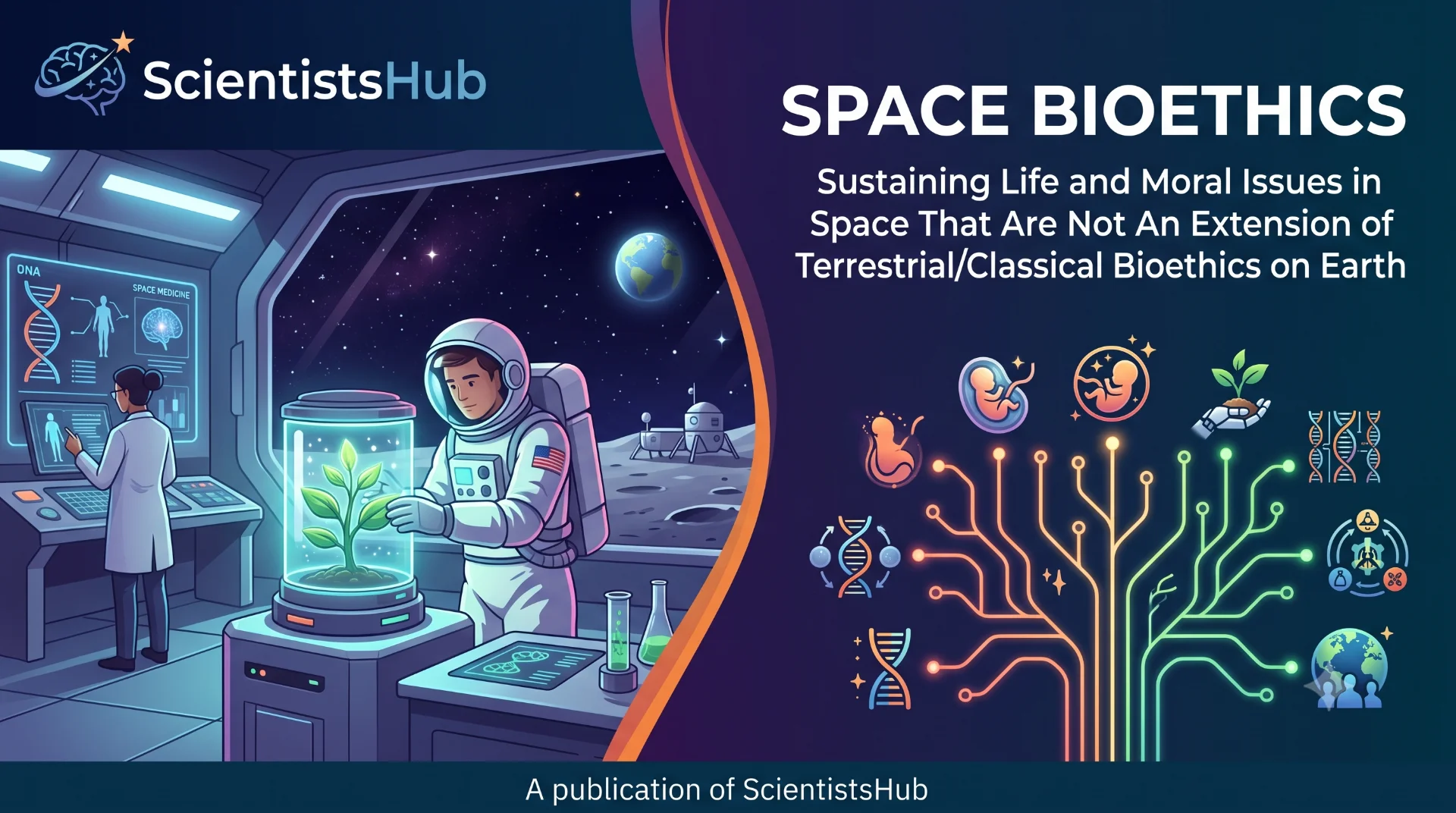
What is being explored in this article is about space bioethics. As stated above, space bioethics is about addressing moral issues of sustaining life in space but in a domain that is chartered

Map the universe with light, discover distant galaxies, track stars, and explore how scientists create detailed cosmic maps.
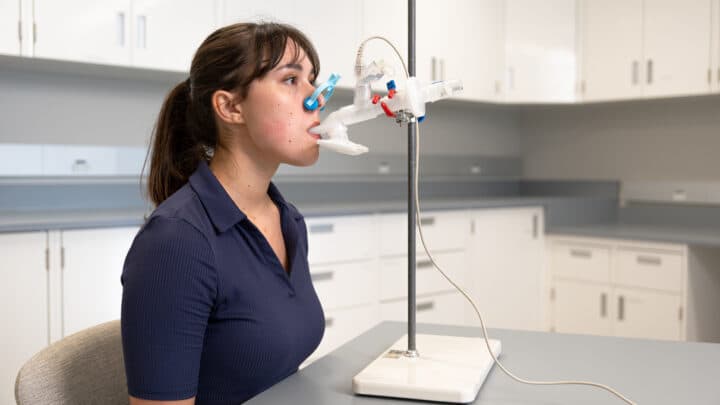
Inhalable vaccines trigger powerful mucosal immunity where pathogens enter the body, offering needle-free protection against respiratory diseases.
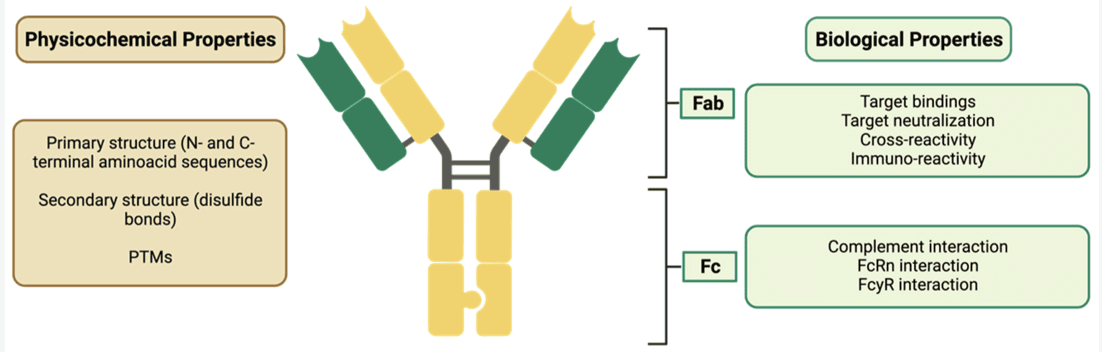
Biologics have transformed the management of chronic and life-threatening diseases such as cancer, autoimmune disorders, and metabolic conditions. However, their complexity, high production costs, and limited affordability continue to challenge healthcare systems worldwide.

Explore how Carbon Capture, Utilization, and Storage (CCUS) works, its role in hard-to-abate industries, and how geology helps trap CO₂ to combat climate change.
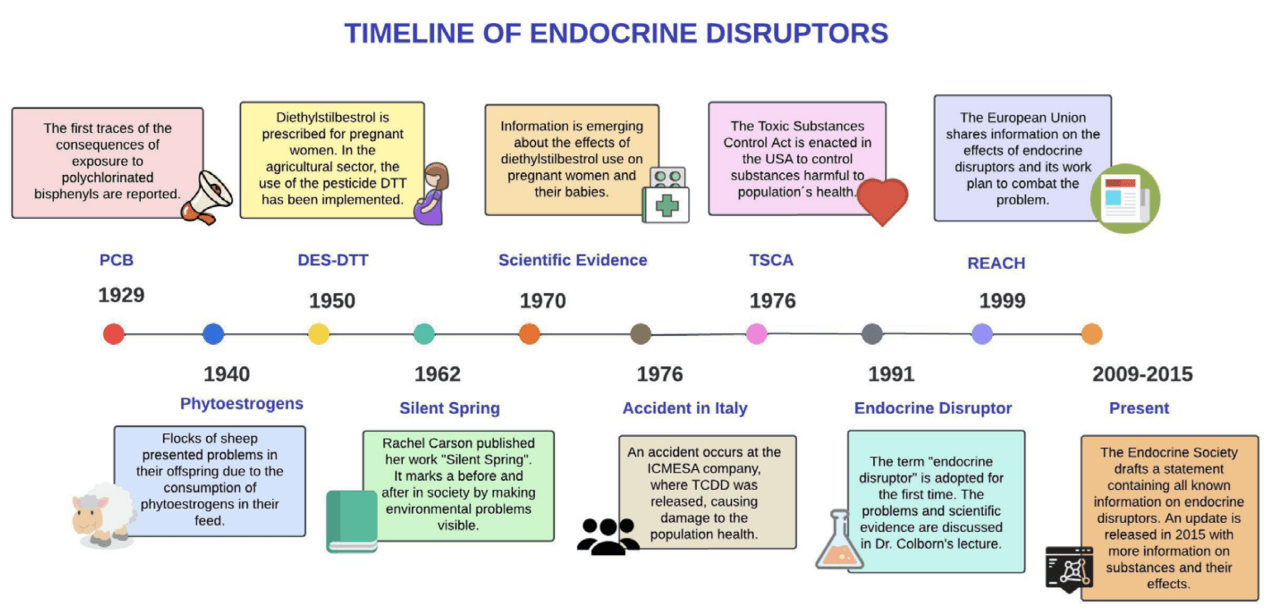
Environmental endocrine disruptors (EEDs) are natural and synthetic chemicals that interfere with endocrine system function by altering hormone synthesis, transport, metabolism, and receptor binding.

Discover how AI is reshaping radiology, from faster diagnoses to improved accuracy, and what this means for patients and healthcare professionals.
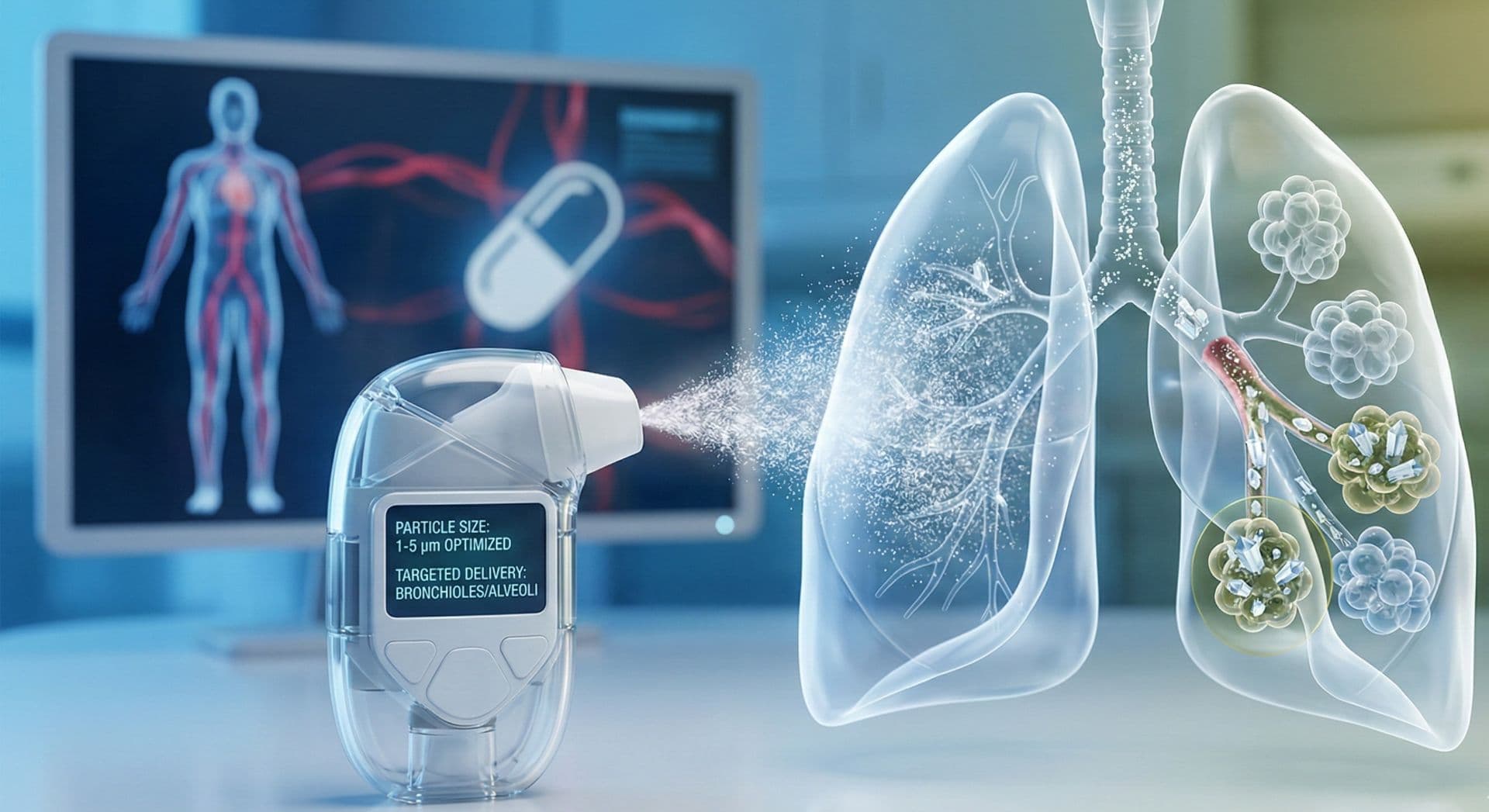
Inhaled antibiotics deliver drugs directly to lung infections, achieving better results with fewer side effects, which is a game-changer in fighting resistance.
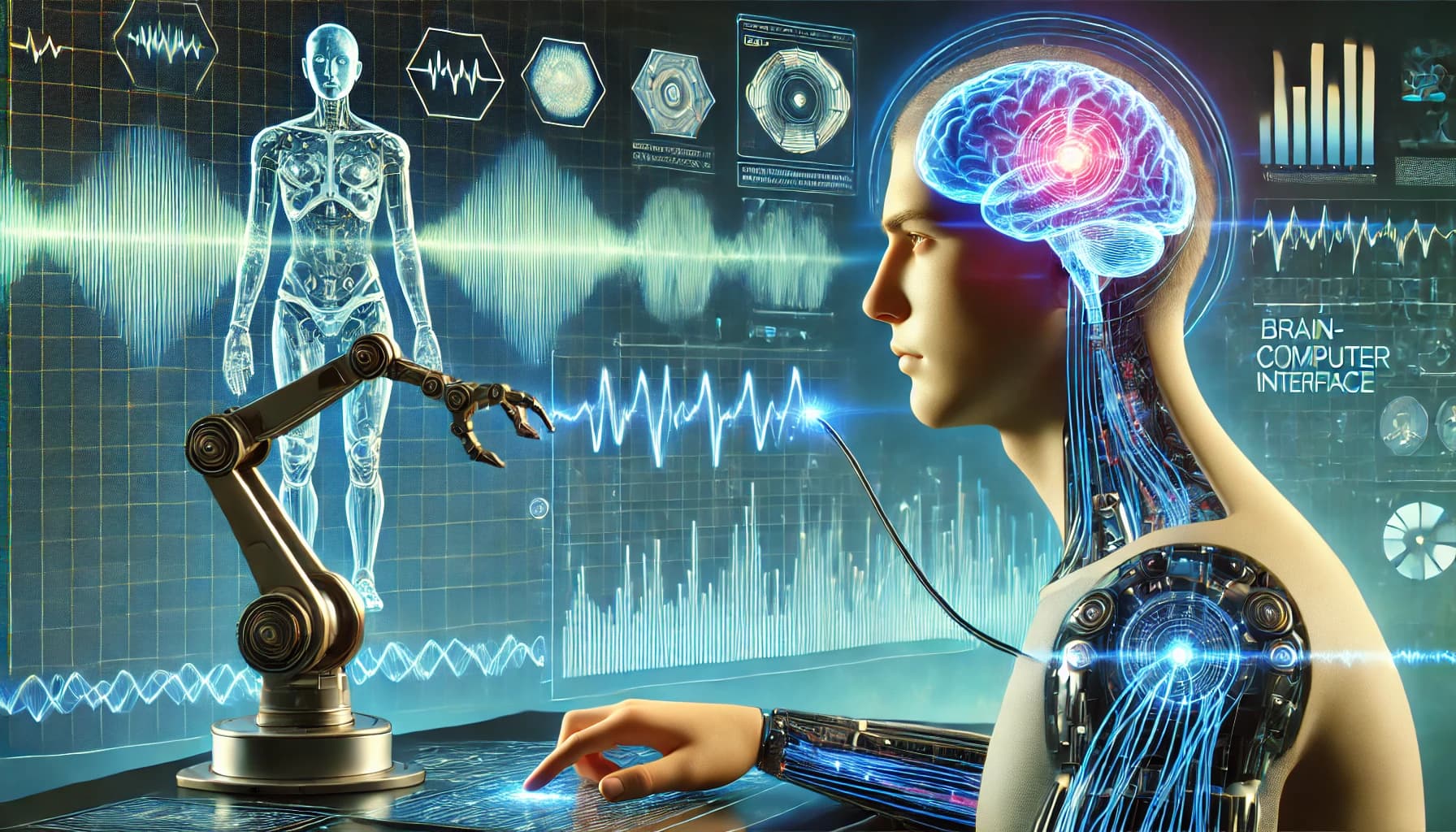
Imagine being able to control a computer, a prosthetic limb, or even a drone just by using your thoughts. This is not science fiction; it is now a reality thanks to brain-computer interfaces (BCIs). BCIs are groundbreaking systems that enable direct communication between the brain and external devices.
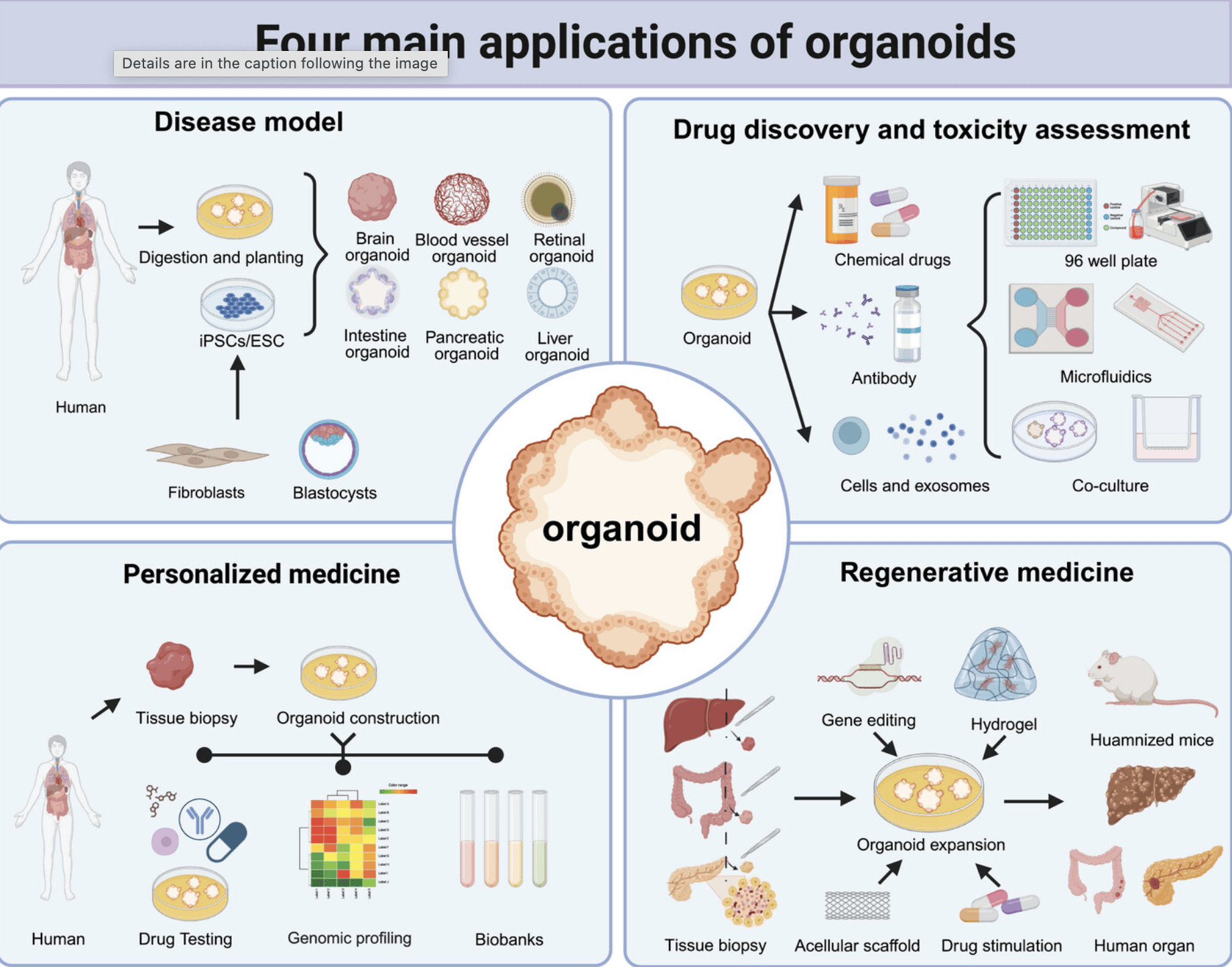
Animal models have traditionally served as the cornerstone of drug safety evaluation; however, major translational challenges persist due to interspecies differences in physiology, metabolism, and genetic regulation. Many compounds demonstrating favorable toxicity profiles in animals later fail during human trials or are withdrawn post-marketing due to unforeseen adverse effects, especially hepatotoxicity and cardiotoxicity (Lee et al., 2025).
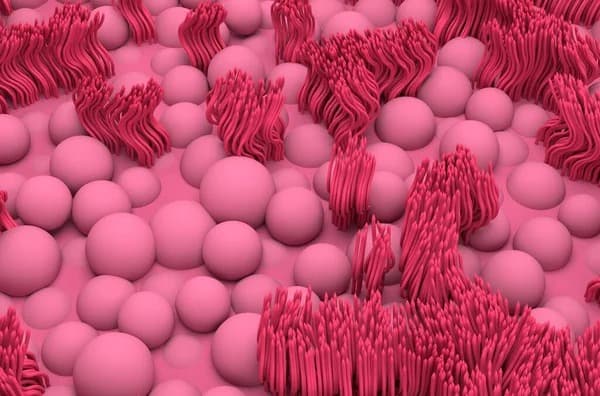
Why is mucus the biggest obstacle to lung drug delivery? Explore the mucosal barrier science reshaping how we design inhaled medicines and vaccines.

Natural polysaccharides like locust bean gum and chitosan are replacing lactose as safer, more effective carriers for inhaled medications and vaccines.
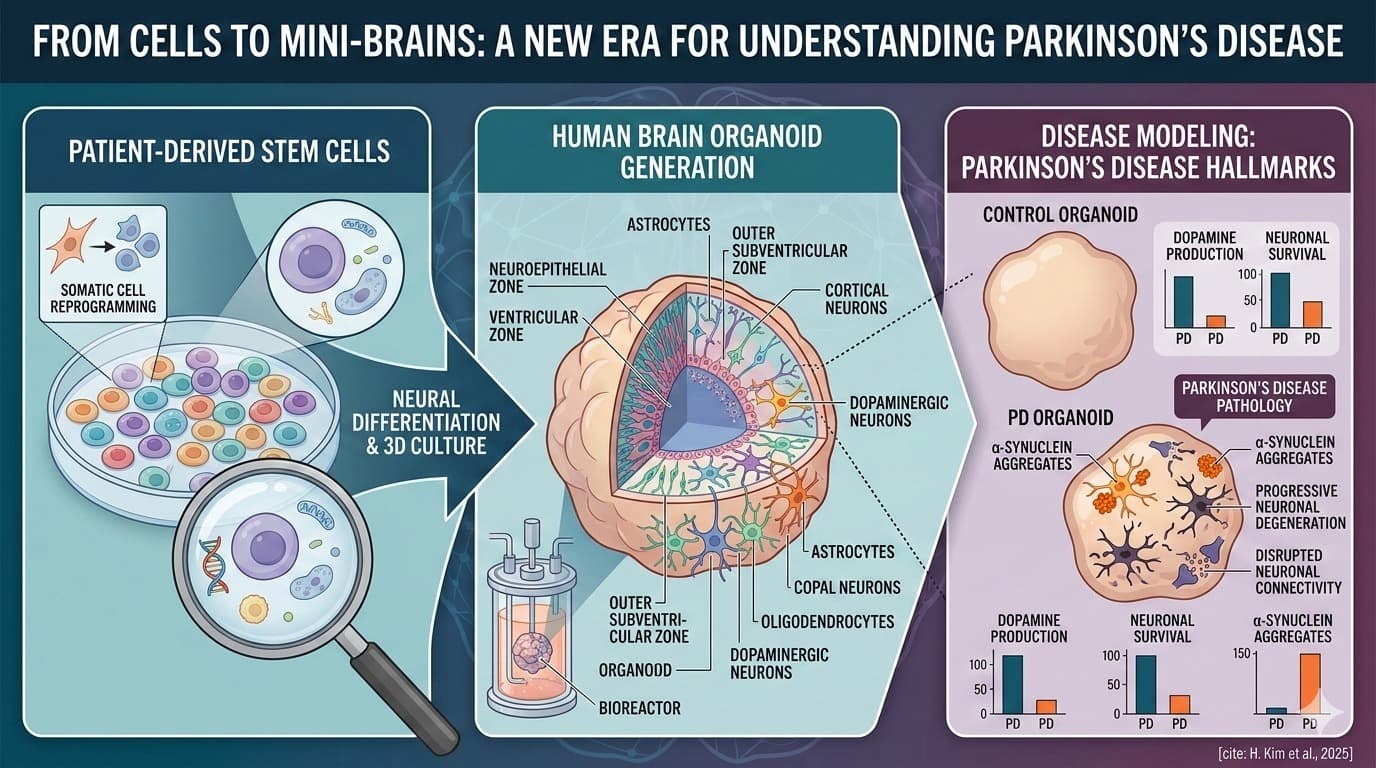
Understanding the human brain remains one of the greatest challenges in modern science. With billions of neurons forming intricate networks and constantly changing connections, the brain’s complexity makes it extremely difficult to study directly.
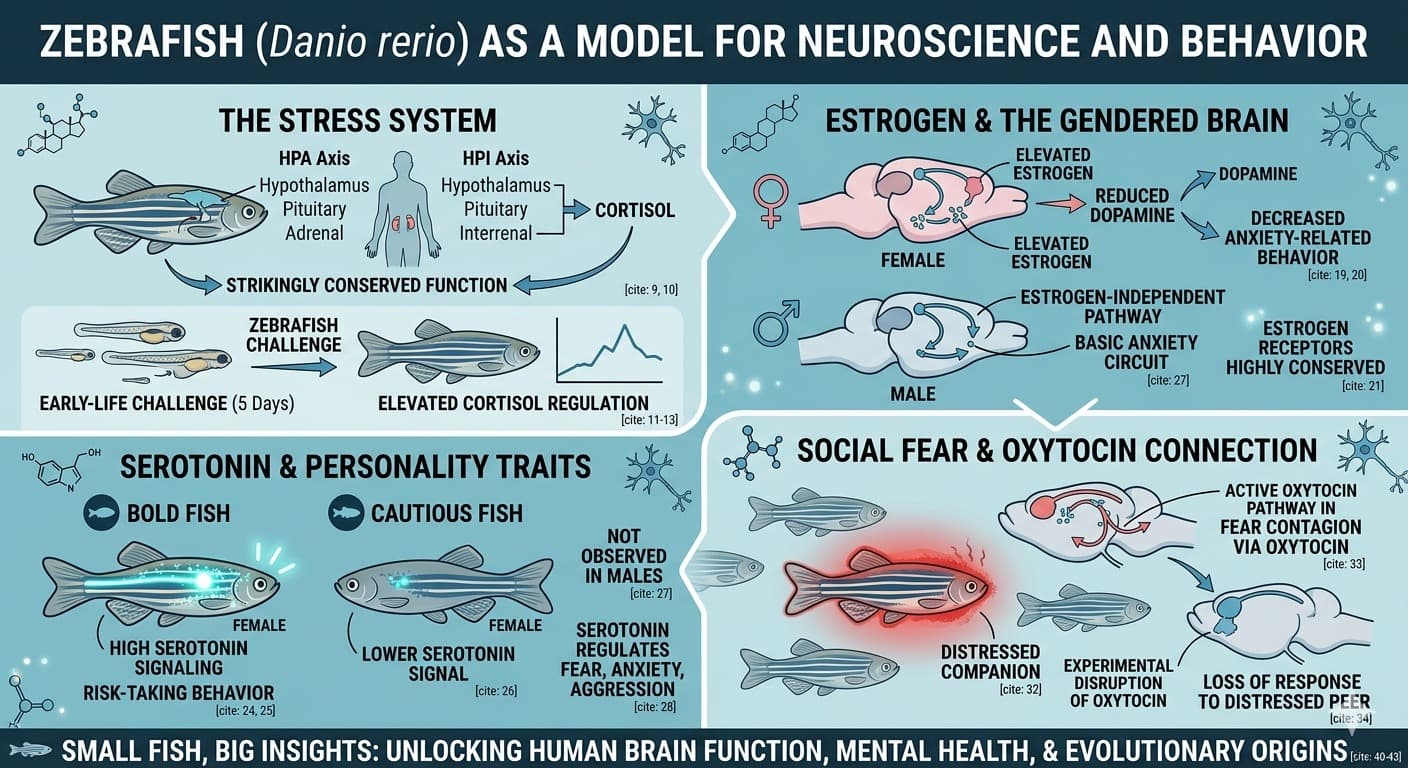
What if one of the most powerful models for understanding the human brain were less than an inch long, transparent, and living in a small tank? Meet Danio rerio, the zebrafish.
