Science & Research
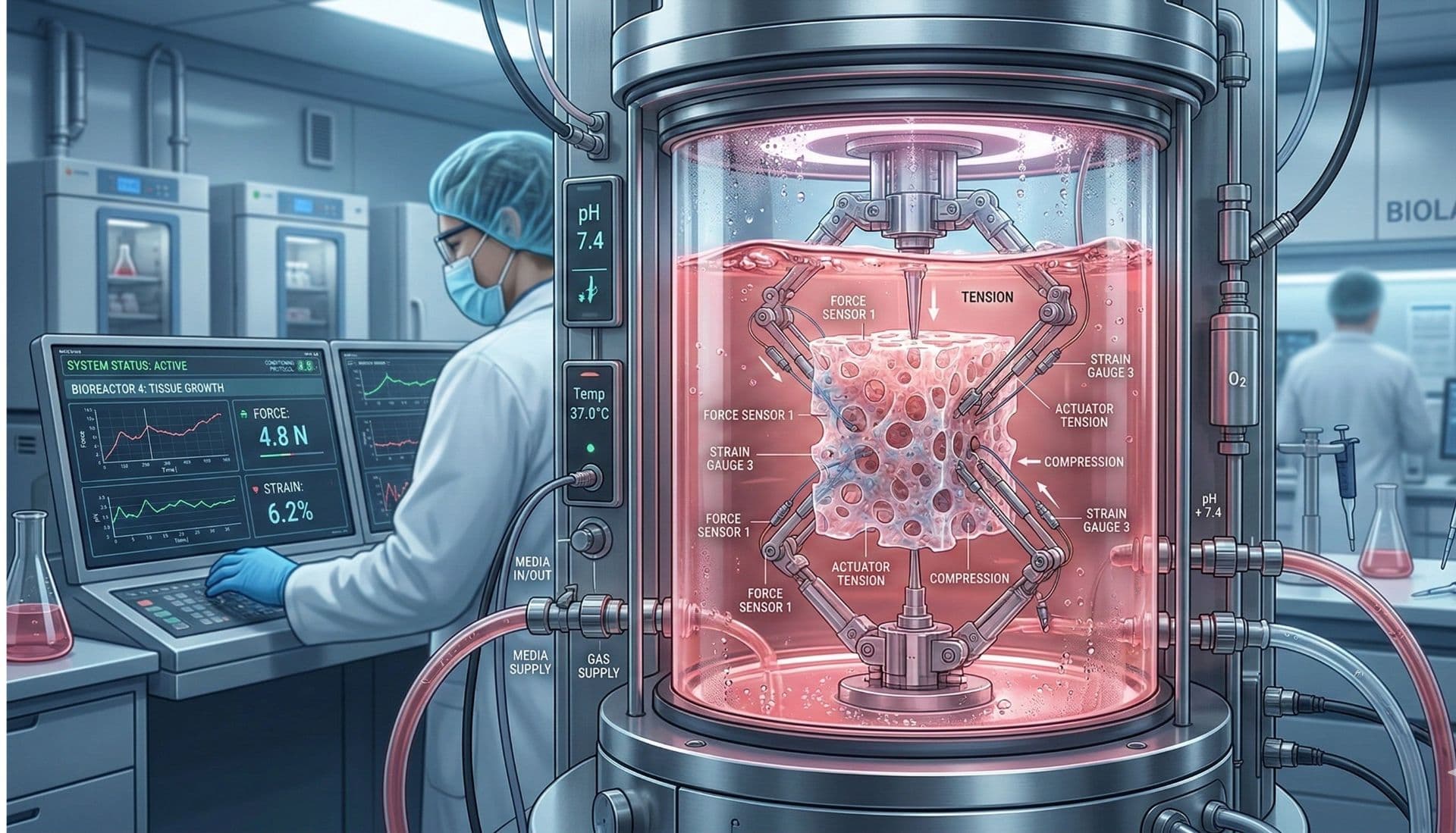
What Is Tissue Engineering and How Does It Work?
A future without transplant waitlists? Tissue engineering blends biology and engineering to build living, functional human tissue.
Showing results for: "forces" (34 results)
A future without transplant waitlists? Tissue engineering blends biology and engineering to build living, functional human tissue.
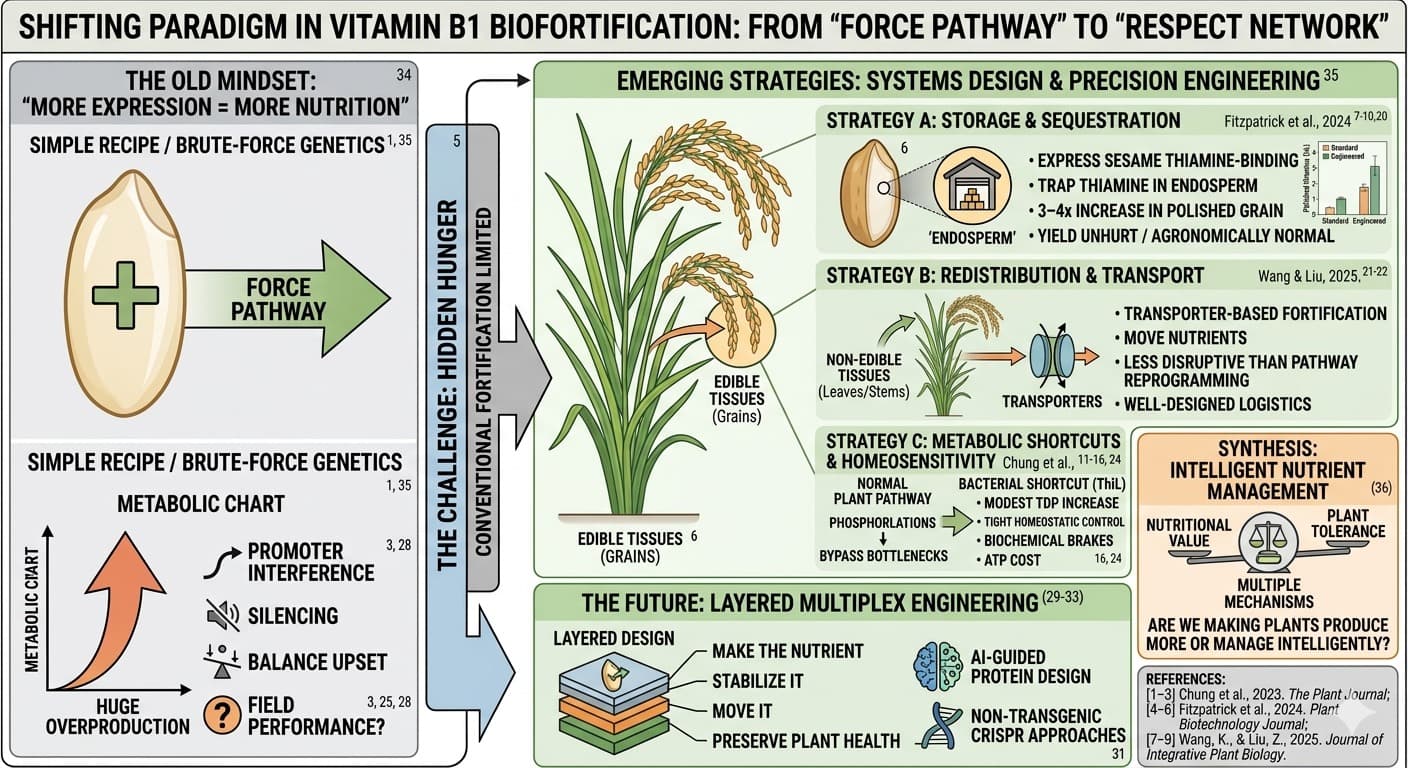
article discusses how plant synthetic biology is reshaping biofortification strategies, particularly through approaches such as heterologous pathway engineering and transporter-based redistribution
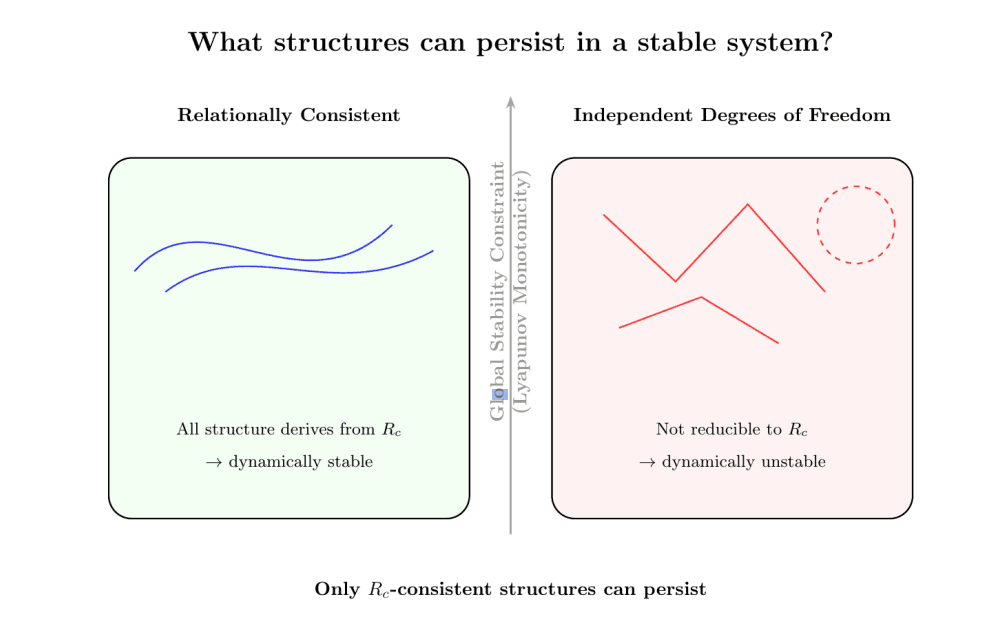
Modern physics often assumes that the complexity we observe in the universe reflects an underlying complexity in its fundamental structure. Fields, particles, forces, and geometries are typically introduced as independent components, each carrying its own degrees of freedom.
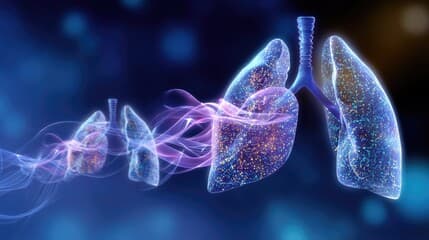
Too big, it hits your throat. Too small, you exhale it. The sweet spot delivers drugs exactly where they're needed.
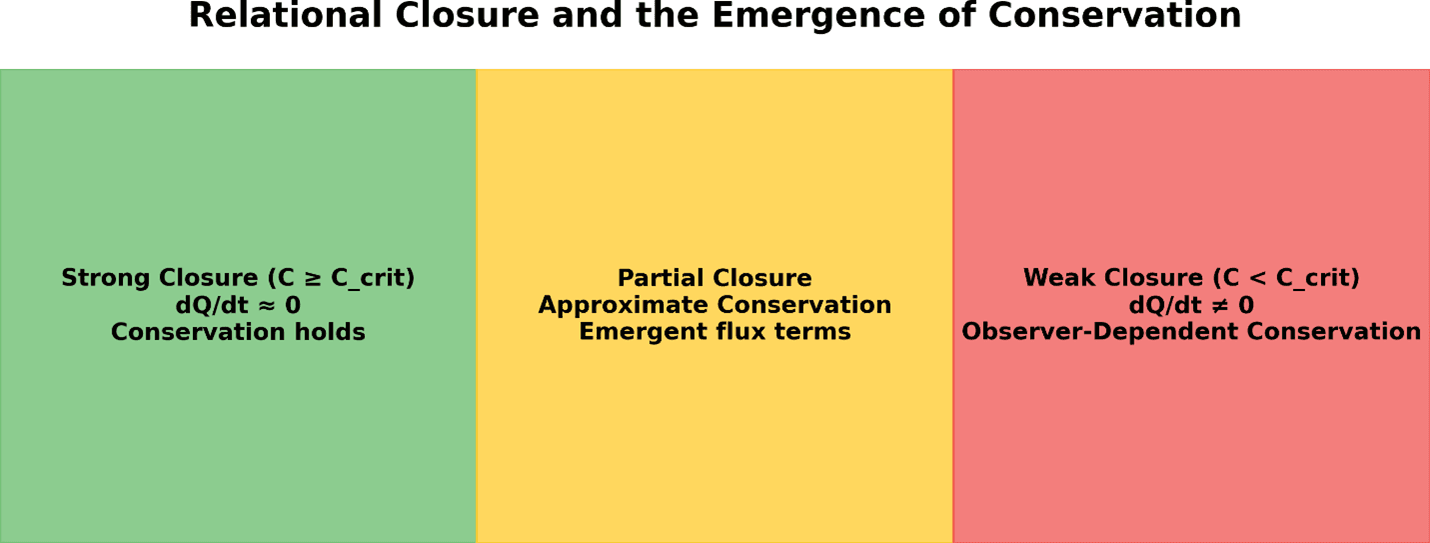
Physical quantities and laws emerge from the geometry, coherence, and flow of relational fields. A central idea is relational closure: high-coherence domains form effectively closed regions where stable invariants can persist.
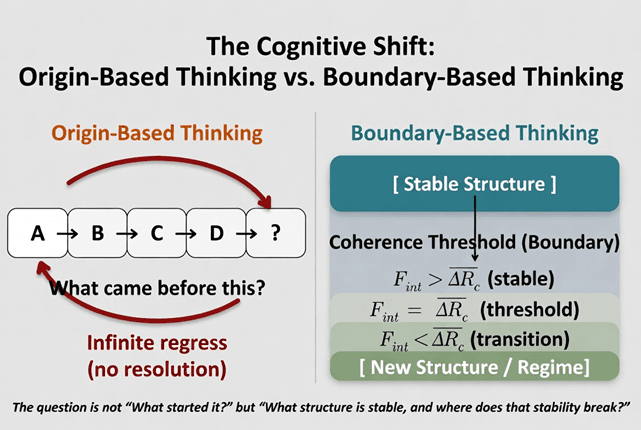
Using a simple childhood observation as the starting point, we show how shifting from origin-based to boundary-based thinking resolves infinite regress and opens a clearer way to engage with fundamental concepts in physics, time, and existence
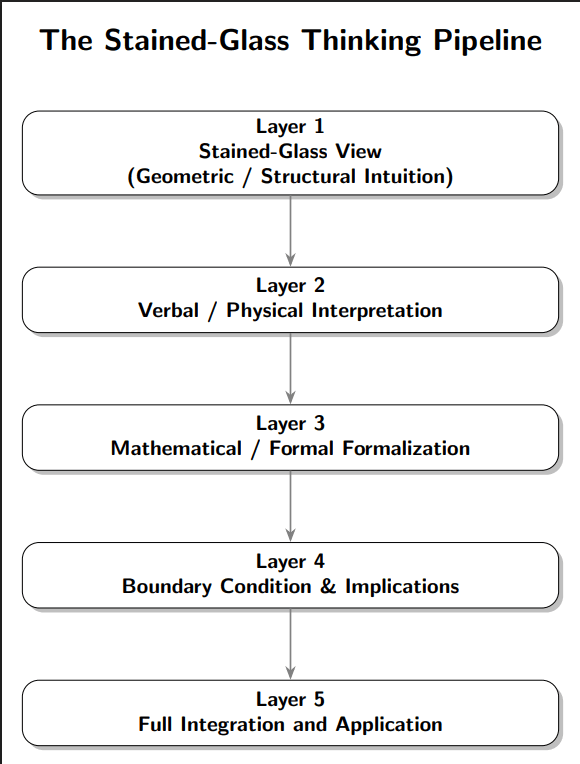
This article makes those steps explicit. I describe a repeatable cognitive pipeline I call Stained-Glass Thinking, which I have used consistently throughout the development of Relational Field Theory (RFT).
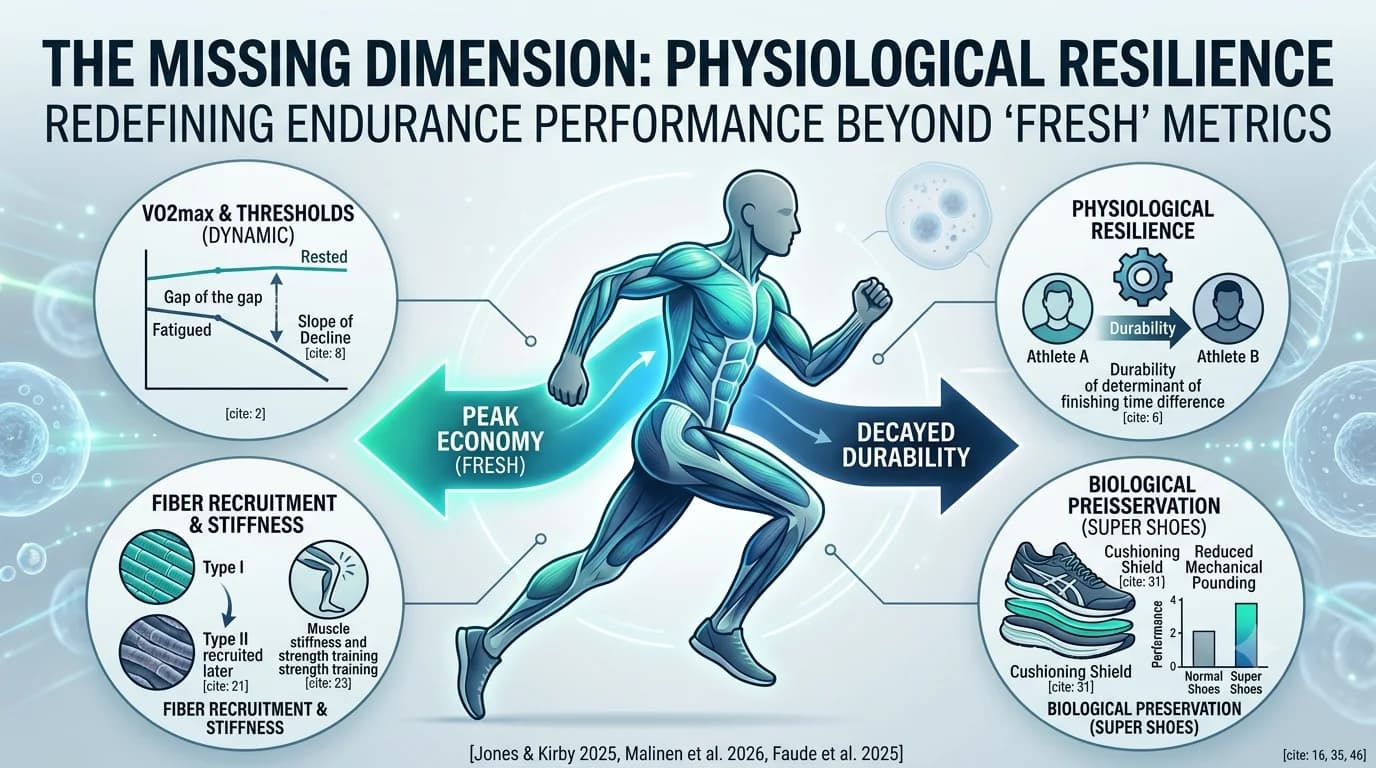
We have all witnessed the physiological "decoupling" that occurs late in a race, where at mile 20 of a marathon, a pace that felt like a metabolic steady-state two hours ago suddenly demands an all-out effort.
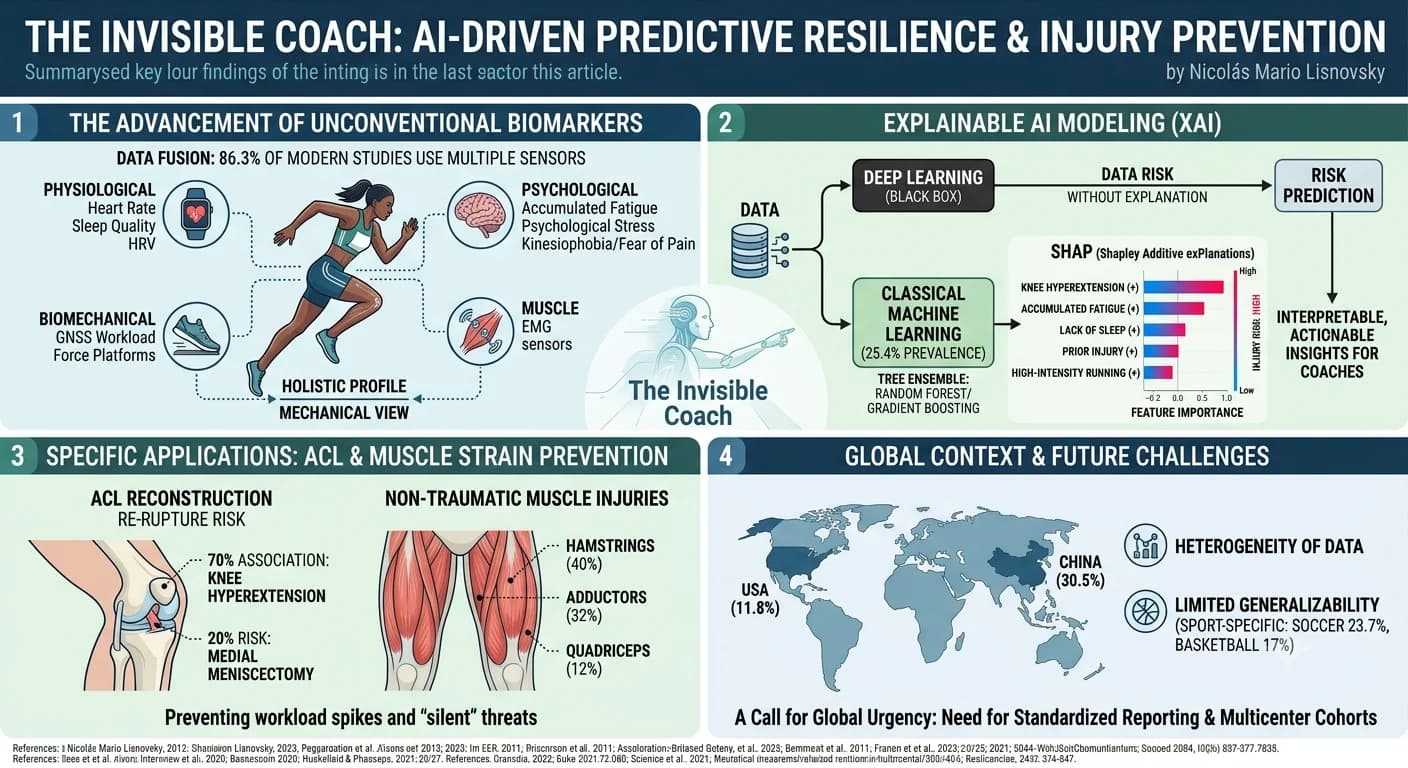
For the elite athlete, an injury is more than a clinical setback, it is an existential interruption. The pursuit of physical excellence has long been haunted by the inherent fragility of the human frame, where a single ligament tear or a chronic strain can dismantle years of disciplined optimization. Historically
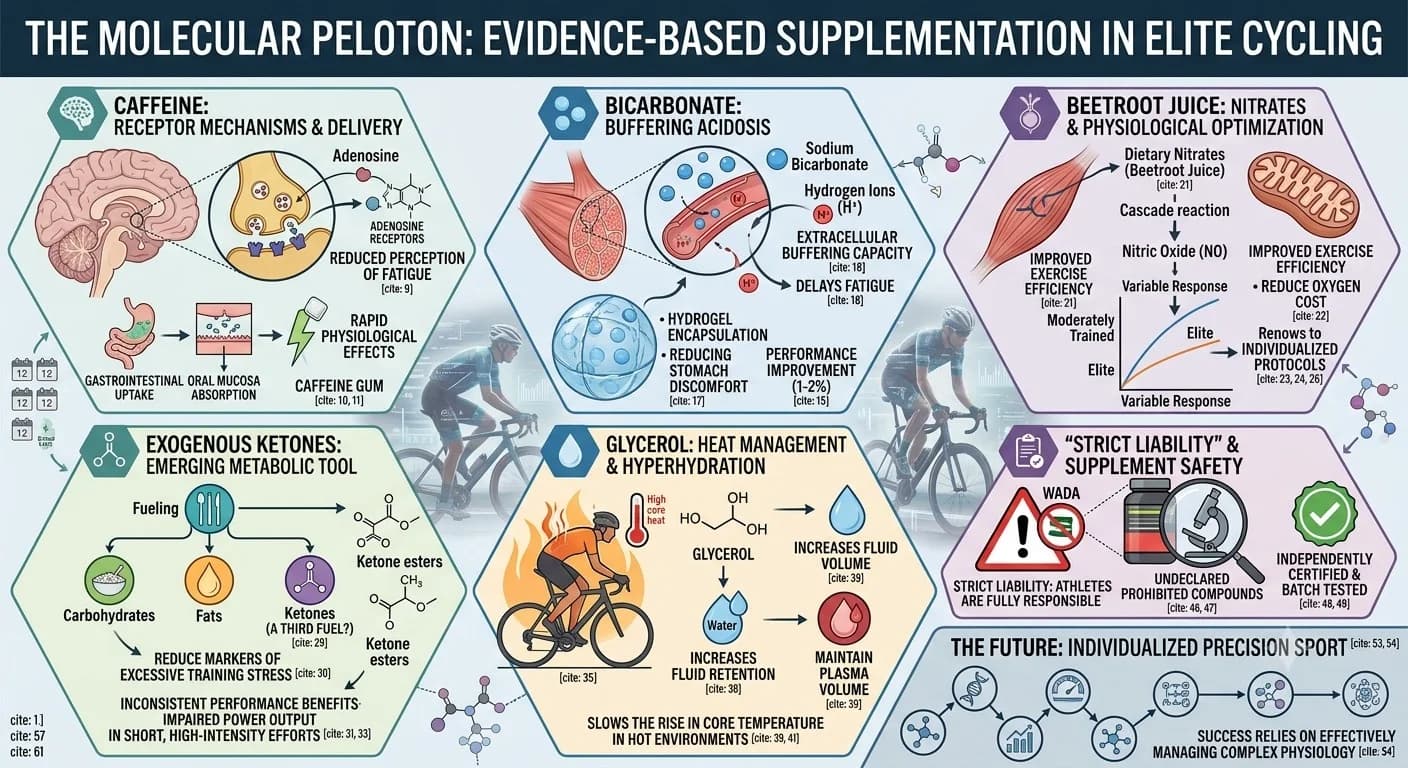
Professional cycling is a sport defined by marginal gains. At the highest levels of competition, the difference between victory and the middle of the pack can be measured in seconds, watts, or subtle physiological advantages accumulated over months of preparation.
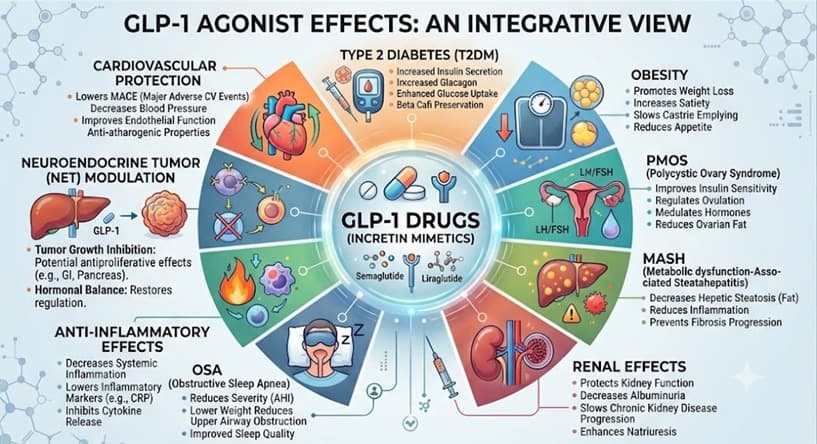
Explore the multi-organ cellular mapping of GLP-1 receptor agonists. Discover how GLP-1RAs act as a systemic shield across T2DM, obesity, PMOS, MASH and so on.
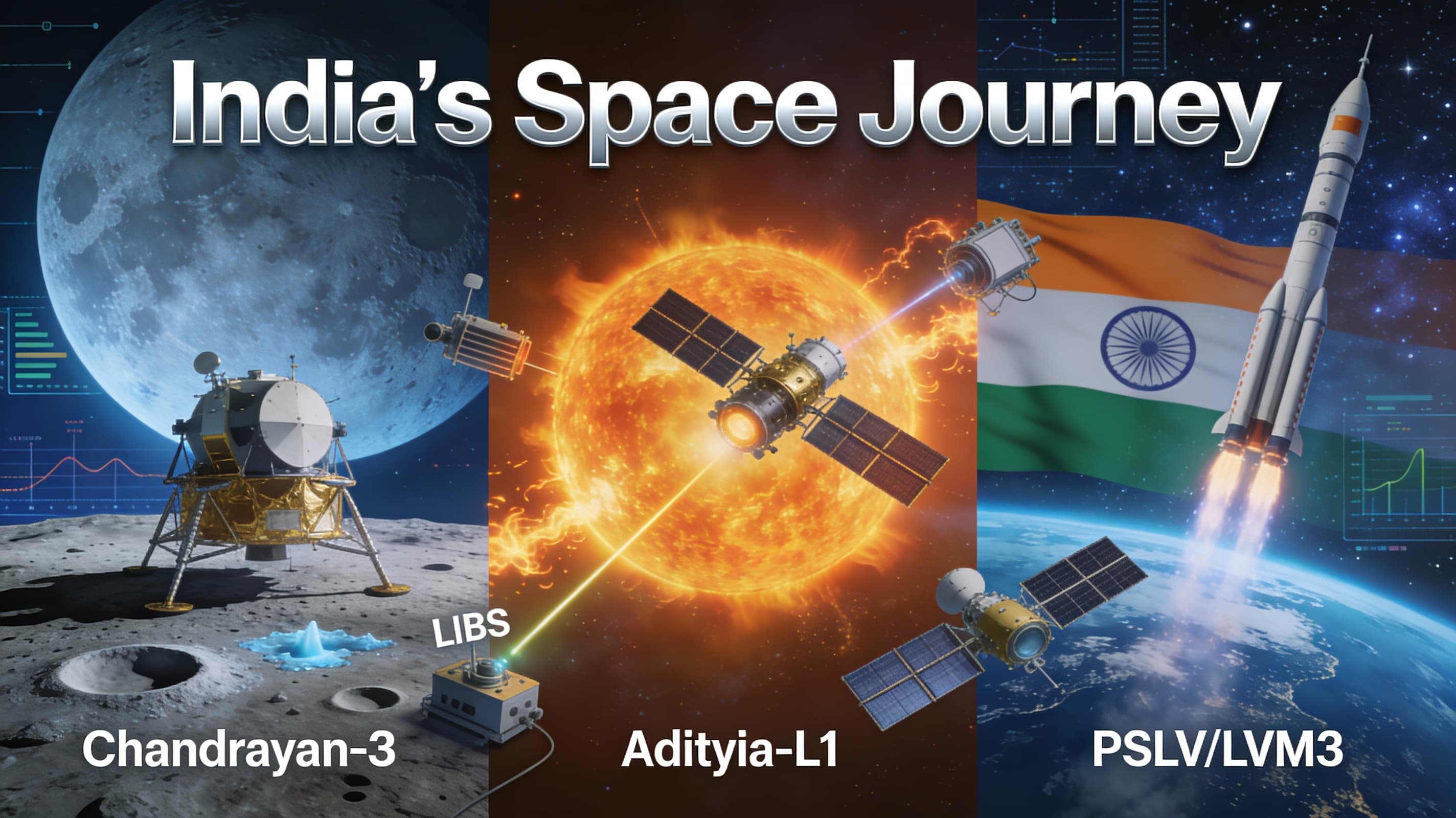
India’s space program, led by the Indian Space Research Organisation (ISRO), has evolved from modest experimental launches into a globally recognized scientific and technological enterprise.
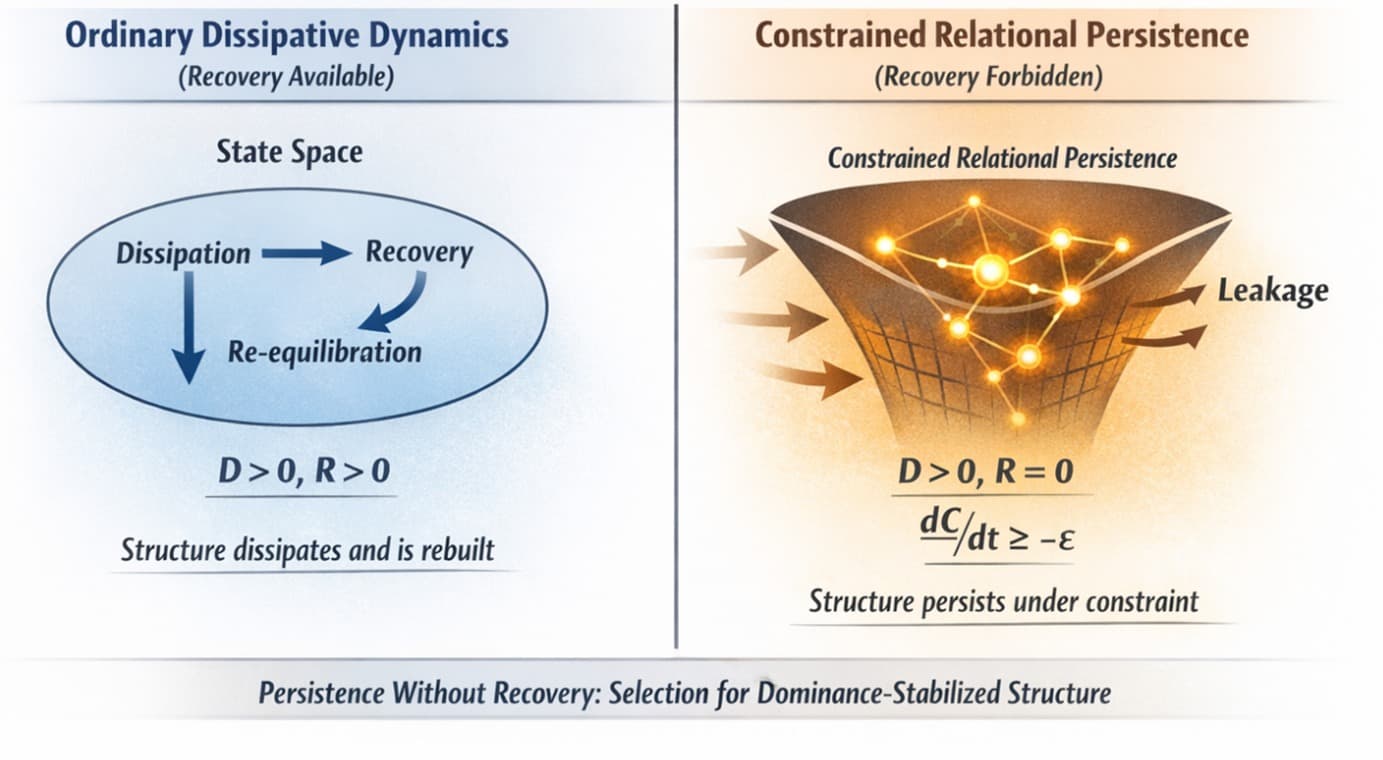
The event horizon of a black hole imposes a fundamental constraint: once matter and information cross it, ordinary recovery of structure through dissipation and re-equilibration becomes dynamically unavailable to external observers.
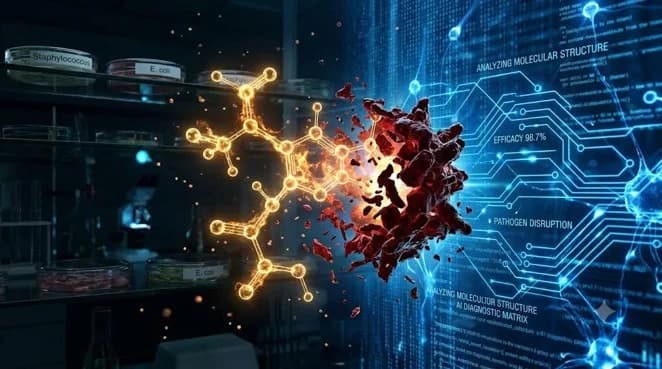
Antibiotic resistance could kill 10 million annually by 2050. Discover how AI found Halicin, a molecule that kills superbugs humans couldn't defeat.
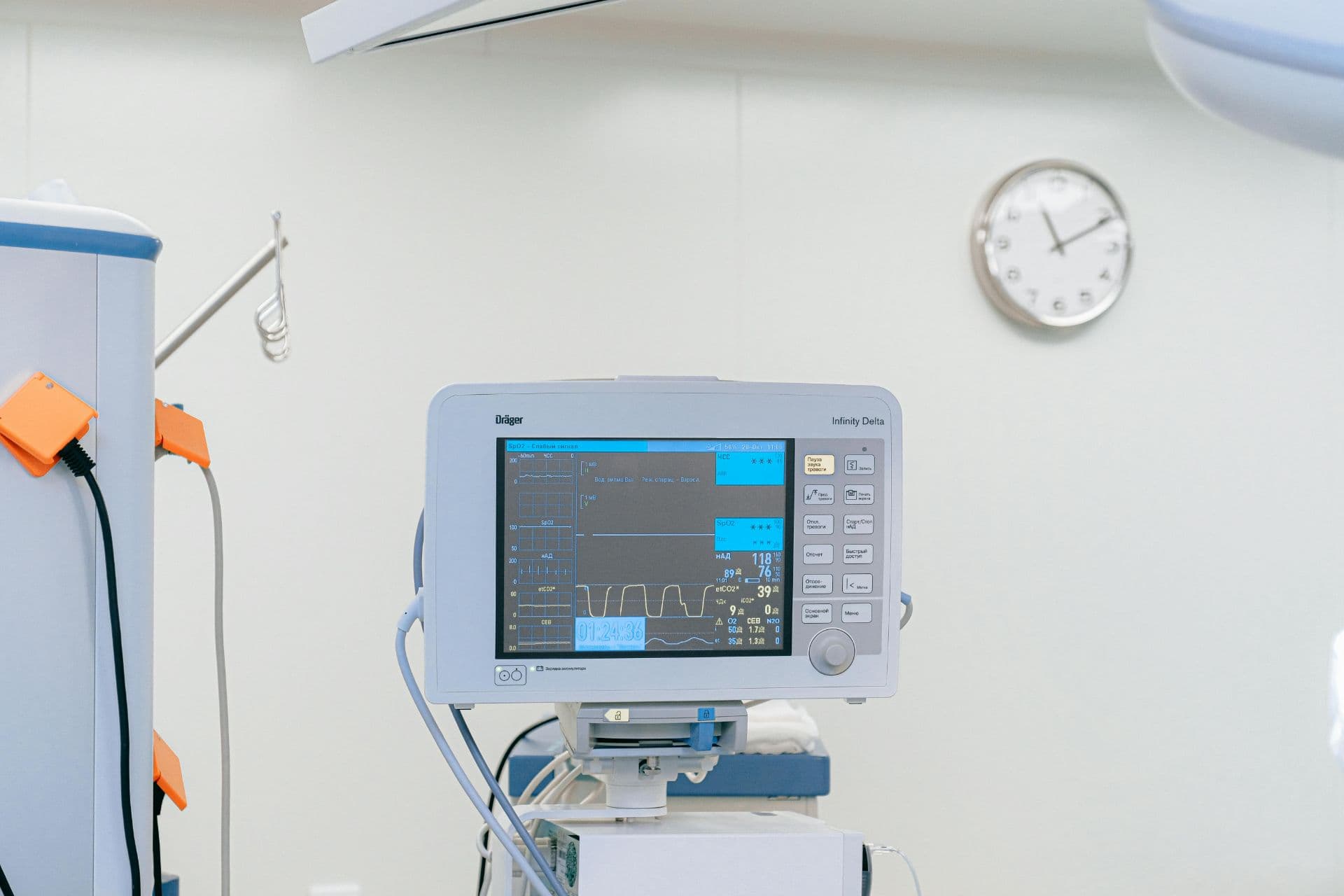
Title 21 Part 820 of the Code Of Federal Regulations (CFR) details the requirements for the design and production of medical devices. These strict, comprehensive requirements are in place for good reason, we want these devices to work.
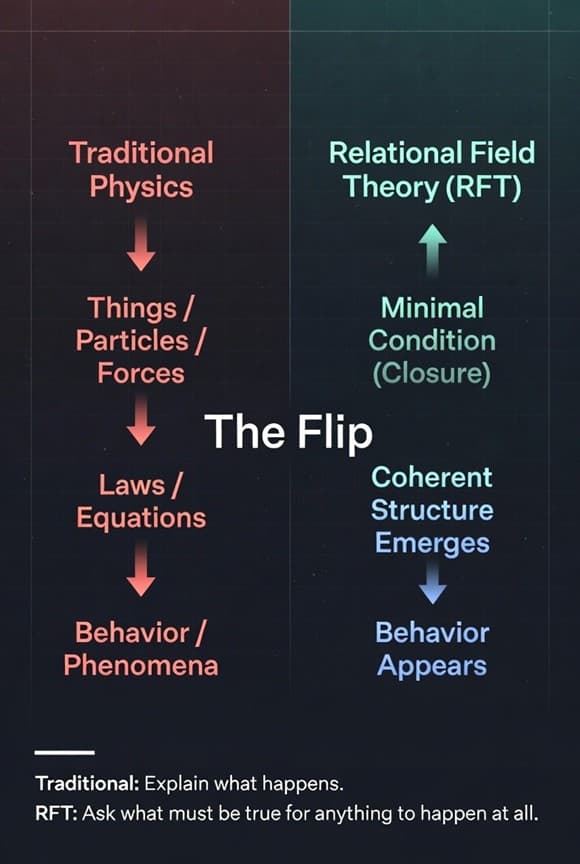
We begin with things - particles, fields, forces - and then build laws and equations to explain how those things behave. This approach has been extraordinarily successful. It is how we arrived at quantum mechanics, general relativity, and the Standard Model.

While volcanic eruptions are often viewed as abrupt, destructive disasters, their airborne deposits leave behind indelible signatures across the globe. For Earth scientists and palaeoclimatologists, tephra serves as an essential tool to decode past climate variability,

For many people, it is often assumed to be a “Stress disease”. Others casually refer to it as an “Old man’s disease” based on the myth that it affects only the elderly. These assumptions, however banal, are misleading and potentially lethal.
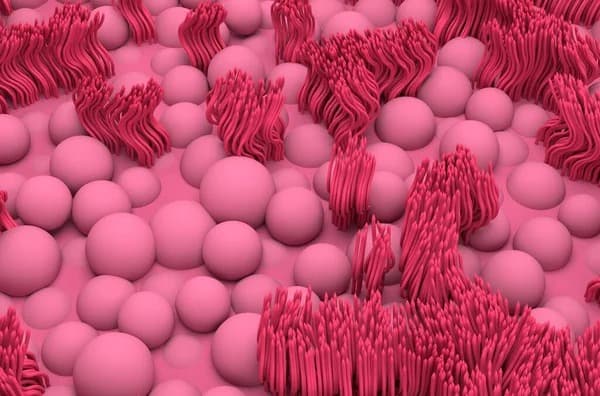
Why is mucus the biggest obstacle to lung drug delivery? Explore the mucosal barrier science reshaping how we design inhaled medicines and vaccines.
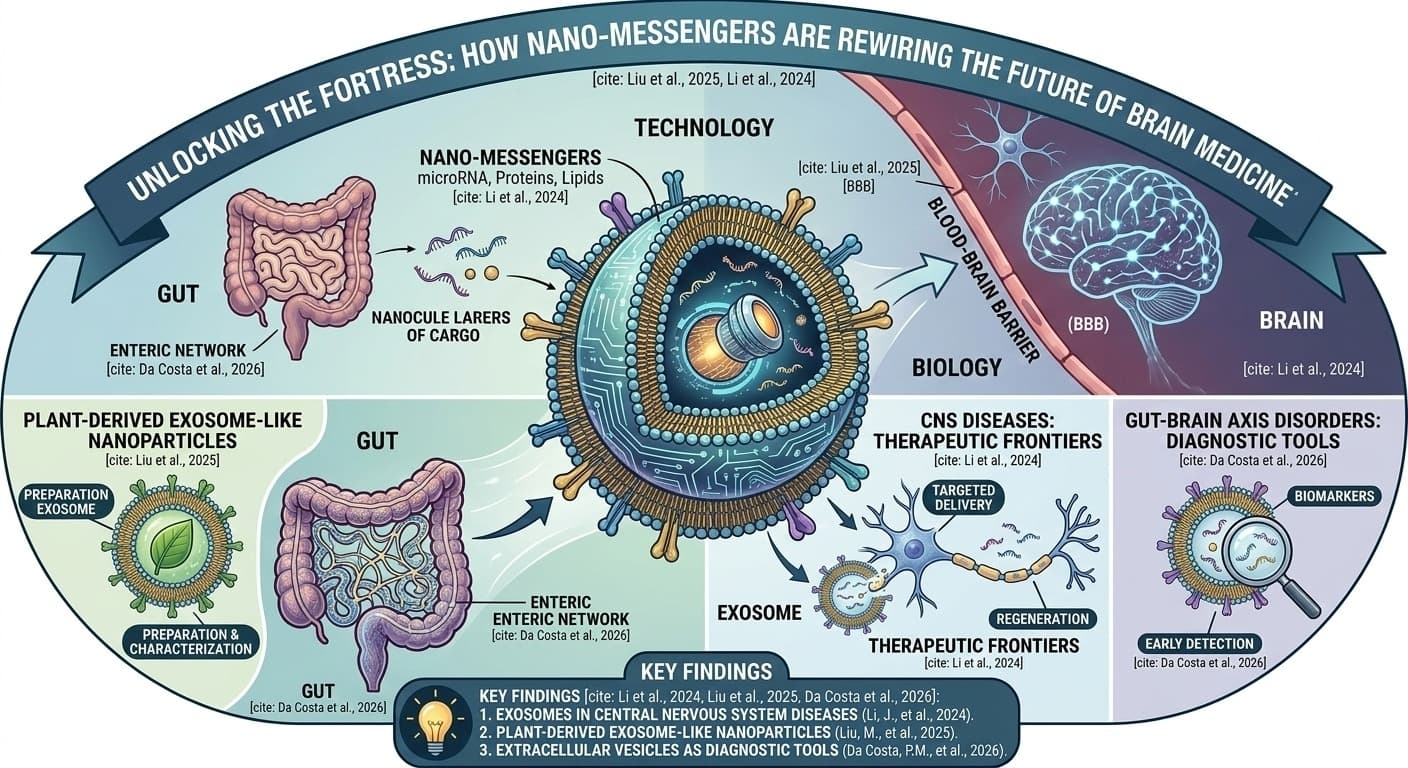
This architecture is essential for shielding neurons from toxins, pathogens, and fluctuations in the bloodstream, but it also creates a devastating bottleneck for modern medicine. More than 98% of small-molecule drugs and nearly all large biological therapeutics fail to cross the BBB in meaningful amounts, leaving many promising treatments for neurodegenerative disorders, brain tumors, and inflammatory diseases stranded in the circulation.
