Discover Scientific Knowledge

Showing results for: "fundamental" (37 results)

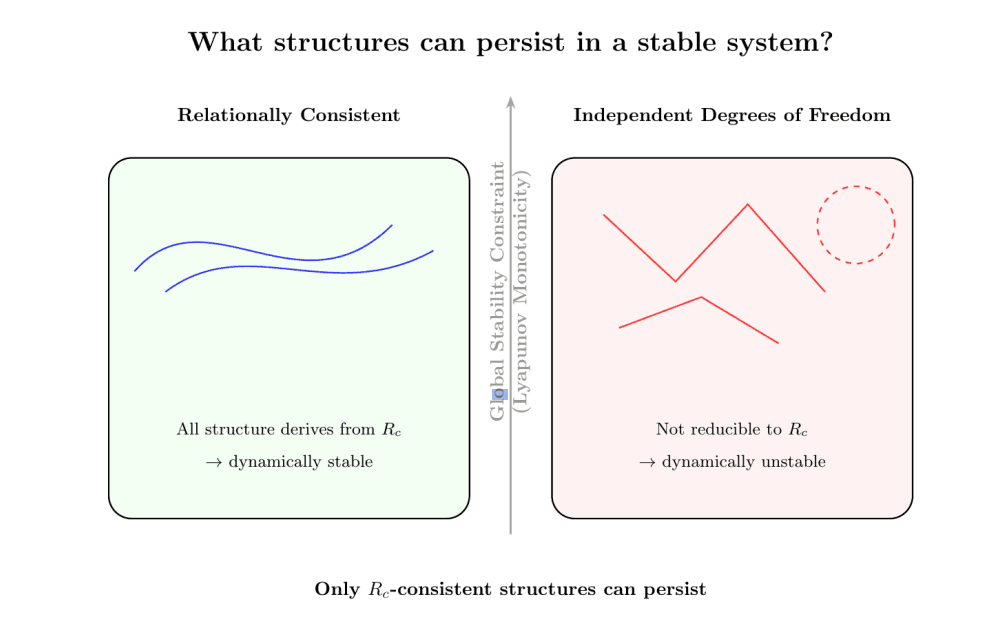
Why a Stable Universe Cannot Support Unnecessary Structure
Science & Research

Why a Stable Universe Cannot Support Unnecessary Structure

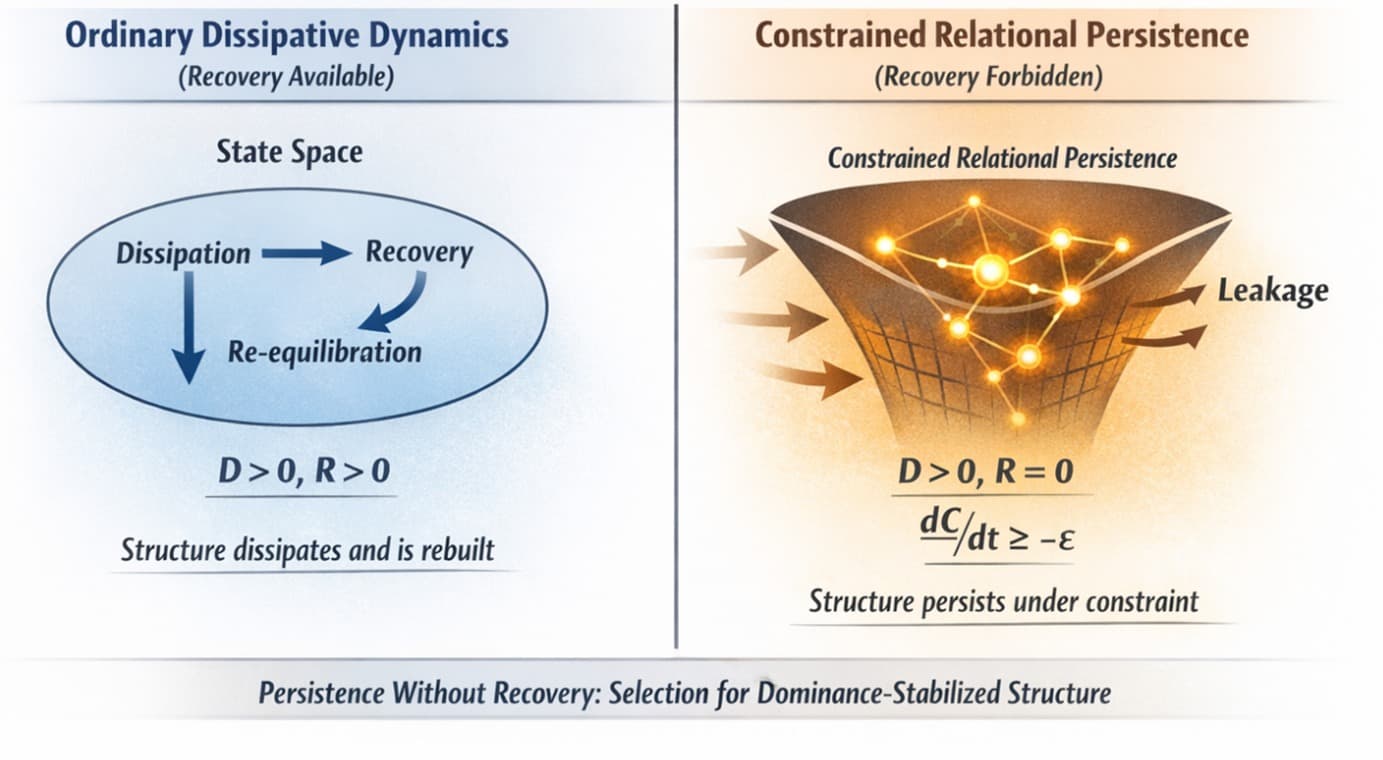
Modern physics often assumes that the complexity we observe in the universe reflects an underlying complexity in its fundamental structure. Fields, particles, forces, and geometries are typically introduced as independent components, each carrying its own degrees of freedom.
The Beauty and Power of Mathematics
Science & Research

The Beauty and Power of Mathematics

Mathematics is often described as the universal language of the universe, a field that transcends cultures and eras to provide the tools for understanding the world. From the ancient geometries of Egypt to modern computational algorithms, mathematics is at the heart of human discovery and technological progress.

Why Physical Laws Hold Locally but Become Ambiguous Across Regimes
Science & Research

Why Physical Laws Hold Locally but Become Ambiguous Across Regimes

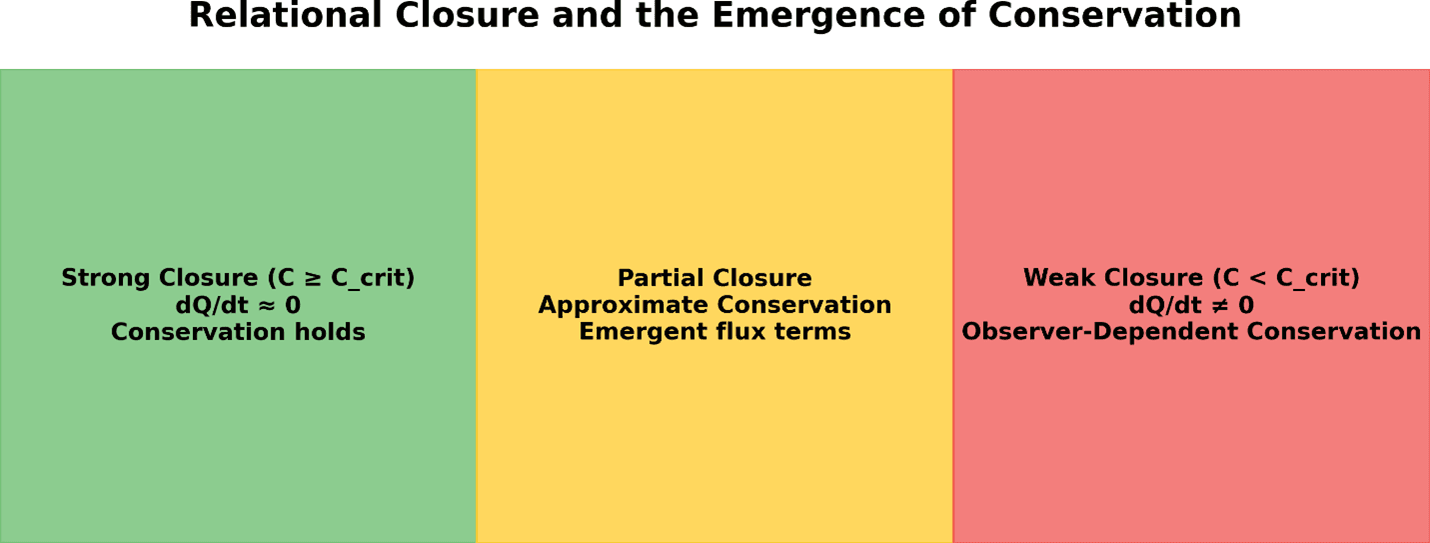
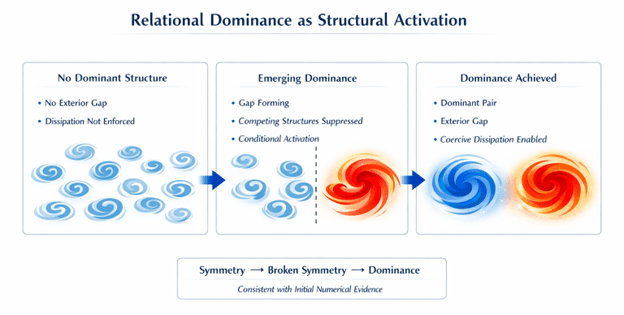
Physical quantities and laws emerge from the geometry, coherence, and flow of relational fields. A central idea is relational closure: high-coherence domains form effectively closed regions where stable invariants can persist.

Beyond the Needle: The Rise of Inhalable Vaccines
Health & Medicine

Beyond the Needle: The Rise of Inhalable Vaccines

Inhalable vaccines trigger powerful mucosal immunity where pathogens enter the body, offering needle-free protection against respiratory diseases.

What is Web 3.0?
Tech & AI

What is Web 3.0?

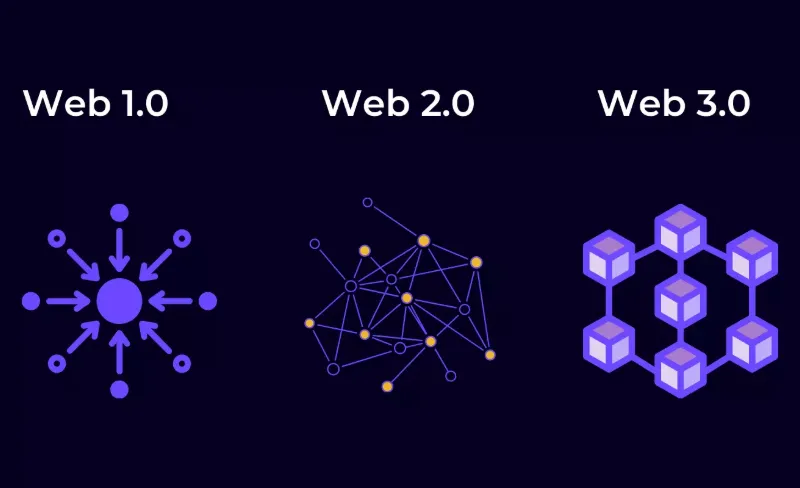
Web 3.0, commonly referred to as Web3, marks a new era of the World Wide Web characterized by distinct values and technological advancements. Its key features include ubiquity, decentralization, artificial intelligence, blockchain technology, and improved connectivity.

The Flip: Why Relational Field Theory Starts Where Most Physics Ends
Science & Research

The Flip: Why Relational Field Theory Starts Where Most Physics Ends

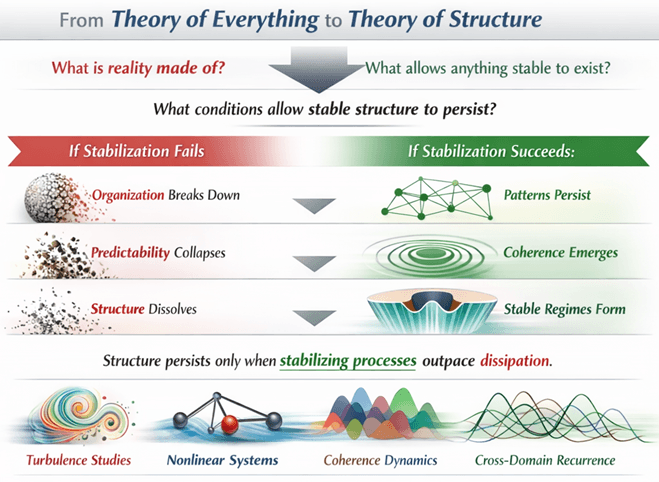
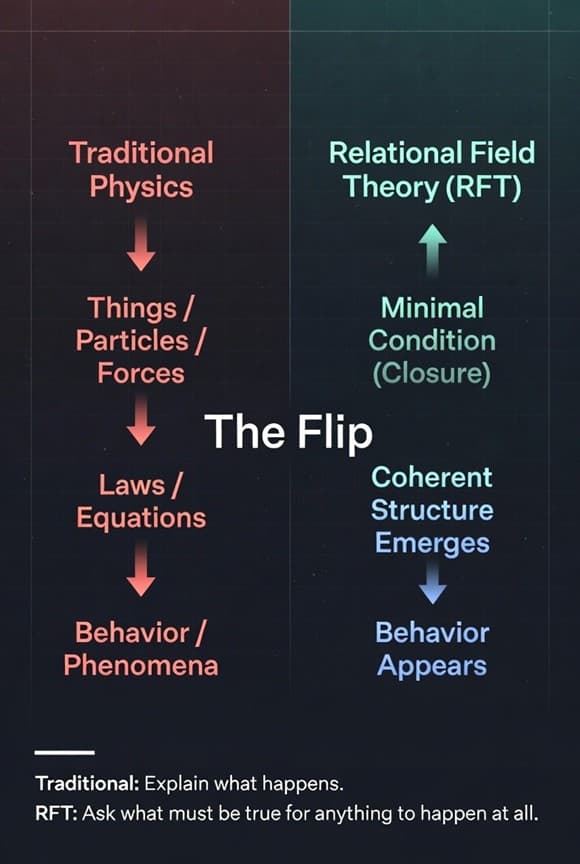
We begin with things - particles, fields, forces - and then build laws and equations to explain how those things behave. This approach has been extraordinarily successful. It is how we arrived at quantum mechanics, general relativity, and the Standard Model.

Page 1 of 2Next →