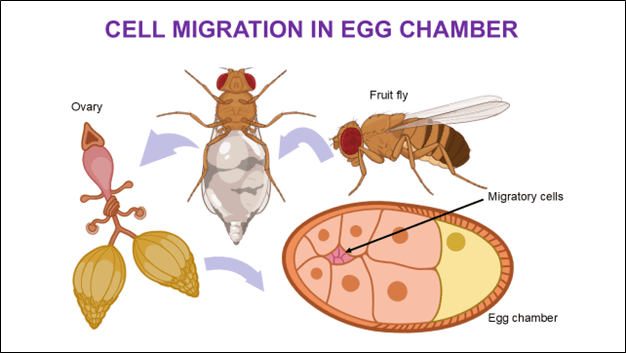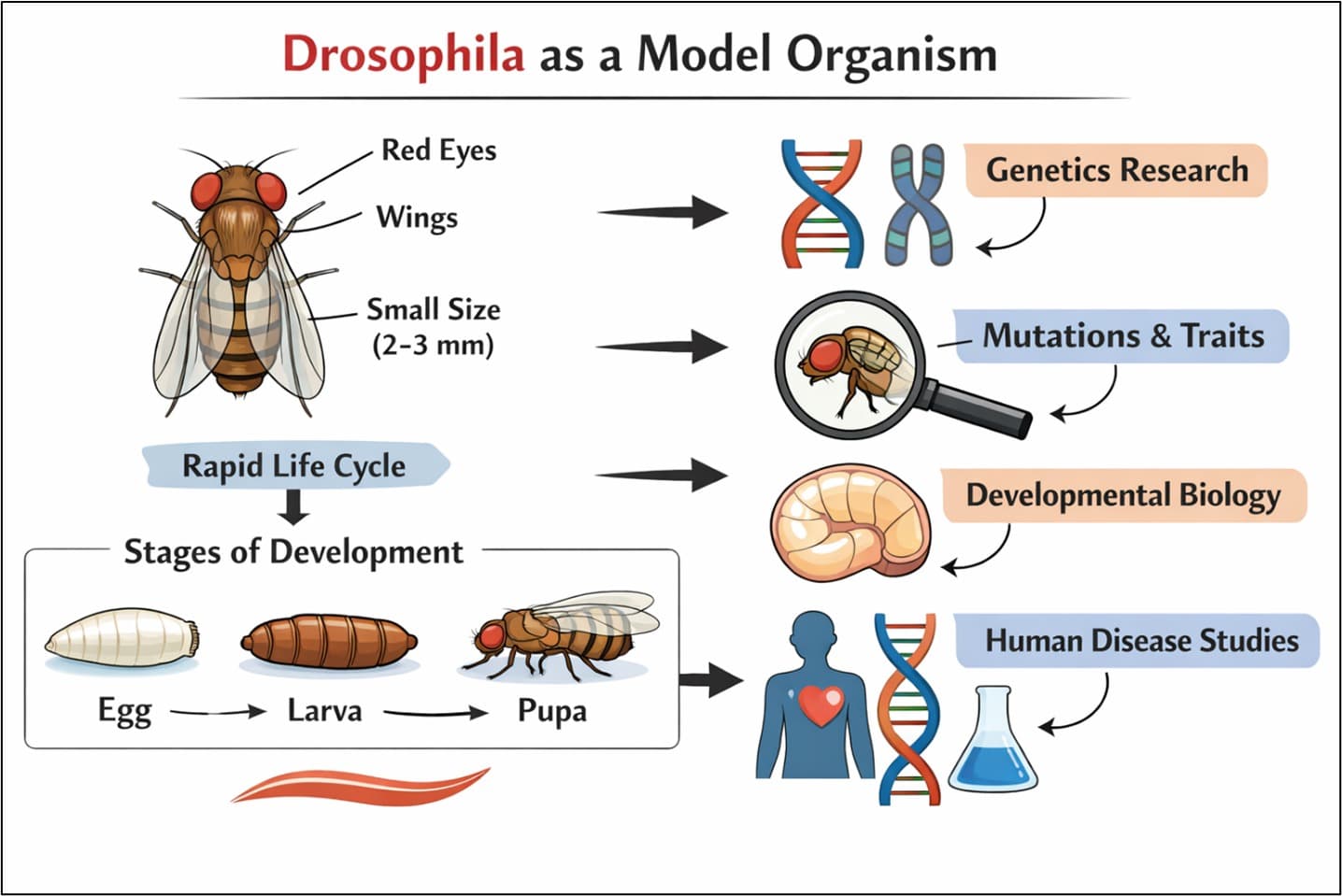
Small fruit fly is an excellent model organism used by scientists to study various aspect of human health and diseases such as development, regeneration, wound healing, cancer and stem cell research
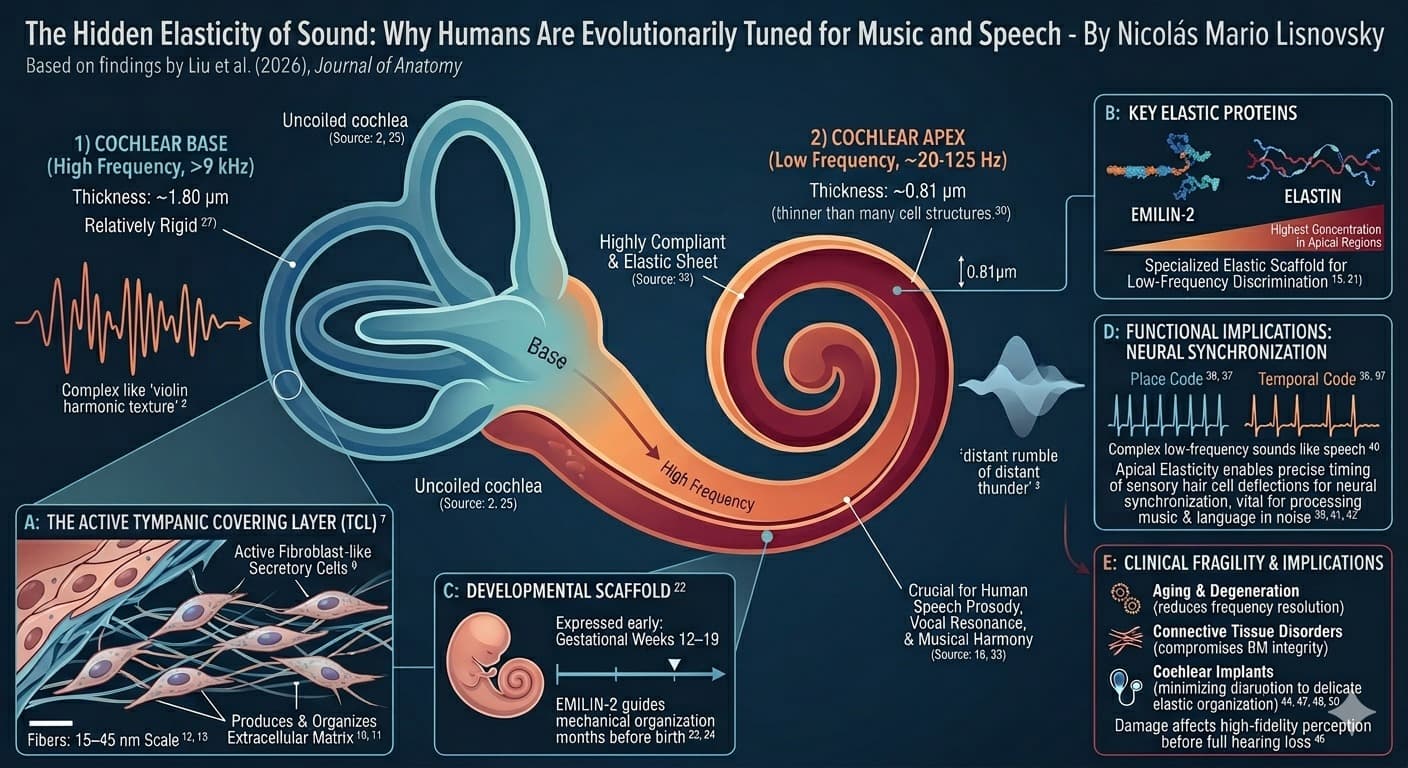
The human ear is often described as one of the most sophisticated sensory systems in biology. Within a structure no larger than a seashell, the auditory system can detect frequencies ranging from the faint rumble of distant thunder to the subtle harmonic texture of a violin string
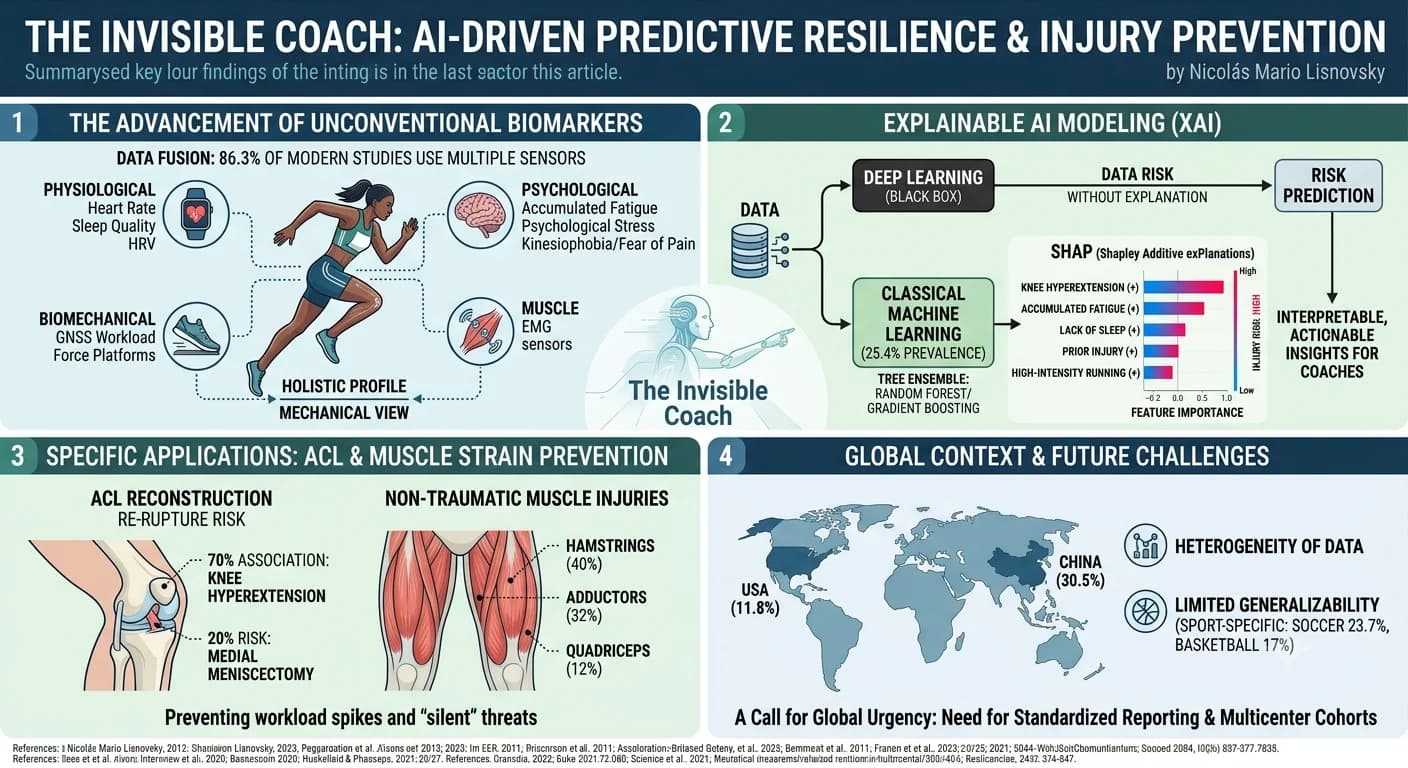
For the elite athlete, an injury is more than a clinical setback, it is an existential interruption. The pursuit of physical excellence has long been haunted by the inherent fragility of the human frame, where a single ligament tear or a chronic strain can dismantle years of disciplined optimization. Historically
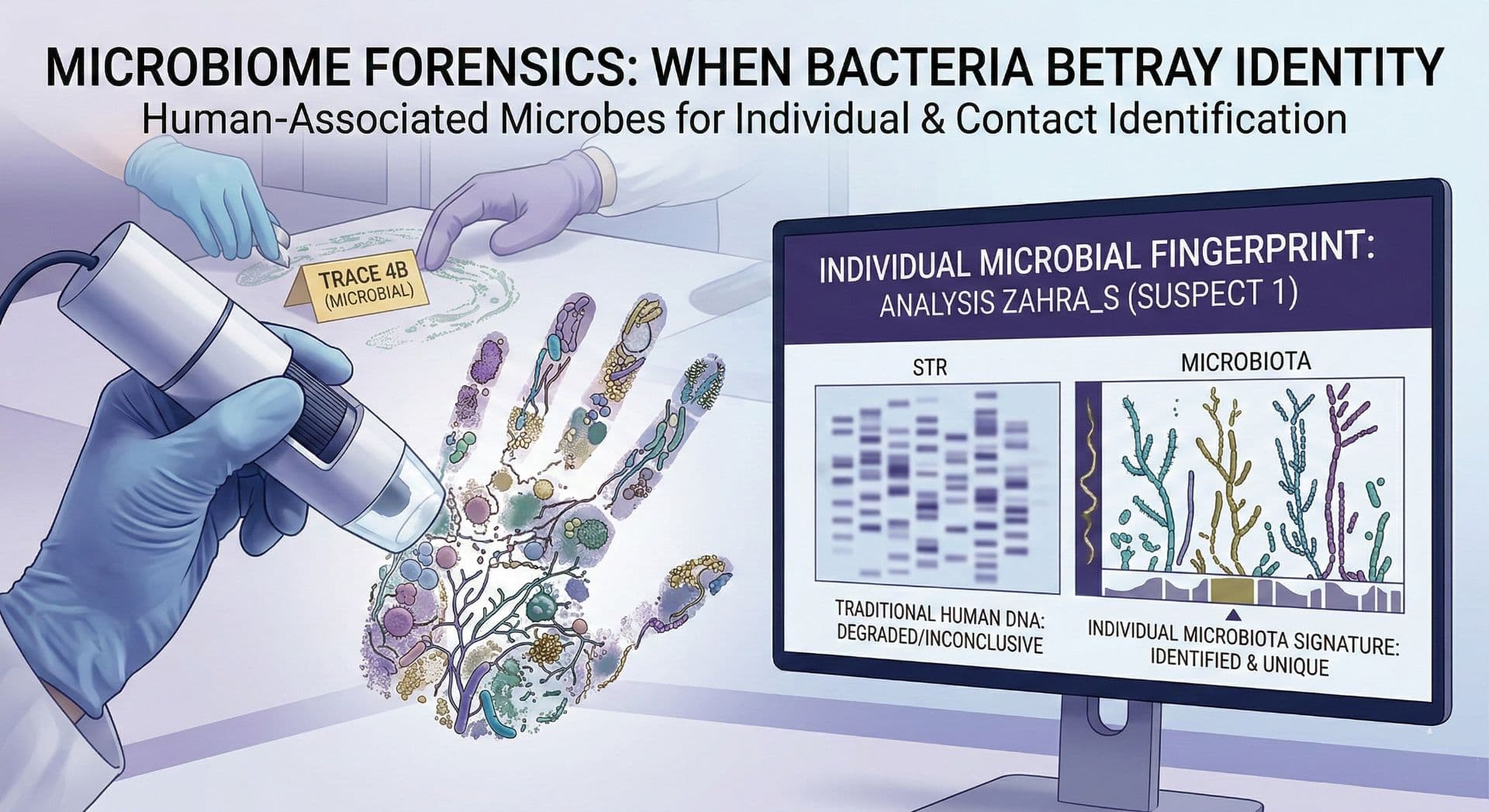
Traditionally, Forensic Science relies on Human DNA for contact evidence and individual identification, but limitation arises when the blood cells obtained from the crime scene are degraded or not.
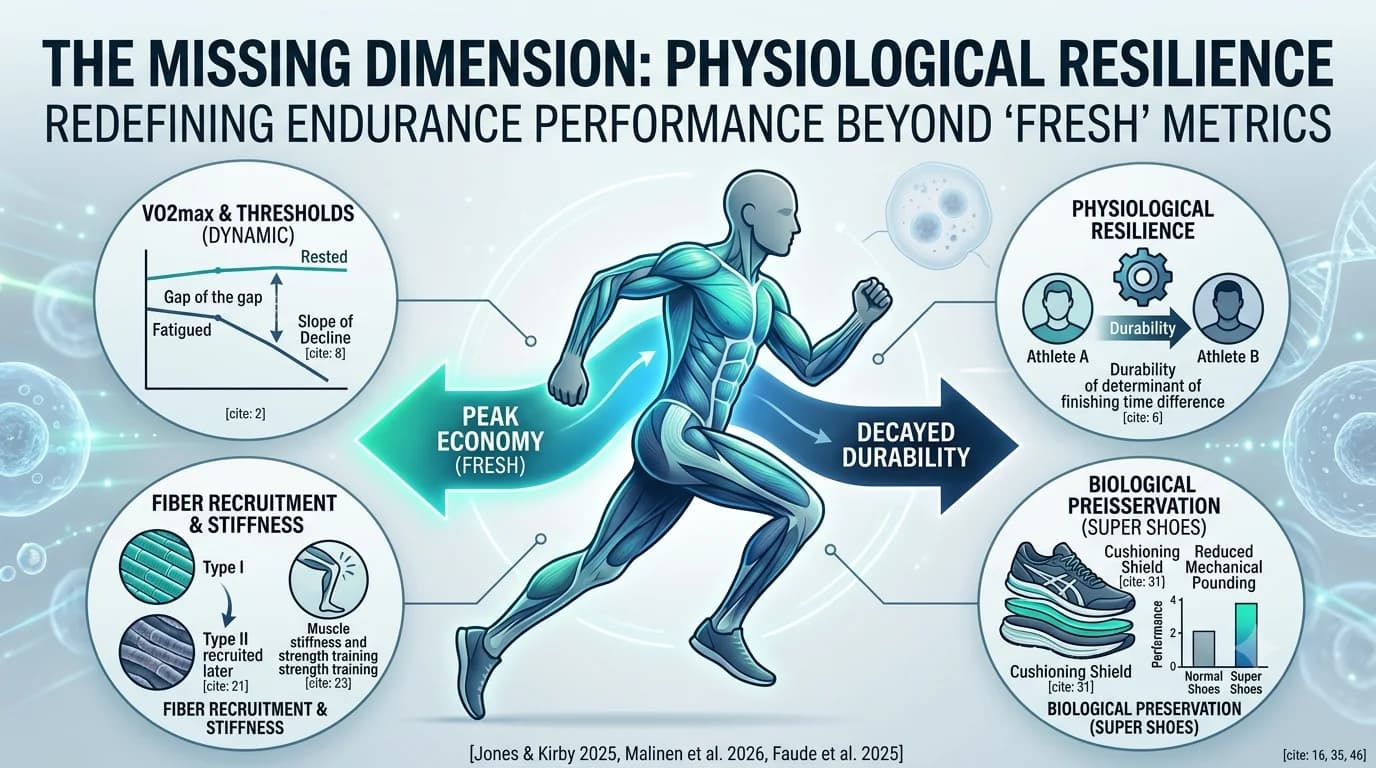
We have all witnessed the physiological "decoupling" that occurs late in a race, where at mile 20 of a marathon, a pace that felt like a metabolic steady-state two hours ago suddenly demands an all-out effort.
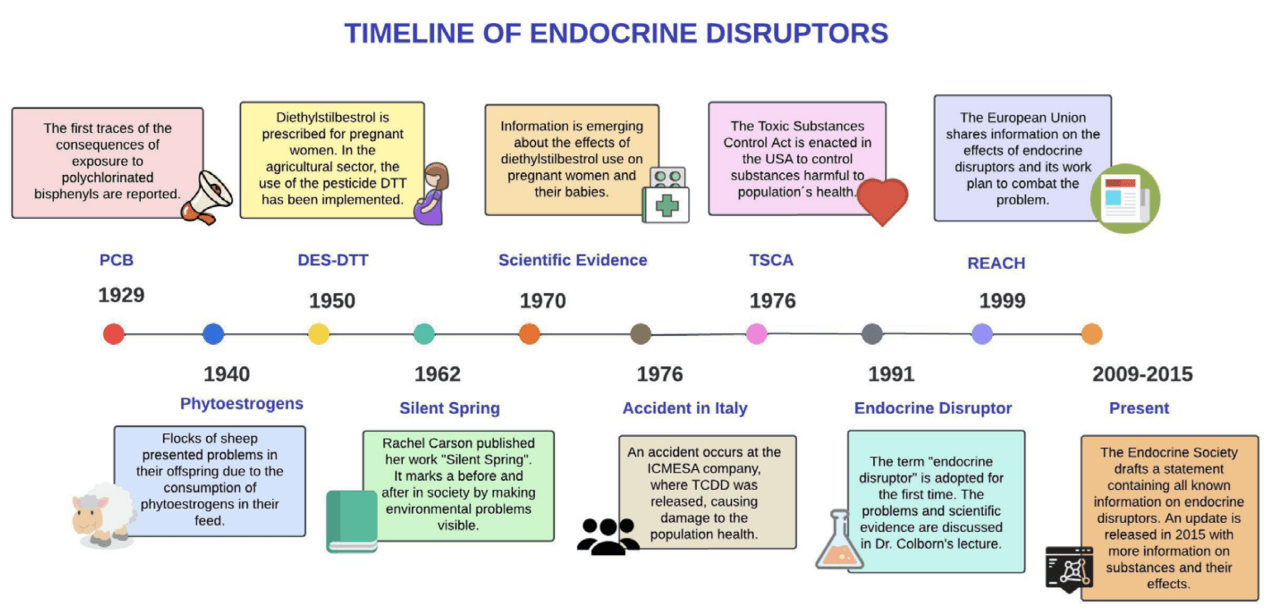
Environmental endocrine disruptors (EEDs) are natural and synthetic chemicals that interfere with endocrine system function by altering hormone synthesis, transport, metabolism, and receptor binding.
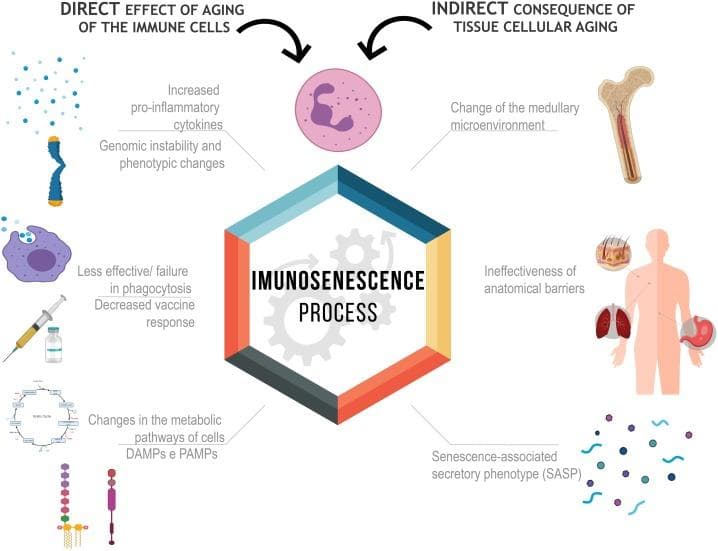
Ageing is accompanied by a gradual decline in physiological functions, among which deterioration of the immune system termed immunosenescence—has profound implications for human health.
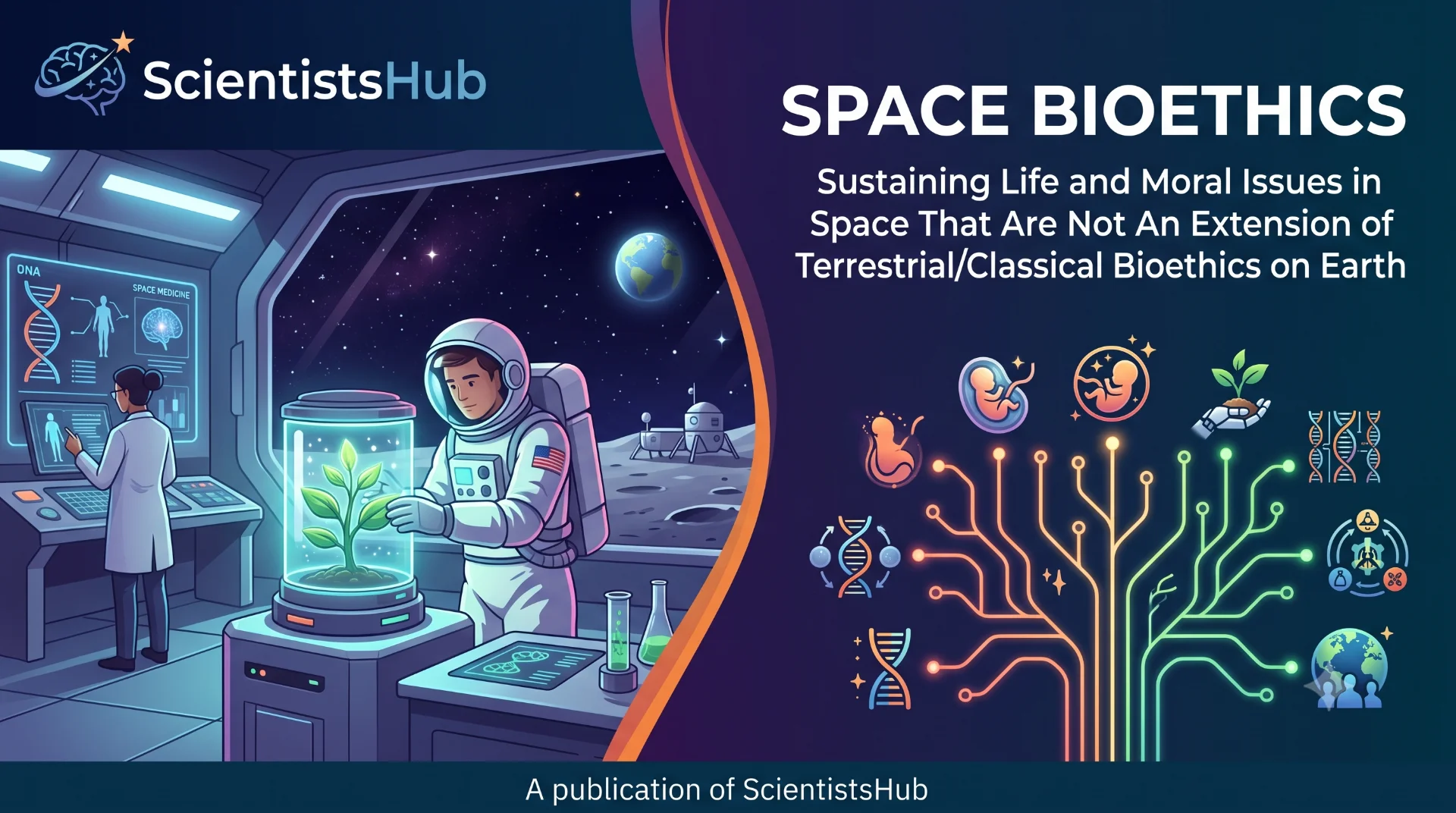
What is being explored in this article is about space bioethics. As stated above, space bioethics is about addressing moral issues of sustaining life in space but in a domain that is chartered
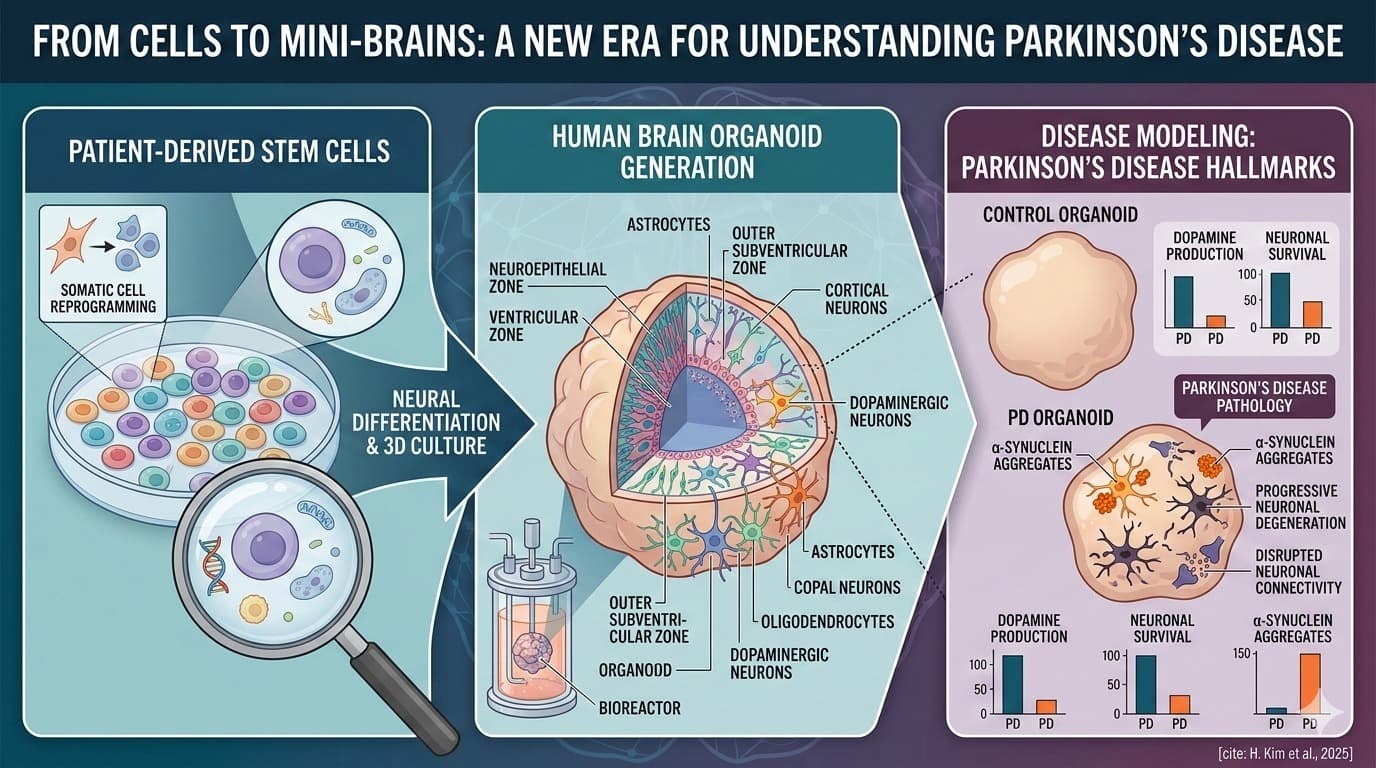
Understanding the human brain remains one of the greatest challenges in modern science. With billions of neurons forming intricate networks and constantly changing connections, the brain’s complexity makes it extremely difficult to study directly.
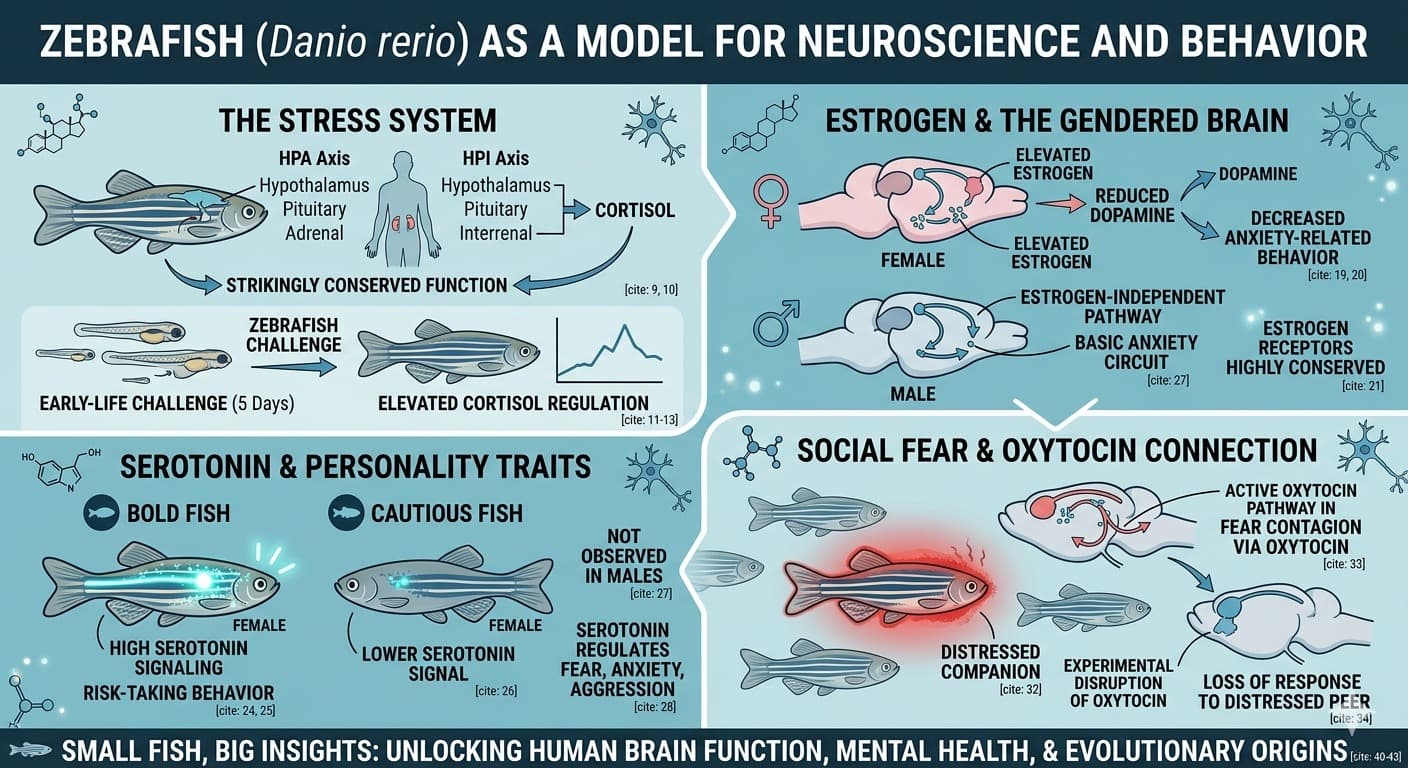
What if one of the most powerful models for understanding the human brain were less than an inch long, transparent, and living in a small tank? Meet Danio rerio, the zebrafish.
Have you ever intended to check a single notification, only to realize forty minutes have vanished into an endless scroll? In 2026, privacy is no longer just about your data; it is about your thought process. Is your next choice truly yours, or has a 'Digital Twin' already made it for you
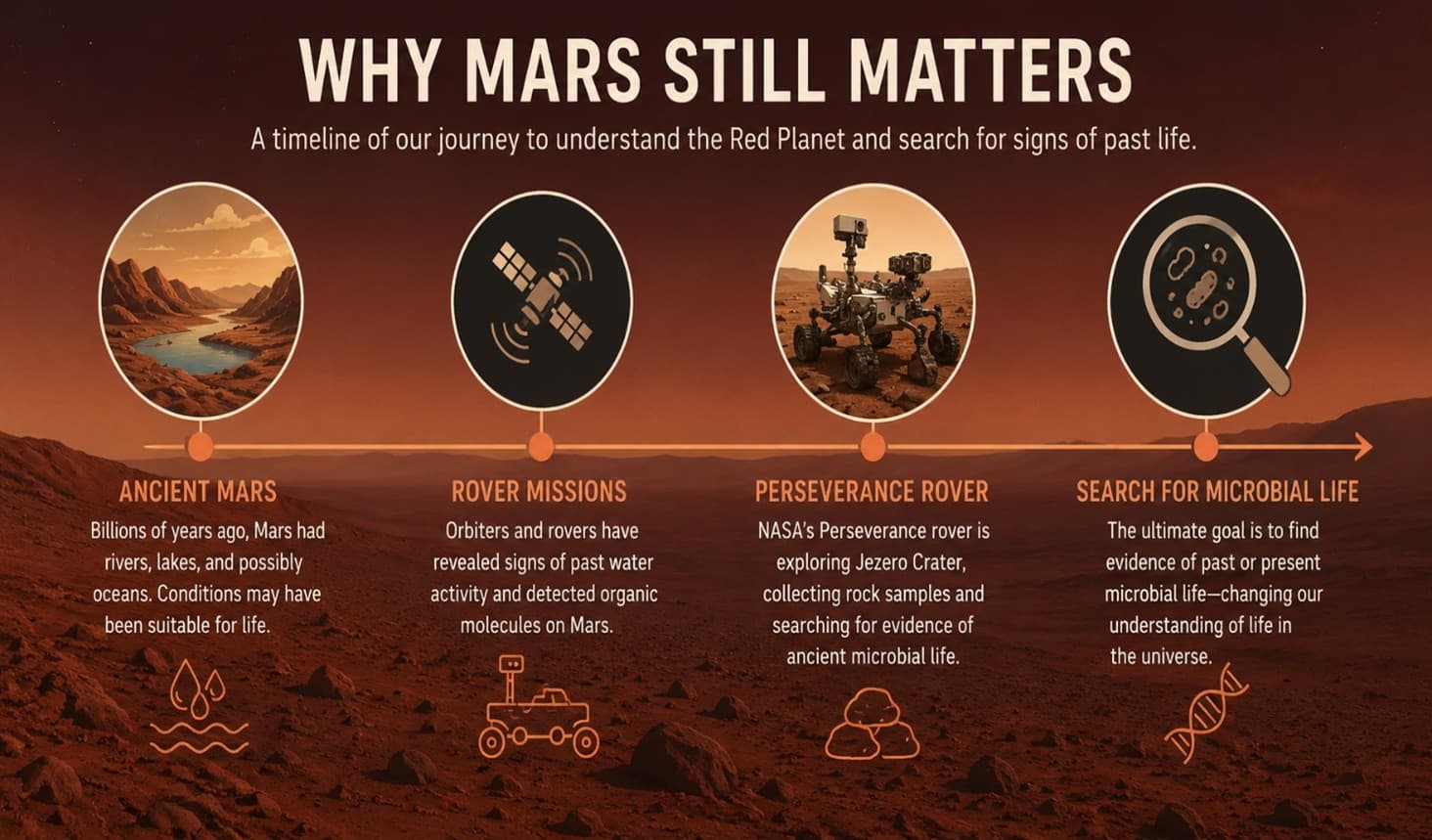
Scientists are closer than ever to detecting life beyond Earth. From Mars to distant exoplanets, modern astronomy is transforming the search for alien life.
India’s space program, led by the Indian Space Research Organisation (ISRO), has evolved from modest experimental launches into a globally recognized scientific and technological enterprise.
This article aims to demystify the anatomy of a clinical trial protocol, peeling back the technical layers to reveal how scientific rigor is converted into medical progress. At ScientistsHub, we often ask: How do we ensure that a medical breakthrough is not just a stroke of luck, but a repeatable, verifiable victory for human health? The answer is found in the design. To truly appreciate the result of any trial, one must first master the architecture of the inquiry.
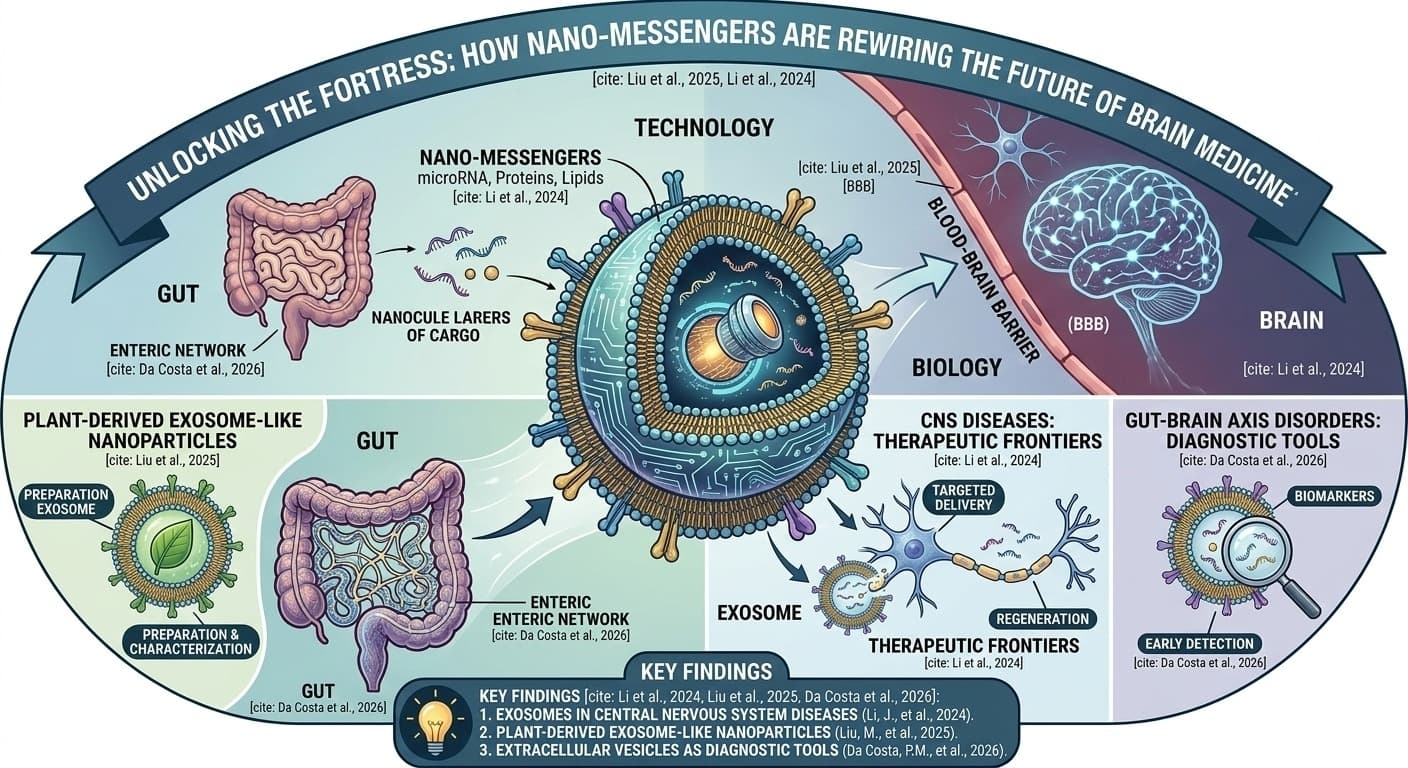
This architecture is essential for shielding neurons from toxins, pathogens, and fluctuations in the bloodstream, but it also creates a devastating bottleneck for modern medicine. More than 98% of small-molecule drugs and nearly all large biological therapeutics fail to cross the BBB in meaningful amounts, leaving many promising treatments for neurodegenerative disorders, brain tumors, and inflammatory diseases stranded in the circulation.