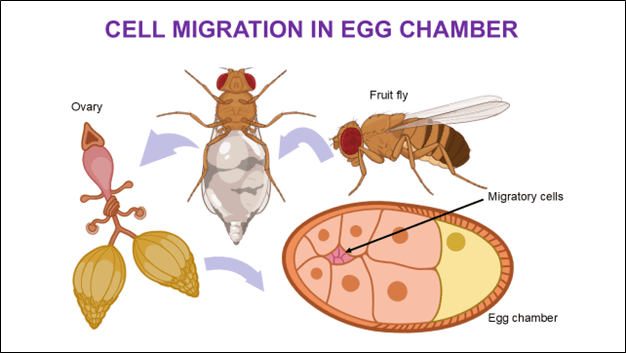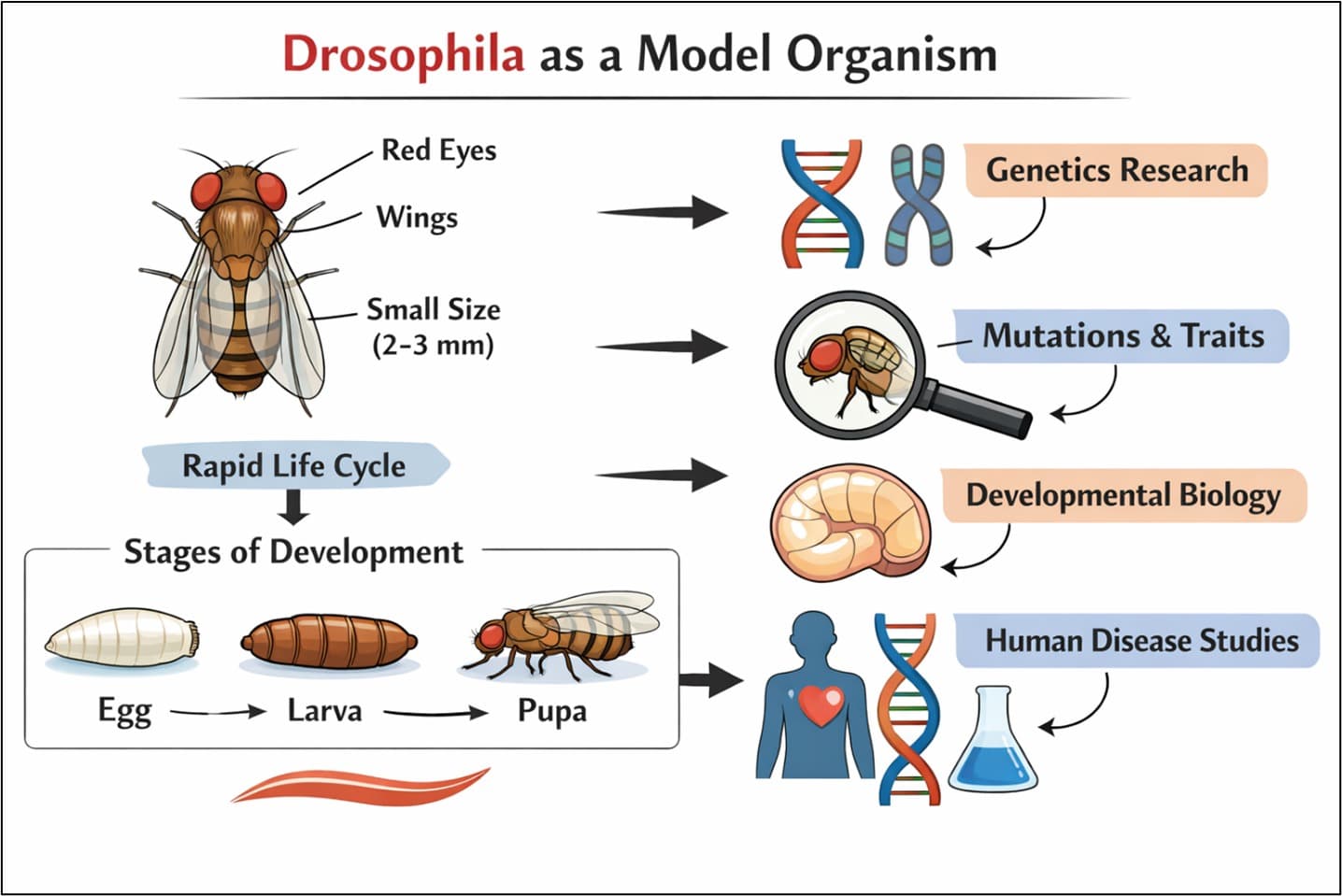
Small fruit fly is an excellent model organism used by scientists to study various aspect of human health and diseases such as development, regeneration, wound healing, cancer and stem cell research
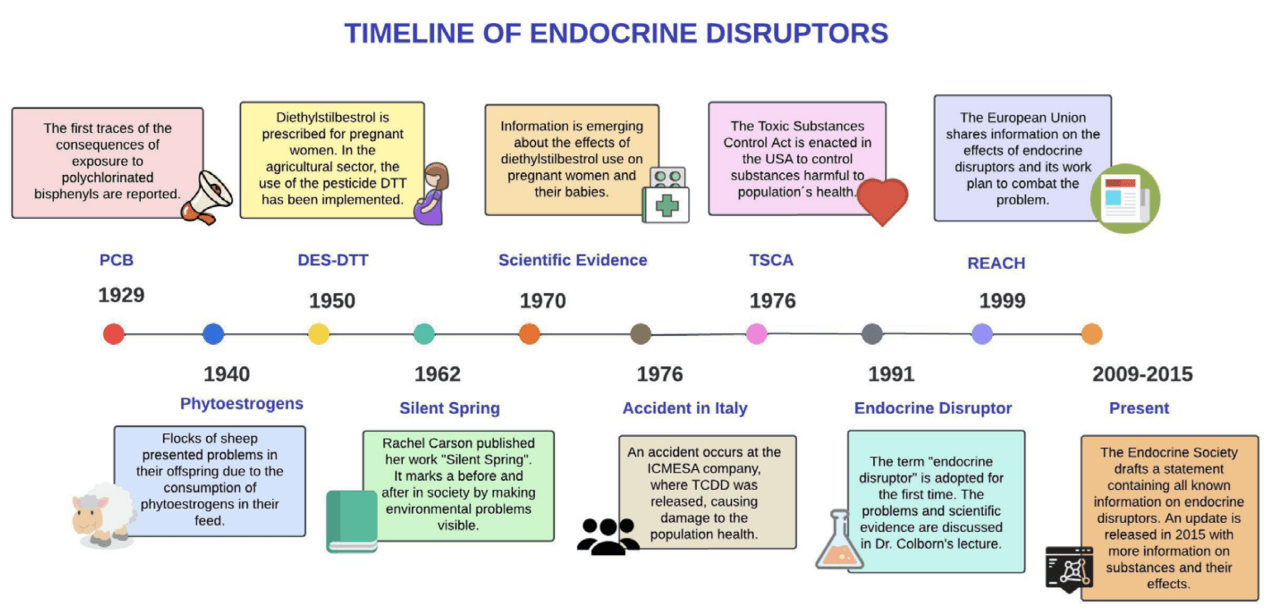
Environmental endocrine disruptors (EEDs) are natural and synthetic chemicals that interfere with endocrine system function by altering hormone synthesis, transport, metabolism, and receptor binding.
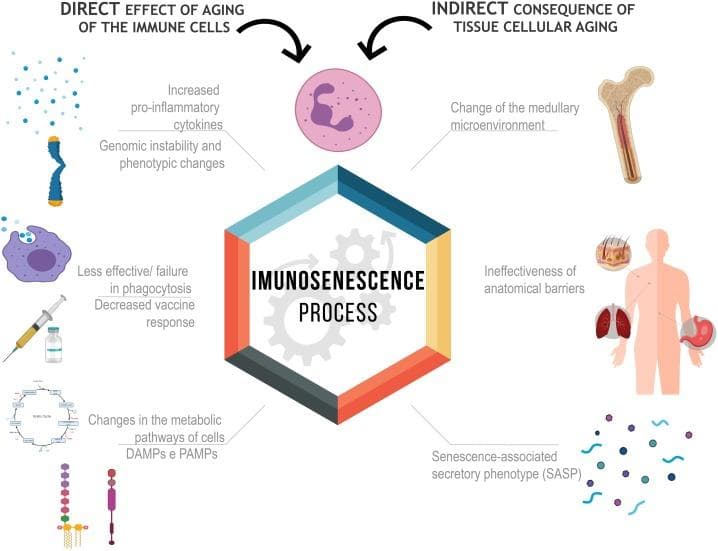
Ageing is accompanied by a gradual decline in physiological functions, among which deterioration of the immune system termed immunosenescence—has profound implications for human health.
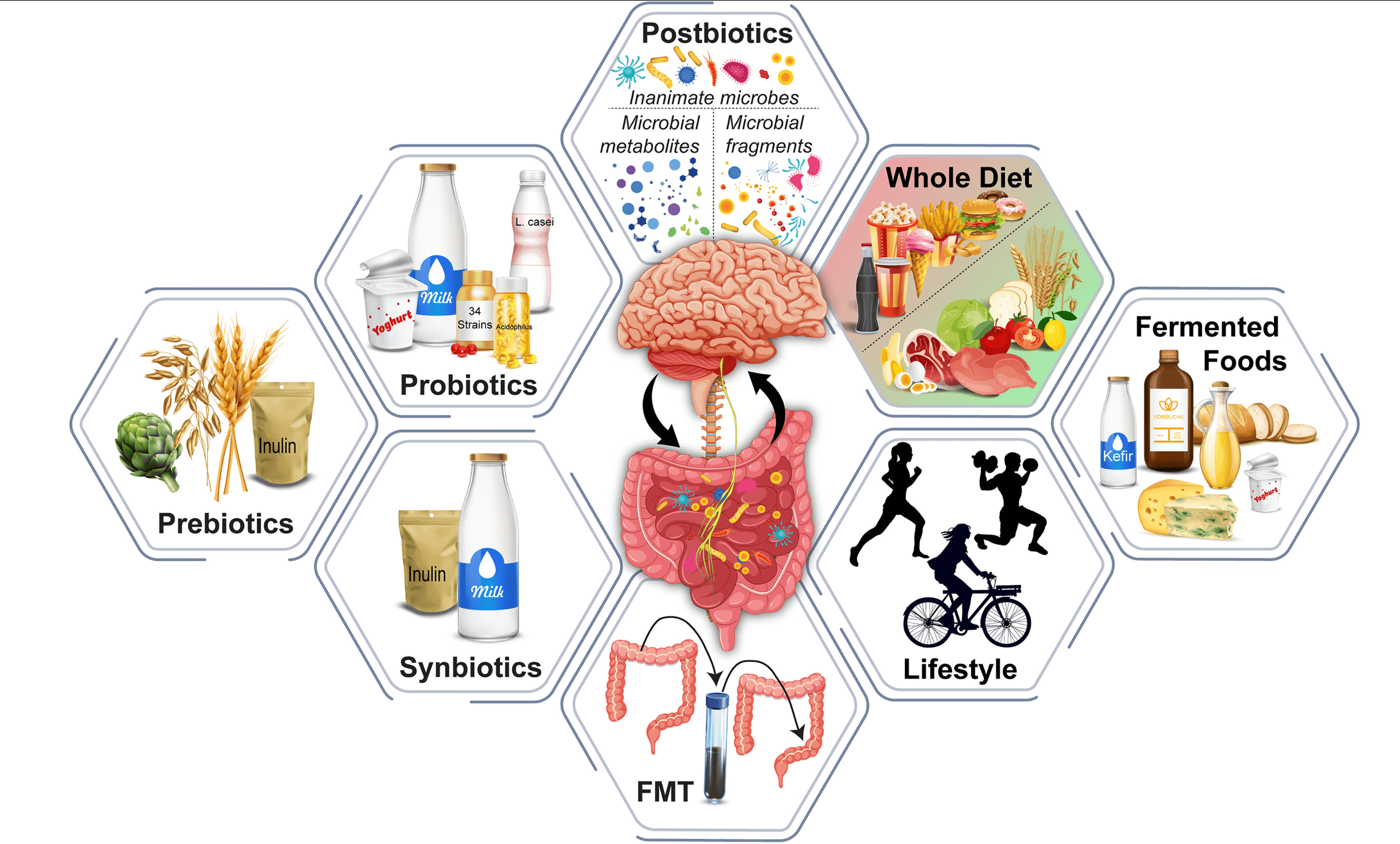
The gut microbiomeover 100 trillion microorganisms, communicates with the brain via the gut–brain axis, influencing mood, cognition, immunity, and stress regulation. Dysbiosis is linked to depression, anxiety, autism spectrum disorders, and neurodegenerative diseases, emphasizing its critical role in mental and neurological health.
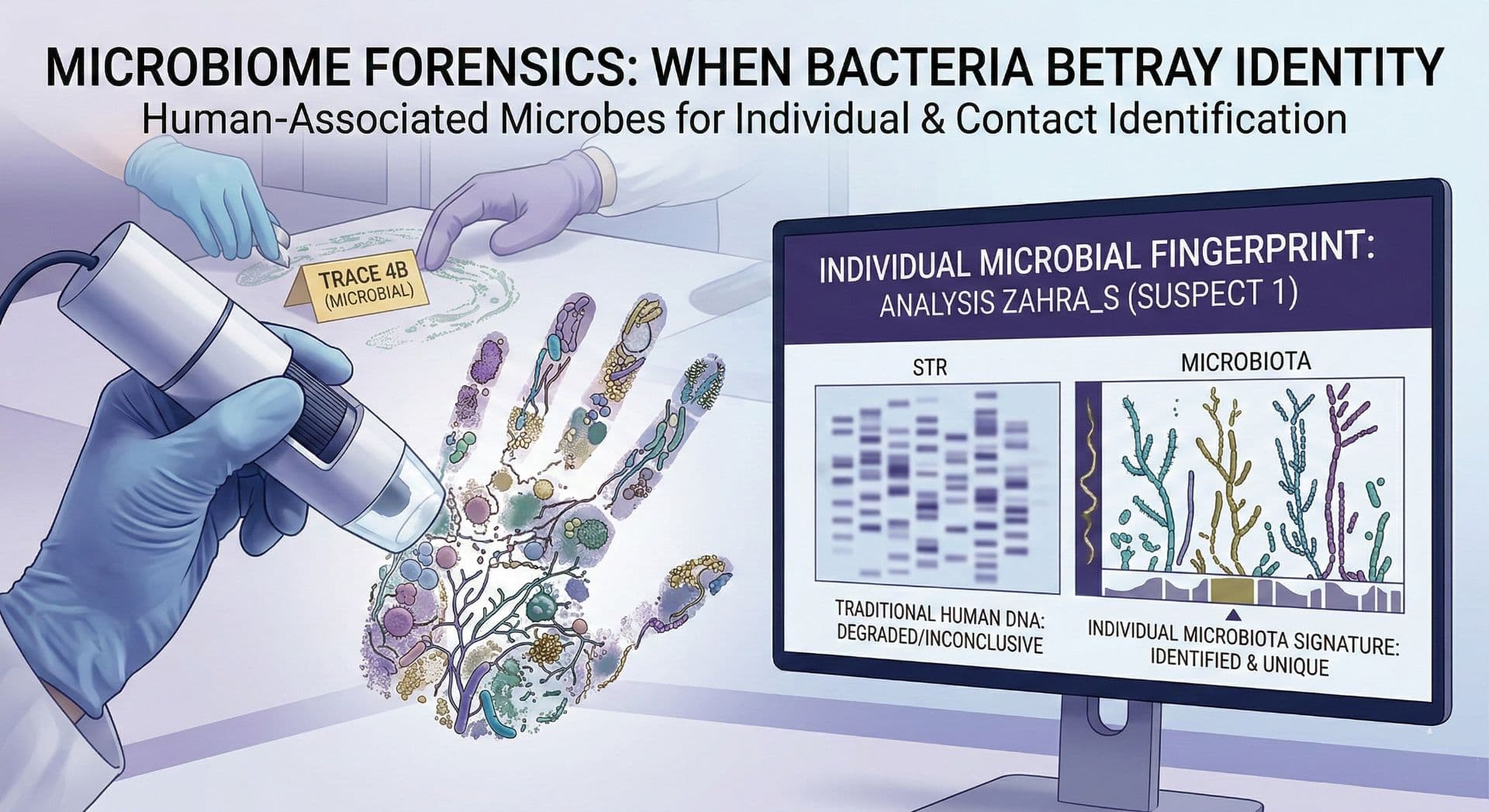
Traditionally, Forensic Science relies on Human DNA for contact evidence and individual identification, but limitation arises when the blood cells obtained from the crime scene are degraded or not.
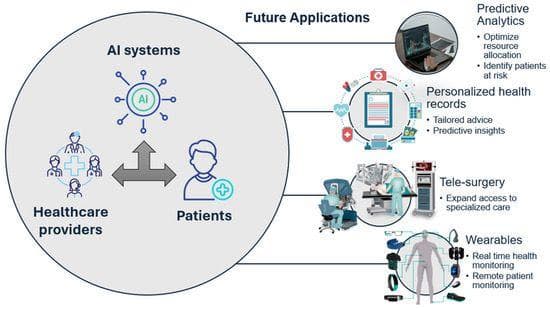
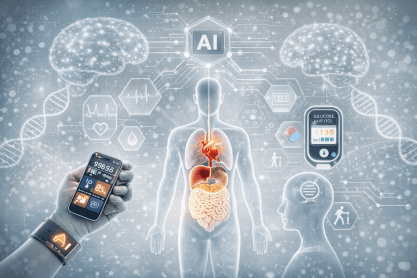
Healthcare is changing faster than ever before. Thanks to breakthroughs in artificial intelligence (AI), genomics, and wearable technology, medicine is entering the era of smart health, where data, devices, and biology work together to create care tailored to the individual.
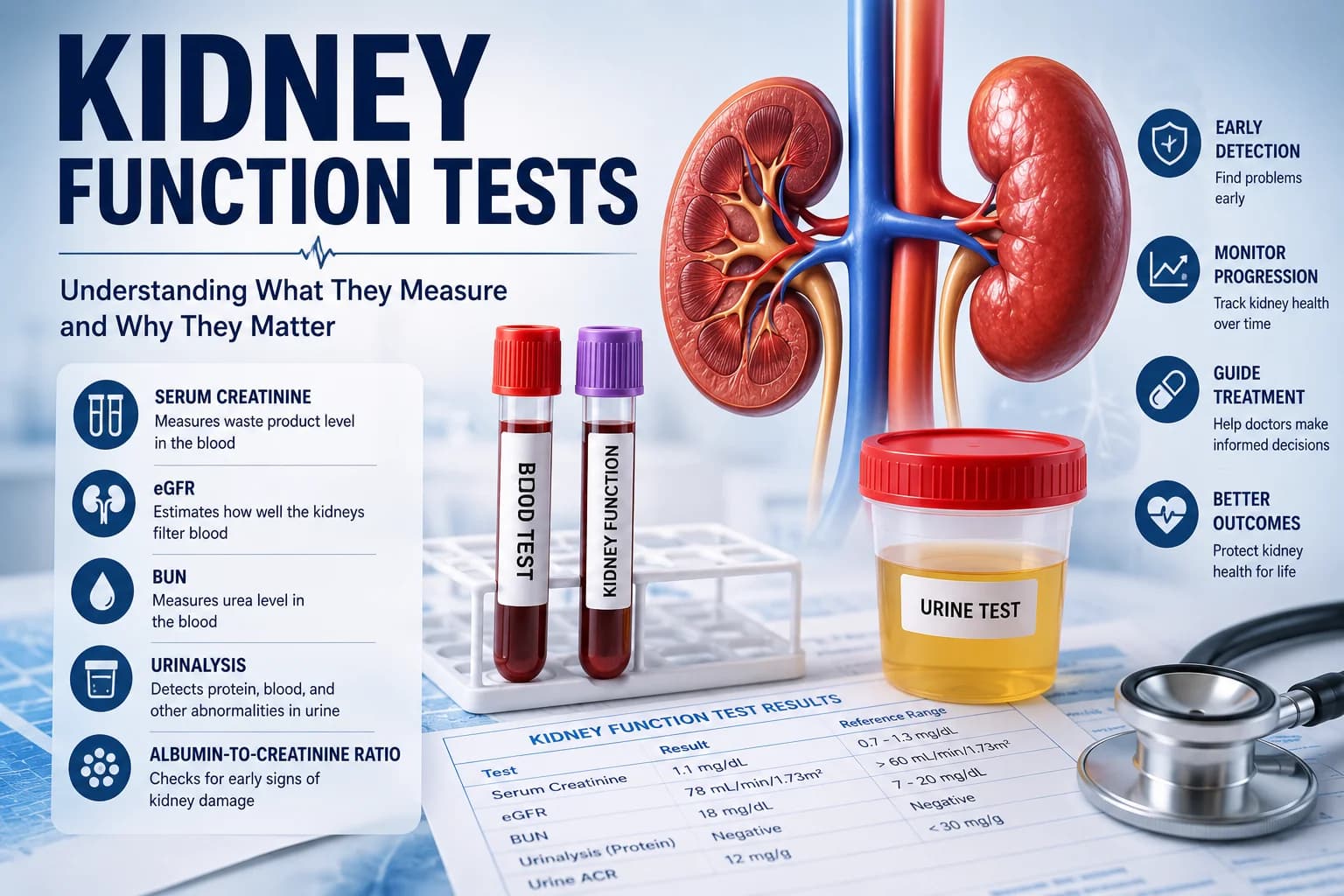
See what kidney function tests measure, including creatinine, eGFR, and urinalysis. Discover how these tests help detect kidney disease and monitor kidney health.
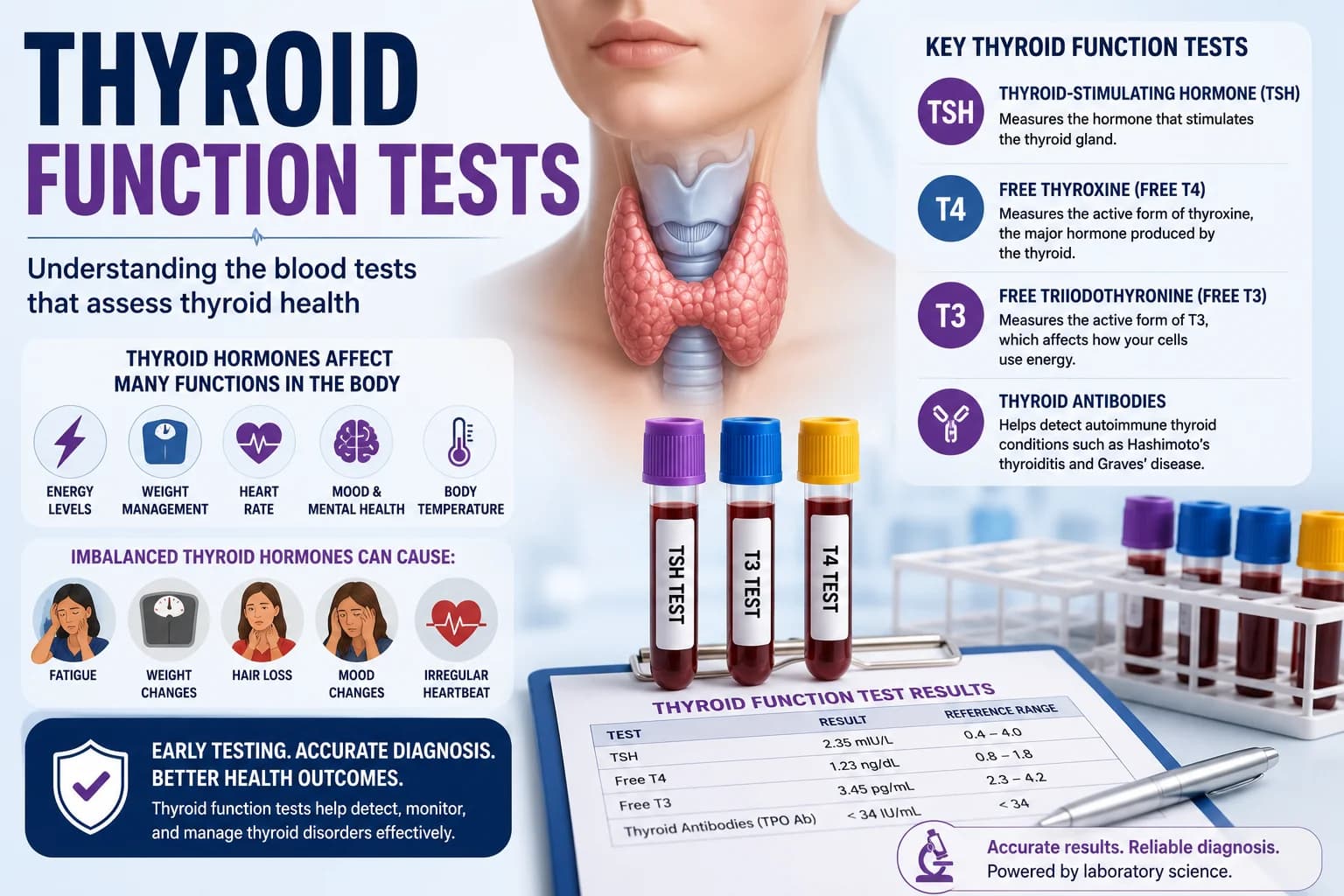
See what thyroid function tests measure, including TSH, Free T3, and Free T4. Learn how these blood tests diagnose thyroid disorders and monitor thyroid health.
Artificial Intelligence AI with it’s widespread use in various sectors has also taken a dive into healthcare by transforming clinical practice and improving patient care.
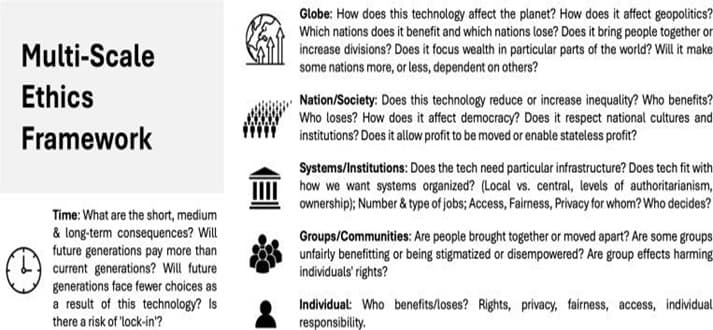
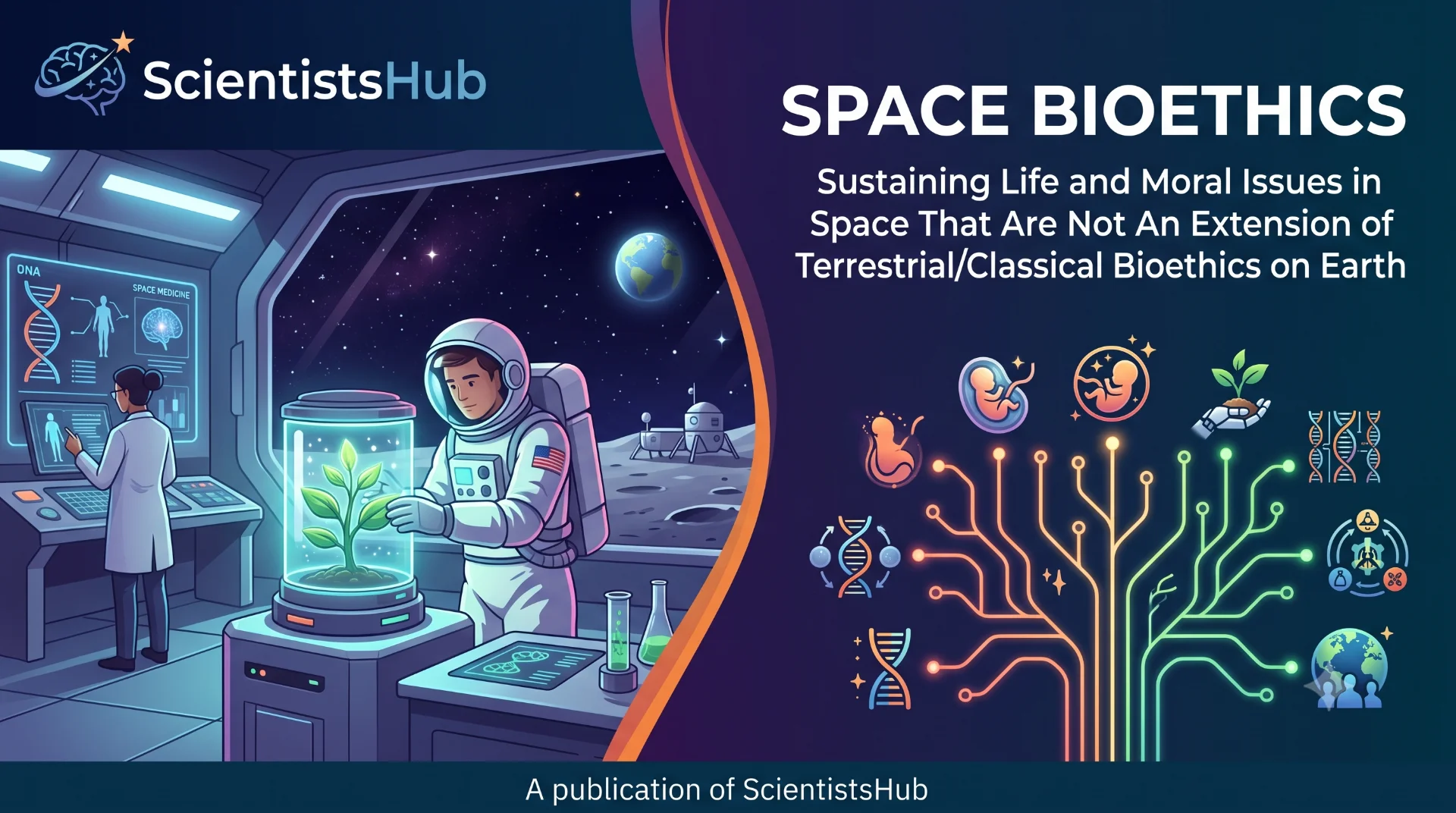
What is being explored in this article is about space bioethics. As stated above, space bioethics is about addressing moral issues of sustaining life in space but in a domain that is chartered
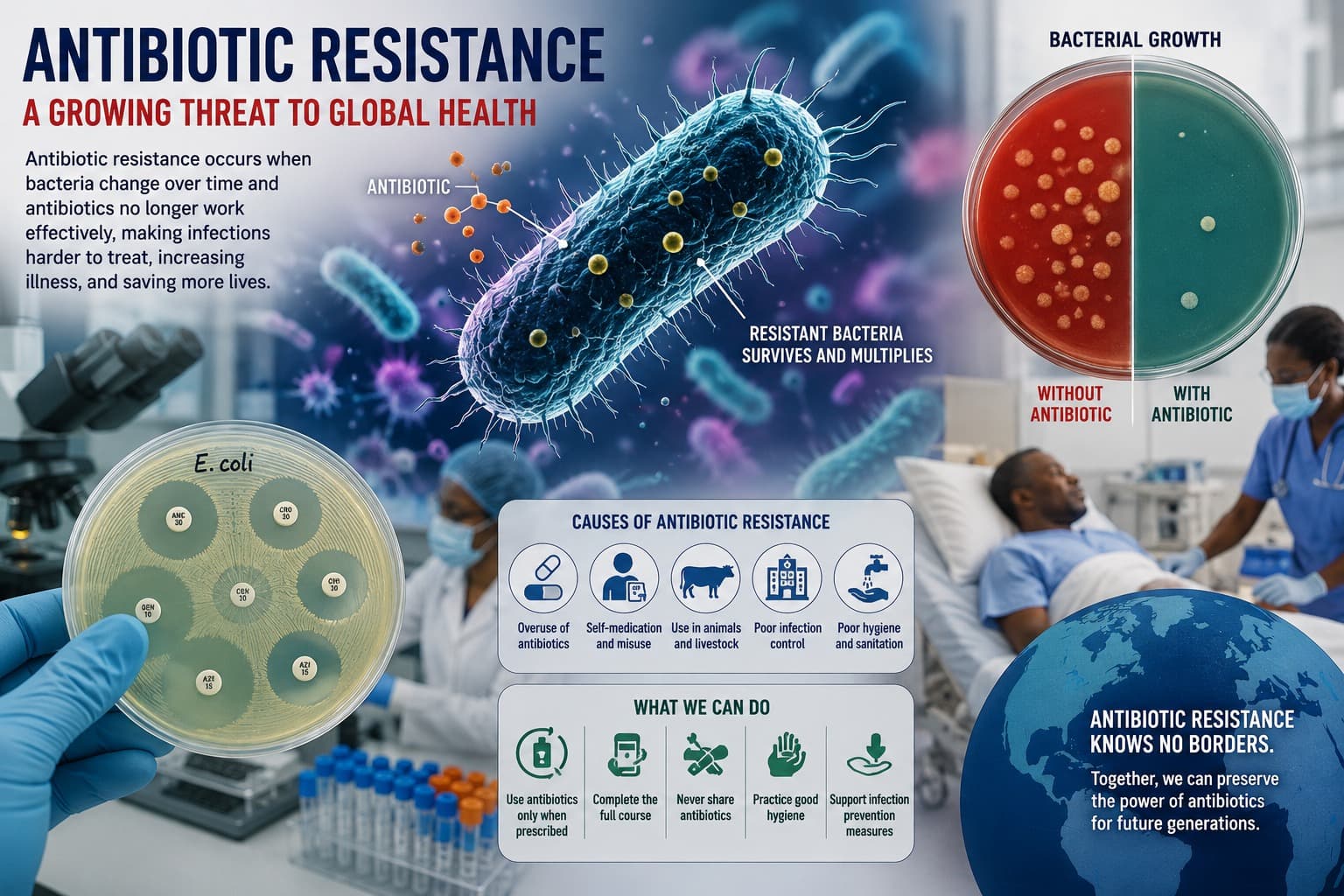
Antibiotic resistance is making common infections hard to treat. Learn why it happens, how it affects communities in Nigeria and beyond, and what we can do to protect these life-saving medicines.
This article aims to demystify the anatomy of a clinical trial protocol, peeling back the technical layers to reveal how scientific rigor is converted into medical progress. At ScientistsHub, we often ask: How do we ensure that a medical breakthrough is not just a stroke of luck, but a repeatable, verifiable victory for human health? The answer is found in the design. To truly appreciate the result of any trial, one must first master the architecture of the inquiry.
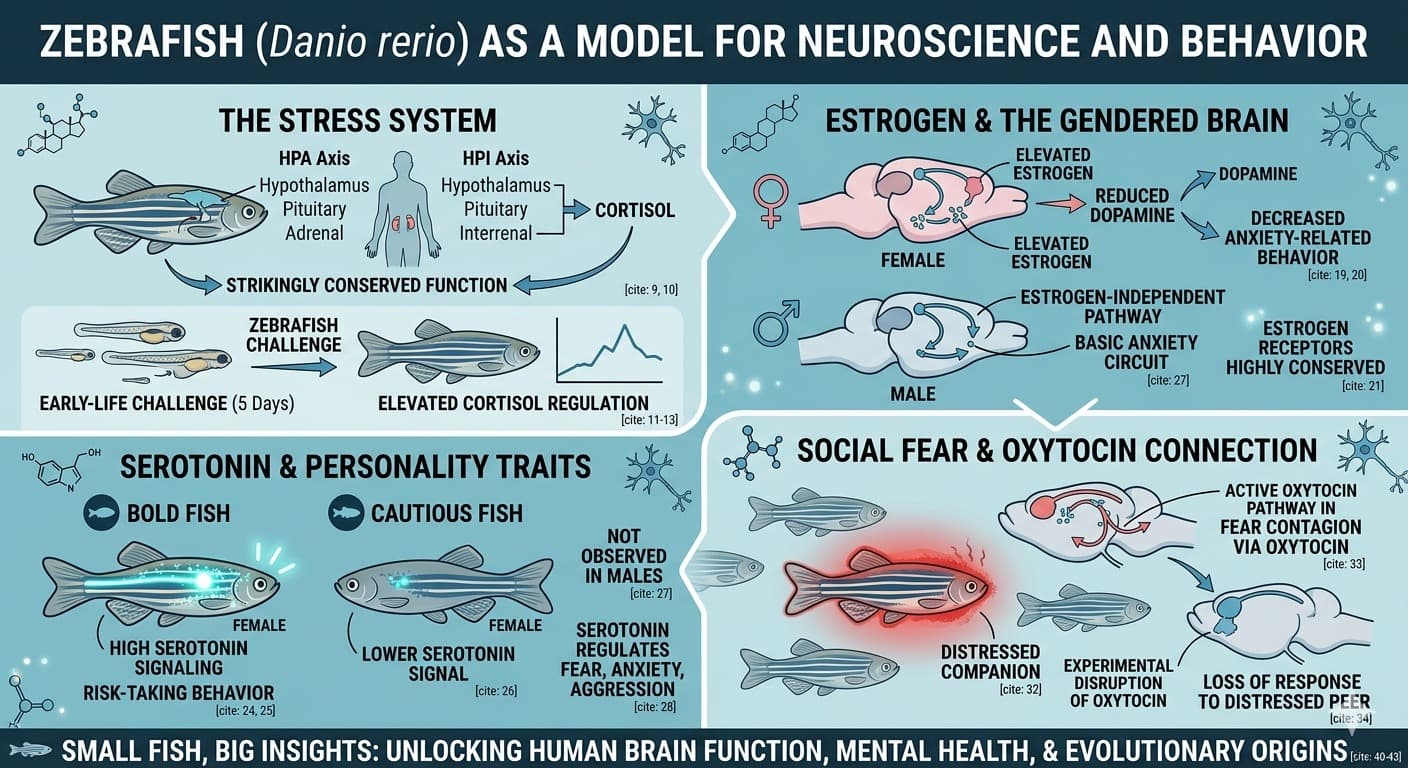
What if one of the most powerful models for understanding the human brain were less than an inch long, transparent, and living in a small tank? Meet Danio rerio, the zebrafish.
Can algorithms predict sickness before you feel it? Explore how AI is using smartwatch data and ECGs to detect diseases like Alzheimer's and AFib early.
According to a study, sleeping in a dark room works wonders for your heart. During sleep, ambient light can put stress on the brain that causes arterial inflammation, which may again lead to a stroke or heart attack. Let us delve into and explore the study further.
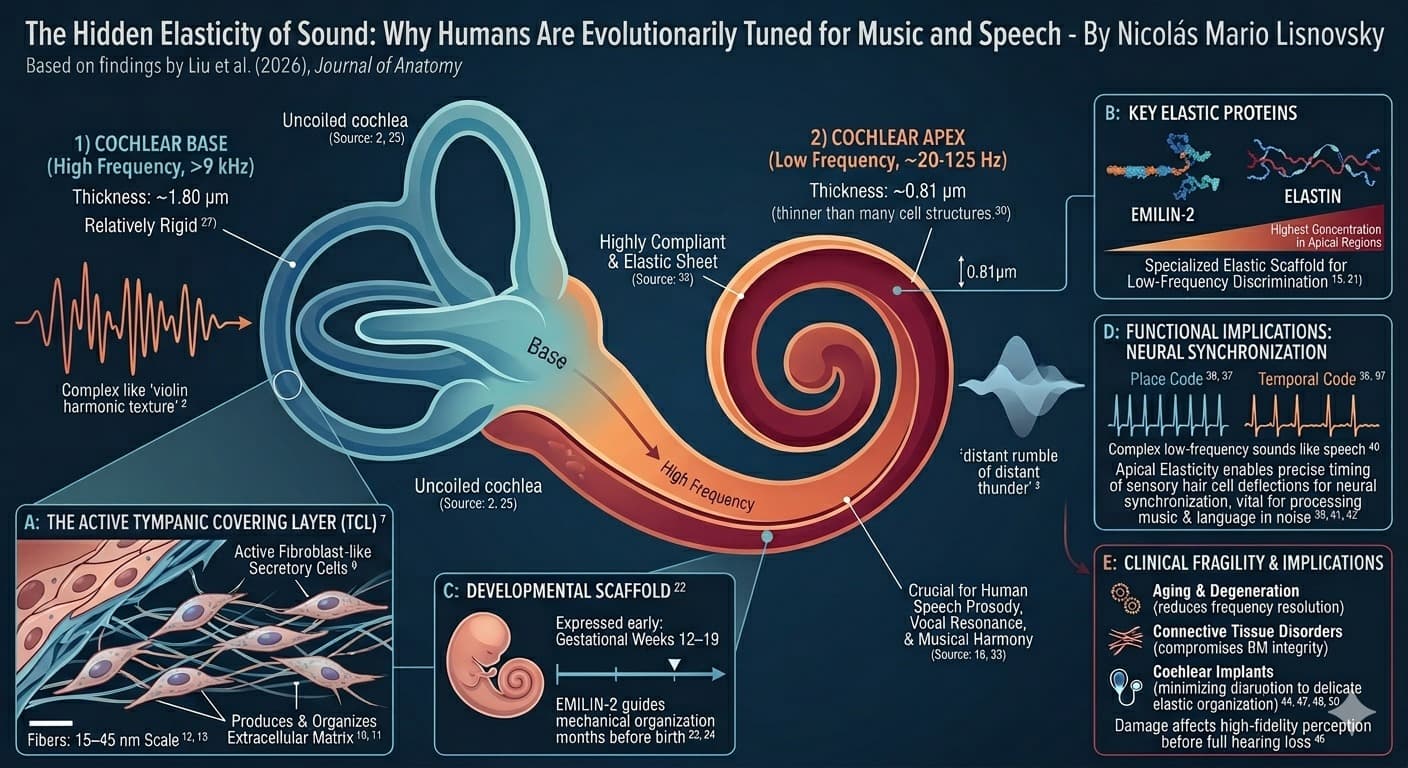
The human ear is often described as one of the most sophisticated sensory systems in biology. Within a structure no larger than a seashell, the auditory system can detect frequencies ranging from the faint rumble of distant thunder to the subtle harmonic texture of a violin string
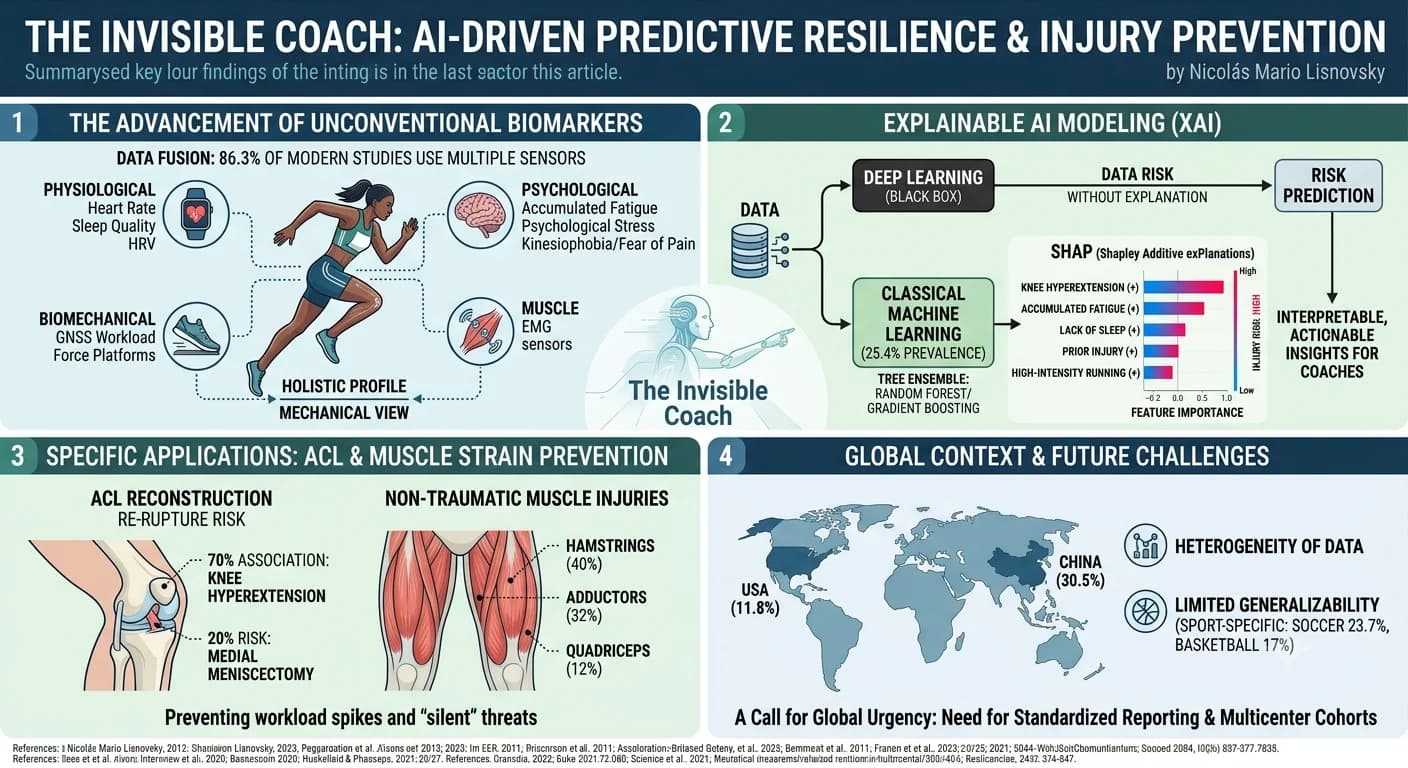
For the elite athlete, an injury is more than a clinical setback, it is an existential interruption. The pursuit of physical excellence has long been haunted by the inherent fragility of the human frame, where a single ligament tear or a chronic strain can dismantle years of disciplined optimization. Historically