Health & Medicine
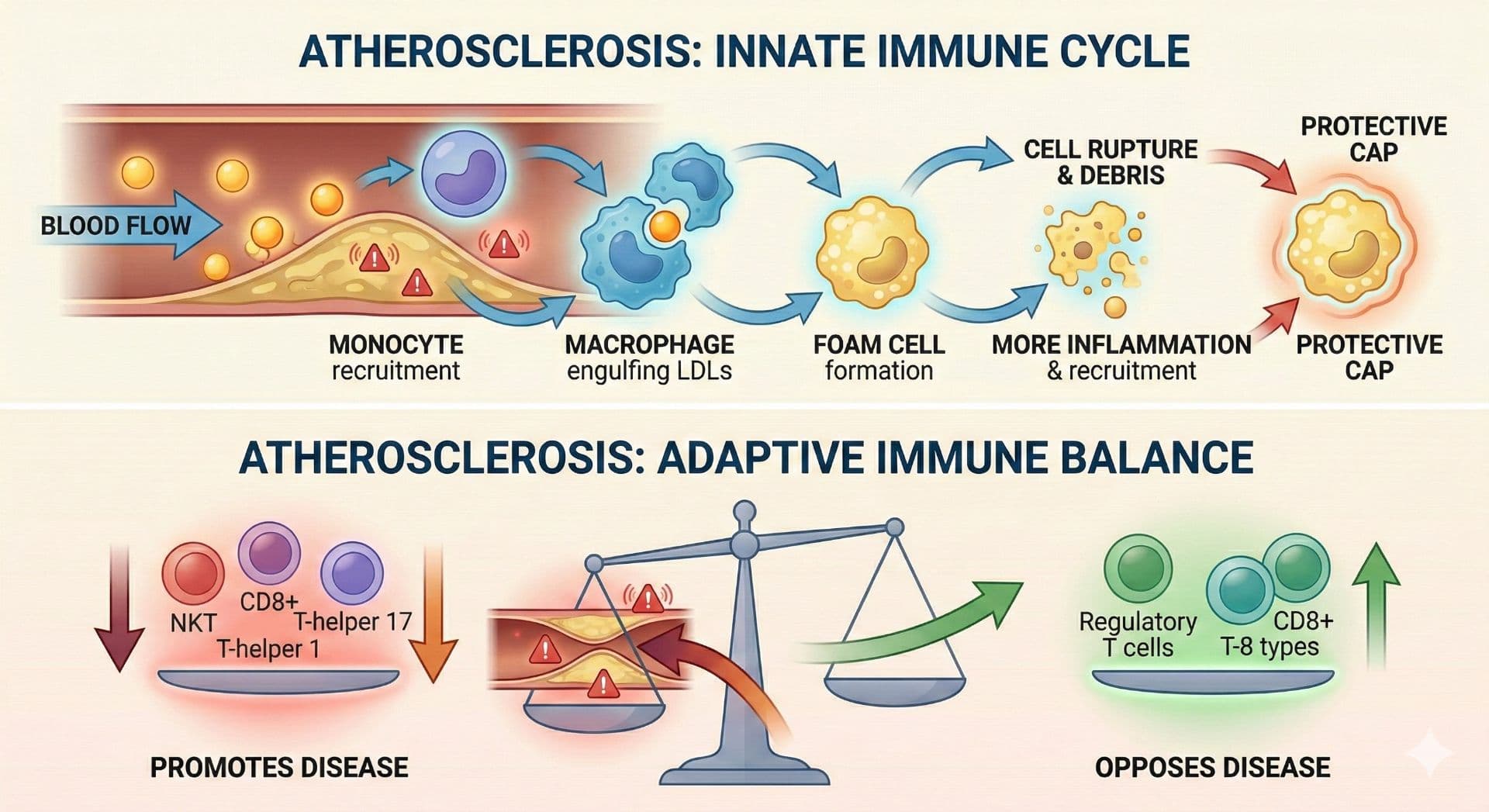
Atherosclerosis and its Role in the Immune System
Learn how the leading cause of death worldwide activates the immune system and how making a few lifestyle changes can decrease your risk of severe chronic disease.
Showing results for: "immunity" (38 results)
Learn how the leading cause of death worldwide activates the immune system and how making a few lifestyle changes can decrease your risk of severe chronic disease.
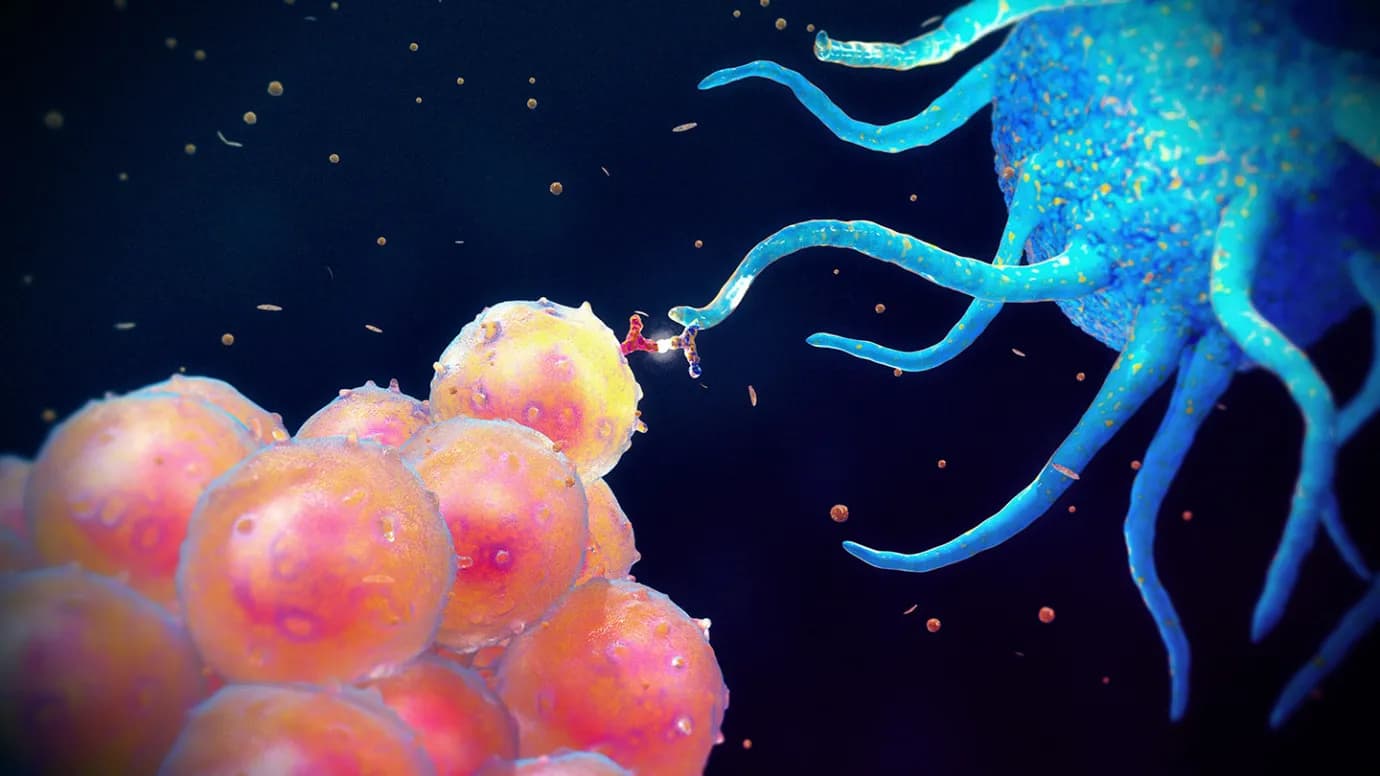
Discover how antigen-presenting cells like dendritic cells and macrophages are being recruited through smart particle design for vaccines and immunotherapy.
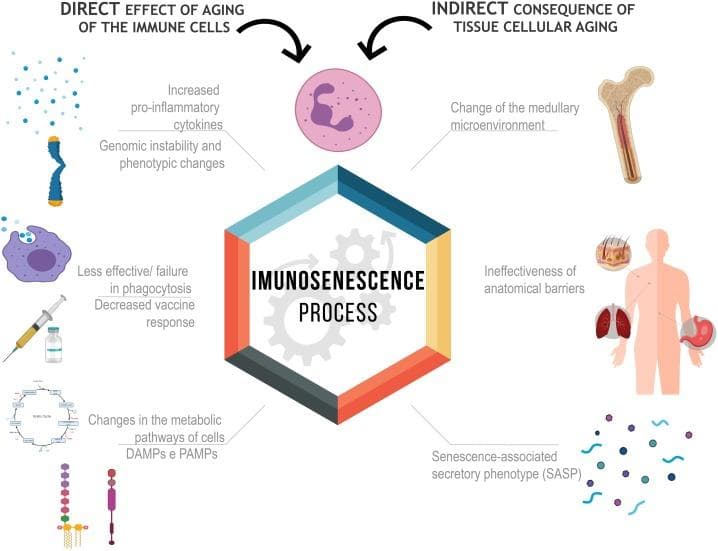
Ageing is accompanied by a gradual decline in physiological functions, among which deterioration of the immune system termed immunosenescence—has profound implications for human health.
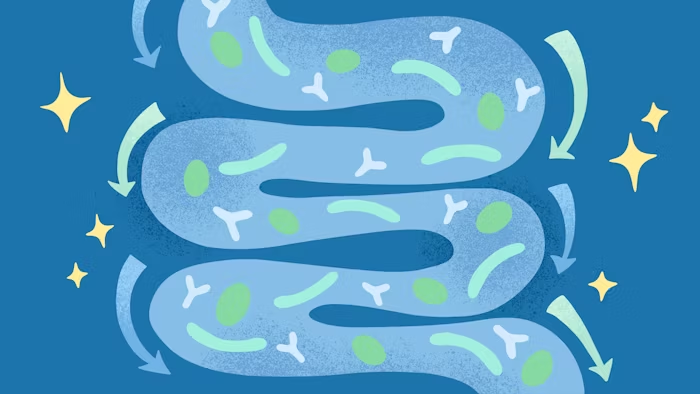
Bacterial lysates and postbiotics can train your immune system to prevent respiratory infections. Here is why they matter in the era of antibiotic resistance.
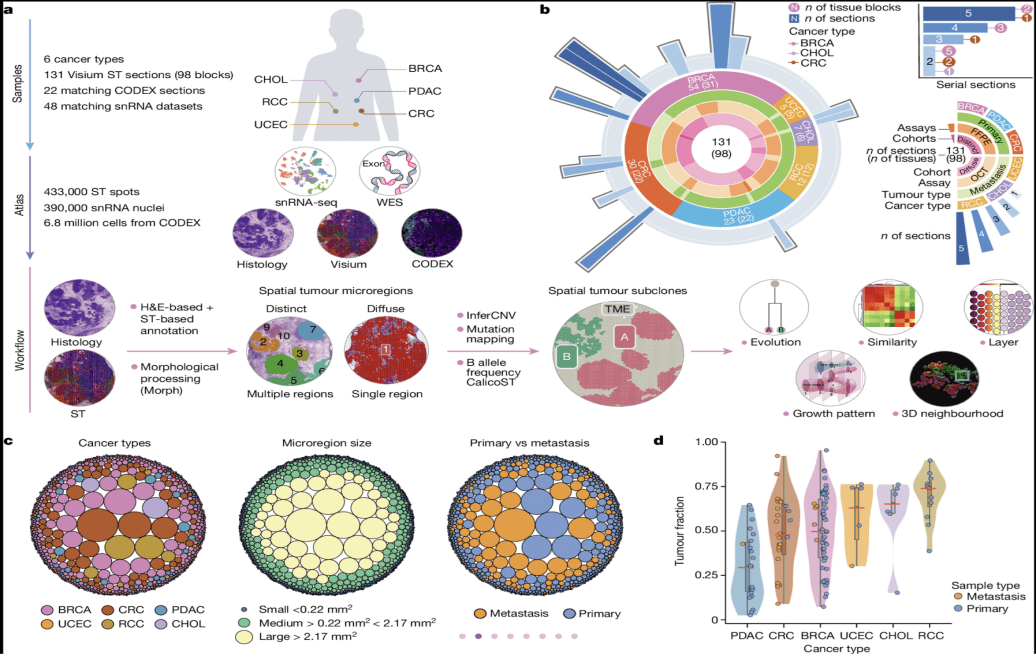
The tumor microenvironment (TME) is a complex and dynamic ecosystem composed of malignant cells, immune infiltrates, stromal elements, and vascular components that collectively influence tumor initiation, progression, immune escape, and therapeutic response. Traditional bulk transcriptomic approaches obscure this complexity by averaging gene expression across heterogeneous cell populations.
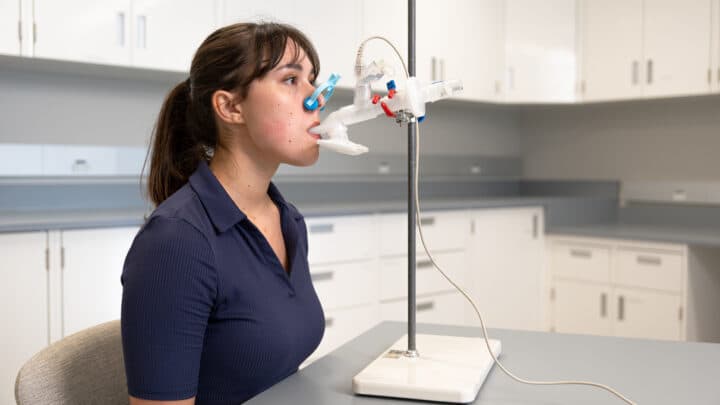
Inhalable vaccines trigger powerful mucosal immunity where pathogens enter the body, offering needle-free protection against respiratory diseases.

Drug repurposing is reshaping medicine. Discover how changing a drug's route of administration — not the molecule itself — can unlock new therapeutic potential.

In Sci-fi visions of distant futures, some imagine sprawling intergalactic civilizations. Scaffolds built around stars harvesting their energy. Fusion reactors, cyborgs, superintelligent implants. But the future of artificial bones, though perhaps more mundane, could be a life saving science.
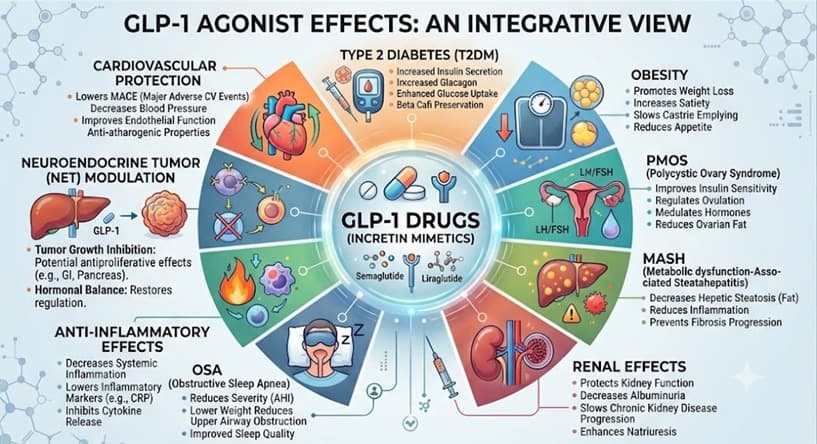
Explore the multi-organ cellular mapping of GLP-1 receptor agonists. Discover how GLP-1RAs act as a systemic shield across T2DM, obesity, PMOS, MASH and so on.
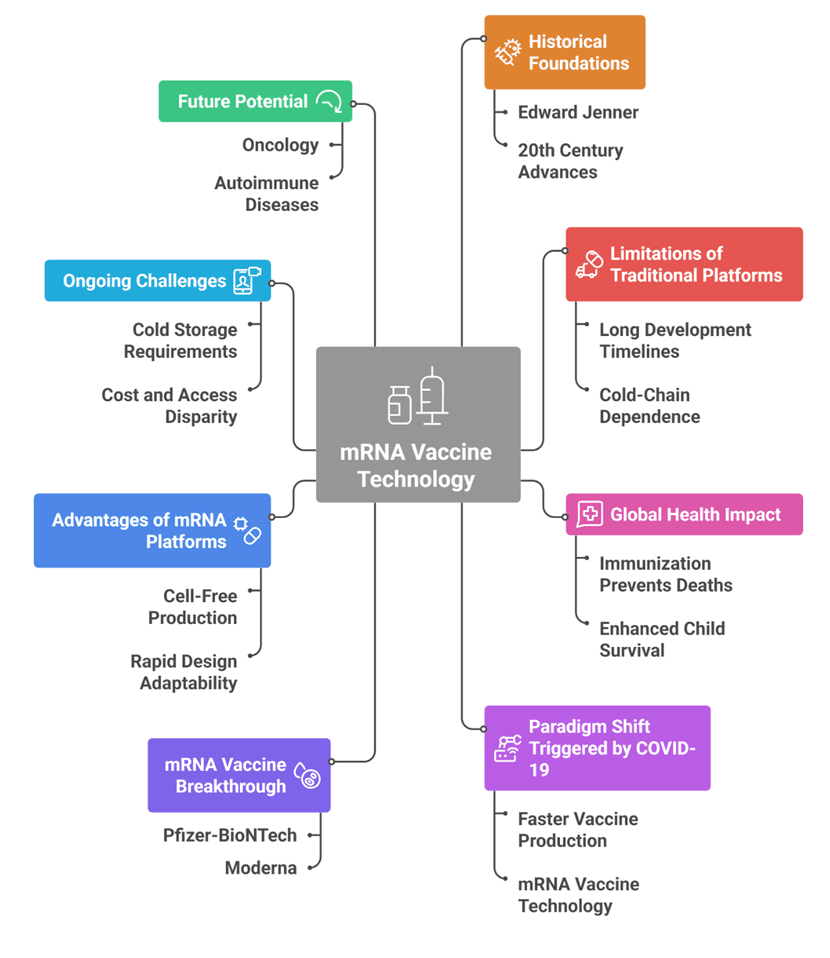
Messenger RNA (mRNA) vaccines represent one of the most significant scientific advances in modern therapeutics. Unlike conventional vaccines that use weakened or inactivated pathogens, mRNA vaccines deliver genetic instructions that enable host cells to synthesize a target antigen and stimulate an immune response.
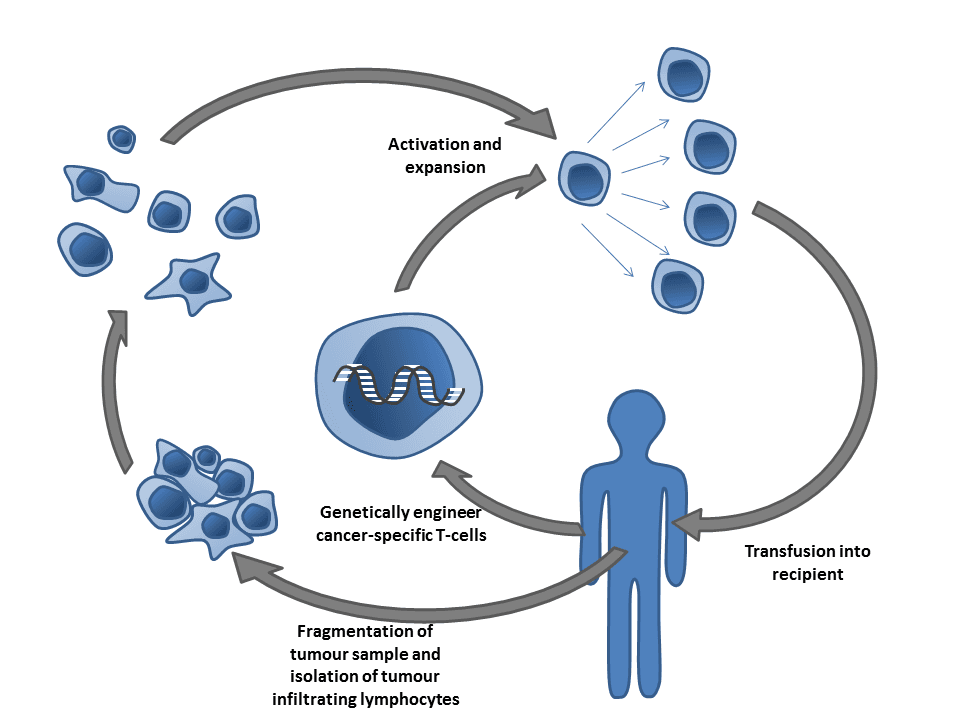
Cell and gene therapies represent a seismic shift in healthcare. They promise to cure the incurable, restoring sight to the blind and erasing cancer from the blood. But this frontier is wild. It comes with biological price tags, potential genetic misfires, and a regulatory landscape that is still being mapped.
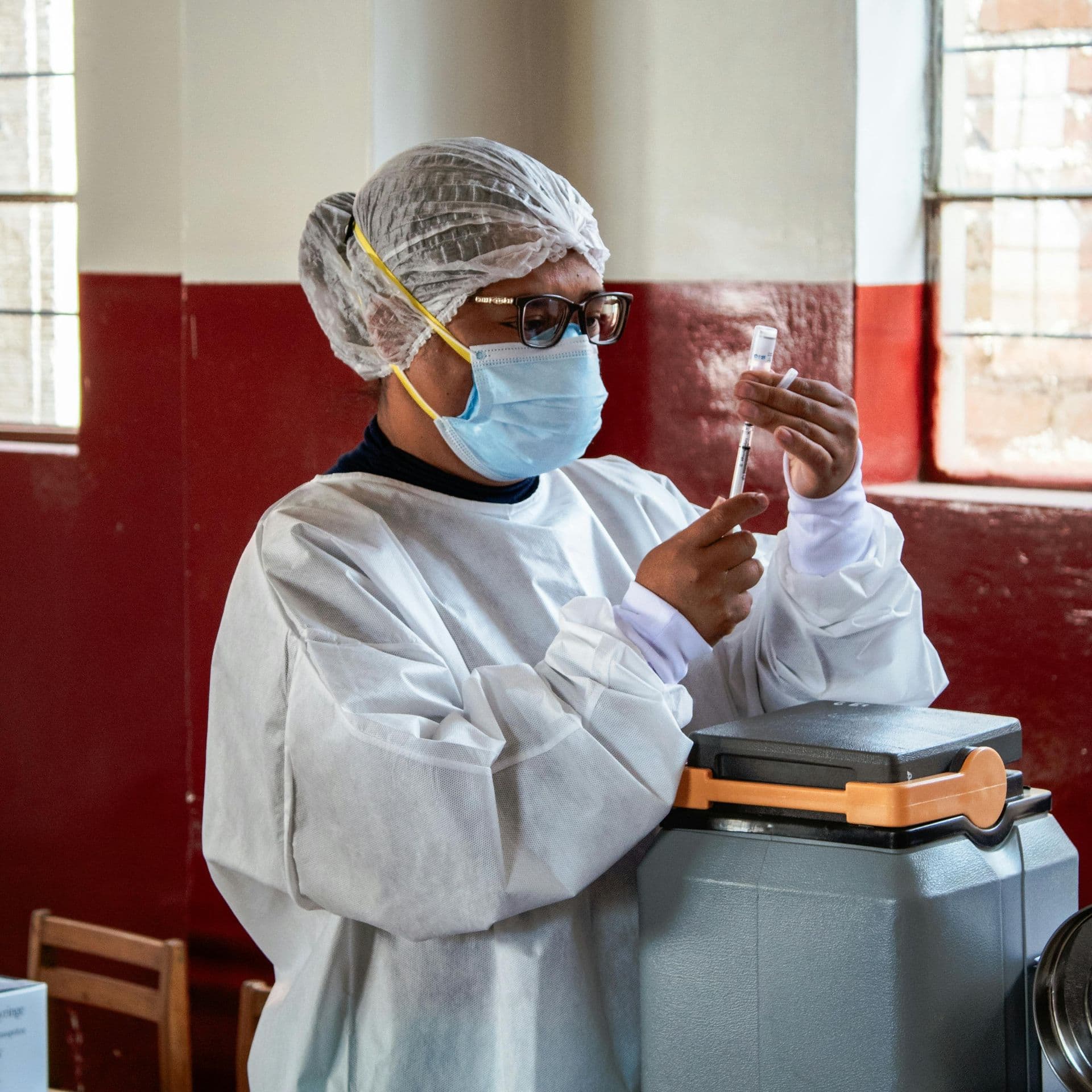
Vaccines need precise temperature control to work but maintaining the cold chain wastes half of all doses globally. New thermostable formulations could change everything.
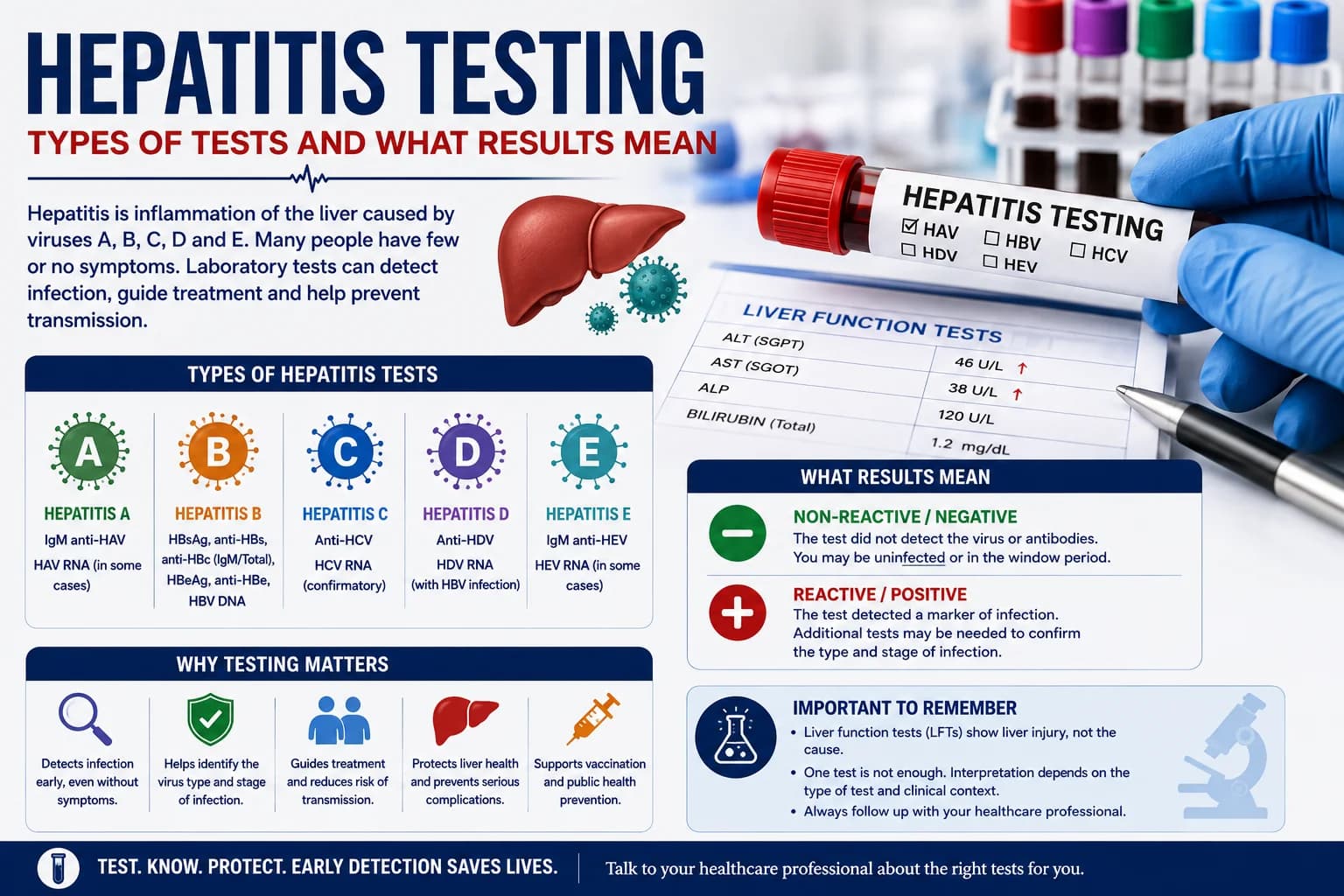
Talk about hepatitis testing, including blood tests for hepatitis A, B, C, D and E, common markers, liver tests, and what positive or negative results mean.
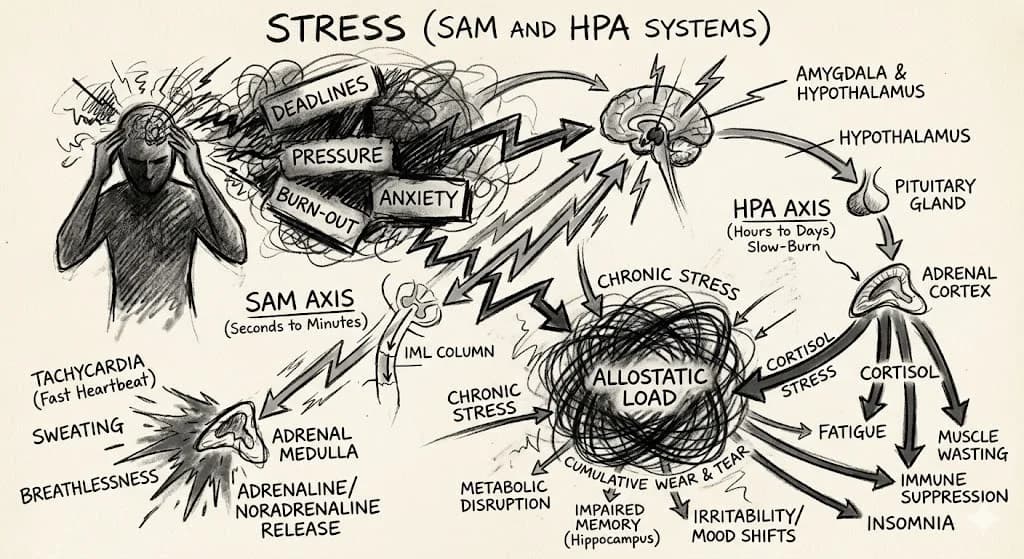
What does stress actually do to your body? Explore the neurobiology of the survival response, from the immediate SAM axis to the the HPA axis, and learn how to restore your biological equilibrium.
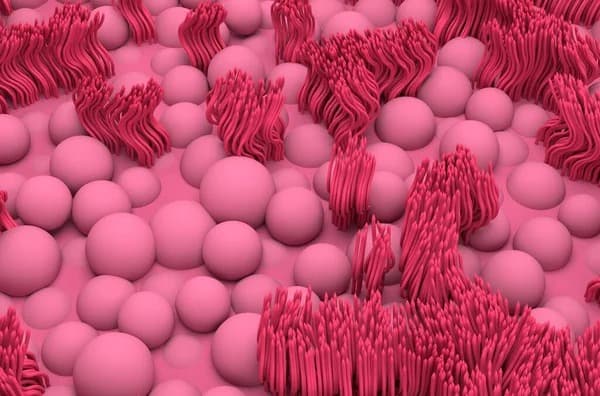
Why is mucus the biggest obstacle to lung drug delivery? Explore the mucosal barrier science reshaping how we design inhaled medicines and vaccines.
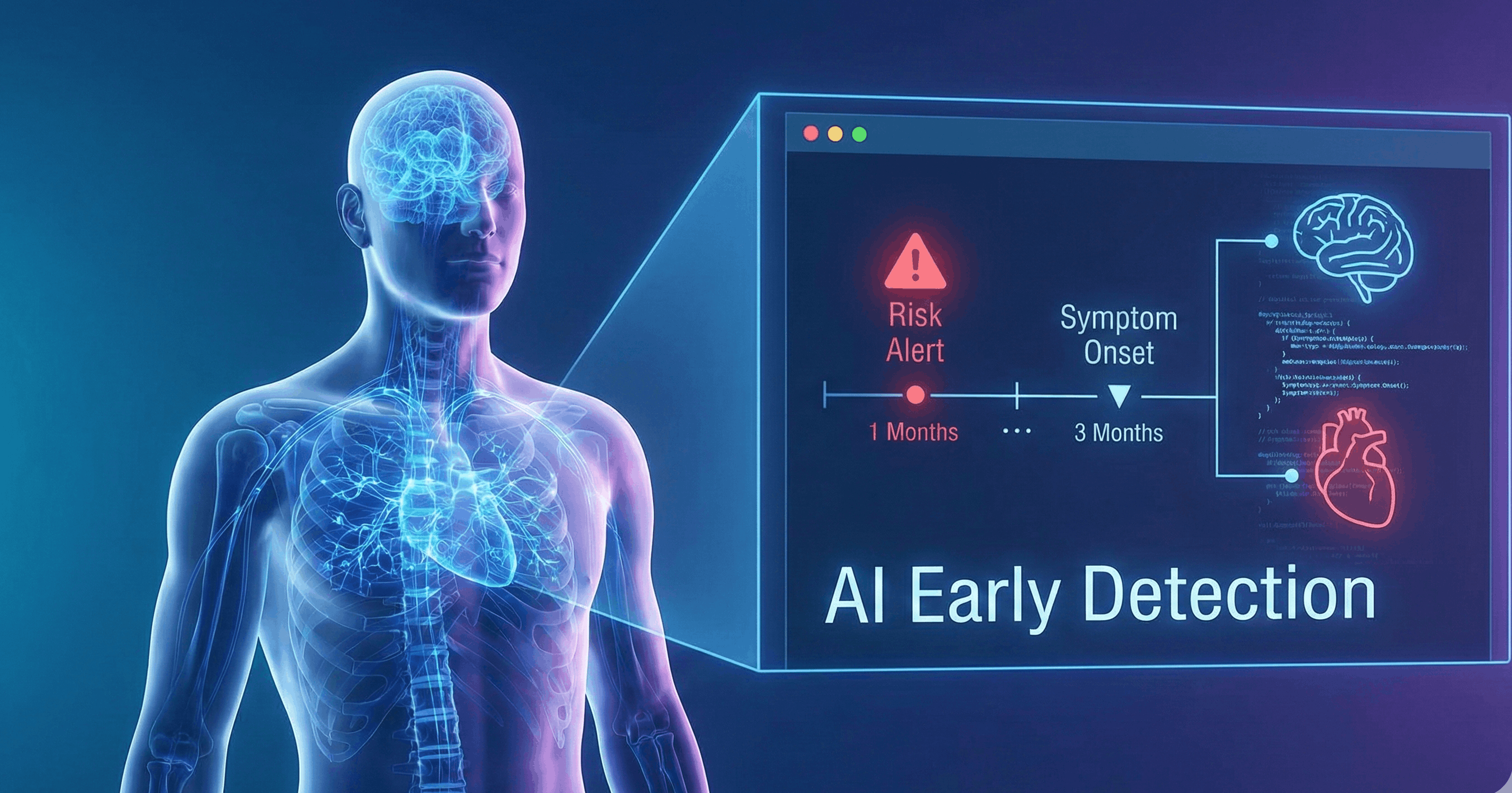
Modern healthcare is undergoing a silent revolution. Now to treat a disease in the healthcare system, there is no longer a need to wait for symptoms to appear.

Wound healing is a complex and dynamic biological process that occurs through four overlapping phases: hemostasis, inflammation, proliferation, and maturation. To repair tissue damage, the body works intensively, thereby significantly increasing cellular metabolic demands.
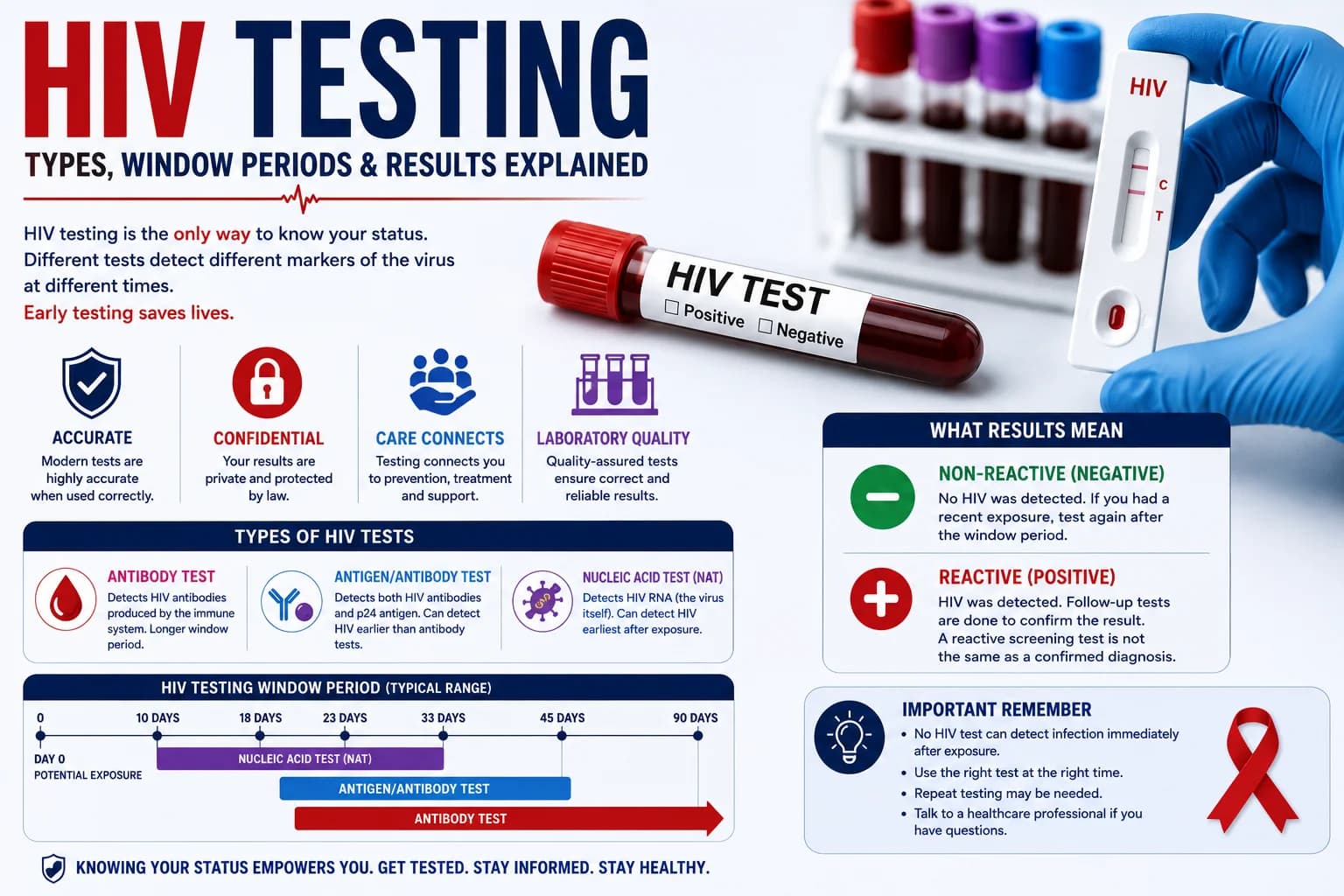
HIV testing is the process of determining whether a person has been infected with human immunodeficiency virus. Depending on the test, HIV testing can detect antibodies produced by the immune system, the HIV p24 antigen, or HIV RNA. Different tests have different detection window periods, and a reactive screening result requires appropriate follow-up testing before an HIV diagnosis is established.
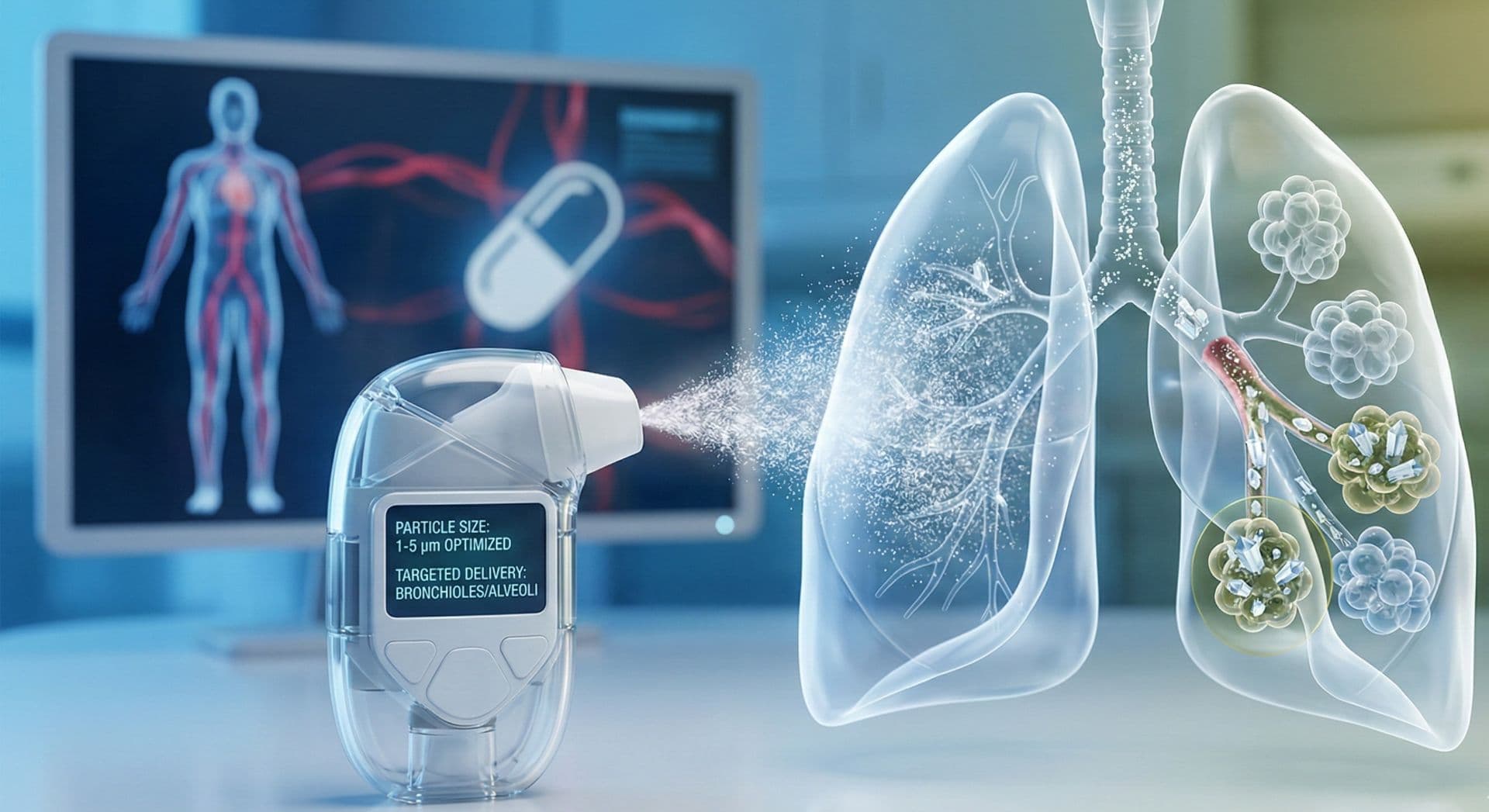
Inhaled antibiotics deliver drugs directly to lung infections, achieving better results with fewer side effects, which is a game-changer in fighting resistance.

Natural polysaccharides like locust bean gum and chitosan are replacing lactose as safer, more effective carriers for inhaled medications and vaccines.
