
Introduction
You can have viral hepatitis without knowing it.
Many people with hepatitis have few or no noticeable symptoms, particularly during the early stages of infection. When symptoms do occur, they may include fatigue, nausea, abdominal discomfort, dark urine, or jaundice (the yellowing of the skin and eyes).
These symptoms are not specific enough to tell which type of hepatitis a person has. Laboratory testing is therefore essential for identifying infection and guiding appropriate care.
Hepatitis refers to inflammation of the liver. Although several conditions can cause it, five major viruses are responsible for most viral hepatitis worldwide: hepatitis A, B, C, D, and E. These viruses differ in how they spread, whether they can cause chronic infection, and which laboratory tests are needed to detect them.
Understanding hepatitis testing can help people make sense of blood test results and appreciate the important role medical laboratories play in diagnosing liver infections.
What Is Hepatitis?
Hepatitis simply means inflammation of the liver. Viral infections are among the most important causes, but hepatitis can also result from alcohol, certain medicines or toxins, autoimmune diseases, and other conditions.
The five major hepatitis viruses are known as HAV, HBV, HCV, HDV, and HEV. Hepatitis A and E are commonly transmitted through contaminated food or water, whereas hepatitis B, C, and D are primarily associated with exposure to infected blood or other body fluids.
The clinical course also varies. Hepatitis A does not normally cause chronic liver infection, while hepatitis B and C can become chronic and contribute to cirrhosis and liver cancer. Hepatitis D occurs in people who are infected with hepatitis B because HDV depends on HBV for replication.
Because these infections behave differently, there is no single blood test that diagnoses every form of viral hepatitis.
Why Is Hepatitis Testing Important?
A person cannot reliably determine whether they have viral hepatitis based on symptoms alone.
For example, acute hepatitis A, B, and E can produce similar symptoms, while some people with viral hepatitis may have no obvious symptoms at all.
WHO notes that hepatitis B cannot be differentiated from other viral hepatitis on clinical grounds alone, making laboratory confirmation essential.
Testing can therefore serve several purposes:
Detecting an infection
Identifying the specific hepatitis virus involved
Distinguishing recent from previous infection in some circumstances
Determining whether a person has immunity
Identifying chronic infection
Assessing viral replication when molecular testing is indicated
Guiding treatment and follow-up
Supporting prevention of transmission
The laboratory is particularly important because hepatitis diagnosis often depends on detecting viral antigens, antibodies, or viral genetic material rather than relying on symptoms alone.
What Tests Are Used for Hepatitis?
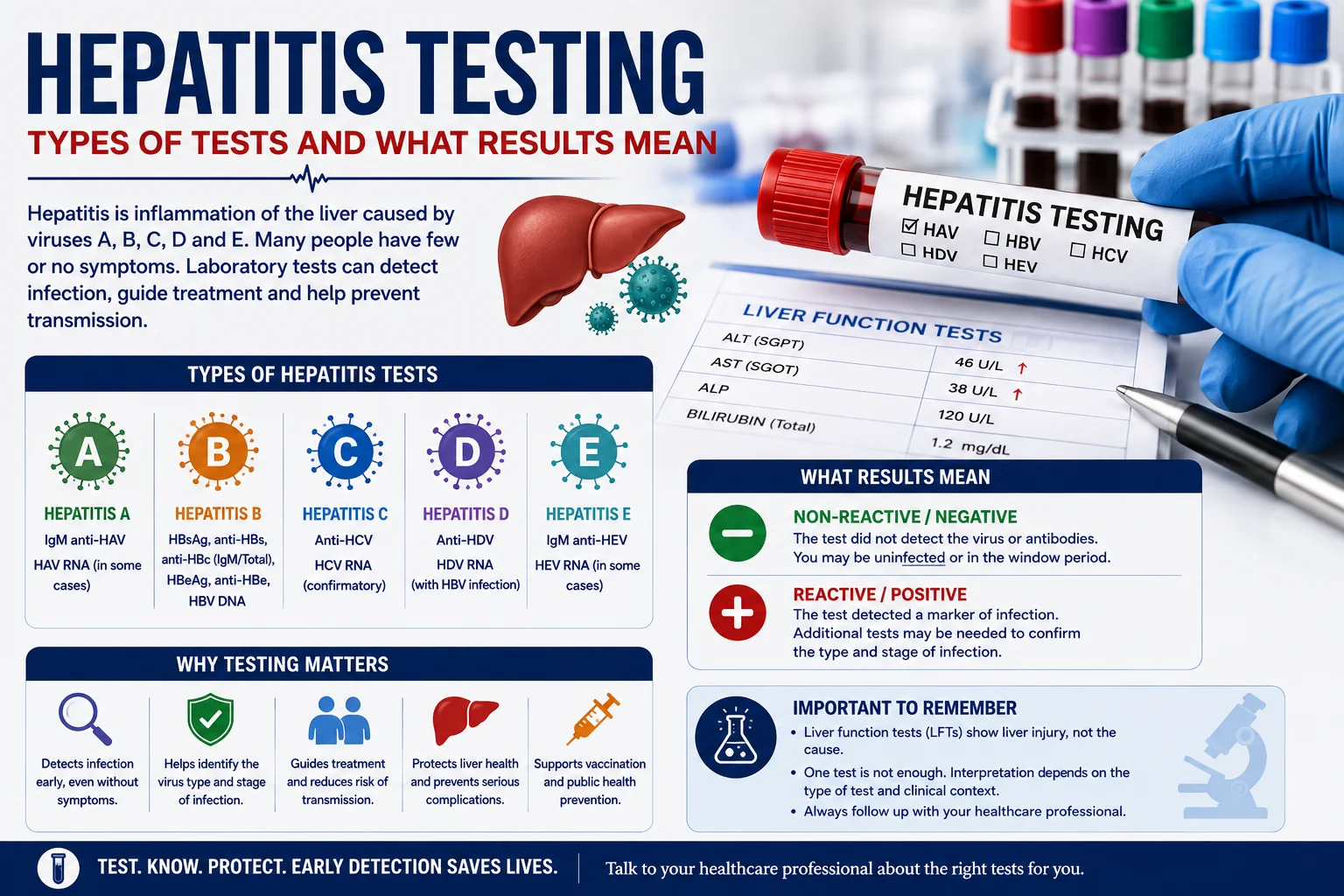
The exact test depends on the virus being investigated. Some tests detect antibodies, which are proteins produced by the immune system in response to infection. Others detect viral antigens, which are components of the virus itself. Molecular tests can detect the virus's genetic material.
The major approaches include serological and nucleic acid testing. CDC provides separate laboratory testing guidance for hepatitis A, B, C, D, and E because each virus requires a different diagnostic approach.
Hepatitis A Testing
Hepatitis A is caused by the hepatitis A virus (HAV) and generally produces an acute infection rather than chronic liver disease.
The principal laboratory test used to diagnose acute hepatitis A is the detection of IgM antibodies against HAV (IgM anti-HAV) in blood. The presence of these antibodies supports a recent or current infection.
In some circumstances, molecular testing can also detect HAV RNA using reverse-transcription polymerase chain reaction (RT-PCR). This can be particularly useful in specialized laboratory settings or for investigating infections at an early stage.
It is important to distinguish testing for acute infection from tests that indicate previous exposure or immunity.
Hepatitis B Testing
Hepatitis B is one of the most important areas of hepatitis serology because several markers are used together to understand a person's infection status.
The main markers include:
HBsAg - hepatitis B surface antigen
Anti-HBs - antibody against hepatitis B surface antigen
Total anti-HBc - total antibody against hepatitis B core antigen
IgM anti-HBc - IgM antibody against hepatitis B core antigen
HBeAg - hepatitis B e-antigen
Anti-HBe - antibody against hepatitis B e-antigen
HBV DNA - viral genetic material detected by molecular testing
HBsAg is a key marker of current hepatitis B infection. Its persistence for at least six months is used to establish chronic HBV infection.
Anti-HBs can indicate immunity following vaccination or recovery from a previous infection, while anti-HBc indicates previous or current exposure to HBV. IgM anti-HBc is particularly useful when investigating recent or acute infection.
This is why a hepatitis B result should not be interpreted by looking at one marker in isolation. The combination of markers provides a much clearer picture.
For example, a person who is HBsAg-negative and anti-HBs-positive with no anti-HBc may have immunity resulting from vaccination, whereas a person with anti-HBs and anti-HBc may have recovered from a previous natural infection.
HBV DNA testing can provide additional information about viral replication and is important in clinical assessment and treatment-monitoring decisions.
Hepatitis C Testing
Hepatitis C is different from hepatitis B in an important diagnostic respect. Initial testing generally looks for antibodies against HCV, while detection of the virus itself requires an HCV RNA test.
A person who has been exposed to HCV may develop detectable anti-HCV antibodies. However, the presence of antibodies does not necessarily mean that the person currently has an active infection.
Antibodies can remain after an infection has been cleared or successfully treated. For this reason, a reactive anti-HCV antibody test is generally followed by HCV RNA testing when determining whether current infection is present.
CDC includes this antibody-to-RNA testing sequence in its hepatitis C diagnostic guidance. This distinction is an important lesson in laboratory medicine:
A screening result and a definitive assessment of current infection are not always the same thing.
Hepatitis D Testing
Hepatitis D, caused by hepatitis D virus (HDV), is unusual because it requires hepatitis B virus to complete its life cycle. As a result, hepatitis D infection occurs in people who are also infected with HBV.
Laboratory investigation may involve testing for antibodies to HDV and, where appropriate, molecular testing for HDV RNA. WHO's current consolidated hepatitis guidance includes testing strategies for hepatitis D alongside hepatitis B and C.
The relationship between HBV and HDV is clinically important because coinfection or superinfection can increase the risk of severe liver disease.
Hepatitis E Testing
Hepatitis E is caused by HEV and is commonly associated with contaminated food or water.
The principal laboratory approach for diagnosing acute hepatitis E is detection of IgM antibodies against HEV. Molecular testing using RT-PCR can also detect HEV RNA in blood or stool in appropriate circumstances.
Like hepatitis A, hepatitis E can present as an acute illness, and its symptoms can overlap with other causes of acute hepatitis. Laboratory testing is therefore important for establishing the specific diagnosis.
What About Liver Function Tests?
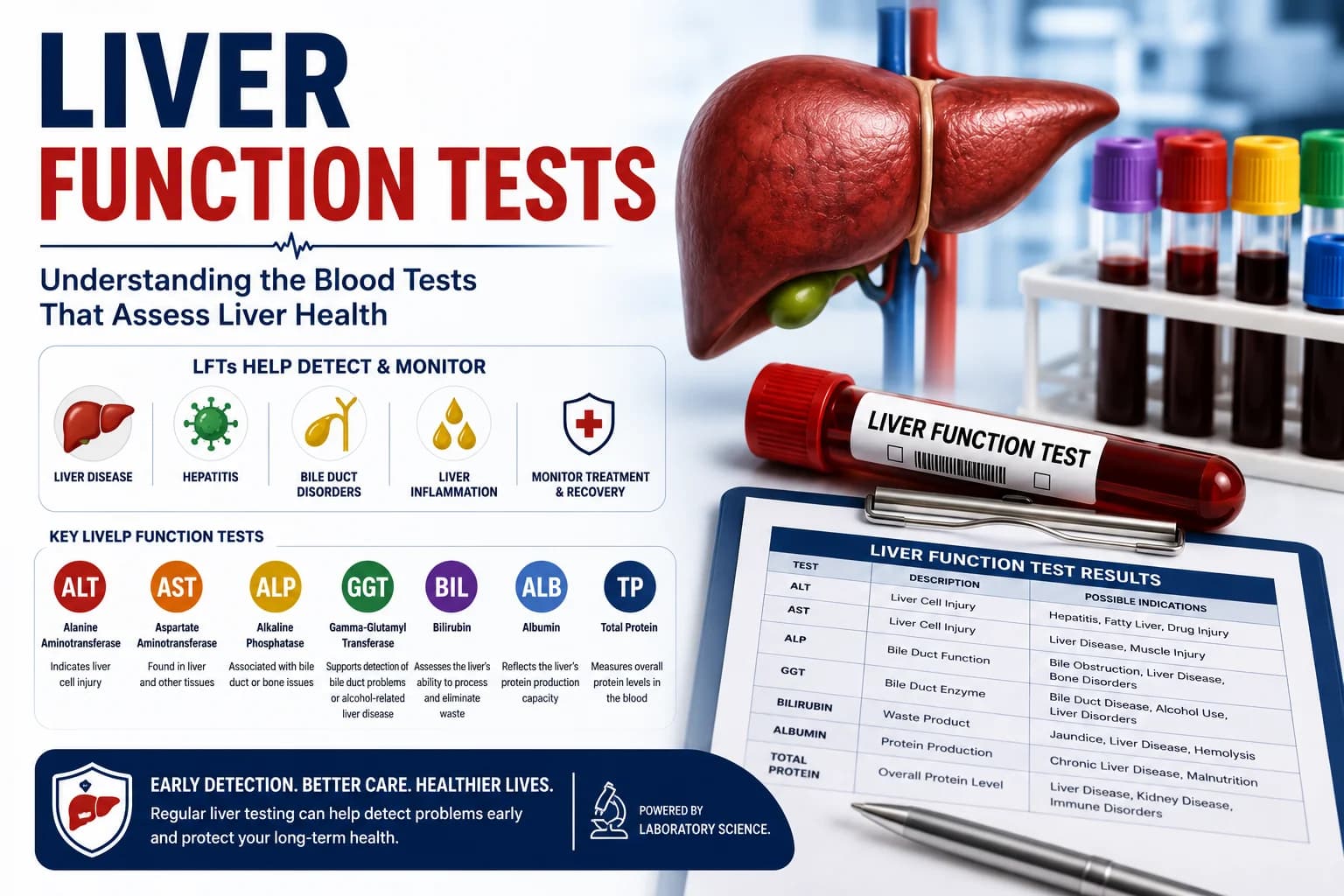
This is where an important distinction needs to be made. Liver function tests (LFTs) are not the same as hepatitis tests.
Blood tests such as ALT and AST can indicate liver-cell injury, while bilirubin, albumin, and other parameters can provide information about liver function and disease severity.
However, an abnormal LFT does not automatically mean that a person has viral hepatitis. Also, a person with hepatitis may require additional testing even when laboratory abnormalities are not dramatic.
Specific hepatitis testing is needed to determine whether a particular hepatitis virus is present. The liver enzymes can provide important clinical information, but they generally cannot identify the specific virus responsible for an infection.
This is why clinicians often use LFTs alongside hepatitis serology and, where indicated, molecular testing rather than relying on one group of tests alone.
What Does a Positive or Reactive Hepatitis Test Mean?
The meaning of a positive or reactive result depends entirely on which test was performed.
For example, a reactive anti-HCV antibody test indicates exposure to hepatitis C but does not by itself establish that the virus is currently present. HCV RNA testing can help determine whether there is current infection.
Likewise, a positive HBsAg result indicates current HBV infection, but additional hepatitis B markers may be required to understand whether the infection is acute or chronic and to assess other aspects of the infection.
Therefore, interpreting a hepatitis result requires more than simply asking whether a result is "positive" or "negative."
The test name, marker detected, clinical context, previous results, vaccination history, and other laboratory findings can all influence interpretation.
What Does a Negative Hepatitis Test Mean?
A negative result generally means that the specific marker being tested for was not detected. And even so, a negative result does not always provide the same information for every hepatitis virus or every stage of infection.
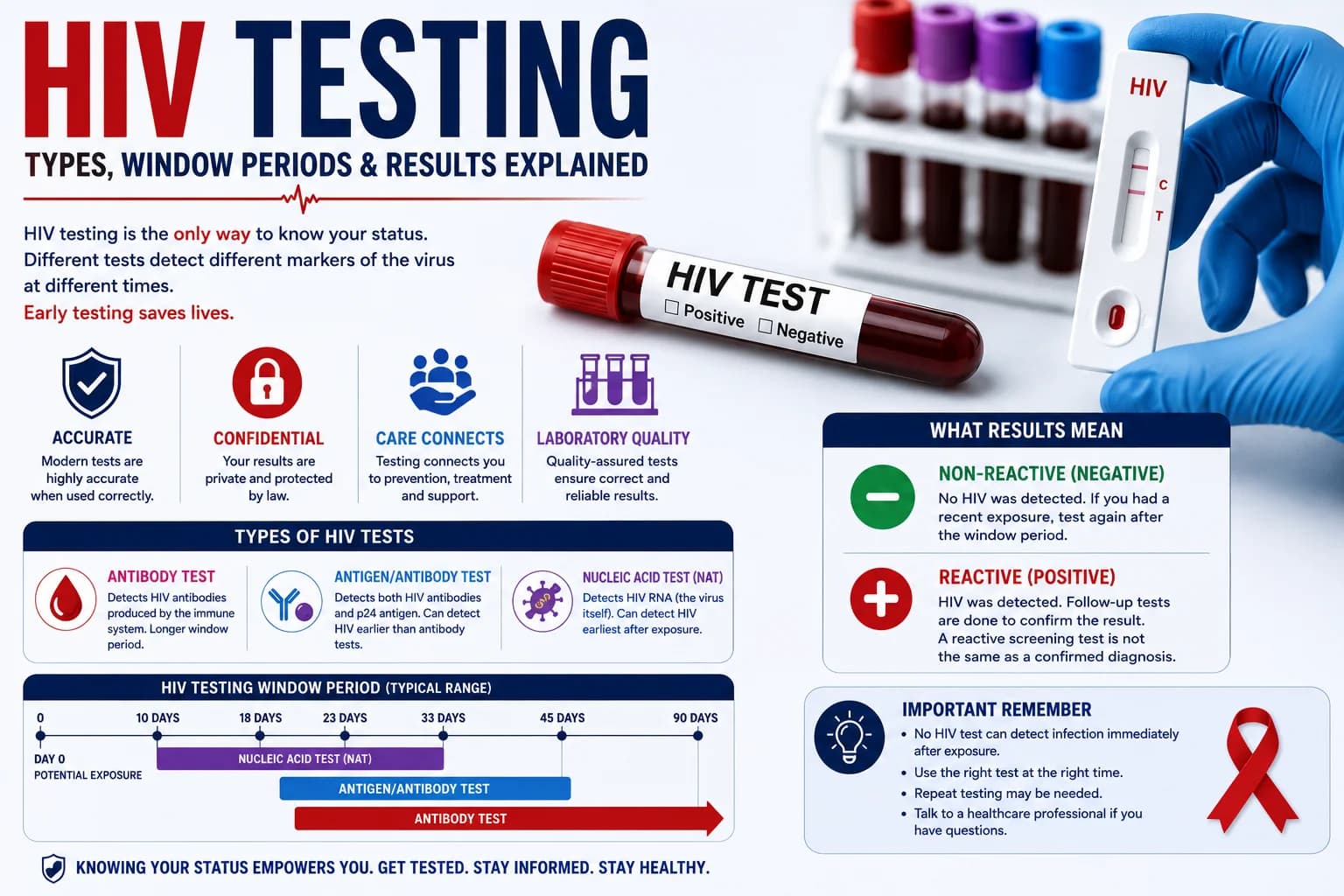
For example, antibody-based tests may not detect an infection during the earliest period before sufficient antibodies have developed. In other situations, a person may have previously been infected but no longer have detectable markers targeted by a particular test.
This is why testing should be performed according to appropriate clinical and laboratory guidelines, particularly when recent exposure is suspected.
If a healthcare professional recommends repeat testing or additional testing, it is important to follow that advice rather than assuming that a single result answers every question.
Why Laboratory Quality Matters
Hepatitis testing illustrates why quality assurance in medical laboratories matters. A reliable result depends on multiple stages of the testing process, including:
Correct patient identification
Appropriate specimen collection
Proper specimen handling and storage
Validated testing methods
Quality control
Accurate result interpretation
Appropriate reporting
Follow-up testing when required
WHO has emphasized the importance of accessible, quality-assured hepatitis testing as part of efforts to diagnose infection and connect people with appropriate care. Its 2026 consolidated guidance brings together recommendations on prevention, testing, treatment, service delivery, and monitoring for hepatitis B and C, with testing strategies for hepatitis D also included.
In resource-limited settings, rapid diagnostic tests can also play an important role in expanding access to hepatitis testing, provided that appropriately evaluated and quality-assured tests are used.
Why Hepatitis Testing Matters Even Without Symptoms
One of the biggest challenges in viral hepatitis is that infection can remain unnoticed. A person may feel healthy while an infection is still present. This is particularly important for hepatitis B and C because chronic infection can persist for years and contribute to serious complications such as cirrhosis and liver cancer.
Testing can therefore identify infections that might otherwise remain undiagnosed.
For people who receive a diagnosis, testing is not the end of the process. It can be the beginning of appropriate medical evaluation, monitoring, treatment where indicated, and measures to reduce transmission.
Conclusion
Hepatitis testing is not one test but a collection of laboratory investigations designed to detect and characterize different viral infections affecting the liver.
Hepatitis A, B, C, D, and E require different diagnostic approaches, ranging from antibody and antigen testing to nucleic acid testing. Hepatitis B is particularly dependent on interpreting several serological markers together, while hepatitis C commonly requires HCV RNA testing after a reactive antibody result.
Liver enzymes and other routine blood tests can provide valuable information about liver injury and function, but they cannot by themselves determine which hepatitis virus is responsible.
Ultimately, accurate hepatitis testing depends on choosing the appropriate test, collecting and processing specimens correctly, interpreting results in context, and providing appropriate follow-up.
The science behind these tests may involve complex markers and laboratory methods, but the purpose is straightforward, and it is to identify infection accurately, guide appropriate care, and reduce the burden of preventable liver disease.


Discussion