Health & Medicine
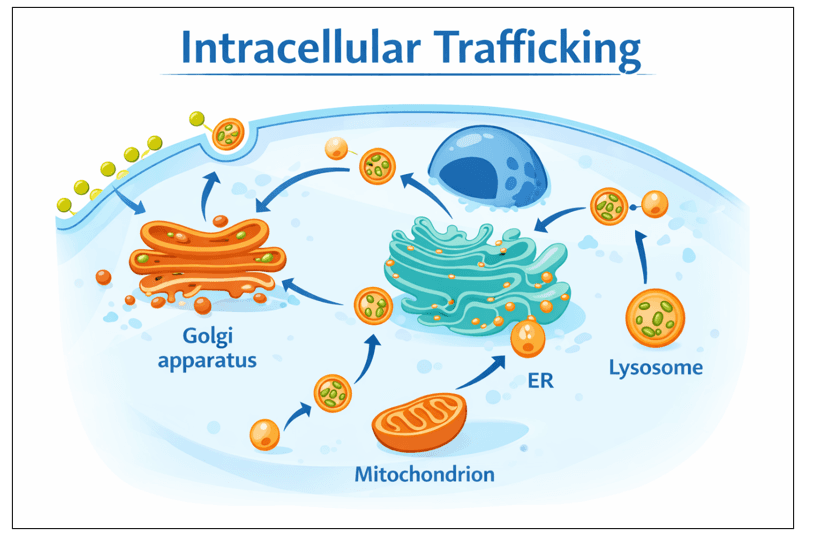
CEDNIK Syndrome: how SNAP29 gene mutation brought the never sleeping cellular city to a halt.
Discover how the SNAP29 gene guides cellular traffic, and how its mutation leads to CEDNIK syndrome, affecting brain, nerves, and skin.
Showing results for: "sleeping cellular" (39 results)
Discover how the SNAP29 gene guides cellular traffic, and how its mutation leads to CEDNIK syndrome, affecting brain, nerves, and skin.
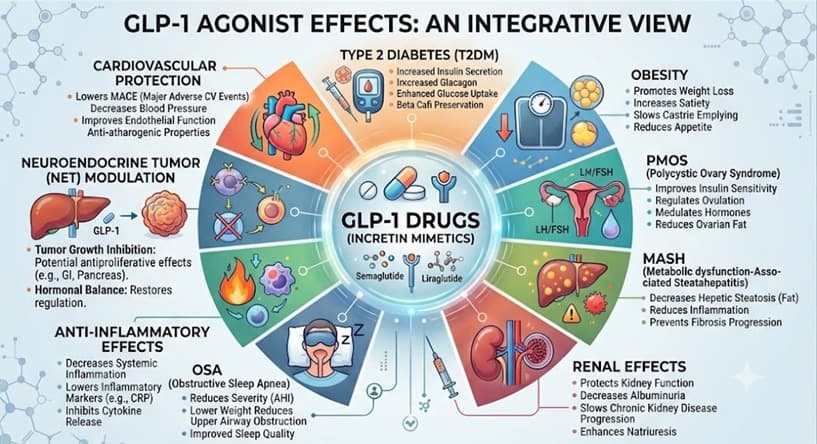
Explore the multi-organ cellular mapping of GLP-1 receptor agonists. Discover how GLP-1RAs act as a systemic shield across T2DM, obesity, PMOS, MASH and so on.

According to a study, sleeping in a dark room works wonders for your heart. During sleep, ambient light can put stress on the brain that causes arterial inflammation, which may again lead to a stroke or heart attack. Let us delve into and explore the study further.

You probably know this story: Aurora, also known as the Sleeping Beauty, was a kind princess who was cursed by an angry fairy and fell into a deep sleep for years. On her sixteenth birthday, she pricked her finger, and the spell came true. Silence covered the land, and the entire kingdom fell asleep with her. Years later, the spell could be broken by a kiss from a prince.
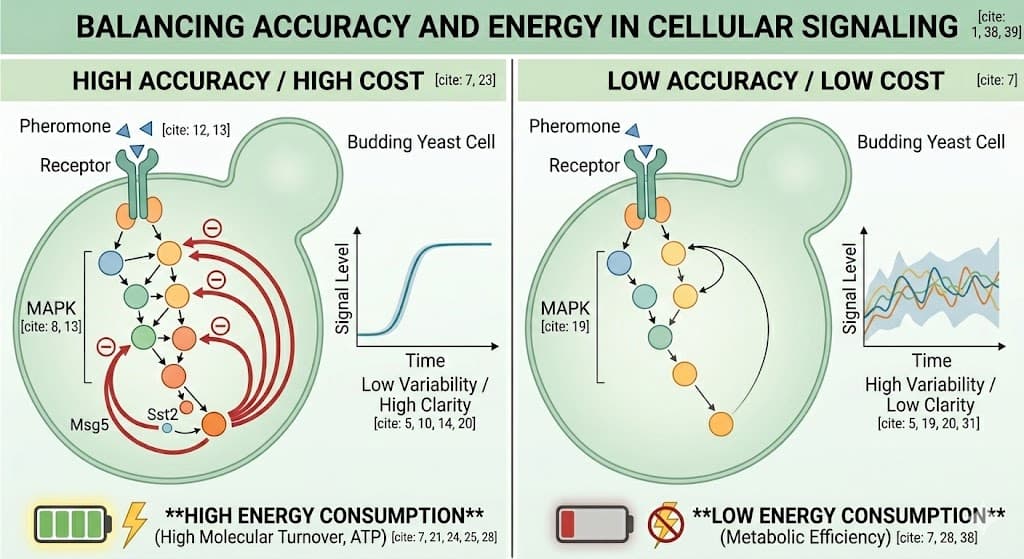
Cells constantly sense signals from their environment and convert them into internal actions through biochemical signalling pathways.
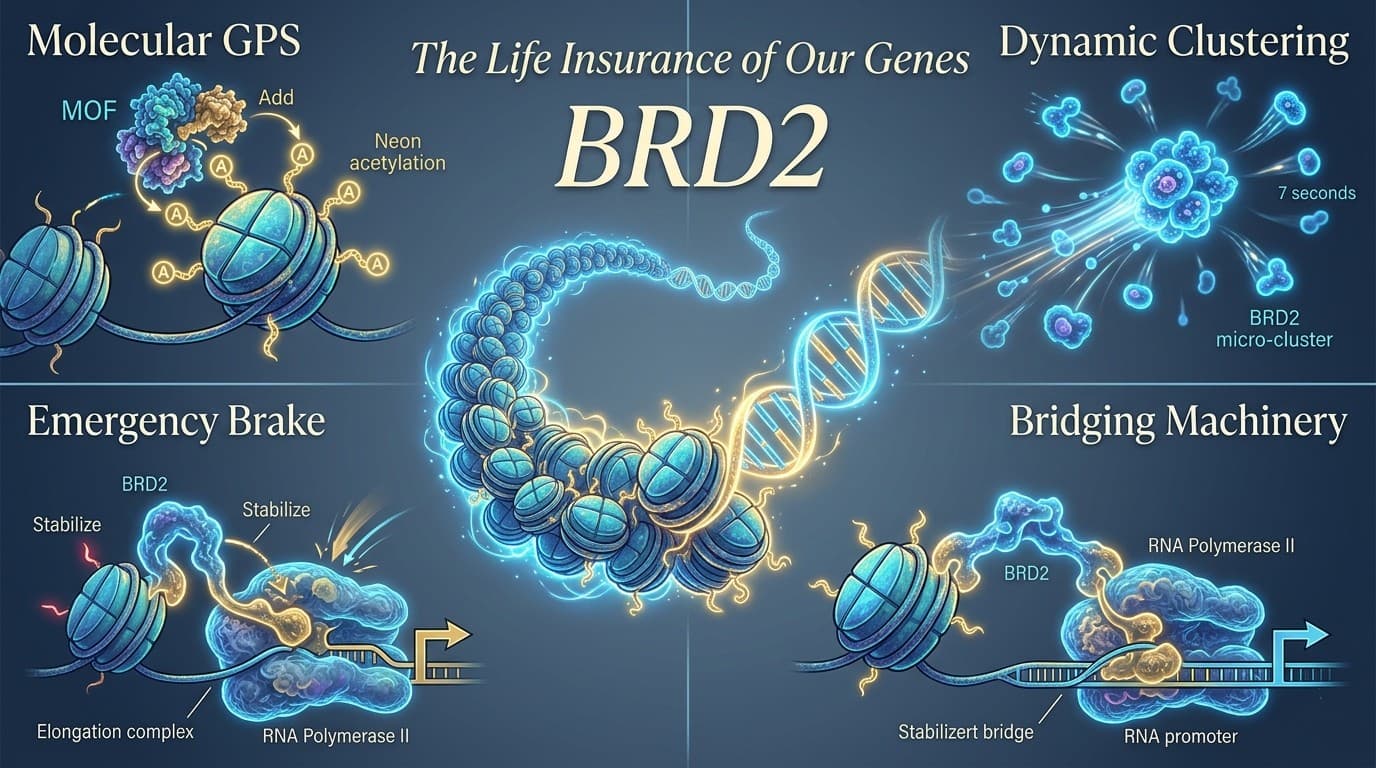
Cells can be understood as highly coordinated systems in which DNA functions as a comprehensive but inert blueprint, requiring precise interpretation to become biologically active. Gene expression depends on regulatory proteins that orchestrate transcription across time and space.
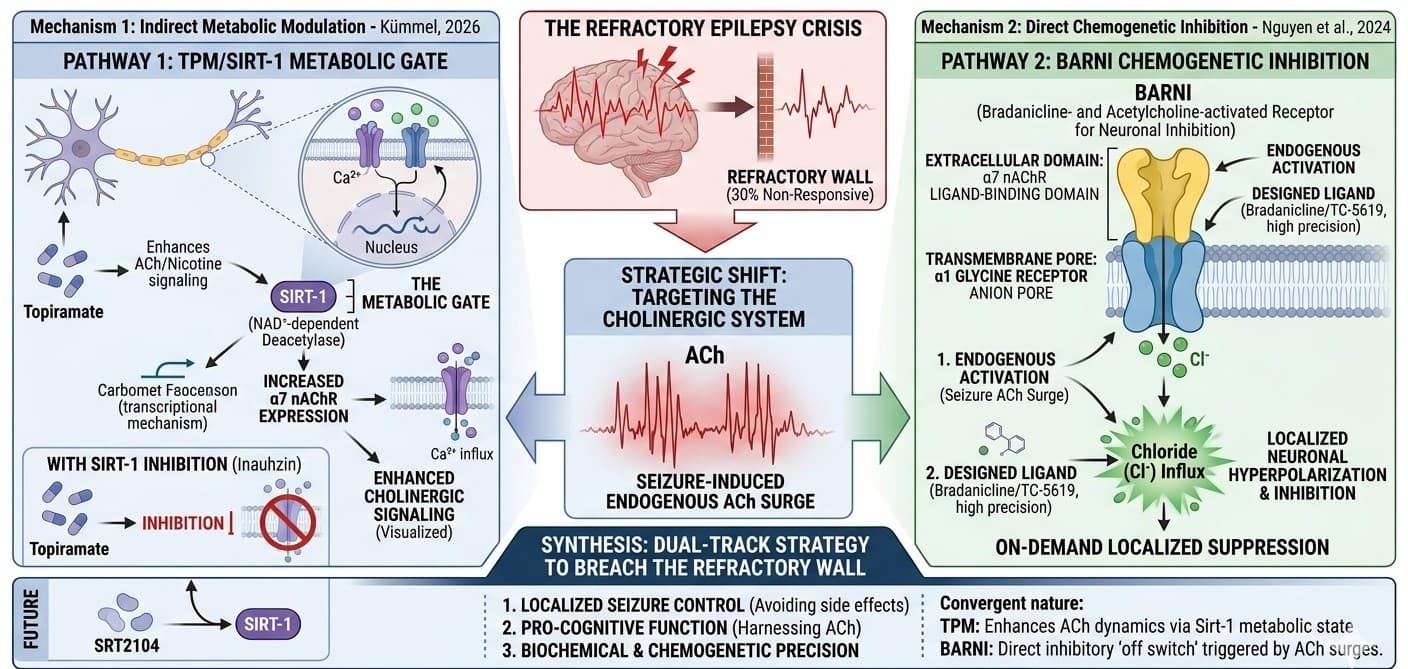
The current trajectory of epilepsy management has encountered a formidable "refractory wall." Despite the accelerated expansion of the neuropharmacological pharmacopeia,
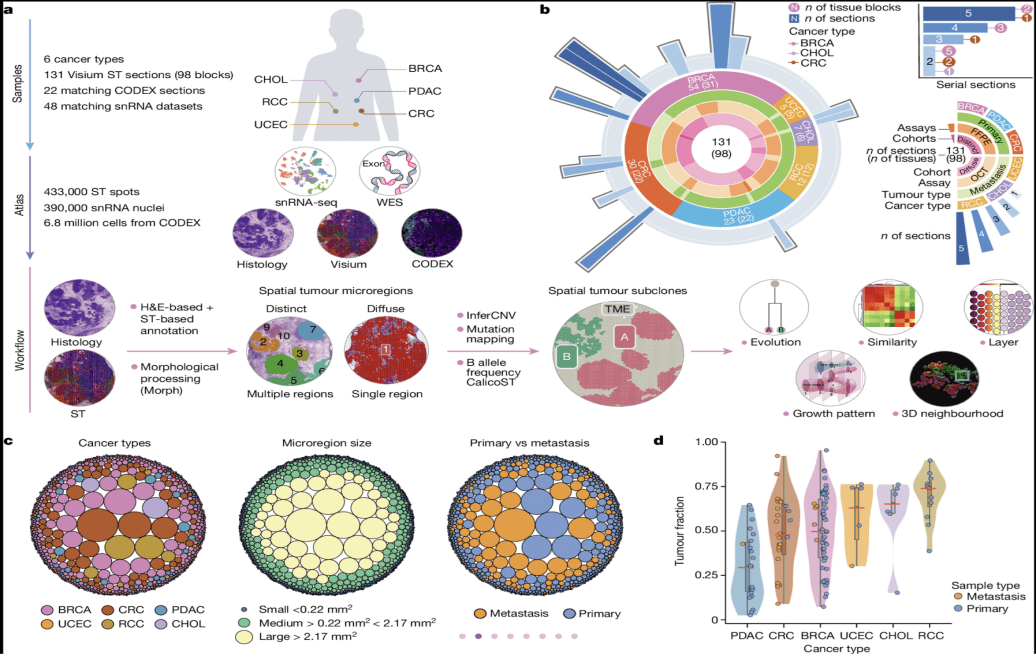
The tumor microenvironment (TME) is a complex and dynamic ecosystem composed of malignant cells, immune infiltrates, stromal elements, and vascular components that collectively influence tumor initiation, progression, immune escape, and therapeutic response. Traditional bulk transcriptomic approaches obscure this complexity by averaging gene expression across heterogeneous cell populations.
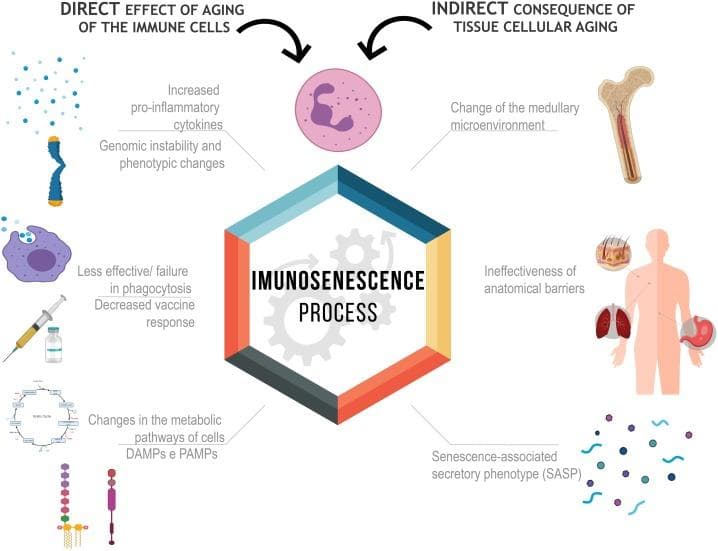
Ageing is accompanied by a gradual decline in physiological functions, among which deterioration of the immune system termed immunosenescence—has profound implications for human health.

Wound healing is a complex and dynamic biological process that occurs through four overlapping phases: hemostasis, inflammation, proliferation, and maturation. To repair tissue damage, the body works intensively, thereby significantly increasing cellular metabolic demands.
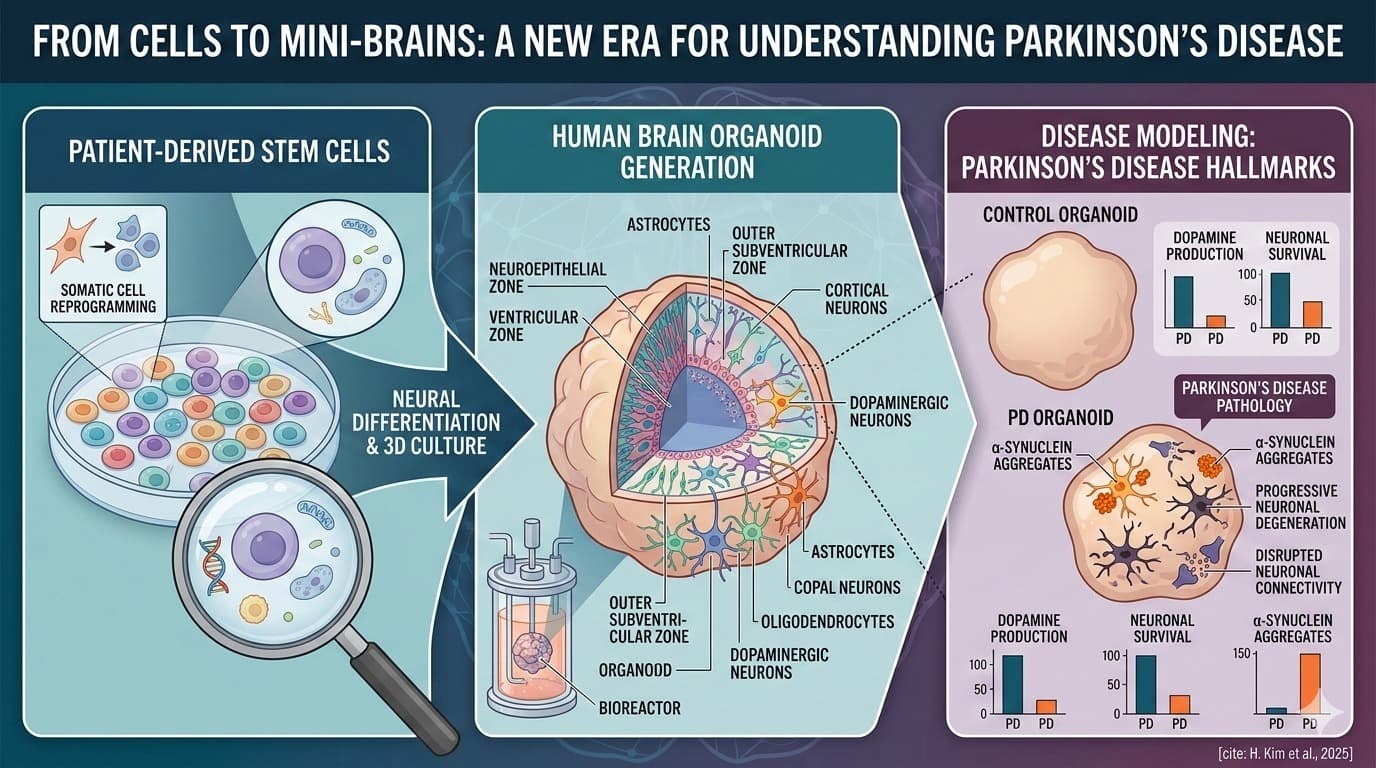
Understanding the human brain remains one of the greatest challenges in modern science. With billions of neurons forming intricate networks and constantly changing connections, the brain’s complexity makes it extremely difficult to study directly.
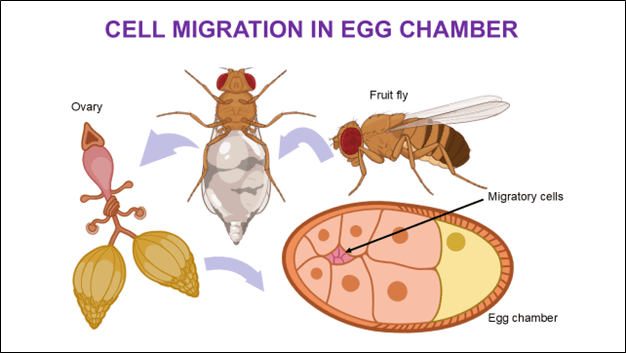
How the fruit fly egg chamber reveals the secrets of cell migration and offers powerful insights into cancer metastasis and future therapies.
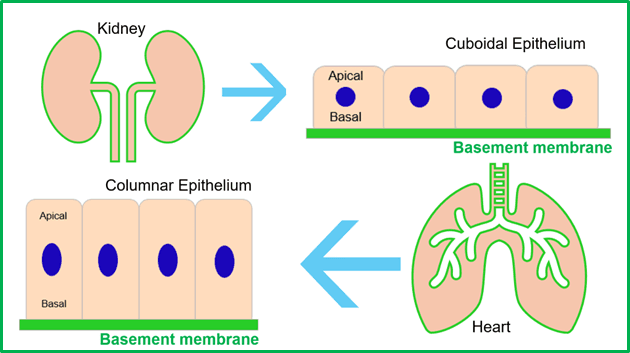
Tiny but powerful, basement membranes support cells, regulate barriers, and drive disease when disrupted—key players in health, aging, and cancer.
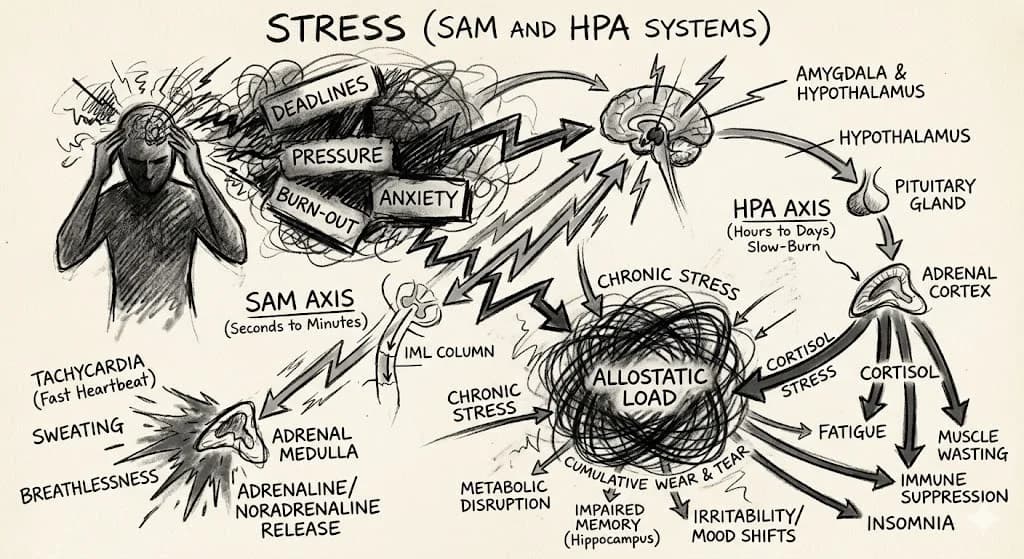
What does stress actually do to your body? Explore the neurobiology of the survival response, from the immediate SAM axis to the the HPA axis, and learn how to restore your biological equilibrium.
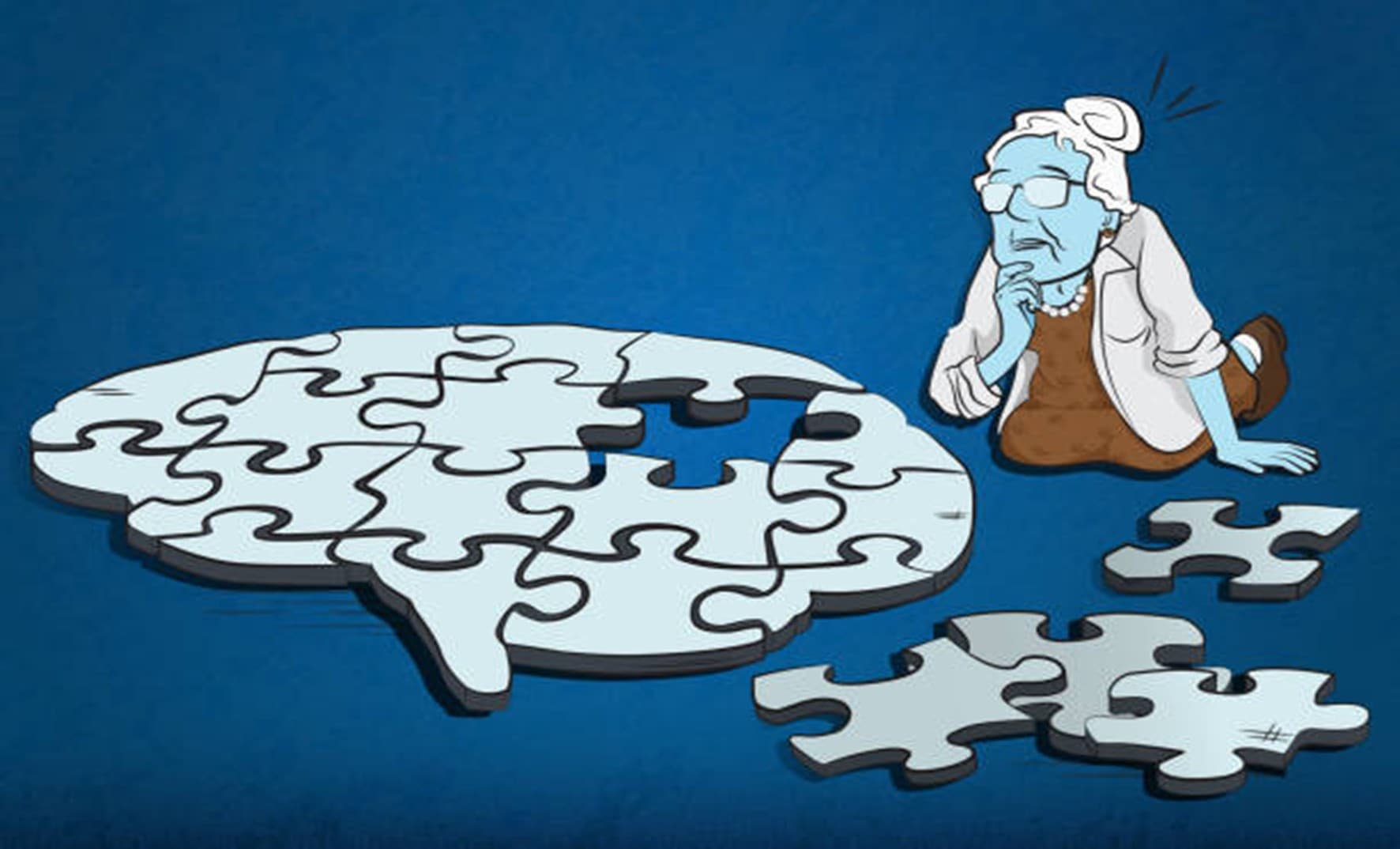
Alzheimer’s is a progressive neurological disorder with classic clinical symptoms such as dementia, cognitive decline, and behavioural changes, particularly in the ageing population.
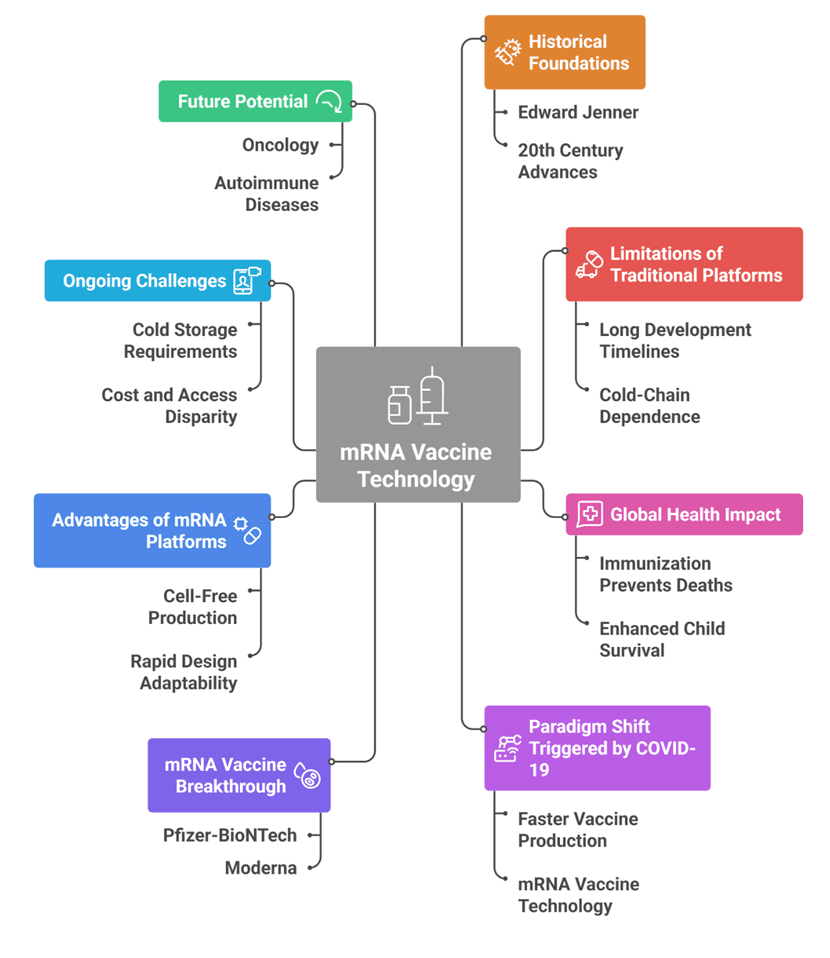
Messenger RNA (mRNA) vaccines represent one of the most significant scientific advances in modern therapeutics. Unlike conventional vaccines that use weakened or inactivated pathogens, mRNA vaccines deliver genetic instructions that enable host cells to synthesize a target antigen and stimulate an immune response.
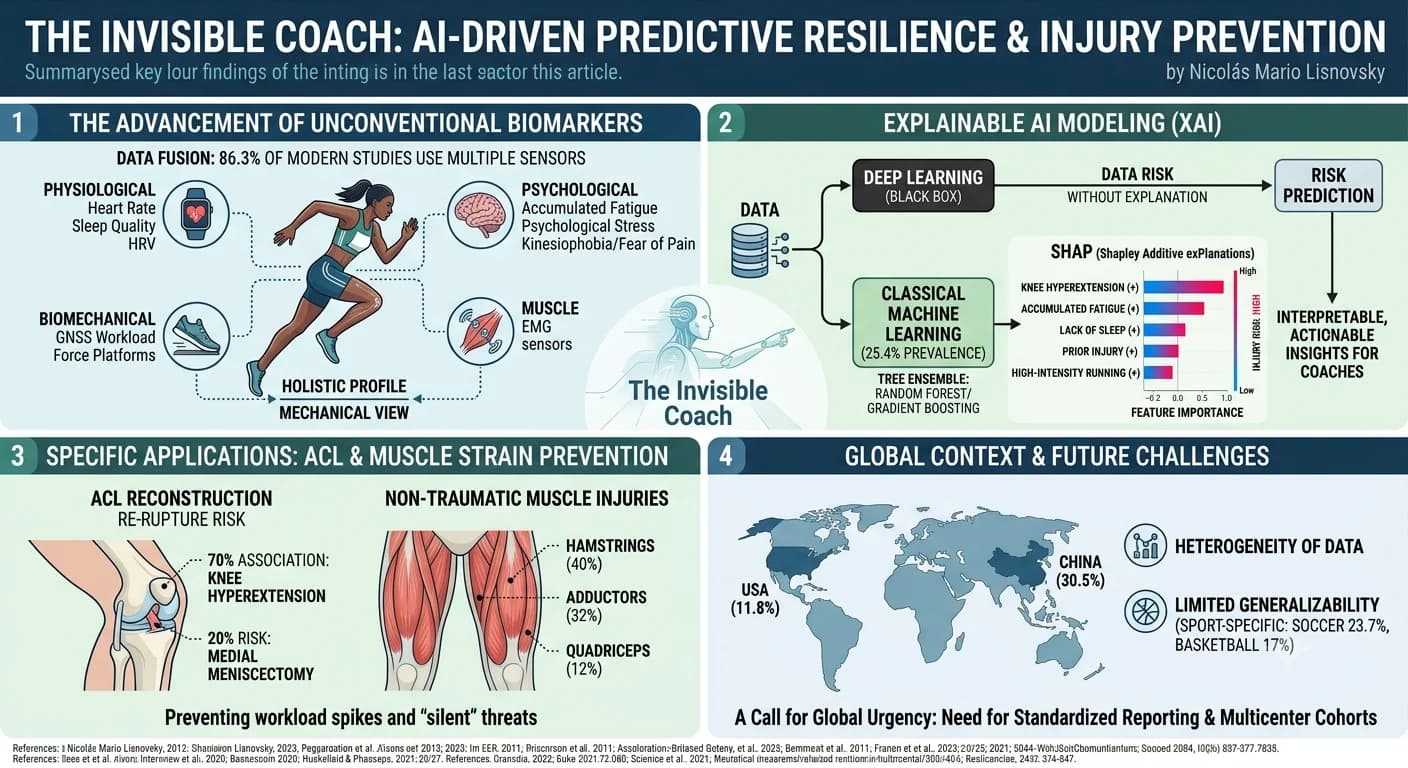
For the elite athlete, an injury is more than a clinical setback, it is an existential interruption. The pursuit of physical excellence has long been haunted by the inherent fragility of the human frame, where a single ligament tear or a chronic strain can dismantle years of disciplined optimization. Historically
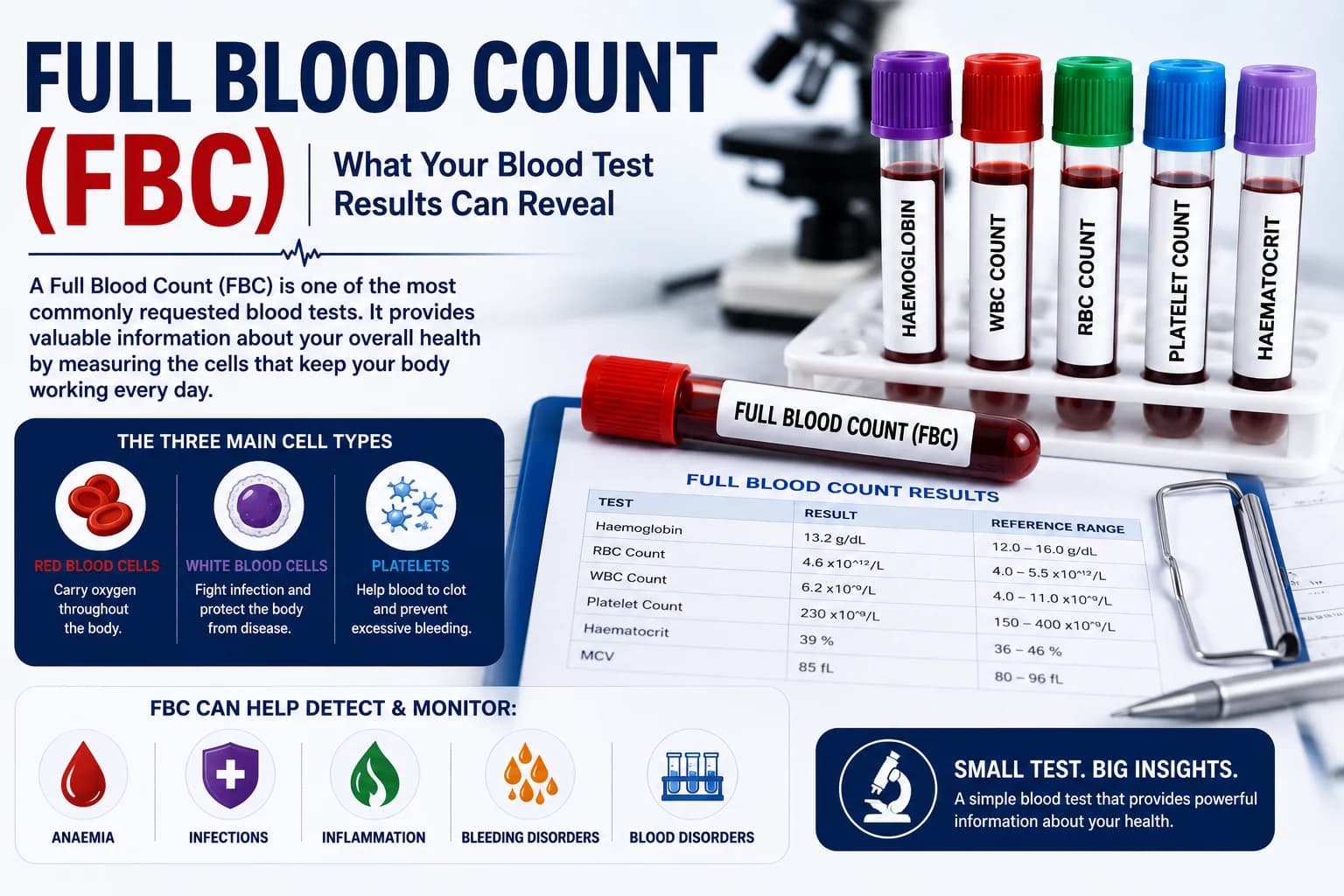
A Full Blood Count (FBC) is a blood test that measures different types of blood cells and related parameters, including red blood cells, white blood cells, platelets, haemoglobin, haematocrit and red blood cell indices. It can help healthcare professionals investigate conditions such as anaemia, infection, inflammation and certain blood disorders.
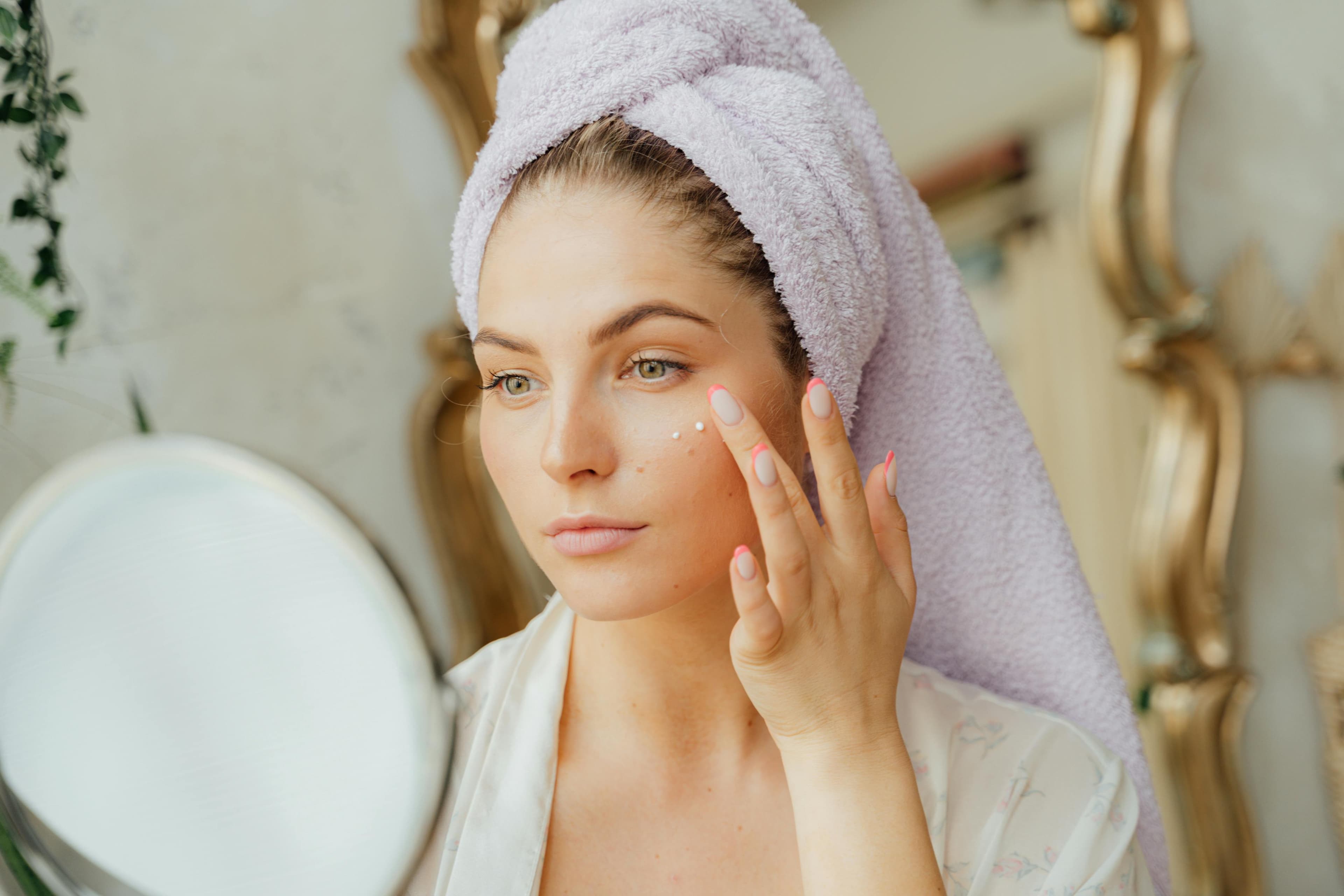
You slept last night and woke up with a pimple popping up on your face! It would make you feel angry and depressed. Isn’t it? This could be hormonal acne. Hormonal acne could appear as common forms of acne, such as whiteheads, or more severe types of acne, such as nodules and cysts. Let us delve into and learn more about hormonal acne and various ways to deal with it.

Many times, individuals feel fearful or extremely worried about cancer testing. The regular tests and scans that patients living with any cancer diagnosis have to undergo, to monitor their condition, can make them feel anxious before, during, or after a scan or a follow-up test