Discover Scientific Knowledge

Showing results for: "unnecessary structure" (66 results)

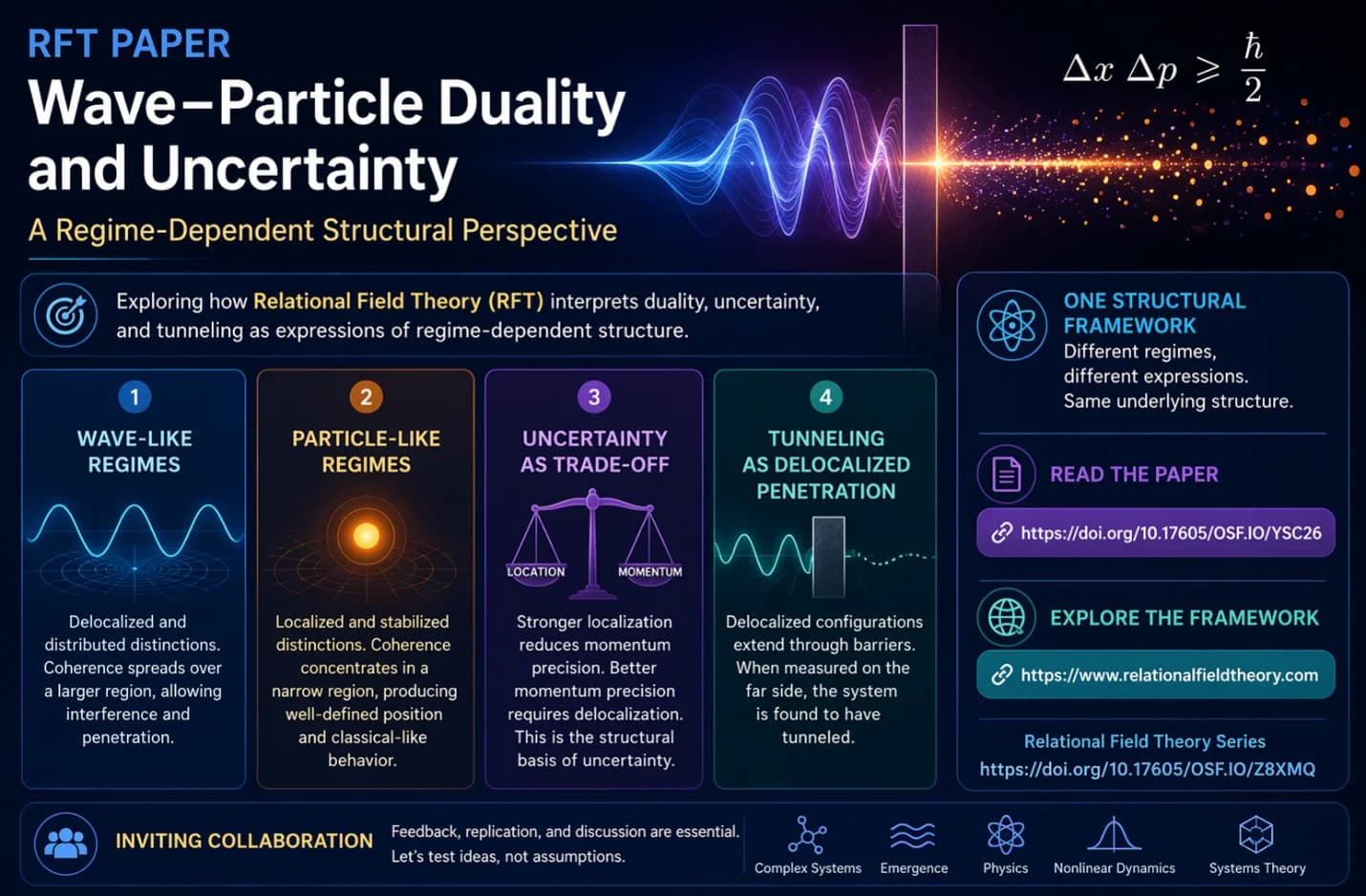
Why a Stable Universe Cannot Support Unnecessary Structure
Science & Research

Why a Stable Universe Cannot Support Unnecessary Structure

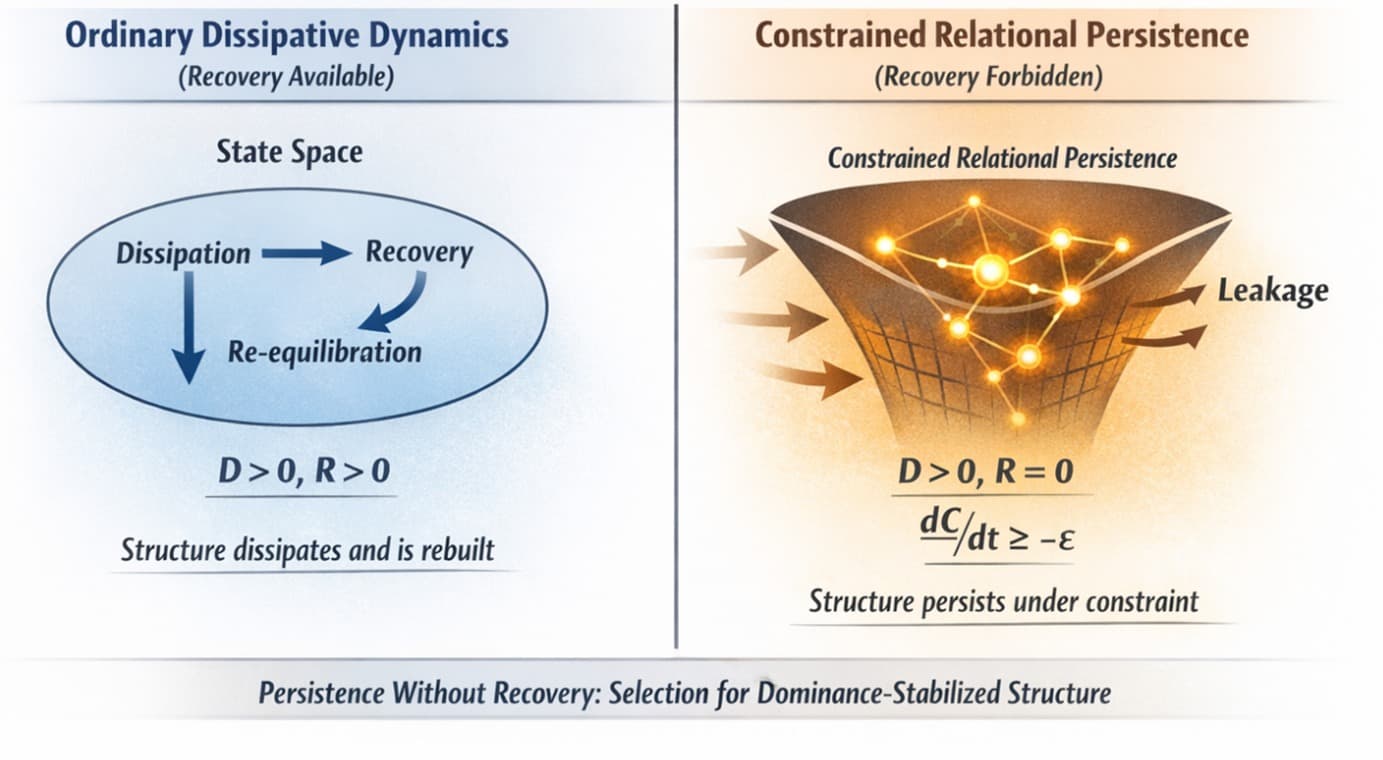
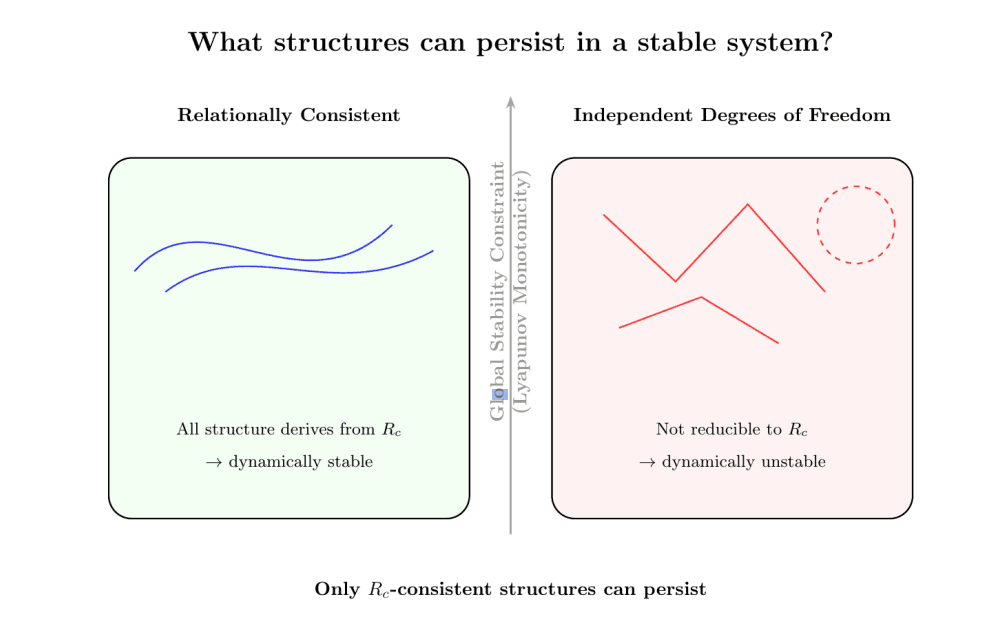
Modern physics often assumes that the complexity we observe in the universe reflects an underlying complexity in its fundamental structure. Fields, particles, forces, and geometries are typically introduced as independent components, each carrying its own degrees of freedom.
The Planck Scale: Where Our Best Physical Descriptions Meet Their Shared Boundary
Science & Research

The Planck Scale: Where Our Best Physical Descriptions Meet Their Shared Boundary

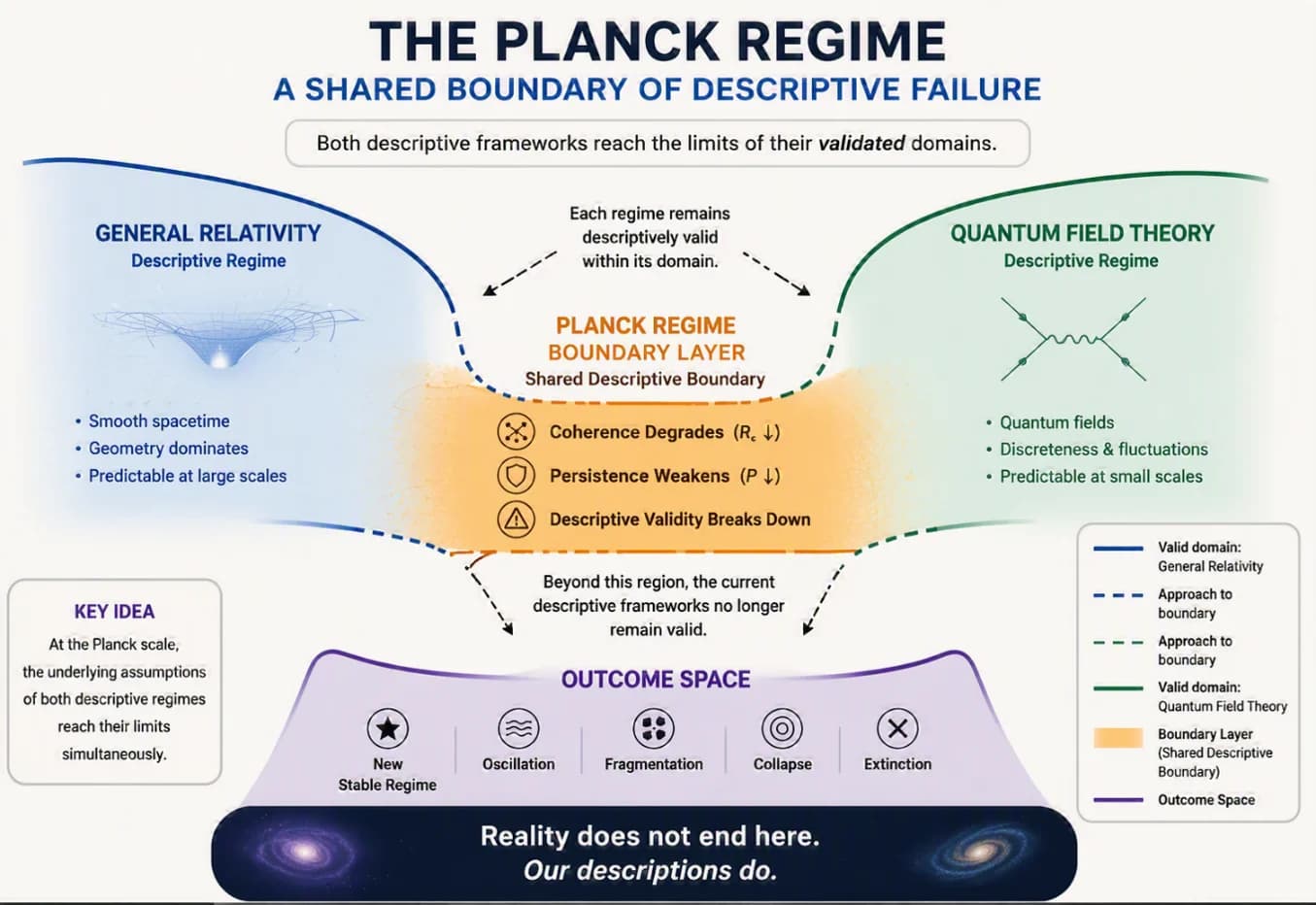
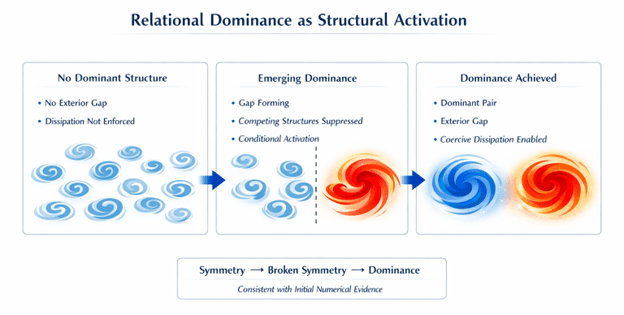
Few concepts in modern physics carry as much significance—or as much mystery—as the Planck scale. It is the regime where gravitational effects become comparable to quantum effects, suggesting that both General Relativity and Quantum Field Theory should contribute to our description of nature.

The Flip: Why Relational Field Theory Starts Where Most Physics Ends
Science & Research

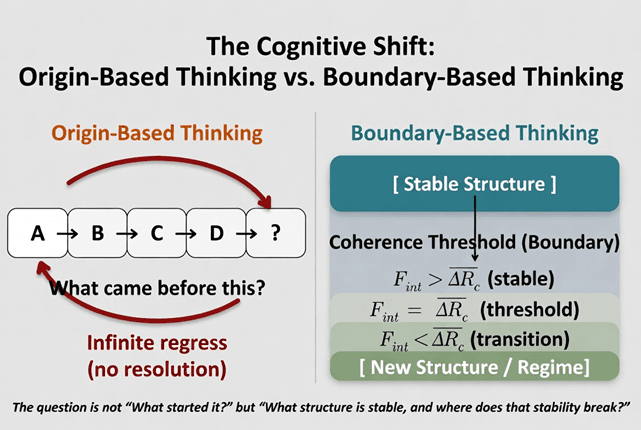
The Flip: Why Relational Field Theory Starts Where Most Physics Ends

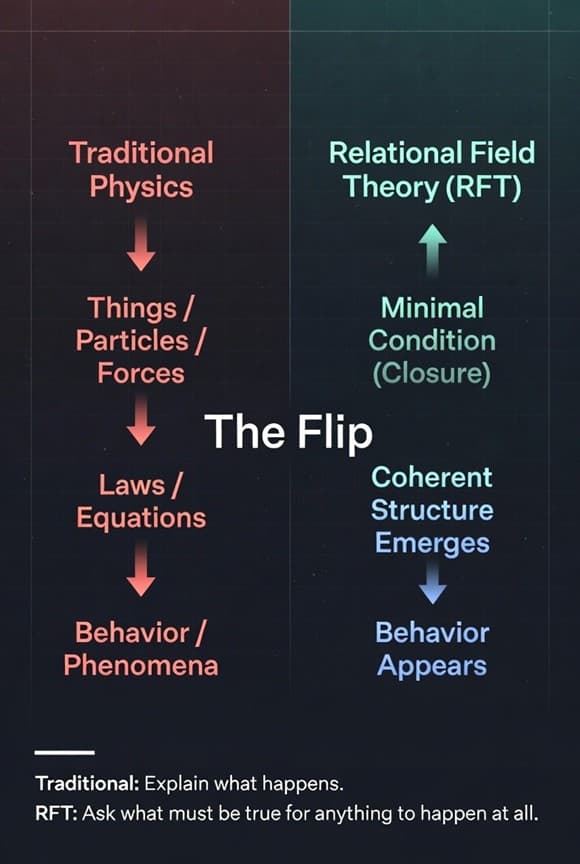
We begin with things - particles, fields, forces - and then build laws and equations to explain how those things behave. This approach has been extraordinarily successful. It is how we arrived at quantum mechanics, general relativity, and the Standard Model.

The Brain’s Ability to Change and Its Role in Depression
Health & Medicine

The Brain’s Ability to Change and Its Role in Depression

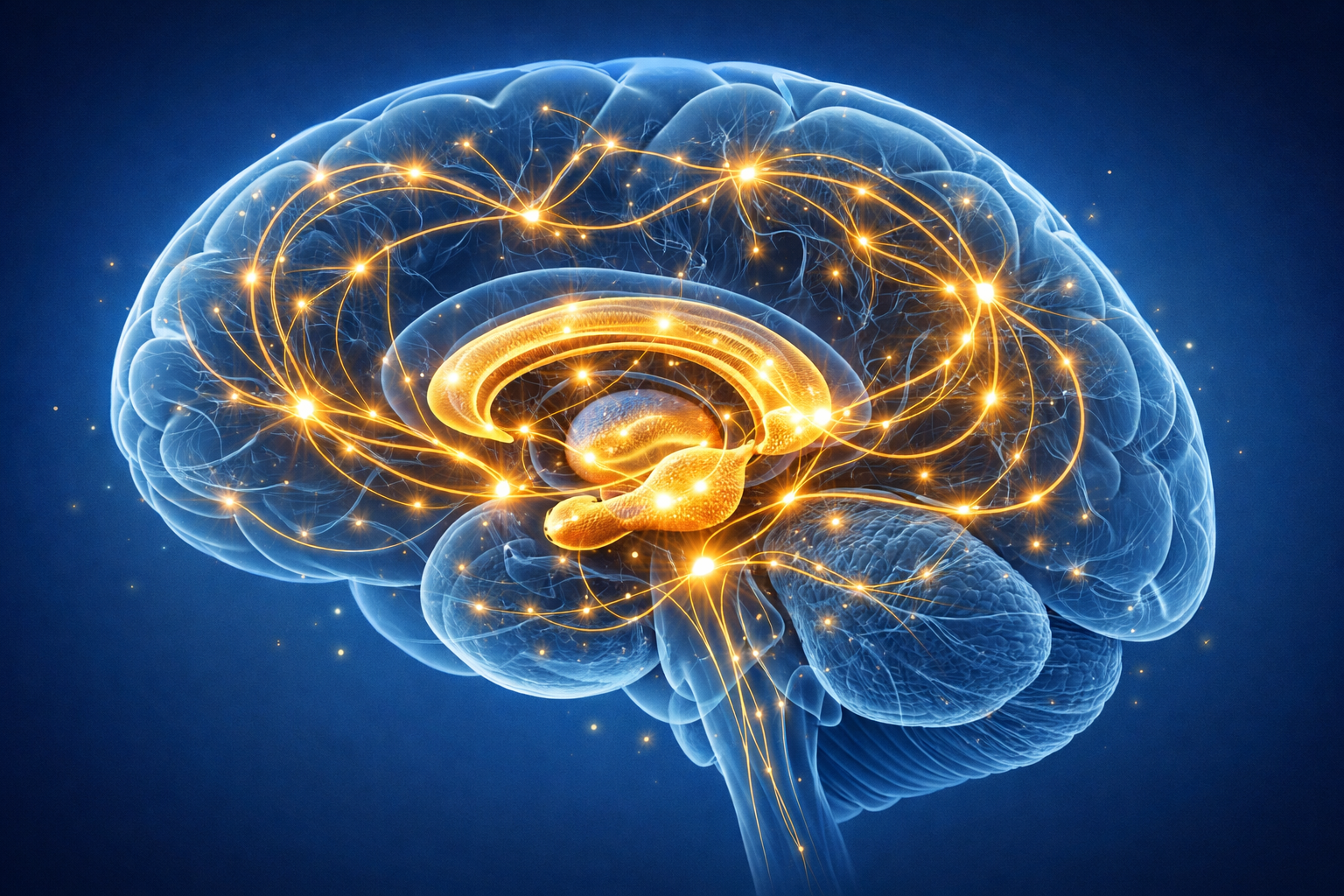
Depression has affected humans for hundreds of years. Symptoms can include persistent feelings of sadness, sleep disturbances, anxiety, and a loss of interest in social activities. Science doesn’t yet fully understand the causes and effects, but here’s what we do know: the brain is a powerful organ, and it is capable of change. Made up of a wide network of connections, it relies on chemicals, electrical impulses, and billions of neurons. Let’s explore how brain science

Self-Healing Materials
Science & Research

Self-Healing Materials

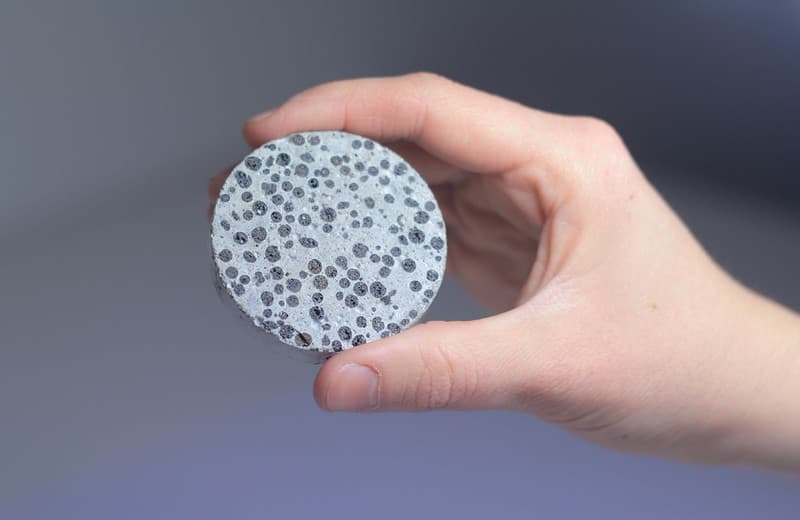
Self-healing materials (SHMs) are substances that automatically repair damage, mimicking organic healing. These materials have a wide range of applications, including construction, biomedicine, transportation, and even textiles. SHMs can extend the longevity of manufactured goods and have numerous uses in medical healing (Crawford, 2024).

The Life Changing Science of Artificial Bones
Health & Medicine

The Life Changing Science of Artificial Bones

In Sci-fi visions of distant futures, some imagine sprawling intergalactic civilizations. Scaffolds built around stars harvesting their energy. Fusion reactors, cyborgs, superintelligent implants. But the future of artificial bones, though perhaps more mundane, could be a life saving science.

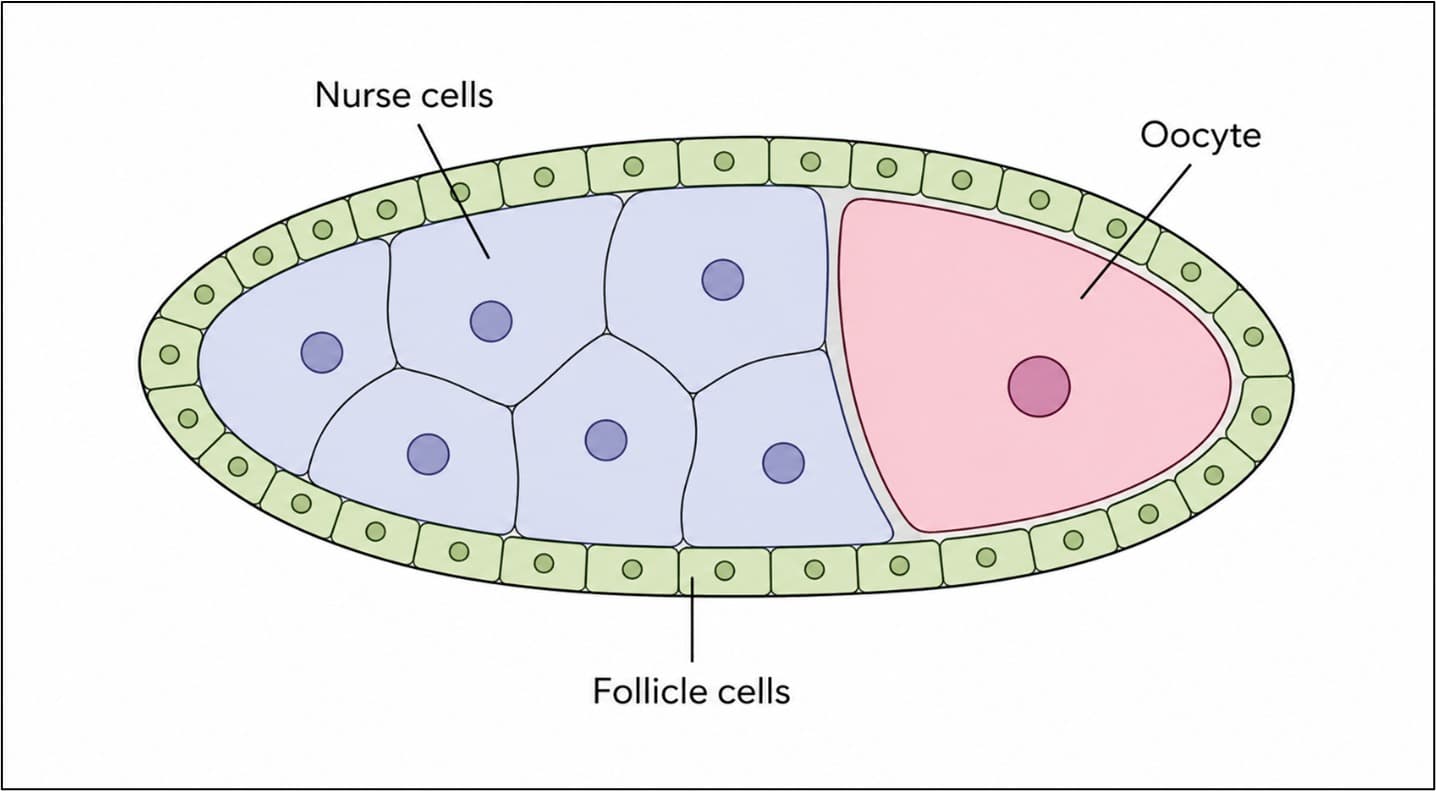
From Cells to Mini-Brains: A New Era for Understanding Parkinson’s Disease
Health & Medicine

From Cells to Mini-Brains: A New Era for Understanding Parkinson’s Disease

Understanding the human brain remains one of the greatest challenges in modern science. With billions of neurons forming intricate networks and constantly changing connections, the brain’s complexity makes it extremely difficult to study directly.

Page 1 of 4Next →