Health & Medicine
New Way to Fight Cancer: The Power of Smart Nanoparticles
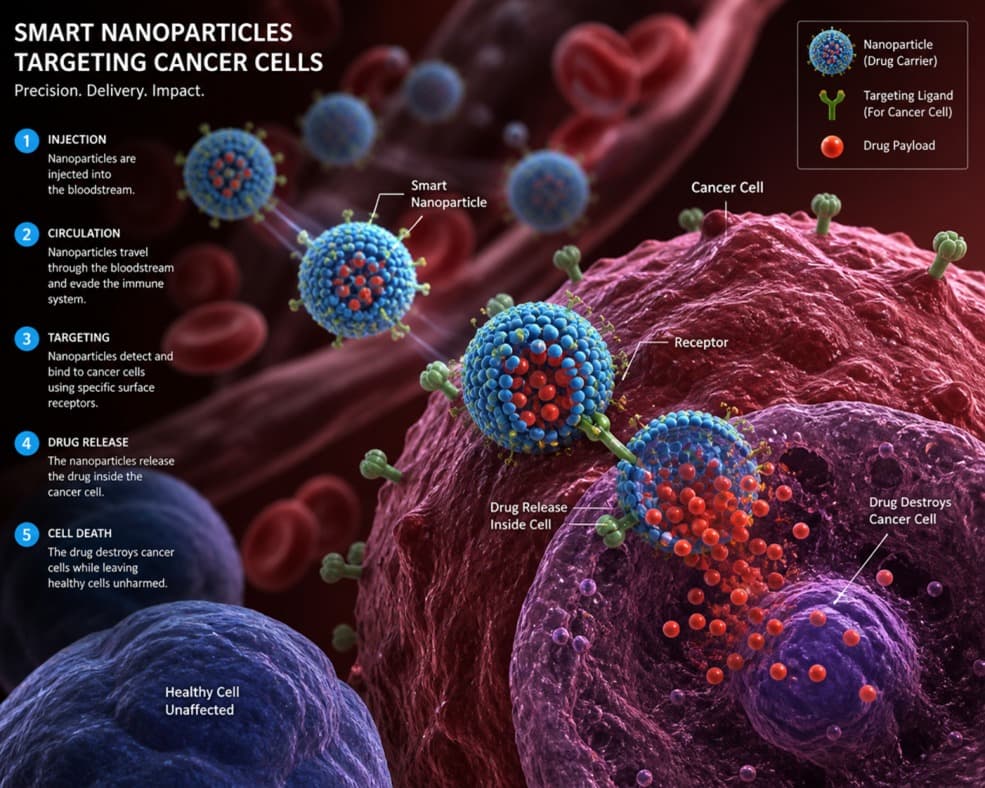
Smart nanoparticles are an exciting step forward in modern medicine especially nanomedicine. They help doctors be more precise in cancer treatment.
Showing results for: "ways" (61 results)
Smart nanoparticles are an exciting step forward in modern medicine especially nanomedicine. They help doctors be more precise in cancer treatment.

Map the universe with light, discover distant galaxies, track stars, and explore how scientists create detailed cosmic maps.
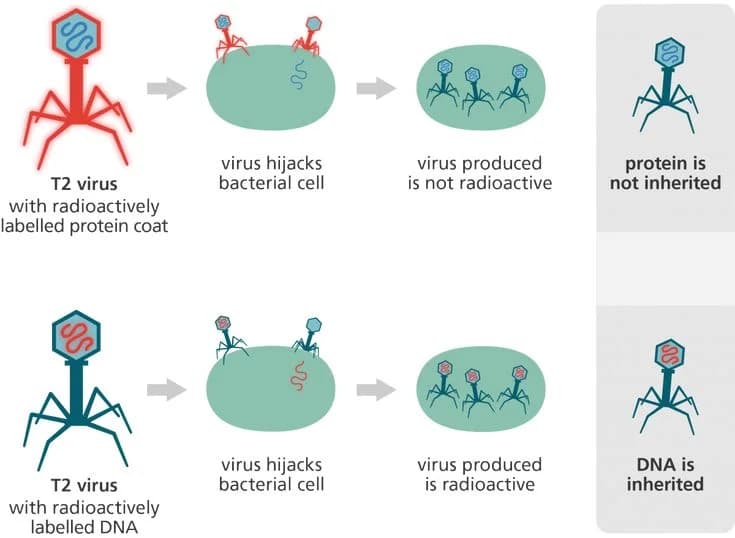
As global data generation continues to grow exponentially, traditional storehouse innovations face challenges related to capacity, energy consumption, and long- term preservation. DNA data storehouse offers a revolutionary result by garbling computerized information into synthetic DNA molecules. This explores DNA data storage, its basics, uses, benefits, and ethics, and how it could change future data archiving.
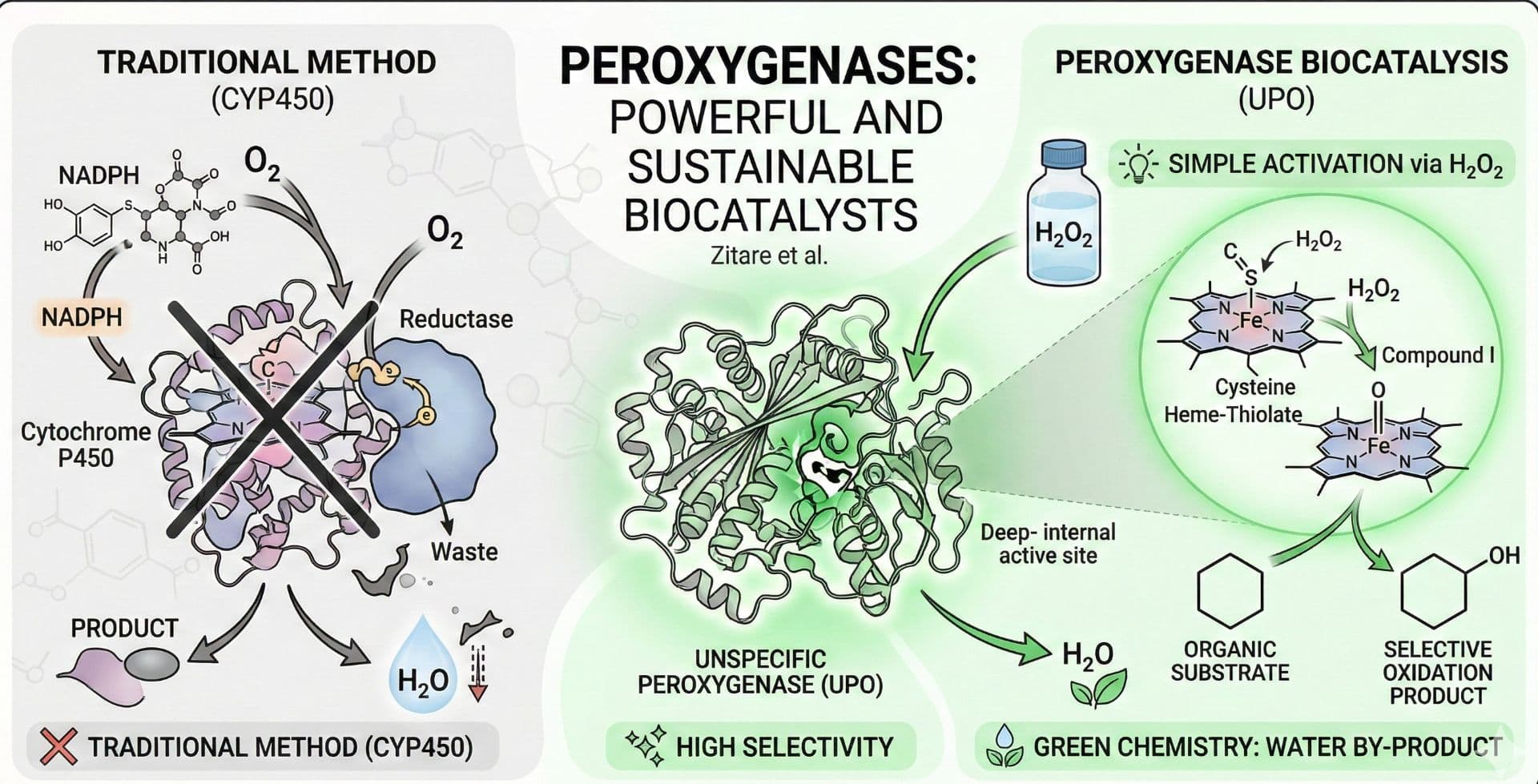
Selective oxidation reactions are central to modern biochemistry. They enable the controlled introduction of oxygen into organic molecules, a key step in the synthesis of pharmaceuticals and fine chemicals. However, many of the enzymatic systems traditionally used for these transformations are complex and difficult to implement in practice.
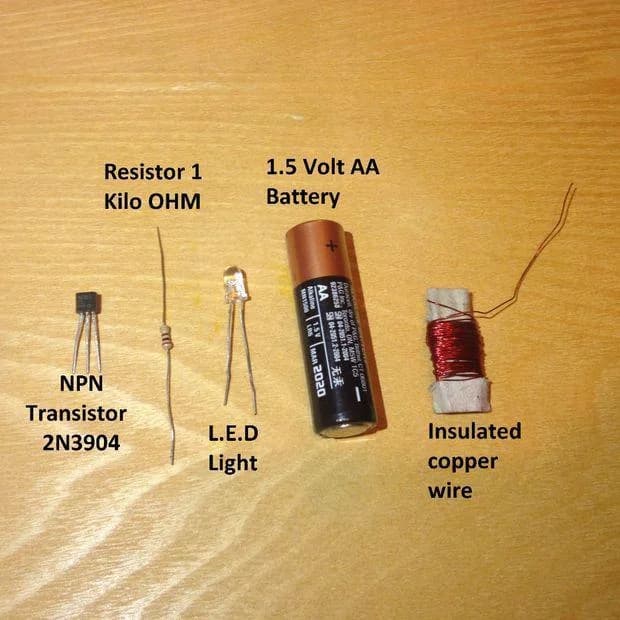
Wireless Power Transmission, or WPT, is a new technology that allows electricity to travel without the need for wires, using electromagnetic fields. This article covers how WPT works, the key components involved, the different methods it uses to send power, its applications in daily life, the benefits it offers, the challenges it faces, and what the future holds. Learn how wireless energy transfer is revolutionizing smartphones, EVs, healthcare, and smart cities.
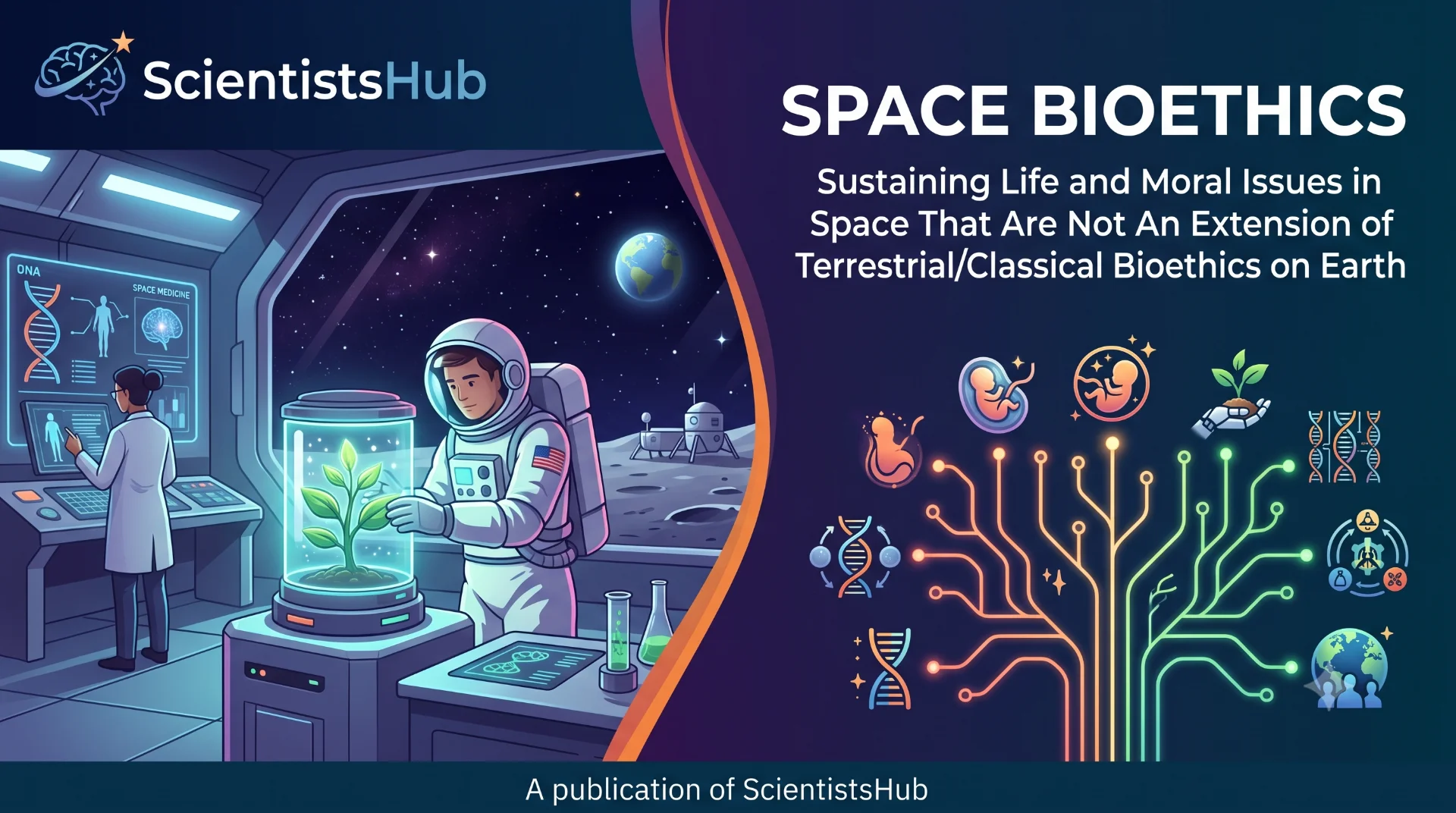
What is being explored in this article is about space bioethics. As stated above, space bioethics is about addressing moral issues of sustaining life in space but in a domain that is chartered

You slept last night and woke up with a pimple popping up on your face! It would make you feel angry and depressed. Isn’t it? This could be hormonal acne. Hormonal acne could appear as common forms of acne, such as whiteheads, or more severe types of acne, such as nodules and cysts. Let us delve into and learn more about hormonal acne and various ways to deal with it.
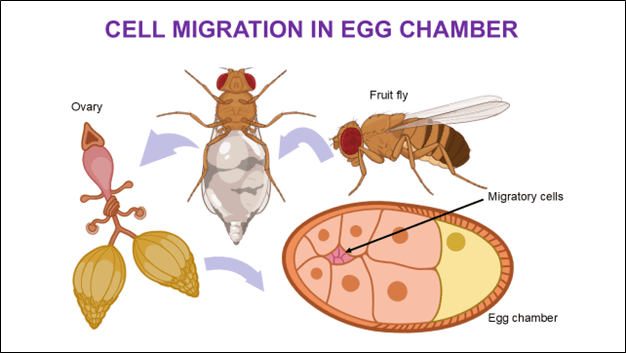
How the fruit fly egg chamber reveals the secrets of cell migration and offers powerful insights into cancer metastasis and future therapies.
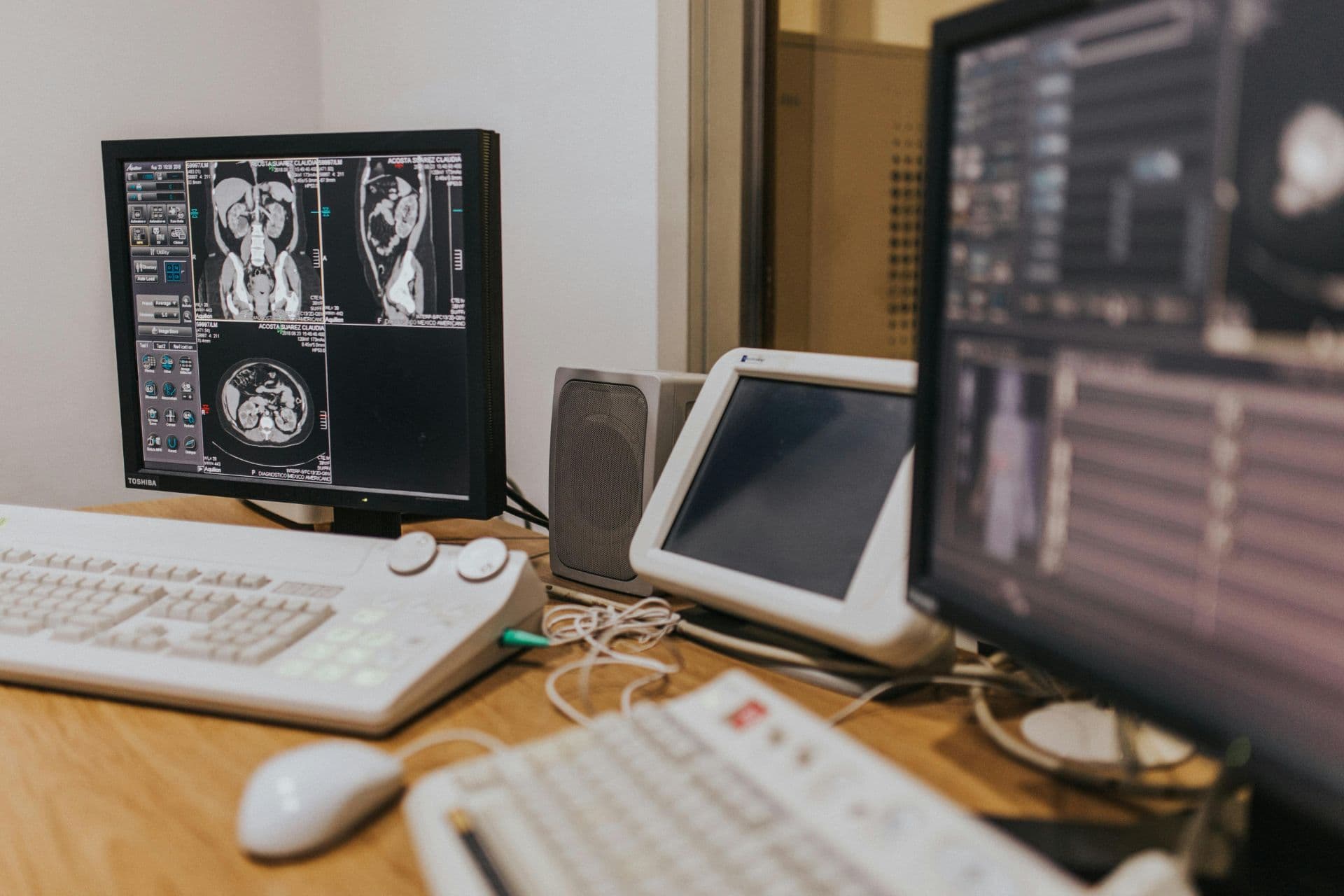
Discover how AI is reshaping radiology, from faster diagnoses to improved accuracy, and what this means for patients and healthcare professionals.
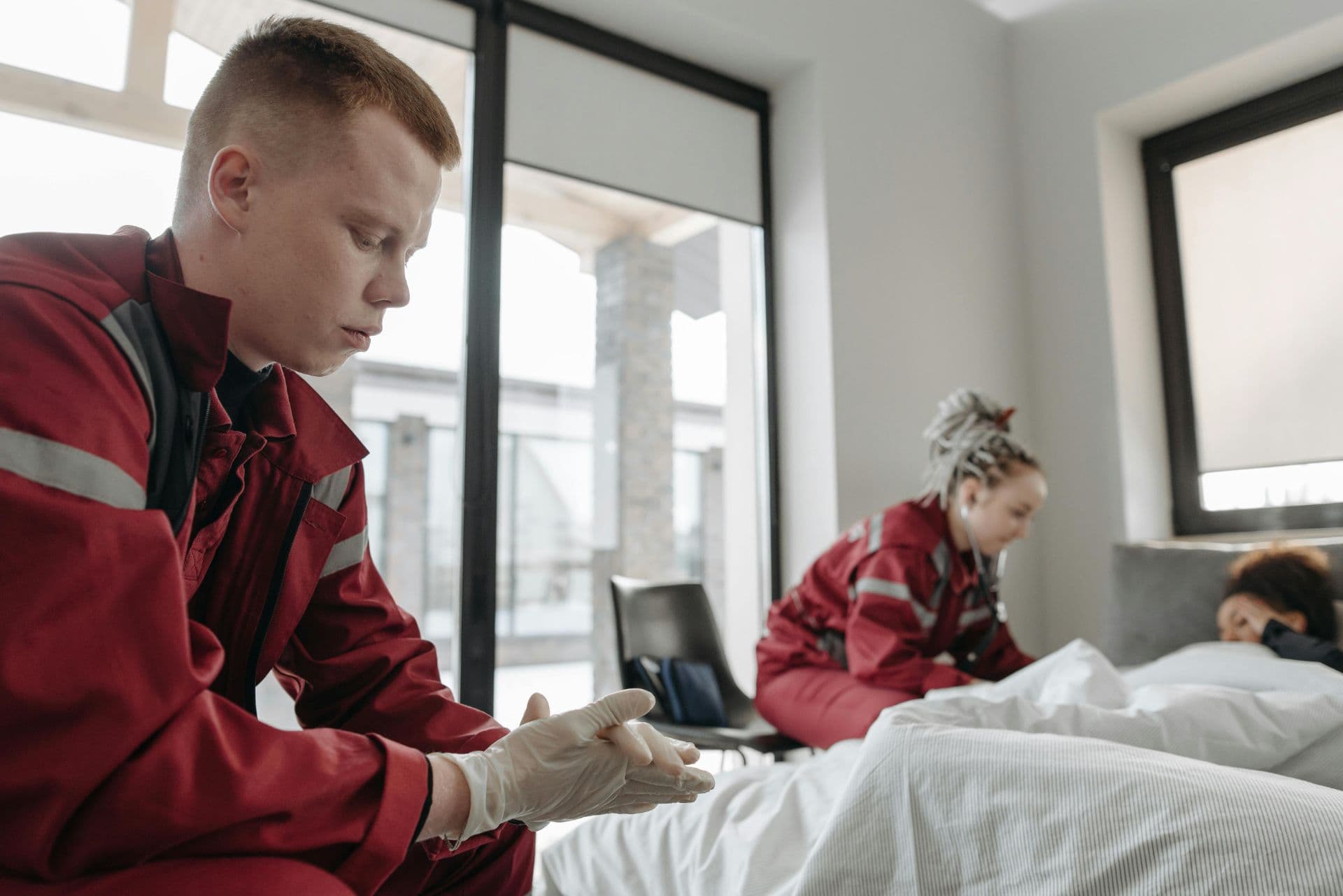
ears pass in schoolrooms where future doctors study life's inner workings, cells, chemicals, and body parts. From books they recall illness patterns, how molecules bond, ways to spot health troubles
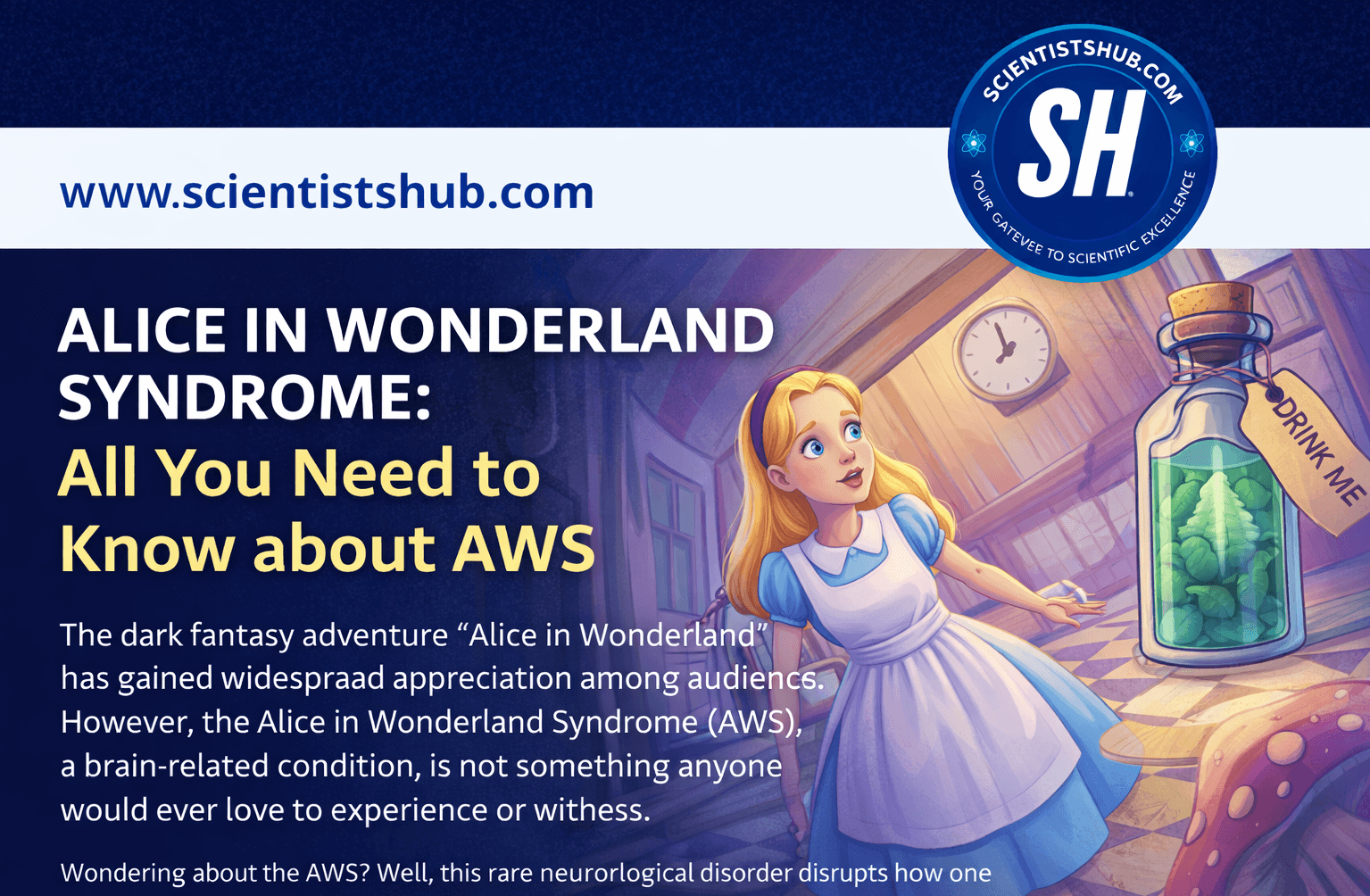
The dark fantasy adventure “Alice in Wonderland” has gained widespread appreciation among audiences. However, the Alice in Wonderland Syndrome (AWS), a brain-related condition, is not something anyone would ever love to experience or witness.

Radiology is more than just X-rays. See how it evolved, how it works, and how AI is making diagnosis faster, safer, and better for everyone
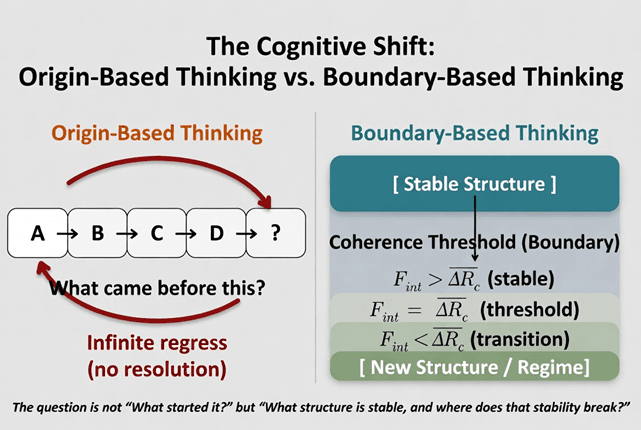
Using a simple childhood observation as the starting point, we show how shifting from origin-based to boundary-based thinking resolves infinite regress and opens a clearer way to engage with fundamental concepts in physics, time, and existence
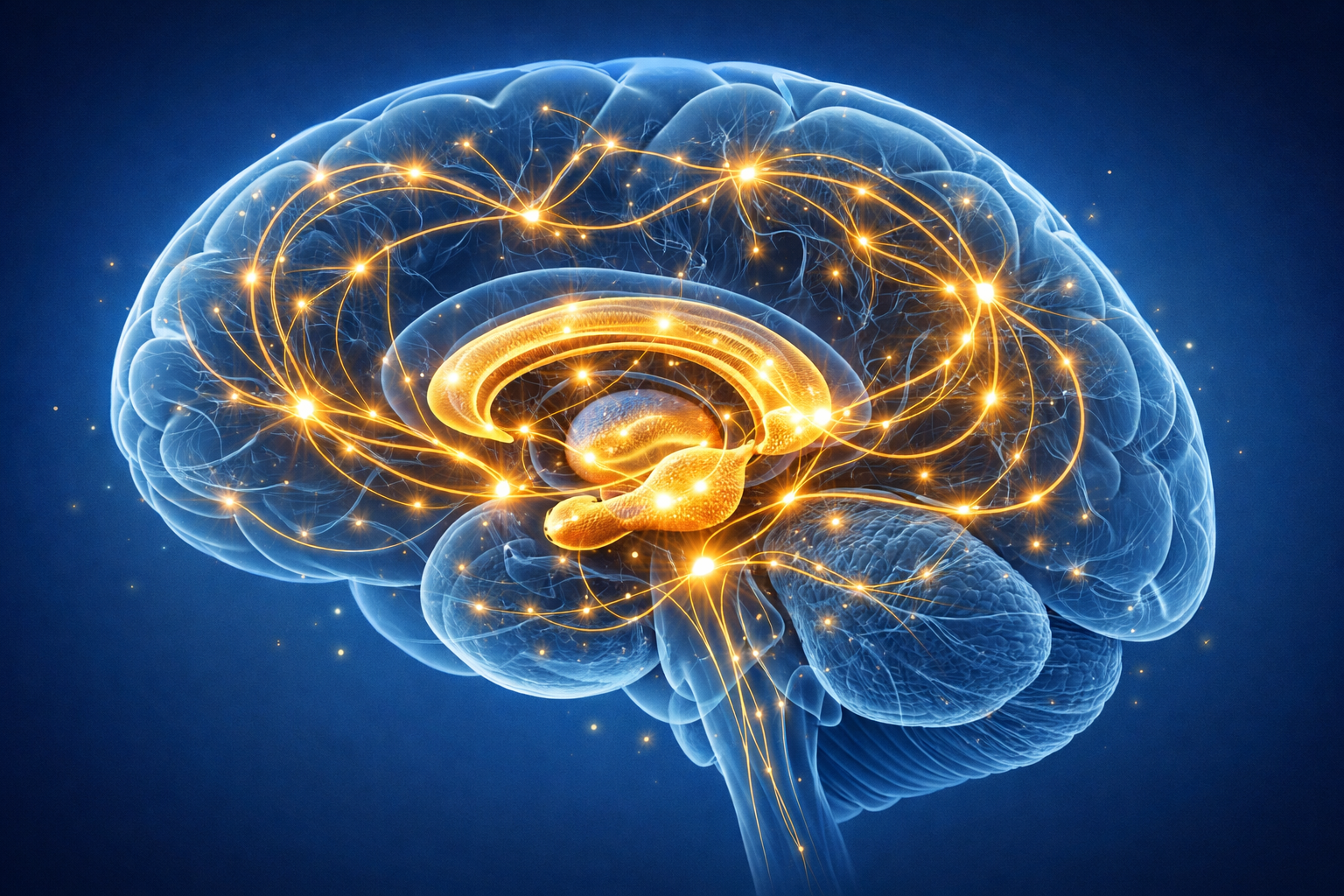
Depression has affected humans for hundreds of years. Symptoms can include persistent feelings of sadness, sleep disturbances, anxiety, and a loss of interest in social activities. Science doesn’t yet fully understand the causes and effects, but here’s what we do know: the brain is a powerful organ, and it is capable of change. Made up of a wide network of connections, it relies on chemicals, electrical impulses, and billions of neurons. Let’s explore how brain science

According to a study, sleeping in a dark room works wonders for your heart. During sleep, ambient light can put stress on the brain that causes arterial inflammation, which may again lead to a stroke or heart attack. Let us delve into and explore the study further.

Many times, individuals feel fearful or extremely worried about cancer testing. The regular tests and scans that patients living with any cancer diagnosis have to undergo, to monitor their condition, can make them feel anxious before, during, or after a scan or a follow-up test
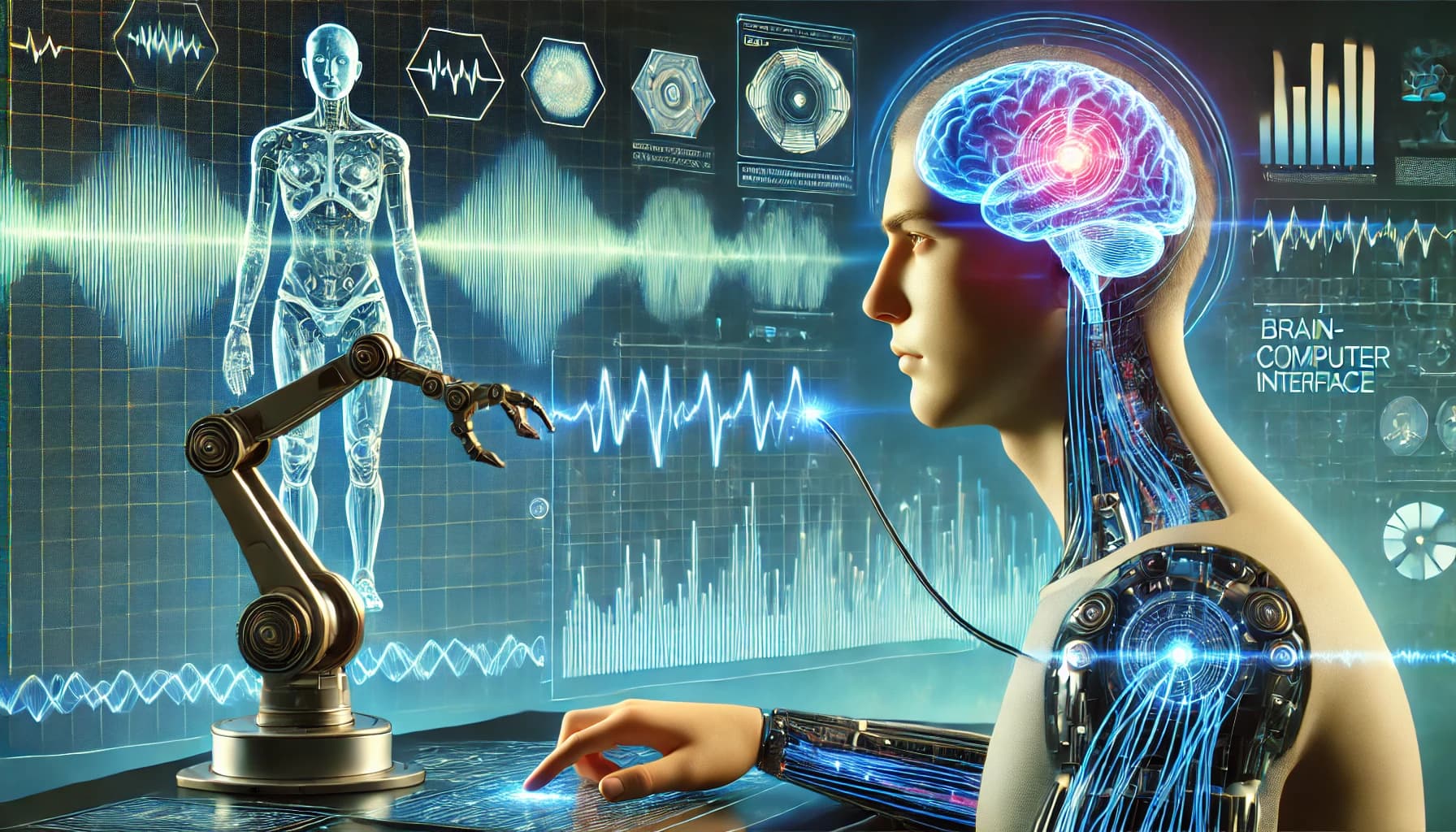
Imagine being able to control a computer, a prosthetic limb, or even a drone just by using your thoughts. This is not science fiction; it is now a reality thanks to brain-computer interfaces (BCIs). BCIs are groundbreaking systems that enable direct communication between the brain and external devices.
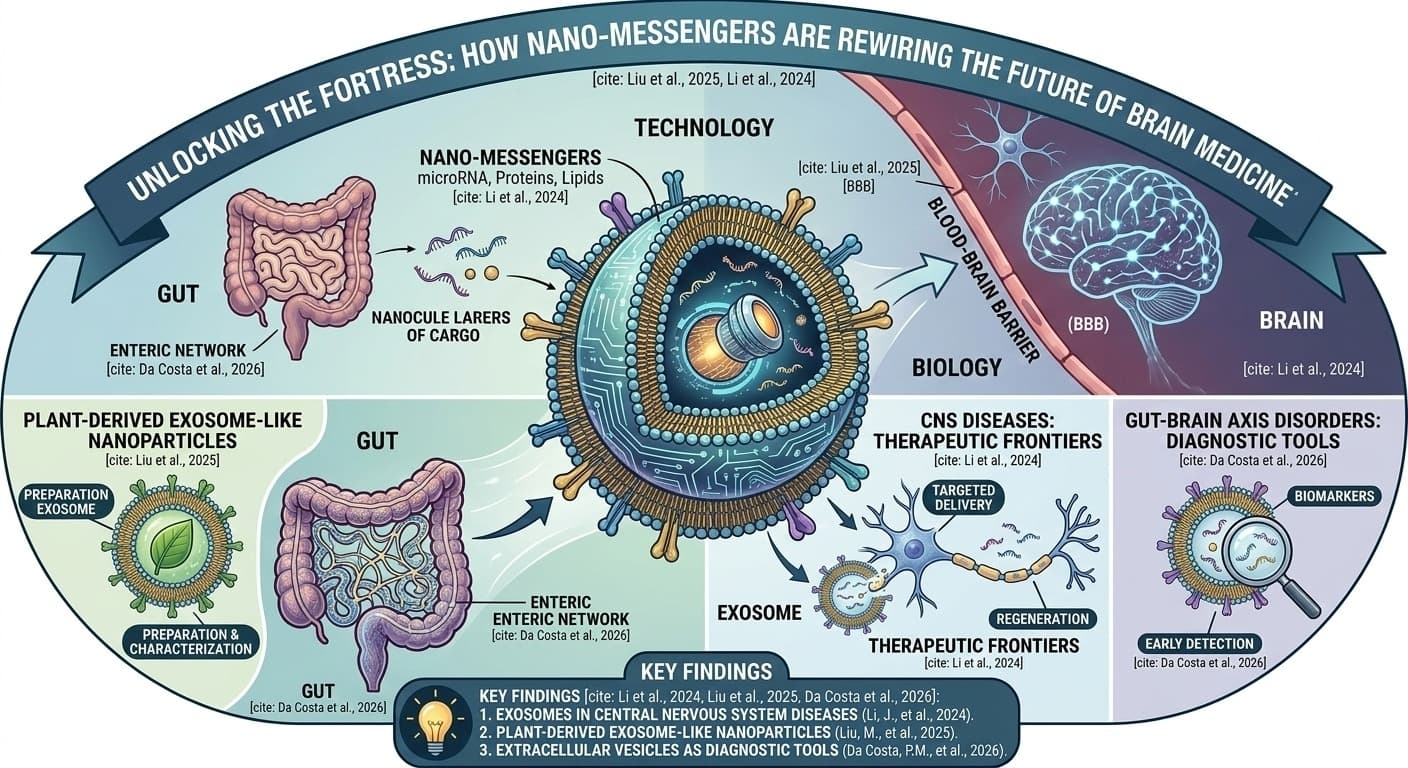
This architecture is essential for shielding neurons from toxins, pathogens, and fluctuations in the bloodstream, but it also creates a devastating bottleneck for modern medicine. More than 98% of small-molecule drugs and nearly all large biological therapeutics fail to cross the BBB in meaningful amounts, leaving many promising treatments for neurodegenerative disorders, brain tumors, and inflammatory diseases stranded in the circulation.
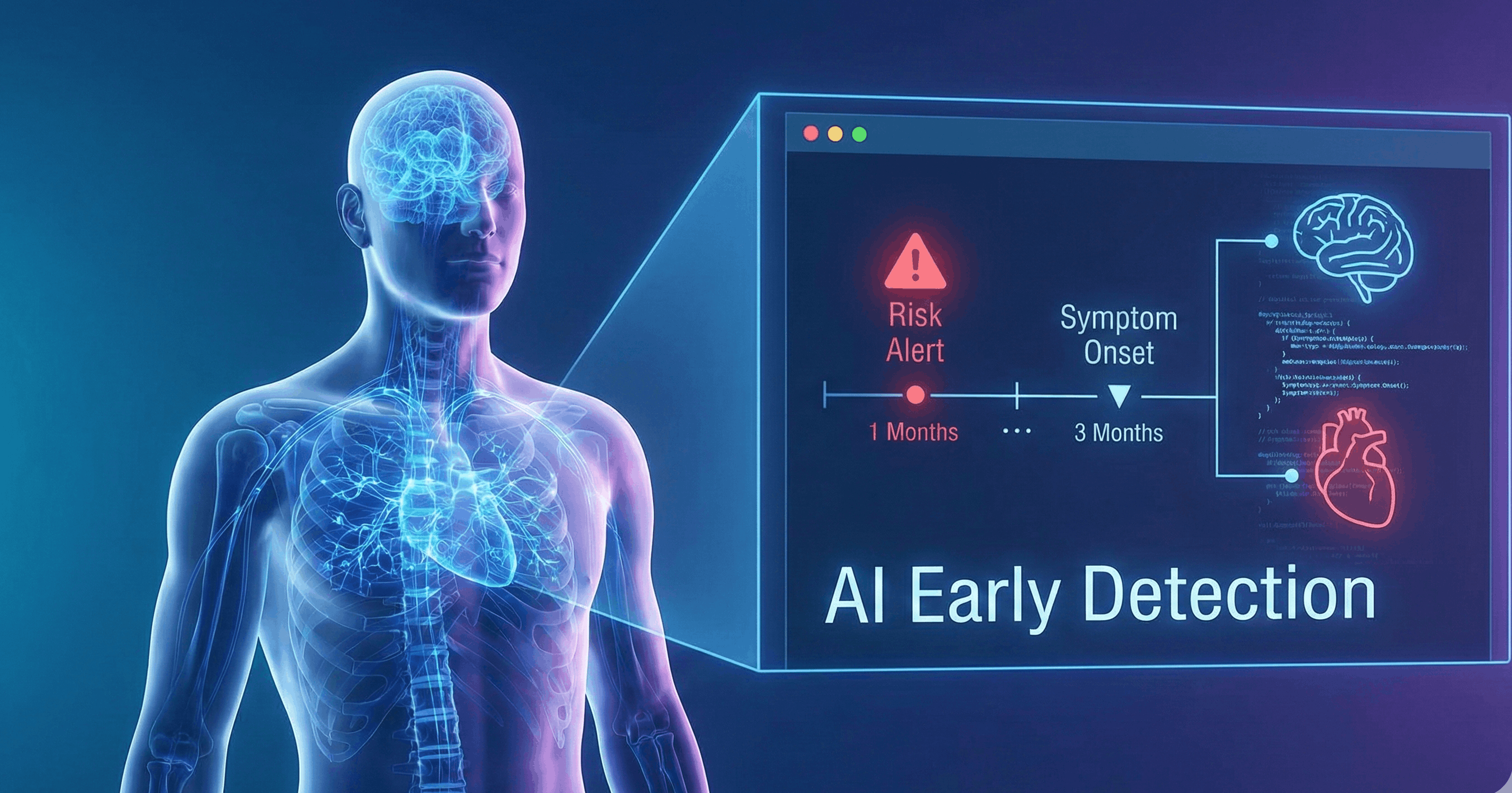
Modern healthcare is undergoing a silent revolution. Now to treat a disease in the healthcare system, there is no longer a need to wait for symptoms to appear.
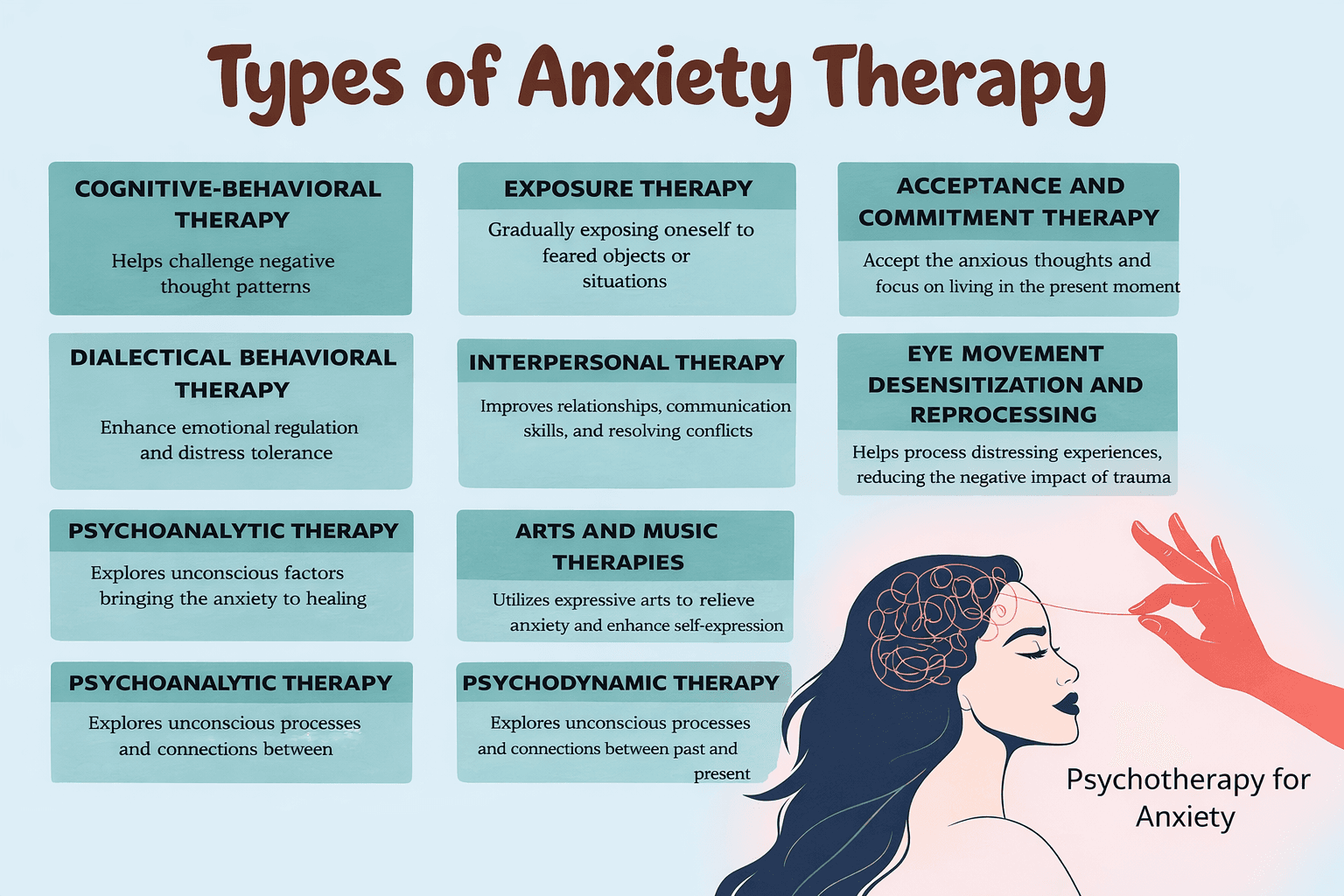
Symptoms of anxiety disorders can interfere with daily life activities, such as performance at work, being in social gatherings, and relationships. In severe cases of anxiety, there might be a feeling of intense fear in common situations, a preference for isolation, or a refusal to leave their homes
