
Health & Medicine
The Mucus Barrier: Science’s Slipperiest Obstacle to Lung Drug Delivery
Why is mucus the biggest obstacle to lung drug delivery? Explore the mucosal barrier science reshaping how we design inhaled medicines and vaccines.

Researchers at Bar-Ilan University have made a remarkable advancement by developing the world's first "test-tube testes," which are lab-created gonads made from authentic testicular cells.
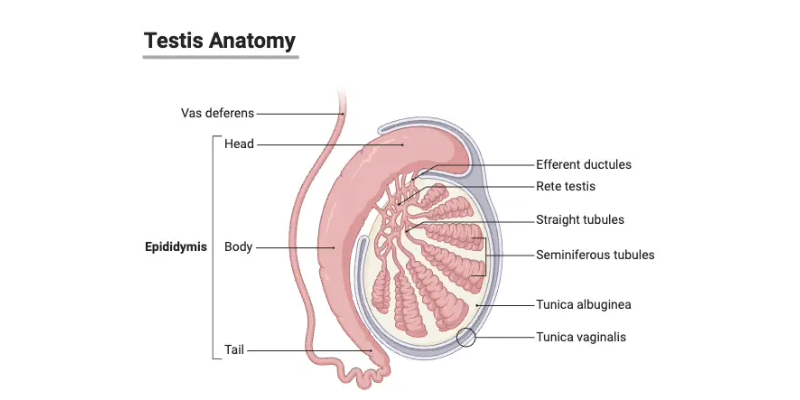
These innovative testes, derived from meticulously cultured mouse cells, closely mimic the structure of natural testes, featuring the complex network of sperm tubes essential for reproduction.
Although it is still unclear whether these lab-grown testes can generate sperm, the research team remains hopeful about a future in which artificial testicles derived from human cells could revolutionize clinical practices.
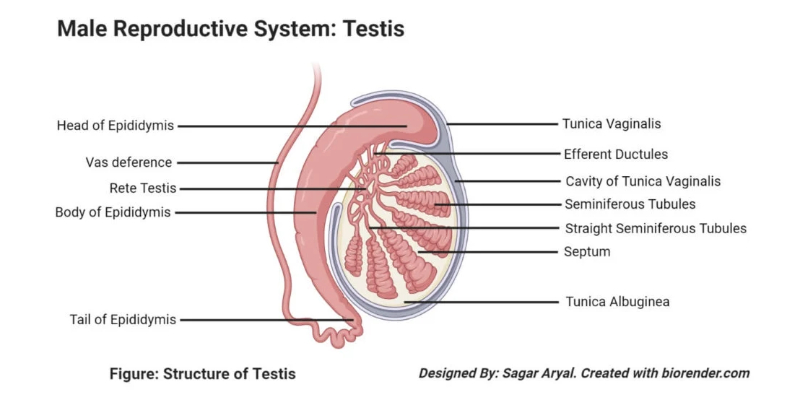
This groundbreaking technique could provide invaluable options for cancer patients whose reproductive organs have been compromised, enabling them to conceive using in vitro replicas of their testicles.
This development not only opens doors for new solutions to male infertility but also enhances scientific understanding in key areas such as fetal sex determination.
The potential of these artificial testicles could redefine reproductive healthcare and provide hope to many individuals and families.
Become a Contributor
Share your knowledge and help others understand science.
Why is mucus the biggest obstacle to lung drug delivery? Explore the mucosal barrier science reshaping how we design inhaled medicines and vaccines.
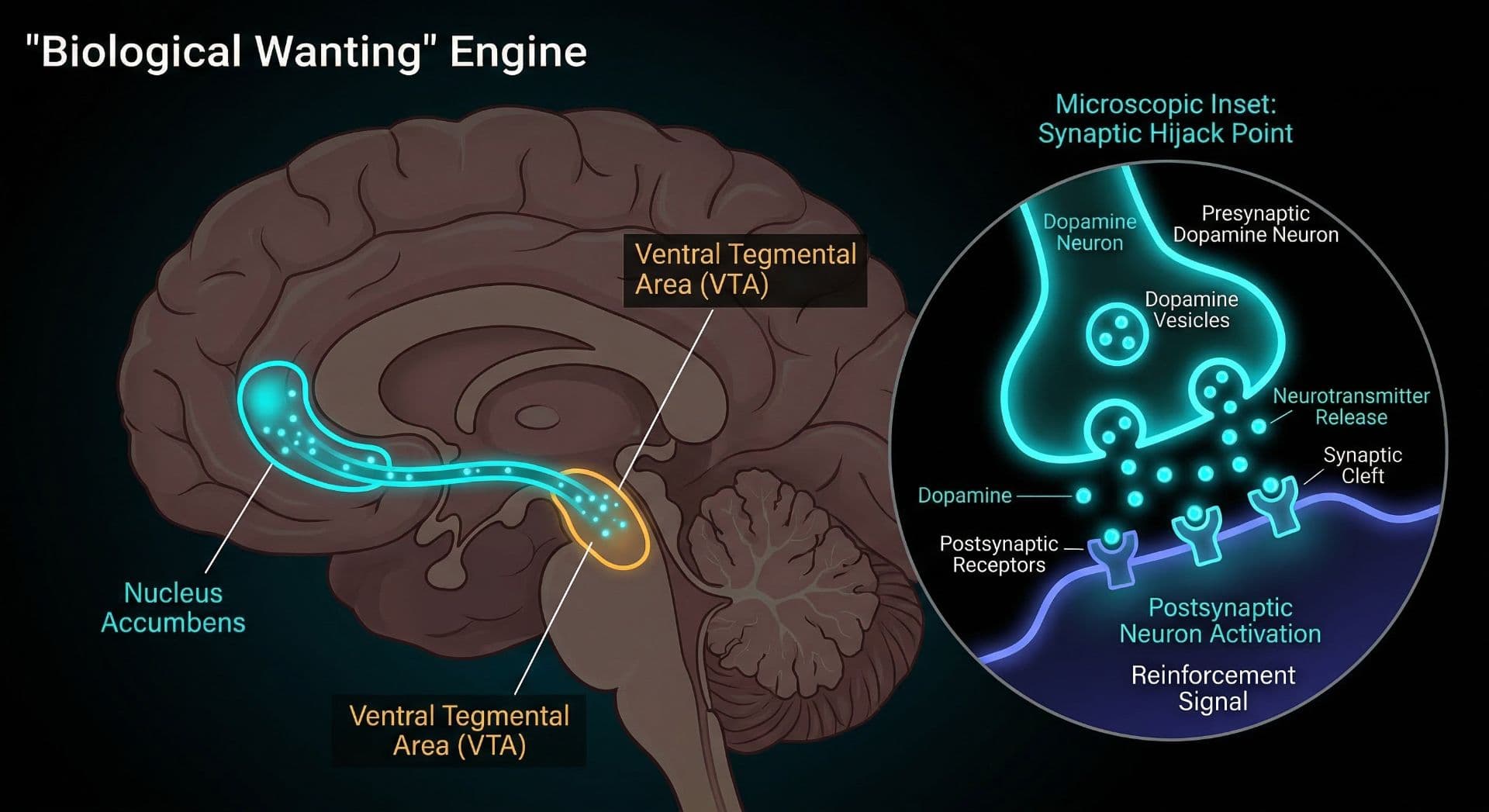

Have you ever intended to check a single notification, only to realize forty minutes have vanished into an endless scroll? In 2026, privacy is no longer just about your data; it is about your thought process. Is your next choice truly yours, or has a 'Digital Twin' already made it for you
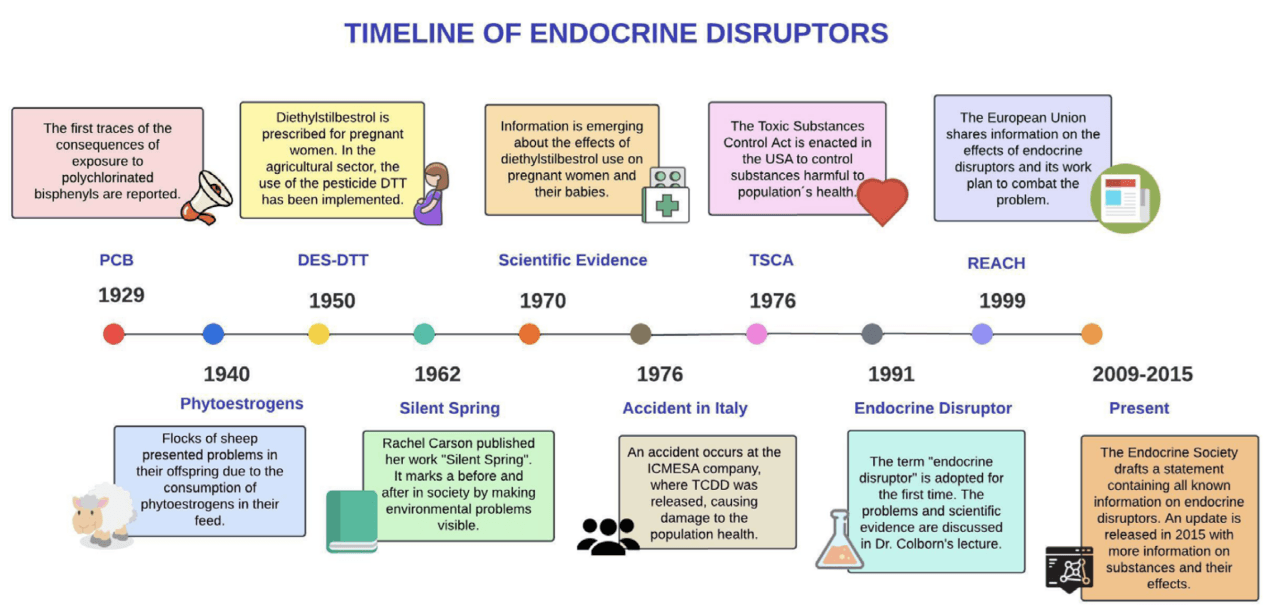
Environmental endocrine disruptors (EEDs) are natural and synthetic chemicals that interfere with endocrine system function by altering hormone synthesis, transport, metabolism, and receptor binding.

Discussion