
Health & Medicine
How Artificial Intelligence is Transforming Modern Radiology
Discover how AI is reshaping radiology, from faster diagnoses to improved accuracy, and what this means for patients and healthcare professionals.
Showing results for: "intelligence" (31 results)
Discover how AI is reshaping radiology, from faster diagnoses to improved accuracy, and what this means for patients and healthcare professionals.

Exploring AI, advanced materials, propulsion, autonomous systems, and emerging technologies shaping the future of aerospace engineering.
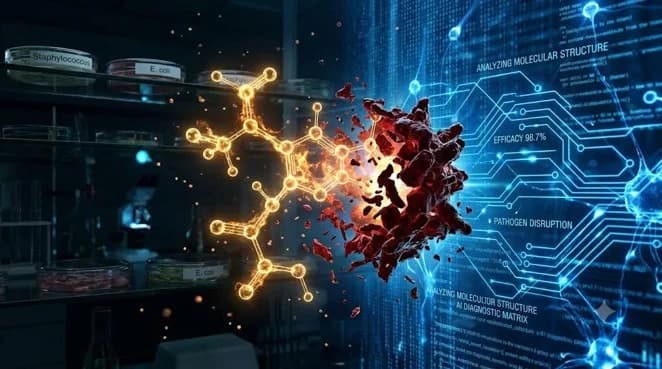
Antibiotic resistance could kill 10 million annually by 2050. Discover how AI found Halicin, a molecule that kills superbugs humans couldn't defeat.
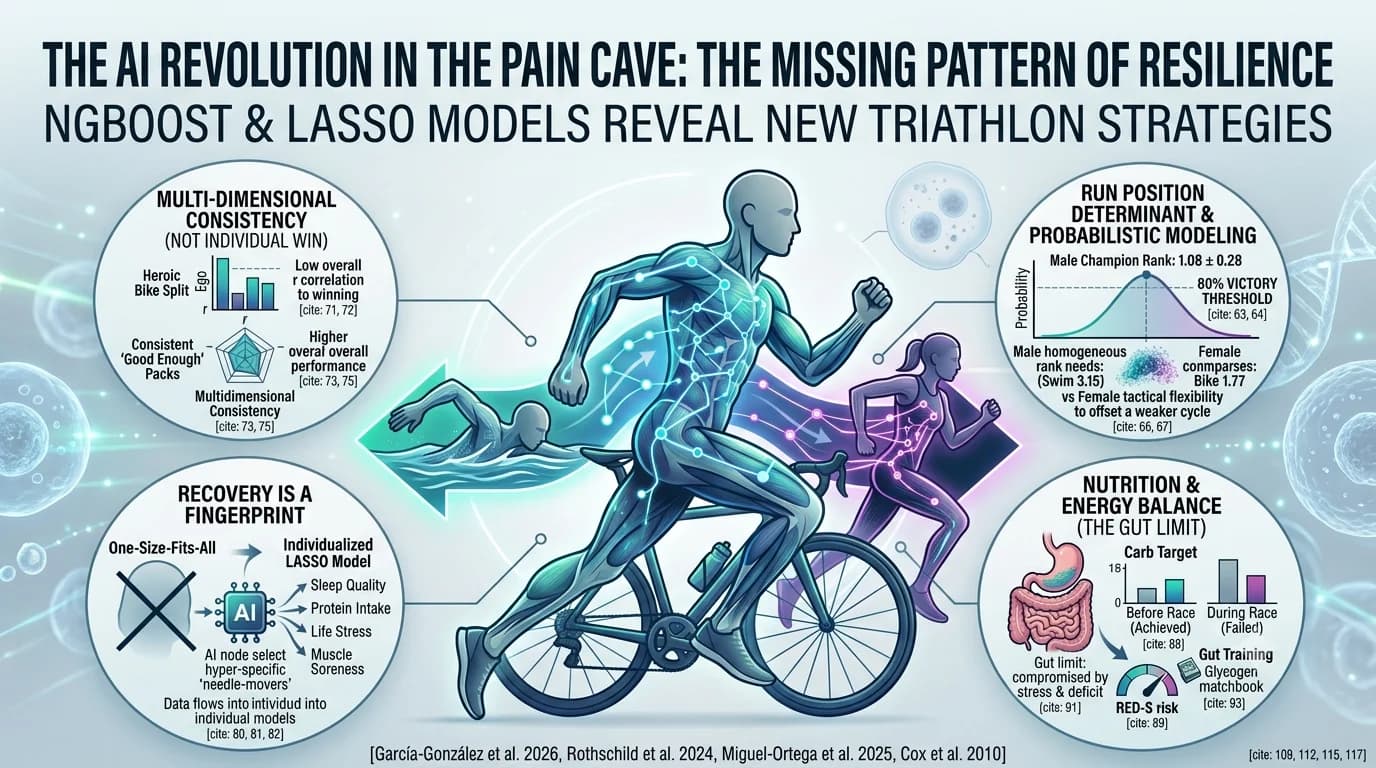
In elite triathlon, the swim and bike segments are often viewed as the "decisive" moments. However, the data reveals a far more lopsided reality. According to García-González et al. (2026), running is the ultimate "great separator.
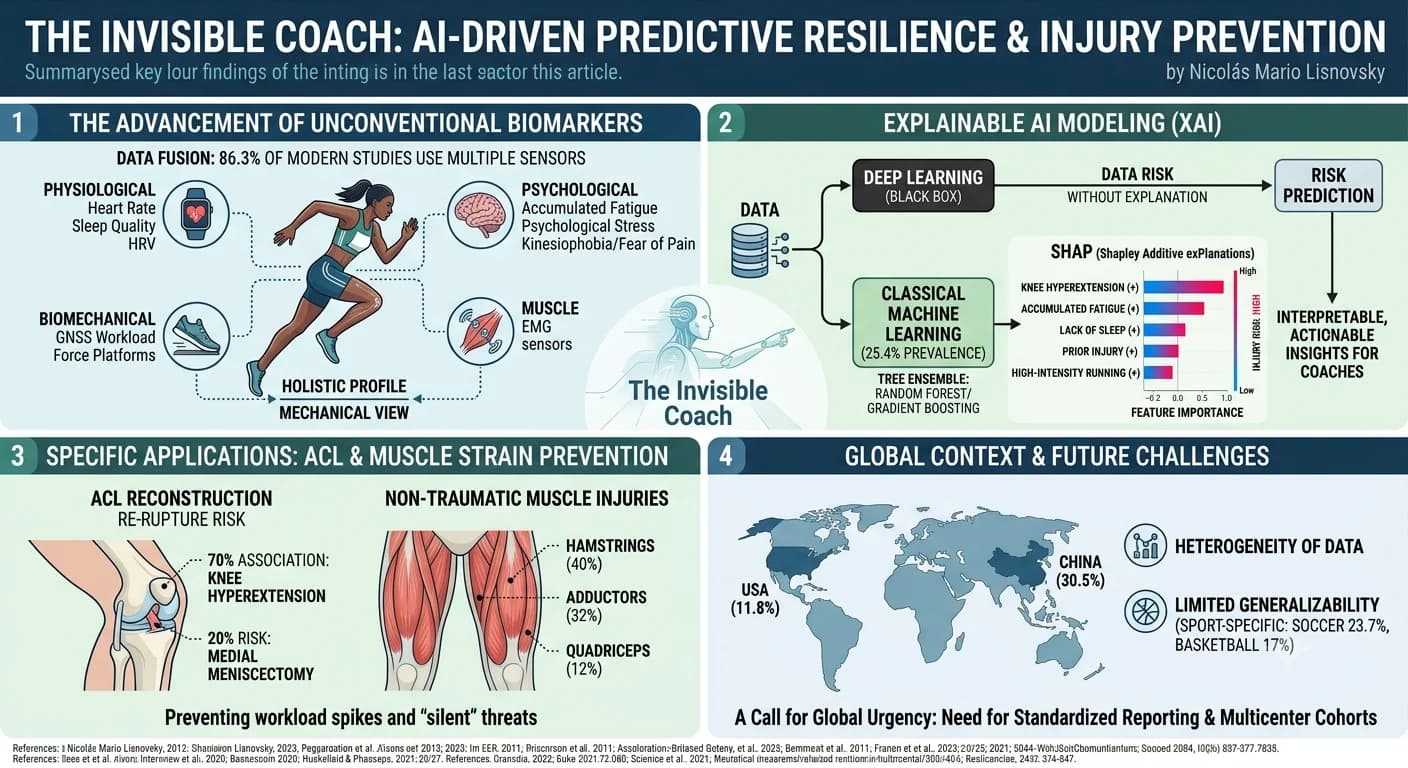
For the elite athlete, an injury is more than a clinical setback, it is an existential interruption. The pursuit of physical excellence has long been haunted by the inherent fragility of the human frame, where a single ligament tear or a chronic strain can dismantle years of disciplined optimization. Historically
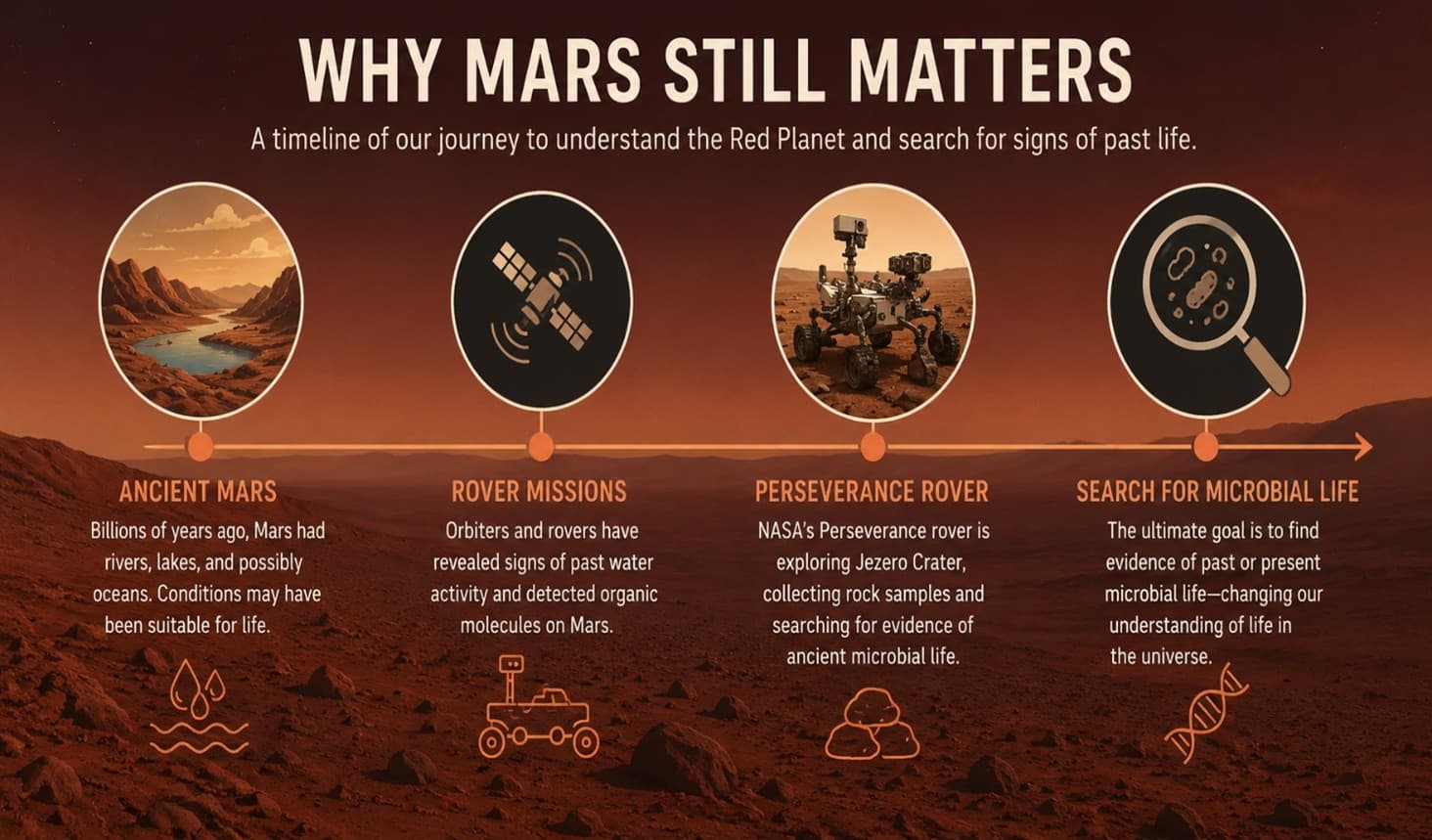
Scientists are closer than ever to detecting life beyond Earth. From Mars to distant exoplanets, modern astronomy is transforming the search for alien life.
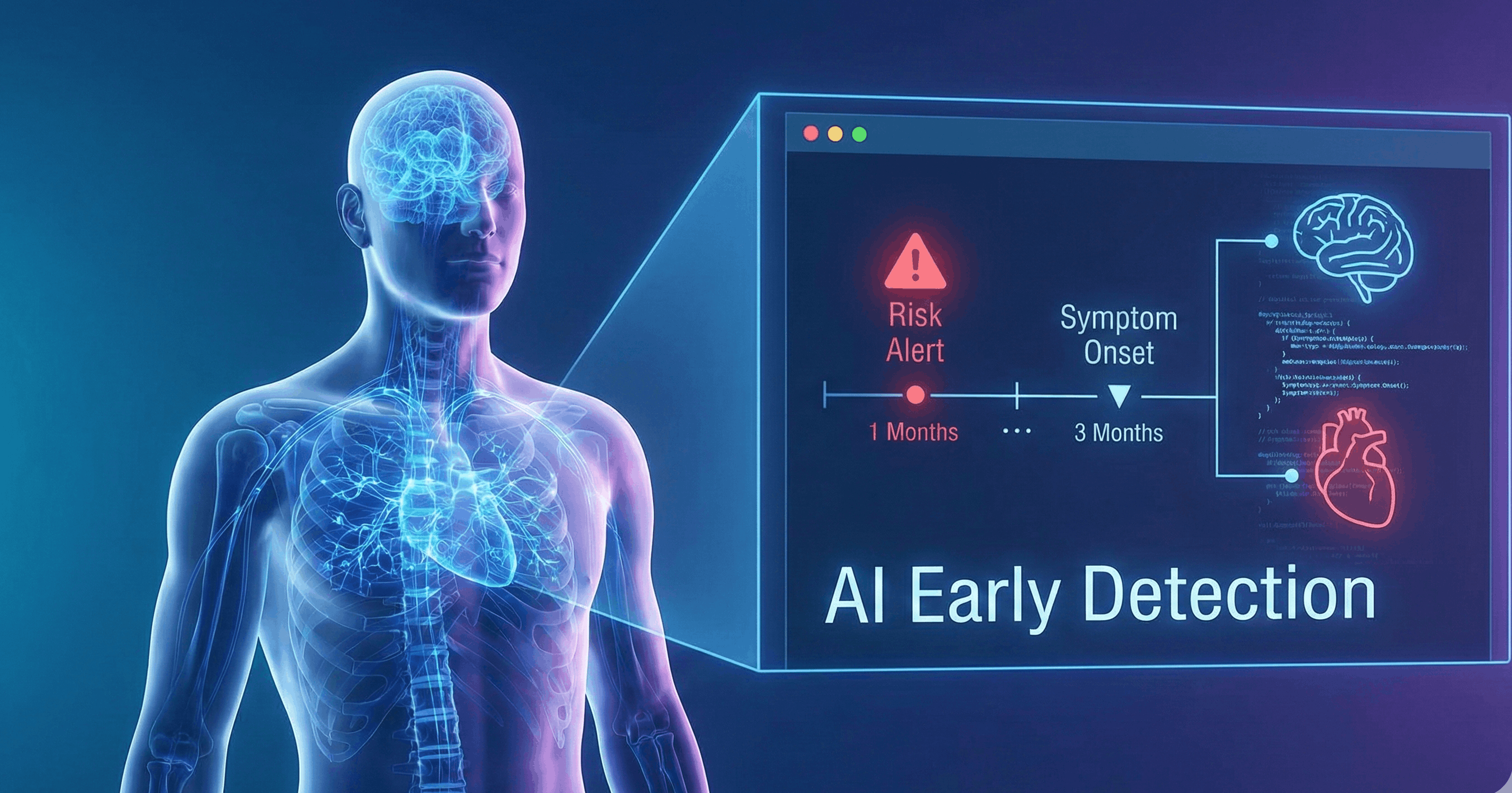
Modern healthcare is undergoing a silent revolution. Now to treat a disease in the healthcare system, there is no longer a need to wait for symptoms to appear.
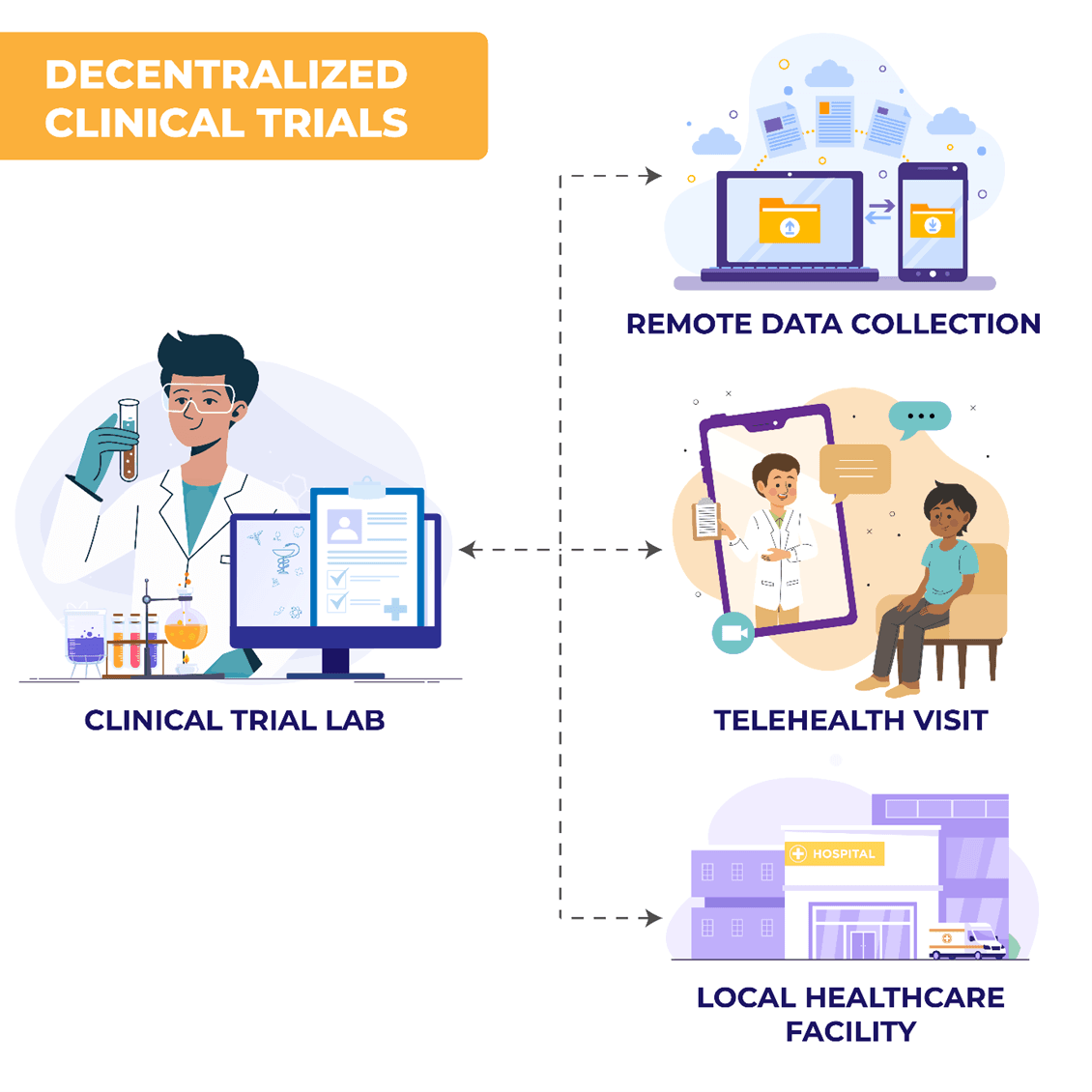
(DCTs) are redefining how pharmaceutical studies are designed, conducted, and analyzed by moving away from traditional site-centric models toward patient-centric, digitally enabled trial ecosystems.
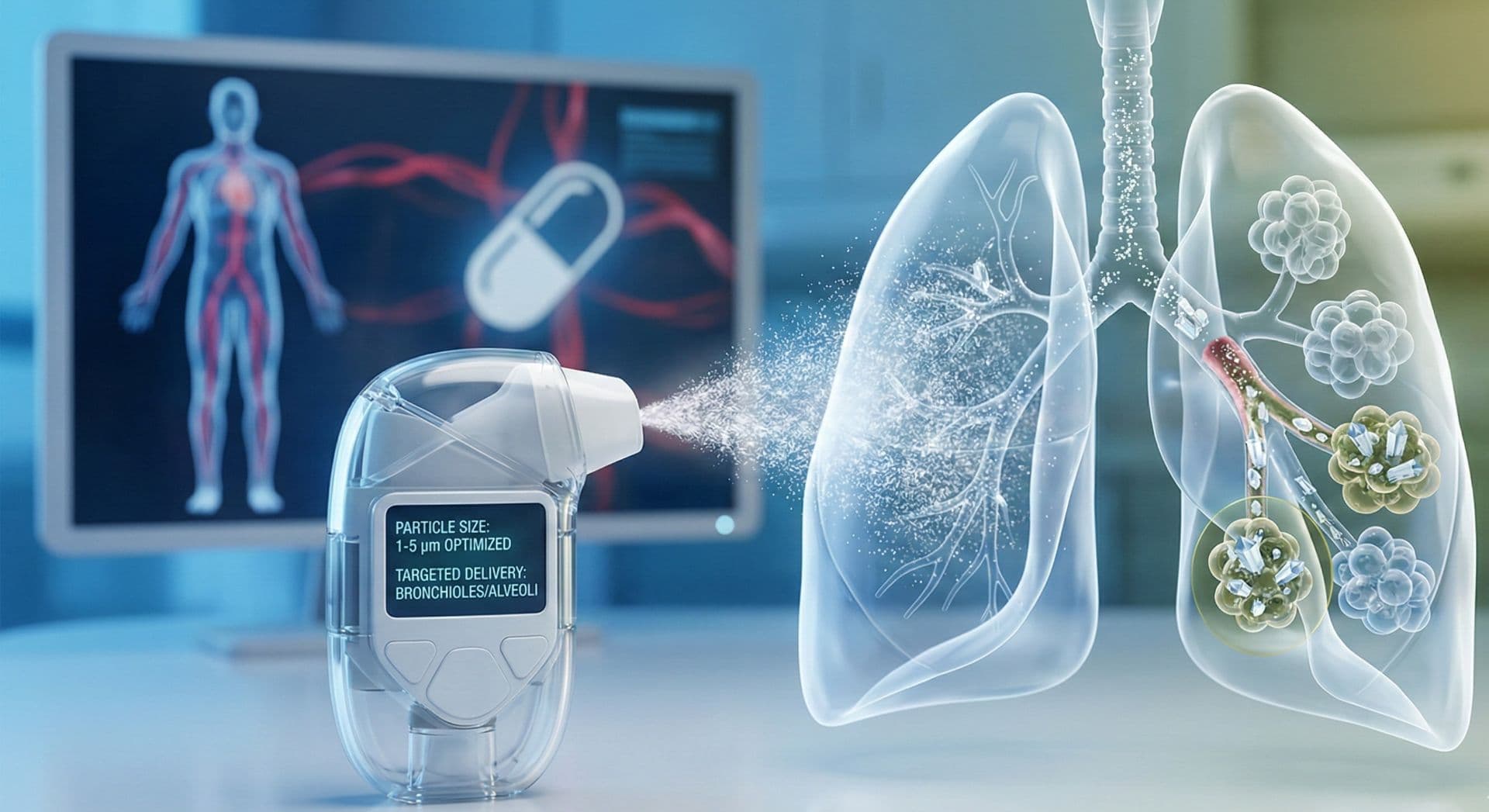
Inhaled antibiotics deliver drugs directly to lung infections, achieving better results with fewer side effects, which is a game-changer in fighting resistance.
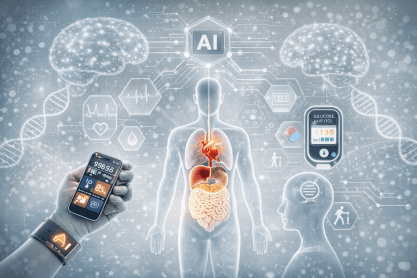
Can algorithms predict sickness before you feel it? Explore how AI is using smartwatch data and ECGs to detect diseases like Alzheimer's and AFib early.
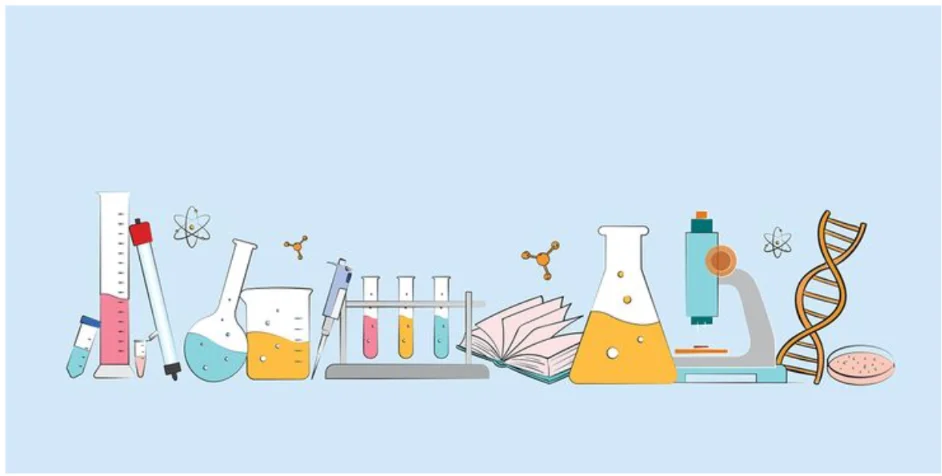
Scientific advancement drives growth, productivity, and long-term global competitiveness in advanced economies.
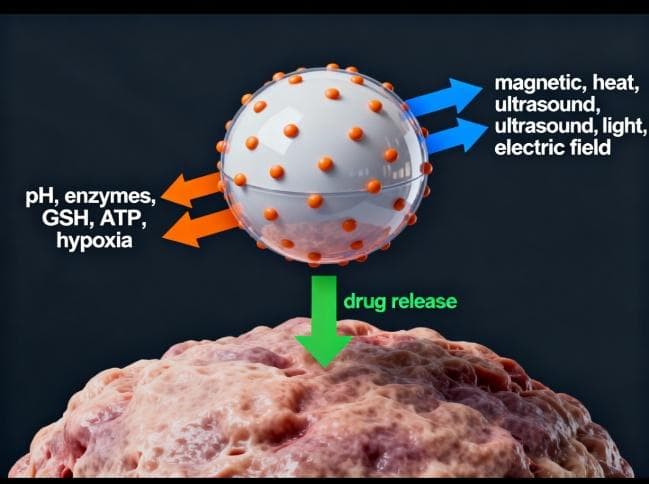
Nanotechnology is having a big impact on pharmaceutical sciences, and drug delivery systems are one area where this is most evident. Compared to conventional medication delivery methods, nanoparticles provide a number of benefits, including increased effectiveness and fewer adverse drug reactions.
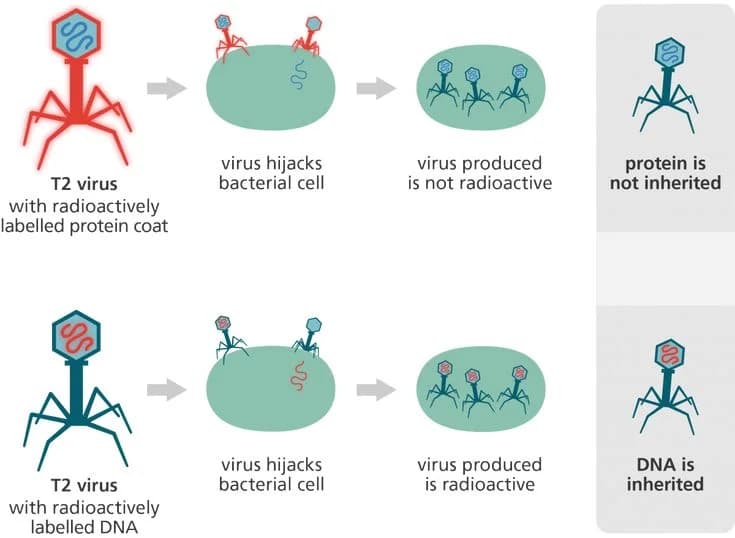
As global data generation continues to grow exponentially, traditional storehouse innovations face challenges related to capacity, energy consumption, and long- term preservation. DNA data storehouse offers a revolutionary result by garbling computerized information into synthetic DNA molecules. This explores DNA data storage, its basics, uses, benefits, and ethics, and how it could change future data archiving.
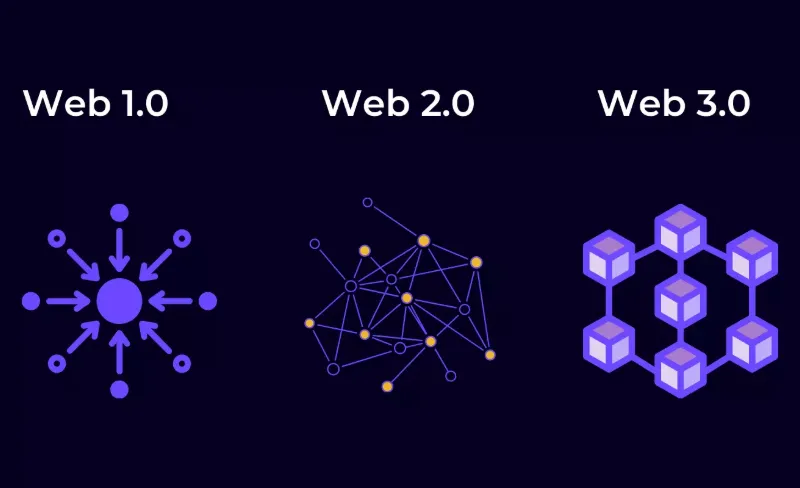
Web 3.0, commonly referred to as Web3, marks a new era of the World Wide Web characterized by distinct values and technological advancements. Its key features include ubiquity, decentralization, artificial intelligence, blockchain technology, and improved connectivity.
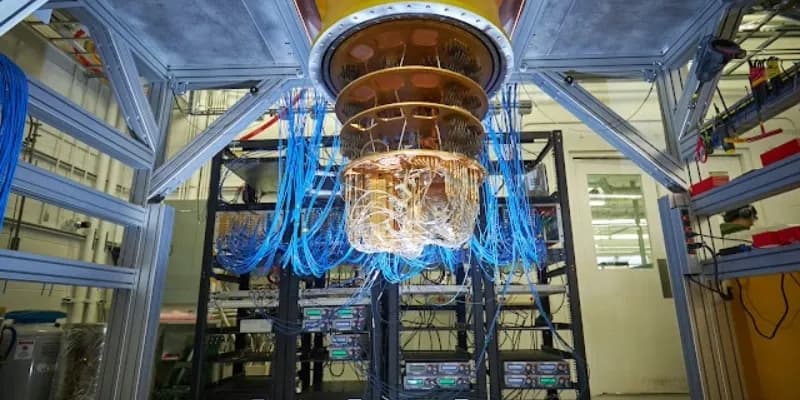
Quantum computing represents a revolutionary advancement in computational capabilities. Unlike traditional computers, which use bits as the smallest unit of data, quantum computers utilize quantum bits or qubits. These qubits can exist in multiple states at the same time due to the principles of superposition and entanglement.

Mathematics is often described as the universal language of the universe, a field that transcends cultures and eras to provide the tools for understanding the world. From the ancient geometries of Egypt to modern computational algorithms, mathematics is at the heart of human discovery and technological progress.
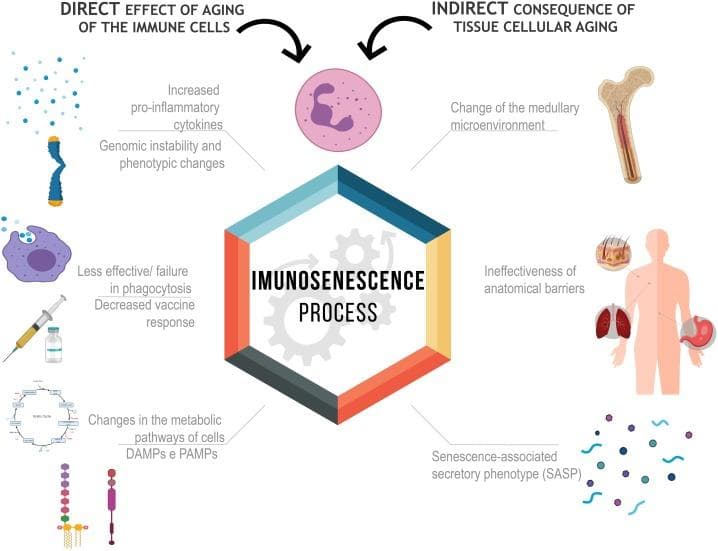
Ageing is accompanied by a gradual decline in physiological functions, among which deterioration of the immune system termed immunosenescence—has profound implications for human health.

Radiology is more than just X-rays. See how it evolved, how it works, and how AI is making diagnosis faster, safer, and better for everyone

A low-energy dynamical approach could give companion AI the gift of long-term relational memory - especially valuable for eldercare.
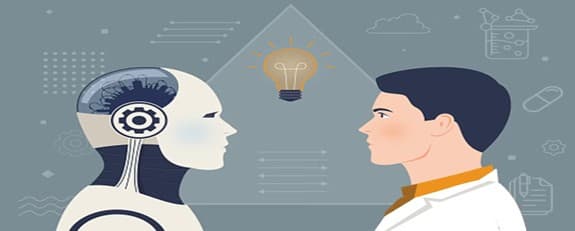
Artificial Intelligence(AI) is reshaping the future of healthcare. The US and UK healthcare systems started to adopt tools like AI Scribe and conversational chatbots, as they claimed to outperform clinicians in diagnostics. Survey data from over 100 physicians polled by Fierce Healthcare and Sermo indicate that many doctors are using general-purpose LLMs for clinical tasks.