Health & Medicine
The Stability Problem: Why Your Medicine Needs a Cold Chain
Vaccines need precise temperature control to work but maintaining the cold chain wastes half of all doses globally. New thermostable formulations could change everything.
Showing results for: "vaccine stability" (46 results)
Vaccines need precise temperature control to work but maintaining the cold chain wastes half of all doses globally. New thermostable formulations could change everything.

Inhalable vaccines trigger powerful mucosal immunity where pathogens enter the body, offering needle-free protection against respiratory diseases.

How a 150-year-old food industry technique became essential for creating stable biologics and inhaled medicines, transforming liquid drugs into life-saving powders.
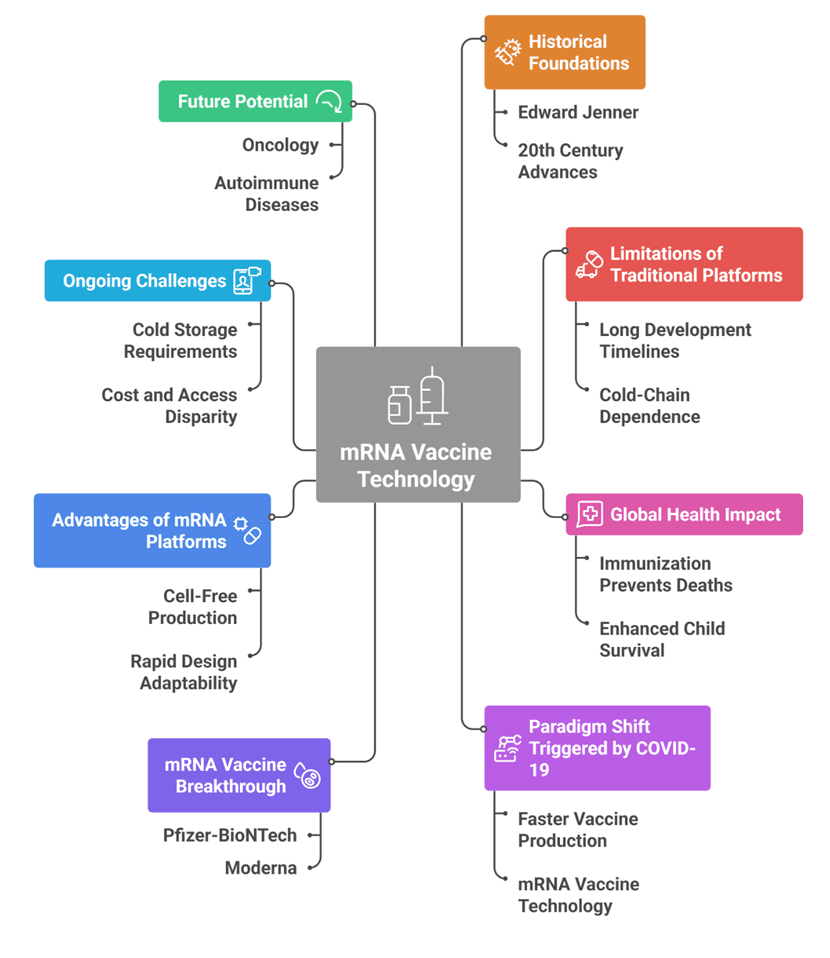
Messenger RNA (mRNA) vaccines represent one of the most significant scientific advances in modern therapeutics. Unlike conventional vaccines that use weakened or inactivated pathogens, mRNA vaccines deliver genetic instructions that enable host cells to synthesize a target antigen and stimulate an immune response.

Natural polysaccharides like locust bean gum and chitosan are replacing lactose as safer, more effective carriers for inhaled medications and vaccines.
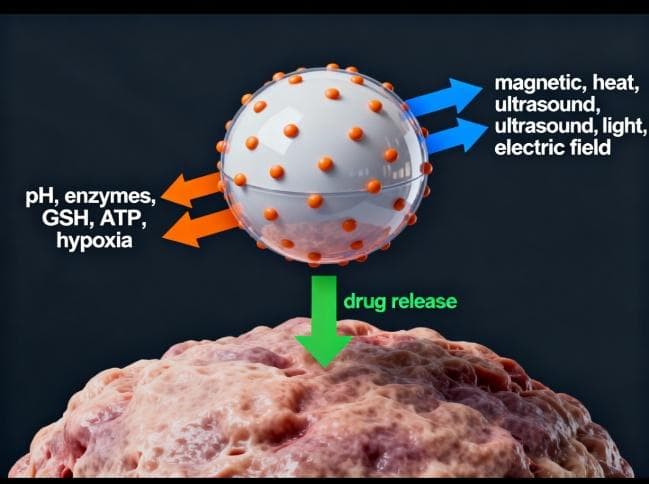
Nanotechnology is having a big impact on pharmaceutical sciences, and drug delivery systems are one area where this is most evident. Compared to conventional medication delivery methods, nanoparticles provide a number of benefits, including increased effectiveness and fewer adverse drug reactions.

Drug repurposing is reshaping medicine. Discover how changing a drug's route of administration — not the molecule itself — can unlock new therapeutic potential.

What allows anything stable to exist at all? Before objects, laws, or equations can be described, something more basic must occur: something must persist long enough to be identified. This shifts the focus from what exists to the conditions under which anything can exist stably.
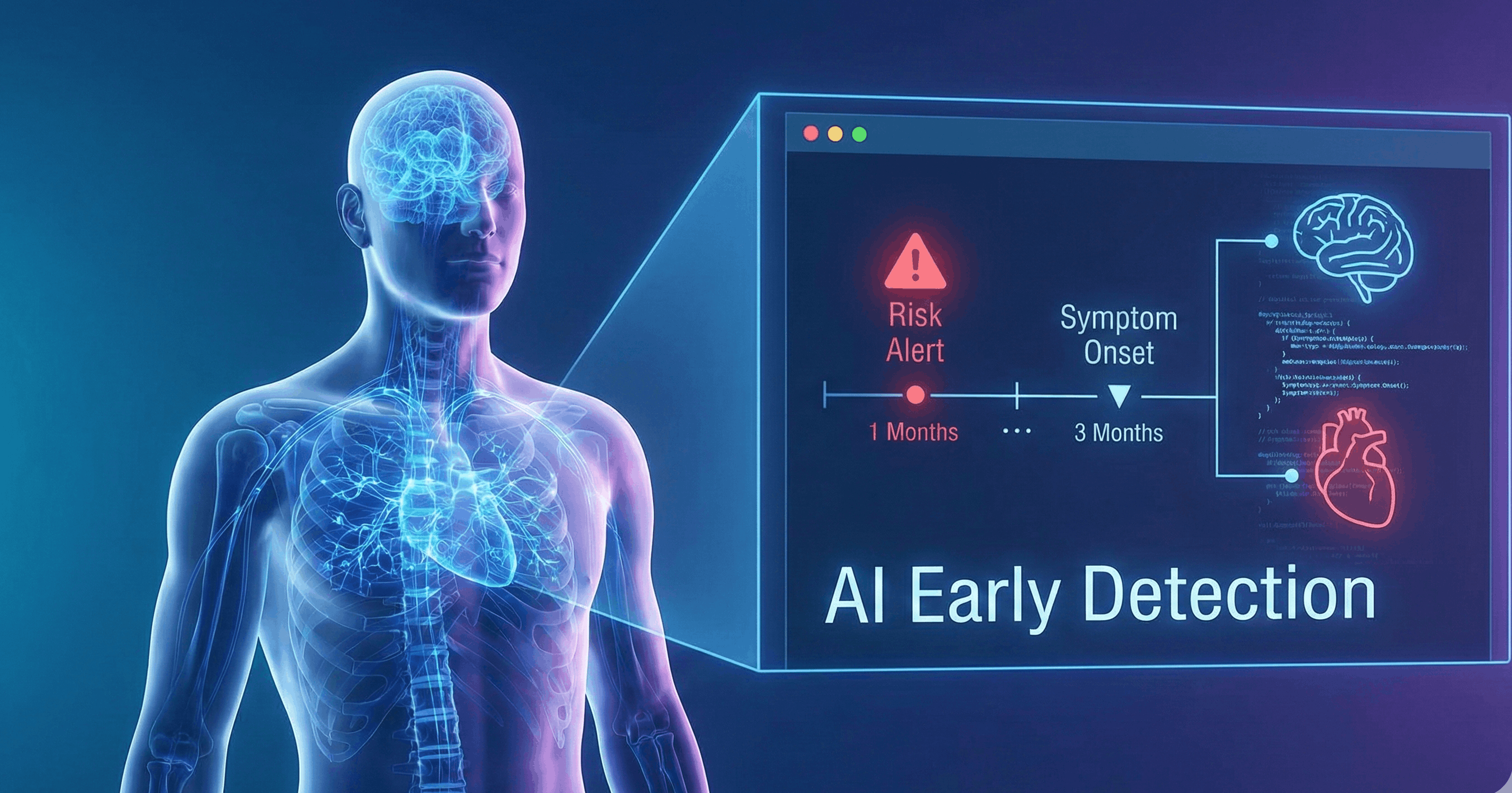
Modern healthcare is undergoing a silent revolution. Now to treat a disease in the healthcare system, there is no longer a need to wait for symptoms to appear.

Many physical and computational systems exhibit a familiar behavior: ordered states gradually decay in the presence of noise. Examples appear across science:

Cells can be understood as highly coordinated systems in which DNA functions as a comprehensive but inert blueprint, requiring precise interpretation to become biologically active. Gene expression depends on regulatory proteins that orchestrate transcription across time and space.

We begin with things - particles, fields, forces - and then build laws and equations to explain how those things behave. This approach has been extraordinarily successful. It is how we arrived at quantum mechanics, general relativity, and the Standard Model.
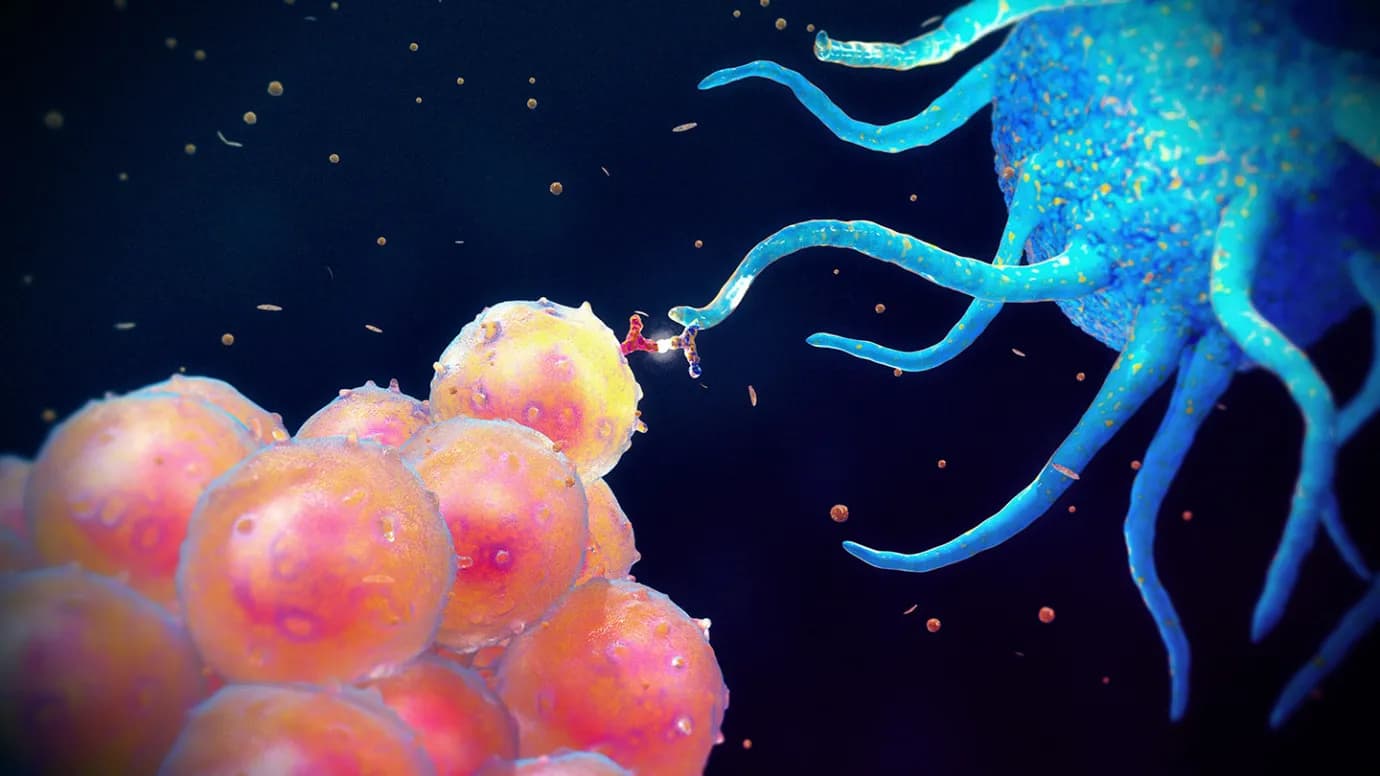
Discover how antigen-presenting cells like dendritic cells and macrophages are being recruited through smart particle design for vaccines and immunotherapy.
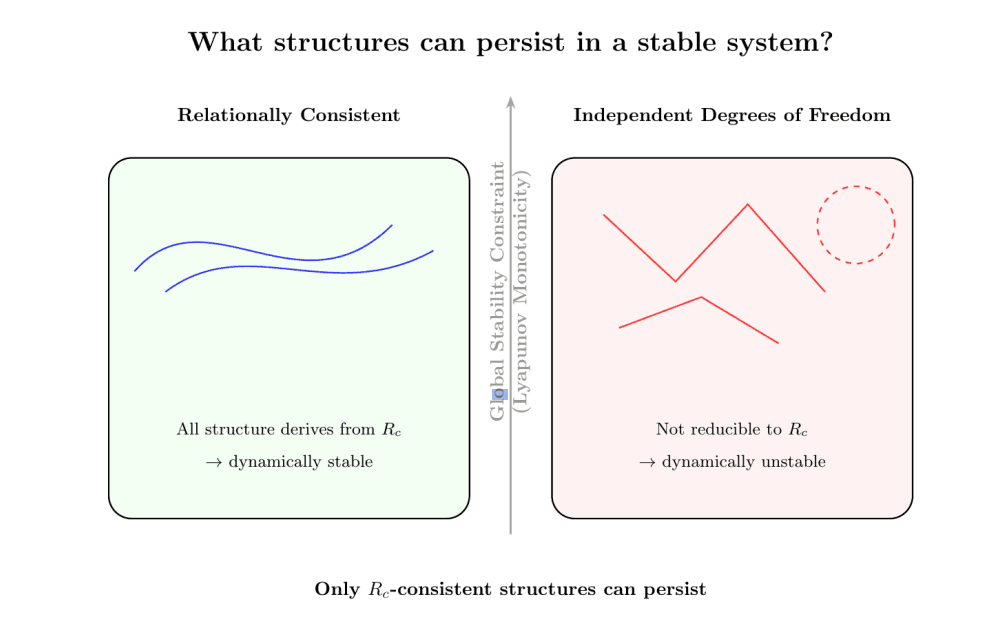
Modern physics often assumes that the complexity we observe in the universe reflects an underlying complexity in its fundamental structure. Fields, particles, forces, and geometries are typically introduced as independent components, each carrying its own degrees of freedom.
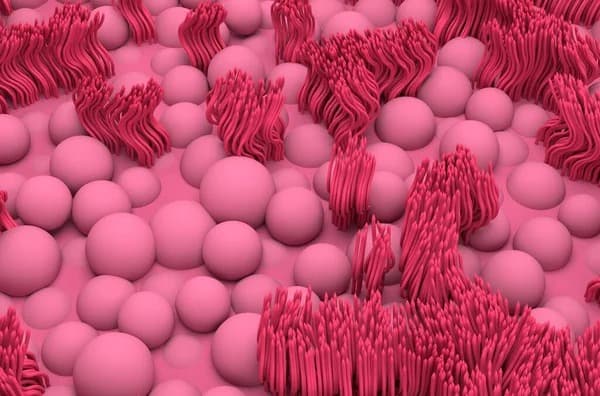
Why is mucus the biggest obstacle to lung drug delivery? Explore the mucosal barrier science reshaping how we design inhaled medicines and vaccines.
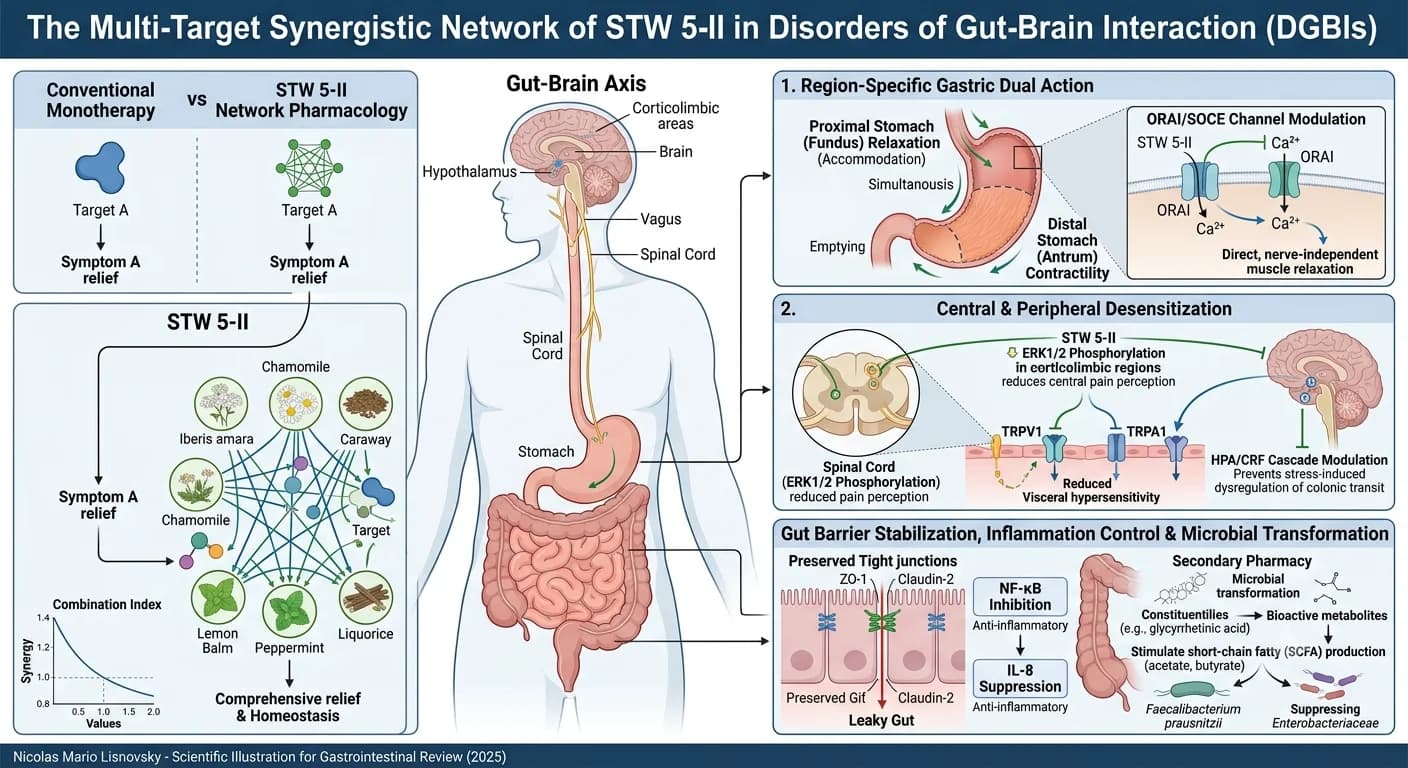
Disorders of Gut–Brain Interaction (DGBIs), such as Functional Dyspepsia (FD) and Irritable Bowel Syndrome (IBS), present a formidable clinical impasse due to their profoundly heterogeneous and multifactorial nature.
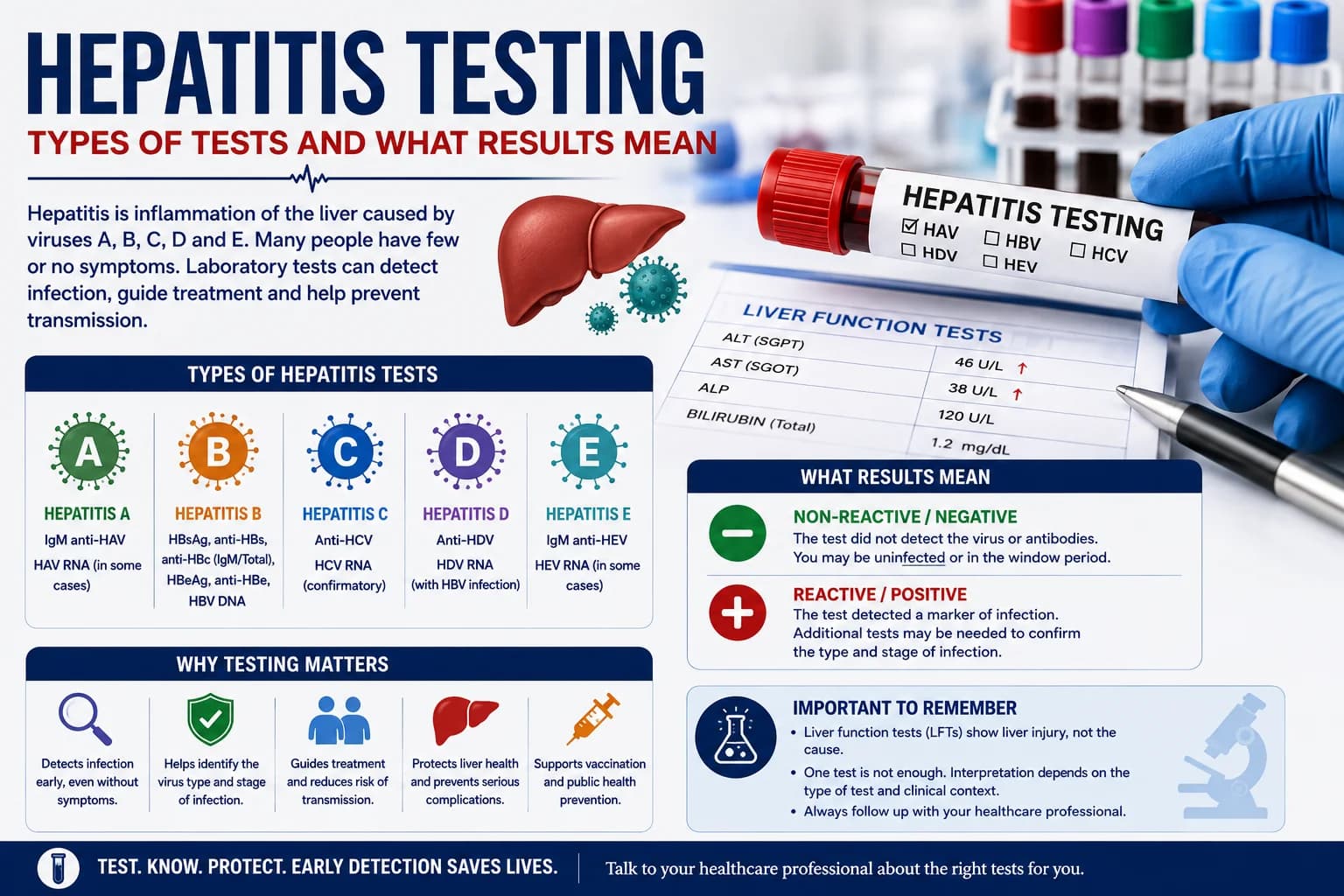
Talk about hepatitis testing, including blood tests for hepatitis A, B, C, D and E, common markers, liver tests, and what positive or negative results mean.

Traditionally, Forensic Science relies on Human DNA for contact evidence and individual identification, but limitation arises when the blood cells obtained from the crime scene are degraded or not.

Plant mucilage is a thick, glue-like substance produced by plants that helps with seed germination, water and nutrient storage, and defense. Flax and chia seeds are rich sources of mucilage and have various applications in the food and pharmaceutical industries.

Wave–Particle Duality as Regime Dependence A Structural Perspective from Relational Field Theory