How Radiology Changed Healthcare: From X-Rays to Smart Diagnosis
Radiology is more than just X-rays. See how it evolved, how it works, and how AI is making diagnosis faster, safer, and better for everyone
Showing results for: "close finding" (46 results)

Radiology is more than just X-rays. See how it evolved, how it works, and how AI is making diagnosis faster, safer, and better for everyone

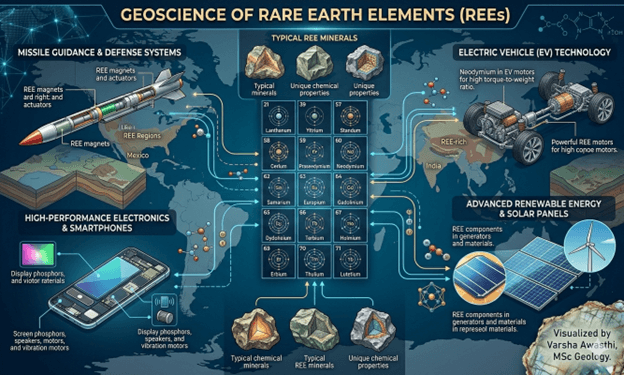
India holds the world's 5th largest Rare Earth reserves but produces less than 1%. Explore the science and strategy behind India's quest for mineral sovereignty and high-tech independence.

Today, generalized anxiety disorder is affecting millions of Americans. The disorder usually traps the sufferers in cycles of fear and isolation in a way that even standard treatments cannot relieve completely. UCSF neuroscientist Jennifer Mitchell, PhD, is testing a surprising brand-new approach that can ease symptoms of generalized anxiety disorder by reshaping how the brain thinks and feels.

With the potential of AI tools revolutionizing the world of healthcare, there are ethical risk factors that need to be looked at before their implementation.

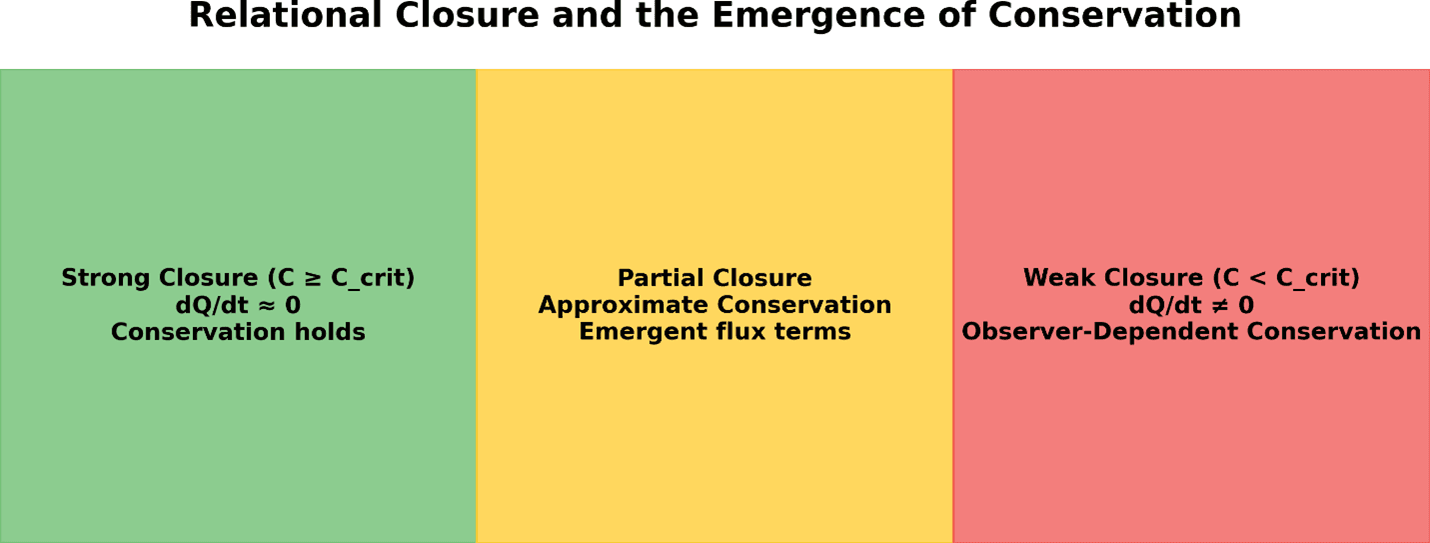
We begin with things - particles, fields, forces - and then build laws and equations to explain how those things behave. This approach has been extraordinarily successful. It is how we arrived at quantum mechanics, general relativity, and the Standard Model.

Ever wonder what it’s like if a tiny chip could detect cancer before symptoms appear. Biosensor technology is transforming cancer detection- earlier, faster and more accessible for people worldwide

Discover how AI is reshaping radiology, from faster diagnoses to improved accuracy, and what this means for patients and healthcare professionals.

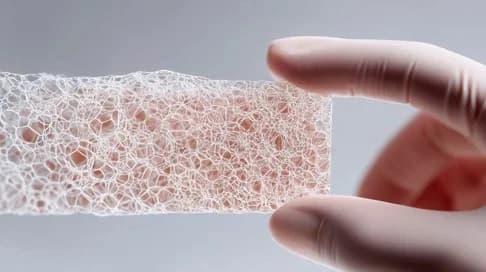
In Sci-fi visions of distant futures, some imagine sprawling intergalactic civilizations. Scaffolds built around stars harvesting their energy. Fusion reactors, cyborgs, superintelligent implants. But the future of artificial bones, though perhaps more mundane, could be a life saving science.

Natural polysaccharides like locust bean gum and chitosan are replacing lactose as safer, more effective carriers for inhaled medications and vaccines.

Symptoms of anxiety disorders can interfere with daily life activities, such as performance at work, being in social gatherings, and relationships. In severe cases of anxiety, there might be a feeling of intense fear in common situations, a preference for isolation, or a refusal to leave their homes

Can algorithms predict sickness before you feel it? Explore how AI is using smartwatch data and ECGs to detect diseases like Alzheimer's and AFib early.

Selective oxidation reactions are central to modern biochemistry. They enable the controlled introduction of oxygen into organic molecules, a key step in the synthesis of pharmaceuticals and fine chemicals. However, many of the enzymatic systems traditionally used for these transformations are complex and difficult to implement in practice.

A future without transplant waitlists? Tissue engineering blends biology and engineering to build living, functional human tissue.

Understanding the human brain remains one of the greatest challenges in modern science. With billions of neurons forming intricate networks and constantly changing connections, the brain’s complexity makes it extremely difficult to study directly.

A magnificent nonsurgical radiofrequency (RF) therapy, which involves using energy waves to heat the dermis (the deep layer of the skin), has evolved as one of the finest treatments for skin tightening. The healthcare provider uses an electromagnetic device that generates heat to stimulate collagen production, the production of elastin, and the growth of new skin cells. This therapy helps firm and lift sagging skin. However, the results are temporary.

Messenger RNA (mRNA) vaccines represent one of the most significant scientific advances in modern therapeutics. Unlike conventional vaccines that use weakened or inactivated pathogens, mRNA vaccines deliver genetic instructions that enable host cells to synthesize a target antigen and stimulate an immune response.

Vaccines need precise temperature control to work but maintaining the cold chain wastes half of all doses globally. New thermostable formulations could change everything.

This article will unlock that box, exploring the crucial process of translating complex clinical trial evidence into clear, understandable information for everyone. We'll journey from the surprising origins of clinical trials to the modern-day push for transparency, and discover why making science accessible is not just a convenience, but a necessity for public trust and informed health decisions.

ISO/IEC 17025 compliance defines how testing and calibration laboratories demonstrate technical competence. In India, the National Accreditation Board for Testing and Calibration Laboratories (NABL) grants accreditation based on this international standard (ISO, 2017).

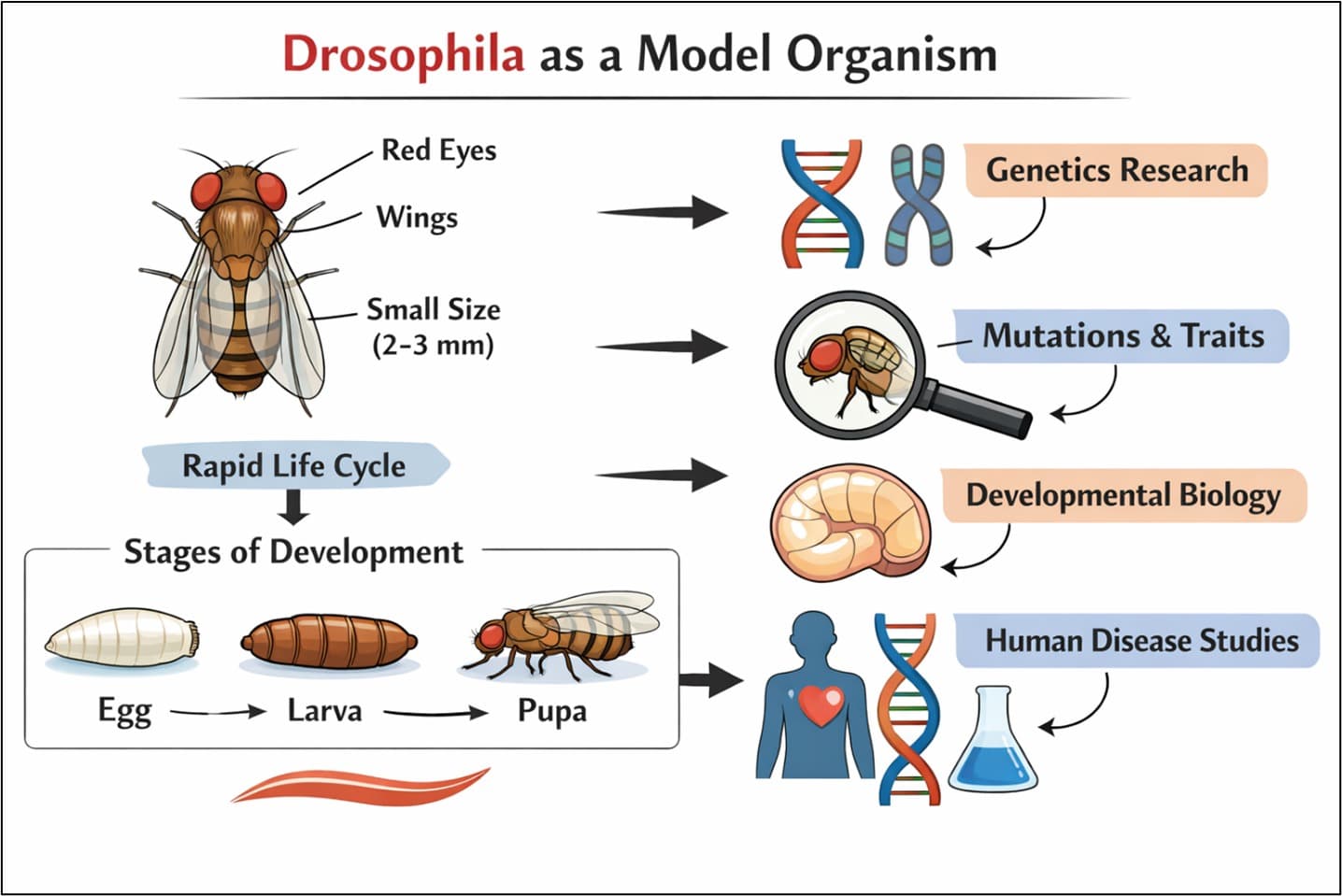
How the fruit fly egg chamber reveals the secrets of cell migration and offers powerful insights into cancer metastasis and future therapies.